

Google Ads are expensive due to high competition, keyword bidding, and the necessity for quality ad content. Advertisers pay for visibility in a competitive marketplace, where costs can escalate quickly based on demand and targeting options.
Understanding the costs associated with Google Ads is crucial for businesses aiming to optimize their advertising budgets. Misjudging these expenses can lead to ineffective campaigns and wasted resources, impacting overall marketing strategy and ROI.
This article details the factors driving Google Ads costs, including competitive bidding strategies, the importance of keyword selection, and how ad quality influences pricing. Readers will gain insights into managing their advertising investments effectively.
What factors contribute to the high cost of Google Ads?
The cost of Google Ads can range significantly, often exceeding $1 to $2 per click for many competitive keywords. Several key factors contribute to these high costs, including competition among advertisers, the bidding strategies employed, and the overall quality of the ads themselves.
One primary factor is competition. In industries with many advertisers vying for the same keywords, the cost per click (CPC) can rise sharply. Businesses are often willing to pay a premium for visibility, leading to higher bids on popular keywords. Additionally, the keyword bidding strategy plays a crucial role. Advertisers can choose between manual bidding, automated bidding, or enhanced cost-per-click (CPC) strategies, each affecting their ad spend. For instance, automated bidding can optimize bids based on performance, potentially increasing costs if not managed correctly.
- Ad Quality: Google uses a metric called Quality Score, which evaluates the relevance of the ad, the landing page experience, and the expected click-through rate. Higher Quality Scores can lower costs, so maintaining high-quality ads is essential.
- Targeting Options: The more specific the audience targeting, the higher the cost may become. Advertisers targeting niche markets may face less competition but could incur higher costs if the audience is particularly sought after.
- Market Trends: Seasonal trends and economic factors can influence keyword costs. During peak shopping seasons or significant events, costs can spike as demand increases.
Expert management of Google Ads campaigns is essential. Businesses should regularly analyze keyword performance and adjust bidding strategies accordingly. Engaging in A/B testing for ad copy and landing pages can also yield better results and potentially lower costs over time.
How can I reduce my Google Ads costs?
Reducing Google Ads costs involves strategic adjustments to targeting, keyword selection, and ad quality. By optimizing these areas, businesses can achieve better results while minimizing their expenditure. Implementing the following steps can lead to significant savings.
- Refine Targeting: Use demographic, geographic, and behavioral targeting to reach your ideal audience more effectively. Narrowing your focus reduces wasted clicks and improves conversion rates.
- Optimize Keywords: Conduct thorough keyword research to identify high-performing keywords with lower competition. Focus on long-tail keywords, which often have lower costs and higher conversion potential.
- Improve Ad Quality: Create compelling ad copy that resonates with your target audience. High-quality ads with strong relevance can lead to a better Quality Score, which in turn lowers costs per click.
- Utilize Negative Keywords: Regularly review and update your negative keyword list to prevent your ads from showing on irrelevant searches. This helps in avoiding unnecessary spending on clicks that are unlikely to convert.
- Monitor and Adjust Bids: Use automated bidding strategies to optimize your spend based on performance data. Regularly analyze campaign performance and adjust bids accordingly to maximize ROI.
Implementing these strategies can lead to more efficient ad spending and improved campaign outcomes. Continually analyzing and adjusting your approach is essential for long-term success.
Expert Tip: Consider A/B testing different ad variations to identify which messages and formats perform best. This data-driven approach allows for more informed decisions and can significantly enhance ad effectiveness while reducing costs.
Are Google Ads worth the investment?
Google Ads can be worth the investment, depending on the specific business goals and the effectiveness of the campaigns. While the costs can be high, the potential return on investment (ROI) can justify the expense for many businesses. However, the effectiveness of Google Ads varies based on industry, competition, and ad quality.
When evaluating whether Google Ads are worth the investment, consider the following factors:
- Target Audience Reach: Google Ads allow businesses to reach a vast audience actively searching for specific products or services. This targeted approach can lead to higher conversion rates compared to other advertising methods.
- Cost per Acquisition (CPA): The CPA can vary significantly depending on the industry and competition. For high-demand keywords, the costs may be steep, but if the CPA remains lower than the profit margin on sales, the investment can be justified.
- Ad Performance Metrics: Metrics such as click-through rates (CTR) and conversion rates are essential to assess the effectiveness of Google Ads. High-performing ads can deliver substantial returns, making the investment worthwhile.
Additionally, businesses should consider their ability to optimize campaigns continuously. Effective management and ongoing adjustments can improve the ROI and make the initial costs more palatable. Conversely, businesses that neglect optimization may find that their investment does not yield satisfactory results.
Expert Tip: Conducting thorough keyword research and using negative keywords can significantly enhance campaign performance, ensuring that ad spend is directed towards the most relevant searches. This strategic approach can help mitigate costs while maximizing ROI.
What is the average cost-per-click for Google Ads?
The average cost-per-click (CPC) for Google Ads typically ranges from $1 to $2 on the Search Network, while display ads can average around $0.50. However, these figures can vary significantly depending on the industry and competition level for specific keywords.
Several factors influence the CPC of Google Ads, making it crucial for advertisers to understand these elements when planning their budgets. The primary factors include:
- Industry Competition: Highly competitive industries, such as legal, finance, and healthcare, often have higher CPCs due to the demand for limited keywords.
- Quality Score: Google assigns a Quality Score to ads based on their relevance, click-through rate, and landing page experience. A higher Quality Score can reduce CPC.
- Geographic Targeting: CPC can vary by location. Urban areas may see higher costs due to increased competition, while rural areas may have lower rates.
- Ad Rank: This is determined by bid amount and Quality Score. A higher Ad Rank can lead to better positioning and potentially lower CPC.
Understanding these factors allows advertisers to optimize their campaigns effectively. For example, focusing on improving Quality Scores can help reduce overall CPC, even in competitive industries.
Expert Tip: Conducting thorough keyword research and utilizing long-tail keywords can also lower CPC while increasing the likelihood of attracting qualified leads.
How long does it take to see results from Google Ads?
Results from Google Ads can typically be observed within a few days to a couple of weeks after launching a campaign. However, achieving significant outcomes, such as increased sales or lead generation, may take longer, often several weeks to a few months, depending on various factors.
The timeline for seeing results largely depends on the campaign’s objectives and the industry in which a business operates. For example, if the goal is to enhance brand awareness through impressions, initial results may surface almost immediately. Conversely, campaigns aimed at generating conversions or sales often require more time for data optimization and audience targeting.
Several factors can influence how quickly results are realized. The competitiveness of the keywords targeted plays a significant role; highly competitive keywords may require a longer time to yield favorable outcomes as the campaign optimizes for cost and performance. Additionally, the quality of the ad copy, landing pages, and overall user experience can significantly impact conversion rates. Advertisers should also consider the allocation of budget and daily spend, as more aggressive budgeting can lead to faster data collection and optimization.
Moreover, the learning phase of a Google Ads campaign is a critical period where the algorithm gathers data to optimize performance. This phase can last from a few days to a couple of weeks, depending on traffic volume and ad interactions. During this time, results may fluctuate as the system identifies the most effective strategies.
Expert Tip: To expedite results, focus on refining ad copy and leveraging A/B testing early in the campaign. This strategy provides valuable insights into what resonates with the target audience, potentially improving conversion rates more quickly.
What are common mistakes to avoid with Google Ads?
Common mistakes in Google Ads campaigns can lead to wasted budgets and poor performance. Avoiding these pitfalls is essential for maximizing the return on investment. Properly structuring campaigns and understanding targeting options are key to achieving better results.
One significant mistake is failing to conduct thorough keyword research. Selecting irrelevant or overly broad keywords can drain budgets quickly without generating quality leads. Utilize tools like Google Keyword Planner to identify keywords that align with user intent and have a manageable level of competition.
- Neglecting ad extensions: Failing to use ad extensions can limit ad visibility. Extensions provide additional information, such as location, phone number, or additional links, making ads more appealing and informative.
- Ignoring negative keywords: Not implementing negative keywords can lead to wasted spend on irrelevant searches. Regularly review search terms and add negative keywords to filter out unwanted traffic.
- Underutilizing A/B testing: Not testing different ad variations can hinder performance optimization. Implement A/B testing for headlines, descriptions, and calls to action to determine what resonates best with the target audience.
- Overlooking conversion tracking: Without proper conversion tracking, it’s difficult to measure the effectiveness of campaigns. Set up tracking to monitor which ads and keywords are driving conversions, allowing for data-driven adjustments.
Expert-level insights reveal that regular performance audits are vital. Analyzing metrics such as click-through rates, conversion rates, and cost per acquisition can highlight areas for improvement and ensure budgets are allocated effectively.
How does Google Ads compare to other advertising platforms?
Google Ads tends to be more expensive than many other advertising platforms, such as Facebook Ads and LinkedIn Ads. This difference in cost is primarily driven by the platform’s auction-based model, audience targeting capabilities, and the intent of users engaging with ads. Understanding these distinctions can help businesses decide where to allocate their advertising budget effectively.
Google Ads operates on a pay-per-click (PPC) model, where advertisers bid on keywords relevant to their products or services. This auction system often results in higher costs, especially in competitive industries. In contrast, platforms like Facebook Ads use a different approach, focusing on demographic and behavioral targeting rather than keyword bidding. While Facebook Ads can be less expensive, they may yield lower conversion rates due to users not actively seeking specific products at the time of exposure.
- Google Ads: Primarily keyword-based, targeting users actively searching for products or services. Higher CPC (cost-per-click) due to competition.
- Facebook Ads: Focuses on demographic and interest-based targeting. Generally lower CPC, but users may not be in a purchasing mindset.
- LinkedIn Ads: Best suited for B2B marketing. Higher costs comparable to Google Ads, but offers precise targeting based on professional attributes.
Each platform’s effectiveness varies by industry and campaign goals. Google Ads typically excels in driving immediate traffic and conversions, while Facebook Ads can be effective for brand awareness and engagement. Additionally, LinkedIn Ads are particularly beneficial for niche B2B markets where professional targeting is crucial.
Expert Tip: Businesses should conduct A/B testing across different platforms to determine which offers the best ROI for their specific audience and marketing goals. Tailoring the advertising strategy to fit the unique characteristics of each platform can significantly enhance overall campaign effectiveness.
Understanding the Auction System: How Google Determines Ad Costs
This section delves into the auction model that governs Google Ads, highlighting how bids are calculated and the factors that influence ad costs. Understanding this system is essential for grasping why Google Ads are often perceived as expensive.

The Auction System Overview
Google Ads operates on a sophisticated auction system where advertisers bid for ad placement. Each time a user conducts a search, Google runs an auction to determine which ads will appear and in what order. Bids submitted by advertisers represent the maximum amount they are willing to pay for a click on their ad. However, the final cost per click (CPC) is often lower than the bid amount, as it is influenced by various factors such as ad relevance and competition.
Quality Score: The Key Player
One of the most critical factors in determining ad placement and cost is the Quality Score. This metric evaluates the relevance of an ad based on three components: expected click-through rate (CTR), ad relevance, and landing page experience. A high Quality Score can significantly lower the cost per click, even if an advertiser’s bid is lower than competitors. Thus, focusing on ad quality can be as essential as the bid amount itself.
Factors Influencing Bid Competition
Several elements contribute to the competitive landscape of Google Ads auctions:
- Industry Competition: Industries with high competition, such as legal services and finance, often see inflated bids due to the number of advertisers vying for limited ad space.
- Keyword Popularity: Keywords that are frequently searched generally attract higher bids, driving up costs. Long-tail keywords may offer lower competition and more cost-effective options.
- Ad Timing: Seasonal trends or special events can affect bid competition, as advertisers adjust their strategies based on consumer behavior.
Industry Variations in Auction Dynamics
Different industries experience varying auction dynamics that influence ad costs. For instance, in the e-commerce sector, advertisers may bid aggressively during peak shopping seasons, leading to higher CPCs. Conversely, niche markets may encounter lower competition and more affordable bids. Understanding these dynamics allows advertisers to tailor their strategies effectively.
Moreover, local businesses may find that geographic targeting can reduce competition and costs, as they compete primarily with regional advertisers rather than national brands. This strategic approach can yield better ROI by focusing on the right audience.
Nuances of the Auction System
Common misconceptions about the auction system often overlook the significance of Quality Score. Many advertisers assume that higher bids guarantee better ad placement. However, a lower bid with a high Quality Score can outperform a higher bid with a poor score. Additionally, advertisers frequently underestimate the impact of ad extensions, which can enhance visibility and click-through rates, ultimately affecting costs and placement.
Practical Application: Optimizing Your Google Ads Strategy
To effectively manage costs in Google Ads, consider the following actionable steps:
- Enhance your Quality Score by improving ad relevance and landing page experience.
- Conduct thorough keyword research to identify both high-volume and low-competition keywords.
- Utilize ad extensions to increase visibility and improve CTR.
- Monitor industry trends and adjust bids accordingly during peak seasons.
By implementing these strategies, advertisers can navigate the complexities of the auction system and potentially reduce the costs associated with Google Ads.
The Impact of Keyword Selection on Advertising Costs
This section explores how keyword selection directly influences advertising costs within Google Ads. By understanding the nuances of keyword types and search intent, advertisers can optimize their campaigns effectively.

Long-Tail vs. Short-Tail Keywords
Keywords are typically categorized as either long-tail or short-tail. Short-tail keywords, generally consisting of one to three words, tend to have high search volume but also come with higher competition and costs. For example, a keyword like “shoes” may attract numerous bids, driving up the cost per click (CPC).
In contrast, long-tail keywords, which contain three or more words, often have lower search volumes but can be more cost-effective. A phrase like “men’s running shoes for flat feet” may have less competition, resulting in lower CPC. Thus, a strategic mix of both keyword types can lead to more efficient ad spend.
The Role of Search Intent
Search intent significantly impacts keyword pricing. Keywords can be categorized into four primary types based on user intent:
- Informational: Users seek information (e.g., “how to tie running shoes”).
- Navigational: Users look for a specific website (e.g., “Nike official site”).
- Transactional: Users intend to make a purchase (e.g., “buy running shoes online”).
- Commercial Investigation: Users are comparing products (e.g., “best running shoes 2023”).
Transactional keywords typically command higher bids due to their direct correlation with sales. Understanding the intent behind each keyword can help advertisers tailor their strategies and minimize costs effectively.
Tools for Effective Keyword Research
Effective keyword research is essential for optimizing Google Ads campaigns. Several tools assist advertisers in identifying the right keywords:
- Google Keyword Planner: A free tool providing keyword ideas and CPC estimates.
- SEMrush: Offers competitive analysis and keyword tracking.
- Ahrefs: Focuses on backlinks and keyword search volume data.
Utilizing these tools can provide insights into keyword performance, helping advertisers make informed decisions about their ad spend.
Case Studies Illustrating Successful Keyword Strategies
Case studies provide practical examples of effective keyword strategies. One notable case involves a retail brand that shifted its focus from broad short-tail keywords to specific long-tail keywords. This transition resulted in a 30% decrease in overall ad spend while increasing conversion rates by 25%.
Another example is a software company that targeted industry-specific transactional keywords. By aligning its ad copy with user intent, the company achieved a 40% reduction in CPC and improved return on ad spend (ROAS) significantly.
Many advertisers overlook the importance of keyword selection, often focusing solely on bid amounts. However, comprehensive keyword analysis can lead to optimized campaigns and lower costs. Advertisers should continually refine their keyword strategies based on performance metrics and market trends.
To effectively apply this information, advertisers should:
- Conduct thorough keyword research using recommended tools.
- Incorporate a balanced mix of long-tail and short-tail keywords.
- Regularly analyze campaign performance to adjust keyword strategies based on changing search intent.
Strategies for Maximizing ROI on Google Ads
This section explores advanced strategies to enhance the effectiveness of Google Ads, ensuring that ad expenditures convert into tangible revenue. Implementing these tactics can significantly improve the return on investment (ROI) for your advertising campaigns.

Optimizing Ad Copy and Landing Pages
Effective ad copy is essential for capturing attention and driving clicks. Focus on creating headlines that resonate with your target audience and include strong calls-to-action (CTAs). Utilize relevant keywords to improve ad relevance and Quality Score, which can lower costs. Additionally, ensure that landing pages are optimized for user experience, with fast loading times and a clear pathway to conversion.
A/B Testing for Performance Enhancement
A/B testing is a vital technique for refining ad performance. By testing different versions of ads, including variations in headlines, descriptions, and CTAs, advertisers can identify which elements yield the highest engagement rates. This systematic approach allows for data-driven decisions, leading to improved ad effectiveness over time.
- Test different headlines to see which generates more clicks.
- Experiment with various CTAs to find what encourages conversions.
- Assess landing page layouts to determine which design maximizes user retention.
Setting Up Conversion Tracking
Accurate measurement of ad performance is crucial for determining ROI. Implement conversion tracking through Google Ads to monitor actions taken by users after clicking on ads. This includes purchases, sign-ups, and other valuable interactions. Regularly review conversion data to adjust strategies and optimize budgets toward the most profitable campaigns.
Leveraging Remarketing for Increased Conversions
Remarketing is an effective strategy to re-engage users who have previously interacted with your site. By serving tailored ads to these users, businesses can increase the likelihood of conversion. This targeted approach often yields higher ROI, as it focuses on an audience already familiar with the brand.
- Create segmented remarketing lists based on user behavior.
- Use dynamic ads to showcase products users viewed.
- Adjust bids for remarketing campaigns to maximize visibility during high-conversion periods.
Nuance and Expert Insights
Many advertisers overlook the role of ad fatigue, which can diminish the effectiveness of campaigns over time. Continuously refreshing ad creatives and targeting strategies can prevent this issue. Additionally, some believe that higher spending guarantees better results; however, meticulous targeting and optimization often yield superior outcomes than simply increasing the budget. A focus on Quality Score and relevance can yield substantial savings while enhancing performance.
Practical Application
To maximize ROI on Google Ads, follow these steps:
- Regularly update ad copy and landing pages based on performance data.
- Conduct A/B tests every month to refine messaging and design.
- Set up and review conversion tracking to inform budget allocation.
- Implement remarketing strategies to target previous site visitors effectively.
Analyzing Industry Trends: What to Expect in Google Ads Pricing
This section examines the evolving landscape of Google Ads pricing by analyzing recent policy changes, emerging trends in digital advertising, economic influences, and expert insights. Understanding these factors is essential for advertisers navigating the complexities of advertising budgets.
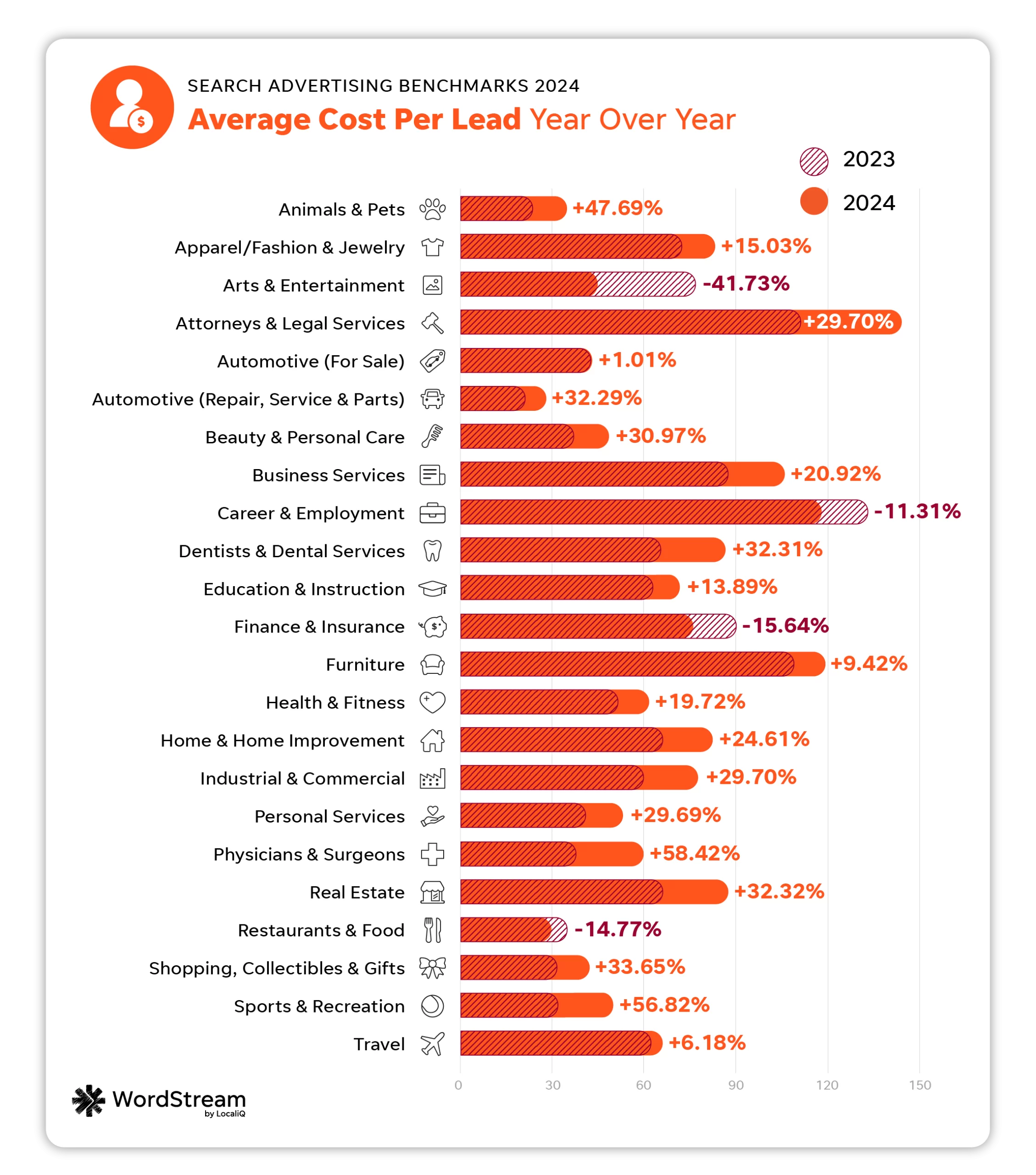
Recent Changes in Google Ads Policies
Google has implemented several policy changes that directly impact advertising pricing. Notably, the introduction of enhanced bidding strategies, such as Target CPA and Maximize Conversions, has influenced cost structures. Advertisers are now competing for higher-quality leads, which can drive up costs significantly.
Additionally, the increased focus on ad quality with a more stringent Quality Score system means that advertisers must invest more in creating relevant, high-performing ads. This policy shift results in higher costs for those who do not meet the new standards.
Emerging Trends in Digital Advertising
- Increased Competition: As more businesses recognize the value of online advertising, the competition for ad space intensifies, leading to higher bids and costs.
- Shift to Automation: Automated bidding solutions are gaining traction, but they can also lead to unpredictable costs as algorithms adjust bids in real-time.
- Focus on Video Ads: Video advertising is on the rise, often commanding higher CPMs (cost per thousand impressions) compared to traditional text ads, thus affecting overall advertising budgets.
Economic Factors Influencing Advertising Budgets
The overall economic climate plays a significant role in Google Ads pricing. During economic downturns, companies may reduce advertising budgets, leading to a temporary drop in competition and potentially lower costs. Conversely, in a robust economy, increased consumer spending prompts businesses to ramp up advertising efforts, driving prices higher.
Inflationary pressures can also affect advertising budgets. As costs of goods and services rise, businesses often allocate larger portions of their budgets to advertising, resulting in heightened competition and potentially increased costs for Google Ads.
Expert Insights on Future Pricing Strategies
Industry experts predict that Google Ads pricing will continue to evolve, particularly with advancements in artificial intelligence and machine learning. These technologies are expected to refine targeting capabilities, allowing advertisers to reach more specific audiences efficiently. However, this precision may come at a higher cost due to increased demand for premium placements.
Additionally, experts suggest that brands should be prepared for fluctuations in pricing as economic conditions change. Flexibility in ad spending and a willingness to adapt to new trends will be critical for maintaining effective advertising strategies.
Many analyses overlook the significance of niche markets. Advertisers in specialized industries may experience less competition, allowing for more stable pricing. Understanding these nuances can provide advertisers with a strategic advantage.
To effectively manage Google Ads costs, advertisers should consider performing regular audits of their ad campaigns, staying informed about policy changes, and evaluating the competitive landscape. Allocating budget for testing new ad formats and technologies can also yield better results and optimize spending. Prioritizing high-quality content and targeting relevant keywords will further enhance ad performance and potentially lower overall costs.
Frequently Asked Questions
What factors contribute to the high cost of Google Ads?
The cost of Google Ads is influenced by competition, keyword relevance, and quality score. Higher competition for popular keywords typically drives up bid prices.
How can I reduce my Google Ads costs?
To lower Google Ads costs, focus on improving your Quality Score and targeting more specific keywords. Additionally, optimizing ad copy and landing pages can enhance performance and reduce costs.
Are Google Ads worth the investment?
Google Ads can provide a strong return on investment if managed effectively. The platform allows for precise targeting, which can lead to increased conversions and sales.
What is the average cost-per-click for Google Ads?
The average cost-per-click (CPC) for Google Ads varies widely by industry, typically ranging from $1 to $2 for search ads. Competitive industries can see CPCs exceeding $50.
How long does it take to see results from Google Ads?
Results from Google Ads can be seen almost immediately after campaigns launch, but significant insights and optimizations may take a few weeks. Continuous monitoring and adjustments are essential for long-term success.
What are common mistakes to avoid with Google Ads?
Common mistakes include neglecting keyword research, failing to optimize landing pages, and setting unrealistic budgets. Proper planning and ongoing analysis are vital to avoid these pitfalls.
How does Google Ads compare to other advertising platforms?
Google Ads offers extensive reach and targeting capabilities, often outperforming other platforms in terms of conversion rates. However, the cost can be higher compared to social media advertising, depending on the industry.
Final Thoughts on Why Are Google Ads So Expensive
The high costs associated with Google Ads stem from a complex interplay of factors including competitive bidding, keyword selection, and market demand. Understanding these elements is crucial for businesses looking to optimize their advertising budgets and maximize ROI.
To effectively manage Google Ads expenses, focus on refining keyword strategies and utilizing negative keywords to filter out irrelevant traffic, thereby lowering costs while increasing ad relevance and performance.
Investing in Google Ads can yield significant returns when approached with a strategic mindset, making it essential for businesses aiming to thrive in an increasingly digital landscape.
Leave a Reply