
Hire Google Ads Specialist
Freelance Google Ads Specialist
Boost your business with a professional Google Ads specialist. I create and manage high-performing PPC campaigns focused on lead generation and ROI—starting at $350/month.
🚀 Get High-Quality Leads Fast
📊 Data-Driven PPC Strategy
🎯 Laser-Focused Audience Targeting
💡 Conversion Tracking Setup
🔄 Ongoing Optimization & Reporting

Hire Google Ads Specialist – Md Tangeer Mehedi
A Google Ads specialist is a professional who manages and optimizes Google Ads campaigns. They utilize data-driven strategies to enhance ad performance and maximize return on investment.
Understanding the role of a Google Ads specialist is crucial for businesses aiming to increase their online visibility and drive targeted traffic. Mismanagement of ad campaigns can lead to wasted budgets and missed opportunities, emphasizing the need for expertise in this area.
This guide will detail the key responsibilities of a Google Ads specialist, effective strategies for campaign optimization, and best practices for measuring success to ensure maximum ROI.
What does a Google Ads specialist do?
A Google Ads specialist is responsible for creating, managing, and optimizing online advertising campaigns using Google Ads. Their primary goal is to drive traffic, increase conversions, and maximize return on investment (ROI) for their clients or organizations through targeted advertising strategies.
These specialists analyze data, conduct keyword research, and implement best practices to ensure campaigns are effective. They must stay updated on changes in Google Ads policies and industry trends to maintain competitive advantage.
- Campaign Strategy Development: Specialists create tailored ad strategies based on business goals, target audience, and market conditions.
- Keyword Research and Selection: They identify relevant keywords to enhance ad visibility and match user intent, ensuring ads reach potential customers effectively.
- Performance Analysis: Continuous monitoring and analysis of campaign performance metrics, such as click-through rates (CTR) and conversion rates, allows specialists to make data-driven adjustments for improved results.
- A/B Testing: Running tests on different ad variations helps determine the most effective messaging and design, optimizing overall campaign performance.
- Budget Management: Google Ads specialists allocate budgets strategically across campaigns to ensure maximum exposure while controlling costs.
Additionally, they may collaborate with other marketing teams to ensure cohesive branding and messaging across all channels. This collaboration often includes integrating Google Ads campaigns with social media, email marketing, and website optimization efforts.
Expert Tip: A successful Google Ads specialist leverages advanced tools and analytics platforms, such as Google Analytics and third-party software, to gain deeper insights into user behavior and campaign effectiveness, allowing for more precise targeting and strategy refinement.
How to become a Google Ads specialist?
To become a Google Ads specialist, one must follow a structured path that includes gaining foundational knowledge, obtaining relevant certifications, and developing key skills. This career can be pursued through self-study, formal education, or on-the-job training. A combination of practical experience and ongoing learning is essential for success in this field.
- Learn the Basics of Online Marketing: Start by understanding the fundamentals of digital marketing, including SEO, PPC, and conversion optimization. Familiarity with these concepts will provide a solid foundation for specializing in Google Ads.
- Gain Proficiency in Google Ads: Create a Google Ads account and familiarize yourself with its interface, features, and tools. Experiment with campaigns to gain hands-on experience in creating ad groups, selecting keywords, and setting budgets.
- Obtain Google Ads Certification: Enroll in the Google Skillshop and complete the necessary courses to earn certifications in Google Ads. Focus on areas such as search advertising, display advertising, and measurement to enhance your expertise.
- Stay Updated with Industry Trends: Follow industry blogs, attend webinars, and join professional groups to keep abreast of the latest developments in Google Ads and digital marketing. This ongoing education will help you adapt to changes and improve your strategies.
- Build a Portfolio: Apply your skills by managing campaigns for small businesses or personal projects. Document your results to create a portfolio that showcases your ability to drive traffic and conversions through Google Ads.
- Network with Professionals: Connect with other digital marketers and Google Ads specialists through networking events and online forums. Building relationships can lead to job opportunities and collaborations.
As you progress in your career, focus on developing analytical skills and understanding consumer behavior. These competencies are vital for optimizing campaigns and maximizing ROI. Additionally, consider specializing in a niche market to differentiate yourself in a competitive landscape.
Expert Tip: Frequently analyze your campaigns’ performance metrics to identify areas for improvement. Continuous optimization is key to achieving long-term success as a Google Ads specialist.
What is the average cost of hiring a Google Ads specialist?
The average cost of hiring a Google Ads specialist typically ranges from $50 to $150 per hour, or between $500 to $5,000 per month, depending on several factors. Prices can vary widely based on the specialist’s experience, the complexity of the campaigns, and the geographic location of the business. Understanding these factors can help businesses make informed decisions when seeking expert assistance.
Several key factors influence the cost of hiring a Google Ads specialist:
- Experience Level: Specialists with extensive experience and proven track records often charge higher rates. Newer professionals may offer competitive pricing to build their portfolios.
- Project Scope: The size and complexity of the advertising campaign significantly impact costs. Comprehensive campaigns that require extensive research, multiple ad groups, and ongoing optimization will naturally be more expensive.
- Geographic Location: Rates can vary based on the cost of living in different regions. Specialists in metropolitan areas may charge more than those in smaller towns or less populated regions.
- Service Model: Some specialists charge hourly, while others may offer fixed monthly retainers or performance-based pricing. Understanding the pricing model can help businesses align their budget with their goals.
When hiring a Google Ads specialist, consider not only the cost but also the potential return on investment. A well-managed campaign can significantly enhance visibility and drive conversions, making the expense worthwhile. Additionally, discussing specific goals and expected outcomes during the initial consultation can lead to more accurate pricing estimates.
Expert insight: Prioritize specialists who provide transparent reporting and communication. Regular updates and performance metrics are essential for assessing the effectiveness of the campaigns and ensuring alignment with business objectives.
What are the best practices for Google Ads management?
Effective Google Ads management hinges on implementing proven strategies that enhance campaign performance. By adhering to these best practices, a Google Ads specialist can significantly improve the return on investment (ROI) for clients. Consistent monitoring and optimization are essential to achieving long-term success.
First, thorough keyword research is fundamental. Identify relevant keywords that align with your target audience’s search intent. Utilize tools like Google Keyword Planner to discover high-traffic, low-competition keywords. Regularly update your keyword list based on performance metrics to ensure your ads remain relevant.
- Optimize ad copy: Craft compelling ad copy that includes targeted keywords and a clear call to action. A/B testing different versions can reveal what resonates best with your audience, leading to higher click-through rates (CTR).
- Utilize ad extensions: Take advantage of ad extensions to provide additional information and encourage engagement. Options include site link, call, and location extensions, which can enhance visibility and improve the overall user experience.
- Implement conversion tracking: Set up conversion tracking to measure the effectiveness of your ads. This provides insights into which campaigns drive the most valuable actions, allowing for data-driven adjustments to improve performance.
- Regularly review and adjust bids: Monitor bidding strategies and adjust them based on campaign performance. Consider using automated bidding strategies that optimize bids for conversions or target return on ad spend (ROAS).
Continuous education on emerging trends and features in Google Ads is vital. Staying updated with platform changes can provide a competitive edge, enabling more effective campaign management.
Expert Tip: Utilize audience segmentation to tailor ads more precisely. By targeting specific demographics or interests, campaigns can achieve higher engagement and conversion rates, maximizing the effectiveness of ad spend.
How long does it take to see results from Google Ads?
Typically, businesses can expect to see initial results from Google Ads campaigns within 1 to 3 months. However, the exact timing can vary based on several factors, including campaign goals, industry competition, and budget allocation.
One significant factor influencing the timeframe is the type of campaign being run. For instance, campaigns focused on brand awareness may show results more gradually, while those aimed at immediate sales can yield faster returns. Additionally, the quality of the ads, including ad copy and landing page experience, plays a critical role in determining how quickly results are visible. Well-crafted ads that resonate with the target audience can lead to quicker engagement and conversions.
Another important aspect is the budget allocated for the campaign. A higher budget can allow for more extensive testing and optimization, leading to faster adjustments and improvements. Conversely, a limited budget may prolong the time needed to gather sufficient data for meaningful insights. Furthermore, industry competition can affect results; highly competitive markets may require more time and resources to achieve noticeable outcomes.
Practical Implications
Businesses must also consider the learning phase of Google Ads, which typically lasts about two weeks. During this period, the Google Ads algorithm gathers data to optimize ad performance. Marketers should not expect significant results during this phase, as the system is still adjusting to the target audience and bid strategies.
To maximize the effectiveness of a Google Ads campaign, continuous monitoring and optimization are essential. Regularly analyzing performance metrics and making necessary adjustments can lead to improved results over time. A proactive approach ensures that campaigns remain aligned with business goals and market trends.
Expert Tip: Engage in A/B testing for ad variations early in the campaign. This practice can provide valuable insights into what resonates with your audience and accelerate performance improvements.
Google Ads specialist vs. general digital marketer: what’s the difference?
A Google Ads specialist focuses specifically on managing and optimizing paid advertising campaigns within the Google Ads platform, while a general digital marketer encompasses a broader range of online marketing strategies and channels. The primary distinction lies in the specialization and depth of knowledge regarding Google Ads versus a more generalized understanding of digital marketing as a whole.
Google Ads specialists possess specific skills related to pay-per-click (PPC) advertising, keyword research, ad copywriting, and performance analytics. They are adept at utilizing advanced features within Google Ads, such as remarketing, audience targeting, and A/B testing. Their expertise allows them to maximize ROI by continuously analyzing campaign data and making real-time adjustments to improve performance.
In contrast, general digital marketers are versatile professionals who may work across multiple channels, including social media, email marketing, content marketing, and SEO. They often possess a foundational understanding of paid advertising, but their focus is on integrating various digital strategies to create cohesive marketing campaigns. This broader perspective can be advantageous for businesses seeking to implement multi-channel marketing efforts.
- Focus: Google Ads specialists concentrate on PPC campaigns; general digital marketers cover various online marketing strategies.
- Skills: Specialists excel in Google Ads tools and analytics; general marketers require diverse skills across multiple platforms.
- Depth of Knowledge: Google Ads specialists have in-depth expertise in campaign optimization; general marketers maintain a broader but shallower knowledge base.
Expert insight: Companies looking to maximize their advertising budget should consider hiring a Google Ads specialist for targeted campaigns while integrating their efforts with general digital marketing strategies for a comprehensive approach. This dual strategy can enhance overall brand visibility and lead generation.
What tools do Google Ads specialists use?
Google Ads specialists utilize a variety of tools to effectively manage and optimize advertising campaigns. Key tools include Google Ads itself, Google Analytics, and keyword research platforms like SEMrush or Ahrefs. These tools help in tracking performance, analyzing data, and refining targeting strategies.
For example, a Google Ads specialist may start by using the Google Ads platform to create and manage ad campaigns. They set up campaigns based on specific goals, such as lead generation or brand awareness. Once the campaigns are live, they rely on Google Analytics to monitor traffic sources and user behavior on the website. This data provides insights into how well the ads are converting, allowing the specialist to make informed adjustments.
In addition to these platforms, keyword research tools like SEMrush or Ahrefs play a crucial role in identifying high-performing keywords. A specialist might use these tools to conduct competitive analysis and discover new keyword opportunities that can enhance ad relevance and improve Quality Scores. By continuously monitoring and adjusting campaigns using these tools, a Google Ads specialist can drive better results and achieve a higher return on investment.
Expert Tip: Regularly integrating A/B testing tools, such as Google Optimize, can provide deeper insights into ad variations and landing page performance, leading to more effective campaign strategies.
Advanced Strategies for Optimizing Google Ads Campaigns
This section delves into advanced techniques for optimizing Google Ads campaigns, focusing on data-driven strategies that enhance performance and ROI. Employing these tactics can elevate an average campaign into a high-performing powerhouse.
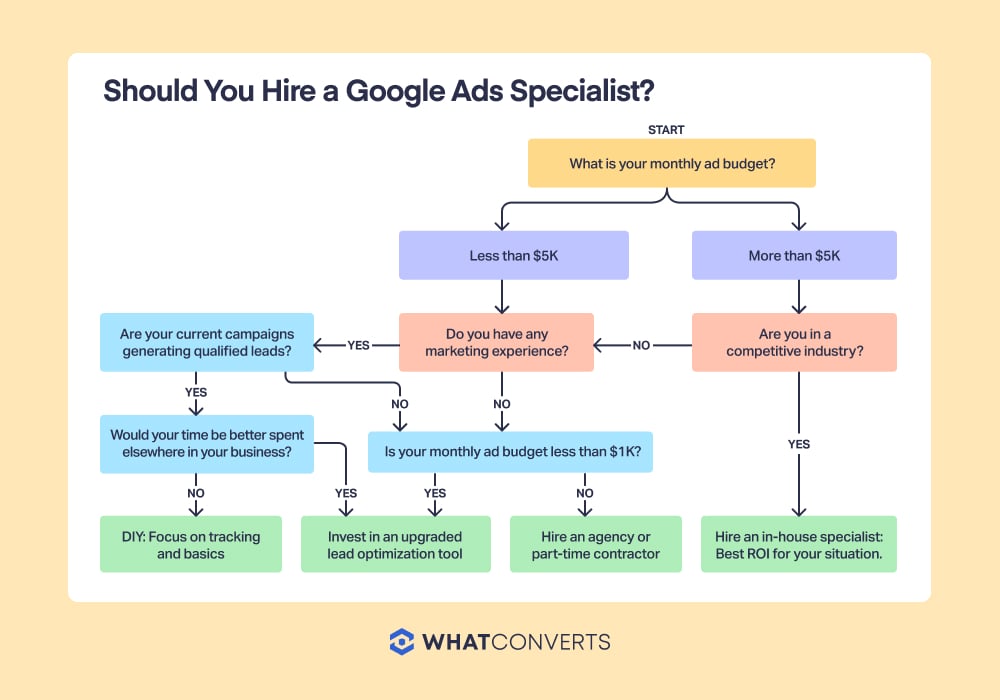
Utilizing A/B Testing for Ad Variations
A/B testing, also known as split testing, is a critical method for fine-tuning Google Ads. By creating two or more variations of an ad, advertisers can assess which version performs better in terms of click-through rates (CTR) and conversions. Key elements to test include:
- Ad copy and headlines
- Call-to-action (CTA) phrases
- Display URLs and extensions
Conduct tests over a sufficient period to gather reliable data, ensuring that external factors remain consistent. Analyze results to inform future campaigns, driving continuous improvement.
Implementing Remarketing Strategies Effectively
Remarketing allows advertisers to re-engage users who have previously interacted with their website or app. This strategy increases brand recall and encourages conversions from warm leads. Effective remarketing can be achieved through:
- Segmenting audiences based on their previous interactions
- Creating tailored ad content that reflects user behavior
- Using frequency capping to avoid ad fatigue
Utilizing dynamic remarketing ads can further enhance effectiveness by displaying products or services that users viewed, thus personalizing their experience.
Leveraging Audience Segmentation for Targeted Ads
Audience segmentation enables advertisers to target specific groups based on demographics, interests, or behaviors. This strategy increases the relevance of ads, leading to higher engagement rates. Consider the following segmentation techniques:
- Demographic targeting (age, gender, location)
- Affinity audiences (interests and lifestyles)
- In-market audiences (users actively searching for specific products)
Employing customized messages for each segment can significantly improve ad performance, as tailored content resonates more with the audience.
Analyzing Competitor Strategies for Insights
Understanding competitor strategies provides valuable insights that can inform and enhance your own Google Ads campaigns. Key methods include:
- Using tools like SEMrush or SpyFu to analyze competitor keywords and ad copy
- Identifying gaps in their strategy that your campaigns can exploit
- Monitoring competitors’ landing pages for optimization ideas
Regularly reviewing competitor performance can uncover industry trends and help refine your approach to align with market demands.
While many articles focus on basic strategies, a common misconception is that A/B testing should only be conducted once. Instead, ongoing testing should be integrated into the campaign lifecycle. Additionally, not all remarketing efforts yield the same results; understanding user intent is essential for crafting effective messages. An expert Google Ads specialist recognizes that each campaign requires a unique blend of these advanced strategies tailored to specific business goals.
To apply these insights, begin by setting up structured A/B tests for your current ads, focusing on one variable at a time. Implement remarketing lists segmented by user engagement levels, and utilize audience insights to refine targeting. Lastly, invest time in analyzing competitor ads and keywords to identify opportunities for differentiation. These actionable steps will enhance your campaign’s effectiveness and maximize return on investment.
Common Mistakes to Avoid When Working with Google Ads
Identifying and avoiding common pitfalls in Google Ads management can significantly enhance advertising effectiveness and ROI. By understanding these frequent errors, businesses can streamline their campaigns for better outcomes.
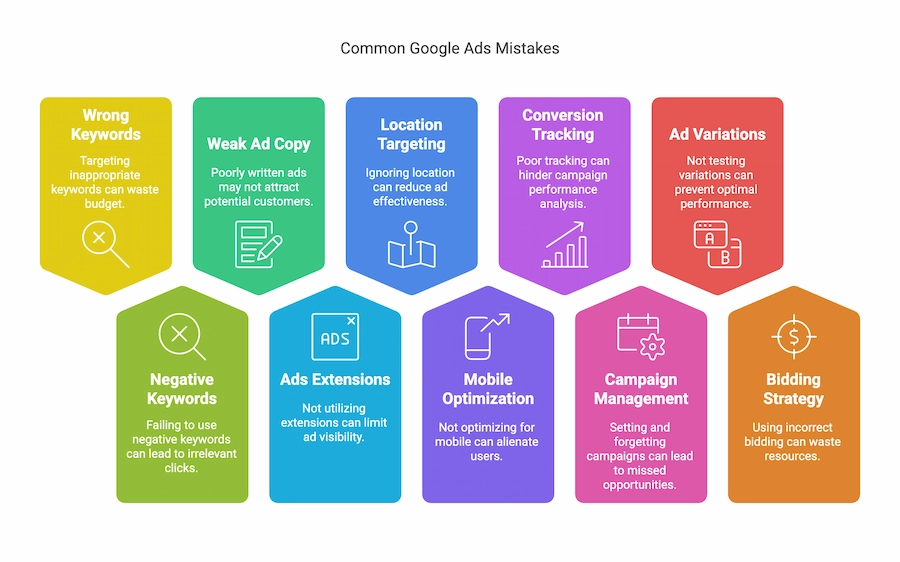
Neglecting Keyword Research and Optimization
Keyword research is the backbone of any successful Google Ads campaign. Failing to conduct thorough keyword analysis can result in targeting irrelevant or overly competitive keywords, leading to wasted ad spend. Utilize tools like Google Keyword Planner to identify high-performing keywords that align with your target audience’s search intent. Regularly revisiting and optimizing your keyword list based on performance data is essential for maintaining campaign relevance.
Ignoring Negative Keywords and Their Importance
Negative keywords play a crucial role in refining your audience targeting and reducing wasted clicks. By excluding certain terms that do not align with your offerings, you can prevent your ads from appearing in irrelevant searches. For example, if you sell premium products, adding “cheap” as a negative keyword can help filter out users who are unlikely to convert. Regularly review search term reports to identify potential negative keywords and enhance campaign efficiency.
Failing to Track Conversions Accurately
Accurate conversion tracking is vital for assessing campaign performance. Without proper tracking, businesses may misinterpret data, leading to poor decision-making. Implement Google Ads conversion tracking to monitor key actions such as purchases, sign-ups, or inquiries. Ensure that your tracking setup is correctly configured, and regularly analyze conversion data to optimize your ad spend and strategy.
Overlooking Ad Copy Testing and Refinement
Ad copy is a critical component that directly impacts click-through rates (CTR) and conversions. Neglecting to test different variations of ad copy can result in missed opportunities for improvement. Implement A/B testing to compare various headlines, descriptions, and calls to action. Analyze the performance of each ad variation to determine which elements resonate best with your audience, allowing for continuous optimization.
Expert Insights on Common Misconceptions
Many businesses mistakenly believe that a higher budget guarantees better results. However, an effective Google Ads strategy relies more on targeting precision and ad relevance than on budget alone. Furthermore, some advertisers overlook the importance of ongoing optimization. Google Ads is not a set-and-forget platform; regular adjustments based on performance metrics are essential to maintain a competitive edge. Understanding the dynamic nature of the platform can lead to more informed decision-making and improved campaign performance.
Practical Applications for Success
- Conduct comprehensive keyword research using reliable tools, adjusting your list regularly based on performance.
- Implement a strategy for identifying and adding negative keywords to filter out irrelevant searches.
- Set up conversion tracking accurately, ensuring all key actions are monitored effectively.
- Engage in consistent A/B testing of ad copy to refine messaging and improve CTR.
By applying these strategies effectively, businesses can avoid common pitfalls and enhance the overall efficiency of their Google Ads campaigns.
Real-World Case Studies: Success Stories of Google Ads Specialists
This section highlights practical examples of how Google Ads specialists have transformed campaigns for diverse businesses, showcasing the effectiveness of targeted advertising strategies.

E-Commerce Brand Achieves Record Sales
An online retail company specializing in home decor partnered with a Google Ads specialist to increase sales during peak shopping seasons. The specialist conducted a thorough analysis of existing campaigns, identifying opportunities for improvement. By implementing dynamic remarketing strategies and optimizing product listings, the brand saw a 40% increase in sales within three months. Additionally, the cost-per-acquisition (CPA) was reduced by 25%, significantly enhancing the return on ad spend (ROAS).
Local Business Increases Foot Traffic
A local coffee shop aimed to attract more customers through targeted advertising. The Google Ads specialist devised a campaign focused on location-based keywords and time-sensitive promotions. By utilizing ad extensions, such as location and call buttons, the coffee shop experienced a 60% increase in foot traffic over a two-month period. The specialist also monitored real-time analytics, enabling immediate adjustments to optimize performance and maximize customer engagement.
Service-Based Company Enhances Lead Generation
A plumbing service sought to improve lead generation through online channels. The Google Ads specialist implemented a series of targeted search ads, focusing on high-intent keywords. The campaign structure included ad groups tailored to specific services, such as emergency repairs and installations. As a result, the company experienced a 50% increase in qualified leads within six weeks, with a notable decrease in cost-per-lead (CPL) by 30%. This targeted approach allowed the business to allocate resources more effectively and prioritize high-value clients.
Non-Profit Organization Raises Awareness
A non-profit dedicated to environmental conservation engaged a Google Ads specialist to enhance its outreach efforts. The specialist crafted a campaign centered around awareness and fundraising, utilizing display ads to reach a broader audience. By employing targeted messaging and compelling visuals, the organization achieved a 75% increase in website traffic and successfully raised funds through donations. The campaign not only elevated awareness but also fostered community engagement through follow-up initiatives.
Common misconceptions about Google Ads suggest that high budgets guarantee success. However, these case studies demonstrate that strategic targeting, continuous optimization, and audience understanding are pivotal. Specialists often employ A/B testing to refine ad copy and visuals, which can significantly influence campaign outcomes. Furthermore, businesses should not overlook the importance of ongoing analysis and adaptation to maintain performance levels, especially in dynamic markets.
To implement similar strategies, businesses should consider the following actions:
- Engage a Google Ads specialist to conduct a comprehensive campaign audit.
- Define specific goals and key performance indicators (KPIs) for your advertising efforts.
- Utilize targeted keywords and audience segmentation to enhance ad relevance.
- Monitor campaign performance regularly and be prepared to adjust tactics based on data insights.
Frequently Asked Questions
What does a Google Ads specialist do?
A Google Ads specialist manages and optimizes pay-per-click (PPC) advertising campaigns on Google Ads. Their responsibilities include keyword research, ad creation, performance analysis, and budget management to maximize return on investment.
How to become a Google Ads specialist?
To become a Google Ads specialist, one should gain a strong understanding of PPC advertising, complete Google Ads certification, and acquire hands-on experience through managing campaigns. Continuous learning and staying updated with industry trends are also essential.
What is the average cost of hiring a Google Ads specialist?
The average cost of hiring a Google Ads specialist varies widely, typically ranging from $50 to $150 per hour or a monthly retainer between $500 to $5,000. Pricing depends on experience, expertise, and the complexity of the campaigns managed.
What are the best practices for Google Ads management?
Best practices for Google Ads management include conducting thorough keyword research, regularly testing ad copy, optimizing landing pages, and analyzing campaign performance data. Consistent monitoring and adjustments are crucial for achieving optimal results.
How long does it take to see results from Google Ads?
Results from Google Ads can typically be seen within a few days to weeks, depending on the campaign type and budget. However, achieving optimal performance often requires ongoing optimization over several months.
Google Ads specialist vs. general digital marketer: what’s the difference?
A Google Ads specialist focuses specifically on managing and optimizing Google Ads campaigns, while a general digital marketer covers a broader range of online marketing strategies. Specialists possess in-depth knowledge of PPC advertising, analytics, and bidding strategies.
What tools do Google Ads specialists use?
Google Ads specialists utilize various tools such as Google Ads Editor, Google Analytics, and keyword research tools like SEMrush or Ahrefs. These tools help in campaign management, performance tracking, and competitive analysis.
Final Thoughts on google ads specialist
Engaging a Google Ads specialist can significantly elevate your advertising efforts, transforming data-driven insights into tangible results. Their expertise not only streamlines campaign management but also uncovers advanced strategies that drive conversion and maximize ROI.
To leverage the full potential of Google Ads, invest in a comprehensive audit of your current campaigns, identifying gaps and opportunities for optimization. This proactive step will empower you to refine your approach and align your advertising strategy with business goals.
Mastering Google Ads is essential for staying competitive in an increasingly digital marketplace, making the role of a specialist pivotal for sustained success.
Contact GMB Ranger LLC
Let’s Talk Growth
Get in touch today and let’s discuss how we can help you generate more leads, calls, and bookings through AI SEO, Google Ads, Meta Ads, and high-converting landing pages.