
Google Ads started on October 23, 2000, originally as Google AdWords. It has since evolved into a major platform for online advertising, enabling businesses to reach targeted audiences effectively.
Understanding the inception and evolution of Google Ads is crucial for marketers, business owners, and digital advertising professionals. Misunderstanding its history can lead to missed opportunities in leveraging this powerful tool for marketing strategies.
This article provides a comprehensive overview of the timeline of Google Ads, detailing its launch, key milestones, and significant changes that have shaped its current form and functionality.
What was Google Ads called when it first launched?
The original name of Google Ads was Google AdWords, which reflects its initial focus on text-based advertisements. Launched in October 2000, AdWords allowed businesses to create ads that appeared alongside search results on Google. This platform was pivotal in defining online advertising standards.
Initially, Google AdWords provided a straightforward model for advertisers, enabling them to bid on keywords relevant to their products or services. Advertisers paid based on the number of clicks their ads received, a model known as pay-per-click (PPC). The success of AdWords led to innovations and expansions in online advertising, influencing both search engine marketing and display advertising.
Over the years, Google rebranded AdWords to Google Ads in 2018 to better encompass the broader range of advertising options available, including display ads, YouTube ads, and app promotion. This change marked a significant evolution in Google’s advertising strategy, moving beyond simple text ads to a more integrated advertising ecosystem.
Expert Tip: Advertisers leveraging Google Ads should continuously optimize their campaigns by utilizing data analytics tools, ensuring they remain competitive in an evolving digital landscape.
How has Google Ads evolved since its inception?
Google Ads has transformed significantly since its launch in 2000. Originally a text-based advertising platform, it has expanded into a multifaceted tool that includes display, video, and shopping ads. This evolution reflects changes in user behavior and advancements in technology.
- Introduction of AdWords: Google Ads began as AdWords, allowing advertisers to bid on keywords to display text ads in search results. This model was revolutionary, offering a pay-per-click (PPC) system that enhanced cost-effectiveness for advertisers.
- Expansion to Display Network: In 2003, Google introduced the Display Network, enabling advertisers to showcase banner ads on various websites. This broadened the scope of online advertising, allowing brands to reach a wider audience beyond search results.
- Video Ads with YouTube: The acquisition of YouTube in 2006 marked a significant shift. Google integrated video advertising, allowing businesses to create engaging video campaigns. This addition catered to the rising demand for multimedia content.
- Shopping Ads Introduction: Launched in 2012, Shopping Ads allowed retailers to promote products directly in search results. This format enhanced visibility for e-commerce businesses, blending user intent with product discovery.
- Machine Learning and Automation: Recent advancements have incorporated machine learning and automation features, such as Smart Bidding. These tools optimize ad performance by adjusting bids based on user behavior and real-time data, making campaigns more efficient.
Google Ads continues to evolve in response to digital marketing trends. The platform now offers tools for audience targeting, remarketing, and performance analysis, making it a comprehensive solution for advertisers.
Implementing features like responsive ads can enhance campaign performance by automatically adjusting ad size and format to fit different placements. Staying updated with Google Ads’ latest features and best practices is essential for maximizing advertising effectiveness.
What are the key features of Google Ads today?
Key features of Google Ads today include keyword targeting, ad extensions, remarketing, and performance tracking. These functionalities enable advertisers to create highly targeted campaigns that effectively reach their desired audience.
For instance, consider a local bakery aiming to attract customers through Google Ads. By utilizing keyword targeting, the bakery can select specific terms such as “fresh bread near me” or “artisan pastries.” This ensures that their ads appear to users actively searching for these products, increasing the likelihood of clicks and conversions. Additionally, the bakery can implement ad extensions to provide extra information, such as location, contact details, or special offers, directly within the advertisement, enhancing its visibility and appeal.
Another powerful feature is remarketing, which allows the bakery to target users who have previously visited its website but did not make a purchase. By displaying tailored ads to these potential customers as they browse other sites, the bakery can remind them of their interest and encourage them to return. Moreover, the use of performance tracking tools ensures that the bakery can analyze the effectiveness of its campaigns in real-time, adjusting strategies based on metrics such as click-through rates and conversion rates. This data-driven approach helps optimize advertising spend and maximize return on investment.
Expert Tip: To maximize the effectiveness of Google Ads, regularly update your keyword lists and ad content based on seasonal trends and consumer behavior insights. This ensures that your campaigns remain relevant and compelling to your target audience.
How much does it cost to use Google Ads?
The cost to use Google Ads typically ranges from $1 to $2 per click for search ads, while display ads can cost around $0.50 to $1 per click. However, these figures can vary significantly based on several factors, including industry competition and targeting options. Businesses can set daily budgets, allowing for flexible spending according to their marketing goals.
Several elements influence the overall cost of Google Ads. The most significant factors include:
- Competition: Industries with high competition, such as finance or insurance, often have higher costs per click (CPC) due to increased bidding among advertisers.
- Keywords: The specific keywords targeted play a crucial role. Highly sought-after keywords can drive up costs, while niche or long-tail keywords may offer lower CPC.
- Ad Quality Score: Google assigns a Quality Score to ads, which affects the cost. Higher quality ads generally lead to lower costs and better ad placements.
- Geographic Targeting: Targeting specific regions or demographics can also impact costs. Ads aimed at larger metropolitan areas may be more expensive than those targeting rural areas.
Additionally, the ad format chosen can affect costs. For instance, video ads typically have different pricing structures compared to text-based ads. Advertisers can also implement various bidding strategies, such as manual or automated bidding, which can further influence overall expenditure.
For effective budget management, advertisers should regularly analyze performance metrics to optimize their campaigns. Setting clear objectives and continuously refining targeting strategies can lead to better ROI while controlling costs.
Expert Tip: Utilizing tools like Google’s Keyword Planner can help identify cost-effective keywords that match business objectives, enabling more strategic budget allocation.
What are the best practices for using Google Ads?
Effective use of Google Ads requires a strategic approach to maximize return on investment. Implementing best practices can significantly enhance campaign performance and ensure better targeting of potential customers. Key strategies include thorough keyword research, continuous ad testing, and the use of negative keywords.
Begin with comprehensive keyword research to identify relevant terms that potential customers are using. Utilize tools like Google Keyword Planner to discover high-traffic keywords with manageable competition. Targeting long-tail keywords can also improve ad relevance and lower costs per click.
- Conduct A/B Testing: Regularly test different ad variations to determine which messages resonate most with your audience. Experiment with different headlines, descriptions, and calls to action, and analyze performance data to refine your approach.
- Use Negative Keywords: Implement negative keywords to prevent your ads from appearing in irrelevant searches. This helps to improve click-through rates and lower costs by filtering out non-converting traffic.
- Optimize Landing Pages: Ensure that landing pages are aligned with ad content and optimized for conversions. A well-designed landing page with clear calls to action can significantly increase the likelihood of converting visitors into customers.
- Monitor and Adjust Bids: Regularly review campaign performance and adjust bids based on keyword effectiveness. Consider using automated bidding strategies that maximize conversions while staying within budget constraints.
Implementing these best practices will lead to more efficient ad spend and improved campaign outcomes. Regularly reviewing and adjusting strategies based on performance metrics is vital for ongoing success in Google Ads.
Expert Tip: Utilize audience targeting features to refine ad delivery based on demographics, interests, and behaviors. This can enhance ad relevance and increase engagement rates significantly.
When did Google Ads introduce video advertising?
Google Ads introduced video advertising in 2006 following the acquisition of YouTube. This strategic move significantly enhanced Google’s advertising offerings, allowing advertisers to reach audiences through engaging video content.
The launch of video advertising capabilities was marked by the integration of YouTube into Google’s advertising platform. This allowed businesses to create video ads that could be displayed on YouTube and across the Google Display Network. The initial rollout included formats such as TrueView ads, which enabled users to skip ads after five seconds, making it a more user-friendly approach to video advertising.
The timing of this introduction was influenced by the rapid growth of online video consumption. By 2006, YouTube was already a leading platform for user-generated video content, attracting millions of viewers. Google’s decision to incorporate video advertising not only capitalized on this trend but also provided advertisers with a new medium to engage with potential customers. This shift marked a pivotal moment in digital marketing, as video content became increasingly essential for brand storytelling and consumer engagement.
Impact on Advertising Strategies
The introduction of video advertising through Google Ads necessitated a shift in advertising strategies for many businesses. Companies began to allocate larger portions of their marketing budgets to video content, recognizing its effectiveness in capturing audience attention. Additionally, the ability to target specific demographics and interests enhanced the precision of advertising campaigns, leading to improved return on investment (ROI) for advertisers.
Moreover, the evolution of video formats has continued beyond the initial introduction. Features such as bumper ads, non-skippable ads, and video discovery ads have emerged, allowing advertisers to tailor their strategies based on campaign objectives and audience preferences.
Expert Tip: Brands looking to leverage video advertising should focus on creating high-quality, engaging content that resonates with their target audience, as viewer retention and engagement are critical metrics for success in this medium.
How does Google Ads compare to other advertising platforms?
Google Ads stands out among advertising platforms due to its extensive reach, advanced targeting capabilities, and performance-based pricing. Unlike platforms such as Facebook Ads and LinkedIn Ads, Google Ads allows advertisers to capture intent-driven traffic directly from search queries, which can lead to higher conversion rates.
Each advertising platform has distinct features that cater to different marketing goals. For instance, Google Ads primarily focuses on search and display advertising, utilizing keywords to target users actively seeking information or products. In contrast, Facebook Ads leverage social engagement, allowing brands to reach users based on interests, demographics, and behaviors. LinkedIn Ads are tailored for B2B marketing, enabling precise targeting based on professional attributes such as job title and industry.
- Reach: Google Ads has access to a vast network across search engines and partner sites, while Facebook Ads primarily focus on social media platforms.
- Targeting: Google Ads excels in keyword-based targeting for intent-driven searches, whereas Facebook Ads emphasize interest-based targeting based on user behavior and interactions.
- Ad Formats: Google Ads offers text, display, and video ads; Facebook Ads feature image, video, carousel, and story ads, which are more visually driven.
These differences highlight how businesses can select the right platform based on their specific objectives. For example, brands looking for immediate conversions may favor Google Ads, while those seeking to build brand awareness and engage users might prioritize Facebook Ads.
Expert Tip: Consider integrating multiple platforms into a cohesive marketing strategy to maximize reach and effectiveness. Combining Google Ads for capturing intent and Facebook Ads for nurturing leads can create a balanced approach that leverages the strengths of both platforms.
What impact has Google Ads had on digital marketing?
Google Ads has fundamentally transformed digital marketing by enabling precise, measurable advertising that connects businesses with targeted audiences. Launched in 2000, the platform allows advertisers to create campaigns that can reach users based on their search queries, demographics, and online behavior. This level of targeting has made Google Ads an essential tool for businesses looking to maximize their advertising return on investment (ROI).
One of the most significant impacts of Google Ads is its ability to provide measurable results. Advertisers can track key performance indicators, such as clicks, conversions, and cost-per-click, allowing for data-driven decision-making. This real-time feedback loop enables businesses to optimize their campaigns continually, adjusting budgets and strategies based on performance metrics.
- Targeting Options: Google Ads offers various targeting options, including keyword targeting, geographic targeting, and remarketing, allowing businesses to reach potential customers at different stages of the buying journey.
- Budget Control: Advertisers can set daily budgets and bid amounts, ensuring they only spend what they can afford while maximizing exposure.
- Global Reach: With millions of users worldwide, Google Ads provides businesses the opportunity to reach a global audience, expanding their market presence beyond local boundaries.
Moreover, Google Ads has encouraged businesses to adopt a more sophisticated approach to marketing. The emphasis on analytics has led to the growth of data-driven marketing strategies, where decisions are based on consumer insights rather than intuition alone. This shift has elevated the overall quality of digital marketing campaigns across the industry.
Incorporating Google Ads into a marketing strategy is not just about immediate sales; it also contributes to long-term brand visibility and customer acquisition. As digital landscapes evolve, the insights gained from Google Ads can inform broader marketing strategies, making it a critical component for businesses aiming to thrive online.
To maximize the effectiveness of Google Ads, businesses should invest in understanding their target audience and continuously refine their campaigns based on performance data. This ongoing analysis is key to staying competitive in an increasingly digital marketplace.
The Evolution of Google Ads: From AdWords to Today
This section delves into the timeline of Google Ads’ development, highlighting significant updates and changes that have shaped its current form and functionality.
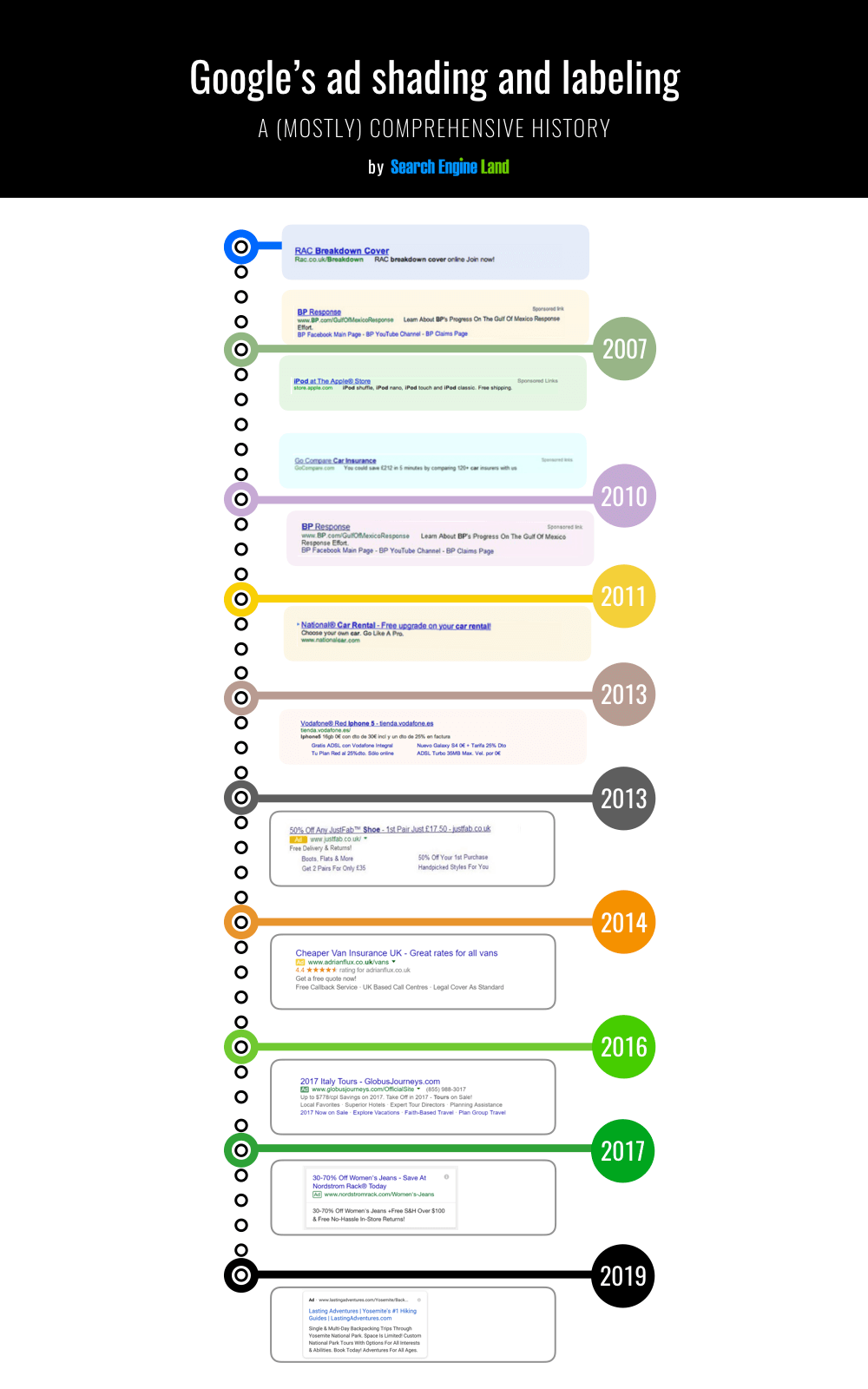
The Launch of Google AdWords
Google AdWords was officially launched in October 2000. The platform introduced a pay-per-click (PPC) advertising model, allowing businesses to create text-based ads that appeared in Google search results. Initial features included keyword targeting and a simple user interface, which enabled advertisers to set budgets and select keywords relevant to their products or services.
Key Milestones in Google Ads’ Evolution
- 2003: Introduction of the AdSense program, which allowed website owners to display Google ads on their sites, expanding Google’s advertising reach.
- 2005: Launch of Google Analytics, providing advertisers with detailed insights into the performance of their ad campaigns.
- 2007: Google began offering display ads through the acquisition of DoubleClick, marking a significant expansion beyond text ads.
- 2013: Transition from AdWords to Google Ads, reflecting a broader range of advertising options, including video and mobile ads.
The Impact of Acquisitions
Acquisitions, particularly that of YouTube in 2006, significantly enhanced Google Ads’ offerings. The integration of video ads allowed advertisers to engage audiences in new ways, capitalizing on the growing popularity of video content. YouTube has since become a pivotal platform for digital advertising, contributing to a more diverse ad portfolio for Google Ads.
Recent Innovations in Google Ads
Recent updates reflect a shift toward automation and machine learning. Smart Bidding, introduced in 2016, utilizes AI to optimize bids for conversions, improving campaign performance with less manual intervention. In 2020, Google launched Performance Max campaigns, allowing advertisers to access all Google Ads inventory from a single campaign, streamlining ad management and expanding audience reach.
Expert Insights and Common Misconceptions
Many believe Google Ads is solely about search engine marketing; however, its evolution includes diverse formats such as display, video, and app ads. A common misconception is that the success of Google Ads hinges only on keyword selection. In reality, factors such as ad quality, landing page experience, and bidding strategies play critical roles in campaign effectiveness. Furthermore, the move towards automation has raised concerns about losing control over ad placements, yet it often leads to improved performance metrics when properly managed.
Practical Application of Google Ads Knowledge
To leverage the evolution of Google Ads effectively, advertisers should:
- Explore the various ad formats available, including video and display ads, for a comprehensive strategy.
- Utilize Smart Bidding features to optimize campaigns based on performance data.
- Regularly review analytics to understand audience behavior and adjust campaigns accordingly.
- Stay updated on new features and innovations from Google Ads to remain competitive.
Understanding Google Ads Metrics: A Guide for Advertisers
This section delves into the essential metrics that drive successful Google Ads campaigns. A solid grasp of these key performance indicators (KPIs) can significantly enhance the effectiveness of advertising efforts.
.png)
Key Performance Indicators (KPIs)
Understanding KPIs is fundamental for evaluating the success of Google Ads campaigns. The most critical metrics include:
- Click-Through Rate (CTR): This metric indicates the percentage of users who clicked on an ad after seeing it. A higher CTR suggests that the ad is relevant and engaging.
- Cost Per Click (CPC): CPC represents the amount spent for each click on the ad. It is vital for budgeting and understanding the financial efficiency of campaigns.
- Return on Investment (ROI): ROI measures the profitability of an ad campaign. It is calculated by comparing net profit to the total spent on advertising, providing insight into overall effectiveness.
Analyzing Campaign Performance
Effective campaign analysis requires a strategic approach. Advertisers should regularly review the following aspects:
- Ad Performance: Assess which ads perform best based on CTR and conversion rates.
- Keyword Performance: Evaluate which keywords drive the most traffic and conversions, adjusting bids accordingly.
- Audience Insights: Understand demographic data to refine targeting and enhance engagement.
The Importance of Conversion Tracking
Conversion tracking is critical for measuring the effectiveness of Google Ads campaigns. It allows advertisers to track specific actions taken by users after clicking on an ad, such as purchases or sign-ups. This data helps in:
- Identifying high-performing ads and keywords.
- Calculating ROI accurately.
- Optimizing ad spend by focusing on strategies that yield the best results.
Attribution Models
Attribution models determine how credit for conversions is assigned across various touchpoints in the customer journey. Common models include:
- Last Click: Attributes all credit to the last ad clicked before conversion.
- First Click: Assigns full credit to the first ad interacted with.
- Linear: Distributes credit evenly across all interactions.
Choosing the right attribution model is essential for accurately assessing campaign performance and optimizing future strategies.
Adjusting Campaigns Based on Metrics
Regularly adjusting campaigns based on metrics ensures continued optimization. Recommended actions include:
- Refining keyword lists by adding high-performing terms and excluding low-performing ones.
- Modifying ad copy and creative based on CTR and engagement data.
- Adjusting bids based on performance insights to maximize ROI.
Many advertisers overlook the nuances of metrics, often assuming that high CTR equates to success. However, a low conversion rate can indicate that the ad may not be aligning with user intent. Understanding the relationship between metrics is vital for developing a coherent strategy.
To leverage this information effectively, advertisers should implement a systematic review process for their campaigns. Schedule weekly performance evaluations, adjust bids based on ongoing data, and continuously test new ad variations. This proactive approach will enhance campaign outcomes and maximize advertising budgets.
Common Mistakes to Avoid in Google Ads Campaigns
Effective Google Ads campaigns require careful planning and execution. This section highlights common pitfalls advertisers face, providing insights into how to enhance campaign performance.

Overlooking Keyword Research and Targeting
Many advertisers underestimate the significance of thorough keyword research. Without a well-defined keyword strategy, campaigns often target irrelevant or overly competitive terms, leading to wasted ad spend. Implementing tools like Google Keyword Planner can reveal valuable insights into search volume and competition levels. Advertisers should strive to create a mix of broad, phrase, and exact match keywords to capture diverse search intents while maintaining relevance.
Neglecting Ad Copy Testing and Optimization
Ad copy plays a critical role in attracting clicks and conversions. Many advertisers fail to test different variations of their ad copy, resulting in missed opportunities for optimization. A/B testing different headlines, descriptions, and calls to action allows advertisers to identify what resonates best with their audience. Consistent analysis of click-through rates (CTR) and conversion rates can inform necessary adjustments, ensuring ad copy remains compelling and effective.
Failing to Utilize Negative Keywords Effectively
Negative keywords prevent ads from appearing in irrelevant searches, helping to refine audience targeting. Advertisers often overlook this feature, leading to unqualified traffic and increased costs. Regularly reviewing search terms reports allows advertisers to identify terms that trigger their ads but do not convert. By adding these as negative keywords, campaigns can improve their efficiency and return on investment.
Not Monitoring and Adjusting Bids Based on Performance
Bid management is essential for optimizing ad spend. Many advertisers set bids and forget them, missing opportunities to adjust based on performance metrics. Regular monitoring of key performance indicators (KPIs) such as cost per acquisition (CPA) and return on ad spend (ROAS) helps determine if bids require adjustments. Implementing automated bidding strategies, like Target CPA or Maximize Conversions, can further optimize bids based on real-time performance data.
Nuanced Considerations in Google Ads Campaigns
Beyond the common mistakes, several nuanced challenges can impact campaign effectiveness. For instance, many advertisers mistakenly believe that higher bids always lead to better placements. However, Quality Score, which considers ad relevance and landing page experience, plays a significant role in determining ad position. Advertisers should focus on improving Quality Scores through relevant ad copy and optimized landing pages to achieve better results at a lower cost.
Additionally, the interpretation of performance data can be misleading. Advertisers often focus on surface-level metrics such as CTR without considering the full customer journey. Analyzing multi-channel attribution can provide insights into how different marketing channels work together, offering a more comprehensive understanding of campaign effectiveness.
Practical Application
To improve Google Ads campaigns, advertisers should implement the following actionable strategies:
- Conduct thorough keyword research using tools to identify relevant and varied search terms.
- Regularly A/B test ad copy to optimize for higher CTR and conversion rates.
- Utilize negative keywords by analyzing search term reports to filter out unqualified traffic.
- Monitor KPIs consistently and adjust bids or implement automated bidding strategies when necessary.
By addressing these common mistakes, advertisers can enhance their campaign performance and maximize their return on investment.
Real-World Case Studies: Success Stories with Google Ads
This section highlights successful Google Ads campaigns across various industries, demonstrating effective strategies and the resulting high return on investment (ROI). These case studies reveal practical applications and insights that can be leveraged by other advertisers.
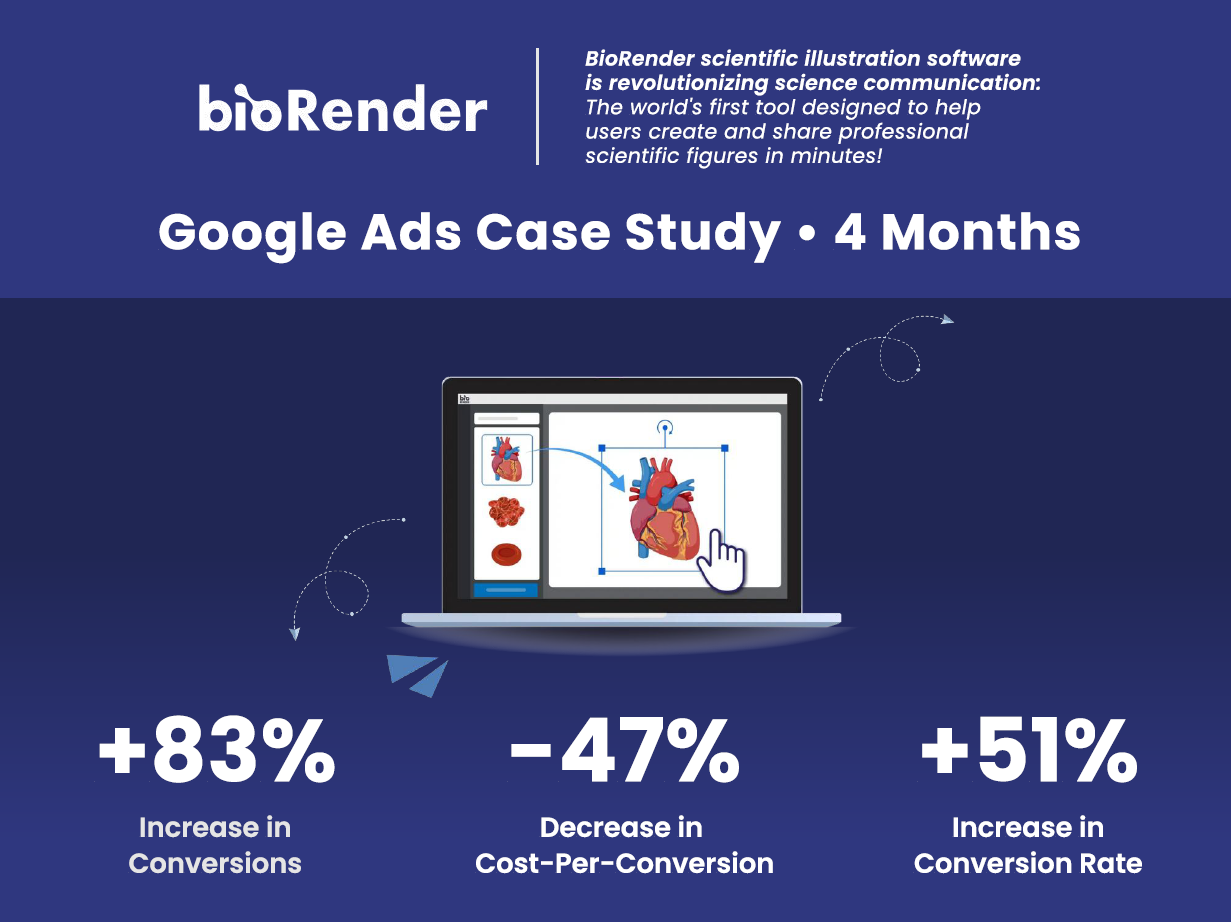
Case Study 1: eCommerce – Wayfair
Wayfair, an online home goods retailer, utilized Google Ads to drive traffic and increase sales. By employing a combination of search ads and display ads, Wayfair targeted specific keywords related to home furnishings. Their strategy included the use of dynamic remarketing, which displayed personalized ads to users who had previously visited their website.
- ROI Achieved: Wayfair reported a 20% increase in conversions following the implementation of Google Ads.
- Engagement Rate: The company observed a 30% increase in engagement with their display ads.
Case Study 2: Travel – Expedia
Expedia leveraged Google Ads to enhance its visibility in a competitive travel market. Through targeted search ads, they focused on high-intent keywords associated with travel bookings. A/B testing played a crucial role in optimizing ad copy and landing pages, leading to significant improvements in conversion rates.
- Conversion Rate Increase: A 25% boost in conversions was achieved through continuous testing and optimization.
- Cost Per Acquisition: Expedia successfully reduced its cost per acquisition by 15% by focusing on high-performing keywords.
Case Study 3: Local Business – A Local Coffee Shop
A small coffee shop utilized Google Ads to attract local customers. By creating location-based ads and employing geotargeting, the shop reached potential customers in its vicinity. The campaign featured promotions and special events to drive foot traffic.
- Increased Foot Traffic: The coffee shop experienced a 40% increase in customers during the campaign.
- Customer Engagement: Engagement with the ads led to a 50% increase in social media followers.
Strategies for High ROI and Engagement
Successful Google Ads campaigns share common strategic elements that contribute to high ROI and engagement:
- Keyword Targeting: Identifying and bidding on relevant keywords is essential for reaching the right audience.
- A/B Testing: Regularly testing different ad variations allows advertisers to understand what resonates with their audience, optimizing performance.
- Compelling Ad Copy: Crafting clear and persuasive ad copy can significantly enhance click-through rates (CTR).
Lessons Learned and Transferable Insights
Analyzing these case studies reveals valuable lessons for advertisers:
- Effective targeting can dramatically increase conversion rates.
- Continuous optimization through A/B testing is vital for long-term success.
- Utilizing remarketing strategies can re-engage potential customers who showed initial interest.
Expert-Level Insights
While many advertisers understand the basics of Google Ads, a common misconception is that higher bids guarantee better ad placement. However, ad quality and relevance significantly impact ad rank. Advertisers should focus on creating high-quality ads that align closely with user intent to achieve optimal results. Additionally, understanding the nuances of different ad formats can enhance campaign performance. For example, responsive search ads allow for multiple headlines and descriptions, which can improve engagement through algorithm-driven optimization.
Practical Applications
Advertisers looking to implement effective Google Ads strategies should consider the following steps:
- Conduct thorough keyword research to identify high-value terms.
- Develop compelling ad copy that speaks to the target audience’s needs.
- Set up A/B tests to refine ads and landing pages continuously.
- Monitor performance metrics to adjust strategies based on real-time data.
Frequently Asked Questions
What was Google Ads called when it first launched?
Google Ads was originally launched as Google AdWords in October 2000. The platform was designed to help businesses create targeted advertisements on Google’s search engine results pages.
How has Google Ads evolved since its inception?
Since its launch, Google Ads has evolved to include various ad formats, targeting options, and bidding strategies. The platform has integrated machine learning to optimize ad performance and enhance user experience.
What are the key features of Google Ads today?
Today, Google Ads offers features such as keyword targeting, ad extensions, remarketing, and advanced analytics. These tools enable advertisers to create effective campaigns tailored to their audience.
How much does it cost to use Google Ads?
The cost of using Google Ads varies based on factors like bidding strategy, competition, and ad quality. Advertisers can set daily budgets and pay per click (PPC) or per impression, making it flexible for different budgets.
What are the best practices for using Google Ads?
Best practices for Google Ads include conducting thorough keyword research, creating compelling ad copy, and regularly analyzing campaign performance. Additionally, utilizing A/B testing can help optimize ad effectiveness.
When did Google Ads introduce video advertising?
Google Ads introduced video advertising in 2006 with the acquisition of YouTube. This allowed advertisers to reach audiences through video ads on both Google and YouTube platforms.
How does Google Ads compare to other advertising platforms?
Google Ads is often considered more effective than other platforms due to its vast reach and advanced targeting capabilities. It allows advertisers to access a diverse audience across Google search and display networks.
What impact has Google Ads had on digital marketing?
Google Ads has significantly transformed digital marketing by enabling precise targeting and measurable results. Its pay-per-click model has shifted how businesses allocate advertising budgets and assess campaign success.
Final Thoughts on when did google ads start
The inception of Google Ads marks a pivotal moment in digital marketing, transforming how businesses engage with their audiences. Since its launch as AdWords in 2000, Google Ads has continuously evolved, adapting to technological advancements and changing consumer behaviors, making it an indispensable tool for advertisers looking to optimize their reach and impact.
To leverage the full potential of Google Ads, advertisers should conduct a comprehensive audit of their current campaigns, focusing on metrics that drive performance and identifying areas for improvement. This proactive approach will ensure that campaigns remain competitive and effective in an ever-changing landscape.
Understanding the history and evolution of Google Ads is crucial for any marketer aiming to harness its capabilities for sustained growth and success in the digital marketplace.
Leave a Reply