
A good target CPA for Google Ads typically ranges from $10 to $50, depending on your industry and business goals. It’s essential to analyze your conversion data to set an effective target.
Understanding a good target CPA is crucial for businesses aiming to optimize their advertising budgets and maximize return on investment. Incorrect CPA settings can lead to overspending, diminished profitability, and missed opportunities for growth.
This article will detail the factors influencing target CPA, industry benchmarks, and strategies for setting an effective CPA based on conversion data and business objectives.
What does CPA mean in Google Ads?
CPA stands for Cost Per Acquisition, which measures how much you’re spending to acquire a customer through your advertising efforts. It is a critical metric for advertisers, as it directly impacts the profitability of campaigns. Lowering your CPA while maintaining conversion rates is essential for maximizing return on investment (ROI).
In Google Ads, CPA is calculated by dividing the total cost of your advertising by the number of conversions achieved. This metric helps advertisers understand the efficiency of their spending and allows for more informed budget allocation. Factors influencing CPA include competition for keywords, ad quality, landing page effectiveness, and audience targeting.
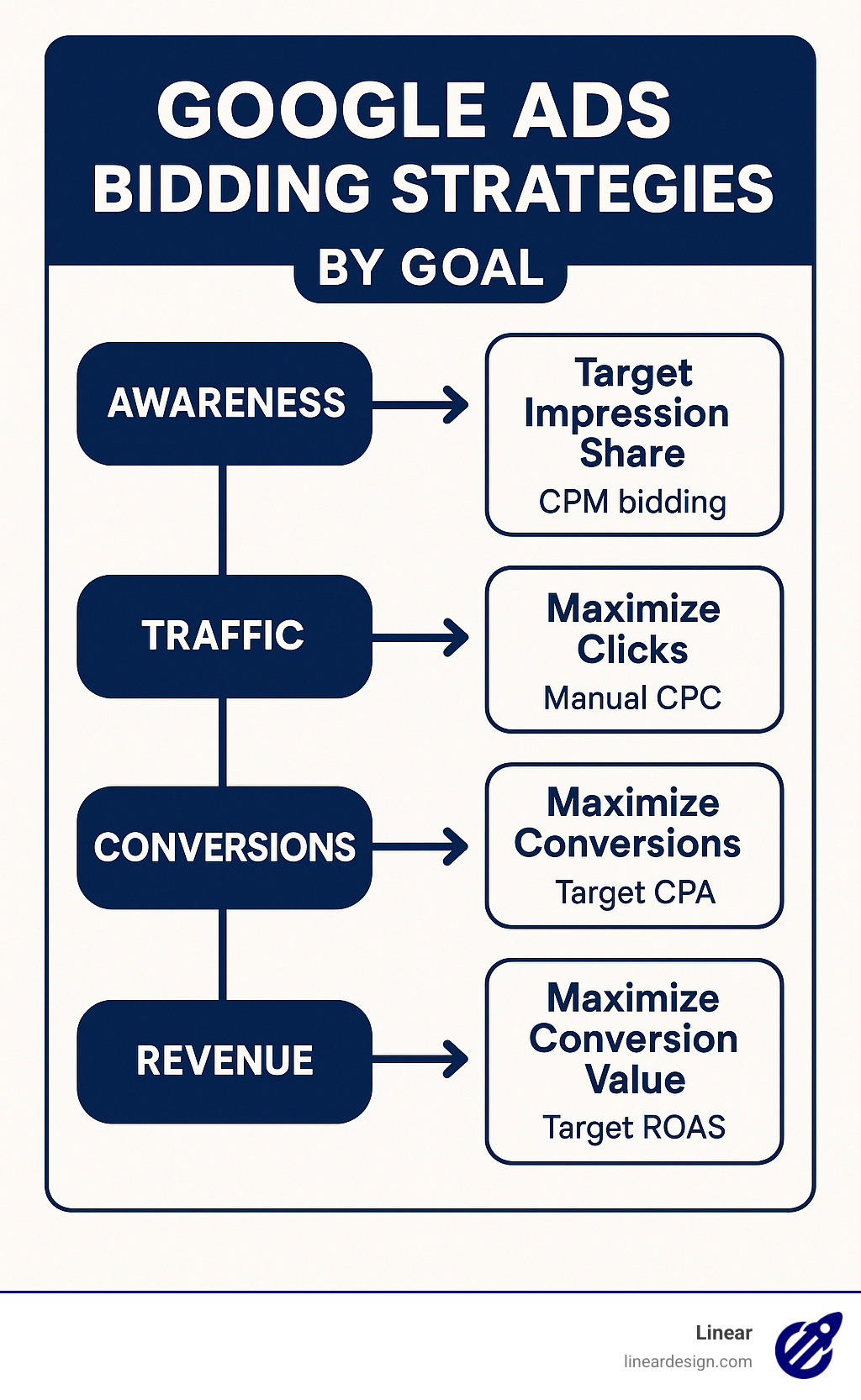
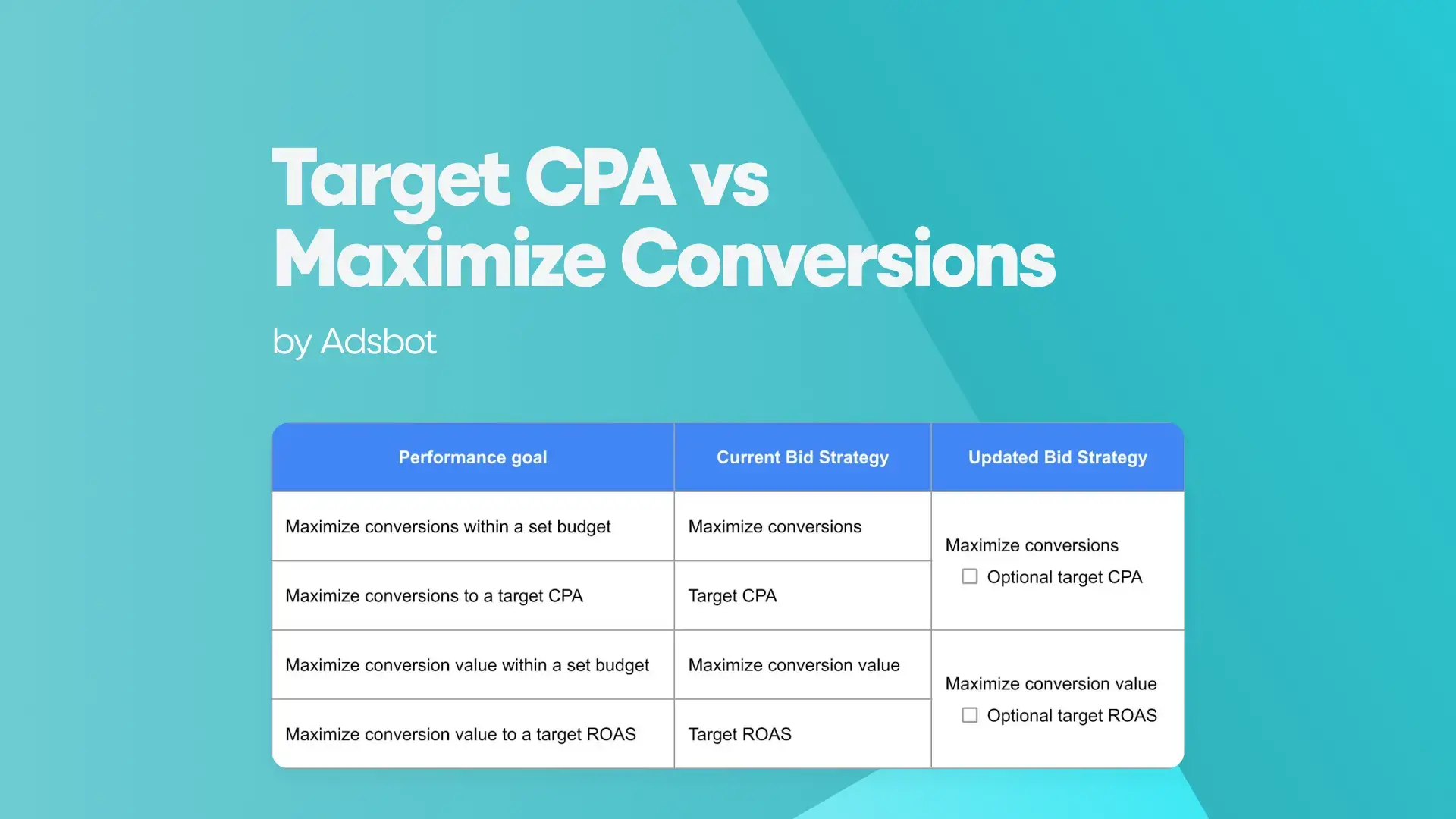
- Target CPA Bidding: Google Ads offers a bidding strategy called Target CPA, which aims to automatically set bids to achieve as many conversions as possible at or below your specified CPA.
- Conversion Types: Different types of conversions, such as purchases, lead submissions, or sign-ups, can have varying CPAs, affecting overall campaign performance.
- Market Variability: Seasonal trends and market dynamics can cause fluctuations in CPA, requiring ongoing adjustments to bidding strategies.
Advertisers should continuously monitor their CPA and adjust campaigns accordingly to optimize performance. A well-defined CPA target can help in achieving strategic business goals while ensuring effective resource allocation.
Expert Tip: Regularly analyze your CPA in conjunction with customer lifetime value (CLV) to ensure that acquisition costs align with long-term profitability. This practice can reveal valuable insights for refining targeting and bidding strategies.
How can I determine my target CPA for Google Ads?
To determine your target CPA for Google Ads, analyze your historical conversion data alongside your profit margins. This approach helps you establish a realistic target that aligns with your business goals and profitability.
Begin by examining your past performance metrics. Look at the average cost per acquisition (CPA) from previous campaigns, paying close attention to the conversion rates. Historical data provides a foundation for setting a target CPA that is both achievable and beneficial for your budget.
Next, consider your profit margins. Calculate the average revenue generated from each conversion and subtract your costs to find out how much you can afford to spend on acquiring a customer. A good rule of thumb is to set your target CPA at or below the profit margin per conversion to ensure profitability.
- Review historical conversion data to identify your average CPA and conversion rates.
- Calculate your profit margins by determining the revenue generated per conversion minus associated costs.
- Set a target CPA that is equal to or lower than your profit margin to maintain profitability.
- Adjust your target CPA over time based on ongoing performance and market changes.
Regularly revisiting and adjusting your target CPA based on new data is essential for optimizing your campaigns effectively. As market conditions change, so should your target CPA to stay competitive and profitable.
Expert Tip: Utilize tools like Google Ads’ Performance Planner to simulate various scenarios and see how changes in CPA affect your overall campaign performance. This proactive approach can lead to more informed decision-making and successful ad strategies.
Is a lower target CPA always better in Google Ads?
A lower target CPA is not always better in Google Ads. While reducing costs per acquisition can seem beneficial, it must align with overall business objectives and profitability. The effectiveness of ads and the quality of leads generated are also critical factors to consider.
When determining whether a lower target CPA is advantageous, it is essential to evaluate the relationship between cost and conversion quality. A low CPA may result in high traffic but can lead to low-quality leads that do not convert into sales or customers. Conversely, a higher CPA might yield fewer conversions but from a more targeted audience, ultimately resulting in greater revenue. The balance between CPA and return on investment (ROI) is crucial for long-term success.
Several factors influence the ideal target CPA, including industry benchmarks, competition, and specific campaign goals. For example, e-commerce businesses may aim for a lower CPA to maximize volume, while service-based industries might prioritize lead quality even if it results in a higher CPA. Additionally, seasonal trends and marketing strategies can impact the effectiveness of CPA targets, necessitating ongoing adjustments based on performance data.
Key Differences in Target CPA Strategies
- Lower Target CPA: Focuses on cost-efficiency, potentially sacrificing lead quality.
- Higher Target CPA: Prioritizes high-quality leads, which may improve conversion rates and customer lifetime value.
- Balanced Approach: Considers both CPA and lead quality to optimize for profitability and sustainable growth.
Expert Tip: Regularly analyze your campaign performance metrics and adjust your target CPA based on conversion rates and customer lifetime value, rather than solely on acquisition costs. This approach ensures that advertising spend aligns with broader business goals and maintains profitability.
What is the average target CPA across industries in Google Ads?
The average target Cost Per Acquisition (CPA) in Google Ads varies significantly by industry, typically ranging from $10 to $100. In some competitive sectors, target CPAs can exceed this range, reflecting the unique dynamics of each market.
Several factors influence the average CPA across different industries. These include:
- Industry Competition: Highly competitive industries, such as finance or legal services, often have higher target CPAs due to increased bidding for keywords.
- Customer Lifetime Value (CLV): Industries with higher CLV can justify spending more on acquiring customers, leading to higher target CPAs.
- Seasonality: Certain industries experience seasonal fluctuations in demand, which can impact CPA. For instance, retail may see spikes during holidays, affecting average costs.
Additionally, the effectiveness of ad campaigns and the quality of landing pages can also significantly impact CPA. Well-optimized campaigns that deliver high conversion rates can lower the overall CPA, while poorly performing ads may drive costs up.
Expert Tip: Regularly analyze your target CPA against industry benchmarks to assess performance. Adjust bidding strategies and optimize ads based on data to ensure you remain competitive without overspending.
How long does it take to optimize for a target CPA in Google Ads?
Optimizing for a target CPA in Google Ads typically takes anywhere from two to six weeks. This timeframe allows for adequate data collection, ad performance analysis, and necessary adjustments to campaign settings.
Several factors influence the duration of this optimization process. Firstly, the amount of traffic your campaign receives plays a critical role; campaigns with higher traffic can gather data more quickly, allowing for faster optimization. Conversely, campaigns with lower traffic may take longer to accumulate sufficient data for reliable insights.
Another key factor is the initial setup of the campaign. If the campaign is well-structured with clear targeting, relevant ad copy, and optimized landing pages, it is more likely to achieve its target CPA sooner. Conversely, poorly configured campaigns may require additional time for troubleshooting and adjustment. Additionally, seasonal trends and market fluctuations can impact performance, necessitating ongoing adjustments to maintain the desired CPA.
Consistent monitoring and iterative adjustments can also accelerate the optimization process. Utilizing tools such as Google Ads’ Performance Planner can provide insights into potential budget and performance adjustments. Regularly reviewing key performance indicators (KPIs) and making informed changes can lead to more efficient optimization.
Expert Tip: Implementing automated rules and bidding strategies in Google Ads can help streamline the optimization process, allowing for real-time adjustments based on performance metrics. This proactive approach can significantly reduce the time needed to achieve a stable target CPA.
What are best practices for setting a target CPA in Google Ads?
A well-defined target Cost Per Acquisition (CPA) is essential for maximizing the effectiveness of Google Ads campaigns. Best practices for setting this target involve a combination of data analysis, understanding your business model, and continuous optimization based on campaign performance. Implementing these strategies can lead to improved ad spend efficiency and better overall results.
Start by analyzing historical data from your past campaigns. This includes identifying average CPA across different campaigns, ad groups, and keywords. Understanding past performance allows for informed decision-making regarding what a realistic and achievable target CPA should be. Consider segmenting your data by audience or device to pinpoint variations in performance, which can further refine your target.
- Factor in profit margins: Calculate your profit margins to ensure the target CPA aligns with your business goals. A target CPA higher than your profit margin can lead to unsustainable losses, while a target too low may limit your ad exposure and potential sales.
- Utilize conversion tracking: Implement robust conversion tracking to measure the effectiveness of your campaigns accurately. This data will help in setting a target CPA that reflects true acquisition costs, as well as identifying which keywords or ads are performing best.
- Regularly adjust your target: Continuously monitor campaign performance and be prepared to adjust your target CPA based on changing market conditions or performance trends. Utilizing automated bidding strategies, such as Target CPA bidding, can also help optimize bids based on real-time data.
- Test different approaches: Experiment with different target CPAs across various campaigns. A/B testing can provide insights into how different targets impact conversion rates, allowing for more effective budget allocation.
Expert Tip: Regularly review competitive benchmarks in your industry to ensure your target CPA remains competitive. This can offer insights into potential adjustments needed to maintain or improve your market position.
Can I use automated bidding strategies to achieve my target CPA?
Yes, automated bidding strategies in Google Ads, such as Target CPA bidding, can effectively help you achieve your desired cost per acquisition (CPA). By leveraging machine learning, these strategies optimize your bids in real-time to meet your target CPA goals.
For example, consider a company that sets a Target CPA of $20 for its online advertising campaign. Using Target CPA bidding, Google Ads analyzes historical data and user behavior to adjust bids for each auction. If the system identifies that certain times of day or specific demographics yield higher conversion rates at lower costs, it will automatically increase bids for those segments while lowering them for less effective times or audiences. This dynamic adjustment can lead to achieving the set CPA more consistently over time.
However, it’s essential to monitor campaign performance regularly. Automated strategies rely on sufficient conversion data to function optimally. If a campaign is new or has low conversion volume, it may take time for the algorithm to learn and adjust effectively. Therefore, setting realistic expectations and allowing for a learning period is crucial when implementing these bidding strategies.
Expert Tip: To enhance the effectiveness of automated bidding, ensure that conversion tracking is accurately set up and that you are focusing on high-quality traffic sources. This can significantly improve the algorithm’s ability to optimize bids effectively.
Understanding the Factors Influencing Target CPA
This section examines the various elements that impact the target Cost Per Acquisition (CPA) in Google Ads campaigns. Understanding these factors is essential for optimizing advertising budgets and achieving marketing goals.
Industry Benchmarks and Their Impact on CPA
Different industries exhibit varying average CPAs, influenced by competition, customer behavior, and market demand. For instance, the financial services sector often sees CPAs ranging from $50 to $150, while e-commerce can have CPAs from $20 to $70. Establishing a target CPA requires awareness of these benchmarks, as they set realistic expectations and inform competitive positioning.
The Role of Conversion Rates in Setting CPA
Conversion rates directly affect the efficiency of advertising spend. A higher conversion rate means more successful acquisitions for the same cost, effectively lowering the target CPA. For instance, if a campaign generates 100 conversions from 1,000 clicks, the conversion rate is 10%. If the total spend is $1,000, the CPA is $10. Thus, enhancing conversion rates through improved landing pages and targeting strategies can significantly reduce CPA.
How Customer Lifetime Value Influences CPA Decisions
Customer Lifetime Value (CLV) is a critical metric that should guide CPA targets. CLV represents the total revenue expected from a customer over their relationship with a business. If the CLV is $300, a CPA of $50 is justifiable, as it allows for a profitable acquisition strategy. Conversely, setting a CPA that exceeds CLV will lead to losses. Therefore, businesses must analyze CLV to establish sustainable CPA targets.
Seasonality and Its Effect on Advertising Costs
Seasonal trends can significantly affect advertising costs and, consequently, target CPA. For example, retail businesses may experience higher CPAs during peak shopping seasons like Black Friday or Christmas due to increased competition. Conversely, off-peak periods may offer lower CPAs. Advertisers should adjust their target CPA based on historical data and anticipated seasonal fluctuations to optimize their campaigns throughout the year.
Common misconceptions surround the idea that a lower CPA is always better. While minimizing costs is essential, focusing solely on CPA can lead to missed opportunities for higher-value conversions. For example, a campaign targeting a CPA of $10 may prioritize quantity over quality, resulting in lower-value customers. Instead, consider balancing CPA with metrics like CLV and conversion quality to ensure a more holistic approach to campaign performance.
Practical Application
To effectively implement the insights gained from understanding these factors, advertisers should:
- Research industry benchmarks to set realistic target CPAs.
- Analyze historical conversion rates and adjust marketing strategies to improve them.
- Calculate Customer Lifetime Value to inform acceptable CPA limits.
- Monitor seasonal trends and adjust bids and budgets accordingly.
By integrating these considerations into CPA strategy, businesses can enhance their advertising effectiveness and drive better overall results in Google Ads campaigns.
Advanced Strategies for Optimizing Target CPA
Optimizing target CPA is critical for maximizing the efficiency of Google Ads campaigns. This section explores advanced strategies that experienced marketers can implement to refine their CPA targets effectively.

Leveraging A/B Testing to Refine CPA Targets
A/B testing is a powerful method for determining the most effective campaign elements that influence CPA. By creating two variations of an ad or landing page, marketers can measure performance differences in conversion rates and cost per acquisition. Implement the following steps for effective A/B testing:
- Identify a specific variable to test, such as ad copy, images, or call-to-action buttons.
- Segment your audience randomly to ensure unbiased results.
- Run the test for a sufficient duration to gather significant data.
- Analyze the results and determine which variation yields a lower CPA.
Using Audience Segmentation to Improve Conversion Rates
Audience segmentation allows marketers to tailor ads to specific groups, enhancing relevance and increasing conversion rates. By analyzing demographics, interests, and behaviors, campaigns can be optimized. Key segmentation strategies include:
- Demographic targeting: Adjust bids based on age, gender, and location.
- Behavioral targeting: Use past interactions to refine audience targeting.
- Custom audiences: Create segments based on previous website visitors or customer lists.
These targeted approaches can lead to a decrease in CPA by ensuring the right message reaches the right audience.
Integrating Remarketing Strategies to Lower CPA
Remarketing is an effective strategy for re-engaging users who have previously interacted with your ads or website. This approach can significantly reduce CPA by targeting users who already show interest. Implement remarketing through:
- Dynamic ads that display products users viewed but did not purchase.
- Targeting specific segments based on user actions, such as cart abandoners.
- Utilizing frequency capping to avoid overwhelming potential customers.
Remarketing not only enhances brand recall but also improves the likelihood of conversions at a lower cost.
Employing Machine Learning Tools for Better CPA Predictions
Machine learning tools can optimize bidding strategies by analyzing vast amounts of data to predict future CPA. These tools adjust bids in real-time based on various factors, such as device, location, and time of day. Implementing machine learning in your campaigns can lead to:
- Automated bid adjustments to maximize conversion opportunities.
- Enhanced forecasting of CPA based on historical performance.
- Real-time insights that allow for quick strategy adjustments.
While many marketers rely on manual adjustments, leveraging machine learning can provide a competitive edge by optimizing campaigns more effectively.
Marketers should apply these advanced strategies to optimize target CPA by conducting A/B tests regularly, segmenting audiences precisely, integrating remarketing efforts, and utilizing machine learning tools. Prioritize these actions to enhance campaign performance and achieve targeted CPA goals efficiently.
Common Mistakes When Setting Target CPA
Setting an effective target CPA is a critical component of successful Google Ads campaigns. This section identifies common pitfalls marketers encounter, which can lead to suboptimal performance and wasted budget.
Failing to Adjust CPA Based on Real-Time Data
One of the most significant mistakes marketers make is not adjusting the target CPA in response to real-time data. Campaign performance can fluctuate due to various factors, including seasonal trends, changes in consumer behavior, and shifts in competition. Regularly analyzing metrics such as conversion rates and cost per acquisition allows for more informed adjustments to the target CPA, optimizing spend efficiency.
Ignoring the Importance of Ad Quality and Relevance
Ad quality and relevance play crucial roles in determining the success of a Google Ads campaign. High-quality ads not only lead to better click-through rates but also lower costs per click (CPC) and improved Quality Scores. Marketers often overlook the correlation between ad relevance and target CPA. A lower target CPA may be achievable with highly relevant ads, enabling better performance at a reduced cost.
Setting Unrealistic CPA Targets Without Historical Data
Establishing a target CPA without sufficient historical data can result in unrealistic expectations. Marketers should analyze past campaign performance, including conversion rates and previous CPAs, to set achievable targets. A lack of data can lead to overly aggressive CPA goals that do not reflect the true market landscape, ultimately hindering campaign effectiveness.
Neglecting to Monitor Competitor Strategies and Market Trends
Understanding the competitive landscape is vital when setting a target CPA. Failing to monitor competitors’ strategies and market trends can lead to misaligned CPA targets. Tools like auction insights can provide valuable information about where a campaign stands relative to competitors. By keeping an eye on industry changes, marketers can adjust their CPA targets accordingly to maintain a competitive edge.
Expert Insights on Common Misconceptions
Many marketers mistakenly believe that a lower target CPA will always yield better results. However, this approach can lead to reduced ad visibility and lower-quality leads. Additionally, some may assume that targeting a single CPA across all campaigns is effective. In reality, different campaigns may require tailored CPA targets based on their unique goals, audiences, and conversion paths. Understanding these nuances is essential for optimizing campaign performance.
Practical Application
- Regularly review and adjust your target CPA based on real-time performance metrics.
- Enhance ad quality by focusing on relevance and engagement to improve overall campaign effectiveness.
- Utilize historical data to set realistic CPA targets that reflect past performance and market conditions.
- Conduct competitive analysis to stay informed about industry trends and adjust CPA targets as necessary.
By avoiding these common mistakes and applying these strategies, marketers can set more effective target CPAs, enhancing overall campaign performance and return on investment.
Real-World Case Studies: Successful Target CPA Implementations
This section explores practical case studies that illustrate effective target CPA strategies in Google Ads. By examining real-world examples, readers can gain actionable insights into optimizing their own advertising efforts.
Retail Brand Achieves 30% Lower CPA
A prominent retail brand utilized a target CPA strategy to enhance its online advertising performance. By analyzing historical conversion data, the brand set an initial target CPA of $50. Through continuous A/B testing of ad creatives and refining keyword targeting, the brand successfully lowered its CPA to $35, representing a 30% reduction. This was achieved by focusing on high-intent keywords and optimizing landing pages for better user experience, leading to increased conversion rates.
Service-Based Business Optimizes CPA Through Audience Targeting
A service-based business specializing in home renovations adopted a target CPA approach centered on audience segmentation. Initially, the business struggled with a CPA of $80. By implementing detailed audience targeting strategies, such as remarketing and lookalike audiences, the business refined its ad delivery. This targeted approach enabled the company to focus its budget on high-potential customers, ultimately decreasing its CPA to $50. The key was leveraging customer data to create tailored ads that resonated with specific audience segments.
Tech Company Leverages Automated Bidding
A tech company in the SaaS sector experimented with automated bidding strategies to optimize its target CPA. Setting an initial target CPA of $60, the company integrated Google Ads’ machine learning capabilities to adjust bids dynamically based on real-time data. Over a three-month period, the company observed a significant decrease in CPA to $45. The automation allowed for quicker responses to market fluctuations and user behavior, resulting in improved ad performance without manual intervention.
Lessons From Failed CPA Strategies
Not all target CPA implementations yield positive results. A mid-sized e-commerce brand aimed for a target CPA of $20 but failed when it set unrealistic expectations without adequate data analysis. The brand neglected to segment its campaigns by product category, leading to inefficient spending across poorly performing ads. Additionally, a lack of ongoing optimization contributed to stagnation. Key takeaways include:
- Set realistic target CPAs based on historical data.
- Continuously monitor performance and optimize campaigns.
- Segment campaigns for better targeting and resource allocation.
Nuance / Expert Layer
Common misconceptions about target CPA revolve around the belief that a “set it and forget it” approach will suffice. However, successful CPA strategies require regular adjustments based on performance metrics and market trends. For example, seasonal changes can significantly affect consumer behavior, necessitating a reevaluation of target CPAs. Additionally, advertisers may overlook the importance of ad quality and relevance, which play critical roles in achieving lower CPAs. Regular audits of ad performance and keyword effectiveness can uncover insights that enhance overall campaign efficiency.
Practical Application
To apply these insights, businesses should start by analyzing their historical data to set realistic target CPAs. Implement audience segmentation to tailor ads effectively and utilize automated bidding to enhance performance. Regularly review and adjust campaigns based on real-time metrics and market conditions to ensure ongoing optimization and success in achieving a good target CPA for Google Ads.
Frequently Asked Questions
What does CPA mean in Google Ads?
CPA stands for Cost Per Acquisition in Google Ads. It represents the amount spent to acquire a customer through advertising efforts.
How can I determine my target CPA for Google Ads?
To determine your target CPA, analyze your historical conversion data and desired profit margins. Consider factors like customer lifetime value and average sales cycle length to set a realistic target.
Is a lower target CPA always better in Google Ads?
A lower target CPA is not always better, as it may compromise the quality of leads or conversions. Focus on balancing cost efficiency with the value of acquired customers.
What is the average target CPA across industries in Google Ads?
The average target CPA varies widely by industry, typically ranging from $10 to $100. Research your specific industry benchmarks to set an appropriate target.
How long does it take to optimize for a target CPA in Google Ads?
Optimization for a target CPA can take anywhere from a few weeks to several months. The duration depends on campaign complexity, data volume, and market dynamics.
What are best practices for setting a target CPA in Google Ads?
Best practices include analyzing historical performance, aligning CPA with business goals, and regularly adjusting based on market trends. Testing different CPA levels can also provide valuable insights.
Can I use automated bidding strategies to achieve my target CPA?
Yes, automated bidding strategies like Target CPA can help achieve your desired cost per acquisition. These strategies leverage machine learning to optimize bids for conversions while adhering to your target CPA.
Final Thoughts on what is a good target cpa for google ads
Establishing a good target CPA for Google Ads is not merely about aiming for the lowest cost; it requires a strategic balance between profitability and conversion quality. Each business must analyze its unique metrics and industry standards to define an achievable target that supports sustainable growth.
To refine your target CPA, conduct a thorough analysis of your conversion data and customer lifetime value, adjusting your bids accordingly to maximize ROI while maintaining competitive positioning in your market.
Understanding and optimizing your target CPA is crucial for maximizing advertising efficiency and ensuring long-term success in the increasingly competitive landscape of digital marketing.
Leave a Reply