
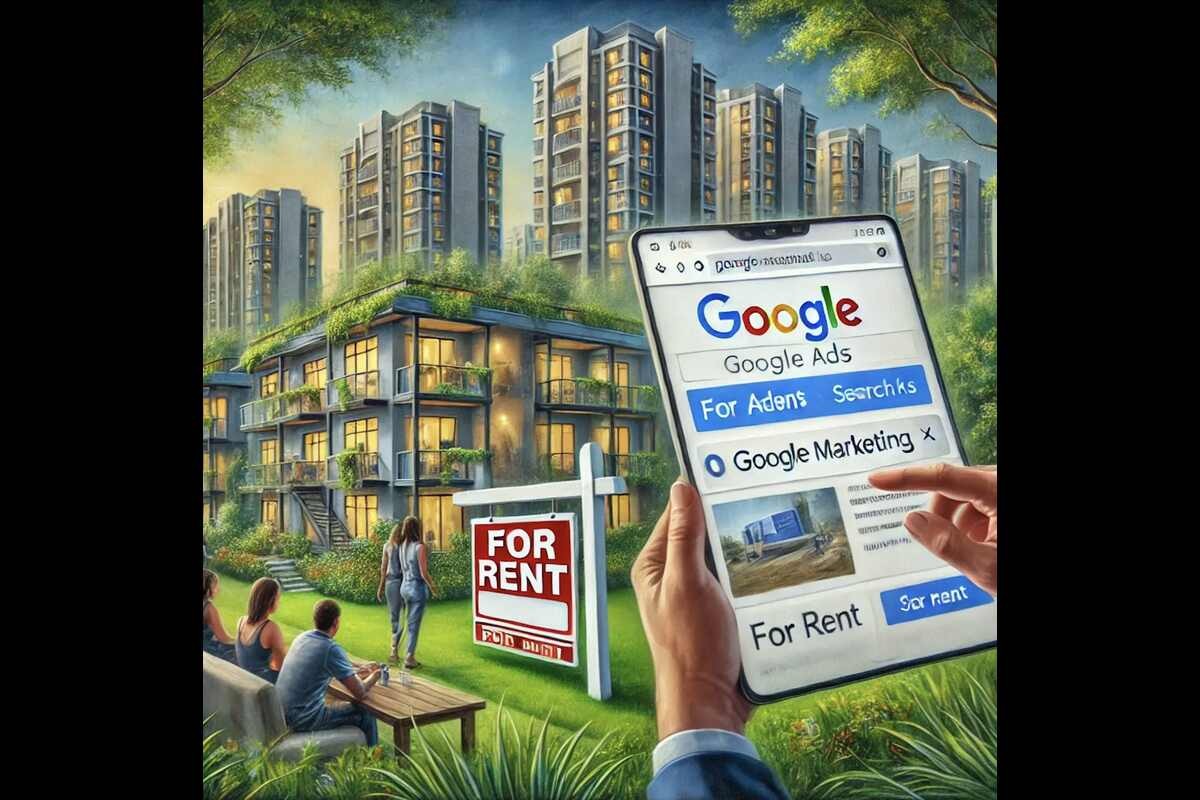
To run ads on Google to rent a house, start by creating a Google Ads account, set your budget, choose relevant keywords, and design compelling ad copy that highlights your property’s features.
This topic is crucial for landlords, property managers, and real estate agents looking to attract potential tenants efficiently. Missteps in ad creation or targeting can lead to wasted budgets and missed opportunities, ultimately prolonging vacancy periods.
This guide will detail the step-by-step process of setting up Google Ads, from keyword selection to ad design, ensuring that your rental property receives maximum visibility and engagement.
What are the steps to run Google ads for renting a house?
To run Google ads for renting a house, follow these structured steps: create a Google Ads account, define your target audience, select relevant keywords, design your ad, set your budget, and launch the campaign. Each step is crucial for ensuring your rental property reaches potential tenants effectively.
- Create a Google Ads Account: Visit the Google Ads website and sign up for an account. Provide necessary business information and billing details to activate your account.
- Define Your Target Audience: Identify the demographics of your ideal tenants, including age, location, and interests. This information helps tailor your ads to attract the right audience.
- Select Relevant Keywords: Use Google’s Keyword Planner tool to find keywords that potential renters might use, such as “houses for rent in [location].” Focus on long-tail keywords to target specific searches.
- Design Your Ad: Create compelling ad copy and select high-quality images of the rental property. Highlight key features and benefits, such as location, amenities, and rental price.
- Set Your Budget: Decide on a daily or monthly budget for your ads. Google Ads operates on a bidding system, so choose a bid strategy that aligns with your financial goals.
- Launch the Campaign: Review your ad settings and launch the campaign. Monitor the performance regularly to ensure it meets your expectations.
Regularly assess ad performance through Google Ads analytics. Adjust keywords, ad copy, and budget based on what is working. Consider A/B testing different ad variations to optimize results further.
Expert Tip: Utilize remarketing strategies to target users who have previously visited your rental property page. This can increase the likelihood of converting views into actual leads.
How much does it cost to run Google ads for house rentals?
The cost of running Google ads for house rentals typically ranges from $1 to $2 per click, depending on various factors. On average, landlords and property managers may spend between $300 to $1,500 monthly on advertising campaigns. However, costs can vary significantly based on competition and location.
Several factors influence the overall cost of Google ads for house rentals. These include:
- Location: Rental markets in urban areas often have a higher cost-per-click (CPC) due to increased competition.
- Ad Quality: Well-structured ads with high-quality scores can lower CPC, as Google rewards effective advertising.
- Targeting Options: Costs can escalate with more specific targeting, such as demographics or geographic areas, resulting in higher CPC.
- Budget Settings: Advertisers can set daily budgets and maximum bids, influencing how much is spent overall.
Additionally, the type of rental property and its pricing can affect the cost. Luxury rentals may incur higher costs due to the competitive nature of their market, while standard rentals may see lower expenses. Analyzing market trends and adjusting ad strategies is essential for optimizing ad spend.
Expert Tip: Utilize Google Ads’ keyword planner to identify effective keywords and estimate costs. This tool can help refine ad strategies to achieve better results within budget constraints.
What are the best practices for Google ads in real estate?
To effectively run Google ads for real estate, particularly for renting houses, focus on targeted strategies that enhance visibility and engagement. Implementing best practices can significantly improve the performance of your ads and lead to better conversion rates.
First, ensure that your ads are highly targeted by using specific keywords related to your property and location. Utilize long-tail keywords such as “rent a house in [City Name]” to attract a more relevant audience. Additionally, segment your campaigns based on property type, budget, and target demographics to optimize your reach.
- Utilize Compelling Ad Copy: Write clear, concise, and engaging ad copy. Highlight unique features of the property, such as amenities, proximity to schools, or local attractions. Use strong calls to action, like “Schedule a Viewing Today” or “Inquire Now,” to encourage clicks.
- Leverage Location Targeting: Employ geo-targeting to ensure your ads reach potential renters in specific areas. This can increase relevance and reduce wasted ad spend by focusing on users who are more likely to be interested in your listings.
- Implement Ad Extensions: Use ad extensions to provide additional information without cluttering your ad. Location extensions can show your property’s address, while call extensions allow users to contact you directly. These features can improve your ad’s visibility and click-through rates.
- Monitor and Adjust Bids: Regularly assess the performance of your ads and adjust your bidding strategy accordingly. Focus on high-performing keywords and consider using automated bidding strategies to optimize your ad spend based on your goals.
Expert insight: Regularly conduct A/B testing on your ads to identify which elements resonate best with your audience. This ongoing optimization can lead to better performance and a higher return on investment over time.
How do Google ads for renting a house compare to other advertising methods?
Google ads for renting a house offer unique advantages over traditional advertising methods, such as print ads or social media postings. They provide targeted reach, better tracking, and often faster results. However, each advertising method has its own strengths and weaknesses that can affect overall effectiveness.
Google ads utilize a pay-per-click (PPC) model, allowing landlords to target specific keywords related to rental properties. This approach ensures that ads reach potential renters actively searching for homes. In contrast, traditional print advertising can reach a broader audience but lacks the precision and immediate feedback of online ads. Social media platforms, while offering engagement and community interaction, may not directly target users looking specifically for rental properties.
- Google Ads: Highly targeted, real-time analytics, and immediate visibility. Ideal for reaching users actively searching for rentals.
- Print Advertising: Broader reach, more local visibility, but limited tracking options and slower response times.
- Social Media Ads: Engaging content and community interaction, but may attract less serious inquiries and require more time to build a following.
The choice of advertising method often depends on the specific goals and resources of the landlord. For example, if quick results and precise targeting are essential, Google ads may be the best approach. Conversely, if a landlord is looking to build long-term brand awareness in a local market, print or social media advertising might be more beneficial.
Key Considerations
Budget constraints, target demographics, and desired response times are all factors influencing the choice between Google ads and other methods. Landlords should assess their unique situation to determine the most effective advertising strategy.
For optimal results, combining Google ads with other marketing methods can create a comprehensive approach, leveraging the strengths of each channel to maximize exposure and attract the right tenants.
How long does it take to see results from Google ads for rentals?
Typically, it takes about 1 to 3 weeks to see measurable results from Google ads for rentals. However, various factors can influence this timeline, including ad quality, budget, and competition in your rental market.
Several elements can affect how quickly results manifest. First, the quality and relevance of your ad play a crucial role; well-crafted ads that are aligned with user intent tend to perform better and generate leads faster. Additionally, the size of your budget impacts visibility; a higher budget allows for more frequent ad impressions, increasing the chances of attracting potential renters sooner. Finally, competition in your area can either expedite or delay results. In a highly competitive market, it may take longer to see significant engagement.
Another aspect to consider is the optimization phase. Google ads often require fine-tuning based on initial performance data. This means that the first few days of running your ads may yield limited results, as the system learns which demographics respond best to your listings. Continuous monitoring and adjustments can help enhance performance and lead to quicker outcomes over time.
Furthermore, seasonality can play a role in the rental market. Certain times of the year may see higher demand for rentals, leading to quicker results when ads are run during these peak periods. Understanding local trends is essential for maximizing the effectiveness of your advertising efforts.
Expert Tip: Regularly analyze your ad performance metrics and adjust your strategy accordingly. A/B testing different ad copies and targeting options can significantly improve response times and lead quality.
What keywords should I use for Google ads to rent a house?
To optimize Google ads for renting a house, use specific and relevant keywords that potential renters are likely to search. Examples include “houses for rent in [location],” “affordable rentals [location],” and “pet-friendly houses for rent.” Incorporating local terms and unique features can enhance ad visibility.
When selecting keywords, consider the demographics and preferences of your target audience. For instance, if marketing to families, use keywords like “family-friendly homes for rent in [location]” or “homes with yards for rent.” Additionally, including phrases that highlight specific amenities, such as “houses with swimming pools” or “houses near public transport,” can attract more qualified leads.
Utilize Google’s Keyword Planner tool to discover search volume and competition for specific keywords. This can help refine your strategy by revealing which keywords are trending and which may be too competitive. Testing variations of your keywords through A/B testing can also provide insights into which terms yield the best click-through rates and conversions.
Expert Tip: Regularly review your keyword performance and adjust your strategy based on seasonal trends and market changes to maintain optimal ad effectiveness.
Can I target specific demographics with Google ads for renting a house?
Yes, you can target specific demographics with Google Ads when renting a house. Google Ads offers various demographic targeting options, allowing advertisers to reach audiences based on factors such as age, gender, income, and parental status. This capability helps ensure that your rental property ads are seen by the most relevant potential tenants.
To effectively target demographics, start by accessing the “Demographics” section in your Google Ads campaign settings. Here, you can select your desired audience characteristics. For instance, if your rental property is ideal for families, you might choose to target users who are parents. Alternatively, if the property appeals to young professionals, you can focus on age groups that typically match this demographic.
Moreover, consider combining demographic targeting with geographic and interest-based options for a more refined audience. This strategy enhances the chances of reaching individuals actively seeking rental properties. Additionally, monitor the performance of your ads regularly. Adjust your demographic selections based on which groups generate the most engagement and conversions, optimizing your ad spend for better results.
Utilizing Custom Audiences
In addition to standard demographic options, Google Ads allows you to create custom audiences based on user behavior and interests. This feature enables you to target individuals who have previously shown interest in rental properties or related searches. For example, you can create a custom audience of users who have visited real estate websites or engaged with rental listings on Google.
This strategic approach not only enhances ad relevance but also improves click-through rates. By tailoring your ads to specific audience interests, you can present your rental property in a way that resonates with potential tenants, increasing the likelihood of inquiries and viewings.
For optimal results, continually test and refine your targeting criteria. Demographic preferences may shift over time, so staying attuned to trends will maximize your advertising effectiveness.
Expert Tip: Use A/B testing to compare different demographic segments and adjust your targeting based on real-time data, ensuring you allocate your advertising budget to the most productive audience segments.
Creating Compelling Ad Copy for Rental Properties
Effective ad copy is essential for attracting potential renters and maximizing property visibility. This section explores how to craft compelling advertisements that highlight unique features, evoke emotions, and encourage immediate action.
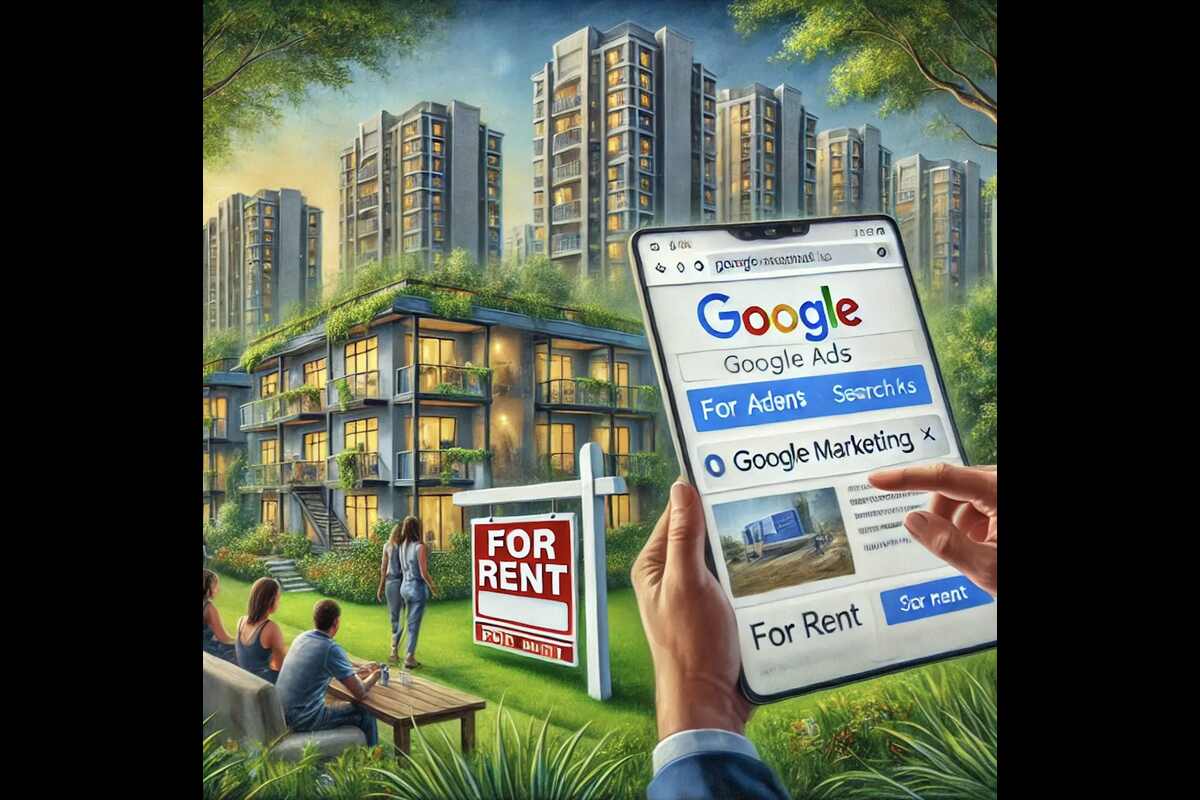
Highlight Unique Property Features
When advertising rental properties, showcasing unique features distinguishes listings from competitors. Focus on elements such as:
- Location advantages, including proximity to schools, parks, and public transport.
- Specific amenities like modern appliances, outdoor spaces, or smart home technology.
- Recent renovations or distinctive architectural styles that add character.
Use descriptive language that paints a vivid picture. For example, instead of saying “large backyard,” consider “spacious, sunlit backyard perfect for summer barbecues and family gatherings.” This approach not only informs potential renters but also helps them envision their life in the space.
Using Persuasive Language to Evoke Emotions
Emotional resonance plays a critical role in attracting renters. Incorporate persuasive language that connects with the target audience’s desires and aspirations. Words such as “cozy,” “inviting,” and “luxurious” can create a warm impression. Additionally, framing features in a lifestyle context enhances appeal. For instance, instead of simply stating “two bedrooms,” use “two serene bedrooms designed for restful nights.” This technique invites potential renters to imagine their future experiences in the property.
Incorporating Strong Calls-to-Action
A strong call-to-action (CTA) is vital in guiding potential renters toward the next steps. Effective CTAs should be clear, direct, and create a sense of urgency. Examples include:
- “Schedule your tour today!”
- “Apply now to secure your dream home!”
- “Contact us for a virtual walkthrough!”
Using actionable phrases encourages immediate responses, increasing the likelihood of inquiries and applications.
Testing Different Ad Copies for Effectiveness
To optimize ad performance, testing various copies is essential. A/B testing allows for comparison between different headlines, descriptions, and CTAs. Monitor metrics such as click-through rates (CTR) and conversion rates to determine which ad resonates best with your target audience. Adjustments based on data insights can significantly enhance ad effectiveness, ensuring higher engagement and rental inquiries.
Nuance / Expert Layer
One common misconception is that more information always leads to better ads. However, overcrowding ad copy with details can overwhelm potential renters. Prioritize clarity and conciseness. Furthermore, consider the target demographic; different audiences may respond better to varying tones or styles. For example, young professionals may prefer a modern, upbeat tone, while families might appreciate a more traditional, family-oriented approach. Tailoring your ad copy to suit the audience ensures a more effective marketing effort.
Practical Application
To implement these strategies, start by listing the unique features of your property. Craft ad copy that evokes emotions and includes strong CTAs. Test multiple versions of your ad to identify the most effective elements. Leverage insights gained from testing to refine your approach continuously. By focusing on these aspects, you can effectively run ads on Google to rent a house and attract the right tenants.
Understanding Google Ads Metrics and Optimization
This section provides a detailed analysis of essential Google Ads metrics for rental properties, offering strategies for optimizing ad performance. Mastering these metrics is crucial for maximizing the effectiveness of advertising campaigns and attracting potential tenants.

Key Metrics to Track for Rental Ads
When running Google Ads to rent a house, focus on the following metrics to gauge performance:
- Click-Through Rate (CTR): Represents the percentage of users who clicked on your ad after seeing it. A higher CTR indicates your ad is relevant and engaging.
- Conversion Rate: Measures the percentage of clicks that result in inquiries or leads. This metric is crucial for understanding the effectiveness of your landing page.
- Cost Per Click (CPC): The amount spent for each click on your ad. Monitoring CPC helps manage your budget effectively.
- Impressions: The number of times your ad is displayed. High impressions with low CTR may indicate a need for ad copy improvement.
- Quality Score: A score from 1 to 10 that Google assigns based on the relevance of your keywords, ad copy, and landing page. Higher scores can lead to lower CPCs.
Adjusting Bids and Budgets Based on Performance
Ad performance should dictate bid and budget adjustments. Implement the following strategies:
- Analyze Performance Data: Regularly review your metrics. Identify high-performing ads and allocate more budget to them.
- Set Bid Adjustments: Increase bids for high-converting keywords. Conversely, decrease bids for poorly performing keywords to optimize spending.
- Daily Budget Monitoring: Adjust daily budgets based on lead flow. When inquiries are high, consider increasing the budget to capture more leads.
Utilizing A/B Testing for Continuous Improvement
A/B testing is vital for refining ad performance. To implement effective A/B tests:
- Identify Variables: Test one element at a time, such as ad copy, headlines, or images, to isolate what drives performance.
- Run Tests Simultaneously: Ensure that ads run concurrently to avoid variability in external factors affecting performance.
- Analyze Results: Collect data on CTR, conversion rates, and other relevant metrics to determine the winning variant.
Understanding Conversion Tracking for Rental Inquiries
Conversion tracking is essential for measuring the effectiveness of your ads. To set up conversion tracking:
- Create Conversion Actions: In your Google Ads account, define what constitutes a conversion, such as form submissions or phone calls.
- Implement Tracking Tags: Use Google Tag Manager or manually add conversion tracking tags to your website to monitor user interactions.
- Review Conversion Reports: Analyze the data to understand which ads lead to inquiries, allowing for targeted optimization.
Many advertisers overlook the significance of Quality Score. A common misconception is that higher bids guarantee better ad placement. In reality, a high Quality Score can lower CPC and improve ad positioning, making it a critical factor for effective advertising.
To apply this information effectively, start by identifying the key metrics that matter most for your rental ads. Regularly review performance data, adjust bids and budgets based on insights, and conduct A/B tests to refine your approach. Ensure conversion tracking is set up to inform future advertising strategies. By actively managing these elements, you can enhance your ad performance and attract more qualified rental inquiries.
Common Mistakes to Avoid When Advertising Rentals on Google
This section identifies frequent pitfalls in advertising rentals on Google and provides actionable advice to enhance ad effectiveness. Avoiding these mistakes can significantly improve visibility and lead generation for rental properties.

Neglecting Effective Location Targeting
One of the most critical mistakes is failing to utilize location targeting effectively. Landlords often set ads to broader geographic areas instead of narrowing down to specific neighborhoods or zip codes. This approach can waste ad spend on irrelevant clicks from users outside the desired area. Instead, implement precise location settings that focus on your target market, ensuring that ads reach potential renters actively searching in that vicinity.
Failing to Update Ads with Current Listings
Another common oversight is not keeping ads updated with current listings. Stale ads can lead to frustrated inquiries and damage your reputation. Regularly review and refresh ad content to reflect the latest availability, pricing, and features. Establish a routine for updating ads, ideally as soon as new properties become available or current listings change.
Overlooking Mobile Optimization
With a significant portion of users accessing rental information via mobile devices, neglecting mobile optimization can severely limit ad effectiveness. Ensure that your ads are designed for mobile viewing, including easy navigation and quick loading times. Utilize responsive design techniques that allow ads to adapt to various screen sizes, enhancing the user experience and increasing the likelihood of engagement.
Ignoring Ad Extensions for Enhanced Visibility
Ad extensions are often overlooked yet vital for maximizing visibility. Features like location extensions, call extensions, and site link extensions can provide additional information about the rental property and improve click-through rates. By including these elements, ads become more informative and appealing, allowing potential renters to access essential details quickly.
Consider implementing the following ad extensions:
- Location extensions: Display the property’s address to encourage local interest.
- Call extensions: Allow users to call directly from the ad, facilitating immediate inquiries.
- Site link extensions: Direct users to specific pages, such as virtual tours or application forms.
Nuance and Expert Insights
Many landlords mistakenly believe that broad targeting and generic ads will suffice in attracting renters. However, this approach often leads to wasted resources and minimal engagement. Tailoring ads to specific demographics, such as targeting young professionals or families, can significantly improve results. Furthermore, understanding seasonal trends in rental markets can influence ad timing, ensuring that listings are promoted when demand is highest.
Practical Application
To avoid these common pitfalls, implement the following steps:
- Define clear location parameters for your ads to target the most relevant audience.
- Set a calendar reminder to review and update your ads regularly.
- Test your ads on different mobile devices to ensure optimal performance.
- Incorporate ad extensions to provide additional value and information to potential renters.
By addressing these common mistakes, landlords can enhance their advertising effectiveness and increase the likelihood of securing tenants through Google ads.
Real-World Case Studies: Successful Google Ads for Rentals
This section analyzes real-world examples of Google ad campaigns that successfully facilitated house rentals, highlighting strategies that worked and lessons learned from both successes and failures.

Successful Campaign Analysis
One notable case involved a property management company that ran targeted Google Ads for a collection of single-family homes. The campaign utilized a combination of compelling ad copy and localized keywords, such as “3-bedroom house for rent in [City].” By emphasizing unique selling points like proximity to schools and parks, they achieved a click-through rate (CTR) of 6%, significantly above the industry average of 2%. The strategic use of ad extensions, such as location and call buttons, further boosted engagement.
Another effective campaign focused on vacation rentals. The advertiser segmented their ads by season, showcasing properties with tailored messaging. For instance, during the summer months, ads highlighted outdoor amenities and family-friendly features, resulting in a 25% increase in bookings compared to the previous year. This campaign demonstrated the power of aligning ad content with seasonal demand.
Lessons from Unsuccessful Campaigns
A contrasting example illustrates the pitfalls of a poorly executed campaign. An investor attempted to promote multiple properties with generic ad text that lacked specificity. Without targeting specific demographics or utilizing negative keywords, the campaign incurred high costs with a low conversion rate. This highlights the necessity of clear messaging and audience targeting in rental ads.
- Specificity: Ads should directly address the target audience’s needs.
- Negative Keywords: Implementing these can prevent irrelevant clicks.
- A/B Testing: Experimenting with different ad copies can reveal effective strategies.
Impact of Property Types on Performance
The type of property significantly influences ad performance. For example, multi-family units often benefit from highlighting community features, while luxury rentals require an emphasis on exclusivity and premium amenities. A campaign for high-end urban apartments saw a 30% higher CTR when featuring virtual tours and high-quality images, appealing to tech-savvy renters.
Conversely, ads for budget-friendly rentals performed best when emphasizing affordability and convenience. This differentiation in strategy is essential for maximizing the effectiveness of Google Ads across various property types.
Seasonal Trends in Rental Advertising
Seasonality plays a crucial role in rental advertising effectiveness. The demand for rental properties typically peaks during summer months when families relocate for school. Advertisers who adjusted their campaigns to reflect seasonal trends experienced a marked improvement in performance. For instance, a campaign targeting college students during the back-to-school season emphasized proximity to campuses, leading to a 40% increase in inquiries.
Nuance: Beyond Basic Strategies
Many rental advertisers overlook the importance of remarketing. This strategy targets users who previously interacted with the ads but did not convert. Remarketing campaigns can significantly enhance overall performance, often yielding a lower cost-per-acquisition (CPA). Furthermore, employing local SEO strategies in tandem with Google Ads can amplify visibility, particularly in competitive markets. Advertisers should also be aware that user intent varies, necessitating tailored approaches based on the search queries used by potential renters.
Practical Application
To effectively run ads on Google to rent a house, consider the following actionable steps:
- Conduct thorough keyword research to identify high-performing terms specific to your property type.
- Create targeted ad groups that highlight unique features and appeal to specific demographics.
- Implement A/B testing to refine ad copy and visuals based on performance metrics.
- Utilize remarketing strategies to re-engage potential renters who have shown interest.
- Monitor seasonal trends and adjust campaigns accordingly to capture peak rental demand.
Frequently Asked Questions
What are the steps to run Google ads for renting a house?
To run Google ads for renting a house, first create a Google Ads account, then set up a campaign targeting your audience. Choose keywords, create compelling ad copy, and set a budget before launching your ads.
How much does it cost to run Google ads for house rentals?
The cost of running Google ads for house rentals varies based on competition and bidding strategy, typically ranging from a few cents to several dollars per click. A daily budget can help control overall spending.
What are the best practices for Google ads in real estate?
Best practices for Google ads in real estate include using targeted keywords, creating engaging ad copy, and utilizing high-quality images. Additionally, optimizing landing pages for conversions can enhance overall campaign performance.
How do Google ads for renting a house compare to other advertising methods?
Google ads for renting a house offer targeted reach and immediate visibility compared to traditional advertising methods. They allow for real-time adjustments and detailed performance tracking, making them a flexible option for landlords.
How long does it take to see results from Google ads for rentals?
Results from Google ads for rentals can typically be seen within a few days of launching the campaign. However, optimizing ads and keywords may take a few weeks to achieve the best performance.
What keywords should I use for Google ads to rent a house?
Effective keywords for Google ads to rent a house include location-specific terms, such as “houses for rent in [City]” and phrases like “affordable rentals.” Researching local market trends can help identify additional relevant keywords.
Can I target specific demographics with Google ads for renting a house?
Yes, Google ads allow targeting specific demographics such as age, gender, and interests. This capability helps tailor your ads to reach potential renters more effectively based on their characteristics.
Final Thoughts on how to run ads on google to rent a house
Effective Google ads can significantly enhance visibility for rental properties, translating into quicker leases and higher occupancy rates. By mastering compelling ad copy, understanding key metrics, and avoiding common pitfalls, landlords can leverage Google’s vast reach to attract quality tenants.
As a practical next step, conduct a competitive analysis of similar rental listings in your area to identify successful ad strategies, then craft your campaigns to highlight unique features that set your property apart.
Harnessing the power of Google ads is essential in today’s digital landscape, making it a critical tool for anyone serious about optimizing rental property marketing efforts.
Leave a Reply