
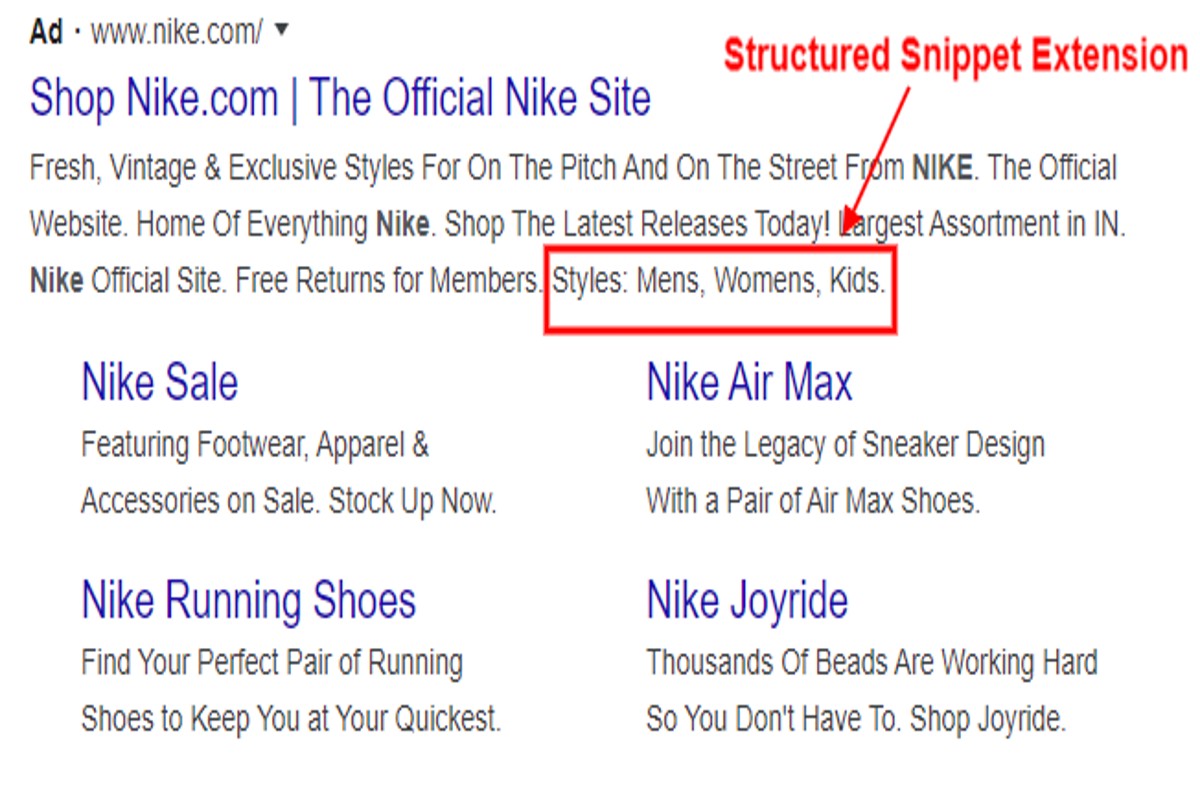
Structured snippets in Google Ads are ad extensions that provide additional information about your products or services. They enhance ad visibility and improve click-through rates by displaying relevant details directly beneath the ad.
Understanding structured snippets is crucial for advertisers aiming to optimize their campaigns. These extensions not only enrich user experience but also influence ad performance metrics, making it essential for marketers to utilize them effectively.
This guide will detail how to implement structured snippets, the types available, and best practices for maximizing their impact on your advertising efforts.
What are structured snippets in Google Ads?
Structured snippets in Google Ads are a type of ad extension that allows advertisers to highlight specific aspects of their products or services. These snippets provide additional information that enhances ad visibility and helps potential customers understand the offerings better. By displaying key features or categories, structured snippets can improve click-through rates and overall ad performance.
Structured snippets come in various formats, allowing advertisers to choose the most relevant information to display. They typically consist of a header and a list of values, which can include details such as service types, product categories, or other attributes. The key benefit of using structured snippets is that they provide users with quick insights, making ads more informative and appealing.
- Headers: Common headers include “Amenities,” “Service Catalog,” “Course Topics,” and “Destinations.”
- Values: Each header is followed by a set of values that detail specific offerings, such as “Free Wi-Fi,” “Guided Tours,” or “Beginner to Advanced.”
- Enhanced Visibility: By incorporating structured snippets, ads can occupy more screen real estate, making them stand out in search results.
Implementing structured snippets is straightforward. Advertisers can set them up at the account, campaign, or ad group level, enabling customization based on specific marketing goals. However, it is essential to monitor performance metrics to assess their impact and make adjustments as necessary.
Expert Tip: Regularly updating structured snippets with seasonal or promotional information can further enhance their effectiveness, ensuring that the content remains relevant and engaging for potential customers.
How do I create structured snippets in Google Ads?
Creating structured snippets in Google Ads involves several straightforward steps that enhance your ad’s visibility and provide additional information to potential customers. These snippets allow advertisers to highlight specific aspects of their products or services. By following these steps, you can set up structured snippets effectively.
- Sign in to your Google Ads account. Navigate to the campaign where you want to add structured snippets.
- Select ‘Ad Extensions’ from the left sidebar. This option appears under the campaign or ad group settings.
- Click on the blue plus button (+). Choose ‘Structured snippet extension’ from the dropdown menu that appears.
- Choose a header for your snippet. Select from predefined categories such as ‘Amenities’, ‘Brands’, or ‘Types’, depending on what best describes your offerings.
- Enter your values. Input specific details that correspond to the chosen header. You can include multiple values, separated by commas.
- Save your structured snippet. Review your entries for accuracy, then click ‘Save’ to implement the changes.
Structured snippets can significantly enhance the performance of your ads by providing potential customers with key information at a glance. It is advisable to monitor the performance of these snippets regularly to ensure they are contributing positively to your ad campaigns. Adjust the content as necessary based on performance metrics.
Expert Tip: Test different headers and values to see which combinations yield the best click-through rates. Regularly updating your structured snippets can also keep your ads relevant and engaging for your audience.
What are the benefits of using structured snippets?
Structured snippets provide advertisers with a way to enhance their Google Ads by displaying additional information about their products or services. This feature can lead to increased click-through rates (CTR) and improved ad relevance, making ads more informative and appealing to potential customers.
One of the primary benefits of structured snippets is that they allow advertisers to showcase specific attributes of their offerings without taking up additional ad space. By including relevant details such as service categories, product types, or amenities, structured snippets can help users quickly find the information they need, thereby increasing the likelihood of engagement. Additionally, they contribute to a more organized ad presentation, which can enhance user experience and drive higher conversion rates.
- Increase Click-Through Rates: Adding structured snippets makes ads more informative, which can lead to higher CTR. Users are more likely to click on ads that provide clear, concise information about what is offered.
- Improve Ad Relevance: By specifying features or categories, structured snippets align the ad content more closely with user queries. This increased relevance can lead to better Quality Scores, which can lower costs per click.
- Enhance Brand Visibility: Structured snippets allow businesses to highlight unique selling propositions (USPs). This differentiation can help brands stand out in competitive markets, making them more memorable to potential customers.
- Facilitate Better User Experience: Users appreciate quick access to essential information. Structured snippets streamline the decision-making process, potentially leading to increased customer satisfaction and loyalty.
Incorporating structured snippets effectively involves understanding the target audience and selecting the most relevant attributes to display. Regularly analyzing performance metrics can help advertisers refine their snippet strategy for optimal results.
How do structured snippets compare to other ad extensions?
Structured snippets are a specific type of ad extension in Google Ads that provide additional information about the products or services offered. They differ significantly from other ad extensions in terms of format, purpose, and the type of information displayed. Understanding these distinctions can help advertisers make informed decisions about which extensions to use for their campaigns.
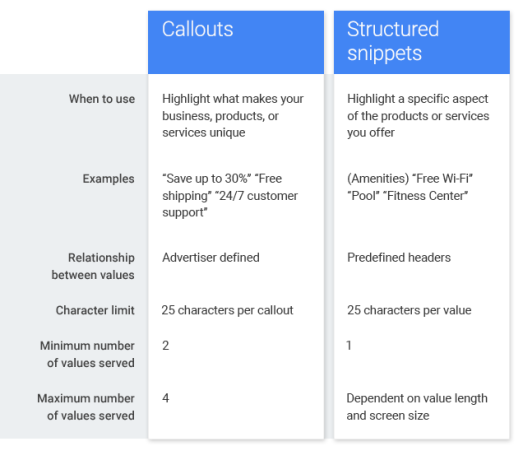
Structured snippets showcase specific features of a business, such as service categories or product types, in a concise manner. Unlike other ad extensions, such as site link extensions or callout extensions, structured snippets do not allow for custom text. Instead, they rely on predefined headers, which dictate the information displayed. For example, a structured snippet might highlight “Amenities” for a hotel, listing features like “Free Wi-Fi” and “Pool.” This specificity helps users quickly assess the offerings without needing to click through to the website.
In contrast, other ad extensions offer greater flexibility and customization. Site link extensions enable advertisers to link to specific pages on their website, enhancing navigation and directing users to relevant content. Similarly, callout extensions allow for additional promotional text, which can emphasize unique selling points like “24/7 Customer Support.” These extensions aim to increase click-through rates by providing varied options for user engagement, whereas structured snippets focus on delivering straightforward, factual details in a highly structured format.
- Structured Snippets: Predefined headers, concise feature listings, no custom text.
- Site Link Extensions: Custom links to specific pages, enhancing user navigation.
- Callout Extensions: Custom promotional text, emphasizing unique selling points.
Structured snippets are particularly beneficial for advertisers aiming to highlight specific attributes of their offerings without requiring extensive customization. They provide quick, relevant information, which can be instrumental in influencing a user’s decision-making process.
Expert Tip: Consider combining structured snippets with other ad extensions to create a comprehensive ad format that appeals to diverse user needs, increasing the likelihood of engagement and conversion.
What types of information can I include in structured snippets?
Structured snippets in Google Ads allow advertisers to provide specific information about their products or services. Common types of information include features, amenities, or specific aspects that differentiate offerings from competitors. This structured data enhances ad visibility and helps users make informed decisions.
For example, a hotel chain might use structured snippets to highlight key amenities available at its locations. The structured snippet could include categories like “Free Wi-Fi,” “Pool,” and “Complimentary Breakfast.” Each of these items provides potential guests with essential details upfront, enabling them to quickly assess whether the hotel meets their needs. By focusing on specific features, advertisers can draw in more qualified leads who are actively looking for those particular amenities.
Another scenario involves an online retailer promoting a line of electronics. The structured snippets could list “Brands: Samsung, Apple, Sony” and “Product Types: Smartphones, Laptops, Accessories.” This categorization not only enhances ad relevance but also helps potential customers identify the range of products available without needing to click through to the website. The inclusion of such targeted information can significantly improve click-through rates by aligning closely with user search intent.
Expert Tip: When creating structured snippets, ensure the information is concise and directly relevant to your target audience. Regularly review and update the snippets to reflect any changes in offerings or features, as this can significantly impact ad performance.
What is the cost of using structured snippets in Google Ads?
Using structured snippets in Google Ads incurs no additional costs. They are a free ad extension feature that enhances your advertising without impacting the budget directly.
The overall cost of a Google Ads campaign is influenced by various factors, including the competition for keywords, the quality score of the ads, and the bidding strategy employed. While structured snippets themselves do not have a cost, their effectiveness can lead to improved click-through rates (CTR) and conversion rates, potentially affecting the overall performance and cost-efficiency of the campaign.
- Keyword Competition: Higher competition for certain keywords can lead to increased costs per click (CPC).
- Quality Score: A higher quality score can lower CPC, meaning well-optimized ads with structured snippets may reduce overall spending.
- Bidding Strategy: The type of bidding strategy, such as manual CPC or automated bidding, can influence costs based on performance metrics.
While structured snippets do not incur a direct cost, they can enhance ad visibility and effectiveness, which may ultimately lead to higher ROI. Advertisers should analyze performance metrics to determine the impact of structured snippets on campaign success.
Expert Tip: Regularly review and optimize structured snippets based on performance data to maximize their effectiveness and ensure they align with your advertising goals.
How long does it take for structured snippets to show in Google Ads?
Structured snippets in Google Ads typically take between 1 to 3 business days to be approved and become visible. However, this timeframe can vary based on several factors, including the complexity of the snippets and the current volume of ad submissions.
The approval process for structured snippets involves a review by Google’s ad policies team. If the snippets comply with all guidelines and are clearly formatted, they are usually approved quickly. However, if there are any issues, such as policy violations or unclear content, the approval can be delayed. Advertisers should also consider that during peak times, such as holiday seasons, the review process may take longer due to increased submission volume.
Once approved, structured snippets may not appear immediately in search results. There can be additional delays as the changes propagate across Google’s ad systems. Advertisers should monitor their accounts regularly and check for updates on the visibility of their snippets. If structured snippets do not show after a few days post-approval, it may be beneficial to reach out to Google Ads support for clarification.
Expert Tip: To expedite the approval process, ensure that structured snippets are concise, relevant, and formatted according to Google’s specifications. Utilizing clear language and adhering to best practices can minimize the chances of delays.
What are common mistakes to avoid with structured snippets?
Common mistakes with structured snippets in Google Ads can significantly reduce their effectiveness. Advertisers often overlook best practices, leading to missed opportunities for enhanced visibility and engagement. Avoiding these pitfalls is essential for optimizing ad performance.
One major error is using irrelevant or generic snippet values that do not align with the ad’s content or the user’s intent. Structured snippets should provide specific information that adds value to the ad, such as unique features or services offered. Additionally, failing to regularly review and update snippets can lead to outdated information that misrepresents the business.
- Ensure relevance: Choose snippet headers and values that directly relate to the products or services advertised. Avoid broad terms that do not enhance the ad’s message.
- Regularly update snippets: Periodically review and refresh structured snippets to reflect current offerings, promotions, or seasonal changes. This keeps the ad relevant and engaging for potential customers.
- Limit character count: Adhere to Google’s character limits for structured snippets. Overly lengthy snippets can be truncated, potentially omitting critical information and reducing clarity.
- Avoid duplication: Do not repeat information already presented in other ad elements, such as headlines or descriptions. Structured snippets should complement, not duplicate, existing content.
Utilizing structured snippets effectively requires attention to detail and a strategic approach. Testing different variations can provide insights into what resonates best with the target audience, allowing for continuous improvement.
Expert tip: Monitor performance metrics specifically for structured snippets, such as click-through rates (CTR) and conversion rates, to identify what works best and refine strategies accordingly. This data-driven approach will enhance the overall effectiveness of Google Ads campaigns.
Maximizing the Impact of Structured Snippets
This section delves into advanced strategies for optimizing structured snippets in Google Ads. By implementing these tactics, advertisers can enhance relevance, drive engagement, and ultimately improve campaign performance.
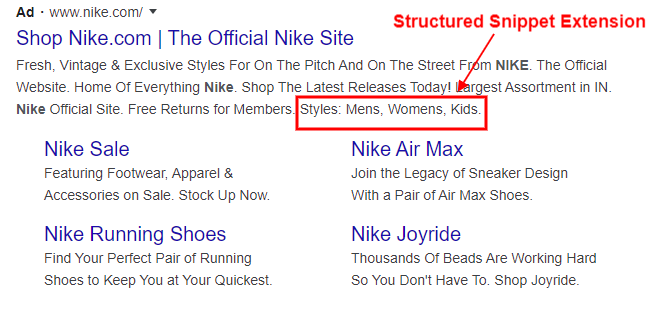
Utilizing Keyword-Rich Phrases for Better Relevance
Incorporating keyword-rich phrases into structured snippets significantly boosts their relevance to user queries. Snippets should reflect common search terms used by the target audience. For instance, if a campaign focuses on “premium running shoes,” the structured snippet might highlight features such as “breathable mesh” or “lightweight design.” This alignment not only improves ad visibility but also increases the likelihood of clicks.
A/B Testing Different Snippets
Conducting A/B testing is essential for determining the effectiveness of various structured snippets. Advertisers should create multiple versions of snippets and monitor their performance over time. Metrics to track include click-through rates (CTR) and conversion rates. Testing can reveal which phrases resonate best with the audience and inform future adjustments. For example, if one snippet emphasizing “free shipping” outperforms another, shifting focus to similar value propositions could yield better results.
Integrating Structured Snippets with Overall Ad Strategy
Structured snippets must align with the broader advertising strategy for maximum effectiveness. This involves ensuring consistency in messaging across ad variations. For example, if a campaign highlights customer service as a key selling point, snippets should reinforce this by showcasing features like “24/7 support” or “satisfaction guarantee.” Cohesion in messaging enhances brand trust and encourages user engagement.
Analyzing Performance Metrics to Refine Snippets
Regular analysis of performance metrics is critical for optimizing structured snippets. Advertisers should focus on data such as impressions, clicks, and conversions to evaluate snippet effectiveness. Tools like Google Ads reports can provide insights into which structured snippets are performing well and which need refinement. For instance, if a snippet consistently underperforms, it may require a revision in wording or focus.
Common misconceptions include the belief that once structured snippets are set, they require no further attention. In reality, ongoing analysis and adjustment are crucial to maintaining their effectiveness in a dynamic advertising landscape.
Practical Application
- Identify relevant keywords related to your offerings and integrate them into structured snippets.
- Set up A/B tests for various snippets to determine which versions yield higher engagement.
- Ensure structured snippets align with your overall ad messaging for consistency.
- Regularly review performance metrics and adjust snippets based on data insights.
By applying these strategies, advertisers can significantly enhance the performance of their structured snippets in Google Ads, driving better results and achieving campaign goals more effectively.
Real-World Examples of Successful Structured Snippets
This section explores effective implementations of structured snippets across various industries, showcasing real-world case studies that illustrate their impact on advertising performance. By analyzing these examples, marketers can glean insights into best practices and strategies for maximizing the benefits of structured snippets in Google Ads.
E-commerce Success Story
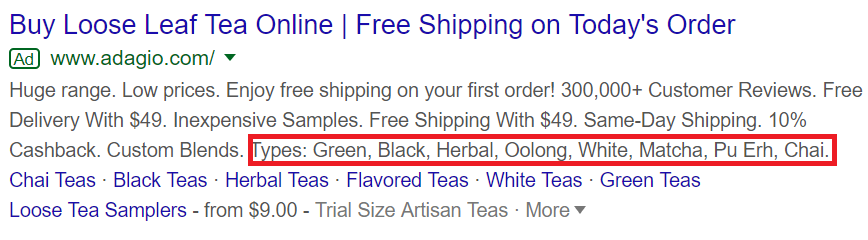
An online retailer specializing in electronics implemented structured snippets to highlight various product categories, including smartphones, laptops, and accessories. By clearly displaying these categories, they enhanced their ad visibility and relevance in search results.
- Click-Through Rate (CTR) Improvement: The retailer experienced a 25% increase in CTR after introducing structured snippets, as users found it easier to identify relevant products.
- Conversion Rate Boost: The conversion rate rose by 15%, indicating that the snippets effectively guided users to their intended purchases.
Local Services Case Study
A local plumbing service utilized structured snippets to showcase specific services offered, such as emergency repairs, installations, and routine maintenance. This approach allowed potential customers to see the breadth of services at a glance.
- Click-Through Rate Improvement: The company saw a 30% increase in CTR, as users were more inclined to click on ads that clearly communicated service offerings.
- Increased Calls: There was a 20% rise in phone inquiries, demonstrating that structured snippets effectively drove user engagement.
Travel Industry Implementation
A travel agency employed structured snippets to feature popular destinations, travel packages, and special offers. This strategy made it easier for users to find appealing vacation options quickly.
- Click-Through Rate Improvement: The agency recorded a 40% increase in CTR, significantly enhancing ad performance during peak travel seasons.
- Sales Growth: The use of structured snippets contributed to a 25% increase in bookings, showcasing their effectiveness in driving conversions.
Lessons Learned from Successful Campaigns
Several common themes emerged from these case studies:
- Clear Communication: Structured snippets provide clarity, allowing potential customers to quickly understand what is being offered.
- Relevance Matters: Tailoring snippets to specific user queries enhances ad relevance and improves engagement.
- Testing and Optimization: Continually testing different snippet formats and content is essential for maximizing performance.
Visual examples of structured snippets in action can be found in the ads themselves, where users can see how these snippets enhance the overall advertising experience. By incorporating structured snippets, advertisers can present critical information succinctly, attracting attention and fostering user interaction.
Nuances and Common Misconceptions
One common misconception is that structured snippets are only beneficial for large businesses with extensive product lines. However, even small local services can see significant improvements in visibility and engagement by showcasing specific offerings. Additionally, some marketers may overlook the importance of regularly updating snippets to reflect seasonal promotions or changing service availability, leading to missed opportunities for engagement.
Practical Application
To leverage the insights from these case studies, advertisers should:
- Analyze their own service or product offerings and determine which features to highlight using structured snippets.
- Test different snippet formats and messaging to identify what resonates best with their target audience.
- Regularly review and update structured snippets to ensure they reflect current offerings and promotions.
Common Pitfalls with Structured Snippets and How to Avoid Them
This section addresses common mistakes advertisers encounter when using structured snippets in Google Ads and provides actionable strategies to enhance their effectiveness.
Overloading Snippets with Irrelevant Information
One frequent error is overloading structured snippets with excessive or unrelated information. This can dilute the message and confuse potential customers. Structured snippets should be concise and directly related to the ad’s core offering. For example, if an ad promotes a hotel, the snippets should focus on relevant features such as amenities or nearby attractions.
Ignoring Mobile Optimization for Structured Snippets
With a significant portion of web traffic coming from mobile devices, neglecting mobile optimization can hinder performance. Structured snippets that are not optimized for mobile may appear awkward or cut off, leading to a poor user experience. Ensure that snippets are brief and easily readable on smaller screens. Testing the appearance of snippets on various devices is essential to maintain clarity and engagement.
Failing to Regularly Update Snippets Based on Performance
Structured snippets should not remain static; they require regular evaluation and updates based on performance data. Advertisers often overlook this aspect, resulting in outdated or ineffective snippets. Utilize Google Ads performance metrics to identify which snippets are driving traffic and conversions. Regularly refresh snippets to reflect current promotions or product offerings, enhancing relevance and engagement.
Not Aligning Snippets with Ad Copy and Landing Pages
A misalignment between structured snippets, ad copy, and landing pages can create confusion and diminish ad effectiveness. Ensure that the information presented in structured snippets complements the ad text and leads to a cohesive landing page experience. This alignment fosters trust and encourages users to engage further. Consistent messaging across all elements of the ad campaign is crucial for maximizing conversion rates.
Nuance / Expert Layer
Many advertisers assume that structured snippets are a one-size-fits-all solution. However, the effectiveness of structured snippets can vary significantly based on industry and target audience. For instance, a retail business may benefit from highlighting product categories, while a service-oriented business might focus on service types. Additionally, understanding the specific attributes that resonate with your audience can enhance snippet relevance. Continuous A/B testing of different structured snippets can reveal valuable insights into what performs best within your niche.
Practical Application
- Regularly review and refine your structured snippets based on performance analytics.
- Ensure mobile optimization by testing snippets on various devices to guarantee readability.
- Align snippets closely with ad copy and landing pages to create a seamless user experience.
- Limit snippet information to essential features that directly relate to the ad’s message.
- Conduct A/B testing to identify which snippets yield the best results in your specific market.
Future Trends in Structured Snippets and Google Ads
This section explores the anticipated developments in structured snippets within Google Ads and their implications for advertisers. Understanding these trends is crucial for maintaining a competitive edge in digital advertising.
Predictions on AI Integration in Ad Extensions
The integration of artificial intelligence (AI) in Google Ads is poised to revolutionize structured snippets. Advertisers can expect enhanced automation that will optimize the selection and display of snippets based on user behavior and preferences. For instance, AI algorithms may analyze historical performance data to predict which snippets resonate most with specific audiences, thereby increasing engagement and conversion rates.
Emerging Best Practices Based on Industry Trends
As structured snippets evolve, several best practices are emerging to maximize their effectiveness:
- Dynamic Snippet Usage: Implement dynamic structured snippets that adjust automatically based on user queries and trends.
- Regular Updates: Continuously refresh snippets to reflect seasonal changes or new product offerings, ensuring relevance.
- Performance Monitoring: Use analytics tools to track the performance of structured snippets, allowing for data-driven adjustments.
Potential Changes in User Behavior and Ad Interaction
Shifts in user behavior are likely to impact how structured snippets are utilized. With an increasing number of consumers using voice search and mobile devices, snippets must be concise and highly relevant. Furthermore, as users become more accustomed to personalized content, they will expect snippets to reflect their specific needs and preferences, driving advertisers to adopt more tailored approaches.
How to Stay Ahead of the Competition with Structured Snippets
To maintain a competitive advantage, advertisers should focus on the following strategies:
- Experimentation: Regularly test different formats and messages within structured snippets to identify what works best for your target audience.
- Integration: Combine structured snippets with other ad extensions, such as callouts and sitelinks, for a more comprehensive ad experience.
- Continuous Learning: Stay informed about updates to Google Ads and industry trends by participating in webinars and industry forums.
While many articles emphasize the basics of structured snippets, few address the long-term implications of AI and evolving user behaviors. One common misconception is that structured snippets are static; however, they are becoming increasingly dynamic, adapting in real-time to user interactions and preferences. This shift necessitates a proactive approach from advertisers to leverage the full potential of structured snippets effectively.
Advertisers should take actionable steps to implement these insights. Start by reviewing current structured snippets for relevance and performance. Conduct regular A/B tests to refine messaging, and invest in AI tools that can enhance snippet optimization. By proactively adapting to these trends, advertisers can ensure their structured snippets remain impactful and competitive in the evolving landscape of Google Ads.
Frequently Asked Questions
What are structured snippets in Google Ads?
Structured snippets are a type of ad extension that provide additional information about your products or services in a Google Ads campaign. They display specific attributes, such as services offered or product categories, enhancing the ad’s visibility and relevance.
How do I create structured snippets in Google Ads?
To create structured snippets, navigate to the “Ads & extensions” section in your Google Ads account. Select “Extensions,” then click the “+” button and choose “Structured snippet extension” to input the desired header and values.
What are the benefits of using structured snippets?
Structured snippets enhance ad visibility by providing additional context, which can lead to higher click-through rates. They help potential customers quickly understand key features or offerings, improving the overall effectiveness of the ad.
How do structured snippets compare to other ad extensions?
Structured snippets are focused on providing specific information about products or services, while other ad extensions like callouts or site links may showcase broader benefits or additional links. Each extension serves a unique purpose, contributing to a comprehensive ad strategy.
What types of information can I include in structured snippets?
You can include various types of information in structured snippets, such as service categories, product features, or specific brands. The content is organized under predefined headers, allowing for clear and concise communication of key details.
What is the cost of using structured snippets in Google Ads?
Structured snippets are free to use within Google Ads and do not incur additional charges. However, costs are associated with the overall ad campaign based on clicks or impressions generated.
How long does it take for structured snippets to show in Google Ads?
Structured snippets typically appear shortly after they are approved, which can take a few hours to a couple of days. Approval times may vary based on ad quality and compliance with Google’s policies.
What are common mistakes to avoid with structured snippets?
Common mistakes include using irrelevant or vague information, which can confuse potential customers. Additionally, failing to adhere to Google’s guidelines for headers and content may result in disapproval of the snippets.
Final Thoughts on what are structured snippets in google ads
Structured snippets are a powerful tool within Google Ads that enhance ad visibility and provide potential customers with essential information at a glance. By effectively using structured snippets, advertisers can differentiate their offerings and improve click-through rates, ultimately driving higher conversions.
To maximize the benefits of structured snippets, advertisers should conduct thorough keyword research and align snippets with high-performing ad groups, ensuring that the information presented is not only relevant but compelling.
Mastering structured snippets is crucial for any advertiser aiming to optimize their Google Ads strategy and stay competitive in an increasingly crowded digital landscape.
Leave a Reply