
To spy on competitors’ Google Display Ads, use tools like SEMrush and Adbeat to analyze their ad creatives, spending, and targeting strategies. This process provides insights that can help refine your own advertising campaigns.
Understanding how to spy on competitors’ Google Display Ads is crucial for marketers and business owners aiming to enhance their online presence. Missing key details in competitive analysis can result in wasted ad spend and missed opportunities to effectively target potential customers.
This guide will detail specific tools and techniques for analyzing competitors’ ad performance, including how to evaluate their creative strategies, budget allocations, and audience targeting methods.
What tools can I use to spy on competitors’ Google Display Ads?
Several tools can help analyze and track competitors’ Google Display Ads. These tools provide insights into ad strategies, creatives, and performance metrics, enabling businesses to refine their own advertising tactics. Utilizing these resources can yield valuable competitive intelligence.
- SEMrush: This comprehensive digital marketing tool allows users to explore competitors’ ad copies, landing pages, and ad spend. Its Ad Builder feature helps analyze the performance of display ads across various networks.
- SpyFu: SpyFu specializes in revealing the keywords competitors are targeting in their Google Ads. The tool also provides insights into display ads, including ad copy and historical performance data.
- Adbeat: Focusing on display advertising, Adbeat offers detailed insights into competitors’ ad strategies. Users can explore ad placements, creatives, and spend estimates, making it easier to identify successful strategies.
- Moat: Moat provides transparency into digital advertising by offering insights into ad creatives and formats. Users can track how often competitors’ ads are displayed and which creatives are most effective.
- SimilarWeb: This tool analyzes web traffic and can provide insights into competitors’ ad strategies. SimilarWeb shows what channels competitors use for advertising, including display ads, and offers data on engagement metrics.
When selecting tools to spy on competitors’ Google Display Ads, consider the specific features that align with your needs. Some tools may focus more on ad creatives, while others emphasize performance metrics or keyword analysis. A combination of tools may provide the most comprehensive view of the competitive landscape.
Expert Tip: Regularly monitor your competitors’ ads and adjust your strategies accordingly. This proactive approach allows you to stay ahead of trends and optimize your own ad campaigns effectively.
How can I analyze the effectiveness of my competitors’ Google Display Ads?
To analyze the effectiveness of competitors’ Google Display Ads, focus on key performance metrics such as impressions, click-through rates (CTR), and engagement levels. Utilize various tools to gather data on their ad strategies and performance indicators, which will help in understanding their strengths and weaknesses.
Begin by evaluating the ad creatives. High-quality visuals and compelling copy can indicate the effectiveness of their messaging. Tools like SimilarWeb or AdSpy allow users to see which ads are being displayed and how often, providing insight into their reach. Next, examine the landing pages associated with these ads. Analyzing bounce rates and user engagement on these pages can offer clues about the effectiveness of the ads in converting traffic into leads or sales.
Next, assess the targeting strategies used by competitors. Platforms like SEMrush can provide insights into the demographics and interests targeted by their ads. Understanding their audience segmentation can help in identifying gaps in your own targeting strategies. Additionally, monitor their ad frequency and placement across different websites. High frequency in specific placements may indicate a successful strategy, while low engagement may suggest a need for optimization.
Utilizing Analytics Tools
Employing analytics tools can enhance your analysis. Google Analytics, combined with competitor research tools, can help track the performance of your competitors’ ads over time. Look for trends in user behavior, such as repeat visitors, which can signify effective ad campaigns. Tools like SpyFu can provide keyword analysis and reveal how competitors are bidding on specific terms, further clarifying their advertising effectiveness.
For a more comprehensive view, consider conducting A/B testing on your ads that mimic successful elements from competitors. This can help determine which strategies resonate better with your target audience. By continuously monitoring and adapting based on your findings, you can refine your own ad campaigns for improved performance.
Expert Tip: Regularly review competitor ads and industry trends to stay ahead. This proactive approach not only informs your strategies but also helps in identifying emerging opportunities in the digital advertising landscape.
What are the legal implications of spying on competitors’ ads?
Spying on competitors’ ads can tread a fine line between legal competitive analysis and unlawful practices. While gathering publicly available information is generally permissible, methods that involve deception or invasion of privacy may violate laws. Competitors must ensure their tactics comply with advertising regulations and intellectual property laws.
The legal framework governing competitive analysis in advertising varies by jurisdiction but often includes regulations related to unfair competition and the use of proprietary information. Common legal considerations include:
- Public vs. Private Information: Only information that is publicly accessible can be legally analyzed. Accessing private data or using deceptive methods can lead to legal repercussions.
- Intellectual Property Rights: Utilizing copyrighted materials or trademarks from competitors without permission can result in lawsuits. Safeguarding the integrity of intellectual property is critical.
- Data Protection Laws: Regulations such as the General Data Protection Regulation (GDPR) impose strict guidelines on how data can be collected and used, affecting the legality of certain competitive analysis techniques.
Additionally, ethical considerations play a significant role in competitive analysis. Businesses should strive to maintain integrity and transparency in their practices. Engaging in unfair tactics not only risks legal action but also damages a company’s reputation.
Expert Tip: Utilizing tools like Google Ads Transparency Report can provide insights into competitors’ ad strategies without crossing legal boundaries. Always prioritize ethical research methods to protect your brand and comply with regulations.
How do competitors’ Google Display Ads compare to their search ads?
Competitors’ Google Display Ads and search ads serve different purposes and utilize distinct strategies. Display ads focus on visual engagement and brand awareness, while search ads target users actively seeking specific information or products. Understanding these differences can provide insights into competitors’ advertising strategies and effectiveness.
Google Display Ads appear on websites and apps within the Google Display Network, targeting audiences based on demographics, interests, and behaviors. They are designed to create brand recognition and capture potential customers at various stages of the buying journey. In contrast, search ads are triggered by specific keywords entered by users in Google search. This means search ads are typically more effective for capturing leads who are further along in the purchasing process. The intent behind the user’s action plays a critical role in how each ad type performs.
- Targeting: Display ads rely on interest-based targeting and remarketing techniques, while search ads utilize keyword targeting based on user queries.
- Ad Format: Display ads are visual and can include images, videos, and other rich media, whereas search ads are text-based and focus on concise messaging.
- Performance Metrics: Display ads often measure brand awareness and engagement through impressions and clicks, while search ads focus on conversion rates and ROI from direct responses.
Ultimately, the choice between display and search ads will depend on the campaign goals. Companies may prioritize display ads for broader reach and branding, while leveraging search ads for immediate conversions and lead generation. This strategic differentiation plays a significant role in how competitors allocate their advertising budgets.
Expert Tip: Analyzing the ad creatives and messaging strategies used by competitors in both display and search formats can reveal their target audience and overall marketing objectives, allowing for more informed strategic decisions in your own campaigns.
What are the costs associated with tools for spying on Google Display Ads?
The costs for tools used to spy on Google Display Ads typically range from $50 to over $500 per month, depending on the features and data provided. Basic tools may offer limited insights, while comprehensive platforms can deliver extensive competitive analysis and reporting capabilities.
Several factors influence the pricing of these tools, including:
- Tool Features: Advanced features such as real-time data, historical analysis, and detailed reporting can significantly increase costs.
- Data Coverage: Tools that provide broader coverage across various industries and geographic locations generally come at a premium.
- Subscription Plans: Many tools offer tiered pricing structures based on the number of users or accounts being monitored, with higher tiers yielding additional functionality.
- Support and Training: Some services include customer support or training resources, which can also affect the overall price.
Additionally, there are one-time payment options for specific reports or data analyses, which can range from $100 to $1,000, depending on the depth of the report. Free or freemium tools may be available but often lack the comprehensive insights needed for serious competitive analysis.
Expert Tip: When evaluating tools, consider not just the price, but also the potential ROI from the insights gained. A higher initial investment may yield better strategic advantages in ad placement and targeting.
How long does it take to gather insights from competitors’ Google Display Ads?
Gathering insights from competitors’ Google Display Ads typically takes between one week to several weeks. The timeframe depends on the tools used, the depth of analysis required, and the frequency of the competitor’s ad placements.
Initial data collection can be relatively swift, especially with automated tools that aggregate ad data. These tools can provide insights within a few days, revealing the types of ads competitors are running and their targeting strategies. However, comprehensive analysis, which includes understanding the effectiveness of these ads, identifying trends, and evaluating performance metrics, may extend the timeline to two to four weeks. This extended period allows for thorough data interpretation and strategic planning based on the gathered insights.
Several factors influence the time needed to collect and analyze competitive ad data. The complexity of the ad strategies employed by competitors plays a significant role; if a competitor employs a diverse range of ad creatives and targeting options, it will require more time to analyze. Additionally, the availability of historical data can expedite analysis; having access to past ad performance enables quicker comparisons and trend identification. The choice of tools also affects timing; some platforms offer real-time insights, while others may require manual data extraction, which can be time-consuming.
For a more effective approach, set specific objectives for what insights are most valuable. This can streamline the process and focus efforts on the most relevant data, potentially reducing the overall time needed for analysis.
Expert Tip: Utilize tools that provide historical data and competitor benchmarking features, as they can significantly reduce the analysis time and enhance the quality of insights gained from competitors’ Google Display Ads.
What are best practices for using insights from competitors’ Google Display Ads?
Leveraging insights from competitors’ Google Display Ads can significantly enhance your own advertising strategies. By analyzing their approaches, one can identify effective tactics, creative elements, and audience targeting strategies that can be adapted or improved upon. The following best practices will help in utilizing these insights effectively.
- Analyze Ad Creatives: Examine the visuals, headlines, and calls-to-action (CTAs) used in competitors’ ads. Identify which designs resonate with the audience and consider incorporating similar elements in your own ads, while maintaining your brand identity.
- Evaluate Targeting Strategies: Use tools to understand the demographics and interests targeted by your competitors. This can inform your audience segmentation, allowing for more effective targeting in your campaigns.
- Monitor Ad Frequency and Placement: Track where and how often competitors’ ads appear. This insight can guide your own ad placements and frequency, helping to avoid oversaturation or underexposure.
- Benchmark Performance Metrics: Use available data to assess competitors’ ad performance, such as click-through rates (CTR) and engagement levels. Establish benchmarks to measure your own ad performance against these metrics to identify areas for improvement.
- Test and Iterate: Implement insights gained from competitor analysis into your campaigns and continuously test different elements. Monitor performance and make data-driven adjustments to optimize your ads over time.
Using these best practices allows marketers to capitalize on competitors’ successes while avoiding their pitfalls. Staying agile and responsive to insights can lead to a more effective advertising strategy.
Expert Tip: Regularly update your competitive analysis to stay ahead of emerging trends and shifts in audience preferences, as the digital advertising landscape is constantly evolving.
Can I see the actual Google Display Ads my competitors are running?
Yes, you can see the actual Google Display Ads your competitors are running through various tools and methods. These resources allow marketers to view live ads, analyze their placements, and assess the messaging strategies used by competitors in their advertising campaigns.
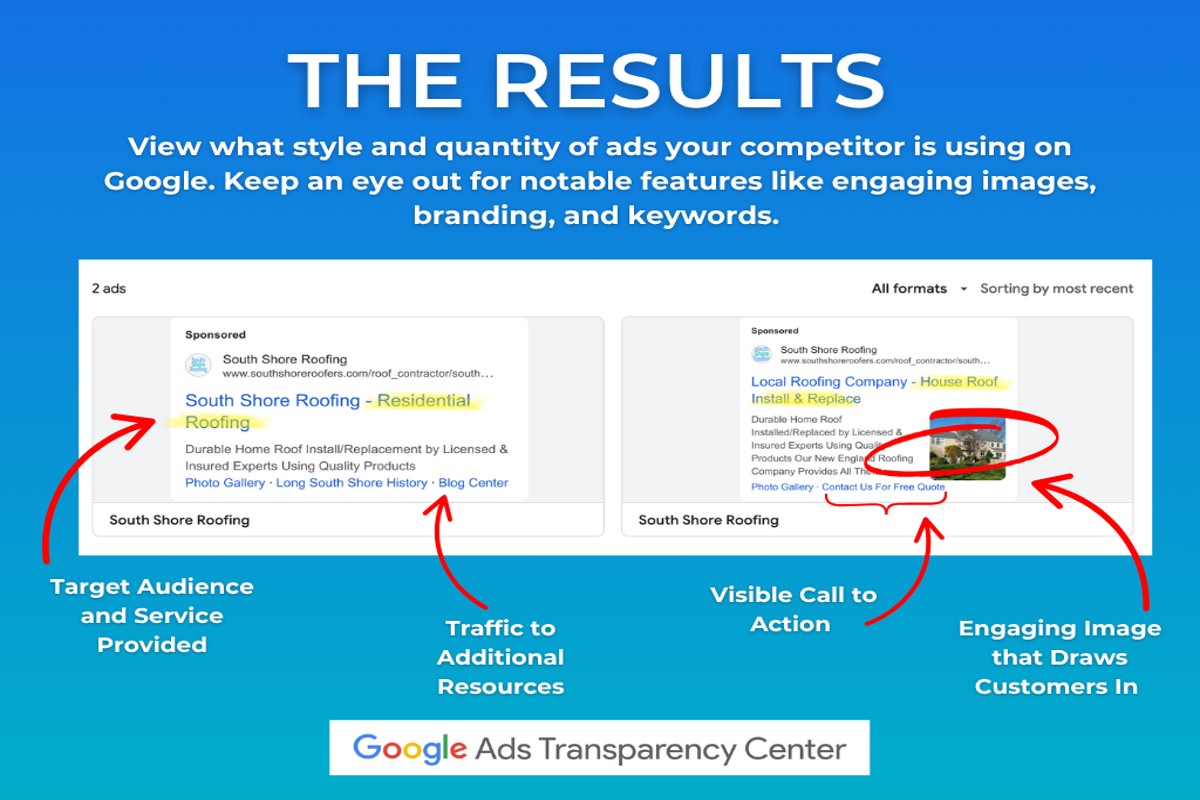
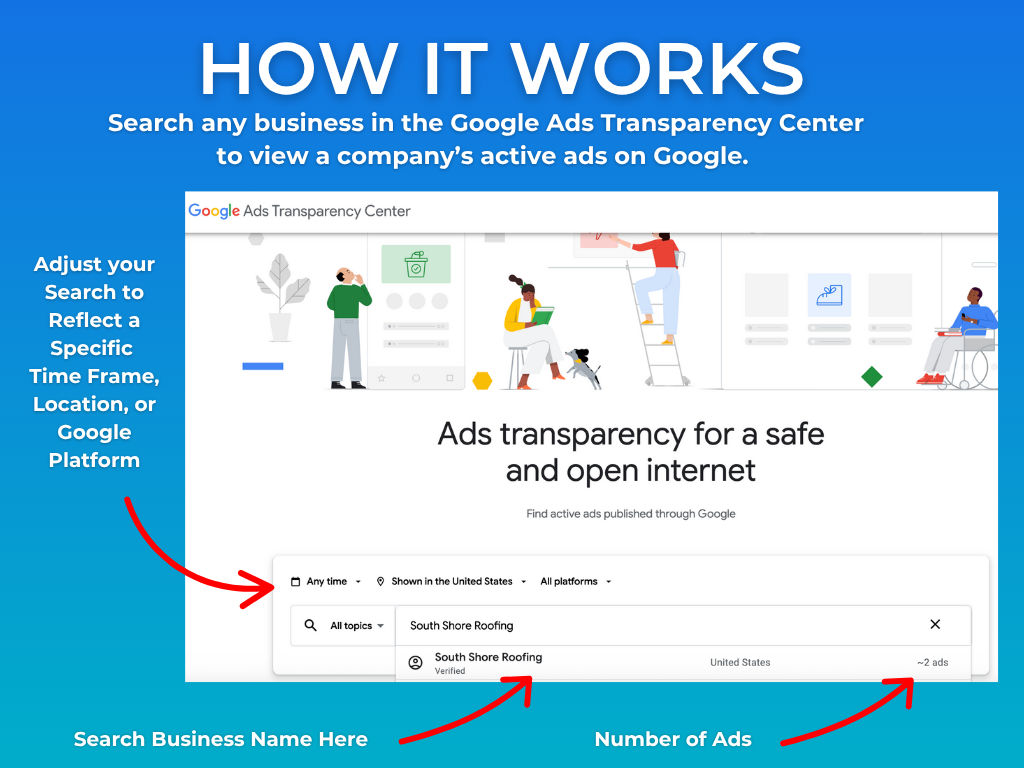
One effective approach is to use the Google Ads Transparency Center, which provides insights into active ads running across Google’s platforms. By entering your competitor’s name, you can access a detailed list of their current display ads, including images, copy, and ad formats. For example, if you search for a competitor in the fitness industry, you might find ads promoting specific workout programs or discounts on fitness equipment, complete with visuals and messaging strategies aimed at attracting their target audience.
Additionally, third-party tools such as SimilarWeb or Adbeat can offer comprehensive insights into competitors’ ad strategies. These platforms aggregate data on ad placements, spend, and performance metrics. For instance, using Adbeat, you can analyze how frequently a competitor runs specific ads across various websites, allowing you to identify successful placements and potential gaps in your own strategy.
Always consider the nuances of ad visibility based on geographic and demographic targeting. Not all ads may be visible to everyone, as Google customizes ad delivery based on user profiles. Therefore, it may be beneficial to use multiple methods and tools to gather a comprehensive view of competitors’ advertising efforts.
Expert Tip: Regularly monitoring competitors’ ads can provide valuable insights into industry trends and consumer preferences, allowing you to adjust your own campaigns effectively. Consider setting alerts for major changes in competitor advertising strategies to stay ahead in the market.
Advanced Techniques for Analyzing Competitors’ Ad Strategies
This section explores sophisticated methods for analyzing competitors’ Google Display Ads strategies, emphasizing audience targeting and performance metrics. Leveraging advanced tools and techniques allows marketers to gain a competitive edge.
Utilizing AI and Machine Learning Tools for Predictive Analysis
AI and machine learning tools can enhance the ability to predict competitors’ ad performance. By analyzing historical data and identifying patterns, these tools can forecast future ad success. Tools like Google Ads API and AdEspresso provide insights into which ad formats and placements yield the best results. Predictive analysis can enable marketers to adjust their strategies proactively.
In-Depth Audience Segmentation Tactics
Effective audience segmentation is crucial for maximizing ad effectiveness. By examining competitors’ audience targeting strategies, businesses can identify key demographic and psychographic segments. Consider the following tactics:
- Demographic Analysis: Review age, gender, and geographic data to understand whom competitors are targeting.
- Behavioral Insights: Utilize tools like SimilarWeb or SEMrush to analyze user engagement and interests.
- Remarketing Strategies: Investigate how competitors utilize remarketing to re-engage previous visitors, tailoring ads based on user behavior.
Analyzing Ad Placements and Their Impact on Visibility
Ad placements significantly influence visibility and click-through rates. By examining where competitors’ ads appear, marketers can determine which placements yield the highest engagement. Key metrics to analyze include:
- Placement Type: Identify whether ads are shown on websites, apps, or within videos.
- Contextual Relevance: Assess how well the ad content aligns with the surrounding content to enhance engagement.
- Frequency: Monitor how often ads appear to the same users, which can affect brand recall and conversion rates.
Cross-Referencing Competitors’ Ads with Industry Trends
Understanding industry trends is essential for contextualizing competitors’ ad strategies. Cross-reference ad campaigns with broader market movements using tools like Google Trends and BuzzSumo. This analysis can reveal:
- Seasonal Trends: Identify high-performing periods for specific products or services.
- Emerging Topics: Discover new content themes that resonate with target audiences.
- Competitor Adaptation: Analyze how competitors adjust their ads in response to market shifts.
Many marketers underestimate the value of nuanced analysis in ad strategies. A common misconception is that simply replicating competitors’ ads will yield similar results. In reality, understanding the underlying reasons for ad performance—such as audience behavior and placement effectiveness—can lead to more informed decision-making. Furthermore, leveraging AI tools can uncover insights that traditional analysis methods may overlook, allowing for a more dynamic approach to ad strategy.
To effectively implement these advanced techniques, marketers should start by selecting the right AI tools for predictive analysis. Conduct thorough audience segmentation by analyzing existing data on competitors’ target demographics. Regularly monitor ad placements to assess their effectiveness and adjust strategies accordingly. Finally, stay updated on industry trends to refine your ad campaigns based on competitive insights and market dynamics. This proactive approach will enhance the ability to spy on competitors’ Google Display Ads effectively and optimize advertising efforts.
Common Mistakes When Spying on Competitors’ Google Display Ads
Marketers often make critical errors when analyzing competitors’ Google Display Ads, leading to misguided strategies and missed opportunities. This section identifies common pitfalls and offers insights to enhance competitive analysis effectiveness.
Overlooking Ad Timing and Seasonality
Many marketers fail to consider the timing and seasonal trends influencing ad performance. Ads that perform well during specific times of the year, such as holidays or events, may not be relevant year-round. Understanding when competitors launch their ads can provide insights into their marketing strategies and help anticipate shifts in consumer behavior.
Failing to Adapt Insights to Unique Business Context
Insights gleaned from competitor analysis must be contextualized within your own business framework. Blindly emulating competitor strategies can lead to misalignment with your brand identity, target audience, and market positioning. Each business has its own unique value propositions and operational capabilities, which should inform how insights are applied.
Neglecting Consistent Monitoring
Competitive analysis is not a one-time task. Many marketers make the mistake of sporadically checking competitors’ ads, missing out on evolving trends and strategies. Regular monitoring allows for a deeper understanding of competitors’ changing tactics and helps identify patterns that can inform future campaigns.
Relying Solely on One Tool for Insights
Exclusively using a single tool for competitive analysis can result in an incomplete picture. Different tools provide varying data sets and insights. Relying on multiple platforms can yield a broader understanding of competitor strategies and ad performance metrics. Consider integrating tools like SEMrush, SpyFu, or Adbeat to gather diverse insights.
Nuanced Insights on Common Misconceptions
One common misconception is that all competitor ads are effective. Just because an ad is visible does not mean it is performing well. Metrics such as click-through rates (CTR) and conversion rates are crucial for evaluating ad success. Additionally, some marketers may assume that high visibility equates to high performance, which can lead to misguided strategic decisions. It’s essential to analyze not only the presence of ads but also their effectiveness in driving desired actions.
Practical Application
- Establish a regular schedule for monitoring competitors’ Google Display Ads, ideally on a weekly basis.
- Use multiple tools to gather a variety of insights and cross-verify data.
- Analyze seasonal trends and align your campaigns accordingly, adjusting your strategies based on competitor ad timings.
- Contextualize insights by considering your unique business model and audience, ensuring that adaptations fit your brand.
Real-World Applications of Competitor Ad Insights
This section explores how businesses effectively leverage insights from competitors’ Google Display Ads to enhance their strategies and achieve superior results. Real-world examples illustrate the transformative impact of competitor ad analysis.
Case Study: Brand X’s ROI Improvement
Brand X, a mid-sized e-commerce company, conducted a thorough analysis of its competitors’ display ads. By utilizing tools like SEMrush and SpyFu, Brand X discovered that its competitors were targeting specific demographics and utilizing compelling ad copy. After identifying these strategies, Brand X revamped its own ads, focusing on emotional appeal and clear calls-to-action.
As a result, Brand X saw a remarkable 35% increase in ROI within three months. The combination of tailored messaging and targeted placements allowed them to capture a larger market share effectively.
Effective Ad Copy Inspired by Competitors
- Emotional Triggering: Competitor ads often utilize emotional language to resonate with their audience. Brand Y adopted similar strategies, incorporating storytelling elements into their campaigns, which boosted engagement rates by 50%.
- Clear Value Proposition: Brand Z observed that competitors highlighted unique selling points prominently. They revised their ad copy to focus on benefits rather than features, leading to a 40% increase in click-through rates.
- Urgency and Scarcity: By analyzing competitor ads that employed urgency tactics, Brand A crafted time-sensitive offers, resulting in a 30% uptick in conversions.
Ad Placement Strategies That Outperformed Competitors
In addition to ad copy, placement strategies play a critical role in the success of display campaigns. Company C analyzed competitor placements and found opportunities in less saturated niches. By strategically targeting niche websites frequented by their audience, Company C achieved a 25% lower cost-per-click compared to their competitors.
Furthermore, they implemented retargeting strategies that capitalized on competitor insights, leading to a 20% higher engagement rate with returning visitors.
Lessons Learned from Unsuccessful Campaigns
Not all insights yield successful outcomes. Brand D attempted to replicate a competitor’s ad style without understanding its context, resulting in a poorly received campaign. Their ads, while visually appealing, failed to connect with their target audience, leading to a 15% drop in traffic.
This experience underscored the importance of aligning ad strategies with brand identity and audience expectations, rather than mere imitation.
Competitor ad analysis can be a double-edged sword; success requires a nuanced understanding of what works and why. Misapplying insights can lead to ineffective campaigns, emphasizing the need for tailored approaches.
To apply these insights effectively, businesses should:
- Conduct regular competitor analyses using tools like SEMrush or AdEspresso.
- Identify key elements in competitor ads, such as messaging, visuals, and placements.
- Test variations of ad copy and placements based on insights, measuring performance rigorously.
- Learn from both successes and failures to refine future campaigns.
Comparative Analysis of Leading Tools for Spying on Google Display Ads
This section evaluates key tools for analyzing competitors’ Google Display Ads. By comparing features, costs, user experience, and integration capabilities, marketers can select the most suitable option for their needs.

Feature Comparison
When selecting a tool, the range of features is critical. The following table highlights the core functionalities of three leading platforms: SEMrush, Adbeat, and SpyFu.
- SEMrush: Offers comprehensive ad analysis, keyword research, and traffic estimation. Its competitive intelligence features allow users to evaluate competitors’ ad spend and performance metrics.
- Adbeat: Focuses heavily on display advertising insights, providing detailed information on ad creatives, placements, and strategies. It excels in visual analytics that help identify trends in competitors’ campaigns.
- SpyFu: Primarily known for its SEO capabilities, SpyFu also provides insights into PPC campaigns. Its ability to track historical data makes it useful for understanding long-term strategies.
Cost Analysis and Value Proposition
The pricing models for these tools vary significantly, influencing their value proposition for different users.
- SEMrush: Pricing starts at $119.95 per month, with advanced features available at higher tiers. It is suitable for businesses seeking an all-in-one marketing platform.
- Adbeat: Monthly subscriptions begin at $249, tailored for businesses focused on display advertising. Its in-depth insights justify the higher cost for those heavily invested in visual campaigns.
- SpyFu: Offers plans starting at $39 per month, making it the most economical choice for those interested in basic ad insights alongside SEO capabilities.
User Experience and Ease of Use
Usability is a critical factor for marketers who need to act quickly. Each platform’s user interface varies:
- SEMrush: Features a user-friendly dashboard with intuitive navigation, suitable for users at all skill levels.
- Adbeat: While powerful, its wealth of data can be overwhelming for newcomers. It may require a learning curve to leverage its full potential.
- SpyFu: Offers a straightforward interface, making it easy for users to access necessary information without extensive training.
Integration Capabilities
Integration with existing marketing tools enhances efficiency. The following outlines the integration capabilities of each tool:
- SEMrush: Integrates seamlessly with tools like Google Analytics, Google Ads, and various social media platforms.
- Adbeat: Primarily focuses on display advertising insights and offers limited integrations compared to SEMrush.
- SpyFu: Can integrate with Google Analytics and offers API access, although it lacks the depth of SEMrush.
While all three tools provide valuable insights, selecting the right one depends on specific marketing needs and budget constraints. For example, SEMrush is ideal for a comprehensive approach, while Adbeat excels in display advertising. SpyFu offers cost-effective solutions for those focused on SEO and PPC.
To leverage this information effectively, marketers should evaluate their specific requirements and budget. Consider initiating trial periods for each tool to assess usability and fit before committing to a subscription. This strategic approach ensures that the chosen tool aligns with business goals and facilitates informed decision-making in ad strategy development.
Frequently Asked Questions
What tools can I use to spy on competitors’ Google Display Ads?
Tools such as Adbeat, SEMrush, and SpyFu can help you analyze competitors’ Google Display Ads. These platforms provide insights into ad creatives, placements, and spending patterns.
How can I analyze the effectiveness of my competitors’ Google Display Ads?
To analyze effectiveness, examine metrics like ad reach, engagement rates, and frequency of ads. Tools that track competitor performance can provide comparative data to assess their success.
What are the legal implications of spying on competitors’ ads?
Generally, monitoring competitors’ ads is legal as long as it involves publicly available information. However, using deceptive practices or proprietary tools can lead to legal issues.
How do competitors’ Google Display Ads compare to their search ads?
Google Display Ads focus on visual content and brand awareness, while search ads target users actively searching for specific keywords. Each serves different marketing objectives and can complement one another.
What are the costs associated with tools for spying on Google Display Ads?
Costs for tools vary widely, ranging from free trials to monthly subscriptions that can exceed several hundred dollars. Investing in a tool often depends on the depth of data and features required.
How long does it take to gather insights from competitors’ Google Display Ads?
Gathering insights can take anywhere from a few hours to several days, depending on the tools used and the complexity of the data. Continuous monitoring provides ongoing insights over time.
What are best practices for using insights from competitors’ Google Display Ads?
Best practices include using insights to refine your own ad strategies, identifying successful creatives, and understanding audience targeting. Always ensure that your adaptations align with your brand’s unique voice and goals.
Can I see the actual Google Display Ads my competitors are running?
Yes, tools like Adbeat and SEMrush allow you to view actual Google Display Ads used by competitors. These platforms provide screenshots and details about ad placements and performance.
Final Thoughts on how to spy on competitors google display ads
Understanding competitors’ Google Display Ads is not merely an exercise in observation; it is a strategic imperative for any business aiming to thrive in a competitive landscape. Leveraging advanced tools and analytics can unveil insights that drive informed decision-making and enhance your own advertising efforts.
To capitalize on these insights, conduct a thorough analysis of at least three competing ad campaigns this week using a dedicated tool like SEMrush or Adbeat. Focus on their ad creatives, targeting strategies, and performance metrics to identify gaps and opportunities within your own strategy.
Mastering competitor analysis in display advertising can significantly impact your market position and drive sustained growth, making this practice essential for long-term success.
Leave a Reply