
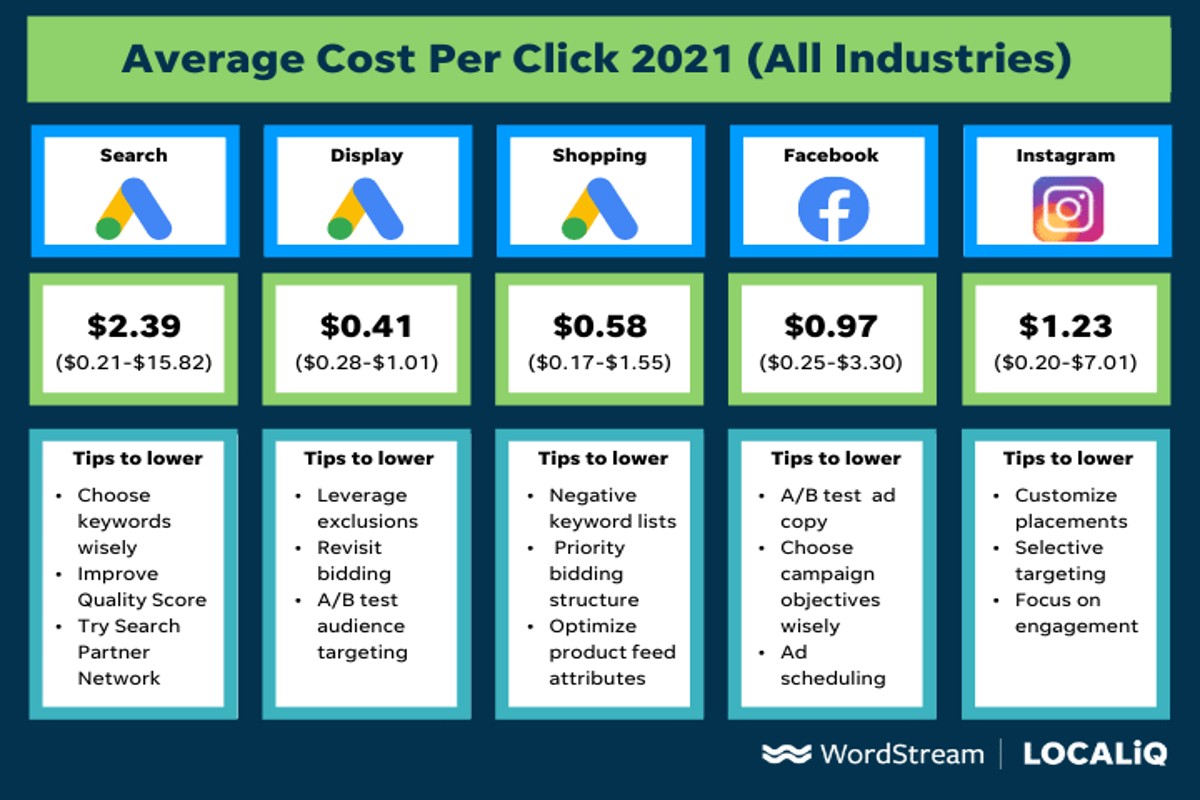
To reduce Google Ads cost-per-click, optimize your ad quality score, target specific keywords, and use ad scheduling to improve performance. These strategies directly influence your ad spend and overall campaign effectiveness.
Understanding how to manage cost-per-click in Google Ads is crucial for businesses aiming to maximize their return on investment. Failure to implement effective cost-reduction strategies can lead to overspending and diminished campaign results, impacting profitability.
This article outlines proven strategies to lower your Google Ads cost-per-click, including techniques for enhancing ad quality scores, selecting targeted keywords, and implementing effective ad scheduling.
What factors affect Google Ads cost-per-click?
The cost-per-click (CPC) in Google Ads is influenced by several key factors, including Quality Score, competition among advertisers, and keyword relevance. These elements collectively determine how much advertisers pay for their ads to be displayed. A better understanding of these factors can help optimize ad campaigns and reduce overall costs.
Quality Score is a crucial metric that Google uses to evaluate the quality and relevance of ads. It is based on the ad’s click-through rate (CTR), the relevance of the ad to the keyword, and the quality of the landing page. A higher Quality Score can lead to lower CPC, as Google rewards advertisers that provide a better user experience.
- Competition: The level of competition for specific keywords directly affects CPC. High-demand keywords with many advertisers will generally result in higher costs. Conversely, less competitive keywords may yield lower CPC rates.
- Keyword Relevance: Ads that closely match the search intent of keywords are more likely to achieve a higher Quality Score. Ensuring that ad copy and landing pages are tightly aligned with chosen keywords can significantly lower CPC.
- Ad Position: The position of an ad on the search results page also impacts CPC. Ads in higher positions often incur higher costs due to increased visibility and click potential, while ads in lower positions may benefit from lower CPC but receive fewer clicks.
Other elements, such as geographic targeting and ad scheduling, can also play a role in determining CPC. Advertisers must consider these factors when planning their campaigns to optimize ad spend effectively.
Expert Tip: Regularly monitor and refine your keyword strategy by utilizing tools like Google Keyword Planner. This can help identify high-performing keywords with lower competition, allowing for cost-effective bidding strategies that reduce overall CPC.
How can I lower my Google Ads cost-per-click?
Lowering your Google Ads cost-per-click (CPC) involves optimizing your campaigns through improved targeting and ad relevance. By implementing strategic changes, you can enhance your Quality Score, which directly influences your CPC. Here are several actionable strategies to achieve this goal.
- Enhance Ad Relevance: Ensure that your ad copy closely matches the keywords you are targeting. This alignment increases your Quality Score, helping to lower your CPC.
- Utilize Negative Keywords: Regularly review and add negative keywords to your campaigns. This practice prevents your ads from showing for irrelevant searches, improving your overall targeting and reducing unnecessary clicks.
- Target Niche Keywords: Focus on less competitive, long-tail keywords that are specific to your products or services. These keywords often have a lower CPC while attracting highly relevant traffic.
- Optimize Landing Pages: Ensure that your landing pages are relevant to the ads and provide a good user experience. A high-quality landing page can improve your Quality Score, which can further reduce your CPC.
- Adjust Bidding Strategies: Experiment with different bidding strategies, such as Target CPA or Maximize Conversions, to find the most cost-effective approach for your campaigns.
Regularly analyze your campaign performance and make adjustments based on the data. Continuous optimization is key to maintaining a low CPC while achieving your advertising goals.
Expert Tip: Consider using ad scheduling to display your ads during peak times when your target audience is most active. This approach can improve conversion rates and further lower your CPC by maximizing the effectiveness of your ad spend.
Is it better to focus on cost-per-click or conversion rate?
Focusing on conversion rate is generally more beneficial for long-term campaign success than solely prioritizing cost-per-click (CPC). While CPC measures the expense of acquiring clicks, conversion rate evaluates how effectively those clicks lead to desired actions, such as purchases. A balanced approach that considers both metrics is essential for optimizing Google Ads performance.
Cost-per-click represents the amount paid each time a user clicks on an ad. Lowering CPC can reduce overall advertising costs, but it does not necessarily correlate with increased profitability. A low CPC might attract many clicks, but if those clicks do not convert, the campaign could still be unprofitable. Conversely, focusing solely on conversion rate can lead to higher CPCs if bids are raised to secure better placements. Therefore, understanding the relationship between these metrics is crucial.
Key differences between focusing on CPC and conversion rate include:
- Objective: CPC aims to minimize acquisition costs, while conversion rate emphasizes maximizing the effectiveness of traffic.
- Financial Impact: A low CPC may not guarantee profitability; high conversion rates can compensate for higher costs if they lead to significant sales.
- Strategy: Targeting low CPC might lead to less qualified traffic, whereas prioritizing conversion rates often results in higher-quality leads.
Practical implications suggest that advertisers should analyze their specific goals and market conditions. For instance, a brand in a competitive niche may need to invest in higher CPC bids to achieve quality conversions, while a less competitive market might allow for lower CPCs to yield satisfactory results. Regularly monitoring both metrics can provide insights for adjusting strategies effectively.
Expert Tip: Utilize A/B testing to determine which ads yield the highest conversion rates at acceptable CPCs. This data-driven approach allows for informed decisions that can enhance overall campaign efficiency.
What is a good cost-per-click for Google Ads?
A good cost-per-click (CPC) for Google Ads typically ranges from $1 to $2 for search campaigns, while display campaigns often see lower CPCs, around $0.50 to $1. However, these figures can vary significantly based on industry, competition, and campaign goals.
Several factors influence CPC, making it essential to consider your specific circumstances. High-demand industries, such as finance and insurance, can see CPCs exceeding $50, while niche markets may enjoy much lower rates. Understanding these dynamics helps businesses gauge whether their costs are competitive and where adjustments may be necessary.
- Industry Competition: Sectors with higher competition for keywords will generally incur higher CPCs. Analyzing competitors’ ad spend can provide insights into your own cost structure.
- Quality Score: Google assigns a Quality Score to your ads based on relevance, landing page experience, and expected click-through rate. A higher Quality Score can lower your CPC.
- Geographical Targeting: CPC can fluctuate based on the geographic areas you target. Urban areas with higher purchasing power often have higher CPCs compared to rural regions.
Monitoring these factors and adjusting your campaigns accordingly can lead to a more efficient advertising budget. Regularly reviewing performance metrics and optimizing for better Quality Scores can significantly reduce costs over time.
Expert Tip: Utilize A/B testing for ad copy and landing pages to determine which elements drive higher conversion rates at lower CPCs. This strategy can enhance both your ad performance and overall campaign profitability.
How long does it take to see results from lowering CPC?
Typically, it takes about 1 to 3 weeks to see measurable results after implementing changes to lower your cost-per-click (CPC) in Google Ads. However, the exact timeline can vary based on several factors, including campaign settings, historical performance, and industry competitiveness.
The first factor affecting the timeline is the bid adjustment. After lowering CPC, it may take time for the new bids to influence ad placements and impressions. Google’s auction system operates dynamically, meaning results can fluctuate as competitors adjust their bids. Additionally, if a campaign has a substantial history, it may take longer for changes to reflect in performance metrics due to the accumulated data influencing Google’s algorithm.
Another crucial aspect is the quality score. A lower CPC might impact your ad’s quality score, which can, in turn, affect ad visibility and click-through rates. If the quality score improves, it may take a few weeks to see a tangible reduction in CPC and an increase in the number of clicks. Furthermore, seasonal trends and market conditions can also play a significant role, potentially delaying results if the industry experiences fluctuations in demand.
Lastly, the frequency of monitoring and adjusting the campaigns is essential. Regular analysis and optimization can accelerate the time frame for seeing results. Advertisers who actively manage their campaigns are likely to notice changes sooner than those who take a more passive approach.
Expert Tip: To expedite results, consider testing different ad variations and targeting options simultaneously. This strategy can help identify the most effective combinations for improving performance while lowering CPC.
What are the best practices for reducing Google Ads costs?
To effectively reduce Google Ads costs, advertisers should implement a combination of strategic practices that optimize campaigns and enhance performance. Key practices include regular keyword audits, A/B testing ad copy, and adjusting bidding strategies. These actions help maintain a low cost-per-click (CPC) while maximizing ad effectiveness.
Conducting regular keyword audits ensures that your selected keywords remain relevant and cost-effective. Identify underperforming keywords and pause or remove them to free up budget for higher-performing options. Incorporate negative keywords to prevent ads from showing for irrelevant searches, which can drain your budget without yielding conversions.
- A/B testing is essential for optimizing ad copy and landing pages. By testing different headlines, descriptions, and calls-to-action, you can determine which variations drive higher click-through rates (CTR) and conversions, ultimately lowering CPC.
- Adjusting bidding strategies can significantly impact costs. Consider using automated bidding options, such as Target CPA or Target ROAS, which optimize bids based on performance data, ensuring that you pay the right amount for each click.
- Regularly reviewing ad scheduling and targeting can also help reduce costs. Analyze performance by time of day and geographic location to identify high-performing segments and focus your budget where it is most effective.
Implementing these best practices not only enhances campaign efficiency but also contributes to a more sustainable advertising budget. By consistently analyzing and adjusting your approach, you can maintain a competitive edge and improve overall ad performance.
Expert Tip: Utilize Google Ads’ built-in tools like the Keyword Planner and Performance Planner to identify opportunities for cost reduction and better budget allocation based on historical data and future forecasts.
Can negative keywords help reduce Google Ads CPC?
Yes, using negative keywords can significantly reduce Google Ads cost-per-click (CPC) by refining your targeting and eliminating irrelevant clicks. By strategically selecting negative keywords, advertisers can focus their budget on more qualified traffic and avoid paying for clicks that are unlikely to convert.
For example, consider a company that sells premium running shoes. If they target the keyword “running shoes,” they may attract clicks from users searching for budget options or second-hand shoes. By adding “cheap,” “discount,” and “used” as negative keywords, the company can filter out these irrelevant searches. As a result, their ads will only appear for users looking for high-quality running shoes, leading to higher click-through rates (CTR) and lower CPC.
Furthermore, negative keywords can improve the overall performance of an ad campaign. The more relevant your ads are to the users’ search queries, the higher your Quality Score will be. A higher Quality Score typically results in lower CPCs, as Google rewards advertisers who provide a better user experience. Regularly reviewing and updating your negative keyword list ensures that your ads remain focused and cost-effective over time.
Expert Tip: Regularly analyze search term reports to identify potential negative keywords. This proactive approach can help maintain campaign efficiency and further reduce unnecessary spending.
Understanding Quality Score and Its Impact on CPC
This section examines the critical relationship between Quality Score and cost-per-click (CPC) in Google Ads. By understanding and improving Quality Score, advertisers can effectively lower their CPC, enhancing overall campaign profitability.
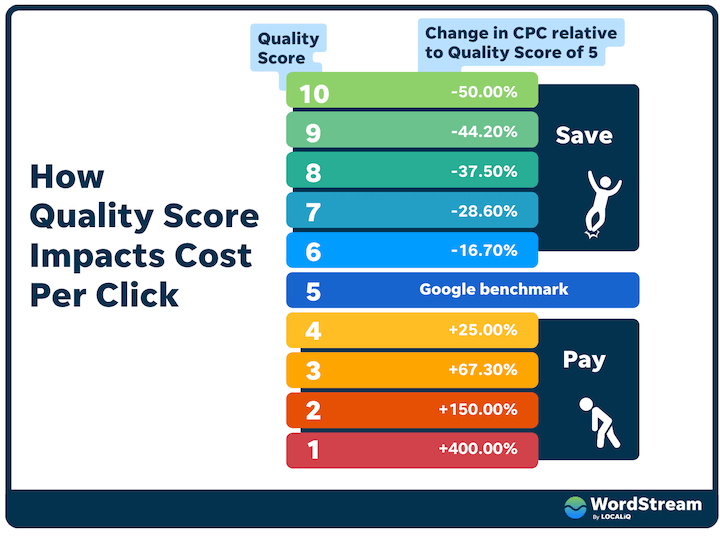
Definition of Quality Score and Its Components
Quality Score is a metric used by Google to measure the relevance and quality of your ads, keywords, and landing pages. It is scored on a scale from 1 to 10, with 10 being the highest. The main components of Quality Score include:
- Ad Relevance: How closely your ad matches the intent behind a user’s search query.
- Click-Through Rate (CTR): The ratio of users who click on your ad compared to the number of times it is shown.
- Landing Page Experience: The quality and relevance of the page users land on after clicking the ad, including load time and content relevance.
How Quality Score Influences CPC Calculations
Quality Score plays a pivotal role in determining CPC. Google uses a formula that combines your Quality Score with your maximum bid to calculate your Ad Rank. A higher Quality Score leads to a higher Ad Rank, which can result in a lower CPC. Specifically, advertisers with higher Quality Scores may pay less than their maximum bid while still achieving favorable ad placements. This relationship underscores the importance of optimizing Quality Score to achieve cost-effective advertising.
Strategies to Enhance Ad Relevance and Landing Page Experience
Improving Quality Score involves several targeted strategies:
- Refine Keywords: Conduct thorough keyword research to ensure your keywords are closely aligned with your ad content and user intent.
- Optimize Ad Copy: Write compelling and relevant ad copy that clearly articulates the benefits of your offering, includes targeted keywords, and encourages clicks.
- Improve Landing Page Quality: Ensure the landing page provides relevant content, loads quickly, and offers a seamless user experience that aligns with the ad promise.
Real-World Examples of Improved Quality Scores Leading to Lower CPC
Many businesses have successfully reduced their CPC by enhancing their Quality Scores. For instance, a retail company that improved its landing page load time from five seconds to two seconds saw an increase in Quality Score from 5 to 8, resulting in a 30% reduction in CPC. Similarly, a service provider that refined its ad copy to better match search queries experienced a jump in CTR from 2% to 5%, leading to a significant decrease in CPC and increased ad visibility.
Nuance / Expert Layer
While many believe that simply improving ad relevance guarantees a higher Quality Score, this overlooks the complexity involved. For example, a high CTR does not always equate to a high Quality Score if the landing page fails to meet user expectations. Additionally, seasonal trends and changes in user behavior can affect Quality Score. Advertisers must continuously test and adapt their strategies to align with evolving market dynamics.
Practical Application
To effectively reduce Google Ads cost-per-click through Quality Score improvement, advertisers should:
- Regularly audit and update keywords and ad copy to align with search trends.
- Utilize A/B testing for landing pages to identify which versions perform best.
- Monitor Quality Score metrics consistently and adjust strategies based on performance data.
By implementing these actionable steps, advertisers can significantly enhance their Quality Score and, in turn, reduce CPC while maximizing their ad effectiveness.
Advanced Keyword Strategies for Lower CPC
This section delves into sophisticated keyword research techniques that play a pivotal role in reducing Google Ads cost-per-click (CPC). By leveraging targeted keyword strategies, advertisers can optimize their campaigns for better cost efficiency and improved performance.

Utilizing Long-Tail Keywords for Cost Efficiency
Long-tail keywords are specific phrases that typically consist of three or more words. These keywords often have lower search volumes but higher conversion rates due to their specificity. By targeting long-tail keywords, advertisers can reach a more defined audience, which often results in lower CPC. For instance, instead of bidding on a broad term like “shoes,” targeting a phrase such as “affordable running shoes for women” can yield better results at a lower cost.
Implementing Keyword Match Types Effectively
Keyword match types dictate how closely a search query must match your chosen keywords. Utilizing a combination of match types can help refine targeting and reduce costs:
- Broad Match: Reaches a wide audience but may result in irrelevant clicks.
- Phrase Match: Targets searches that include the exact phrase, providing a balance between reach and relevance.
- Exact Match: Ensures that only searches that exactly match the keyword trigger your ad, leading to higher relevance and lower CPC.
Effectively combining these match types allows for greater control over ad spend and can help in achieving a lower CPC.
Analyzing Competitor Keywords for Opportunities
Competitor keyword analysis can uncover valuable insights and opportunities for cost reduction. Tools such as SEMrush or Ahrefs can provide data on which keywords competitors are bidding on, along with their estimated CPC. By identifying less competitive keywords that competitors may be overlooking, advertisers can position themselves advantageously. Furthermore, focusing on niche keywords where competition is lower can lead to significant cost savings.
Using Tools for Comprehensive Keyword Analysis
Employing keyword research tools enhances the effectiveness of any keyword strategy. Tools like Google Keyword Planner, Ubersuggest, and Moz can provide insights into keyword volume, competition, and CPC estimates. These tools allow advertisers to:
- Identify high-potential keywords with low competition.
- Analyze seasonal trends to optimize keyword choice.
- Measure the performance of existing keywords to refine campaigns.
Integrating these insights can lead to more informed decision-making and ultimately lower CPC.
Many advertisers overlook the significance of keyword intent. Misconceptions arise when assuming that higher search volume always equates to better ROI. In reality, high-traffic keywords often come with increased competition and higher CPC. Advertisers should prioritize keywords that align with user intent, focusing on those that indicate a readiness to convert. This nuanced understanding can lead to a more strategic approach, optimizing ad spend and enhancing campaign effectiveness.
To apply these strategies effectively, begin by conducting thorough keyword research using the recommended tools. Identify long-tail keywords relevant to your products or services, and categorize them by match type. Analyze competitor keywords for gaps in the market, and continuously refine your keyword list based on performance metrics. Implementing these steps will create a more efficient Google Ads campaign that minimizes CPC while maximizing reach and conversions.
The Role of Ad Extensions in Reducing CPC
Ad extensions are essential tools in Google Ads that enhance ad visibility and can significantly lower cost-per-click (CPC) by improving click-through rates (CTR). This section explores the types of ad extensions, their direct benefits, and best practices for implementation, supported by case studies that illustrate their effectiveness.
Types of Ad Extensions and Their Benefits
Ad extensions expand your ad’s visibility on the search results page. The most common types include:
- Sitelink Extensions: Direct users to specific pages within your website, allowing for targeted engagement.
- Call Extensions: Enable users to call your business directly from the ad, increasing the likelihood of immediate interaction.
- Location Extensions: Display your business address, helping to attract local customers and drive foot traffic.
- Callout Extensions: Highlight unique selling points, such as free shipping or 24/7 service, enhancing the ad’s appeal.
- Structured Snippet Extensions: Provide additional details about your products or services, allowing for better-informed clicks.
Each extension serves a distinct purpose, contributing to a more informative ad that can lead to higher CTR.
How Ad Extensions Contribute to Higher Quality Scores
Ad extensions play a critical role in determining your ad’s Quality Score, a key factor in CPC. A higher Quality Score indicates to Google that your ad is relevant and useful to users. The components of Quality Score include:
- Expected CTR: Enhanced by ad extensions, which provide more engagement opportunities.
- Ad Relevance: Extensions can make your ads more relevant to user queries.
- Landing Page Experience: By directing users to specific pages, ad extensions can improve the user experience post-click.
Improving these metrics can lead to lower CPC, making ad extensions a strategic asset in your campaign.
Best Practices for Implementing Ad Extensions
To maximize the effectiveness of ad extensions, consider the following best practices:
- Utilize multiple ad extensions: Implement a variety of extensions to enhance ad visibility and information.
- Regularly update and optimize: Ensure that the information in your extensions is current and reflects promotions or changes in service.
- Analyze performance: Monitor the performance of each extension to determine which are driving the most clicks and conversions.
These practices ensure that your ads remain competitive and relevant, thus effectively reducing CPC.
Case Studies Demonstrating the Effectiveness of Ad Extensions
Several businesses have successfully leveraged ad extensions to lower their CPC. For instance:
– A retail company increased its CTR by 30% by implementing sitelink extensions that directed users to seasonal promotions.
– A local service provider reported a 25% reduction in CPC after adding call extensions, which facilitated direct contact with potential customers.
These case studies illustrate the tangible benefits of integrating ad extensions into Google Ads strategies.
Nuance and Expert Insights
While many marketers understand the basics of ad extensions, misconceptions often arise regarding their implementation. Some believe that simply adding extensions will automatically improve performance. However, the effectiveness of ad extensions depends on continuous optimization and alignment with user intent. Regularly analyzing performance metrics and adjusting strategies is essential. Additionally, not all ad extensions may be suitable for every business type, emphasizing the need for tailored approaches.
Practical Application
To effectively utilize ad extensions in your campaigns, follow these actionable steps:
1. Identify the most relevant ad extensions for your business type.
2. Implement multiple types of ad extensions to diversify engagement opportunities.
3. Monitor and analyze performance metrics bi-weekly to identify trends.
4. Optimize and update extension information regularly based on seasonal changes or promotions.
By strategically applying these insights, you can significantly enhance your Google Ads campaigns and reduce cost-per-click effectively.
Common Mistakes to Avoid When Reducing CPC
Reducing the cost-per-click (CPC) in Google Ads requires careful attention to various factors that can significantly impact campaign performance. This section outlines common pitfalls advertisers encounter and provides strategies to avoid them.
Neglecting Ad Relevance and Landing Page Quality
One of the most significant mistakes is overlooking the relationship between ad relevance and landing page quality. Google employs a Quality Score system that evaluates these elements to determine ad placement and CPC. Ads that are closely aligned with user intent and keywords result in higher Quality Scores, which can lead to lower CPCs. Therefore, ensure that your ad copy accurately reflects the content of your landing page and meets user expectations.
Overlooking the Importance of Ongoing Optimization
Many advertisers set their campaigns and fail to revisit them frequently. Ongoing optimization is crucial for maintaining low CPCs. Regularly analyze performance data to identify trends and areas for improvement. This includes adjusting keywords, ad copy, and targeting settings based on performance metrics. A/B testing different ad variations can also provide insights into what resonates best with your audience.
Failing to Monitor and Adjust Bidding Strategies
Ignoring the nuances of bidding strategies can lead to inflated CPCs. Advertisers often stick with default bidding options without assessing their effectiveness. Google Ads offers various bidding strategies, such as Manual CPC, Target CPA, and Enhanced CPC, each catering to different goals. Assess the performance of your selected strategy regularly and adjust based on campaign objectives and results.
Ignoring Data Analysis and Performance Metrics
Data analysis is essential for informed decision-making. Many advertisers fail to utilize the wealth of performance metrics available within Google Ads. Key performance indicators (KPIs) such as click-through rate (CTR), conversion rate, and impression share should be monitored consistently. By analyzing these metrics, advertisers can identify underperforming ads and make necessary adjustments to improve overall campaign efficiency.
Common Misconceptions in CPC Reduction
A prevalent misconception is that reducing CPC is solely about lowering bids. While bid adjustments are essential, they must be part of a broader strategy that includes improving ad relevance and optimizing landing pages. Additionally, some advertisers believe that focusing on high-volume keywords will automatically yield better results. In reality, targeting niche keywords with lower competition can often lead to lower CPCs and higher conversion rates. Understanding this distinction is vital for effective campaign management.
Practical Application of Insights
- Regularly review and optimize ad relevance and landing page quality to align with user intent.
- Implement a schedule for ongoing campaign reviews, including A/B testing and performance analysis.
- Experiment with different bidding strategies and adjust them based on real-time performance data.
- Utilize analytics tools to track key performance metrics and make data-driven decisions.
Frequently Asked Questions
What factors affect Google Ads cost-per-click?
Google Ads cost-per-click (CPC) is influenced by keyword competition, ad quality score, and targeting options. Higher competition and lower quality scores typically lead to increased CPC rates.
How can I lower my Google Ads cost-per-click?
To lower Google Ads CPC, improve your ad quality score by optimizing ad relevance and landing page experience. Additionally, consider refining your targeting and using long-tail keywords to reduce competition.
Is it better to focus on cost-per-click or conversion rate?
While managing cost-per-click is important, focusing on conversion rate is often more beneficial for overall campaign success. A high conversion rate can justify a higher CPC if it leads to greater profitability.
What is a good cost-per-click for Google Ads?
A good cost-per-click for Google Ads varies by industry and campaign goals, but generally, a CPC between $1 and $2 is considered reasonable. It’s essential to evaluate CPC in relation to the return on investment and conversion rates.
How long does it take to see results from lowering CPC?
Results from lowering CPC can typically be seen within a few weeks, depending on the changes made and the campaign’s overall performance. Continuous monitoring and adjustment are necessary to maintain effectiveness.
What are the best practices for reducing Google Ads costs?
Best practices for reducing Google Ads costs include optimizing ad copy, using negative keywords, and refining targeting settings. Regularly reviewing performance metrics can also help identify areas for cost reduction.
Can negative keywords help reduce Google Ads CPC?
Yes, using negative keywords can significantly reduce Google Ads CPC by preventing ads from showing for irrelevant searches. This leads to improved ad relevance and a higher quality score, ultimately lowering costs.
Final Thoughts on how to reduce google ads cost-per-click
Achieving a lower cost-per-click in Google Ads hinges on a strategic blend of enhancing Quality Score, optimizing keyword choices, and leveraging ad extensions effectively. Prioritizing these elements not only diminishes CPC but also maximizes overall campaign efficiency.
To take immediate action, conduct a thorough audit of your current keyword performance and Quality Score metrics; identify underperforming keywords and replace or refine them to improve ad relevance and reduce costs.
Mastering the art of cost management in Google Ads is essential for sustaining a competitive edge and ensuring profitable digital marketing endeavors.
Leave a Reply