
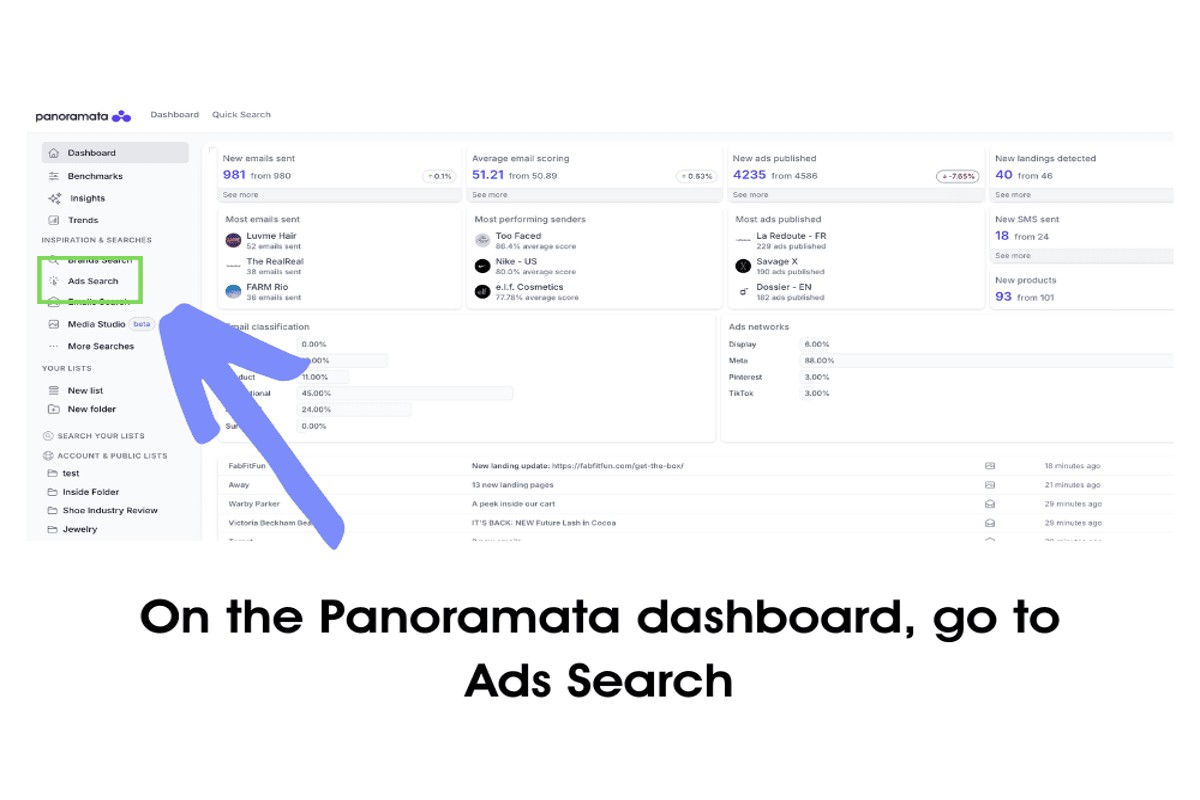
To check Google Ads competitors of other countries, use tools like SEMrush or SpyFu. These platforms allow users to analyze competitors’ ad copy, keywords, and landing pages for insights into their advertising strategies.
Understanding how to check Google Ads competitors of other countries is crucial for businesses looking to expand internationally. Failing to analyze the competitive landscape can lead to missed opportunities and ineffective advertising strategies that hinder growth.
This article will provide a step-by-step guide on utilizing SEMrush and SpyFu, along with key metrics to analyze, such as ad copy effectiveness, keyword selection, and landing page optimization.
What tools can I use to check Google Ads competitors in other countries?
Several tools are available to analyze Google Ads competitors in various countries, each offering unique features. Utilizing these tools can provide insights into competitors’ ad strategies, keywords, and overall performance. Here are some of the most effective tools to consider.
- SEMrush: This comprehensive digital marketing tool provides a robust advertising research feature. Users can analyze competitors’ ad copies, keywords, and budgets across different countries, allowing for strategic planning based on competitors’ performance.
- Ahrefs: Primarily known for its SEO capabilities, Ahrefs also offers features for examining paid search strategies. The tool allows users to view PPC keywords and ad copies used by competitors in various regions.
- SpyFu: This tool specializes in competitor analysis for Google Ads. Users can enter a competitor’s domain and receive detailed reports on their ad campaigns, including keywords, ad spend, and estimated clicks across different countries.
- iSpionage: iSpionage provides insights into competitors’ PPC strategies, including their ad copy and keyword performance. This tool is particularly useful for tracking changes in competitors’ campaigns over time in various international markets.
- SimilarWeb: While focused on web analytics, SimilarWeb also provides insights into paid search traffic. Users can analyze the digital marketing strategies of competitors, including their Google Ads performance in different countries.
When selecting a tool, consider factors such as the countries you are interested in, the specific features you need, and your budget. Each tool may have different strengths, so it may be beneficial to use more than one to gain a comprehensive view of competitors’ advertising strategies.
Expert Tip: Regularly monitor competitors’ ads and adjust your strategy accordingly. Being aware of trends and shifts in competitors’ campaigns can provide a competitive edge in your own Google Ads efforts.
How can I analyze the ad strategies of competitors in different countries?
To analyze the ad strategies of competitors in different countries, utilize various tools and methodologies to gather insights on their advertising practices. This process involves identifying competitors, examining their ad content, and assessing performance metrics across different regions. Follow these steps for a comprehensive analysis.
- Identify Competitors: Start by determining the key competitors in your target countries. Use tools like SEMrush or Ahrefs to find businesses that rank for similar keywords in those regions.
- Utilize Ad Intelligence Tools: Leverage tools such as AdSpy, SpyFu, or iSpionage to access competitor ad campaigns. These platforms allow you to filter ads by country, providing insights into their strategies and messaging.
- Analyze Ad Content: Review the ad copy, images, and calls-to-action used by competitors. Take note of their unique selling propositions and how they cater to local preferences or cultural nuances.
- Monitor Ad Performance: Use tools like Facebook Ad Library or Google Ads Transparency Report to gauge the performance of competitor ads. Look for metrics such as impressions, engagement rates, and ad duration.
- Examine Landing Pages: Visit the landing pages linked to the ads to analyze their design, content, and conversion strategies. Determine how well these pages align with the ad messaging and target audience.
- Track Changes Over Time: Regularly monitor competitors to detect changes in their ad strategies. This could indicate shifts in market trends, customer preferences, or product offerings.
Competitors may leverage different advertising platforms based on regional preferences, so consider examining local networks and social media channels. Additionally, cultural factors can significantly impact ad messaging and effectiveness, necessitating a nuanced understanding of each market.
Expert Tip: Consider conducting A/B tests on your own ads to benchmark against competitors’ strategies. This will provide valuable insights into what resonates with your target audience in different countries and help refine your own approach.
What are the benefits of checking Google Ads competitors in other countries?
Checking Google Ads competitors in other countries provides insights into different advertising strategies and market dynamics that can enhance your own campaigns. By analyzing international competitors, businesses can identify trends, successful tactics, and unique selling propositions that resonate with diverse audiences. This knowledge allows for more informed decision-making and strategic planning in a global context.
One significant benefit is the exposure to varied advertising approaches. Different countries may have distinct cultural nuances, consumer behaviors, and regulatory environments that influence ad content and placement. By observing how competitors in other regions engage their audiences, businesses can adapt these strategies to better fit their target market, potentially increasing engagement and conversion rates.
- Competitive Benchmarking: Understanding how competitors perform in other countries can help establish benchmarks for your own advertising efforts, highlighting areas for improvement.
- Innovation and Inspiration: International competitors may employ creative advertising techniques or technologies that are not yet prevalent in your home market, providing fresh ideas for your campaigns.
- Market Expansion Opportunities: Analyzing competitors can reveal potential gaps in the market, enabling businesses to identify opportunities for expansion into new regions or demographics.
Moreover, understanding the keywords and phrases that resonate in different markets allows for better optimization of ad campaigns. This can lead to improved targeting and a higher return on ad spend, as campaigns are tailored to meet the specific needs and preferences of various audiences.
Expert Tip: Utilize tools like Google Ads’ Keyword Planner and competitive analysis platforms to gather data on international competitors. This will provide a comprehensive view of their advertising strategies and help you refine your own approach effectively.
How do Google Ads costs compare between countries?
Google Ads costs can vary significantly between countries due to several influencing factors. These differences arise from local market conditions, competition levels, and currency fluctuations. Understanding these variables is essential for businesses targeting international audiences.
One primary factor affecting Google Ads costs is the competitive landscape. In countries with a high number of advertisers in a particular industry, the cost-per-click (CPC) tends to be higher. For instance, the average CPC in the United States is often greater than that in many Southeast Asian countries, where competition may be lower. Additionally, the purchasing power of consumers varies by region, influencing how much brands are willing to spend on ads to reach their target audience.
Another key factor is language and localization. Ads that require translation or cultural adaptation may incur additional costs, impacting overall advertising budgets. Furthermore, economic conditions play a role; countries with stronger economies generally see higher CPCs. For example, Scandinavian countries often have higher advertising costs compared to Eastern European nations, reflecting differing economic climates.
Comparative Overview of Google Ads Costs
- United States: High CPC due to intense competition and high purchasing power.
- India: Lower CPC with a rapidly growing digital market but vast competition.
- Brazil: Moderate CPC; influenced by economic fluctuations and regional competition.
Expert insight: Businesses venturing into international markets should conduct thorough research on local competition and economic conditions. Utilizing tools like the Google Ads Keyword Planner can provide valuable data on CPC variations across different countries, enabling more informed budget decisions.
What common mistakes should I avoid when analyzing competitors’ ads?
When analyzing competitors’ ads, common mistakes can lead to inaccurate conclusions and ineffective strategies. Avoiding these pitfalls is essential for gaining actionable insights. Marketers often overlook nuances in ad targeting, messaging, and performance metrics that can significantly impact their analysis.
One frequent error is failing to account for regional differences. Ads that perform well in one country may not resonate in another due to cultural, economic, or regulatory factors. Conduct thorough research on local consumer behavior and preferences before drawing conclusions. Additionally, focus solely on the ads themselves rather than the overall marketing strategy of competitors. Ads are just one piece of a larger puzzle, and understanding the context will provide a more comprehensive view.
- Neglecting ad variations: Competitors may run multiple ads targeting different segments. Analyze various ad copies and formats to understand what resonates best with each audience.
- Ignoring performance metrics: Analyze key performance indicators (KPIs) such as click-through rates (CTR) and conversion rates. These metrics offer insight into how effective the ads are in achieving their goals.
- Not utilizing competitive analysis tools: Leverage tools like SEMrush, Ahrefs, or SpyFu that provide in-depth insights on competitors’ ads, keywords, and performance. Relying solely on manual checks may lead to incomplete data.
- Overlooking seasonal trends: Ads may change based on seasons or events. Monitor competitors over time to understand how their strategies evolve and adapt to market changes.
Expert marketers recognize that understanding the competitive landscape requires a multi-faceted approach. Consider not only the ads but also the broader marketing ecosystem, including website performance and social media engagement, to inform your strategies effectively.
How long does it take to gather data on Google Ads competitors?
Gathering data on Google Ads competitors typically takes between a few hours to several days, depending on the depth of analysis required. Factors such as the complexity of the market, the number of competitors, and the tools used can significantly affect this timeline.
Initial data collection can be relatively quick, often completed within a few hours if using automated tools or platforms that aggregate information. However, a comprehensive analysis that includes competitor ad strategies, keyword performance, and market trends may extend the process to several days. Each country may have different levels of data availability, which can also impact the time frame. For instance, well-established markets may yield more data quickly compared to emerging markets where information may be sparse.
Furthermore, the choice of tools plays a crucial role in the data-gathering process. Tools like SEMrush, Ahrefs, or SpyFu can expedite the initial data collection phase, but they may require additional time for deeper insights and cross-referencing information. Manual checks, such as reviewing competitor websites and ad placements, can also add to the total time needed.
Practical Implications
Effective competitor analysis involves not only gathering data but also interpreting it correctly. The time invested in understanding the competitive landscape can lead to better strategic decisions and optimized ad campaigns. It is advisable to allocate sufficient time for both data collection and analysis to ensure actionable insights are derived.
Expert Tip: Leverage automated tools for preliminary data collection to save time, but don’t overlook the importance of qualitative analysis. Manual insights derived from competitor ad copy and landing page experiences can provide a competitive edge that raw data may not reveal.
Can I see Google Ads from other countries without a VPN?
Yes, it is possible to view Google Ads from other countries without using a VPN. Several tools and techniques allow marketers to analyze competitors’ ads across different regions, providing insights without the need for location masking.
One effective method is using the Google Ads Preview Tool, which allows users to select specific countries and see ads as they would appear to users in those locations. For instance, if a marketer in the United States wants to check ads in Germany, they can set the tool to display results specifically for that country. This tool simulates the search experience and displays the current ads without affecting the user’s search history or results.
Another option is to utilize third-party platforms that specialize in ad intelligence, such as SEMrush or SpyFu. These tools often provide comprehensive databases of ads across various countries, enabling users to view competitors’ strategies, ad copy, and even performance metrics. For example, a business looking to expand into the UK can input their target keywords and retrieve data on competitors’ ads in that region, allowing for informed strategic decisions without needing to physically access the UK.
Expert Tip: Regularly monitor competitors in multiple regions using these tools to stay ahead of emerging trends and shifts in advertising strategies. This proactive approach can provide valuable insights into market dynamics and help refine your own advertising campaigns.
What metrics should I focus on when analyzing competitors’ Google Ads?
When analyzing competitors’ Google Ads, focus on key performance indicators (KPIs) that reveal their advertising effectiveness. These metrics include ad position, click-through rate (CTR), cost per click (CPC), and keyword targeting. Each of these metrics provides insights into a competitor’s strategy and market positioning.
Start by examining the ad position, which indicates where a competitor’s ad appears on search engine results pages (SERPs). A higher ad position often correlates with better visibility and increased traffic. Monitor changes in ad position over time to understand shifts in their strategy or budget allocations. Next, analyze the click-through rate (CTR), as it reveals how engaging their ads are. A higher CTR suggests that their ad copy and visuals resonate well with the target audience, giving clues about effective messaging techniques.
- Cost per Click (CPC): Evaluate the CPC to understand the financial efficiency of your competitors’ campaigns. A high CPC may indicate competitive bidding for valuable keywords, signaling their perceived value in those terms.
- Keyword Targeting: Investigate the keywords competitors are targeting. Use tools like SEMrush or Ahrefs to identify high-volume keywords they bid on, which can inform your own keyword strategy.
- Ad Copy and Extensions: Analyze their ad copy and the use of ad extensions. Strong ad copy and effective extensions can enhance CTR and overall ad performance. Look for unique selling propositions or promotions that stand out.
Tracking these metrics over time can reveal trends and shifts in competitors’ advertising strategies, allowing for more informed decision-making. Regularly reviewing these indicators will help identify opportunities where your campaigns can outperform competitors.
Expert Tip: Utilize competitive analysis tools to automate data collection. This streamlines your research process and allows for quicker adjustments to your own advertising strategies based on competitor activity.
Advanced Tools for Comprehensive Competitor Analysis
This section explores advanced tools that provide deep insights into international competitor strategies for Google Ads. Leveraging these tools can significantly enhance understanding of market dynamics and advertising effectiveness across various countries.
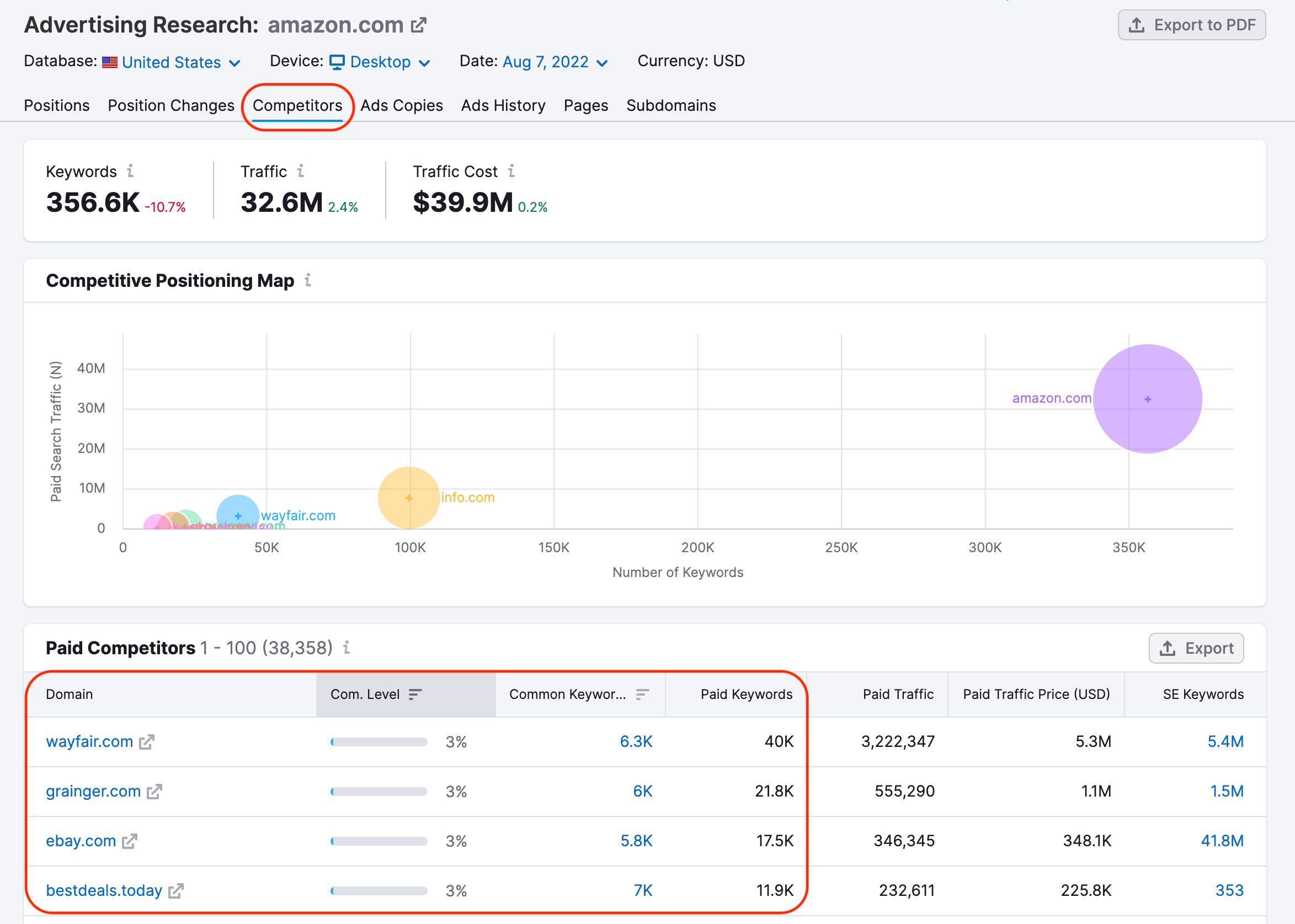
Overview of Advanced Tools
Several advanced tools offer extensive capabilities for analyzing Google Ads competitors in different countries. Key platforms include:
- Ahrefs: Primarily known for SEO, Ahrefs also allows users to analyze paid search traffic, revealing competitors’ ad strategies and keywords.
- SimilarWeb: This tool provides insights into website traffic sources, including paid search, enabling users to identify competitors’ ad expenditures and performance metrics.
- Adbeat: Specializing in competitive intelligence for digital advertising, Adbeat provides detailed data on ad creatives, placements, and spending by competitors.
Using Tools for In-Depth Competitor Analysis
Each of these tools offers unique features that can be utilized for thorough competitor analysis:
- Ahrefs: Use the “Paid Search” feature to identify keywords competitors are bidding on and assess their ad copy effectiveness.
- SimilarWeb: Analyze traffic data to compare how competitors are performing in different countries and which channels drive their traffic.
- Adbeat: Search for competitors to view their ad history, highlighting successful ad campaigns and creative strategies.
Case Studies Demonstrating Successful Use
Several businesses have successfully employed these tools to refine their advertising strategies. For instance:
- A retail brand used Ahrefs to discover that its primary competitor was targeting long-tail keywords in specific countries, leading to the development of a new keyword strategy.
- A tech startup leveraged SimilarWeb to uncover that its competitor was experiencing significant traffic from social media ads, prompting them to invest in similar channels.
- A travel agency utilized Adbeat to analyze successful ad creatives from its competitors, allowing them to adapt and improve their own ad designs.
Integrating Multiple Tools for a Holistic View
Combining insights from multiple tools can yield a more comprehensive understanding of competitor strategies. For example, using Ahrefs alongside SimilarWeb can provide both keyword insights and traffic sources, while Adbeat can offer granular details on ad creatives. This multi-faceted approach enables businesses to identify gaps in their own strategies and capitalize on opportunities.
Nuance and Expert-Level Distinctions
Many analyses overlook the contextual differences in advertising regulations and cultural nuances in various countries. For instance, an ad that performs well in one country may not resonate in another due to cultural sensitivities or legal restrictions. Additionally, some tools may not fully capture the effectiveness of ads in different regions, leading to potential misinterpretations. It is critical to consider these factors when analyzing data and formulating strategies.
Practical Application
To effectively utilize these tools for analyzing Google Ads competitors of other countries, follow these steps:
- Select two or three tools that best fit your analytical needs.
- Conduct a comprehensive analysis of competitors in your target countries, focusing on keywords, traffic sources, and ad creatives.
- Compile findings into actionable insights that inform your advertising strategy.
- Continuously monitor competitors to adapt your strategy as needed.
Understanding Cultural Context in Ad Strategies
Ad strategies must align with the cultural nuances of the target audience. Recognizing these differences can significantly enhance the effectiveness of advertising campaigns across various countries.
Importance of Cultural Nuances in Ad Messaging
Cultural context shapes consumer perceptions, values, and behaviors. Misalignment between an ad’s message and a culture’s expectations can lead to misunderstandings or even backlash. For instance, humor that works well in one country may fall flat or offend in another. Therefore, adapting messaging to reflect local sentiments is essential for engagement and success.
Examples of Successful Culturally Adapted Ads
Numerous brands have successfully tailored their advertising strategies to resonate with local cultures. Key examples include:
- McDonald’s
- Coca-Cola
- Nike
- Coca-Cola
These examples illustrate how cultural adaptation can lead to increased brand loyalty and sales.
How to Research Cultural Factors for Your Target Market
Understanding the cultural landscape requires thorough research. Effective methods include:
- Conducting Surveys: Engage with local consumers to gather insights on preferences and values.
- Utilizing Social Media Analytics: Monitor discussions and trends to gauge cultural sentiments.
- Analyzing Local Competitors: Examine how competitors communicate and what resonates with their audiences.
Incorporating these approaches helps ensure that advertising strategies are culturally relevant.
Adapting Your Strategy Based on Cultural Insights
Once cultural factors are understood, adapting ad strategies becomes imperative. This involves:
- Revising Messaging: Ensure that the tone, language, and imagery align with local cultural norms.
- Localizing Content: Translate not only language but also cultural references and idioms.
- Testing Campaigns: Implement A/B testing to refine messaging based on audience feedback.
Such adaptations can significantly improve campaign performance in international markets.
Many brands underestimate the complexity of cultural differences when developing advertising strategies. A common misconception is that a successful ad in one country will automatically work in another. This oversimplification can lead to costly mistakes. Expert marketers recognize that cultural dimensions, such as individualism versus collectivism, or high-context versus low-context communication, play a crucial role in ad effectiveness. These distinctions require a nuanced approach to strategy formulation, going beyond mere translation to a deeper cultural understanding.
To leverage cultural insights effectively, brands should initiate a structured approach that includes the following steps: 1) Identify target markets and their respective cultural attributes; 2) Conduct in-depth research utilizing surveys and social media analytics; 3) Adapt messaging and visuals to reflect local values; 4) Test and optimize campaigns based on audience feedback. By following these steps, brands can enhance their advertising strategies and effectively check Google Ads competitors of other countries. This structured approach ensures that campaigns resonate with local audiences, ultimately driving better engagement and conversion rates.
Real-World Applications: Case Studies of Successful Competitor Analysis
This section presents detailed case studies of businesses that successfully implemented competitor analysis to enhance their Google Ads strategies. By examining their experiences, valuable insights into effective techniques and lessons learned can be derived.
Case Study 1: E-commerce Expansion into Europe
A North American e-commerce retailer sought to expand its market presence into several European countries. Utilizing tools like SEMrush and SpyFu, the company analyzed competitors’ ads, keywords, and landing pages in the UK and Germany. The findings revealed that local competitors focused heavily on seasonal promotions and localized content.
- Keyword Adaptation: The company adjusted its keyword strategy to include localized terms and phrases.
- Ad Copy Localization: They crafted ad copies that resonated with local cultures and preferences.
- Competitive Bidding: They adjusted their bidding strategy to align with competitors’ spending patterns.
As a result, the retailer achieved a 40% increase in click-through rates (CTR) within three months of launching its localized campaigns.
Case Study 2: SaaS Company Analyzing International Rivals
A Software as a Service (SaaS) company based in the United States aimed to penetrate the Australian market. Through competitor analysis, they discovered that Australian competitors were emphasizing customer testimonials and case studies in their ads.
- Content Strategy: The company began incorporating testimonials from Australian users in their ad campaigns.
- Ad Format Diversification: They experimented with video ads to showcase product effectiveness, aligning with local viewing habits.
- Performance Tracking: They established KPIs to measure the success of these changes effectively.
This strategic pivot led to a 25% increase in conversions, demonstrating the effectiveness of tailored messaging in a new market.
Lessons Learned from Competitor Analysis
Both case studies underline critical lessons regarding competitor analysis:
- Localization is Key: Adapting strategies to fit local cultures and preferences significantly enhances engagement.
- Continuous Monitoring: Regularly tracking competitor activities allows for timely adjustments and helps maintain a competitive edge.
- Data-Driven Decisions: Leveraging analytics tools provides insights that can guide advertising strategies and optimize ROI.
Techniques for Adapting and Evolving
Successful companies often employ several techniques to adapt their strategies based on competitor insights:
- Benchmarking: Comparing performance metrics against competitors to set realistic goals.
- A/B Testing: Continuously testing different ad formats and messaging to identify what resonates best with the target audience.
- Feedback Loops: Gathering and analyzing customer feedback to refine ads and improve overall effectiveness.
Measuring the impact of these adaptations reveals significant shifts in ROI. For instance, both case studies reported enhanced ad performance and increased customer acquisition rates, underscoring the value of informed strategic decisions.
To apply these insights, businesses should start by conducting a thorough analysis of competitors in their target markets. Utilize tools like SEMrush, SpyFu, or AdBeat to gather data on competitors’ keywords, ad copy, and bidding strategies. Regularly monitor these insights, adapting ad campaigns accordingly to leverage market opportunities effectively.
Common Pitfalls in Competitor Analysis and How to Avoid Them
Effective competitor analysis in Google Ads requires diligence and precision. This section identifies frequent mistakes marketers make and offers strategies to enhance the accuracy of data collection and interpretation.

Common Pitfalls in Analyzing Competitors’ Ads
- Overlooking Local Context: Failing to consider local culture, language nuances, and regional trends can skew results.
- Relying on Incomplete Data: Using tools that only provide a snapshot rather than comprehensive data can lead to misinformed decisions.
- Ignoring Ad Variations: Not analyzing the different ad formats and variations used by competitors can miss critical insights.
- Misinterpreting Competitor Success: Assuming high visibility equates to success without understanding the underlying metrics can lead to misguided strategies.
Strategies for Accurate Data Collection
To avoid pitfalls in data collection, implement the following strategies:
- Use Multiple Tools: Employ a combination of tools like SEMrush, Ahrefs, and SpyFu to gather diverse data points.
- Conduct Regional Research: Familiarize yourself with local competitors by analyzing their websites and social media presence.
- Segment Data by Ad Type: Analyze search ads, display ads, and video ads separately to gain a clearer picture of competitors’ approaches.
Correctly Interpreting Data
Interpreting data accurately is vital for effective strategy formulation. Focus on these aspects:
– **Contextual Analysis:** Consider the market conditions and consumer behavior in the competitor’s country. What works in one region may not in another.
– **Benchmarking Against Your Metrics:** Compare competitors’ performance with your own metrics rather than industry averages to identify specific strengths and weaknesses.
– **Trend Identification:** Look for patterns over time in competitors’ ad strategies rather than relying on one-off data points.
Ongoing Monitoring and Adjustment
Competitor analysis is not a one-time task. Regularly revisit and update your findings. Consider these practices:
– **Schedule Regular Audits:** Set a routine to review competitor ads and adjust your strategies accordingly, ideally every quarter.
– **Use Alerts for Changes:** Set up alerts for major changes in competitors’ ad strategies, such as new campaigns or shifts in ad spend.
– **Test and Iterate:** Use A/B testing to refine your ad strategies based on insights gained from competitors, allowing you to adapt quickly.
In the realm of Google Ads, avoiding common pitfalls in competitor analysis is crucial for crafting effective marketing strategies. Marketers should diversify their data sources, ensure thorough contextual understanding, and maintain an adaptive approach to monitoring. By implementing these practices, you can leverage insights from how to check google ads competitors of other countries to refine your ad campaigns and enhance overall performance.
Frequently Asked Questions
What tools can I use to check Google Ads competitors in other countries?
Tools like SEMrush, SpyFu, and Ahrefs allow users to analyze Google Ads competitors in various countries. These platforms provide insights into ad copy, keywords, and spending patterns.
How can I analyze the ad strategies of competitors in different countries?
To analyze ad strategies, use competitor analysis tools that provide data on ad placements, keywords, and performance metrics. Observing local trends and cultural nuances is also crucial for effective analysis.
What are the benefits of checking Google Ads competitors in other countries?
Checking Google Ads competitors in other countries helps identify successful strategies and market gaps. It provides insights into regional consumer behavior and advertising effectiveness.
How do Google Ads costs compare between countries?
Google Ads costs can vary significantly between countries due to factors like competition, local demand, and economic conditions. Analyzing cost-per-click (CPC) across regions helps in budget planning.
What common mistakes should I avoid when analyzing competitors’ ads?
Avoid focusing solely on ad copy without considering targeting and market context. Additionally, neglecting to analyze performance metrics can lead to misguided conclusions about competitors’ success.
How long does it take to gather data on Google Ads competitors?
Data collection on Google Ads competitors can take anywhere from a few hours to several days, depending on the tools used and the depth of analysis required. Consistent monitoring is key for ongoing insights.
Can I see Google Ads from other countries without a VPN?
Yes, you can view Google Ads from other countries using tools like SEMrush or AdSpy, which aggregate ad data without needing a VPN. However, a VPN may provide a more authentic browsing experience.
What metrics should I focus on when analyzing competitors’ Google Ads?
Key metrics to focus on include click-through rates (CTR), cost-per-click (CPC), ad positioning, and conversion rates. These metrics provide insights into the effectiveness and efficiency of competitors’ ad campaigns.
Final Thoughts on how to check google ads competitors of other countries
Understanding the intricacies of Google Ads competitors in various countries is essential for crafting effective marketing strategies that resonate across diverse markets. By leveraging advanced tools and cultural insights, businesses can uncover valuable competitive advantages that drive performance and optimize ad spend.
To capitalize on this knowledge, conduct a comprehensive analysis of your top competitors’ ad strategies in key international markets using tools like SEMrush or SpyFu, identifying unique trends and successful tactics that can inform your own campaigns.
Mastering the competitive landscape of Google Ads not only enhances your strategic positioning but also empowers your brand to thrive in an increasingly globalized digital marketplace.
Leave a Reply