
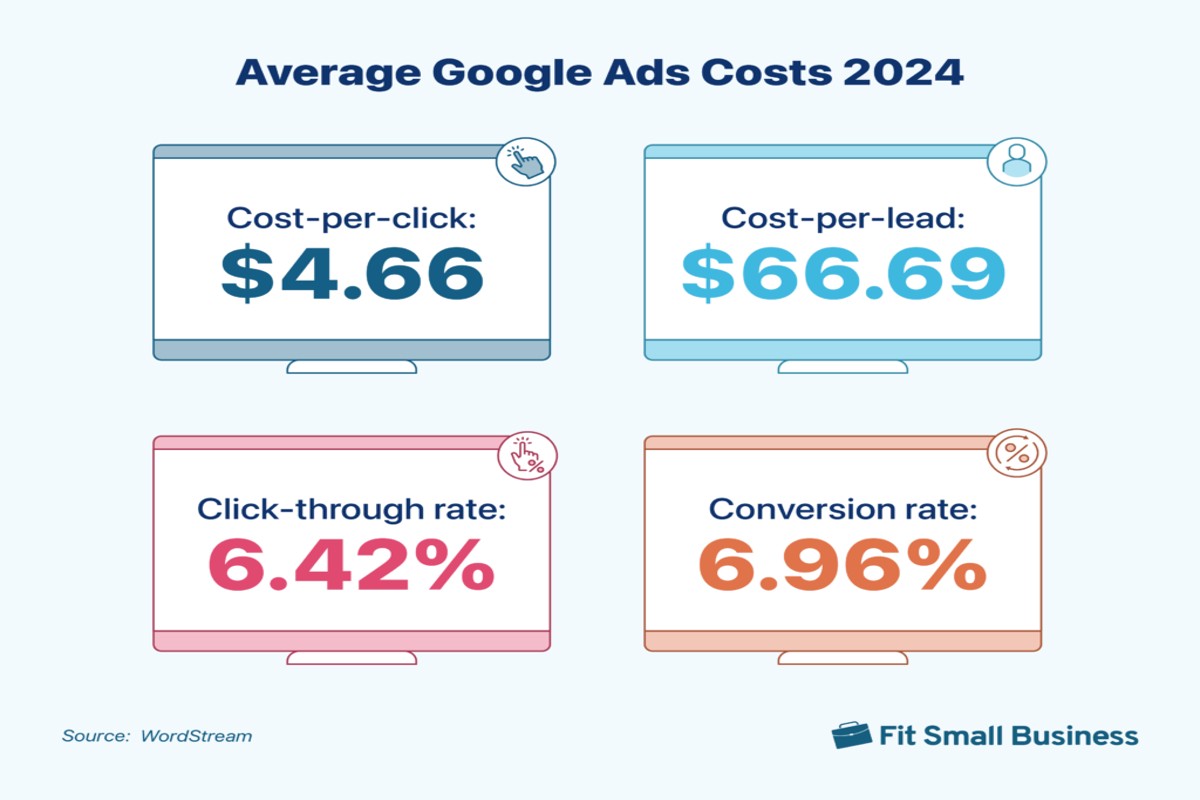
The average small business spends between $9,000 to $10,000 per month on Google Ads. This investment can yield substantial traffic and conversions when effectively managed, making it a critical component of digital marketing strategies.
Understanding how much to spend on Google Ads is essential for businesses aiming to enhance their online visibility and drive customer engagement. With the digital advertising market projected to surpass $500 billion by 2024, small and medium-sized enterprises (SMEs) must navigate their ad budgets wisely to remain competitive and capitalize on this growing trend.
Failure to allocate an appropriate budget for Google Ads can result in missed revenue opportunities and wasted marketing resources, placing businesses at a significant disadvantage against competitors who effectively leverage their advertising spend.
This article will provide a comprehensive breakdown of Google Ads spending, including a comparison of top providers, detailed cost analysis, best practices for maximizing ROI, and insights into integrating local SEO strategies for enhanced visibility.
For How Much Should I Spend On Google Ads businesses looking to generate local leads through Google Ads or Local SEO, GMB Ranger LLC offers hands-on campaign management. Specialist Md Tangeer Mehedi personally handles campaign setup and ongoing optimization — with no payment required until the first lead comes in.
What is the average cost of Google Ads?
The average cost of Google Ads varies significantly, typically ranging from $1 to $2 per click for search ads. For more competitive industries, costs can escalate to $50 or more per click. Businesses should anticipate an overall monthly budget of around $1,000 to $10,000 depending on their goals and market.
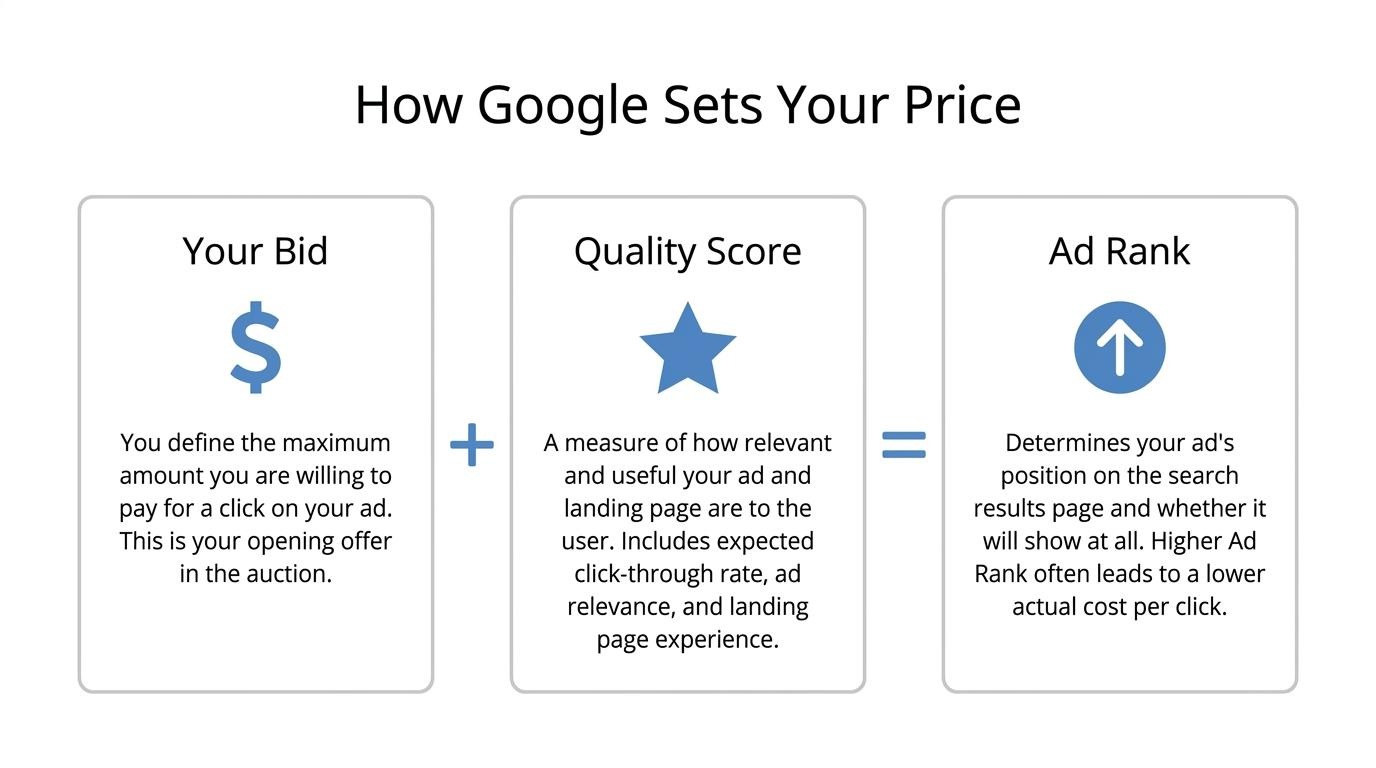
Several factors influence the cost of Google Ads, including the industry, competition, and ad quality. The industry plays a crucial role; sectors like legal and finance often see higher costs due to intense competition. The competition level for specific keywords also affects pricing—more advertisers bidding on the same term drive prices up. Additionally, the quality score of the ads, determined by relevance and performance metrics, can lower costs when ads are well-optimized.
- Keyword Selection: High-demand keywords can significantly increase costs.
- Target Audience: Geographic and demographic targeting can influence pricing.
- Ad Format: Different ad types, such as display vs. search ads, have varied costs.
Expert insight: Businesses should continuously monitor and optimize their campaigns to maximize ROI. Regularly reviewing keyword performance and adjusting bids can lead to more efficient ad spending.
How do I calculate my Google Ads budget?
To calculate your Google Ads budget effectively, consider your marketing goals, average cost-per-click (CPC), and expected conversion rates. A good starting point is to allocate 5-10% of your overall revenue towards advertising, adjusting based on performance metrics.
Follow these steps to determine an effective budget:
- Define your advertising goals: Identify what you want to achieve with your Google Ads campaign, such as increasing sales, generating leads, or boosting brand awareness. Clear objectives will guide your budget allocation.
- Research your average cost-per-click (CPC): Use tools like Google Keyword Planner to find the average CPC for your target keywords. This figure helps you estimate the cost of driving traffic to your site.
- Estimate your conversion rate: Analyze historical data or industry benchmarks to determine your expected conversion rate. This metric shows how many of your clicks will result in a desired action, like a purchase or sign-up.
- Calculate your budget based on expected outcomes: Multiply your average CPC by the number of clicks you expect to receive, then adjust for your conversion rate. For example, if your CPC is $2 and you aim for 100 clicks with a 5% conversion rate, your budget would be $200 to generate approximately 5 conversions.
- Monitor and adjust your budget: After launching your campaign, continuously track performance metrics such as click-through rates (CTR) and return on ad spend (ROAS). Be prepared to increase or decrease your budget based on the effectiveness of your ads.
Expert insight: Regularly revisiting and adjusting your budget based on real-time data will maximize your return on investment and help you stay competitive in the evolving landscape of Google Ads.
What factors affect Google Ads spending?
Several factors influence Google Ads spending, including industry type, competition level, and targeting options. For instance, businesses in highly competitive sectors may pay upwards of $50 per click, while those in less saturated markets might spend significantly less.
The industry plays a crucial role in determining costs. Highly competitive industries such as insurance, finance, and legal services often see higher costs per click (CPC) due to increased bidding competition. Conversely, niche markets with fewer advertisers generally experience lower CPCs, allowing for more efficient ad spending.
Competition is another significant factor. If many businesses are vying for the same keywords, the cost to secure ad placements rises. Google Ads operates on an auction system; thus, when competing for popular keywords, advertisers must be prepared to increase their bids. Additionally, the quality score of the ads, which is influenced by click-through rates and ad relevance, can also affect how much needs to be spent to achieve desired visibility.
- Targeting Options: The more specific the targeting (e.g., geographic, demographic), the higher the potential cost, as advertisers aim to reach a precise audience.
- Ad Format: Different ad formats, such as video or shopping ads, may have varying costs associated with them based on their complexity and production value.
- Seasonality: Certain times of the year, such as holidays or major sales events, can drive up costs as demand increases.
Expert insight: Carefully analyze your industry’s competitive landscape and adjust your budget accordingly. Using tools like Google’s Keyword Planner can help identify cost estimates for specific keywords and optimize your advertising strategy effectively.
Is google ads worth the investment?
Yes, Google Ads can be a worthwhile investment, particularly for businesses seeking immediate visibility and targeted reach. In 2023, businesses saw an average return on investment (ROI) of $2 for every $1 spent on Google Ads, making it a competitive option compared to other advertising platforms.
When evaluating the worth of google ads, it’s essential to compare it with other advertising platforms such as social media ads, display networks, and traditional media. Each platform has its strengths and weaknesses, influencing overall ROI. For instance, social media ads, like those on Facebook and Instagram, offer strong engagement but may not always drive immediate sales. In contrast, Google Ads targets users actively searching for specific products or services, which often leads to higher conversion rates.
- Google Ads: Targets users with high purchase intent via search results. Average ROI is approximately 200%.
- Social Media Ads: Focuses on brand awareness and engagement. Average ROI fluctuates between 100-150%, depending on the campaign.
- Display Ads: Best for brand visibility but typically yields lower direct conversions. Average ROI is around 50-100%.
Several factors can influence the effectiveness of google ads, including industry, competition, and keyword selection. High-demand keywords can become expensive, impacting overall ROI. Additionally, businesses with well-optimized landing pages and clear calls to action tend to experience better results. It’s crucial to continuously test and refine campaigns to maximize value.
Expert insight: Allocate a portion of your budget to A/B testing different ad formats and targeting options within Google Ads. This strategy helps identify the most effective methods for your specific audience, ultimately enhancing ROI.
What are the best practices for Google Ads budgeting?
Effective budgeting for Google Ads requires a strategic approach that aligns spending with business objectives. A typical recommendation is to allocate around 5-10% of your expected revenue to Google Ads to ensure sufficient visibility and competitiveness in your market.
To optimize your Google Ads budget, consider the following best practices:
- Set Clear Goals: Define specific campaign objectives, such as lead generation or brand awareness. Use these goals to inform your budget allocation and bidding strategies.
- Utilize Historical Data: Analyze past campaign performance to identify trends and inform future budgets. Adjust your spending based on metrics like cost per acquisition (CPA) and return on ad spend (ROAS).
- Implement Daily Budgets: Establish daily budgets for each campaign to manage costs effectively. This helps prevent overspending and allows for better control over ad performance.
- Monitor and Adjust Regularly: Review campaign performance frequently and adjust budgets as necessary. Allocate more funds to high-performing campaigns and reduce spending on underperforming ones.
- Test Different Budgets: Experiment with varying budget levels across different campaigns. A/B testing can help identify the optimal budget that maximizes ROI while minimizing costs.
By following these practices, advertisers can better allocate their budgets and maximize the impact of their Google Ads campaigns. Regular analysis and adjustments are crucial, as market conditions and consumer behavior can shift rapidly.
Expert insight: Prioritize campaigns with the highest conversion rates and allocate budget accordingly to achieve the best results. Consider seasonal trends and adjust budgets in advance to capitalize on peak times.
How much should I spend on Google Ads for my small business?
For a small business, a reasonable starting budget for Google Ads is typically between $300 to $1,500 per month, depending on your industry and marketing goals. Aiming for $1,000 per month is a common target that allows for meaningful ad exposure and performance analysis.
Several factors influence how much to spend on Google Ads. The industry plays a significant role; for example, businesses in competitive sectors like legal or insurance may need to allocate more funds to stay visible. Conversely, niche markets may require less investment. Additionally, business goals matter. If the aim is to drive brand awareness, a lower budget may suffice, while direct sales campaigns typically need a higher spend to generate substantial returns.
Another consideration is the cost-per-click (CPC) in your industry. For instance, the average CPC across industries can range from $1 to over $50. Monitoring this can help refine budget allocation over time. Start with a modest budget, analyze performance, and adjust based on return on ad spend (ROAS). This iterative approach ensures that the budget aligns with growth objectives and market conditions.
Expert insight: Regularly review your Google Ads performance metrics to identify areas for optimization. Adjusting keywords, ad copy, and bidding strategies can maximize the impact of your budget without necessarily increasing spending.
How long does it take to see results from Google Ads?
Typically, businesses can start to see measurable results from Google Ads within one to three months after launching their campaigns. However, the exact timing can vary significantly based on several factors, including the industry, campaign goals, and budget allocation.
Several variables impact how quickly results manifest. First, the type of campaign plays a crucial role. For instance, search ads often deliver quicker results compared to display ads, which may require more time to build awareness and engagement. Additionally, the competitiveness of the keywords being targeted can influence the speed of results. In highly competitive sectors, it may take longer to achieve a significant return on investment (ROI) as bids may need to be adjusted and optimized over time.
Another important factor is the initial budget and bidding strategy. A larger budget can accelerate results by allowing for more visibility and data collection. Implementing a smart bidding strategy, such as Target CPA (Cost Per Acquisition) or Target ROAS (Return on Ad Spend), can also help optimize performance efficiently. Moreover, ongoing campaign adjustments based on performance metrics, such as click-through rates and conversion rates, can refine targeting and improve outcomes more rapidly.
Expert insight: Regularly analyze performance data and adjust your campaigns to enhance effectiveness. This iterative process can significantly shorten the time it takes to see favorable results from Google Ads.
Understanding Google Ads Pricing Models
This section clarifies the various pricing models available in Google Ads and their implications for ad spending. Understanding these models is vital for optimizing your advertising budget and achieving your marketing objectives.
Cost-per-click (CPC) Explained
The Cost-per-click (CPC) model charges advertisers each time a user clicks on their ad. This model is especially useful for businesses focused on driving traffic to their websites. The average CPC across all industries is estimated to be between $1 and $2, though competitive sectors can see CPCs rise to $5 or more. Advertisers can set maximum bids, which determines how much they are willing to pay for a click, making it a flexible option tailored to budget constraints.
Cost-per-impression (CPM) Overview
Cost-per-impression (CPM) differs from CPC by charging advertisers for every thousand impressions their ad receives, regardless of user engagement. This model is often utilized for brand awareness campaigns where visibility is prioritized over direct clicks. The average CPM can range from $2 to $10, depending on the industry and targeting options. CPM is particularly effective for businesses looking to enhance brand recognition without immediate conversion goals.
Cost-per-acquisition (CPA) Insights
Cost-per-acquisition (CPA) focuses on the cost of acquiring a customer through a specific action, such as a purchase or sign-up. Advertisers using this model pay only when a conversion occurs, making it a performance-based approach. The average CPA can vary widely, with figures ranging from $20 to over $100, depending on the industry and product type. This model is beneficial for businesses seeking to maximize return on investment (ROI) by closely aligning ad spend with tangible outcomes.
Choosing the Right Model for Your Goals
When selecting a pricing model, consider your specific marketing objectives. For immediate traffic generation, CPC may be the most effective. For broader visibility and brand recognition, CPM can serve well. For conversion-focused campaigns, CPA is often the best choice. Analyzing your goals and understanding your target audience will help determine the optimal model for your needs.
- Use CPC for traffic-driven campaigns.
- Opt for CPM when focusing on brand visibility.
- Choose CPA for conversion-centric strategies.
In 2024, approximately 60% of advertisers reported using CPC as their primary model, while 25% favored CPA, reflecting a significant trend towards performance-based advertising strategies.
Many advertisers mistakenly believe that higher spending guarantees better results. However, effective campaign management, including keyword optimization and ad quality, plays a critical role in performance. Misconceptions around ad spend often lead to unnecessary budget inflation without corresponding returns.
Advertisers should start by assessing their primary objectives and select a pricing model that aligns with those goals. Allocating a test budget to experiment with different models can provide insights into which approach yields the best ROI. Regularly reviewing performance metrics will allow for adjustments and optimizations, ensuring that ad spend is efficient and effective in meeting business goals.
Maximizing Your Google Ads Budget
This section explores actionable strategies to optimize Google Ads spending, ensuring that every dollar contributes effectively to your overall marketing goals.

Effective Keyword Targeting Strategies
Keyword targeting is foundational for maximizing return on investment (ROI) in Google Ads. Focus on a mix of broad, phrase, and exact match keywords to balance reach and relevance. According to recent data, campaigns utilizing a combination of these match types have seen a 30% increase in click-through rates (CTR) compared to those relying solely on broad match.
- Long-tail keywords: These often have lower competition and higher conversion rates, making them ideal for budget-conscious advertisers.
- Negative keywords: This tactic prevents ads from showing for irrelevant searches, thereby saving budget and improving overall campaign efficiency.
- Regular keyword audits: Conduct audits every quarter to refine your keyword list based on performance metrics.
Utilizing Ad Extensions for Better Visibility
Ad extensions enhance the visibility and appeal of your ads without additional costs per click. Integrating extensions such as sitelinks, callouts, and location information can lead to an increase in CTR by up to 15%. This additional visibility can translate into more clicks and conversions without increasing your budget.
- Sitelink extensions: Direct users to specific pages, improving user experience and engagement.
- Call extensions: Facilitate direct phone calls, which can boost conversion rates for local businesses.
- Structured snippets: Highlight specific aspects of your products or services, providing more context to potential customers.
A/B Testing for Optimization
A/B testing allows advertisers to compare different versions of ads and landing pages to determine which performs better. Implementing systematic A/B tests can lead to significant improvements in ROI. Research indicates that businesses that regularly conduct A/B tests can achieve a 20% or greater increase in conversion rates.
- Identify the variable to test, such as ad copy, images, or calls to action.
- Create two versions of the ad or landing page.
- Run both versions simultaneously to a comparable audience segment.
- Analyze performance metrics to determine the winner.
Monitoring and Adjusting Bids Based on Performance
Dynamic bid management is essential for optimizing ad spend. Regularly monitor performance metrics such as CTR, conversion rates, and cost per acquisition (CPA) to adjust bids accordingly. For instance, increasing bids on high-performing keywords can maximize visibility and conversions, while reducing bids on underperforming keywords can conserve budget. In 2024, advertisers who employed automated bidding strategies reported a 25% reduction in overall spend while maintaining performance levels.
Common misconceptions exist around bid adjustments. Many believe that increasing bids is always beneficial, but this can lead to overspending. Instead, a data-driven approach ensures that bid adjustments are made based on solid performance analytics.
To effectively maximize your Google Ads budget, implement the following actionable strategies:
- Conduct thorough keyword research and regularly update your keyword list.
- Incorporate various ad extensions to enhance your ad visibility.
- Establish a routine of A/B testing to find the most effective ad elements.
- Continuously monitor performance metrics and adjust bids based on real-time data.
Common Mistakes to Avoid in Google Ads Spending
Effective Google Ads spending requires a strategic approach to maximize return on investment. This section identifies common pitfalls that can lead to wasted ad spend, ensuring that your budget is directed towards high-impact activities.
Ignoring Negative Keywords
Failing to incorporate negative keywords can significantly inflate costs. Negative keywords prevent ads from appearing for irrelevant queries, helping to hone in on a more targeted audience. According to recent data, advertisers who actively manage negative keywords can reduce wasted spend by up to 30%. Regularly reviewing and updating these keywords is essential for maintaining campaign efficiency.
Overlooking Mobile Optimization
In 2024, mobile devices accounted for over 60% of all Google searches. Not optimizing ads for mobile can lead to poor user experiences and decreased conversion rates. Ensure that landing pages are mobile-friendly and that ads are tailored to engage mobile users effectively. This includes using concise messaging and fast-loading pages that cater to the on-the-go audience.
Failing to Track Conversions
Without tracking conversions, it is impossible to measure the effectiveness of ad spend accurately. Implementing conversion tracking allows advertisers to assess which ads generate leads or sales, thereby informing future budget allocations. Studies indicate that businesses that track conversions effectively see up to a 50% increase in return on ad spend (ROAS) compared to those that do not.
Setting Unrealistic Budgets
Establishing a budget that does not reflect the competitive landscape can lead to ineffective campaigns. Underfunding can result in limited visibility, while overfunding without a clear strategy can waste resources. A balanced approach involves analyzing industry benchmarks and adjusting budgets based on campaign performance and market conditions.
- Conduct regular keyword research to identify new opportunities and refine negative keywords.
- Utilize responsive ads to accommodate various device formats, particularly for mobile users.
- Implement robust analytics tools to track conversions and optimize campaigns in real-time.
- Review industry benchmarks to set realistic budgets aligned with your business objectives.
Many advertisers mistakenly believe that Google Ads will automatically optimize spending without active management. In reality, campaigns require continuous monitoring and adjustments. For instance, while broad match keywords can increase reach, they may also attract irrelevant traffic without careful oversight. Understanding the nuances of keyword match types is critical for effective spend management.
To avoid these common mistakes, prioritize the following actions:
1. Conduct thorough keyword research and regularly update negative keywords.
2. Ensure all ads and landing pages are optimized for mobile devices.
3. Implement comprehensive tracking for conversions across all campaigns.
4. Set budgets based on realistic industry benchmarks and adjust as needed based on campaign performance.
Real-World Case Studies: Success Stories with Google Ads
This section presents real-world case studies that highlight successful Google Ads campaigns across various industries. By examining these examples, businesses can gain insights into effective spending strategies and the potential return on investment.

Case Study of a Local Business
A local bakery in Austin, Texas, utilized Google Ads to boost foot traffic and online orders. With an initial budget of $500 per month, the bakery targeted local keywords such as “fresh bread near me” and “artisan pastries.” Within three months, the campaign generated a 150% increase in foot traffic and a 200% increase in online orders, leading to a revenue increase of $15,000. The bakery adjusted its spend to $1,000 monthly, focusing on high-performing keywords, which further enhanced its visibility.
E-commerce Campaign Analysis
An e-commerce company selling outdoor gear allocated $20,000 for a seasonal Google Ads campaign. By leveraging audience targeting and remarketing strategies, the company achieved a return on ad spend (ROAS) of 500%. The campaign featured promotional discounts and highlighted best-selling products, resulting in an impressive 30% increase in conversion rates compared to the previous year. The data indicated that investing in high-quality visuals and compelling ad copy significantly improved engagement.
B2B Lead Generation Success
A software company specializing in project management tools invested $10,000 in Google Ads to generate leads from mid-sized businesses. The campaign focused on targeted keywords like “best project management software” and included compelling landing pages. Over a four-month period, the campaign produced 200 qualified leads, with a conversion rate of 25%. This effort resulted in a projected lifetime value of $300,000 from converted leads, illustrating the effectiveness of strategic spending in the B2B sector.
Lessons Learned from Failed Campaigns
Not all Google Ads campaigns yield positive results. A fashion retailer’s attempt to gain visibility by spending $15,000 on a broad keyword strategy led to disappointing outcomes. The ads attracted high traffic but resulted in low conversion rates due to irrelevant clicks. The retailer learned the importance of targeted keyword selection and audience segmentation. By refining its strategy to focus on niche keywords, subsequent campaigns saw a marked improvement in performance.
Common misconceptions often lead to ineffective spending. Many businesses assume that a larger budget guarantees better results. However, performance hinges on factors such as ad relevance, targeting accuracy, and ongoing optimization. For example, a campaign with a modest budget that is well-targeted can outperform a high-budget campaign with poor targeting.
To effectively apply these insights, businesses should:
- Establish clear objectives before launching campaigns, ensuring that spending aligns with desired outcomes.
- Utilize tools like Google Analytics to track performance and optimize campaigns based on data-driven insights.
- Test different ad formats and targeting strategies to identify the most effective approaches for their audience.
By learning from both successes and failures, businesses can develop a nuanced understanding of how much they should spend on Google Ads to achieve optimal results.
Evaluating the Best How Much Should I Spend On Google Ads
Understanding the various advertising providers is crucial for determining an effective budget for Google Ads. With the digital advertising market projected to reach $786.2 billion by 2026, selecting the right provider can significantly impact your advertising strategy and ROI. Key factors such as pricing, features, and target audience will help guide your decision-making process.
| Provider / Option | Best For | Pricing | Key Feature |
|---|---|---|---|
| Google Ads | General advertising needs | $1 to $2 per click (CPC) | Extensive reach and targeting options |
| WordStream | Small to medium businesses | $300 to $1,000 per month | Easy-to-use optimization tools |
| SEMrush | Competitive analysis | $119.95 to $449.95 per month | Comprehensive keyword research tools |
| AdEspresso | Facebook and Google Ads integration | $49 to $259 per month | User-friendly ad creation |
| SpyFu | Competitor insights | $39 to $299 per month | Detailed competitor analysis |
| HubSpot Ads | Inbound marketing integration | $800 to $3,200 per month | Seamless CRM integration |
| Kenshoo | Enterprise-level campaigns | Custom pricing available | Advanced automation features |
| Marin Software | Large-scale advertisers | Custom pricing available | Cross-channel advertising solutions |
Criteria for Evaluating Program Quality
- Pricing Structure: Assess whether the pricing model aligns with your budget and expected ROI. Options like pay-per-click may offer flexibility, while monthly subscriptions could provide more consistent costs.
- Target Audience Fit: Identify which provider aligns best with your target demographics. Certain platforms may offer better tools for niche markets or specific industries.
- Feature Set: Evaluate the key features offered by each provider, such as optimization tools, keyword research capabilities, and integration with other platforms, to ensure they meet your advertising needs.
- User Experience: Consider the ease of use of the platform. A user-friendly interface can significantly reduce the learning curve and enhance campaign management efficiency.
How to Assess the Reputation and Reliability of Providers
- Research User Reviews: Look for feedback from current and past users on platforms like G2 or Trustpilot to gauge satisfaction and reliability.
- Check Case Studies: Review case studies or success stories provided by the provider to understand how they have helped similar businesses achieve their goals.
- Evaluate Customer Support: Investigate the availability and quality of customer support services, including response times and resources offered.
- Examine Industry Recognition: Look for awards or certifications that may indicate the provider’s credibility and standing in the industry.
Which How Much Should I Spend On Google Ads Is Right for You?
The optimal Google Ads budget varies significantly based on your specific business needs, budget constraints, and marketing goals. This guide will help you make informed decisions tailored to your audience segment, ensuring you allocate your resources effectively for maximum impact.
Small Business Owners
For small business owners, initiating your Google Ads journey with a budget of $500 to $1,000 per month is advisable. This range allows you to test different campaigns and optimize your ads based on performance. Consider using tools like Google Ads Keyword Planner to identify cost-effective keywords that can drive traffic.
E-commerce Brands
E-commerce brands should allocate 10-15% of their monthly revenue to Google Ads for optimal visibility and sales growth. For instance, if your revenue is $10,000, a budget of $1,000 to $1,500 is appropriate. Utilize dynamic remarketing ads to re-engage visitors who did not convert on their initial visit.
Local Service Providers
Local service providers should focus on geo-targeting and invest between $300 to $700 monthly. This budget allows for effective local campaigns that connect your services with nearby customers. Leverage Google My Business to enhance local search visibility and drive traffic to your ads.
Marketing Agencies
Marketing agencies should invest comprehensively in their Google Ads strategies, with budgets ranging from $1,000 to $5,000 monthly. This investment enables agencies to utilize advanced tools like SEMrush or Ahrefs for competitive analysis and effective keyword targeting, ultimately enhancing client campaign performance.
Startups
Startups should consider a budget of $1,000 to $3,000 per month to establish a foothold in the market. This budget allows for initial testing and scaling of successful campaigns. Focus on targeted ads that highlight your unique value proposition to attract early adopters.
| If You Are… | Best Approach |
|---|---|
| Small Business Owners | $500 – $1,000/month to test campaigns |
| E-commerce Brands | 10-15% of revenue for visibility |
| Local Service Providers | $300 – $700/month focused on local targeting |
| Marketing Agencies | $1,000 – $5,000/month for comprehensive tools |
| Startups | $1,000 – $3,000/month to establish market presence |
Local Factors Influencing Your Google Ads Budget
Understanding how much to spend on Google Ads is crucial for local businesses, as geographic and market factors can significantly impact ad performance and ROI. In fact, 76% of people who search for something nearby visit a business within a day, highlighting the importance of targeted advertising in local markets.
Geographic Market Differences
In larger cities like New York or Los Angeles, competition for Google Ads can be fierce, often driving up costs per click (CPC) to $5 or more for competitive keywords. In contrast, smaller towns may see CPCs closer to $1-$2, allowing local businesses to stretch their budgets further. Understanding the competitive landscape of your specific area is vital—businesses in highly saturated markets should consider a higher budget to maintain visibility.
Local Business Applications
Local businesses can leverage Google Ads in several impactful ways:
- Promoting Local Events: A local bakery can run ads for special promotions or events, driving foot traffic during peak times.
- Targeting Neighborhoods: A plumbing service can geo-target ads to specific neighborhoods where they operate, ensuring relevance and higher conversion rates.
- Highlighting Seasonal Offers: A landscaping company can advertise seasonal services, such as snow removal in winter or lawn care in spring, to attract local customers.
- Increasing Brand Awareness: A new restaurant can use Google Ads to build awareness among local diners, driving initial visits and reviews.
Local Search and Visibility Impact
Investing in Google Ads directly affects local search rankings and visibility on Google Business Profile (GBP). Businesses should:
1. Ensure their GBP is fully optimized with accurate information and engaging images.
2. Use location-specific keywords in their ad campaigns to enhance local relevance.
3. Monitor ad performance and adjust bids based on local trends and seasonality.
4. Encourage customer reviews to boost both ad effectiveness and organic search visibility.
Pricing and Cost in Local Markets
Costs for Google Ads can vary significantly based on geographic location. For instance, businesses in high-demand areas like San Francisco might budget $3,000-$10,000 per month to compete effectively, while those in less competitive regions may find success with a budget of $500-$2,000. Local businesses should analyze their local market and competitive landscape to determine a realistic budget that aligns with their growth goals.
Local Implementation Checklist:
- Research local competitors and their ad spend.
- Set a clear budget based on your market size and competition level.
- Optimize your Google Business Profile for improved local visibility.
- Create targeted ad campaigns focused on local keywords.
- Monitor ad performance and adjust strategies monthly.
- Encourage customer reviews to enhance credibility.
- Utilize location-based targeting to maximize relevance.
For How Much Should I Spend On Google Ads businesses looking to generate local leads through Google Ads or Local SEO, GMB Ranger LLC offers hands-on campaign management. Specialist Md Tangeer Mehedi personally handles campaign setup and ongoing optimization — with no payment required until the first lead comes in.
Frequently Asked Questions
What is the average cost of Google Ads?
The average cost of Google Ads varies widely, typically ranging from $1 to $2 per click for search ads. However, costs can be significantly higher depending on the industry and competition for keywords.
How do I calculate my Google Ads budget?
To calculate your Google Ads budget, determine your monthly advertising goals and divide by the average cost-per-click in your industry. This will help you establish a daily budget that aligns with your overall marketing strategy.
What factors affect Google Ads spending?
Google Ads spending is influenced by factors such as keyword competition, ad quality, geographic targeting, and bidding strategies. Additionally, your campaign goals and industry can also impact overall costs.
Is Google Ads worth the investment?
Google Ads can be a worthwhile investment if managed effectively, as it offers targeted reach and measurable results. Businesses often see a positive return on investment when campaigns are optimized for performance.
What are the best practices for Google Ads budgeting?
Best practices for Google Ads budgeting include setting clear goals, regularly reviewing performance metrics, and adjusting bids based on data analysis. Allocating a flexible budget can also help optimize results over time.
How much should I spend on Google Ads for my small business?
Small businesses should consider starting with a budget of $500 to $1,000 per month for Google Ads, adjusting based on performance and goals. It’s essential to monitor results and scale the budget as needed to maximize effectiveness.
How long does it take to see results from Google Ads?
Results from Google Ads can typically be seen within a few days to weeks, depending on the campaign setup and budget. However, optimizing for the best performance may take several weeks as data is collected and analyzed.
Final Thoughts on how much should i spend on google ads
Determining your Google Ads budget requires a nuanced understanding of your business goals, industry benchmarks, and the competitive landscape. The right investment can yield significant returns, but strategic allocation is crucial to avoid common pitfalls that can lead to wasted resources.
To optimize your spending, conduct a thorough analysis of your past campaign performance and set clear KPIs to measure success. Allocate your budget dynamically, adjusting based on real-time data and market conditions to maximize ROI.
Ready to maximize your ROI? Consider partnering with a google ads management agency to navigate your advertising strategy effectively.
Mastering your Google Ads budget is not just an operational necessity; it’s a cornerstone of effective digital marketing that can drive sustainable growth and competitive advantage.
Leave a Reply