
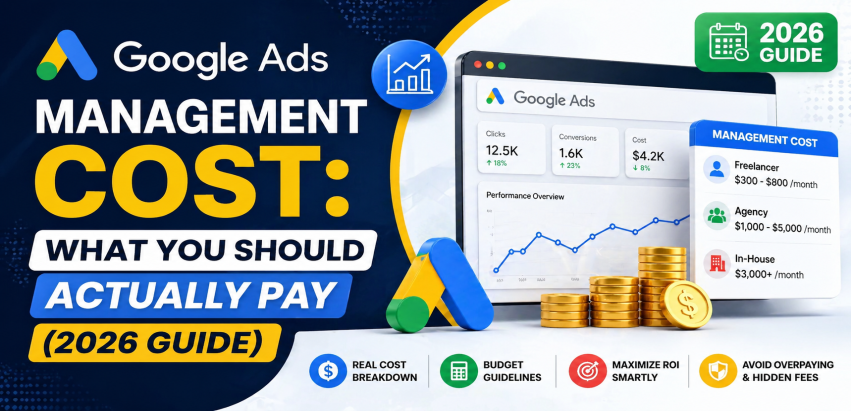
The cost of Google Ads management typically ranges from $300 to $1,500 per month, influenced by factors such as the manager’s experience, the complexity of the campaigns, and prevailing market rates. Understanding these pricing structures is crucial for businesses to effectively budget their advertising efforts and maximize ROI.
Determining how much to charge for Google Ads management is essential for both agencies and businesses. It affects budgeting decisions and can significantly impact advertising success. With Google Ads spending exceeding $200 billion globally, having a clear understanding of management costs is critical for optimizing ad performance and ensuring competitive positioning.
Failure to accurately assess and set management fees can lead to wasted advertising budgets, missed revenue opportunities, and a competitive disadvantage in an increasingly crowded marketplace. Businesses that underinvest in effective google ads management risk falling behind their competitors who leverage expert services to drive better results.
This article provides a comprehensive overview of how much to charge for Google Ads management, including a comparison of top providers, a detailed cost breakdown, best practices for pricing strategies, and insights into the local SEO angle that can influence advertising effectiveness.
For How Much To Charge For google Ads Management businesses looking to generate local leads through Google Ads or Local SEO, GMB Ranger LLC offers hands-on campaign management. Specialist Md Tangeer Mehedi personally handles campaign setup and ongoing optimization — with no payment required until the first lead comes in.
What is a fair price for Google Ads management?
A fair price for Google Ads management typically ranges from $300 to $1,500 per month, depending on various factors such as the complexity of the account and the level of service provided. Some agencies may charge a percentage of ad spend, often between 10% to 20%, particularly for larger budgets, which can lead to higher monthly fees.
Several factors influence the cost of Google Ads management. First, the size of the advertising budget plays a significant role; larger budgets often necessitate more intensive management and strategy development. Additionally, the complexity of the campaigns, including the number of ad groups, keywords, and targeting options, can increase management costs. More sophisticated campaigns may require specialized expertise, which can further impact pricing.
- Experience and Expertise: Agencies with a proven track record or specialized certifications may charge higher fees due to their ability to deliver better results.
-
Scope of services:
Comprehensive services that include strategy development, ad creation, ongoing optimization, and reporting will typically command higher prices compared to basic management. - Client Industry: Certain industries, such as finance or legal, may require more nuanced strategies and compliance considerations, which can lead to increased costs.
Expert insight:
When determining your budget for google ads management, consider not only the management fees but also the potential return on investment from effective ad campaigns. Investing in experienced management can lead to significant long-term gains.
How do I determine my Google Ads management fees?
To determine Google Ads management fees, assess the services provided and the specific needs of each client. Fees can range from a percentage of ad spend to a flat monthly rate, typically between **10-20%** of the total ad budget.
Start by evaluating the scope of services offered. Basic management may include keyword research, ad creation, and performance monitoring, while comprehensive packages might add A/B testing, landing page optimization, and detailed reporting. Consider the complexity of the client’s industry and their specific goals, as these factors can influence the amount of time and expertise required.
- Identify Service Levels: Determine whether the service will be basic, intermediate, or advanced. Each level requires different time commitments and expertise.
- Assess Client Needs: Engage with the client to understand their goals, budget, and expectations. A local business may require less effort than a national brand with extensive campaigns.
- Choose a Pricing Model: Decide between a percentage of ad spend, a flat fee, or hourly rates. For example, charging **15% of ad spend** might be suitable for larger budgets, while a flat fee could work better for smaller accounts.
- Factor in Additional Services: Include any additional services such as SEO consulting or social media integration, which can justify higher fees.
- Review Competitor Pricing: Research what others in the industry charge for similar services in your geographical area to ensure competitiveness.
Finally, consider the unique strengths and expertise you bring to the table. If your management approach yields higher ROI for clients, it may warrant higher fees.
Expert insight: Always be transparent about your pricing structure and the value clients will receive. This builds trust and long-term relationships, allowing for potential fee adjustments based on performance results.
What are the different pricing models for Google Ads management?
There are three primary pricing models for Google Ads management: flat fee, percentage of ad spend, and performance-based models. Each model has distinct advantages and considerations that can influence how much to charge for Google Ads management.
The flat fee model charges a fixed amount for services, regardless of the ad spend. This approach provides predictability for clients, as they know their monthly costs upfront. It is often favored by businesses with a stable budget who prefer clarity over variable costs. Typically, flat fees can range from $500 to $5,000 per month, depending on the complexity of the campaigns managed.
In contrast, the percentage of spend model charges a fee based on a percentage of the client’s total ad spend, commonly ranging from 10% to 20%. This model aligns the agency’s incentives with the client’s success; as the client’s ad budget increases, the agency’s fees also rise. However, it may lead to higher costs for clients with larger budgets, making it essential to evaluate whether the increased investment translates into proportional returns.
Lastly, the performance-based model links fees to specific outcomes, such as leads generated or sales made. This structure can be appealing to clients, as they only pay for results. However, it may complicate compensation if clear performance metrics are not established upfront, leading to potential disputes over what constitutes a successful outcome.
- Flat Fee: Fixed monthly charge, typically $500 – $5,000.
- Percentage of Spend: Charges 10% – 20% of total ad budget.
- Performance-Based: Fees tied to specific results achieved.
Expert insight: When choosing a pricing model, consider the client’s goals and budget flexibility. Aligning the model with their objectives can enhance satisfaction and foster long-term partnerships.
How much time does Google Ads management take?
Effective Google Ads management typically requires between 5 to 15 hours per month for smaller accounts, while larger or more complex campaigns may demand 20 to 40 hours or more. The time commitment varies based on factors such as campaign size, goals, and the level of optimization needed.
The time required for Google Ads management is influenced by several factors. First, the size of the account plays a crucial role; larger accounts with multiple campaigns, ad groups, and keywords necessitate more time for monitoring and adjustments. Additionally, the complexity of the campaigns, including the use of advanced targeting options and bidding strategies, can increase the time investment. For example, campaigns focused on multiple geographic regions or demographics require more detailed analysis and management.
Another significant factor is the level of competition within the industry. Highly competitive sectors may require more frequent adjustments to bids and ads to maintain visibility and performance. Moreover, ongoing optimization is essential for success; this includes analyzing performance data, conducting A/B tests, and refining ad copy and keywords. Regular monitoring and adjustments can lead to better ROI, but it also means dedicating more time to management activities.
Expert insight: To maximize efficiency, consider using automation tools within Google Ads that can help streamline reporting and bid management. However, remember that human oversight is critical for interpreting data and making strategic decisions.
What are best practices for Google Ads management?
Effective Google Ads management hinges on a strategic approach that maximizes campaign performance while fostering clear communication with clients. Implementing best practices can lead to a more efficient use of resources and improved ROI, with studies indicating that businesses can see an average return of $2 for every $1 spent on Google Ads.
To achieve successful campaign management, consider these key strategies:
- Conduct Thorough Keyword Research: Use tools like Google Keyword Planner to identify relevant keywords with high search volume and low competition. Regularly update keyword lists to adapt to changing market trends.
- Utilize Ad Extensions: Incorporate ad extensions to provide additional information such as phone numbers, site links, and location details. This can increase click-through rates by up to 30%.
- Monitor and Optimize Campaign Performance: Regularly analyze metrics such as CTR, conversion rates, and cost-per-acquisition. Adjust bids and targeting based on performance data to enhance ad effectiveness.
- Set Clear Goals and KPIs: Establish specific, measurable goals for each campaign, such as increasing website traffic or generating leads. Use these KPIs to guide strategy and assess success.
- Communicate Regularly with Clients: Provide clients with updates on campaign performance and insights derived from data analysis. Transparency fosters trust and allows for collaborative decision-making regarding campaign adjustments.
Expert insight: Consistently testing different ad formats and targeting options can uncover valuable insights that lead to improved campaign performance and client satisfaction.
How often should I optimize my Google Ads campaigns?
Google Ads campaigns should be optimized at least every two weeks, or more frequently if performance metrics indicate significant changes. Regular optimization helps to improve ROI and adapt to market dynamics, with many experts suggesting weekly adjustments for high-budget accounts.
Optimization frequency can vary based on several factors, including campaign type, budget, and performance data. For instance, campaigns with high spending or those running in competitive markets may require weekly assessments, while smaller campaigns can be effectively managed with bi-weekly or monthly reviews. Analyzing key performance indicators (KPIs) such as click-through rates (CTR), conversion rates, and cost per acquisition (CPA) is essential in determining the need for adjustments.
- Monitor performance weekly: For high-stakes campaigns, review performance data weekly. Focus on metrics like CTR and conversion rates to identify trends.
- Adjust bids and budgets: Modify bids and budgets based on performance data, especially for high-performing keywords or ads, to maximize visibility and ROI.
- Conduct A/B testing: Regularly test ad copies, landing pages, and targeting options. Implement changes based on statistical significance to refine campaign effectiveness.
- Review search terms: Analyze search term reports weekly to identify negative keywords and optimize targeting, preventing ad spend on irrelevant queries.
- Seasonal adjustments: Optimize campaigns in anticipation of seasonal fluctuations. Adjust bids and budgets to align with peak times for your industry.
Expert insight: Utilize automated rules and scripts to streamline optimization processes, allowing for timely adjustments without constant manual oversight.
What common mistakes should I avoid in Google Ads management?
One common mistake in Google Ads management is failing to define clear campaign objectives. Without specific goals, such as achieving a 20% increase in conversions, campaigns can lack direction and focus, leading to wasted budget and ineffective ads.
For instance, consider a business running a Google Ads campaign without setting distinct objectives. They may aim for general brand awareness but neglect to determine metrics for success. As a result, they might spend substantial resources on impressions without tracking click-through rates or conversions. To avoid this pitfall, establish measurable goals that align with your overall marketing strategy. This can include setting specific targets for cost-per-acquisition (CPA) or return on ad spend (ROAS), allowing for informed adjustments over time.
Another frequent error is neglecting to optimize ad copy and keywords regularly. A campaign may start strong, but as trends shift, the relevance of keywords can decline. For instance, if an e-commerce store sells winter apparel, failing to refresh ads as the season changes can lead to decreased engagement. Regularly reviewing and updating ad copy, keywords, and targeting parameters ensures that campaigns remain aligned with user intent and market demands. Utilize tools such as Google Ads’ Keyword Planner to identify new opportunities and refine existing strategies.
Expert insight: Regularly analyze campaign performance metrics and adjust strategies based on real-time data. This proactive approach can significantly improve campaign effectiveness and return on investment.
Understanding Pricing Models for Google Ads Management
This section explores various pricing structures for Google Ads management, essential for aligning services with client expectations and maximizing profitability.

Flat Fee vs. Percentage of Ad Spend
Two primary pricing models dominate the Google Ads management landscape: flat fees and percentages of ad spend. A flat fee entails a predetermined amount charged for management services, regardless of the client’s advertising budget. This model provides predictable costs for clients and stable income for agencies.
Conversely, a percentage of ad spend model ties fees directly to the client’s advertising budget, typically ranging from 10% to 20%. For instance, if a client spends $10,000 on ads, the management fee could range from $1,000 to $2,000. This approach aligns the agency’s incentives with client performance, as higher ad spending can lead to increased fees.
Pros and Cons of Performance-Based Pricing
Performance-based pricing structures, such as pay-for-performance models, reward agencies for achieving specific results, such as lead generation or sales conversions. This model can foster a strong partnership between the client and agency, as both parties share a vested interest in campaign success.
- Pros: Enhanced client satisfaction, alignment of goals, and potential for higher earnings.
- Cons: Revenue unpredictability, pressure on agencies to deliver results, and potential for conflicts over performance metrics.
Selecting the Right Model Based on Client Goals
Choosing the appropriate pricing model requires understanding the client’s objectives and expectations. For clients focused on cost-efficiency, a flat fee may provide stability. For those aiming for aggressive growth, a percentage of ad spend or performance-based model could be more suitable. Assessing the client’s budget, marketing goals, and risk tolerance is crucial in this decision-making process.
Real-World Examples of Pricing Strategies
Many agencies employ varied pricing strategies tailored to their clientele. For example:
- An agency managing a small business with a $5,000 monthly ad spend might charge a 15% fee, totaling $750.
- A larger e-commerce brand with a $50,000 budget may negotiate a lower percentage, such as 10%, resulting in a $5,000 management fee.
- Some agencies offer a hybrid model, combining a flat fee of $1,000 with a 5% commission on ad spend exceeding $10,000.
According to industry research, about 60% of agencies utilize a percentage of ad spend model, reflecting its popularity among both clients and service providers.
Common misconceptions about pricing models include the belief that lower fees equate to better service. In reality, quality of service can vary significantly regardless of pricing structure. The most effective model is one that aligns client goals with the agency’s operational capabilities.
To effectively apply this information, analyze client needs and advertising goals before proposing a pricing structure. Consider offering multiple options to accommodate different budgets and expectations, and communicate the value of your services clearly to justify pricing decisions. Tailoring your approach can enhance client relationships and lead to long-term partnerships in Google Ads management.
Factors Influencing Google Ads Management Costs
This section examines the various factors that determine pricing for Google Ads management services, providing insight into how to effectively communicate value to clients.

Complexity of Campaigns and Client Needs
The intricacy of a Google Ads campaign significantly impacts management costs. Campaigns with multiple ad groups, diverse keywords, and various targeting strategies require more time and expertise. For instance, a basic campaign with a single ad group can cost around $300 per month, while a complex campaign with multiple ad groups and extensive keyword targeting may range from $1,000 to $3,000 monthly. Additionally, specific client needs, such as advanced tracking or integration with other marketing channels, can further elevate costs.
The Impact of Competition in the Industry
Competition levels within a client’s industry directly affect advertising costs. In highly competitive sectors, such as finance or insurance, the cost-per-click (CPC) can exceed $50, necessitating a higher management fee to achieve effective results. Conversely, industries with lower competition may see CPCs as low as $1, allowing for more budget-friendly management fees. According to recent data, approximately 60% of industries are experiencing increased competition, leading to rising costs for Google Ads management.
Experience Level and Expertise of the Manager
The skill set and experience of the Google Ads manager play a crucial role in determining pricing. Managers with advanced certifications, such as Google Ads Expert status, or those with a proven track record of successful campaigns can command higher fees. For example, an entry-level manager may charge $50 per hour, while a seasoned expert may charge upwards of $150 per hour. Investing in a knowledgeable manager can yield a higher return on investment (ROI) for clients, making the price difference worthwhile.
Geographic Factors Affecting Pricing
Geographical location can also influence Google Ads management costs. Agencies based in metropolitan areas tend to charge more due to higher operational costs, while those in rural or less populated regions may offer lower rates. For example, in cities like New York or San Francisco, management fees can range from $1,500 to $5,000 per month, whereas smaller markets might see fees between $500 and $1,200. Additionally, local market dynamics, such as demand for digital marketing services, can further affect pricing.
Beyond the basic factors mentioned, many articles overlook the importance of ongoing optimization and adaptation in Google Ads management. Campaigns require continuous monitoring and adjustments based on performance data, seasonal trends, and changes in client objectives. Misconceptions often arise regarding static pricing; however, Google Ads management is inherently dynamic, necessitating flexible pricing structures that reflect the evolving nature of digital marketing.
To effectively leverage this information, agencies should assess their pricing models based on the complexity of client campaigns, industry competition, manager expertise, and geographical factors. Establish clear communication with clients about the value of customized management services and the importance of ongoing optimization. Providing transparent pricing structures can enhance client trust and satisfaction, ultimately leading to long-term partnerships.
Common Mistakes in Google Ads Management and How to Avoid Them
Effective Google Ads management requires a strategic approach to avoid common pitfalls that can lead to wasted budgets and suboptimal performance. This section outlines key mistakes advertisers often make and provides actionable insights to enhance campaign effectiveness.
Neglecting to Track Key Performance Indicators
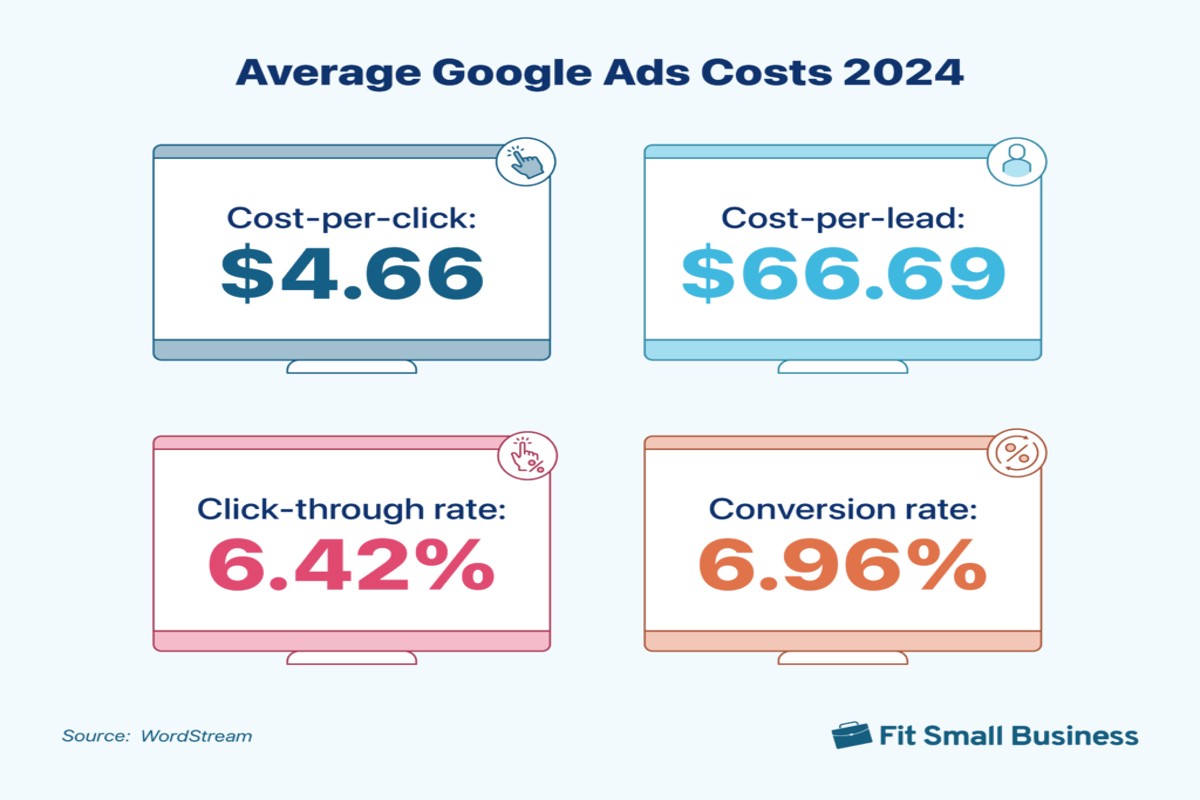
Tracking key performance indicators (KPIs) is essential for evaluating the success of Google Ads campaigns. Common KPIs include click-through rate (CTR), conversion rate, and cost per acquisition (CPA). A significant oversight is failing to monitor these metrics consistently, which can result in missed opportunities for optimization. For instance, campaigns that do not track CTR may overlook low-performing ads that require immediate attention. In 2024, advertisers who actively monitor their KPIs reported a 30% increase in campaign efficiency.
Failing to Adjust Bids and Budgets Regularly
Static bids and budgets can severely limit campaign performance. Google Ads operates in a dynamic environment where competitor actions and market conditions can change rapidly. Regular adjustments based on performance data are crucial. Advertisers should implement a schedule for bid reviews—ideally weekly or bi-weekly—to ensure that spending aligns with campaign goals. Research shows that campaigns that adjust bids based on performance see an average improvement of 25% in return on ad spend (ROAS).
Not Utilizing Negative Keywords Effectively
Negative keywords prevent ads from appearing in irrelevant searches, thereby conserving budget and improving CTR. Many advertisers either overlook this feature or fail to update their negative keyword lists regularly. A well-maintained list can filter out low-quality traffic, ensuring that ad spend is directed toward more relevant searches. A study found that advertisers who actively manage negative keywords can reduce wasted spend by up to 20%.
Ignoring Ad Copy Testing and Optimization
Ad copy is a critical component of Google Ads success. However, many advertisers neglect to test different versions of ad copy, missing out on potential improvements. A/B testing allows for the identification of high-performing headlines and descriptions, ultimately leading to better engagement and conversion rates. Experts recommend testing at least three variations of ad copy simultaneously to determine which resonates best with the target audience. According to recent data, campaigns that regularly test ad copy see a 40% increase in engagement rates.
While these mistakes are common, they can be easily avoided with a strategic approach. Many advertisers mistakenly believe that creating ads and setting a budget is sufficient. However, ongoing management, analysis, and optimization are vital components of a successful Google Ads strategy. Failing to account for the nuances of campaign performance can lead to budgetary inefficiencies and diminished returns.
To implement these insights effectively, advertisers should:
- Establish a routine for monitoring KPIs, adjusting bids, and reviewing budgets.
- Create and maintain a comprehensive list of negative keywords, updating it regularly based on search queries.
- Set up A/B tests for ad copy and analyze results to refine messaging continuously.
By adopting these practices, advertisers can significantly enhance the performance of their Google Ads campaigns and ensure they are charging appropriately for management services based on tangible results and efficiencies gained.
Optimizing Google Ads Campaigns for Better ROI
This section delves into strategies for enhancing the effectiveness of Google Ads campaigns, focusing on maximizing return on investment (ROI). Effective campaign management is crucial, as it directly impacts the profitability of advertising efforts.
Setting Clear Goals and KPIs
Establishing specific goals and key performance indicators (KPIs) is fundamental for a successful Google Ads campaign. Goals should be aligned with overall business objectives, whether it’s increasing sales, generating leads, or boosting brand awareness. Common KPIs include:
- Click-Through Rate (CTR): Measures the effectiveness of ad copy.
- Conversion Rate: Indicates the percentage of users completing desired actions.
- Cost Per Acquisition (CPA): Evaluates the cost-effectiveness of converting leads into customers.
Recent data shows that businesses with clearly defined goals experience up to a 30% higher ROI compared to those without set objectives.
Utilizing A/B Testing for Ads
A/B testing, or split testing, is a method of comparing two versions of an ad to determine which performs better. This process involves:
- Creating two variations of an ad (A and B).
- Running both ads simultaneously in similar conditions.
- Analyzing performance metrics to identify the more effective version.
Effective A/B testing can lead to up to a 20% improvement in ad performance, allowing advertisers to refine their messaging, visuals, and calls to action based on real user data.
Leveraging Audience Targeting Options
Google Ads offers sophisticated audience targeting capabilities, enabling advertisers to hone in on specific demographics, interests, and behaviors. Key targeting options include:
- Demographic Targeting: Focus on age, gender, and household income.
- Affinity Audiences: Reach users based on interests and lifestyle.
- In-Market Audiences: Target users actively researching or considering purchasing specific products.
Utilizing these targeting options can significantly enhance ad relevance and engagement, resulting in more efficient ad spend.
Regularly Reviewing and Adjusting Campaigns
Ongoing campaign optimization is crucial for sustained success. Regularly reviewing campaign performance allows for timely adjustments. Key actions include:
- Analyzing performance data to identify trends and anomalies.
- Adjusting bids based on performance and competition.
- Updating keywords and ad copy to reflect current market conditions.
Studies indicate that campaigns that are actively monitored and adjusted can achieve up to 25% higher ROI than static campaigns.
Many articles on Google Ads management overlook the importance of holistic campaign analysis. Beyond simple metrics, understanding the customer journey and integrating insights from various channels can lead to more informed decision-making. For instance, cross-referencing Google Ads data with website analytics can reveal how ads influence user behavior on-site, guiding further optimization efforts.
To effectively implement these strategies, start by defining specific goals for your campaigns and establishing relevant KPIs. Conduct A/B tests on your ad variations, leverage audience targeting tools, and schedule regular performance reviews. By taking these actions, you can enhance the effectiveness of your Google Ads management, ultimately optimizing how much to charge for Google Ads management based on performance outcomes.
Evaluating the Best How Much To Charge For Google Ads Management
With the Google Ads management market projected to reach $200 billion by 2026, selecting the right provider is crucial for businesses aiming to maximize their advertising ROI. Evaluating options based on specific criteria such as pricing, target audience, and key features can help businesses make informed decisions. Understanding these factors ensures that companies choose the right partner for their digital marketing needs.
| Provider / Option | Best For | Pricing | Key Feature |
|---|---|---|---|
| WordStream | Small to medium businesses | $500 – $2,000/month | User-friendly platform with automation tools |
| Disruptive Advertising | E-commerce businesses | $1,000 – $5,000/month | Data-driven strategies for ROI maximization |
| Ignite Visibility | Large enterprises | $2,500 – $10,000/month | Comprehensive digital marketing services |
| AdVenture Media Group | Startups and new brands | $1,000 – $3,000/month | Tailored strategies for growth |
| WebFX | Full-service marketing needs | $1,500 – $7,000/month | Integrated services with transparent reporting |
Criteria for Evaluating Program Quality
- Target Audience: Identify whether the provider specializes in your industry or business size. This alignment can enhance the effectiveness of your campaigns.
- Pricing Structure: Review the pricing tiers to ensure they fit your budget while meeting your advertising needs. Consider what services are included in each pricing level.
- Key Features: Evaluate the unique features offered by each provider, such as automation tools or data analytics, which can significantly impact campaign performance.
- Service Scope: Determine if the provider offers additional services beyond Google Ads management, such as SEO or social media marketing, which may provide a more integrated approach to your digital strategy.
How to Assess the Reputation and Reliability of Providers
- Check Online Reviews: Look for customer feedback on platforms like Google My Business and Trustpilot to gauge overall satisfaction and service quality.
- Request Case Studies: Ask potential providers for case studies or examples of past work that demonstrate their effectiveness in achieving client goals.
- Evaluate Communication: Assess their responsiveness and clarity during initial discussions, as effective communication is crucial for a successful partnership.
- Ask for References: Request contact information for previous clients to gain insights into their experiences and the provider’s reliability.
- Verify Certifications: Ensure the provider has relevant certifications, such as Google Ads certification, which indicates a level of expertise and commitment to best practices.
Which How Much To Charge For Google Ads Management Is Right for You?
Determining the right pricing model for Google Ads management hinges on your specific business needs, budget, and growth objectives. This decision guide provides tailored recommendations to help you choose the most effective approach for your situation.
Solo freelancer
A flat fee model is ideal for solo freelancers as it ensures predictable income while juggling multiple clients. Charge between $500 to $1,500 per month, depending on the complexity and volume of the campaigns managed. This allows you to maintain a steady cash flow without the unpredictability of performance-based pricing.
Small business owner
For small business owners, a percentage of ad spend is a strategic choice. Typically, this ranges from 10% to 20% of the total ad budget. This model aligns your costs with the growth of the business and incentivizes better campaign performance, allowing you to scale your services as your advertising budget increases.
E-commerce brand
E-commerce brands should consider a performance-based pricing model, where fees are tied to specific metrics such as conversions or sales generated. Implement a structure that charges a base fee plus a 15% commission on sales, ensuring that your interests are aligned with achieving the highest return on investment (ROI) for the campaigns.
Marketing agency
Marketing agencies can benefit from tiered pricing based on the service levels provided. Create packages starting from $1,000 for basic campaign management to $5,000 for comprehensive strategies that include advanced analytics, creative services, and ongoing optimization. This flexibility allows you to cater to a variety of client needs and budgets.
Local service provider
Local service providers should adopt fixed pricing with optional add-ons for local SEO services. Consider a base fee of around $750 per month, with additional charges for local SEO enhancements ranging from $200 to $500, depending on the desired level of optimization. This approach maximizes reach within specific geographic areas while keeping costs predictable.
| If You Are… | Best Approach |
|---|---|
| Solo freelancer | Flat fee model ($500 to $1,500/month) |
| Small business owner | Percentage of ad spend (10% to 20%) |
| E-commerce brand | Performance-based pricing (base fee + 15% of sales) |
| Marketing agency | Tiered pricing ($1,000 to $5,000 based on services) |
| Local service provider | Fixed pricing with local SEO add-ons ($750 + $200 to $500) |
Local Factors Influencing Pricing for Google Ads Management
Understanding how much to charge for Google Ads management requires a keen awareness of local market dynamics. In fact, 76% of people who search for something nearby visit a business within a day, highlighting the importance of tailored advertising strategies for local businesses. Geographic considerations not only affect competition but also influence potential customer engagement and conversion rates.
Geographic Market Differences
In major urban centers like New York City or Los Angeles, the cost of Google Ads management can be significantly higher due to increased competition and demand. Conversely, smaller towns or rural areas may see lower rates and less competition, allowing for more budget-friendly management options. Local businesses in competitive markets should be prepared to invest more to stand out, while those in less saturated areas can effectively manage costs without sacrificing visibility.
Local Business Applications
Local businesses can leverage Google Ads management in various impactful ways, including:
- Targeted promotions for seasonal events or local festivals that drive foot traffic.
- Highlighting location-specific services, such as a plumbing company offering emergency services after hours.
- Using geo-targeting to reach customers within a specific radius, optimizing ad spend and increasing local relevance.
- Implementing call extensions to encourage immediate contact from potential customers searching for services nearby.
Local Search and Visibility Impact
Effective Google Ads management directly correlates with improved local search rankings and visibility. Businesses should take the following actions to maximize their local SEO impact:
- Ensure Google Business Profile (GBP) is fully optimized and regularly updated to reflect accurate information.
- Incorporate local keywords in ad copy to enhance relevance to local search queries.
- Utilize ad scheduling to target peak local search times for increased engagement.
- Monitor ad performance metrics, specifically focusing on local engagement rates and conversions.
Pricing and Cost in Local Markets
Costs for Google Ads management can vary significantly based on geographic location. On average, local businesses might budget between $500 to $2,500 per month for management services, depending on the competitiveness of their market. In comparison, national players may spend upwards of $5,000 monthly due to broader targeting and higher stakes in larger markets. Understanding these differences can help local businesses set realistic budgets that align with their advertising goals.
Local Implementation Checklist:
- Research local competitors to gauge average ad management pricing.
- Optimize your Google Business Profile for better visibility.
- Define clear local advertising goals to inform budget decisions.
- Utilize geo-targeting features in your Google Ads campaigns.
- Regularly review and adjust ad performance based on local engagement data.
- Incorporate seasonal promotions into your ad strategy to attract local customers.
- Consider hiring a local expert familiar with the regional market for tailored strategies.
For How Much To Charge For Google Ads Management businesses looking to generate local leads through Google Ads or Local SEO, GMB Ranger LLC offers hands-on campaign management. Specialist Md Tangeer Mehedi personally handles campaign setup and ongoing optimization — with no payment required until the first lead comes in.
Frequently Asked Questions
What is a fair price for Google Ads management?
A fair price for Google Ads management typically ranges from 10% to 20% of the monthly ad spend. Alternatively, flat fees can be charged, generally starting around $500 per month, depending on the complexity of the campaigns.
How do I determine my Google Ads management fees?
To determine Google Ads management fees, consider factors such as your budget, campaign complexity, and the expertise of the management service. Research industry standards and competitor pricing to establish a competitive rate.
What are the different pricing models for Google Ads management?
Common pricing models for Google Ads management include percentage of ad spend, flat monthly fees, and hourly rates. Each model has its advantages, depending on the client’s needs and the scale of the campaigns.
How much time does Google Ads management take?
The time required for Google Ads management varies based on campaign size and complexity, but it typically involves several hours per week. Ongoing tasks include monitoring performance, adjusting bids, and optimizing ads.
What are best practices for Google Ads management?
Best practices for Google Ads management include conducting thorough keyword research, regularly optimizing ad copy, and utilizing A/B testing. Consistent performance tracking and adjusting strategies based on data are also essential for success.
How often should I optimize my Google Ads campaigns?
Google Ads campaigns should be optimized at least once a month, with more frequent adjustments recommended for active campaigns. Regular reviews of performance metrics help identify areas for improvement and ensure campaign effectiveness.
What common mistakes should I avoid in Google Ads management?
Common mistakes in Google Ads management include neglecting keyword research, failing to use negative keywords, and not tracking conversions. Additionally, overlooking ad performance analysis can lead to wasted budget and missed opportunities.
Final Thoughts on how much to charge for google ads management
Determining fair pricing for Google Ads management requires a nuanced understanding of various factors, including time investment, industry standards, and the specific needs of clients. A well-structured pricing model not only reflects the value provided but also fosters long-term client relationships.
To optimize your pricing strategy, conduct a competitive analysis of similar service providers in your niche and adjust your fees accordingly, ensuring they align with the results you deliver.
Ready to take your advertising strategy to the next level? Discover how the right google ads management agency can help you maximize your ROI today!
Establishing a transparent pricing framework not only enhances your credibility but also empowers clients to make informed decisions, ultimately elevating the quality of Google Ads management in the industry.
Leave a Reply