
Google Ads are a digital advertising platform that allows businesses to display ads on Google search results and its advertising network. They can provide significant ROI, with businesses earning an average of $2 for every $1 spent on Google Ads, making them a powerful tool for driving traffic and conversions.
Understanding the value of Google Ads is crucial for businesses aiming to enhance their online presence and achieve measurable results. In a digital landscape where competition is fierce, leveraging effective advertising strategies can differentiate successful companies from their counterparts. With the global digital advertising market expected to surpass $500 billion by 2023, knowing how to navigate platforms like Google Ads is essential for maximizing marketing budgets.
Failing to grasp the potential of Google Ads can lead to substantial missed revenue opportunities and wasted marketing resources, ultimately placing businesses at a competitive disadvantage. Without effective ad strategies, companies risk falling behind in attracting and retaining customers in an increasingly digital marketplace.
This article will provide a comprehensive analysis of Google Ads, including a comparison of top advertising providers, a detailed cost breakdown, best practices for campaign optimization, and insights into integrating local SEO strategies. Readers will gain the knowledge needed to make informed decisions about their advertising investments.
For Are Google Ads Worth It businesses looking to generate local leads through Google Ads or Local SEO, GMB Ranger LLC offers hands-on campaign management. Specialist Md Tangeer Mehedi personally handles campaign setup and ongoing optimization — with no payment required until the first lead comes in.
What are Google Ads and how do they work?
Google Ads is an online advertising platform that enables businesses to display ads on Google’s search engine results pages and across its advertising network. Advertisers bid on specific keywords, and ads are shown based on a combination of relevance and bid amount. In 2024, Google Ads generated over $250 billion in revenue, highlighting its significance in digital marketing.
The mechanics of Google Ads revolve around an auction system that determines ad placements. When a user performs a search query, Google conducts an auction for the ads relevant to those keywords. Advertisers set a maximum bid for their ads, and the auction considers both the bid amount and the quality of the ad, which is measured by the Quality Score. This score evaluates the relevance of the ad, the expected click-through rate, and the landing page experience.
- Ad Formats: Google Ads offers several formats, including text ads, display ads, shopping ads, and video ads. Each format is tailored to different marketing goals and platforms.
- Targeting Options: Advertisers can target specific demographics, locations, and even user interests. This allows for more effective ad delivery and improved return on investment.
- Performance Metrics: Google Ads provides detailed analytics, allowing advertisers to measure campaign performance through metrics like impressions, clicks, and conversions. This data is crucial for optimizing future ad strategies.
Expert insight: Successful Google Ads campaigns require continuous monitoring and adjustment. Regularly analyzing ad performance and refining targeting strategies can significantly enhance the effectiveness of advertising efforts.
Are Google Ads worth the investment for small businesses?
Yes, Google Ads can be worth the investment for small businesses, particularly due to their ability to generate a measurable return on investment (ROI). In fact, businesses make an average of $2 for every $1 spent on Google Ads, making it a potentially lucrative marketing channel.
When evaluating the worth of Google Ads, small businesses should consider several factors, including target audience, industry type, and campaign objectives. The effectiveness of Google Ads often hinges on how well the ads are tailored to meet specific business goals. For instance, a local service provider may see different results than an e-commerce retailer. Here are some key differences to consider:
- Targeting Capabilities: Google Ads allows for precise targeting based on demographics, interests, and location. Small businesses can reach potential customers actively searching for their products or services.
- Budget Control: Small businesses can set daily budgets and adjust bids to control spending. This flexibility allows for experimentation without significant financial risk.
- Measurable Results: Google Ads provides robust analytics, enabling businesses to track conversions, clicks, and other key metrics. This data helps refine campaigns for better performance.
Case studies illustrate the effectiveness of Google Ads for small businesses. For example, a local plumbing company reported a 50% increase in leads after implementing a targeted Google Ads campaign. Similarly, an online boutique saw a 300% ROI within three months of launching its first Google Ads initiative. These examples highlight how tailored strategies can yield significant returns.
Expert insight: Small businesses should start with a clear strategy, focusing on specific goals and leveraging Google Ads’ targeting features to maximize their investment. Regularly analyzing performance metrics will help refine campaigns and ensure continued success.
How much do google ads cost on average?
The average cost-per-click (CPC) for Google Ads ranges from **$1 to $2** across various industries, with some sectors experiencing costs as high as **$50 or more**. In 2024, the average CPC is projected to increase slightly due to growing competition for ad space.
Several factors influence the cost of google ads, impacting how much businesses pay for their advertising campaigns. Understanding these variables can help advertisers budget effectively and optimize their strategies. Key factors include:
- Industry Competition: Highly competitive industries, such as finance and legal services, typically have higher CPCs. For instance, keywords related to insurance can exceed **$50** per click due to intense bidding.
- Keyword Quality Score: Google evaluates keywords based on relevance and performance. Higher quality scores can lead to lower costs, as Google rewards relevant ads with better placement and lower CPCs.
- Geographic Targeting: Costs can vary significantly based on location. Urban areas with higher consumer demand often have higher CPCs compared to rural regions.
- Ad Format: Different ad formats, such as text ads, shopping ads, or video ads, can have varying costs. Shopping ads, for example, may incur higher costs due to their visual nature and direct selling approach.
Moreover, seasonal trends and campaign objectives can also affect overall costs. For example, during high-demand periods such as holidays, CPCs may spike due to increased competition. Advertisers should continuously monitor and adjust their campaigns based on performance metrics to maximize ROI.
Expert insight:
Successful google ads campaigns require not only a focus on CPC but also strategic keyword selection and continuous optimization efforts to ensure long-term profitability.
How long does it take to see results from Google Ads?
Typically, businesses can expect to see measurable results from Google Ads within 1 to 3 months after launching their campaigns. The specific timeframe can vary based on factors such as campaign type, budget, and industry competition.
Several factors influence how quickly results manifest. First, the type of campaign plays a significant role. Search ads may yield quicker results due to immediate visibility in search results, while display or video campaigns may take longer to build brand awareness and engagement. Additionally, the size of the budget can impact results; higher budgets may facilitate faster data collection and optimization, leading to quicker insights and adjustments.
Another critical factor is the competitiveness of the industry. In highly competitive markets, campaigns may require more time to optimize keywords and ad placements effectively. Moreover, the initial setup of the campaign, including keyword research and ad copy development, can also affect the timeline. Properly configured campaigns that focus on relevant keywords and target audiences tend to generate results more swiftly.
Expert insight: Regularly monitor and adjust your campaigns based on performance data to expedite results. Utilizing A/B testing for ad copy and targeting can significantly enhance campaign effectiveness and speed up the achievement of desired outcomes.
What are the best practices for creating effective Google Ads?
Creating effective Google Ads requires a strategic approach that includes optimizing ad copy, targeting the right audience, and managing your budget efficiently. Following best practices can lead to a significant increase in click-through rates (CTR) and conversions, with studies showing that well-optimized ads can improve CTR by as much as 200%.
To maximize the effectiveness of Google Ads, consider the following best practices:
- Craft Compelling Ad Copy: Use clear, action-oriented language that highlights the unique benefits of your product or service. Incorporate relevant keywords to improve ad relevance and quality score. A/B test different headlines and descriptions to identify which combinations yield the highest engagement.
- Utilize Targeting Options: Leverage Google Ads’ advanced targeting features, such as demographic targeting, location targeting, and remarketing. Tailor your ads to specific audience segments based on their interests and behaviors to enhance relevance and drive higher conversion rates.
-
Implement Effective Budget management:
Set a realistic budget based on your goals and the competitive landscape. Use automated bidding strategies, such as Target CPA or Target ROAS, to optimize spending. Regularly review performance metrics to adjust bids and allocate budget to high-performing campaigns. - Optimize Landing Pages: Ensure that the landing page is relevant to the ad and provides a seamless user experience. Fast-loading pages with clear calls to action (CTAs) can significantly improve conversion rates. Regularly test and update landing pages based on user behavior and feedback.
- Monitor and Analyze Performance: Use Google Ads reporting tools to track key performance indicators (KPIs) such as CTR, conversion rate, and cost per acquisition (CPA). Analyze this data to make informed decisions about ad adjustments and budget reallocations.
Expert insight: Regularly revisiting and refining your Google Ads strategy based on performance data is essential. Continuous optimization can lead to improved ROI, ensuring that your advertising spend is effectively driving business growth.
Can Google Ads be used for local businesses?
Yes, Google Ads can be highly effective for local businesses, enabling them to reach potential customers in their geographic area. In fact, 76% of people who search for something nearby visit a business within a day.
For example, consider a local coffee shop in Austin, Texas, aiming to attract more foot traffic. By creating a targeted Google Ads campaign, the owner can focus on keywords like “best coffee near me” or “Austin coffee shop.” The ads can be set to appear primarily for users searching within a specific radius, such as five miles from the shop’s location. This ensures that the ads reach individuals who are most likely to visit the shop, especially during peak hours or special promotions.
Additionally, local businesses can leverage features such as location extensions, which allow the coffee shop’s address and phone number to be displayed directly in the ads. This not only enhances visibility but also provides essential information to potential customers, making it easier for them to locate the shop. By monitoring metrics like click-through rates and conversions, the business can adjust its strategies to optimize ad performance and maximize return on investment.
Expert insight: Local businesses should regularly refine their keyword targeting and ad copy based on seasonal trends and customer feedback to improve their Google Ads effectiveness and ensure they remain competitive in their market.
Understanding Google Ads Metrics: Key Performance Indicators
This section examines the essential metrics that gauge the effectiveness of Google Ads campaigns. A thorough understanding of these indicators is vital for optimizing ad performance and maximizing return on investment.

Impressions and Click-Through Rates
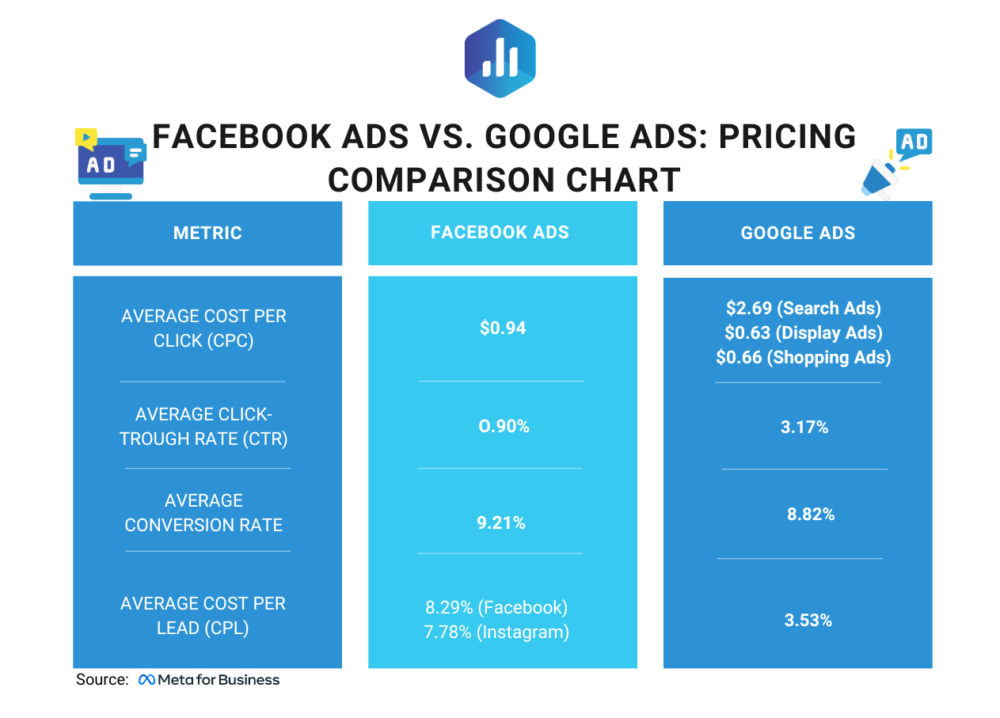
Impressions refer to the number of times an ad is displayed on a search results page or across the Google Display Network. A high number of impressions indicates broad visibility, but the effectiveness is better measured through the click-through rate (CTR). CTR is calculated by dividing the number of clicks an ad receives by the number of impressions. For instance, a CTR of 3% means that 3 out of every 100 people who see the ad click on it. In 2024, the average CTR for Google Ads across all industries is approximately 3.17%, highlighting the importance of compelling ad copy and targeting.
Conversion Rates and ROI Calculation
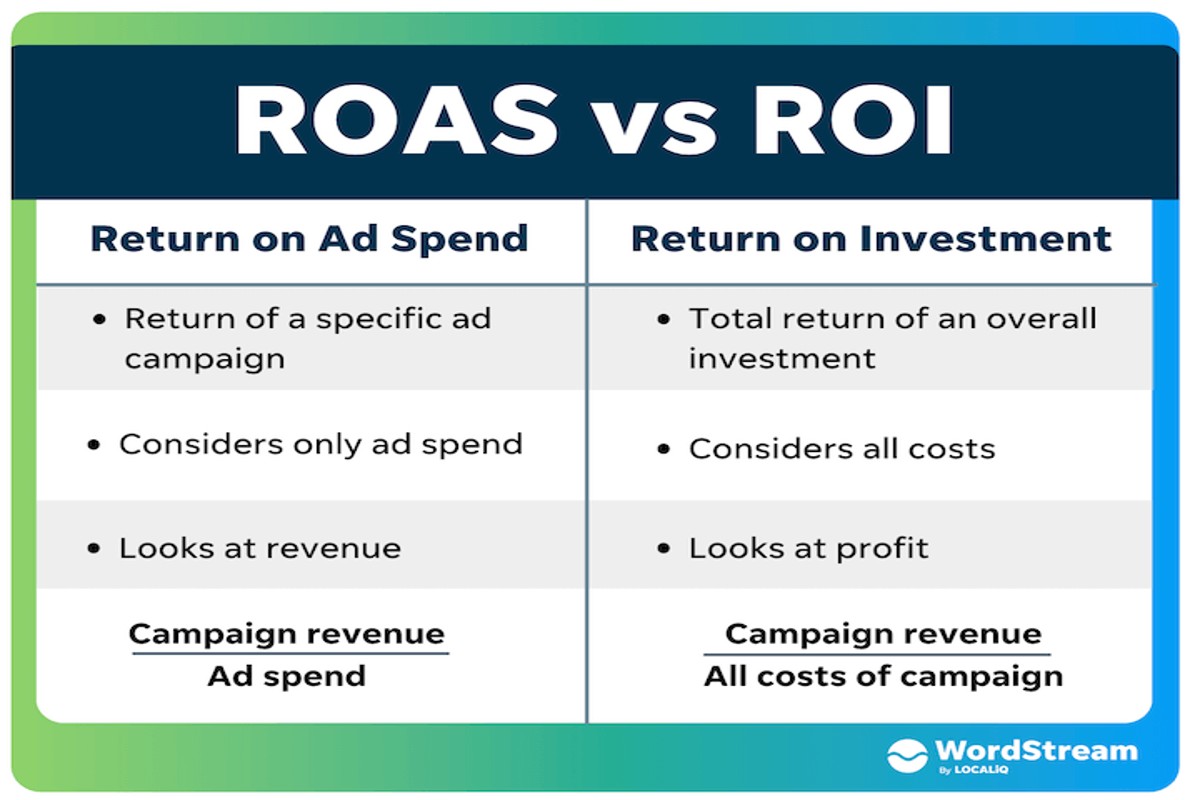
Conversion rate is the percentage of users who take a desired action after clicking on an ad, such as making a purchase or filling out a contact form. A high conversion rate indicates that the ad resonates with the audience and aligns with their intent. To evaluate the effectiveness of a Google Ads campaign, calculating the return on investment (ROI) is essential. The formula for ROI is:
- Calculate total revenue generated from the campaign.
- Subtract the total costs associated with the campaign.
- Divide that figure by the total costs and multiply by 100 to get a percentage.
For example, if a campaign generated $10,000 in revenue at a cost of $2,000, the ROI would be 400%. Achieving a positive ROI is crucial for determining if Google Ads are worth it.
Quality Score and Its Impact on Ad Performance
Quality Score is a critical metric that Google uses to assess the relevance and quality of ads, keywords, and landing pages. Ranging from 1 to 10, a higher Quality Score can lead to lower costs per click and better ad placements. Factors influencing Quality Score include expected CTR, ad relevance, and landing page experience. Advertisers with a Quality Score of 7 or higher typically experience a 20% lower cost per click compared to those with scores below 5, underscoring the importance of optimizing ad content and targeting strategies.
Tracking Tools and Analytics for Campaign Optimization
- Cost per conversion
- Average position of ads
- Search term reports to identify effective keywords
By regularly analyzing these metrics, advertisers can refine their campaigns, adjust bids, and enhance targeting to improve overall performance.
Many articles fail to emphasize the interplay between Quality Score and ad performance. A common misconception is that higher bids guarantee better placements; however, Quality Score plays a more significant role in determining ad visibility. Advertisers must focus on creating relevant ads and optimizing landing pages to enhance Quality Score and achieve better results.
To leverage these insights, marketers should regularly review their Google Ads campaigns. Implement A/B testing for ad variations, utilize audience segmentation to refine targeting, and adjust bidding strategies based on performance metrics. Prioritize optimizing landing pages to ensure a seamless user experience, as this can significantly impact conversion rates and ROI. By actively monitoring and adjusting campaigns based on key metrics, advertisers can maximize the effectiveness of their Google Ads investments.
Common Mistakes to Avoid with Google Ads
Advertisers often encounter pitfalls that hinder the effectiveness of their Google Ads campaigns. Recognizing and avoiding these common mistakes is essential for maximizing return on investment and achieving desired outcomes.
Neglecting to Optimize Landing Pages
Landing pages play a critical role in converting clicks into sales or leads. A well-optimized landing page can increase conversion rates by up to 300%. Common issues include slow loading times, lack of mobile responsiveness, and unclear calls to action. Advertisers must ensure that landing pages align with ad messaging and provide a seamless user experience to reduce bounce rates and enhance engagement.
Poor Keyword Selection and Negative Keywords
Effective keyword selection is foundational for successful Google Ads campaigns. Advertisers often make the mistake of using broad keywords that attract irrelevant traffic, leading to wasted ad spend. Research indicates that campaigns with well-defined negative keywords can improve click-through rates (CTR) by 20%. Negative keywords filter out searches that do not match the business’s offerings, ensuring that ads reach a more relevant audience.
Ignoring Ad Scheduling and Targeting Options
Ad scheduling allows advertisers to display ads at specific times when potential customers are most active. Ignoring these settings can result in wasted impressions and lower engagement. Additionally, precise targeting options, including demographics and geographic locations, enable advertisers to reach their ideal audience. According to recent data, targeted ads can yield a 50% higher conversion rate compared to non-targeted approaches.
Failing to Monitor and Adjust Campaigns Regularly
Google Ads is not a set-it-and-forget-it platform. Regular monitoring and adjustments are crucial for optimizing performance. Advertisers should analyze metrics such as CTR, cost-per-click (CPC), and conversion rates weekly. Campaigns that are actively managed see an improvement in performance metrics by an average of 25% compared to those that are left unmonitored. Adjustments may include tweaking ad copy, reallocating budgets, or experimenting with new keywords.
Nuanced Considerations
Many advertisers mistakenly believe that the highest bid guarantees the best ad placement. However, the Google Ads auction also considers ad relevance and quality. A lower bid can outperform a higher bid if the ad is more relevant to users’ search queries. Additionally, understanding the balance between automated bidding strategies and manual adjustments is crucial. Over-reliance on automation without oversight can lead to suboptimal outcomes.
Practical Application
- Regularly audit and optimize landing pages to align with ad campaigns.
- Conduct thorough keyword research, including the implementation of negative keywords.
- Utilize ad scheduling and precise targeting to maximize audience reach.
- Establish a routine for monitoring campaign performance and making necessary adjustments.
Implementing these strategies will enhance the effectiveness of Google Ads, ultimately addressing whether Google Ads are worth it for your business.
Comparing Google Ads with Other Advertising Platforms
This section evaluates Google Ads in relation to prominent advertising platforms like Facebook and LinkedIn, focusing on critical factors such as targeting capabilities, cost-effectiveness, ad formats, and performance metrics.
Targeting Capabilities and Audience Reach
Google Ads excels in its targeting capabilities, leveraging search intent to reach potential customers actively seeking products or services. Advertisers can use various targeting options, including keywords, location, and demographics. In contrast, Facebook’s targeting primarily relies on user interests, behaviors, and demographics, allowing for a more personalized approach but often lacks the immediacy of search intent. LinkedIn offers robust targeting for B2B advertising, focusing on industry, job title, and company size, catering specifically to professional audiences.
Cost-Effectiveness and Pricing Models
Cost structures vary significantly across platforms. Google Ads operates primarily on a pay-per-click (PPC) model, which means advertisers pay only when users click their ads. The average CPC on Google Ads is approximately $2.69 for search ads, while Facebook Ads average around $0.97 per click. LinkedIn, however, tends to be more expensive, with a CPC ranging from $5 to $9 due to its niche focus and professional audience. This pricing disparity can influence the overall return on investment (ROI) depending on the campaign goals and target audience.
Ad Formats and Creative Options
Google Ads offers several ad formats, including text ads, display ads, shopping ads, and video ads. This versatility allows advertisers to tailor their creative strategies to fit their objectives. Facebook, on the other hand, provides engaging ad formats such as carousel ads, story ads, and collection ads, which are designed to capture user attention in a more visually appealing manner. LinkedIn focuses on sponsored content, message ads, and dynamic ads, catering to a professional context but limiting creative options compared to the other platforms.
Performance Metrics and Reporting Tools
Performance tracking is critical for evaluating ad effectiveness. Google Ads provides comprehensive reporting tools, including conversion tracking, click-through rates (CTR), and impression share. This data enables advertisers to optimize campaigns effectively. Facebook offers similar metrics but emphasizes engagement rates, which may not always correlate with conversions. LinkedIn provides insights primarily focused on engagement and lead generation, which can be beneficial for B2B campaigns but may lack the depth of Google’s analytics.
As of 2024, the global digital advertising market is projected to reach $500 billion, with Google Ads capturing approximately 29% of that market share. This dominance highlights the platform’s effectiveness compared to its competitors.
Common misconceptions suggest that Google Ads is only effective for direct-response campaigns. However, it can also enhance brand awareness and engagement through display and video ads, particularly when integrated with remarketing strategies.
To leverage this information effectively, businesses should analyze their target audience and marketing objectives before selecting an advertising platform. Consider the following steps:
- Define your target audience’s demographics and behaviors.
- Establish clear campaign goals, whether for brand awareness or lead generation.
- Evaluate budget constraints and expected ROI from each platform.
- Test various ad formats and targeting strategies to identify what works best.
Real-World Success Stories: Google Ads in Action
This section explores real-world success stories from diverse businesses that have effectively utilized Google Ads, providing tangible evidence of its potential value. By examining these case studies, readers can gain insights into how various industries leverage Google Ads to achieve their goals.
Small Business Triumph: Local Bakery Case Study
A small bakery in Austin, Texas, named “Sweet Delights,” implemented a Google Ads campaign targeting local customers with search ads. The bakery focused on keywords like “fresh pastries near me” and “custom cakes in Austin.” Within three months, Sweet Delights experienced a 150% increase in foot traffic and a 200% return on ad spend (ROAS). The bakery’s owner reported that Google Ads significantly enhanced brand visibility in a competitive local market.
E-Commerce Success: Google Shopping Ads
An e-commerce business specializing in eco-friendly products, “GreenChoice,” launched a Google Shopping Ads campaign to promote its range of sustainable goods. By optimizing product listings and utilizing high-quality images, GreenChoice achieved a 30% increase in online sales within the first quarter. The campaign’s cost-per-click (CPC) was effectively managed, resulting in a 50% lower CPC compared to previous advertising efforts on social media platforms.
B2B Lead Generation: LinkedIn Ads Integration
A B2B software company, “TechSolutions,” combined Google Ads with LinkedIn Ads to generate high-quality leads. They used Google Ads to capture search intent and LinkedIn Ads for targeted outreach. This multi-channel approach resulted in a 40% increase in qualified leads and a 25% boost in conversion rates over six months. By focusing on both platforms, TechSolutions maximized their reach and engagement across different stages of the customer journey.
Local Business Growth: Targeted Campaigns
A landscaping company, “GreenThumbs,” utilized Google Ads to target local homeowners seeking landscaping services. By implementing geo-targeting and ad scheduling, GreenThumbs achieved a threefold increase in service inquiries. The campaign focused on specific services like lawn maintenance and garden design, leading to a 60% increase in appointment bookings during peak seasons, demonstrating the effectiveness of targeted advertising.
Nuance in Google Ads Success
While many businesses report success with Google Ads, misconceptions about its effectiveness in certain industries persist. Some believe that Google Ads is not suitable for niche markets or small budgets. However, tailored strategies can yield significant results, even in competitive or specialized sectors. Proper keyword research and ad optimization are essential for maximizing ROI. Additionally, businesses often overlook the value of retargeting ads, which can enhance customer engagement and conversion rates by reminding potential customers of their previous interactions.
Practical Application: Steps to Implement Google Ads
- Define clear objectives for your Google Ads campaign.
- Conduct thorough keyword research to identify relevant search terms.
- Create targeted ad groups based on specific products or services.
- Utilize ad extensions to enhance visibility and provide additional information.
- Monitor campaign performance regularly and adjust bids and keywords accordingly.
By applying these steps, businesses can leverage the insights gained from these success stories to effectively assess whether Google Ads are worth it for their specific needs and objectives.
Evaluating the Best Are Google Ads Worth It
With digital advertising projected to reach $645 billion by 2026, understanding the landscape of available options is crucial for businesses. Comparing providers helps identify the most effective channels for specific needs, such as budget constraints and target audiences. Evaluating factors like pricing, targeting capabilities, and audience reach can significantly impact overall advertising success.
| Provider / Option | Best For | Pricing | Key Feature |
|---|---|---|---|
| Google Ads | All business sizes and types | Pay-per-click model, average CPC $1-$2 | Extensive reach and targeting options |
| Bing Ads | Cost-effective alternative | Pay-per-click model, average CPC $1-$3 | Lower competition than Google |
| Facebook Ads | Visual product promotion | Pay-per-click or pay-per-impression, average CPC $0.97 | Robust targeting based on user behavior |
| LinkedIn Ads | B2B marketing | Pay-per-click, average CPC $5-$6 | Professional audience targeting |
| Amazon Advertising | E-commerce businesses | Pay-per-click, average CPC $0.75-$2 | Direct access to shoppers |
| AdRoll | Retargeting campaigns | Varies, average CPC $1-$3 | Cross-platform retargeting |
Criteria for Evaluating Program Quality
- Targeting Capabilities: Evaluate how well the platform allows you to reach specific demographics, interests, and behaviors. Advanced targeting can lead to higher conversion rates.
- Cost-Effectiveness: Compare the average cost-per-click (CPC) among providers. Lower CPCs can stretch your budget further, but consider the quality of leads generated.
- Ad Formats Available: Different platforms offer various ad formats (text, image, video). Choose one that aligns with your marketing strategy and product presentation.
- Analytics and Reporting: Robust analytics tools help track performance metrics. Ensure the provider offers detailed insights to optimize campaigns effectively.
How to Assess the Reputation and Reliability of Providers
- Research Online Reviews: Look for reviews and ratings on independent platforms to gauge customer satisfaction and performance history.
- Check Case Studies: Review case studies or success stories provided by the provider to understand their effectiveness in real-world scenarios.
- Evaluate Customer Support: Contact customer support with inquiries to assess responsiveness and quality of service before committing.
- Analyze Industry Recognition: Look for awards or recognitions within the advertising industry that validate the provider’s credibility.
- Seek Recommendations: Ask peers or industry professionals for their experiences and recommendations regarding various advertising platforms.
Which Are Google Ads Worth It Is Right for You?
The effectiveness of Google Ads hinges on your specific business needs, budget constraints, and marketing goals. This guide will help you determine the most suitable Google Ads strategy tailored to your audience type.
Small businesses
For small businesses, Google Ads can be particularly effective when focusing on targeted local campaigns. Using location-based keywords, businesses can set a flexible daily budget ranging from $10 to $50, ensuring they reach potential customers in their specific geographic area. This approach maximizes visibility and drives foot traffic to physical locations.
E-commerce stores
E-commerce stores should take advantage of Google Shopping ads, which allow products to appear prominently in search results with images and prices. Implementing a Shopping campaign can cost anywhere from $1 to $3 per click, depending on the competitiveness of the product category. This format directly showcases products to interested buyers, significantly enhancing conversion rates.
B2B companies
B2B companies are best served by leveraging LinkedIn Ads for precise targeting of business professionals. While not a Google Ads product, combining Google Ads with LinkedIn’s targeting options can reach specific industries and job titles effectively. Allocating a budget of $500 to $2,000 per month can yield high-quality leads when utilizing LinkedIn’s sponsored content alongside Google remarketing strategies.
Freelancers
Freelancers can benefit from using Google Ads to promote local services, targeting potential clients within their vicinity. By utilizing location-specific keywords, freelancers can spend between $10 and $30 per day to appear in local search results. This method effectively attracts nearby clients looking for specific services, enhancing visibility and generating immediate inquiries.
| If You Are… | Best Approach |
|---|---|
| A small business | Targeted local campaigns with a flexible budget |
| An e-commerce store | Google Shopping ads for product visibility |
| A B2B company | LinkedIn Ads for precise targeting |
| A freelancer | Local service promotion through Google Ads |
Local Considerations for Evaluating the Worth of Google Ads
Understanding the local market dynamics is crucial when assessing whether Google Ads are worth it for your business. In fact, 46% of all Google searches are seeking local information, highlighting the importance of targeting local customers effectively. For local businesses, the right advertising strategy can significantly enhance visibility and drive foot traffic.
Geographic Market Differences
In larger cities like Los Angeles or New York, competition for Google Ads can be fierce, often driving up costs per click (CPC) due to higher demand. Conversely, businesses in smaller towns or less competitive markets may find that Google Ads provide a more cost-effective way to reach local customers. It’s essential for businesses to tailor their ad strategy to their specific market conditions and competition levels.
Local Business Applications
Local businesses can leverage Google Ads to achieve targeted outcomes that resonate with their communities. Here are some specific applications:
- Promoting Local Events: Businesses can use Google Ads to advertise community events, such as a local fair or workshop, increasing attendance and engagement.
- Seasonal Promotions: Local retailers can run ads highlighting seasonal sales or holiday promotions, attracting shoppers who are looking for timely offers.
- Service Area Targeting: Service-based businesses, like plumbers or electricians, can target ads to specific neighborhoods, ensuring they reach potential customers in their service area.
- Google Business Profile Integration: Ads can drive traffic to a business’s Google Business Profile, enhancing visibility and improving local SEO efforts.
Local Search and Visibility Impact
Google Ads play a pivotal role in improving local search rankings and visibility. To maximize the impact of Google Ads, local businesses should:
- Optimize their Google Business Profile with accurate information and engaging visuals to complement ad campaigns.
- Incorporate local keywords in ad copy to enhance relevance for local searches.
- Encourage customer reviews to boost credibility and improve visibility in local search results.
- Monitor ad performance regularly to adjust targeting and bidding strategies based on local market trends.
Pricing and Cost in Local Markets
The cost of Google Ads can vary significantly based on geographic location. In competitive urban areas, CPC can range from $3 to $10 or more, while in smaller towns, costs may be as low as $1 to $3 per click. Local businesses should budget accordingly, allocating $500 to $2,000 monthly based on their market size and advertising goals, compared to national players who may invest significantly more.
Local Implementation Checklist:
- Research local competition and adjust bidding strategy accordingly.
- Set up location-based targeting in Google Ads.
- Regularly update Google Business Profile to reflect current promotions.
- Utilize ad extensions to provide more information to potential customers.
- Track and analyze ad performance metrics to refine future campaigns.
- Encourage satisfied customers to leave positive reviews.
- Test different ad formats to see which resonates best with local audiences.
For Are Google Ads Worth It businesses looking to generate local leads through Google Ads or Local SEO, GMB Ranger LLC offers hands-on campaign management. Specialist Md Tangeer Mehedi personally handles campaign setup and ongoing optimization — with no payment required until the first lead comes in.
Frequently Asked Questions
What are Google Ads and how do they work?
Google Ads is an online advertising platform that allows businesses to display ads on Google’s search results and its advertising network. Advertisers bid on keywords, and ads are shown based on relevance and bid amount.
Are Google Ads worth the investment for small businesses?
Google Ads can be a valuable investment for small businesses, providing targeted exposure and measurable results. However, success depends on effective campaign management and budget allocation.
How much do Google Ads cost on average?
The average cost of Google Ads varies widely, typically ranging from $1 to $2 per click for search ads. Costs are influenced by factors such as industry competition and keyword selection.
How long does it take to see results from Google Ads?
Results from Google Ads can often be seen within a few hours to a few days, depending on the campaign setup and keyword competition. However, optimizing campaigns for better performance may take longer.
What are the best practices for creating effective Google Ads?
Effective Google Ads should include relevant keywords, compelling ad copy, and strong calls-to-action. Regularly testing and optimizing ads based on performance data is also essential for success.
Can Google Ads be used for local businesses?
Yes, Google Ads is an effective tool for local businesses, allowing them to target specific geographic areas. Utilizing location-based targeting can help attract nearby customers and increase foot traffic.
Final Thoughts on are google ads worth it
Investing in Google Ads can yield significant returns when approached strategically, particularly for small businesses aiming to enhance visibility and drive targeted traffic. The effectiveness of this platform hinges on a deep understanding of metrics, careful budget management, and consistent optimization to avoid common pitfalls.
To maximize the potential of Google Ads, conduct a thorough analysis of your target audience and set specific, measurable goals before launching your first campaign. This foundational step will help tailor your advertising strategy for optimal impact and ROI.
Curious about how to maximize your online marketing efforts? Reach out to a google ads agency today and discover the potential of targeted advertising!
Mastering Google Ads is essential for businesses looking to thrive in an increasingly competitive digital landscape, as it offers unparalleled access to potential customers actively seeking your products or services.
Leave a Reply