
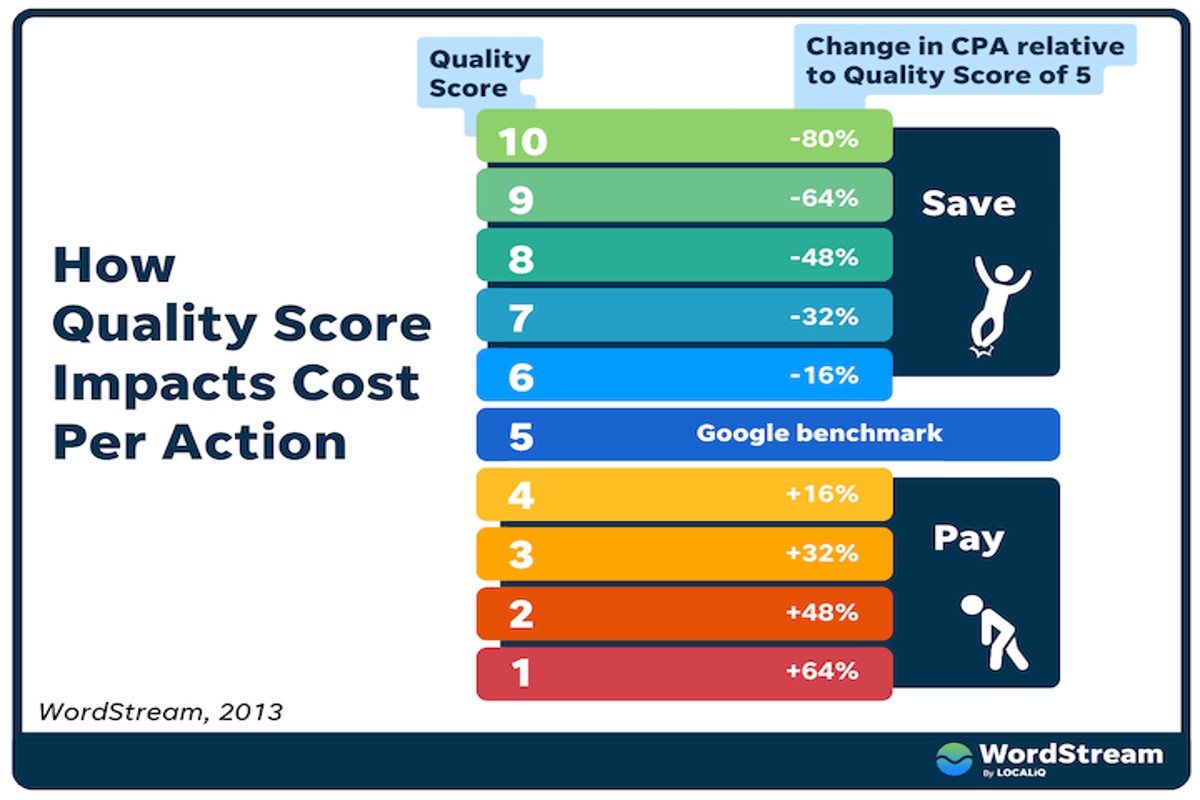
CPA in Google Ads refers to Cost Per Acquisition, which is the amount spent to acquire a customer through advertising. It helps advertisers measure the effectiveness of their campaigns.
Understanding CPA is crucial for businesses aiming to optimize their advertising budgets and improve return on investment. Miscalculating or neglecting CPA can lead to overspending and ineffective marketing strategies, ultimately impacting profitability.
This guide will delve into how to calculate CPA, its importance in campaign management, and strategies for optimizing CPA to enhance advertising performance.
What does CPA mean in Google Ads?
CPA stands for Cost Per Acquisition in Google Ads, which refers to the amount an advertiser pays for each conversion generated from their ads. This metric is crucial for evaluating the effectiveness of advertising campaigns, as it directly relates to the cost of acquiring a new customer or lead. A lower CPA indicates a more efficient campaign, while a higher CPA may suggest the need for optimization.
CPA is significant because it helps advertisers manage their budgets and assess the return on investment (ROI) of their campaigns. By setting a target CPA, businesses can control their spending and ensure that their advertising efforts align with overall marketing goals. Various factors can influence CPA, including ad quality, targeting options, and bidding strategies.
- Ad Quality: Higher quality ads tend to have lower CPAs due to better engagement and conversion rates.
- Targeting: Effective audience targeting can lead to higher conversion rates, thereby reducing CPA.
- Bidding Strategies: Choosing the right bidding strategy, such as Target CPA bidding, can help optimize costs based on performance data.
Advertisers can utilize CPA as a benchmark for their campaigns, allowing them to make data-driven decisions. Regularly monitoring CPA helps in identifying trends and adjusting strategies to improve overall performance.
Expert Tip: Experiment with different ad formats and messaging to see how they impact CPA, as variations can lead to significant differences in conversion rates and costs.
How do I set up CPA bidding in Google Ads?
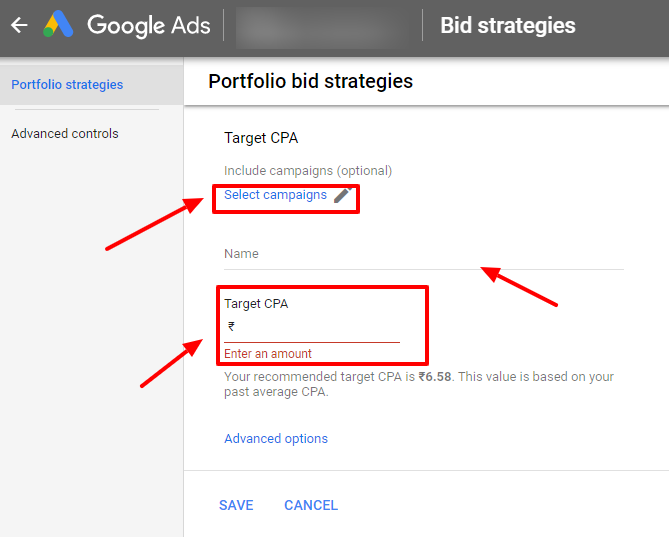
To set up CPA (Cost Per Acquisition) bidding in Google Ads, navigate to your campaign settings and select the bidding strategy. You will need to specify your target CPA, which is the average amount you are willing to pay for a conversion.
- Log into your Google Ads account. Start by accessing your Google Ads dashboard and selecting the campaign you want to adjust.
- Navigate to the campaign settings. Click on the “Settings” tab within your selected campaign to access various configuration options.
- Select Bidding options. Under the “Bidding” section, click on the drop-down menu to explore available bidding strategies.
- Choose Target CPA. From the list of options, select “Target CPA” to enable CPA bidding for your campaign.
- Set your target CPA. Enter the maximum amount you are willing to pay for each conversion. This figure should be based on your business goals and historical data.
- Save your changes. After inputting your target CPA, click the “Save” button to apply the new bidding strategy to your campaign.
Once CPA bidding is enabled, Google Ads will automatically optimize your bids to achieve your target CPA. It’s essential to monitor your campaign performance regularly to ensure that your target CPA aligns with your conversion goals and ROI.
Expert Tip: Consider starting with a broader target CPA and gradually refining it based on actual performance data. This approach allows the algorithm to gather enough information to optimize effectively.
What is the difference between CPA and CPC in Google Ads?
Cost Per Acquisition (CPA) and Cost Per Click (CPC) are two distinct pricing models in Google Ads. CPA measures the cost of acquiring a customer after they complete a desired action, while CPC focuses on the cost incurred for each click on an ad, regardless of whether the click leads to a conversion. Understanding these differences is crucial for effective campaign management.
CPA is used predominantly in performance-based advertising, where the primary goal is to drive conversions. Advertisers set a target CPA, which informs Google Ads how much they are willing to pay for each conversion. This model is beneficial for campaigns where the end goal is to generate leads or sales, as it optimizes for users who are more likely to convert. In contrast, CPC is typically employed in awareness and traffic-driven campaigns. Advertisers pay each time a user clicks on their ad, making it suitable for campaigns focused on generating traffic to a website or increasing brand visibility.
The key differences between CPA and CPC can be summarized as follows:
- Cost Structure: CPA is based on conversions, while CPC is based on clicks.
- Campaign Goals: CPA is ideal for conversion-focused campaigns, whereas CPC is better for driving traffic.
- Optimization Strategy: CPA campaigns optimize for users likely to convert, while CPC campaigns focus on maximizing click volume.
Advertisers must choose the model that aligns with their campaign objectives. For instance, if the primary goal is to increase sales, employing CPA can provide more efficient spending. Conversely, for building brand awareness, a CPC approach may be more appropriate.
Expert Tip: Regularly analyze conversion rates and click-through rates to refine your bidding strategy. Adjusting bids based on performance metrics can lead to improved ROI and campaign effectiveness.
How much should I set my CPA target in Google Ads?
The recommended target for Cost Per Acquisition (CPA) in Google Ads typically ranges between $10 to $50, depending on your industry and business model. However, the ideal CPA target will vary based on multiple factors, including your profit margins and specific campaign goals.
Several elements influence how you should set your CPA targets. First, your industry plays a significant role; some sectors, like e-commerce, may have lower CPAs due to higher sales volumes, while others, like finance or healthcare, often see higher CPAs because of the value of each conversion. Additionally, the competition within your niche can affect costs; if many advertisers compete for the same keywords, this can drive up CPA rates. Your conversion rate is another critical factor; higher conversion rates can justify a higher CPA, as you are achieving more conversions for your spend.
- Target Audience: Understanding the demographics and behaviors of your audience can help refine your CPA. A well-defined target may yield better conversion rates.
- Sales Cycle: Longer sales cycles may require higher CPA targets, as more touchpoints are needed to close a sale.
- Ad Quality: Higher quality ads can improve click-through rates and conversion rates, potentially lowering your CPA.
Finally, consider your overall marketing strategy. If your business model allows for a higher customer lifetime value (CLV), you may opt for a higher CPA target if it leads to long-term profitability. Regularly analyzing performance data will help in adjusting your CPA targets effectively.
Expert Tip: Continuously monitor and optimize your campaigns. A/B testing different ad creatives and landing pages can significantly impact your CPA, allowing you to achieve better results over time.
How long does it take to see results from CPA in Google Ads?
Typically, advertisers can expect to see results from Cost Per Acquisition (CPA) bidding in Google Ads within 1 to 3 weeks. The actual timeline can vary significantly based on several factors, including campaign settings, budget, and the competitive landscape of the industry.
Several factors influence how quickly results can be observed. First, the learning phase of a campaign generally lasts around 7 days, during which Google Ads gathers data to optimize performance. During this period, performance may fluctuate as the system identifies ideal target audiences and adjusts bids accordingly. Additionally, the amount of traffic and conversions your ads receive will impact how quickly you can assess performance. Higher traffic levels can lead to quicker insights.
Another important consideration is the nature of the product or service being advertised. For instance, campaigns for high-ticket items may take longer to generate conversions due to the longer decision-making process associated with such purchases. Conversely, campaigns for lower-cost items may yield results more quickly. Furthermore, seasonal trends and market demand can also affect the speed of results. Advertisers should be aware of these variables and adjust their expectations accordingly.
Optimizing ad creatives and targeting can also accelerate the timeline for seeing results. Regularly reviewing campaign performance and making necessary adjustments can lead to improved outcomes faster.
Expert Tip: To enhance your CPA results, consider using A/B testing for ad variations and landing pages. This allows for data-driven decisions that can optimize performance sooner, ultimately reducing the time to see meaningful results.
What are the best practices for optimizing CPA in Google Ads?
Optimizing Cost Per Acquisition (CPA) in Google Ads involves implementing strategies that enhance campaign efficiency and drive down costs. By focusing on specific techniques, advertisers can achieve better performance and maximize their return on investment. The following best practices offer actionable steps to improve CPA in advertising campaigns.
- Utilize Target CPA Bidding: Set a target CPA that aligns with your business goals. Google Ads will automatically adjust bids to help achieve the desired CPA, making it easier to control costs while maximizing conversions.
- Refine Audience Targeting: Use detailed audience segmentation to reach potential customers more effectively. Leverage demographics, interests, and behaviors to tailor ads to those most likely to convert.
- Optimize Ad Copy and Landing Pages: Ensure that ad copy is compelling and relevant to your target audience. Similarly, landing pages should be optimized for conversion, with clear calls-to-action and streamlined navigation.
- Implement Conversion Tracking: Set up conversion tracking to measure the effectiveness of campaigns accurately. This data-driven approach allows for adjustments based on real performance metrics, leading to more informed decisions.
- Continuously A/B Test: Regularly conduct A/B testing on ads, landing pages, and bidding strategies. Testing different variables helps identify what resonates best with your audience, leading to improved CPA over time.
These strategies focus on maximizing ad performance through targeted efforts and data-driven insights. A thorough understanding of audience behavior and campaign metrics is crucial for sustained optimization. Regular reviews and adjustments based on campaign performance will also contribute significantly to lowering CPA.
Expert Tip: Monitor the Quality Score of your ads, as a higher Quality Score can lead to lower CPCs and, consequently, a reduced CPA. Focus on improving ad relevance, landing page experience, and expected click-through rate to enhance overall campaign efficiency.
Can I use CPA for non-e-commerce campaigns in Google Ads?
Yes, CPA can be used for non-e-commerce campaigns in Google Ads. While it is commonly associated with online retail, CPA (Cost Per Acquisition) is applicable to any campaign where a specific action is desired, such as lead generation, app downloads, or event registrations.
For example, consider a software company aiming to generate leads for a new product. They can set up a Google Ads campaign targeting relevant keywords related to their software solution. By optimizing for CPA, they can focus on acquiring qualified leads, such as users who fill out a contact form or request a demo. The CPA bidding strategy will help the company allocate its budget efficiently, ensuring they only pay when a desired action is completed, regardless of whether that action involves a direct purchase.
Another scenario could involve a nonprofit organization running a campaign to encourage donations or volunteer sign-ups. By employing a CPA strategy, the organization can target individuals likely to convert into donors or volunteers based on their previous online behavior. This allows them to maximize their advertising spend by focusing on users who are more likely to engage with their cause, enhancing overall campaign effectiveness.
Expert Tip: When utilizing CPA for non-e-commerce campaigns, ensure that tracking and conversion metrics are accurately set up in Google Ads. This will enable precise measurement of campaign performance and help in optimizing bids for the best return on investment.
Advanced Strategies for Optimizing CPA in Google Ads
This section delves into sophisticated tactics that enhance Cost Per Acquisition (CPA) outcomes in Google Ads. By leveraging audience insights, remarketing, conversion analysis, and automation tools, advertisers can significantly improve their return on investment.
Utilizing Audience Targeting for Better CPA Outcomes
Effective audience targeting is critical for optimizing CPA. By defining specific demographics, interests, and behaviors, advertisers can tailor their campaigns to reach the most relevant prospects. Utilize the following targeting options:
- In-market audiences: Target users actively searching for products or services similar to yours.
- Affinity audiences: Reach groups based on their interests and lifestyle choices.
- Custom segments: Create audiences based on specific criteria, such as past website interactions or app usage.
Refining audience targeting not only improves engagement but also reduces wasted ad spend, leading to a lower CPA.
Implementing Remarketing Strategies to Lower CPA
Remarketing is a powerful strategy for re-engaging users who have previously interacted with your brand. By reminding these users of your offerings, you can encourage conversions while keeping acquisition costs low. Key tactics include:
- Dynamic remarketing: Show personalized ads featuring products users viewed on your site.
- Segmented lists: Create tailored remarketing lists based on user behavior, such as cart abandoners or frequent visitors.
- Frequency capping: Limit how often ads are shown to prevent ad fatigue among users.
These strategies can significantly enhance conversion rates and reduce CPA by targeting an already interested audience.
Analyzing Conversion Paths to Refine CPA Tactics
Understanding the conversion paths that lead users to complete a purchase provides valuable insights for optimizing CPA. Analyze data from Google Analytics to identify:
- Top-performing channels: Determine which traffic sources yield the highest conversions.
- Common user journeys: Map out the sequence of touchpoints that guide users to conversion.
- Drop-off points: Identify stages where potential customers lose interest and refine those touchpoints.
By leveraging this data, advertisers can adjust their campaigns and allocate budgets more effectively, ultimately lowering CPA.
Leveraging Automation Tools for CPA Optimization
Google Ads offers various automation features designed to enhance campaign efficiency and optimize CPA. These tools can help reduce manual efforts and improve performance through:
- Smart Bidding: Use machine learning algorithms to automatically adjust bids based on the likelihood of conversion.
- Responsive search ads: Automatically test different ad combinations to find the most effective messaging.
- Automated rules: Set conditions for adjusting bids or pausing underperforming ads to maintain a favorable CPA.
Automation not only saves time but also allows for real-time adjustments based on performance data.
Beyond basic strategies, advertisers must recognize that optimizing CPA requires a holistic approach. For instance, relying solely on automated bidding without understanding audience nuances can lead to suboptimal results. Additionally, many overlook the significance of integrating offline conversion data, which can provide a more comprehensive view of customer behavior and improve CPA insights.
To effectively implement these strategies, advertisers should start by analyzing their current audience segments and performance data. Next, develop a remarketing plan that targets users based on their interactions. Regularly review conversion paths to identify optimization opportunities, and incorporate automation tools to streamline your bidding and ad creation processes. By taking these actionable steps, advertisers can significantly enhance their CPA performance in Google Ads.
Common Mistakes to Avoid with CPA in Google Ads
Advertisers often encounter pitfalls when setting and managing their Cost Per Acquisition (CPA) in Google Ads. Recognizing these common mistakes can significantly enhance campaign performance and lead to more effective budget management.

Setting Unrealistic CPA Targets
One of the most frequent errors is establishing unrealistic CPA targets. Advertisers may aim for a CPA that is significantly lower than their historical performance or industry benchmarks. This can lead to poor ad placements, reduced visibility, and ultimately lower conversion rates. Instead, set achievable CPA goals based on previous data and market conditions to ensure campaigns remain competitive and effective.
Neglecting to Test Ad Creatives and Landing Pages
Another critical mistake is failing to test different ad creatives and landing pages. Without ongoing A/B testing, advertisers miss opportunities to optimize their campaigns. Variations in headlines, images, call-to-action buttons, and landing page layouts can significantly influence conversion rates and, consequently, CPA. Implement a systematic testing approach to refine ad elements and improve overall performance.
Failing to Monitor Performance Metrics Regularly
Regular monitoring of performance metrics is essential to maintaining an effective CPA strategy. Advertisers often overlook this aspect, allowing campaigns to run without adjustments based on performance data. Key metrics to track include click-through rates (CTR), conversion rates, and overall ad spend. Set a routine to review these metrics weekly or bi-weekly to identify trends and make data-driven adjustments.
Ignoring Seasonality and Market Trends Affecting CPA
Seasonality and market trends can have a profound impact on CPA. Advertisers who neglect to account for these factors may set CPA targets that do not reflect real-time market conditions. For instance, the holiday shopping season can inflate competition, leading to higher CPAs. Stay informed about industry trends and adjust bids and targets accordingly to align with market dynamics.
Nuanced Considerations
Beyond these common mistakes, some advertisers may mistakenly believe that a lower CPA always equates to better performance. This misconception can lead to underbidding on valuable keywords or audiences. Additionally, while focusing on CPA, it’s critical to consider Customer Lifetime Value (CLV). A high CPA may be justified if the customer brings significant long-term value. Balancing CPA with CLV can lead to more sustainable advertising strategies.
Practical Application
To avoid these pitfalls, establish a clear process for managing CPA in Google Ads. Follow these actionable steps:
- Analyze historical data to set realistic CPA targets based on industry benchmarks.
- Implement A/B testing for ad creatives and landing pages to identify what resonates with your audience.
- Set up a regular schedule for performance reviews, focusing on key metrics that impact CPA.
- Stay updated on market trends and adjust your CPA strategy to accommodate seasonal fluctuations.
By adhering to these guidelines, advertisers can enhance their CPA management, leading to improved campaign effectiveness and better return on investment.
Real-World Case Studies: Successful CPA Campaigns
This section examines real-world examples of effective CPA (Cost Per Acquisition) campaigns, highlighting strategies that led to success and illustrating both triumphs and pitfalls in various industries.

E-Commerce Brand Achieving Lower CPA
A leading e-commerce brand, specializing in outdoor gear, implemented a CPA-focused campaign to enhance customer acquisition. By utilizing advanced audience targeting and remarketing strategies, the brand reduced its CPA from $50 to $30 within three months. Key tactics included:
- Dynamic remarketing: Targeting previous visitors with tailored ads based on their browsing behavior.
- Lookalike audiences: Leveraging existing customer data to create profiles of potential new customers.
- A/B testing: Continuously testing ad creatives and landing pages to optimize conversion rates.
This focused approach not only reduced costs but also increased the return on ad spend (ROAS) significantly.
Insights from a Service-Based Business
A digital marketing agency sought to optimize its CPA by refining its ad strategies. Initially facing a CPA of $100, they adopted a multi-channel approach, integrating Google Ads with social media platforms. Their strategies included:
- Keyword optimization: Focusing on long-tail keywords that attracted more qualified leads.
- Geotargeting: Tailoring campaigns to specific regions where demand was higher.
- Ad scheduling: Running ads during peak hours to maximize engagement.
As a result, the agency successfully reduced its CPA to $60 while increasing lead quality and overall client satisfaction.
Lessons from Failed CPA Campaigns
Not all CPA campaigns lead to success. A notable case involved a software company that initially set an unrealistic CPA goal. Their initial strategy relied heavily on broad targeting, leading to a CPA of $150. After analyzing performance, they identified several missteps:
- Overly broad audience targeting: This resulted in low conversion rates.
- Neglecting ad copy: The messaging did not resonate with the intended audience.
- Lack of tracking: Inadequate measurement of key performance indicators (KPIs) hindered optimization efforts.
After pivoting their approach to focus on specific customer segments and enhancing ad relevance, they managed to recover and lower their CPA to $90 within six months.
Comparative Analysis of CPA Success Across Industries
Success with CPA campaigns varies significantly across industries. For instance:
- E-commerce: Typically sees lower CPAs due to straightforward purchase paths and high conversion rates.
- Service-based businesses: Often face higher CPAs due to longer sales cycles and the need for trust-building.
- Technology: Can experience fluctuating CPAs, influenced by rapid market changes and competition.
Understanding these dynamics allows businesses to set realistic CPA goals and tailor their strategies accordingly.
Effective CPA campaign management requires continuous testing, audience analysis, and strategic adjustments. Businesses should focus on refining their targeting, improving ad relevance, and leveraging data insights to drive down acquisition costs. Implementing these strategies can lead to substantial improvements in CPA and overall marketing ROI.
Frequently Asked Questions
What does CPA mean in Google Ads?
CPA stands for Cost Per Acquisition in Google Ads. It refers to the amount spent on advertising to acquire a customer or lead, making it a key metric for measuring campaign effectiveness.
How do I set up CPA bidding in Google Ads?
To set up CPA bidding, navigate to your campaign settings in Google Ads and select “Target CPA” under the bidding options. Enter your desired CPA target, and Google will optimize your bids to achieve that cost per conversion.
What is the difference between CPA and CPC in Google Ads?
CPA (Cost Per Acquisition) focuses on the cost incurred to acquire a customer, while CPC (Cost Per Click) measures the cost for each click on your ad. CPA is more conversion-focused, whereas CPC is primarily about traffic generation.
How much should I set my CPA target in Google Ads?
Your CPA target should be based on your profit margins and the value of a conversion. Analyze historical data to determine a realistic target that aligns with your overall marketing goals.
How long does it take to see results from CPA in Google Ads?
Results from CPA bidding can typically be seen within a few weeks, depending on your campaign’s budget and traffic volume. However, it may take longer to optimize fully and achieve consistent performance.
What are the best practices for optimizing CPA in Google Ads?
Best practices for optimizing CPA include regularly reviewing and adjusting your target CPA, using negative keywords, and analyzing ad performance to identify high-converting segments. Continuously test ad creatives and landing pages to improve conversion rates.
Can I use CPA for non-e-commerce campaigns in Google Ads?
Yes, CPA can be effectively used for non-e-commerce campaigns, such as lead generation or sign-ups. The key is to define what constitutes a conversion for your specific goals and optimize accordingly.
Final Thoughts on what is cpa in google ads
Cost Per Acquisition (CPA) is a pivotal metric in Google Ads that enables advertisers to optimize their campaigns for maximum efficiency and return on investment. By understanding and effectively managing CPA, businesses can drive targeted traffic and convert leads into customers, ensuring that marketing budgets are utilized wisely.
To enhance your CPA strategy, conduct a thorough analysis of your historical campaign data to set realistic and data-driven CPA targets. This will provide a solid foundation for future bidding strategies and help refine your approach to maximize conversions.
Mastering CPA in Google Ads is essential for any digital marketer aiming to achieve sustained growth and profitability in an increasingly competitive online landscape.
Leave a Reply