
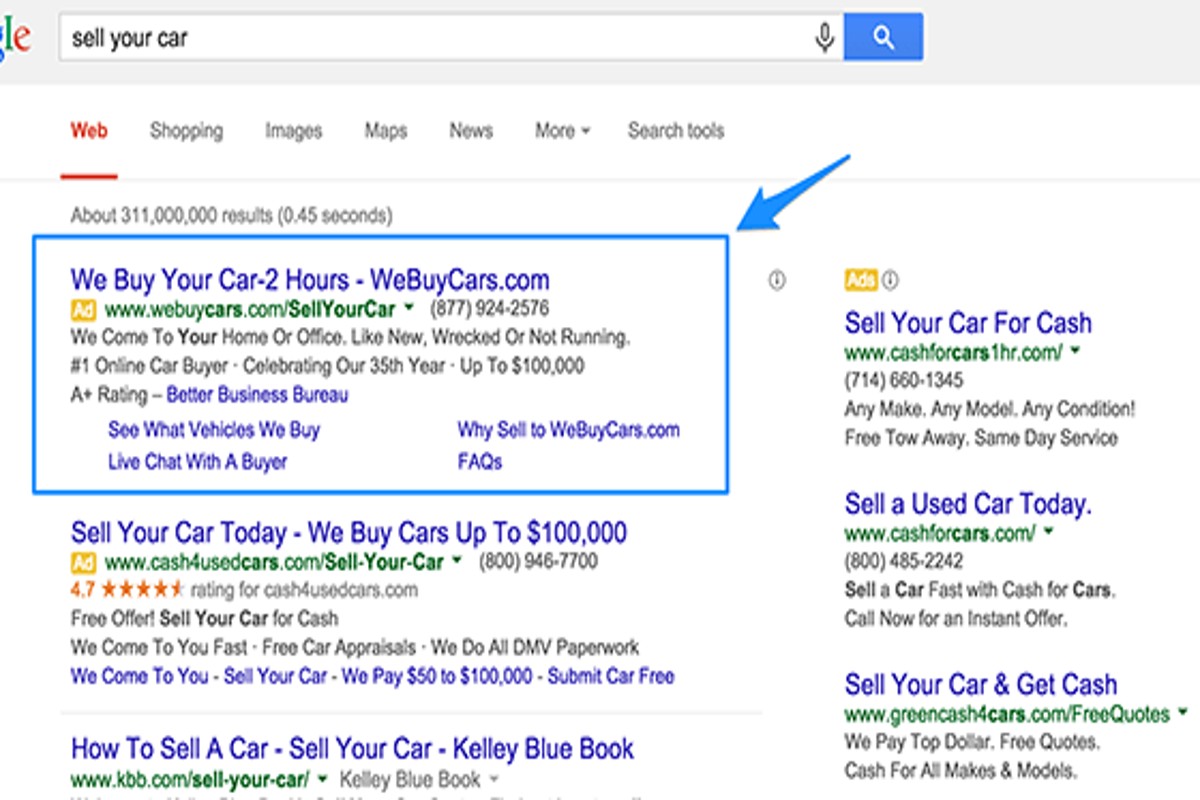
How to write perfect Google Ads copy refers to the process of creating effective advertisements that drive user engagement and conversions. The primary benefit of well-crafted Google Ads copy is its ability to significantly boost click-through rates, with studies indicating that ads featuring a clear value proposition can enhance these rates by up to 300%.
Mastering the art of Google Ads copy is crucial for businesses aiming to maximize their online advertising impact. With over $200 billion spent annually on digital advertising, understanding how to write compelling ad copy can determine the success of marketing campaigns, attract potential customers, and ultimately drive sales.
Failure to grasp effective google ads copywriting can lead to substantial revenue loss, wasted advertising budgets, and a weakened competitive position in the market. Poorly written ads can result in low engagement rates and diminished brand visibility.
This article will provide a comprehensive guide on how to write perfect Google Ads copy, covering essential components such as crafting clear messaging, employing strong calls-to-action, and selecting relevant keywords to enhance ad performance.
For How To Write Perfect google ads Copy businesses looking to generate local leads through Google Ads or Local SEO, GMB Ranger LLC offers hands-on campaign management. Specialist Md Tangeer Mehedi personally handles campaign setup and ongoing optimization — with no payment required until the first lead comes in.
What makes Google Ads copy effective?
Effective Google Ads copy is characterized by clarity, conciseness, and a compelling call-to-action that aligns with the audience’s needs. Research indicates that ads with clear and direct messaging can achieve click-through rates (CTR) as high as 5%, significantly boosting campaign success.
To craft effective Google Ads copy, focus on the following best practices:
- Be clear and concise: Use simple language and avoid jargon. Aim for 1-2 sentences that clearly convey the message without unnecessary words.
- Incorporate keywords: Integrate relevant keywords naturally in your ad copy. This enhances visibility and relevance, as ads containing the search term can improve Quality Score.
- Use a strong call-to-action (CTA): Encourage users to take specific actions with phrases like “Shop Now,” “Get a Free Quote,” or “Sign Up Today.” An effective CTA can increase conversion rates by up to 30%.
- Highlight unique selling propositions (USPs): Clearly communicate what sets your product or service apart. Whether it’s pricing, quality, or a special offer, make this a focal point in your ad copy.
- Test and iterate: Conduct A/B testing on different versions of your ads to determine which copy resonates best with your audience. Adjust based on performance metrics to continually refine your messaging.
Expert insight: Regularly review competitor ads and industry trends to stay relevant and adapt your strategies, ensuring your Google Ads copy remains competitive and effective.
How do I write a compelling call-to-action in Google Ads?
A compelling call-to-action (CTA) in Google Ads should create a sense of urgency and clearly communicate the benefit to the user. Effective CTAs can increase click-through rates by up to 20% when they are concise and actionable, such as “Shop Now for 20% Off!”
To craft an effective CTA, follow these steps:
- Use Action-Oriented Language: Start with strong verbs like “Get,” “Shop,” or “Discover” to inspire immediate action. This sets a motivational tone and encourages users to engage with your ad.
- Create Urgency: Incorporate time-sensitive phrases such as “Limited Time Offer” or “Act Now” to compel users to act quickly. This psychological trigger can effectively motivate potential customers to make a decision.
- Highlight the Benefit: Clearly state what the user will gain by clicking the ad. Phrases like “Save 20% Today” or “Free Shipping on Orders Over $50” directly communicate the value proposition and entice users to explore further.
- Keep it Concise: Limit your CTA to 2-5 words to ensure clarity. A shorter message is easier to read and remember, making it more effective in capturing attention.
- Test and Optimize: Use A/B testing to evaluate different CTAs and identify which performs best. Continuous optimization based on performance data will enhance ad effectiveness over time.
By employing these strategies, advertisers can create CTAs that not only attract clicks but also drive conversions. Regularly reviewing and refining CTAs based on performance metrics is crucial for sustained success.
Expert insight: Always align your CTA with the overall campaign objective and ensure it resonates with your target audience’s needs and desires for maximum impact.
What are common mistakes to avoid in Google Ads copy?
Common mistakes in Google Ads copy include using vague language, neglecting keyword relevance, and failing to include a strong call-to-action. According to a 2024 survey, 62% of marketers reported that unclear messaging led to underperforming ad campaigns.
One frequent error is the use of vague language that fails to convey a clear message. For instance, an ad stating, “We offer great services,” lacks specificity. Instead, an ad should detail what services are offered, such as “Expert plumbing services available 24/7.” This precision helps potential customers understand the value proposition instantly, leading to better engagement and click-through rates.
Another critical mistake is neglecting keyword relevance. Ads that do not align with the keywords being targeted can result in low Quality Scores. For example, if a business sells organic skincare products but uses generic keywords like “beauty products,” it risks reaching an audience that may not be interested in organic options. Instead, using targeted keywords such as “organic skincare” or “natural beauty products” can significantly improve ad performance and relevance.
Expert insight: Always include a compelling call-to-action (CTA) that encourages immediate engagement, such as “Shop Now” or “Get a Free Quote.” A strong CTA can increase conversion rates by up to 200% when clearly linked to the ad’s content.
How much does it cost to run Google Ads?
The cost to run Google Ads typically ranges from $1 to $2 per click, although this can vary significantly based on various factors. In competitive industries, costs can rise to $50 or more per click, especially for high-value keywords.
Several factors influence the overall cost of Google Ads. Understanding these can help businesses optimize their advertising budgets effectively:
- Industry Competition: Highly competitive industries tend to have higher click costs. For instance, legal and insurance sectors often see elevated prices due to fierce competition for keywords.
- Quality Score: Google assigns a Quality Score to keywords based on their relevance and performance. Higher Quality Scores can lower costs per click, as Google rewards effective ads with reduced fees.
- Geographic Targeting: The cost can vary by location. Targeting urban areas often incurs higher costs due to increased competition among advertisers in those regions.
- Ad Rank: Ad Rank determines the position of ads in search results and is influenced by the bid amount and Quality Score. Higher Ad Rank can lead to better visibility and potentially lower costs.
Additionally, the goals of the campaign play a crucial role. For example, brand awareness campaigns may prioritize impressions over clicks, while lead generation campaigns focus on acquiring high-quality leads, which can affect overall costs.
Expert insight: Businesses should regularly analyze their campaign performance and adjust bids according to the conversion value of leads to ensure efficient spending on Google Ads.
How long does it take to see results from Google Ads?
Results from Google Ads can typically be observed within a few days of launching a campaign, but achieving optimal performance may take several weeks. In many cases, advertisers see initial data on impressions and clicks almost immediately, while conversions often require more time to materialize.
Several factors influence the timing of results from Google Ads. The complexity of the campaign, including the number of keywords, ad groups, and the competitiveness of the industry, plays a significant role. For instance, campaigns targeting highly competitive keywords may take longer to generate meaningful results due to increased bidding activity and the need for thorough optimization. Furthermore, the learning phase of Google Ads can last up to 14 days, during which the system gathers data to optimize ad delivery.
Another critical aspect is the quality of the ad copy and landing pages. Well-crafted ads with clear calls to action and relevant landing pages tend to convert better, leading to faster results. Advertisers should continuously monitor performance metrics and make adjustments as needed to improve click-through rates (CTR) and conversion rates. This iterative process of refinement can significantly shorten the timeline for achieving desired outcomes.
Expert insight: To expedite results from Google Ads, focus on A/B testing different ad copies and optimize landing pages for user experience. Implementing these strategies can enhance performance and lead to quicker conversions.
The Psychology Behind Effective Ad Copy
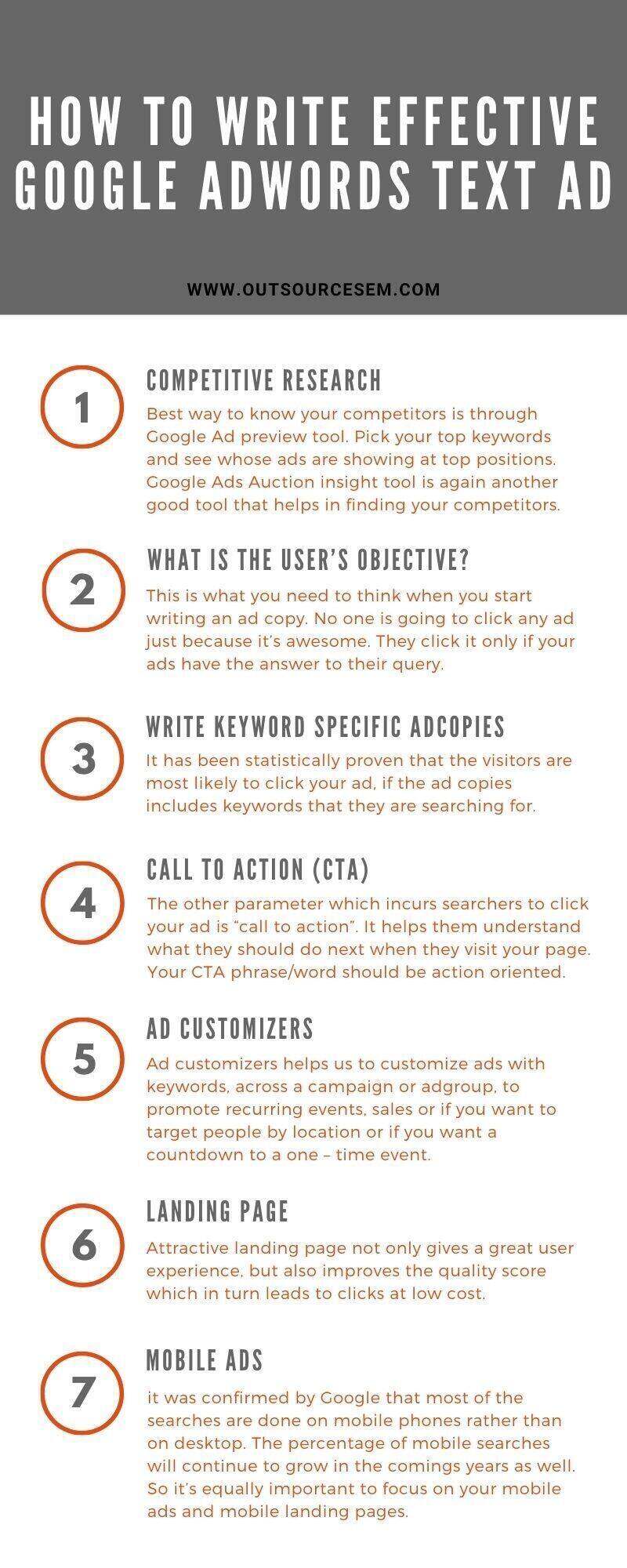
This section examines how consumer psychology influences the creation of compelling Google Ads copy. By tapping into emotional triggers, understanding audience pain points, and employing persuasive techniques, advertisers can significantly enhance ad effectiveness.
The Importance of Emotional Triggers
Emotions play a pivotal role in decision-making. Research shows that ads that evoke emotions can improve engagement by up to 23%. Emotional triggers such as fear, joy, or nostalgia can compel consumers to act. For instance, an ad that addresses a common fear—like missing out on a significant deal—can drive immediate responses. Ads that resonate emotionally are more likely to be shared, increasing their reach.
Using Persuasive Language and Storytelling
Persuasive language and storytelling create a connection with the audience. Effective ad copy often incorporates elements of storytelling, helping consumers visualize their experiences with a product or service. For example, a narrative about how a product changed someone’s life can be more impactful than a list of features. Incorporating power words—such as “discover,” “transform,” and “exclusive”—can enhance the persuasive quality of the ad.
- Vivid Descriptions: Use sensory details to create mental images.
- Strong Calls to Action: Phrases like “Get started today!” prompt immediate action.
- Urgency and Scarcity: Indicate limited availability to encourage prompt responses.
Understanding Audience Pain Points
Identifying and addressing audience pain points is crucial for effective ad copy. Consumers are more likely to engage with ads that acknowledge their struggles and offer solutions. Conducting thorough market research helps advertisers understand what challenges their target audience faces. For instance, a recent survey indicated that 70% of consumers prefer brands that empathize with their problems.
Leveraging Social Proof and Testimonials
Social proof, such as customer testimonials, can significantly bolster credibility. Incorporating reviews or endorsements in ad copy can increase conversion rates by up to 15%. People are more likely to trust a product or service that others have positively reviewed. Including specific examples or statistics, such as “Join over 10,000 satisfied customers,” creates a sense of community and trust.
Expert Insights and Common Misconceptions
Many advertisers mistakenly believe that focusing solely on features is sufficient for effective ad copy. However, while features are important, they should be framed within the context of benefits that resonate with the audience’s emotions and experiences. Additionally, the misconception that longer copy is always better can lead to ineffective ads. In fact, concise, targeted messaging often outperforms lengthy explanations, especially in digital formats where attention spans are limited.
Practical Application
To apply these psychological principles, consider the following steps when crafting Google Ads copy:
1. **Identify Emotional Triggers:** Research what emotions resonate with your target audience.
2. **Craft a Compelling Narrative:** Use storytelling techniques to illustrate the benefits of your product.
3. **Pinpoint Pain Points:** Conduct surveys or focus groups to better understand your audience’s challenges.
4. **Incorporate Social Proof:** Use customer testimonials to enhance credibility and trustworthiness.
5. **Test and Optimize:** Regularly A/B test different versions of your ad copy to identify which psychological elements resonate best.
By integrating these strategies, advertisers can create Google Ads that not only capture attention but also drive meaningful engagement and conversions.
A/B Testing: Perfecting Your Google Ads Copy
A/B testing serves as a critical method for optimizing Google Ads copy, allowing marketers to systematically evaluate different elements of their advertisements. This section outlines the key components to test, the importance of statistical significance, and practical steps for iterating based on results.

What to Test
Effective A/B testing hinges on identifying which elements of ad copy to evaluate. Key components include:
- Headlines: The first impression a user receives. Test variations in phrasing, length, and emotional appeal.
- Descriptions: These provide context and detail. Experiment with different tones, lengths, and value propositions.
- Call-to-Actions (CTAs): The prompt that encourages user action. Vary wording, urgency, and placement to determine what resonates best.
Using Statistical Significance to Measure Results
Statistical significance is crucial for validating A/B test outcomes. A result is statistically significant if it is unlikely to have occurred by chance, giving confidence that the observed differences are real. A common threshold is a p-value of less than 0.05, indicating a less than 5% probability that the results are due to random variation. For optimal results, aim for a sample size that provides enough data to support these conclusions. Research indicates that campaigns with a minimum of 1,000 impressions per variation yield more reliable insights.
Iterating Based on A/B Test Outcomes
The ability to iterate is essential for continuous improvement. After analyzing the results of A/B tests, implement the winning variations into your ads and consider testing new hypotheses. This iterative process not only refines ad copy but also enhances overall campaign performance. According to recent studies, advertisers who continually optimize their ad copy can see conversion rate improvements of up to 30% over a three-month period.
Tools and Platforms for A/B Testing
Several tools facilitate effective A/B testing for Google Ads. Popular platforms include:
- Google Optimize: This free tool allows for seamless integration with Google Ads, enabling users to run experiments directly on their landing pages.
- Optimizely: A robust platform offering advanced features for A/B testing and personalization across various channels.
- Unbounce: Primarily a landing page builder, it also includes A/B testing capabilities to help refine ad copy based on landing page performance.
Many marketers underestimate the value of A/B testing, often relying on intuition rather than data. Common misconceptions include the belief that small changes lack impact or that testing is only necessary for underperforming ads. In reality, even minor adjustments can lead to significant improvements in ad effectiveness. Additionally, over time, the testing process itself can evolve. For instance, what works today may not be relevant in six months due to changing consumer behavior or market dynamics.
To effectively implement A/B testing in Google Ads, start by defining clear objectives for each test. Select one element to change at a time for clarity in results, and ensure a sufficient sample size for statistical relevance. Document the outcomes and learnings from each test to inform future campaigns. Regularly revisit and refresh your ad copy based on insights gained, ensuring continued engagement and performance optimization.
Keyword Research for Google Ads Copywriting
Effective keyword research is foundational for crafting compelling Google Ads copy that drives clicks and conversions. This section delves into strategies for identifying high-performing keywords, utilizing long-tail variations, and incorporating these terms seamlessly into ad content.
Identifying High-Performing Keywords
To create impactful ad copy, begin by identifying keywords that resonate with your target audience. High-performing keywords typically exhibit high search volume and low competition. Use Google’s Keyword Planner to uncover these insights, which can reveal search trends and suggest related keywords. Analyzing competitors’ ads can also provide valuable information on effective keywords within your niche.
Using Long-Tail Keywords for Better Targeting
Long-tail keywords, which are phrases containing three or more words, offer greater specificity and often yield higher conversion rates. For instance, instead of targeting “running shoes,” consider “best running shoes for flat feet.” This approach narrows the audience and often attracts users with a clear intent to purchase. According to recent data, long-tail keywords can account for up to 70% of all search queries, making them essential for effective targeting.
Incorporating Keywords Naturally into Ad Copy
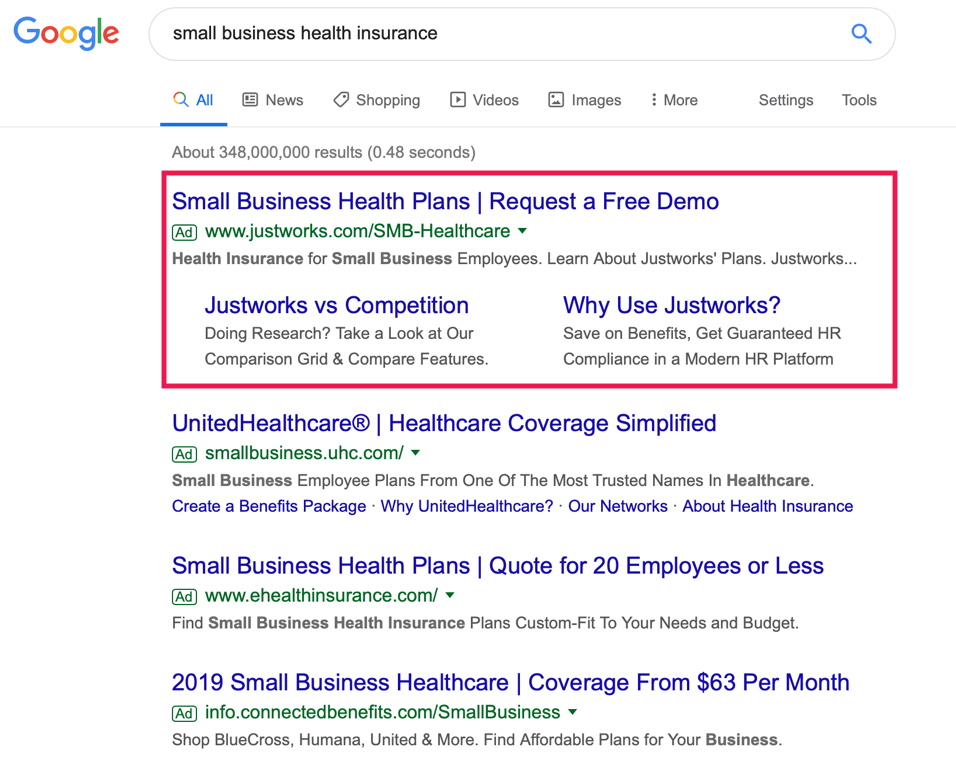
Once high-performing and long-tail keywords are identified, the next step is to integrate them into your ad copy. Keywords should appear in the headline, description, and display URL wherever possible. However, ensure that the incorporation feels natural and maintains the flow of the message. Overstuffing keywords can lead to poor readability and reduced ad performance.
Tools for Keyword Research
- Google Keyword Planner: A primary tool for discovering keywords and analyzing their performance.
- SEMrush: Offers competitive analysis and keyword tracking for more advanced insights.
- Ahrefs: Provides keyword suggestions based on real search data, including click-through rates.
- Ubersuggest: A free tool that generates keyword ideas and shows search volumes.
Using these tools effectively can uncover hidden opportunities in the keyword landscape, allowing for a more focused and tailored ad strategy.
Common Misconceptions About Keyword Research
Many advertisers believe that focusing solely on high-volume keywords guarantees success. However, this strategy can lead to increased costs and lower conversion rates due to competition. Additionally, there is a misconception that keyword relevance is static. In reality, search trends evolve, necessitating regular keyword audits and adjustments to maintain ad effectiveness.
Practical Application
To implement these strategies, start by conducting thorough keyword research using tools like Google Keyword Planner and SEMrush. Identify a mix of high-performing and long-tail keywords relevant to your offerings. Craft your ad copy, ensuring keywords are integrated naturally and effectively. Regularly review and adjust your keyword strategy based on performance metrics to optimize your google ads campaigns continuously.
Analyzing Competitor Ads: Learning from the Best
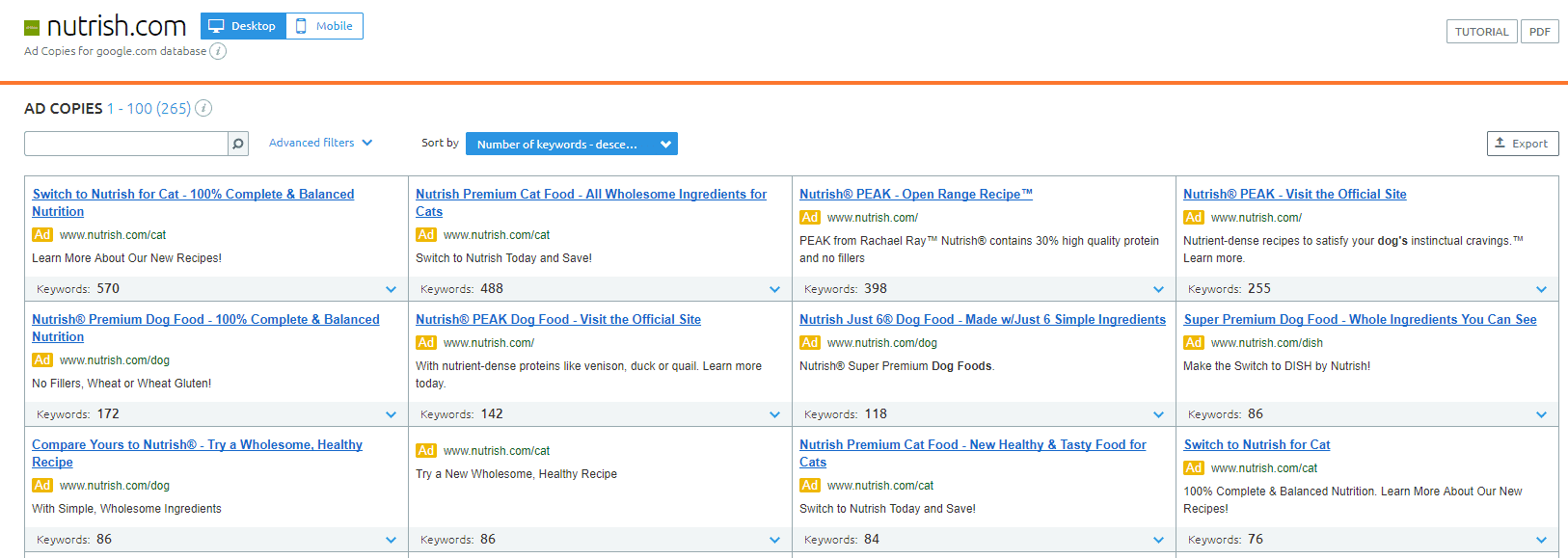
Analyzing competitor ads provides crucial insights that can elevate your own Google Ads copy. By understanding what works for others in your niche, you can craft compelling ads that resonate with your target audience.
Identifying Top Competitors in Your Niche
Identifying your top competitors is the first step in effective ad analysis. Focus on businesses that offer similar products or services and target the same audience. Use the following methods to pinpoint these competitors:
- Search Engine Results Pages (SERPs): Look at the first page of Google for keywords relevant to your business.
- Social Media Platforms: Analyze brands that engage your target demographic on platforms like Facebook and Instagram.
- Industry Reports: Utilize market research reports to identify key players in your sector.
What to Look for in Competitor Ad Copy
When examining competitor ads, focus on several key elements that contribute to their effectiveness:
- Headlines: Analyze the wording, length, and emotional triggers used.
- Call-to-Action (CTA): Identify the phrases that compel users to take action.
- Unique Selling Proposition (USP): Note how competitors highlight their unique features or benefits.
- Ad Extensions: Observe the additional information they provide, such as site links and phone numbers.
In 2024, ads with clear CTAs saw a 27% higher click-through rate (CTR), emphasizing the importance of this element.
Using Insights to Improve Your Own Ads
Insights gained from competitor analysis should be integrated into your own ad strategy. Consider these approaches:
- Incorporate successful headline structures that resonate with your audience.
- Refine your CTAs based on what competitors use effectively.
- Highlight your USP more prominently to differentiate from competitors.
By leveraging these insights, your ads can achieve better engagement and conversion rates.
Tools for Competitor Analysis
Several tools can facilitate a comprehensive analysis of competitor ads. Consider the following options:
- SEMrush: Offers insights into competitor ad strategies and keyword usage.
- SpyFu: Analyzes competitor PPC campaigns and their performance metrics.
- AdBeat: Focuses on display ad strategies and creatives used by competitors.
These tools can save time and provide valuable data that manual analysis may overlook.
While competitor analysis is essential, it is crucial to avoid imitation. Many marketers mistakenly believe that copying successful ads will yield the same results. In reality, originality combined with data-driven insights leads to more effective campaigns. The goal is to learn from competitors while maintaining a unique brand voice.
To apply these insights effectively, follow these steps:
- Compile a list of your top three competitors.
- Analyze their ads using the outlined criteria.
- Integrate successful elements into your own Google Ads copy.
- Test variations of your ads to determine what resonates best with your audience.
By systematically studying competitor ads, you can refine your approach and learn how to write perfect Google Ads copy that stands out in a crowded marketplace.
Evaluating the Best How To Write Perfect Google Ads Copy
Comparing options for Google Ads copywriting tools is crucial for achieving optimal advertising results. As of 2024, the digital advertising market is projected to exceed $600 billion, indicating a growing number of providers and solutions available. Evaluating providers based on specific criteria ensures businesses select tools that align with their unique needs and goals.
| Provider / Option | Best For | Pricing | Key Feature |
|---|---|---|---|
| WordStream | Small to medium businesses | $264 – $1,000/month | Comprehensive PPC management tools |
| AdEspresso | Social media marketers | $49 – $259/month | A/B testing for ads |
| SEMrush | SEO and PPC integration | $119.95 – $449.95/month | Keyword research tools |
| Google Ads Editor | Advanced users managing multiple campaigns | Free | Offline campaign management |
| SpyFu | Competitor analysis | $39 – $299/month | Competitor ad insights |
| Kenshoo | Large enterprises | Custom pricing | Cross-channel marketing solutions |
Criteria for Evaluating Program Quality
- Target Audience: Identify whether the provider’s tools are tailored for your business size and type. Solutions vary greatly for small businesses compared to large enterprises.
- Pricing Structure: Evaluate the pricing tiers to ensure they fit within your budget. Consider what features are included at each level to determine value.
- Key Features: Look for specific functionalities that support your advertising goals, such as A/B testing, keyword research, or competitor insights.
- User Experience: Assess the ease of use of the platform. A user-friendly interface can significantly enhance productivity and effectiveness in managing campaigns.
How to Assess the Reputation and Reliability of Providers
- Research Online Reviews: Look for user feedback on platforms like G2 or Trustpilot to gauge overall satisfaction and common issues.
- Check Case Studies: Review case studies or success stories to see how the provider has helped similar businesses achieve their advertising goals.
- Evaluate Customer Support: Investigate the availability and quality of customer support, including response times and support channels.
- Request Demos or Trials: Take advantage of free trials or demo versions to test the platform’s features and usability before committing.
- Analyze Industry Recognition: Look for awards or recognitions from industry experts that validate the provider’s credibility and effectiveness.
Which How To Write Perfect Google Ads Copy Is Right for You?
Choosing the right tool for writing effective Google Ads copy hinges on your specific business needs, budget, and marketing goals. This guide provides tailored recommendations for various audience segments to streamline your decision-making process.
Solo freelancer
For solo freelancers managing smaller campaigns, Google Ads Editor is a highly efficient choice. This free tool allows for bulk edits and quick adjustments, making it easier to optimize ad copy without being overwhelmed by the interface. It’s ideal for those with limited budgets, as it requires no additional investment beyond your ad spend.
Small business owner
Small business owners seeking guidance should consider WordStream. This platform offers user-friendly optimization tools and educational resources tailored for beginners. With plans starting around $264 per month, it helps streamline campaign management and provides actionable insights to improve ad performance.
Digital marketing agency
Digital marketing agencies that manage multiple client accounts will benefit from SEMrush. This comprehensive tool provides advanced analytics, keyword research, and competitive analysis, enabling agencies to create high-impact ad copy across various industries. Pricing starts at $119.95 per month, making it a valuable investment for agencies focused on delivering results.
E-commerce brand
E-commerce brands looking to optimize for conversions should utilize AdEspresso. This platform excels at A/B testing different ad formats and provides detailed analytics to improve performance. Starting at $49 per month, it allows brands to refine their messaging and drive higher conversion rates effectively.
Large corporation
For large corporations managing complex, multi-channel campaigns, Kenshoo offers robust solutions tailored to enterprise needs. With advanced features for cross-channel marketing and real-time data analysis, Kenshoo helps streamline ad management and optimize ROI. Pricing varies based on the scale of use, making it suitable for corporations with substantial advertising budgets.
| If You Are… | Best Approach |
|---|---|
| Solo freelancer | Google Ads Editor |
| Small business owner | WordStream |
| Digital marketing agency | SEMrush |
| E-commerce brand | AdEspresso |
| Large corporation | Kenshoo |
Local Considerations for Crafting Effective Google Ads Copy
Understanding geographic and local market factors is essential when learning how to write perfect Google Ads copy. In fact, 46% of all Google searches are seeking local information, highlighting the importance of tailoring ads to meet local consumer needs and preferences. This localized approach can significantly increase click-through rates and conversion rates for local businesses.
Geographic Market Differences
The effectiveness of Google Ads copy can vary greatly by city and region. For instance, businesses in metropolitan areas like New York City face intense competition, necessitating more compelling and localized ad copy. In contrast, businesses in smaller towns may find success with straightforward messaging that emphasizes community ties and local services. Companies must adapt their strategies based on market size and competition to maximize effectiveness.
Local Business Applications
Local businesses can leverage Google Ads in unique ways that differ from national brands. Here are some specific applications:
- Service Area Targeting: A plumbing service in Austin can create ads that highlight emergency services available within specific zip codes.
- Promotions for Local Events: A bakery can run ads promoting special deals during local festivals or farmers’ markets.
- Showcasing Local Partnerships: A coffee shop may benefit from ads that highlight collaborations with local artists or businesses.
- Localized Keywords: A real estate agent can use neighborhood names in ad copy to attract buyers looking in specific areas.
Local Search and Visibility Impact
Effective Google Ads copy is closely tied to local search rankings and visibility. To maximize local SEO benefits, businesses should take the following actions:
- Incorporate local keywords relevant to your service area into ad copy.
- Ensure consistency with your Google Business Profile (GBP) information to enhance ad credibility.
- Utilize location extensions in ads to provide immediate contact information and directions.
- Monitor local performance metrics to adjust ad copy based on consumer behavior and response rates.
Pricing and Cost in Local Markets
Advertising costs can vary significantly by geographic market. For instance, businesses in larger cities like San Francisco may spend between $2.50 to $6.00 per click, while smaller markets might see costs ranging from $1.00 to $3.00 per click. Local businesses should budget accordingly, typically allocating around 7-10% of their revenue towards advertising, which may differ from national players who often spend 5-10% of their overall marketing budget.
Local Implementation Checklist:
- Research and identify local keywords to include in ad copy.
- Update and optimize your Google Business Profile for accuracy.
- Utilize location extensions in your Google Ads.
- Monitor local search trends and adjust ad copy accordingly.
- Highlight local promotions or events relevant to your target audience.
- Test different ad copies to see which resonates best with local consumers.
- Analyze conversion rates to refine your advertising strategy continuously.
For How To Write Perfect Google Ads Copy businesses looking to generate local leads through Google Ads or Local SEO, GMB Ranger LLC offers hands-on campaign management. Specialist Md Tangeer Mehedi personally handles campaign setup and ongoing optimization — with no payment required until the first lead comes in.
Frequently Asked Questions
What makes Google Ads copy effective?
Effective Google Ads copy is clear, concise, and relevant to the target audience. It should highlight unique selling points and include keywords that align with user search intent.
How do I write a compelling call-to-action in Google Ads?
A compelling call-to-action (CTA) in Google Ads should be direct and encourage immediate action, such as “Shop Now” or “Get a Free Quote.” Use action-oriented language that resonates with the audience’s needs and desires.
What are common mistakes to avoid in Google Ads copy?
Common mistakes in Google Ads copy include using vague language, neglecting keyword relevance, and failing to include a clear CTA. Additionally, avoid excessive jargon that may confuse potential customers.
How much does it cost to run Google Ads?
The cost of running Google Ads varies based on factors such as industry, competition, and targeting options. Advertisers can set daily budgets, and costs are typically calculated on a pay-per-click basis.
How long does it take to see results from Google Ads?
Results from Google Ads can often be seen within a few days, but optimal performance may take weeks as campaigns are optimized. Continuous monitoring and adjustments are essential for achieving desired outcomes.
Final Thoughts on how to write perfect google ads copy
Effective Google Ads copy hinges on a deep understanding of audience psychology, strategic keyword integration, and a compelling call-to-action that drives conversions. Mastering these elements not only distinguishes high-performing ads from mediocre ones but also optimizes ad spend, ensuring a higher return on investment.
To enhance your Google Ads copy, conduct A/B testing on different headlines and calls-to-action to determine what resonates best with your target audience, using analytics to refine your approach continuously.
Ready to elevate your advertising game? Discover how a google ads agency can help you craft the perfect copy that drives results.
In the competitive landscape of digital advertising, perfecting your Google Ads copy is essential for capturing attention and maximizing engagement, ultimately leading to sustained business growth.
Leave a Reply