
What are google ads for plumbers?
Google Ads for plumbers is an advertising platform designed to help plumbing businesses connect with potential customers who are actively searching for plumbing services. By leveraging Google Ads, plumbing companies can enhance their visibility and drive targeted traffic to their websites, with studies indicating that businesses typically earn an average of $2 in revenue for every $1 spent on Google Ads.
Understanding google ads for plumbers is crucial for businesses aiming to thrive in a competitive market. As the plumbing industry continues to grow, with the U.S. plumbing services market projected to reach $135 billion by 2025, effective advertising strategies can significantly impact customer acquisition and retention. Failing to utilize these tools can leave plumbing businesses vulnerable to competitors who capitalize on digital marketing opportunities.
Neglecting to master Google Ads can result in missed revenue opportunities, wasted advertising budgets, and an overall competitive disadvantage in an increasingly digital marketplace. Without a strategic approach, plumbing businesses risk falling behind in attracting new customers.
This article will provide a comprehensive overview of Google Ads for plumbers, including a comparison of top providers, a detailed cost breakdown, best practices for campaign management, and insights on integrating local SEO strategies to maximize visibility.
For plumbing businesses looking to generate local leads through Google Ads or Local SEO, GMB Ranger LLC offers hands-on campaign management. Specialist Md Tangeer Mehedi personally handles campaign setup and ongoing optimization — with no payment required until the first lead comes in.
What are Google Ads for plumbers?
google ads for plumbers are targeted advertising campaigns designed to help plumbing businesses reach potential customers through Google’s search engine and its display network. These ads allow plumbers to promote their services to users actively searching for plumbing solutions, maximizing visibility and attracting leads. In 2024, businesses leveraging Google Ads reported an average ROI of $2 for every $1 spent, highlighting the effectiveness of this advertising method.
Google Ads operate primarily on a pay-per-click (PPC) model, meaning plumbers only pay when a user clicks on their ad. This model is particularly advantageous for plumbing businesses, allowing them to allocate their advertising budget efficiently. Key components of Google Ads for plumbers include:
- Keyword targeting: Selecting specific keywords related to plumbing services, such as “emergency plumber” or “drain cleaning.”
- Ad extensions: Enhancing ads with additional information, such as location, phone numbers, and links to specific services.
- Geo-targeting: Focusing ad delivery on specific geographic areas to reach local customers effectively.
Additionally, plumbers can utilize various ad formats, including text ads, display ads, and local service ads. Text ads appear on search results pages, while display ads can be shown on websites within Google’s network. Local service ads showcase businesses at the top of search results for relevant queries, providing a direct connection to customers needing immediate assistance.
Expert insight: To maximize ROI, plumbers should continuously monitor campaign performance and adjust keyword strategies based on search trends and seasonal demands. Implementing A/B testing for ad copies can also reveal the most effective messaging, leading to improved conversion rates.
How do I set up Google Ads for my plumbing business?
Setting up Google Ads for a plumbing business involves creating an account, defining campaign goals, and configuring ad settings. In 2024, businesses that optimize their Google Ads can see an average ROI of 200% or more, making it a worthwhile investment.
Follow these steps to effectively set up your Google Ads campaign:
- Create a Google Ads account: Visit the Google Ads website and sign up for an account. Use your business email and provide necessary details about your plumbing services.
- Define your campaign goals: Determine what you want to achieve, such as increasing website traffic, generating leads, or promoting specific services like emergency plumbing.
- Select your campaign type: Choose between Search, Display, or Local campaigns. For plumbers, Search campaigns are often most effective as they target users actively searching for plumbing services.
- Research keywords: Use tools like Google Keyword Planner to identify relevant keywords that potential customers might use. Focus on terms like “emergency plumber” or “drain cleaning services.”
- Set your budget: Decide on a daily or monthly budget. Start with a modest budget and adjust based on campaign performance and ROI.
- Create compelling ads: Write clear, concise ad copy that highlights your services, unique selling points, and includes a strong call to action. Use ad extensions to provide additional information like phone numbers or location.
- Target your audience: Define your audience based on location, demographics, and interests. This ensures your ads reach potential customers in your service area.
- Monitor and optimize: After launching your campaign, regularly check performance metrics. Adjust bids, keywords, and ad copy as needed to improve results.
Expert insight: Utilize negative keywords to filter out irrelevant traffic and reduce wasted ad spend. This strategy can significantly enhance the efficiency of your Google Ads campaigns for your plumbing business.
What is the average cost of Google Ads for plumbers?
The average cost of Google Ads for plumbers typically ranges from **$10 to $50 per click**. This cost can vary significantly based on several factors, including location, competition, and the specific services being advertised.
Several factors influence the cost of Google Ads for plumbing services. One primary factor is the **geographic location** of the plumbing business; urban areas with higher demand often incur higher costs. Additionally, the level of **competition** within the plumbing niche in a given area can affect pricing. In regions where many plumbing companies are bidding on the same keywords, the cost per click (CPC) tends to increase. Furthermore, the **quality of the ad** and the landing page can also impact costs. Google rewards ads that are relevant and effective with lower CPCs, thanks to its Quality Score metric.
- Geographic location: Urban centers usually have higher costs due to increased competition.
- Competition: More competitors bidding on the same keywords raises CPC.
- Ad quality: Higher quality ads can lead to lower costs through improved Quality Scores.
Additionally, seasonal demand can affect costs. For instance, plumbing emergencies often spike during winter months, leading to increased competition and higher CPCs. Understanding these dynamics can help plumbers better budget their advertising expenses and optimize their campaigns for higher ROI.
Expert insight: Plumbers should consider using long-tail keywords to target specific services, as these often have lower CPCs and can yield a more qualified lead, improving overall marketing efficiency.
How long does it take to see results from Google Ads for plumbing?
For plumbing businesses, results from Google Ads campaigns can typically be seen within 1 to 3 months. However, this timeline can vary based on factors such as budget, competition, and campaign optimization.
The initial phase of a Google Ads campaign often involves data collection and performance assessment. During the first few weeks, ads are tested, and keyword performance is analyzed. It is during this time that adjustments are made to improve targeting and ad quality. For plumbing services, which often face local competition, establishing a strong presence may take longer if competing businesses have established campaigns.
Another influencing factor is the budget allocated for the campaign. A higher daily budget can lead to increased visibility and faster data collection. Conversely, a lower budget may extend the time needed to gather insights and optimize the campaign effectively. Additionally, the type of services offered and seasonal demand can impact results; for example, emergency plumbing services may generate faster leads compared to routine maintenance offers.
Expert insight: To accelerate results, focus on targeted keywords that address urgent plumbing needs in your area, and regularly refine your ad copy based on performance metrics to enhance click-through rates.
What are the best practices for Google Ads for plumbers?
Effective Google Ads for plumbers require targeted strategies to enhance visibility and conversion rates. Implementing best practices can lead to significantly higher ROI, with an estimated average conversion rate of 5-10% for well-optimized campaigns in the plumbing industry.
- Target Local Keywords: Focus on geographically relevant keywords, such as “plumber in [City]” or “emergency plumbing services [Area].” Use tools like Google Keyword Planner to identify high-traffic terms that potential customers are searching for in your locality.
- Utilize Ad Extensions: Leverage ad extensions to provide additional information, such as location, phone numbers, and links to specific services. This can increase click-through rates by up to 15%, making your ads more appealing and informative.
- Craft Compelling Ad Copy: Write clear and persuasive ad copy that highlights unique selling points, such as 24/7 service, free estimates, or satisfaction guarantees. Use strong calls to action (CTAs) like “Call Now” or “Get a Free Quote” to encourage immediate engagement.
- Implement Conversion Tracking: Set up conversion tracking to measure the effectiveness of your ads. This allows you to analyze which keywords and ads convert best, enabling informed adjustments to improve performance over time.
- Optimize Landing Pages: Ensure that landing pages are relevant, fast-loading, and mobile-friendly. A well-designed landing page can improve conversion rates by 20% or more. Include clear CTAs and trust signals, such as customer reviews or industry certifications.
Expert insight: Regularly review and adjust bids based on performance data. Seasonal trends and local events can influence demand, necessitating flexible bidding strategies to optimize ad spend effectively.
How do Google Ads compare to other advertising options for plumbers?
Google Ads offers a more targeted and immediate approach compared to platforms like Facebook and Yelp for plumbers. While Google Ads captures intent-driven searches with high conversion potential, Facebook primarily focuses on demographics and interests, and Yelp emphasizes local business reviews. In 2024, businesses using Google Ads reported an average ROI increase of 30% compared to other advertising channels.
Google Ads operates on a pay-per-click model, allowing plumbers to bid on keywords relevant to their services. This model ensures that ads appear when potential customers actively search for plumbing solutions, providing high visibility and immediate leads. In contrast, Facebook advertising relies on audience targeting based on user interests and behaviors, which may not yield immediate results, particularly for service-based businesses like plumbing. Yelp, on the other hand, emphasizes customer reviews, which can enhance credibility but may not generate direct leads as effectively as Google Ads.
- Google Ads: Targets users actively searching for plumbing services, resulting in higher conversion rates.
- Facebook Ads: Focuses on demographics and interests, often leading to lower immediate conversion rates for service-oriented businesses.
- Yelp: Offers a platform for customer reviews and local visibility, but relies heavily on reputation rather than direct lead generation.
Choosing the right platform depends on specific business goals. Plumbers looking for immediate leads and higher conversion rates should prioritize Google Ads. However, integrating Facebook and Yelp can complement an overall strategy by enhancing brand awareness and reputation, which can indirectly contribute to lead generation over time.
Expert insight: For optimal results, combine Google Ads with a strong Yelp profile and targeted Facebook campaigns to create a comprehensive marketing strategy that captures both immediate and long-term leads.
Advanced Targeting Strategies for Plumbers
Effective targeting in Google Ads extends beyond basic keyword selection. Plumbers can significantly enhance their advertising performance by employing advanced strategies that focus on location, demographics, remarketing, and ad extensions.
Utilizing Location Targeting to Capture Local Clientele
Location targeting is fundamental for plumbing businesses, as most customers seek local services. By setting specific geographic boundaries, plumbers can ensure their ads reach potential clients within their service areas. This can be achieved through options such as:
- Radius targeting, which allows ads to be shown to users within a specified distance from the business location.
- Location groups that enable targeting specific regions or cities where the plumber operates.
- Exclusion zones to avoid showing ads to users outside the desired areas, optimizing ad spend.
According to recent data, businesses utilizing location targeting experience a 20-30% increase in click-through rates (CTR) compared to those that do not.
Implementing Demographic Targeting for Specific Customer Profiles
Demographic targeting allows plumbers to tailor their ads to specific customer segments based on factors such as age, gender, and household income. This precision can lead to higher engagement rates. Key strategies include:
- Targeting homeowners, as they are more likely to require plumbing services.
- Adjusting bids based on demographic insights, ensuring resources are allocated to the most responsive segments.
- Creating tailored ad copies that resonate with the targeted demographics, enhancing connection and relevance.
Data from 2024 indicates that targeted campaigns can yield a 15% higher conversion rate than non-targeted ads.
Using Remarketing Strategies to Re-Engage Previous Visitors
Remarketing is a powerful strategy for plumbing businesses seeking to reconnect with users who have previously engaged with their website. By displaying tailored ads to these visitors across the web, plumbers can reinforce their brand presence and encourage conversions. Effective tactics include:
- Segmenting audiences based on their behavior on the site, such as those who visited specific service pages.
- Creating compelling ad creatives that address previous visitors’ interests or concerns.
- Setting frequency caps to avoid overwhelming potential customers with too many ads.
Remarketing campaigns have been shown to increase conversion rates by up to 70%, demonstrating their effectiveness in recapturing interest.
Leveraging Ad Extensions to Enhance Visibility and Click-Through Rates
Ad extensions provide additional information and enhance the visibility of ads, making them more appealing to potential clients. For plumbers, the following extensions are particularly advantageous:
- Location extensions to showcase the business address, increasing local relevance.
- Call extensions that enable users to call directly from the ad, facilitating immediate contact.
- Sitelink extensions to direct users to specific services, improving navigation and user experience.
According to Google, ads with extensions can achieve up to 30% higher CTR than standard ads, underscoring their importance in a competitive market.
Many articles on Google Ads for plumbers overlook the necessity of testing and iterating on these targeting strategies. For instance, while demographic targeting is beneficial, its effectiveness can vary significantly based on local market characteristics. Adjusting campaigns based on real-time performance data is critical for ongoing success.
To implement these advanced targeting strategies effectively, plumbers should begin by refining their location settings and exploring demographic insights within their Google Ads account. Next, consider launching remarketing campaigns focused on past visitors and integrating ad extensions into existing ads. Regularly analyze performance metrics to adjust strategies as needed, ensuring maximum ROI and a steady influx of local clientele.
Common Mistakes Plumbers Make with Google Ads
This section outlines the prevalent pitfalls plumbing businesses encounter when using Google Ads and offers strategies for avoiding these costly errors.

Neglecting to Use Negative Keywords
Many plumbing businesses overlook the importance of negative keywords, which prevent ads from appearing in irrelevant searches. This oversight can lead to wasted ad spend on clicks that do not convert. For instance, a plumber targeting “emergency plumbing” might still show up for searches related to “plumbing jobs” or “plumbing courses.” Incorporating negative keywords can enhance ad targeting and increase ROI.
Failing to Optimize Landing Pages for Conversions
A common mistake is sending traffic to unoptimized landing pages. If the landing page does not align with the ad’s promise, potential customers will likely leave without converting. Effective landing pages should include clear calls-to-action (CTAs), relevant information, and a user-friendly design. According to a 2024 study, businesses that optimize their landing pages see a conversion rate increase of up to 35%.
Setting Unrealistic Budgets Without Proper Analysis
Plumbing businesses often set ad budgets without comprehensive market analysis. This can lead to overspending or underfunding campaigns. Conducting thorough research allows businesses to understand their competition and the cost per click (CPC) for targeted keywords. For example, the average CPC for plumbing-related keywords in 2025 was projected to be around $10. Establishing a budget based on realistic expectations is crucial for sustained campaign success.
Ignoring Ad Performance Metrics and Analytics
Monitoring ad performance is essential for optimizing campaigns. Many plumbers fail to regularly review key metrics such as click-through rates (CTR), conversion rates, and cost per acquisition (CPA). Ignoring these analytics can result in missed opportunities for improvement. Regular analysis can help identify which ads perform best, enabling businesses to allocate resources more effectively.
Nuances and Common Misconceptions
One common misconception is that higher spending always correlates with better results. While increased budgets can enhance visibility, they do not guarantee higher conversion rates. Effective targeting and ad quality are equally important. Additionally, some plumbers believe that Google Ads is a “set it and forget it” solution. In reality, continuous optimization and adjustment are necessary to adapt to changing market conditions and consumer behavior.
Practical Application
- Regularly review and update negative keywords to refine ad targeting.
- Design landing pages with clear CTAs and relevant content to improve conversion rates.
- Conduct market research to set realistic ad budgets based on actual CPC data.
- Monitor ad performance metrics weekly to identify areas for optimization.
By addressing these common mistakes, plumbing businesses can significantly improve the effectiveness of their Google Ads campaigns, ultimately maximizing their return on investment.
Real-World Case Studies of Successful Google Ads Campaigns
This section explores tangible examples of plumbing businesses that effectively leveraged Google Ads to enhance their lead generation and overall profitability. By analyzing these real-world cases, plumbing professionals can glean insights applicable to their own advertising strategies.
Local Plumber Increases Leads by 40%
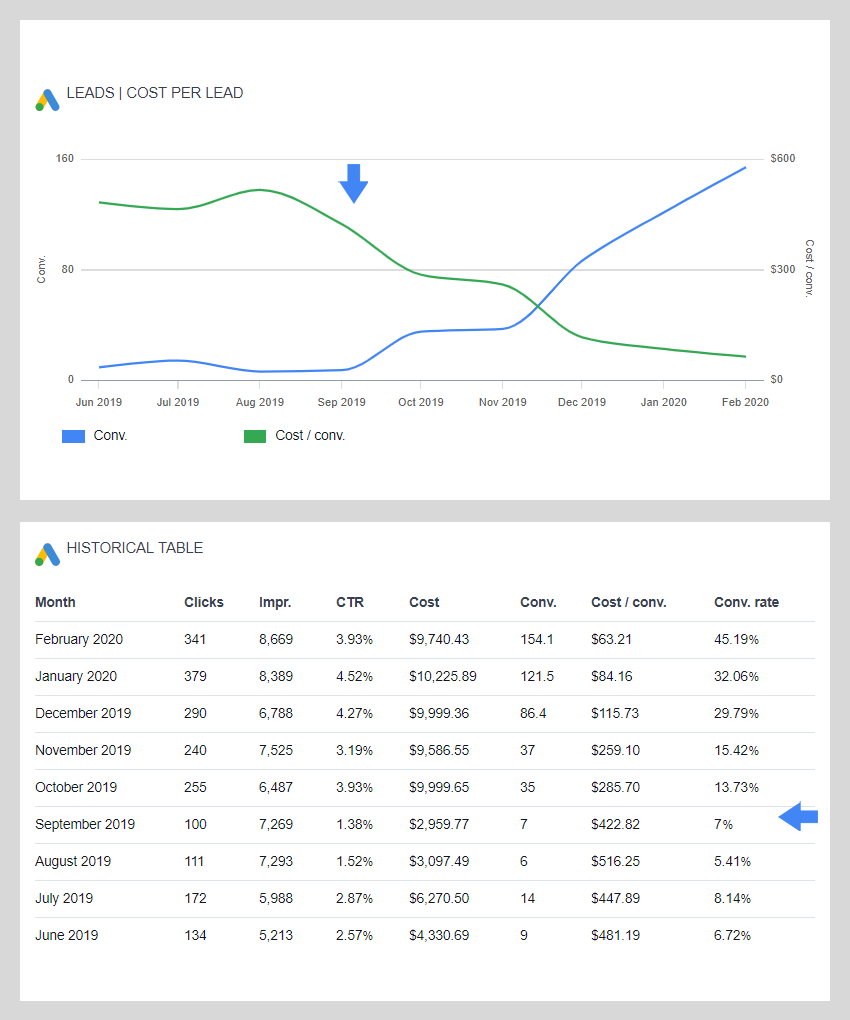
A local plumbing business in Austin, Texas, implemented a Google Ads campaign targeting residential customers. By focusing on high-intent keywords such as “emergency plumber” and “leak repair,” they optimized their ad copy and landing pages to match user search behavior. Over a six-month period, this strategy resulted in a 40% increase in leads and a 25% boost in conversion rates.
Franchise Success through Targeted Campaigns
A national plumbing franchise employed targeted Google Ads campaigns that tailored messaging to specific regional markets. By utilizing demographic targeting and location-based keywords, the franchise achieved a significant reduction in cost-per-click (CPC) by 15%. Their strategic use of ad extensions, such as location and call buttons, led to increased engagement, ultimately resulting in a 30% rise in customer inquiries across multiple locations.
Startup Achieves Rapid Growth
A startup plumbing service in Denver adopted a focused Google Ads strategy, emphasizing their unique selling propositions, such as eco-friendly products and same-day service. By allocating a budget of $2,000 per month, they managed to secure a consistent flow of leads, achieving a 200% return on ad spend (ROAS) within just three months. The startup’s targeted approach to audience segmentation and ad scheduling optimized their visibility during peak search times, contributing to their rapid growth.
Lessons from Unsuccessful Campaigns
Not all campaigns yield positive results. A plumbing company in Chicago faced challenges with a poorly structured Google Ads campaign. Their broad keyword targeting resulted in high traffic but low conversion rates, leading to wasted ad spend. Key lessons learned include:
- Focus on specific, high-intent keywords.
- Regularly analyze and adjust bidding strategies.
- Utilize A/B testing for ad copy and landing pages.
By pivoting to a more targeted approach and refining their keyword strategy, the company was able to recover and enhance their campaign performance.
Common misconceptions about Google Ads for plumbers include the belief that a larger budget automatically translates to better results. In reality, effective targeting and compelling ad copy are often more critical than budget size. Additionally, many businesses overlook the importance of ad extensions, which can significantly improve click-through rates.
To apply these insights effectively, plumbing businesses should:
- Conduct thorough keyword research to identify high-intent search terms.
- Utilize location and demographic targeting to reach the right audience.
- Regularly review and optimize ad performance, adjusting bids and strategies as necessary.
Implementing these strategies can lead to improved ROI and sustained growth in a competitive market.
Integrating Local SEO with Google Ads for Plumbers
This section explores how local SEO strategies can enhance the effectiveness of Google Ads for plumbing businesses, driving higher visibility and conversion rates. By aligning these two powerful marketing approaches, plumbers can maximize their return on investment.
Importance of Local Keywords in Ad Campaigns
Incorporating local keywords into Google Ads campaigns is essential for plumbers targeting specific geographic areas. Using terms that include the service type and location—such as “emergency plumber in [City]” or “drain cleaning services near me”—can significantly improve ad relevance. According to recent data, ads that effectively utilize local keywords can achieve click-through rates (CTR) up to 20% higher than those that do not.
How Google My Business Impacts Ad Visibility
Google My Business (GMB) plays a crucial role in enhancing ad visibility for plumbing services. A well-optimized GMB listing boosts local search rankings and complements paid ads. Key factors include accurate business information, engaging photos, and timely responses to customer inquiries. In fact, businesses with complete GMB profiles are 50% more likely to attract potential customers. These listings appear prominently in local search results, making them a valuable asset for plumbers leveraging Google Ads.
Strategies for Combining Organic and Paid Search Efforts
Integrating organic and paid search strategies can create a synergistic effect that maximizes visibility. Consider the following strategies:
- Keyword Alignment: Use the same local keywords in both organic content and ad campaigns to reinforce messaging.
- Ad Extensions: Utilize ad extensions to promote GMB listings, increasing the chances of engagement from local customers.
- Geo-Targeting:
Implement geo-targeting in google ads to focus on specific neighborhoods or regions, enhancing relevance.
By aligning these strategies, plumbers can optimize their marketing efforts and improve overall performance metrics.
Benefits of Local Reviews and Ratings on Ad Performance
Local reviews and ratings significantly influence the effectiveness of Google Ads. High ratings and positive reviews enhance credibility, which can lead to higher click-through rates and conversion rates. A recent study indicated that businesses with a 4.5-star rating or higher experience a 25% increase in customer inquiries. Encouraging satisfied customers to leave reviews on GMB and other platforms can create a positive feedback loop that benefits both organic and paid search efforts.
Additionally, addressing negative reviews promptly can mitigate potential damage to a plumbing business’s reputation, thereby maintaining a competitive edge in ad performance.
Combining local SEO with Google Ads requires a strategic approach. To implement these insights effectively, plumbers should:
- Conduct keyword research to identify relevant local terms and incorporate them into ad copy.
- Optimize their Google My Business profile with accurate information and engaging content.
- Encourage customers to leave reviews and actively respond to feedback.
- Regularly analyze ad performance and adjust strategies based on local search trends.
By following these actionable steps, plumbing businesses can enhance their Google Ads effectiveness and achieve greater visibility and profitability in their local markets.
Evaluating the Best Google Ads For Plumbers
Comparing advertising options is crucial for plumbers aiming to maximize their marketing ROI. In the plumbing industry, the digital advertising market is projected to reach $20 billion by 2026, with a growing number of providers offering tailored solutions. Evaluating factors such as pricing, targeting capabilities, and key features can help plumbers make informed decisions.
| Provider / Option | Best For | Pricing | Key Feature |
|---|---|---|---|
| Google Ads | Comprehensive advertising solution | $1-$2 per click on average | Extensive reach and targeting options |
| Facebook Ads | Social media engagement | $0.50-$2 per click | Visual ad formats and demographic targeting |
| Bing Ads | Alternative search engine advertising | $1-$3 per click | Lower competition compared to Google |
| Yelp Ads | Local service visibility | $2-$5 per click | Targeted local audience |
| Angie’s List Ads | Service-based lead generation | $3-$7 per click | Highly targeted home service leads |
| HomeAdvisor Ads | Home improvement leads | $15-$60 per lead | Pre-qualified leads for home services |
Criteria for Evaluating Program Quality
- Targeting Options: Evaluate how well each provider allows you to reach your specific audience. Options such as geographic targeting, demographics, and interests can significantly affect campaign performance.
- Cost-Effectiveness: Analyze the pricing structure and average costs per click or lead. Choose a provider that aligns with your budget while providing valuable leads.
- Ad Formats: Different platforms offer various ad formats, including text, image, and video ads. Consider which formats resonate best with your target audience and enhance engagement.
- Lead Quality: Investigate the quality of leads provided by each platform. Higher-quality leads can lead to better conversion rates and a higher return on investment.
How to Assess the Reputation and Reliability of Providers
- Research Reviews: Look for customer reviews and testimonials on independent sites to gauge user satisfaction and overall service quality.
- Check Case Studies: Review case studies or success stories from similar businesses to understand how the provider has helped others achieve their goals.
- Ask for References: Request references from the provider to speak with current or past clients about their experiences and results.
- Evaluate Customer Support: Assess the level of customer support provided, including availability and responsiveness, as this can impact your advertising success.
Which Google Ads For Plumbers Is Right for You?
The best advertising strategy for plumbers hinges on specific business needs, budget constraints, and growth objectives. This guide will help you identify the most effective Google Ads approach tailored to your plumbing business type.
Solo plumber
For solo plumbers, Google Ads is a powerful tool to quickly enhance visibility in local searches. Focus on using local targeting and relevant keywords like “emergency plumber” or “plumbing services near me.” Budgeting around $300 to $500 per month can yield immediate leads, especially during peak service hours.
Plumbing company with multiple employees
For plumbing companies with several employees, a combination of Google Ads and Yelp Ads is optimal. Google Ads can capture search inquiries while Yelp Ads enhance local service visibility. Allocate a budget of $600 to $1,200 monthly to cover both platforms, ensuring a broad reach to potential clients seeking multiple service options.
Franchise plumbing business
Franchise plumbing businesses should utilize Google Ads with targeted campaigns for each franchise location. This approach ensures maximum local market penetration by focusing on location-specific keywords and ad copy. A budget of $1,000 to $3,000 per month per location can effectively drive traffic and generate leads tailored to each area’s demand.
New plumbing startup
For new plumbing startups, beginning with Facebook Ads can effectively build brand awareness before transitioning to Google Ads for lead generation. Use Facebook’s targeting capabilities to reach local homeowners, with an initial budget of $200 to $400 per month. Once established, allocate funds to Google Ads for capturing immediate service inquiries.
| If You Are… | Best Approach |
|---|---|
| Solo plumber | Google Ads with local targeting ($300-$500/month) |
| Plumbing company with multiple employees | Google Ads + Yelp Ads ($600-$1,200/month) |
| Franchise plumbing business | Targeted Google Ads campaigns ($1,000-$3,000/month per location) |
| New plumbing startup | Start with Facebook Ads ($200-$400/month) |
Local Strategies for Google Ads Targeting Plumbers
Understanding local market dynamics is crucial for plumbers leveraging Google Ads, as geographic factors significantly influence consumer behavior. According to a recent study by Google, 76% of people who search for something nearby visit a business within a day, underscoring the importance of local intent in advertising strategies.
Geographic Market Differences
In larger metropolitan areas like Los Angeles or New York City, competition for plumbing services is fierce, often resulting in higher click costs and a need for more targeted ad campaigns. Conversely, in smaller towns or rural areas, plumbers may find lower competition and cost-effective advertising opportunities. Businesses in competitive markets should focus on niche services or unique selling propositions to stand out.
Local Business Applications
Local plumbing businesses can tailor their Google Ads strategies to capitalize on specific community needs and preferences. Key applications include:
- Targeting local keywords such as “emergency plumber in [city]” to capture urgent service requests.
- Utilizing location-based extensions to highlight service areas, increasing visibility in local searches.
- Running promotions for local events or seasons (e.g., winter plumbing checks) to attract neighborhood customers.
- Leveraging customer reviews and ratings in ads to build trust within the community.
Local Search and Visibility Impact
The effectiveness of Google Ads for plumbers is intricately linked to local search rankings and Google Business Profile optimization. To enhance local visibility, businesses should:
- Claim and optimize their Google Business Profile with accurate service areas and business hours.
- Encourage satisfied customers to leave reviews, which can improve ad quality and local rankings.
- Incorporate local keywords in ad copy and landing pages to align with common search queries.
- Monitor local competitors’ ad strategies to identify gaps and opportunities.
Pricing and Cost in Local Markets
Advertising costs for plumbers can vary significantly based on geographic location. For instance, a plumber in San Francisco may pay between $20 to $45 per click due to high competition, while those in less populated areas might see costs as low as $5 to $15 per click. Local businesses should budget approximately $500 to $2,000 monthly for effective Google Ads campaigns, depending on their market size and competition.
Local Implementation Checklist:
- Research local keywords relevant to plumbing services.
- Set up a Google Business Profile and ensure all information is up to date.
- Implement location extensions in Google Ads campaigns.
- Encourage customer reviews and respond to feedback promptly.
- Monitor competitors’ ads and adjust strategies accordingly.
- Create seasonal promotions tailored to local needs.
- Analyze ad performance regularly to optimize spending and targeting.
For plumbing businesses looking to generate local leads through Google Ads or Local SEO, GMB Ranger LLC offers hands-on campaign management. Specialist Md Tangeer Mehedi personally handles campaign setup and ongoing optimization — with no payment required until the first lead comes in.
Frequently Asked Questions
What are Google Ads for plumbers?
Google Ads for plumbers are online advertisements that promote plumbing services on Google’s search engine and display network. They help plumbing businesses reach potential customers actively searching for plumbing solutions.
How do I set up Google Ads for my plumbing business?
To set up Google Ads, create a Google Ads account, define your campaign goals, and select relevant keywords. Then, create compelling ad copy and set a budget to launch your ads targeting local customers.
What is the average cost of Google Ads for plumbers?
The average cost of Google Ads for plumbers varies but typically ranges from $10 to $50 per click, depending on competition and location. Budgeting effectively is crucial to maximize return on investment.
How long does it take to see results from Google Ads for plumbing?
Results from Google Ads can typically be seen within a few days to weeks after launching a campaign. However, achieving optimal performance may take several weeks of ongoing optimization and adjustments.
What are the best practices for Google Ads for plumbers?
Best practices include using targeted keywords, writing clear and engaging ad copy, and optimizing landing pages for conversions. Regularly monitoring and adjusting bids and budgets is also essential for success.
How do Google Ads compare to other advertising options for plumbers?
Google Ads offer immediate visibility and targeted reach compared to traditional advertising methods. They allow plumbers to connect with potential customers actively searching for their services, often resulting in higher conversion rates.
Final Thoughts on Google Ads for Plumbers
Effective deployment of Google Ads can significantly enhance a plumbing business’s visibility and profitability. By leveraging advanced targeting strategies and avoiding common pitfalls, plumbers can optimize their ad spend and achieve measurable results in a competitive marketplace.
Plumbers should conduct a thorough analysis of their target audience and craft tailored ad campaigns that resonate with potential customers. Utilize the insights gained from real-world case studies to refine your approach and maximize your return on investment.
Ready to boost your plumbing business? Consider partnering with a google ads management agency to maximize your ROI today!
Investing in Google Ads not only drives immediate traffic but also builds long-term brand authority in the plumbing sector, making it an essential strategy for sustainable growth.
Leave a Reply