
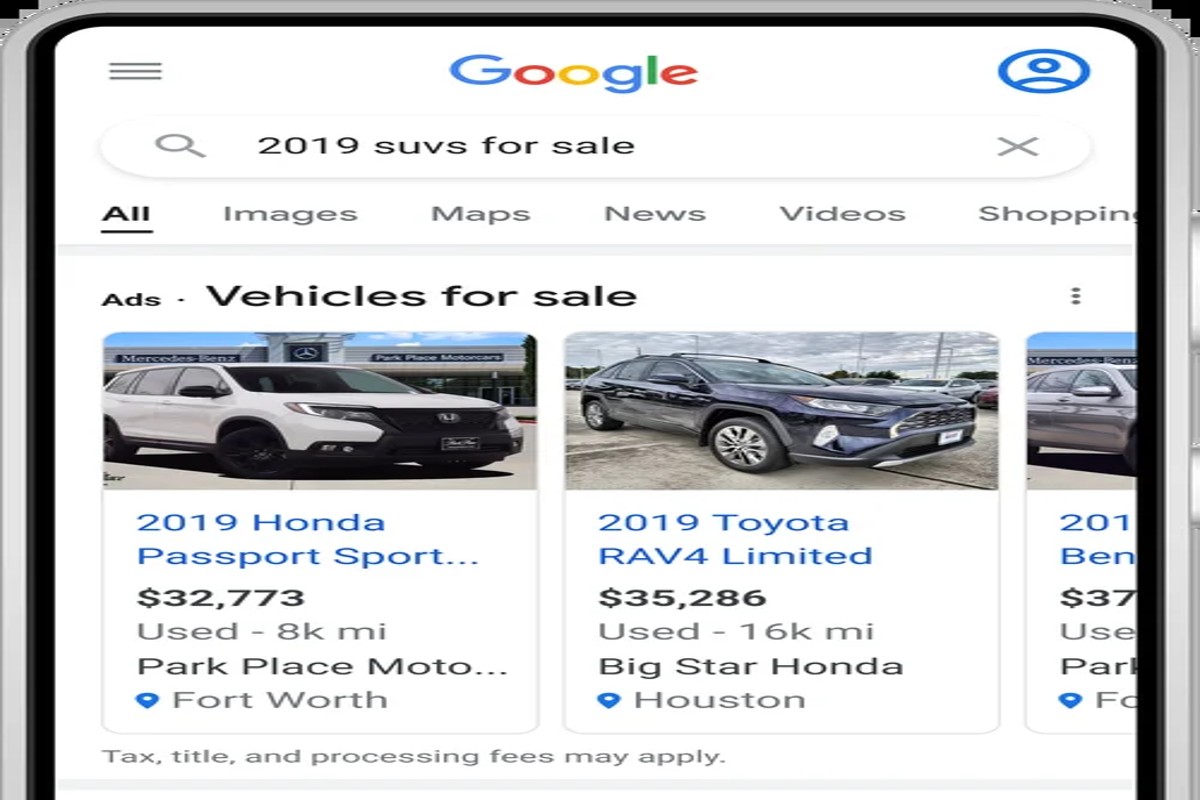
Google Ads for car dealerships is an online advertising platform that allows dealerships to promote their vehicles and services to targeted audiences. Utilizing pay-per-click (PPC) advertising, it effectively drives traffic to dealership websites, enhancing visibility and engagement.
This topic is crucial for car dealerships aiming to maximize their online presence and attract potential buyers. Missteps in Google Ads campaigns can lead to wasted budgets and missed sales opportunities, making it essential for dealerships to grasp the intricacies of this advertising tool.
This guide will cover key strategies for optimizing Google Ads, understanding audience targeting, setting effective budgets, and analyzing campaign performance to ensure maximum ROI for car dealerships.
For car dealerships looking to generate local leads through Google Ads or Local SEO, GMB Ranger LLC offers hands-on campaign management. Specialist Md Tangeer Mehedi personally handles campaign setup and ongoing optimization — with no payment required until the first lead comes in.
What are Google Ads for car dealerships?
Google Ads for car dealerships are targeted advertising campaigns run on Google’s platform to promote vehicle sales and dealership services. These ads appear in search results and on various websites, aiming to attract potential car buyers actively searching for vehicles or related services. By leveraging specific keywords and demographic targeting, dealerships can reach a focused audience effectively.
Google Ads utilizes a pay-per-click (PPC) model, meaning dealerships only pay when users click on their ads. This ensures that marketing budgets are spent efficiently, directly correlating ad spend with user engagement. Car dealerships can create different types of ads, including:
- Search Ads: Text-based ads that appear at the top of Google’s search results when users search for relevant keywords.
- Display Ads: Visual banner ads shown on websites within Google’s Display Network, targeting users based on their online behavior.
- Video Ads: Ads that play before, during, or after YouTube videos, ideal for showcasing vehicle features and promotions.
Effective Google Ads campaigns for car dealerships also incorporate location targeting, ensuring ads are shown to users in specific geographic areas. This is particularly beneficial for local dealerships aiming to attract customers from nearby regions. Additionally, using ad extensions can enhance visibility and provide more information, such as phone numbers, addresses, or special offers, directly within the ad.
Expert Tip: Continuous monitoring and optimization of campaigns are essential. Utilize A/B testing for ad copy and landing pages to determine what resonates best with your audience, thereby maximizing conversion rates and return on investment.
How can car dealerships effectively use Google Ads?
Car dealerships can effectively use Google Ads by implementing targeted campaigns, optimizing their ad copy, and utilizing local SEO strategies. These steps help attract potential buyers and increase dealership visibility. A structured approach ensures the best return on advertising spend.
1. Define Target Audience: Identify the demographics and interests of potential customers, such as age, location, and buying preferences. This allows for tailored ad campaigns that resonate with specific buyer segments.
2. Utilize Keyword Research: Conduct thorough keyword research to identify relevant terms and phrases potential customers use when searching for vehicles. Use tools like Google Keyword Planner to discover high-volume keywords with lower competition.
3. Create Compelling Ad Copy: Write ads that capture attention and highlight unique selling propositions, such as special offers or financing options. A/B testing different versions can help determine which messages perform best.
4. Leverage Location Targeting: Use geo-targeting features to ensure ads are shown to users in specific geographic areas. This is particularly important for car dealerships, as most buyers prefer local options.
5. Implement Ad Extensions: Take advantage of ad extensions like call buttons, location information, and site links. These features enhance the visibility of ads and provide additional information to potential customers.
6. Monitor and Adjust Campaigns: Regularly analyze campaign performance using Google Ads analytics tools. Adjust bids, update keywords, and modify ad copy based on performance data to optimize results.
7. Utilize Remarketing Strategies: Implement remarketing campaigns to re-engage visitors who have previously interacted with the dealership’s website. This can increase conversion rates by reminding potential buyers of their interest.
Expert Tip: Focus on mobile optimization, as a significant number of car buyers conduct their searches on mobile devices. Ensure ads and landing pages are mobile-friendly to enhance user experience and drive higher engagement rates.
What is the average cost of Google Ads for car dealerships?
The average cost of Google Ads for car dealerships typically ranges from **$1 to $2 per click**. However, the total expenditure can vary significantly based on several factors, including location, competition, and campaign goals.
Several key elements influence the cost of Google Ads for car dealerships:
- Geographic Location: Costs can vary by region. Urban areas with higher competition often see higher click prices compared to rural locations.
- Competition Level: Dealerships in competitive markets may face higher bids. More dealerships vying for the same keywords lead to increased costs.
- Keyword Selection: The choice of keywords directly affects pricing. High-demand keywords related to luxury or popular vehicle brands typically incur higher costs than broader terms.
- Ad Quality Score: Google assigns a quality score based on ad relevance and landing page experience. Higher quality scores can lower costs per click, as Google rewards effective ads.
- Campaign Goals: Specific objectives, such as lead generation or brand awareness, can influence budgeting. More aggressive campaigns aiming for immediate sales may require higher budgets.
Understanding these cost factors is crucial for budgeting effectively. A dealership should assess its market position and adjust bids accordingly to optimize ad spend. Regular performance reviews can help refine strategies and ensure the most cost-effective use of resources.
Expert Tip: Implementing targeted ad extensions, such as location and call buttons, can enhance ad performance and potentially reduce overall costs by improving click-through rates and engagement.
How long does it take to see results from Google Ads for car dealerships?
Typically, car dealerships can expect to see initial results from Google Ads within 1 to 3 months. However, achieving optimal performance and sustained results may take 3 to 6 months, depending on several factors.
Several elements influence the timeline for seeing results from Google Ads. The competitiveness of the dealership’s market plays a significant role; in highly saturated areas, campaigns may take longer to gain traction. Additionally, the quality of the ad content, keywords selected, and overall budget allocation directly affect how quickly leads are generated. Effective targeting and ongoing optimization are essential to expedite the results.
Another critical factor is the dealership’s geographic reach. Local campaigns may yield faster results compared to national campaigns due to a more focused audience. Seasonal trends can also impact timelines; for instance, promotional events or new vehicle launches may lead to a spike in interest and quicker conversions. Regularly analyzing campaign performance and adjusting strategies based on data can significantly improve outcomes.
Expert Tip: Implementing conversion tracking from the start can provide valuable insights into user behavior, allowing for more informed adjustments and faster optimization of campaigns.
What are the best practices for Google Ads in the automotive industry?
To maximize the effectiveness of Google Ads in the automotive industry, dealerships should implement targeted strategies tailored to their audience. Successful campaigns require a combination of precise targeting, engaging ad copy, and performance tracking. Following best practices can significantly enhance visibility and conversion rates.
First, focus on geographic targeting. Car dealerships often serve specific regions, so utilizing location-based targeting ensures ads reach potential customers in the vicinity. This can lead to higher foot traffic and increased inquiries. Additionally, leveraging demographic targeting allows dealerships to refine their audience based on age, gender, and interests, ensuring the ads resonate with those most likely to purchase.
- Utilize ad extensions: Incorporate various ad extensions, such as location, call, and sitelink extensions. This provides users with additional information and increases the ad’s visibility.
- Implement negative keywords: Regularly update and manage negative keywords to filter out irrelevant traffic. This helps in optimizing the ad spend and improving the quality of leads.
- Leverage remarketing: Utilize remarketing campaigns to re-engage users who have previously visited the dealership’s website. This strategy keeps the dealership top-of-mind and encourages return visits.
- Monitor and optimize regularly: Continuously track performance metrics such as click-through rates (CTR) and conversion rates. Adjust bids, keywords, and ad copy based on data insights to improve overall campaign effectiveness.
Effective Google Ads management requires a commitment to ongoing optimization. Experiment with different ad formats and strategies to find the best fit for the dealership’s unique offerings and target audience.
Expert Tip: Consider integrating Google Ads with CRM data to better understand customer behavior and tailor campaigns based on past interactions, leading to more personalized and effective advertising efforts.
How do Google Ads compare to traditional advertising for car dealerships?
Google Ads offer a targeted, digital approach to advertising that contrasts sharply with traditional methods like print and television. While Google Ads can reach specific audiences based on search intent, traditional advertising casts a wider net but may not be as effective in targeting potential car buyers. Each method has distinct advantages and disadvantages that can impact a dealership’s marketing strategy.
One key difference lies in the cost-effectiveness and measurability of advertising efforts. Google Ads operate on a pay-per-click model, allowing dealerships to only pay when a potential customer engages with their ad. This contrasts with traditional advertising, such as billboard placements or newspaper ads, which often require upfront costs without guaranteed engagement. Additionally, Google Ads provide detailed analytics that help dealerships track performance in real-time, facilitating immediate adjustments to optimize campaigns.
Another important distinction is the targeting capabilities. Google Ads allow dealerships to target users based on specific keywords, demographics, and geographic locations, ensuring that ads are shown to individuals actively seeking to purchase a vehicle. Traditional advertising, however, typically reaches a broader audience, which may include viewers who are not in the market for a car. This difference can lead to higher conversion rates with Google Ads, as the audience is more likely to engage with content relevant to their interests.
- Cost-Effectiveness: Google Ads are pay-per-click; traditional ads often involve fixed costs.
- Measurability: Google Ads provide real-time performance metrics; traditional ads lack detailed tracking.
- Targeting: Google Ads offer precise audience targeting; traditional methods reach a wider but less engaged audience.
Expert Tip: For car dealerships, leveraging Google Ads can enhance local visibility significantly. Implementing location-based targeting can attract nearby customers ready to purchase, maximizing the return on investment.
What common mistakes do car dealerships make with Google Ads?
Car dealerships often make several common mistakes with Google Ads that can significantly impact their advertising effectiveness. One prevalent error is targeting overly broad keywords, which can lead to irrelevant traffic and wasted ad spend. Another mistake is neglecting the importance of ad extensions, which can enhance visibility and click-through rates.
For instance, consider a dealership running a campaign targeting the keyword “cars for sale.” This keyword is highly competitive and may attract clicks from users who are not specifically interested in the dealership’s inventory. Instead, a more targeted approach using long-tail keywords, such as “2022 Honda Civic for sale in [Location],” would yield higher-quality leads. By focusing on specific models and incorporating geographic modifiers, the dealership can attract users with a higher intent to purchase.
Another common pitfall involves underutilizing ad extensions. Ad extensions, such as location, call, and sitelink extensions, provide additional information and encourage engagement. For example, a dealership that includes a call extension can drive immediate inquiries from potential customers, increasing the chances of conversions. Without these features, ads may lack the necessary context and appeal, resulting in lower click-through rates and missed opportunities.
Incorporating these strategies can lead to more efficient spending and improved ad performance. Regularly reviewing and refining keyword strategies, combined with the effective use of ad extensions, is essential for maximizing the return on investment for Google Ads campaigns.
Expert Tip: Utilize A/B testing for different ad creatives and keyword variations to identify the most effective combinations. Continuous optimization based on performance data can lead to significant improvements over time.
What types of ads work best for car dealerships on Google?
The most effective ad formats for car dealerships on Google include Search Ads, Display Ads, and Video Ads. Each type serves a unique purpose and can be optimized to reach targeted audiences effectively, driving both traffic and leads.
For instance, a car dealership can run a Search Ad campaign targeting specific keywords such as “buy used cars near me” or “best car deals in [location].” By utilizing location targeting and ad extensions featuring inventory, the dealership can attract local customers actively searching for vehicles. This approach not only increases visibility but also enhances the likelihood of conversion, as the ads appear when potential buyers express intent through their search queries.
In addition to Search Ads, Display Ads can be beneficial for brand awareness. A dealership can create visually appealing banner ads showcasing seasonal promotions or new arrivals, targeting users who have previously visited their website. This retargeting strategy reinforces brand recall and encourages users to revisit the dealership’s site, ultimately driving traffic and potential sales. Video Ads also offer a dynamic way to showcase vehicles, allowing dealerships to present compelling narratives about new models or customer testimonials, thereby enhancing engagement and interest.
Expert Tip: Implementing a conversion tracking system is essential. This allows dealerships to analyze which ad formats and strategies yield the highest return on investment, enabling continuous optimization of campaigns based on real data.
Advanced Targeting Strategies for Car Dealerships
Car dealerships can significantly enhance their advertising effectiveness by employing advanced targeting strategies in Google Ads. These techniques enable dealerships to connect with potential customers in ways that basic demographic targeting cannot achieve.
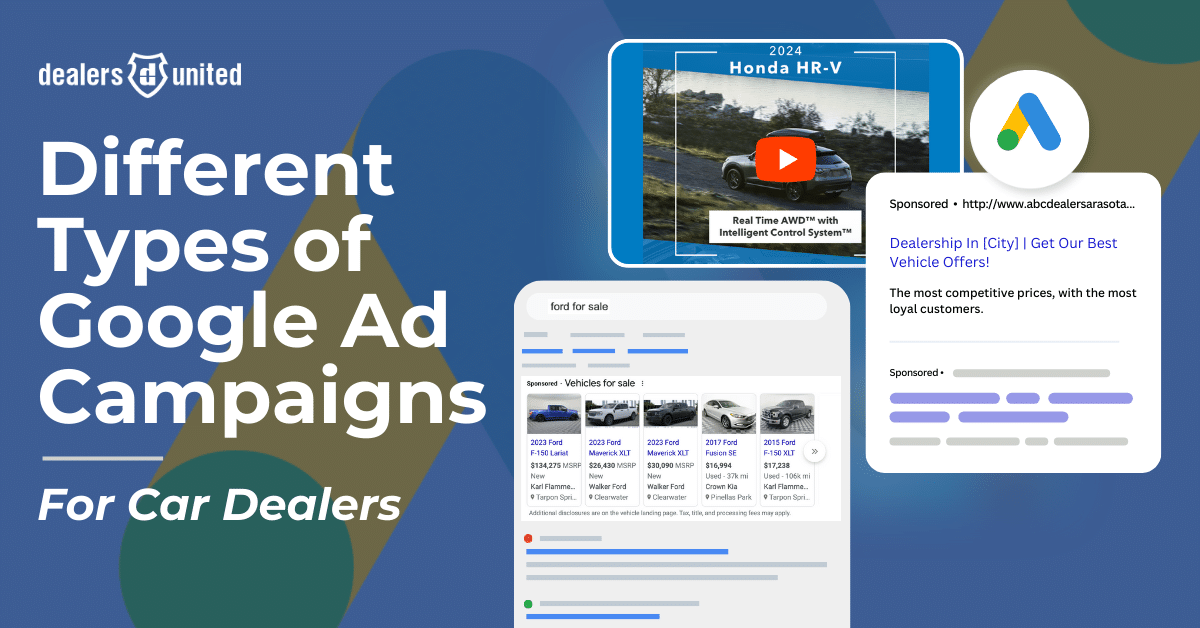
Utilizing Geo-Targeting to Reach Local Customers
Geo-targeting allows car dealerships to tailor their ads based on geographic locations. This strategy is essential for businesses that rely on local traffic. By setting specific radius targets around the dealership or focusing on particular ZIP codes, dealerships can ensure that their ads reach individuals who are most likely to visit their physical locations.
- Set a radius around the dealership to capture local traffic.
- Target specific cities or regions known for high car sales.
- Exclude areas with low interest or sales history to optimize ad spend.
Implementing Remarketing Strategies for Previous Visitors
Remarketing is a powerful tool for re-engaging users who have previously interacted with the dealership’s website. These potential buyers have already shown interest, making them more likely to convert. By displaying tailored ads to these users, dealerships can remind them of their offerings and encourage them to return.
- Create segmented lists based on user behavior (e.g., visited specific car models).
- Use dynamic ads to showcase vehicles users viewed.
- Incentivize return visits with special offers or promotions.
Leveraging Audience Segmentation for Personalized Ads
Audience segmentation allows car dealerships to create highly personalized ad experiences. By analyzing customer data, dealerships can group audiences based on factors such as purchasing history, browsing behavior, and interests. This enables the delivery of tailored messages that resonate with specific segments.
- Segment audiences by car type preference (e.g., SUVs, sedans).
- Target first-time buyers differently than repeat customers.
- Utilize life events (e.g., recent graduates, new families) to tailor messaging.
Using Custom Intent Audiences to Attract High-Intent Buyers
Custom intent audiences allow dealerships to target users based on their recent search behavior, indicating a higher likelihood of making a purchase. By creating custom audiences that reflect specific keywords or phrases related to car buying, dealerships can focus their ad spend on users who are further along in the buying journey.
- Identify relevant keywords that signify purchase intent.
- Create custom audience lists based on these keywords.
- Adjust bids to prioritize ads for these high-intent audiences.
Common misconceptions about targeting strategies include the belief that basic demographic targeting suffices. In reality, advanced strategies such as geo-targeting and audience segmentation yield superior results. Furthermore, many dealerships overlook the potential of remarketing, which can lead to significant missed opportunities in converting interested prospects into customers.
To effectively implement these strategies, dealerships should begin by analyzing their current customer data to identify key segments and behaviors. Next, set up geo-targeting parameters and create remarketing lists. Finally, experiment with custom intent audiences to capture high-intent buyers. Regularly review campaign performance metrics to refine targeting efforts and maximize the return on investment in Google Ads for car dealerships.
Optimizing Google Ads Campaigns for Maximum ROI
This section delves into advanced techniques for optimizing Google Ads campaigns specifically for car dealerships, ensuring that every dollar spent translates into measurable returns. By leveraging data-driven strategies, dealerships can enhance their advertising effectiveness and improve overall profitability.

Analyzing Performance Metrics to Adjust Bids and Budgets
Performance metrics serve as the foundation for effective campaign adjustments. Key metrics like click-through rate (CTR), conversion rate, and cost per acquisition (CPA) provide insights into how well ads are performing. Regularly reviewing these metrics allows dealerships to identify underperforming ads and allocate budgets more effectively.
- Monitor CTR to gauge ad relevance.
- Analyze conversion rates to assess landing page effectiveness.
- Adjust bids based on CPA to maximize budget efficiency.
A/B Testing Ad Copy and Landing Pages for Better Conversion
A/B testing is a critical component for optimizing ad performance. By creating two variations of an ad or landing page, dealerships can determine which version resonates better with their audience. This experimentation should focus on elements such as headlines, calls-to-action, and visuals.
- Test different headlines to find the most compelling options.
- Experiment with various calls-to-action to drive user engagement.
- Analyze landing page design and content for improved user experience.
Implementing Conversion Tracking to Measure Success Accurately
Conversion tracking is essential for measuring the success of Google Ads campaigns. By setting up tracking for key actions, such as form submissions, phone calls, or vehicle inquiries, dealerships can accurately assess which ads are driving valuable leads. This data enables more informed decision-making regarding budget allocation and campaign adjustments.
Utilizing Google Tag Manager simplifies the process of implementing conversion tracking, allowing for more sophisticated tracking without extensive coding knowledge.
Using Negative Keywords to Filter Out Irrelevant Traffic
Negative keywords play a vital role in refining ad targeting. By identifying and adding terms that do not align with dealership offerings, dealerships can prevent their ads from appearing for irrelevant searches. This not only improves CTR but also enhances ROI by ensuring that the traffic generated is more likely to convert.
- Regularly review search term reports to identify irrelevant queries.
- Add negative keywords related to competitor brands if not offering those vehicles.
- Consider location-based negative keywords to avoid traffic from outside service areas.
Advanced optimization techniques for Google Ads campaigns include not only the implementation of the above strategies but also a holistic understanding of the dealership’s unique market conditions. Common misconceptions, such as relying solely on high traffic volume without considering conversion quality, can lead to wasted ad spend. A focus on metrics that matter—conversion rates and ROI—rather than just impressions or clicks is essential for sustained success.
To apply these insights effectively, dealerships should conduct monthly performance reviews, implement A/B tests bi-weekly, and maintain a dynamic list of negative keywords. Establishing a culture of continuous optimization will ensure that campaigns remain competitive and cost-effective, ultimately driving greater returns on investment.
Real-World Case Studies of Successful Google Ads Campaigns
This section explores successful Google Ads strategies employed by car dealerships, illustrating how targeted campaigns, remarketing, video ads, and seasonal promotions can drive substantial results. These case studies provide actionable insights into effective advertising techniques tailored for the automotive industry.
Targeted Campaigns Boosting Leads
A prominent car dealership in Texas implemented a targeted Google Ads campaign focusing on specific vehicle models and local keywords. By utilizing a combination of geo-targeting and audience segmentation, the dealership increased its lead generation by 45% within three months. The campaign featured ads tailored to local interests, emphasizing special offers and financing options relevant to the target demographic. The use of responsive search ads allowed for dynamic messaging that resonated with potential customers, significantly enhancing click-through rates (CTR).
Remarketing for Increased Sales
Another dealership in California successfully leveraged remarketing strategies to re-engage potential customers who had previously visited their website. By employing a well-structured remarketing campaign, this dealership saw a 60% increase in conversions over a six-month period. The ads featured tailored messaging based on user behavior, highlighting vehicles the customers had shown interest in. This approach not only reminded potential buyers of their previous interest but also encouraged them to return and complete their purchases.
Success with Video Ads
A dealership in Florida integrated video ads into its Google Ads strategy, showcasing detailed vehicle features and customer testimonials. By running these video ads on YouTube and Google Display Network, the dealership reached a wider audience and improved engagement rates. Over a four-month period, the dealership reported a 70% increase in brand awareness and a 50% rise in website traffic. The visual storytelling aspect of video ads helped potential buyers connect emotionally with the brand, leading to higher engagement and interest in scheduling test drives.
Seasonal Promotions Impact
A midwestern dealership capitalized on seasonal promotions through Google Ads, promoting special deals during holidays and major sales events. By creating time-sensitive ads that highlighted exclusive offers, the dealership experienced a 30% increase in sales during the promotional period. The campaign employed countdown timers and urgency-driven messaging to compel potential buyers to act quickly. This strategic use of Google Ads not only boosted traffic but also effectively converted leads into sales, demonstrating the power of timely promotions.
Common misconceptions about Google Ads for car dealerships include the belief that broad targeting yields the best results. In reality, precision targeting, remarketing, and leveraging multimedia formats like video ads are often far more effective. Many dealerships fail to utilize seasonal trends and promotions strategically, missing out on opportunities to engage customers when they are most likely to purchase.
To implement these strategies, car dealerships should:
- Develop targeted campaigns focused on specific vehicle models and local market trends.
- Incorporate remarketing techniques to engage past website visitors effectively.
- Utilize video ads to enhance brand storytelling and customer connection.
- Plan seasonal promotions in advance, creating urgency through limited-time offers.
By adopting these proven strategies, dealerships can optimize their Google Ads campaigns, ultimately driving higher engagement and sales.
Integrating Google Ads with Other Marketing Channels
Creating a cohesive marketing strategy that incorporates Google Ads is essential for car dealerships aiming to maximize their reach and effectiveness. This section explores how to harmonize Google Ads with various marketing channels to enhance lead generation and brand visibility.

Combining Google Ads with Social Media Marketing
Integrating Google Ads with social media marketing amplifies outreach and engagement. By sharing ads on platforms like Facebook and Instagram, dealerships can target specific demographics and drive traffic to their websites.
- Utilize retargeting ads on social media for users who have clicked on Google Ads.
- Leverage user-generated content to create ads that resonate with potential customers.
- Analyze performance metrics across channels to refine targeting and messaging.
Nurturing Leads with Email Marketing
Email marketing serves as a powerful tool for nurturing leads generated from Google Ads. Once potential customers express interest, a well-structured email campaign can guide them through the sales funnel.
- Segment email lists based on user interactions with Google Ads.
- Send personalized follow-up emails that provide additional information about vehicles.
- Include exclusive offers or promotions to encourage conversions.
Aligning Google Ads with SEO Efforts
Combining Google Ads with Search Engine Optimization (SEO) strategies enhances overall visibility. While Google Ads provide immediate results, SEO builds long-term organic traffic.
- Use keywords from top-performing Google Ads to inform SEO content strategies.
- Optimize landing pages for both paid and organic traffic to improve user experience.
- Monitor keyword performance to adjust both SEO and Google Ads campaigns accordingly.
Creating a Unified Brand Message
A consistent brand message across all marketing channels fosters trust and recognition. Ensure that the visuals, tone, and messaging in Google Ads align with other platforms.
- Develop a brand style guide that outlines messaging and visual elements.
- Conduct regular audits of all marketing materials to ensure consistency.
- Utilize A/B testing to find the most effective messaging for each channel.
Many professionals underestimate the importance of integrating various marketing channels, assuming that Google Ads alone can drive sufficient traffic. However, a fragmented approach can dilute messaging and reduce effectiveness. For instance, without alignment between Google Ads and social media campaigns, potential customers may receive conflicting messages, leading to confusion and disengagement. Additionally, some may overlook the power of email marketing as a follow-up tool, failing to nurture leads generated through ads. Thus, a holistic approach is essential for maximizing the return on investment.
To implement these strategies effectively, dealerships should:
- Create a content calendar that aligns Google Ads, social media posts, and email campaigns.
- Regularly analyze and adjust campaigns based on performance data from each channel.
- Ensure all team members are trained on maintaining brand consistency across platforms.
By following these actionable steps, car dealerships can create a robust, integrated marketing strategy that leverages Google Ads for maximum impact.
For car dealerships looking to generate local leads through Google Ads or Local SEO, GMB Ranger LLC offers hands-on campaign management. Specialist Md Tangeer Mehedi personally handles campaign setup and ongoing optimization — with no payment required until the first lead comes in.
Frequently Asked Questions
What are Google Ads for car dealerships?
Google Ads for car dealerships are online advertising campaigns that promote vehicles and dealership services through Google’s advertising platform. These ads can appear in search results, on websites, and across various Google services, targeting potential car buyers effectively.
How can car dealerships effectively use Google Ads?
Car dealerships can effectively use Google Ads by targeting specific keywords related to their inventory and location. Utilizing ad extensions and creating compelling ad copy can also help attract more potential customers.
What is the average cost of Google Ads for car dealerships?
The average cost of Google Ads for car dealerships varies widely, typically ranging from $1 to $2 per click, depending on competition and targeting. Overall monthly budgets can range from a few hundred to several thousand dollars based on dealership goals.
How long does it take to see results from Google Ads for car dealerships?
Results from Google Ads can often be seen within a few days to weeks after launching a campaign. However, optimizing campaigns for better performance may take several weeks of data collection and adjustments.
What are the best practices for Google Ads in the automotive industry?
Best practices for Google Ads in the automotive industry include using targeted keywords, optimizing landing pages, and utilizing ad extensions for enhanced visibility. Regularly analyzing performance data and adjusting strategies is crucial for ongoing success.
How do Google Ads compare to traditional advertising for car dealerships?
Google Ads offer more precise targeting and measurable results compared to traditional advertising methods. They allow dealerships to reach potential buyers actively searching for vehicles, resulting in higher engagement and conversion rates.
What common mistakes do car dealerships make with Google Ads?
Common mistakes include failing to target the right keywords, neglecting ad copy quality, and not utilizing negative keywords to filter out irrelevant traffic. Additionally, many dealerships overlook the importance of tracking and analyzing campaign performance.
What types of ads work best for car dealerships on Google?
Search ads and display ads are particularly effective for car dealerships, as they can showcase specific vehicles and promotions. Video ads on platforms like YouTube can also engage potential buyers by providing dynamic visual content.
Final Thoughts on Google Ads for Car Dealerships
Effective utilization of Google Ads can significantly enhance a car dealership’s visibility and sales, provided that campaigns are strategically crafted and continuously optimized. The ability to leverage advanced targeting strategies and real-world insights can drastically improve return on investment and drive meaningful consumer engagement.
To capitalize on these opportunities, car dealerships should conduct a thorough analysis of their current Google Ads performance and implement A/B testing on ad creatives and targeting parameters to identify what resonates best with their audience.
Mastering Google Ads is not merely an option but a necessity in today’s competitive automotive market, making it imperative for dealerships to adopt a data-driven approach to stay ahead of the curve.
Leave a Reply