
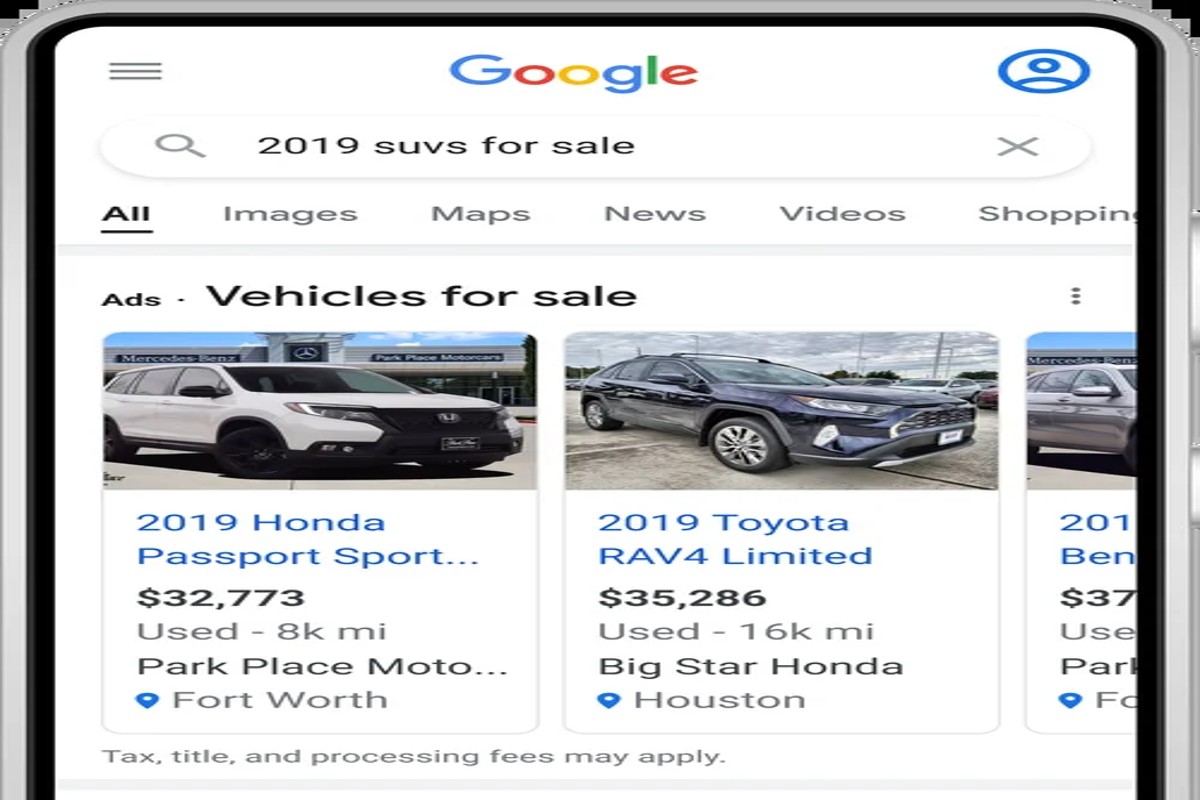
Google Ads for car dealerships are targeted advertising campaigns designed to connect dealerships with potential buyers online. These campaigns can increase leads by up to 50%, significantly driving traffic to dealership websites and showrooms.
Understanding Google Ads for car dealerships is essential in today’s competitive automotive market. With the rise of digital marketing, dealerships must leverage online advertising to effectively reach their target audience. According to a recent study, over 90% of car buyers conduct online research before visiting a dealership, underscoring the necessity of a robust online presence.
Failure to effectively utilize Google Ads can result in missed revenue opportunities, wasted marketing resources, and a significant competitive disadvantage in an increasingly digital marketplace.
This article will cover the key aspects of Google Ads for car dealerships, including a comparison of top providers, cost breakdowns, best practices for maximizing ROI, and insights on integrating local SEO strategies to enhance visibility.
For car dealerships looking to generate local leads through Google Ads or Local SEO, GMB Ranger LLC offers hands-on campaign management. Specialist Md Tangeer Mehedi personally handles campaign setup and ongoing optimization — with no payment required until the first lead comes in.
What are Google Ads for car dealerships?
Google Ads for car dealerships are targeted online advertising campaigns designed to promote vehicles and dealership services through Google’s search and display networks. These ads help dealerships reach potential customers actively searching for vehicles by placing their listings prominently in search results and on relevant websites.
Utilizing Google Ads can significantly enhance a dealership’s visibility, with data indicating that 76% of consumers who search for local businesses visit them within a day. By leveraging keyword targeting, car dealerships can ensure their ads appear when users search for specific car models, brands, or dealership services. This targeted approach not only drives traffic to dealership websites but also increases the likelihood of conversions, leading to a higher return on investment (ROI).
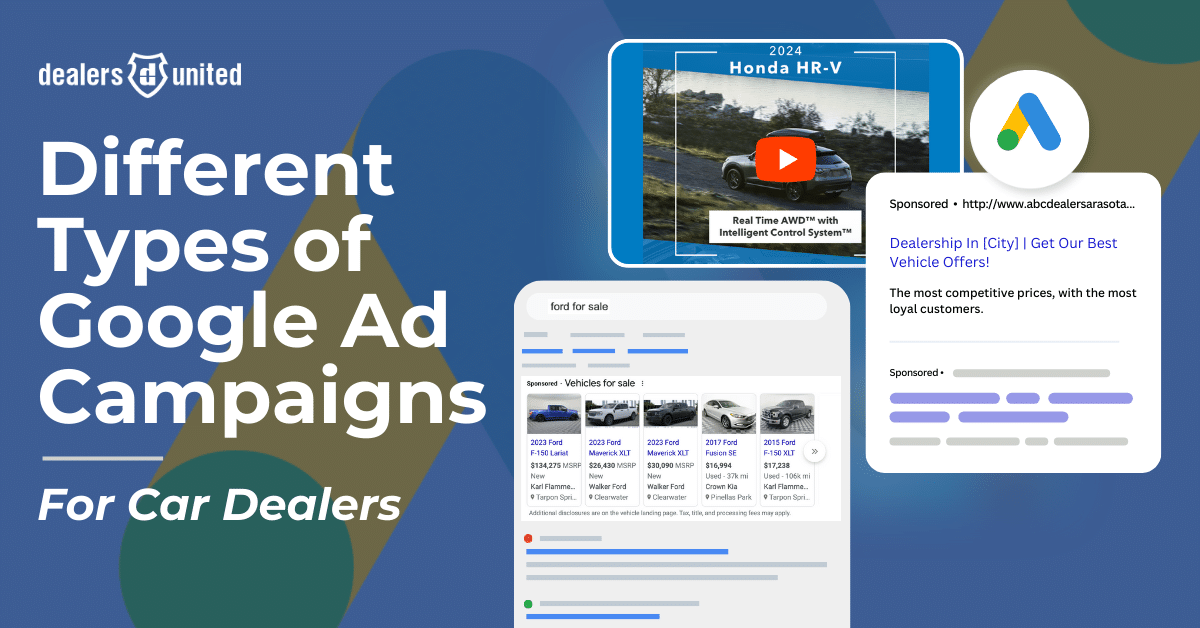
- Search Ads: Text-based ads that appear at the top of search results when potential customers search for specific keywords related to car buying.
- Display Ads: Visual ads that appear on websites within Google’s Display Network, allowing dealerships to reach a broader audience.
- Video Ads: Engaging video content displayed on platforms like YouTube, ideal for showcasing new car models and dealership promotions.
Effective Google Ads campaigns for car dealerships require careful planning, including keyword research, budget allocation, and performance tracking. It is essential to monitor metrics such as click-through rates (CTR) and conversion rates to optimize campaigns continually. Additionally, utilizing ad extensions can enhance visibility and provide potential customers with more information, such as location, contact details, and special offers.
Expert insight: To maximize ROI, dealerships should consider implementing remarketing strategies, targeting users who have previously visited their site, as this can significantly increase conversion rates by keeping the dealership top-of-mind. Regular analysis and adjustments to ad campaigns based on performance data are crucial for sustained success in a competitive market.
How can car dealerships effectively use Google Ads?
Car dealerships can effectively use Google Ads by creating targeted campaigns, utilizing specific keywords, and optimizing ad content to attract potential buyers. In 2024, 70% of consumers report using online ads as a key resource in their car-buying journey.
To start, car dealerships should identify their target audience and create separate campaigns for different vehicle types or services. Utilize Google’s Keyword Planner to discover high-performing keywords relevant to the dealership’s offerings, such as specific vehicle models or financing options. This targeted approach ensures that ads reach individuals actively searching for those vehicles or services.
Next, craft compelling ad copy that highlights unique selling points, such as special promotions, financing options, or local inventory. Using ad extensions, such as location and call buttons, can further enhance visibility and engagement. A/B testing various ad formats and messages can help determine which combinations yield the best click-through rates and conversions.
Additionally, monitoring performance metrics is crucial. Regularly analyze data on impressions, clicks, and conversions to refine campaigns. Adjusting bids based on performance and utilizing Google Ads’ automated bidding strategies can help maximize ROI. Implementing remarketing campaigns can also re-engage visitors who did not convert during their initial visit.
Expert insight: Incorporating video ads showcasing vehicle features can significantly enhance engagement, as studies indicate video ads can increase conversion rates by up to 80% in the automotive sector.
What is the average cost of Google Ads for car dealerships?
The average cost of Google Ads for car dealerships typically ranges from $1 to $3 per click, with a monthly budget often falling between $1,000 and $10,000. In competitive markets, costs can escalate, with some dealerships spending over $20,000 monthly to achieve desired visibility and lead generation.
Several factors influence the cost of Google Ads for car dealerships. These include:
- Geographic Location: Costs can vary significantly based on the dealership’s location. Urban areas with high competition generally have higher CPC rates.
- Keyword Competition: High-demand keywords related to specific car models or features can drive up costs. Bidding on popular terms may require a larger budget.
- Ad Quality and Relevance: Google rewards well-structured ads with better placement and lower costs. High-quality ads can improve click-through rates, reducing overall expenditures.
- Seasonality: Certain times of the year, such as holiday sales or new model releases, can affect bidding strategies and costs, resulting in fluctuations in monthly spending.
Dealerships must also consider their overall marketing strategy. A well-planned Google Ads campaign can yield substantial returns, but initial costs can be daunting. Allocating sufficient budget while monitoring performance metrics is critical to ensure a positive ROI.
Expert insight: Regularly reviewing and optimizing ad campaigns based on performance data can significantly enhance effectiveness and reduce wasted spend, ensuring better alignment with dealership goals.
How long does it take to see results from Google Ads for car dealerships?
Typically, car dealerships can expect to see tangible results from Google Ads within 30 to 90 days of launching their campaigns. Initial performance metrics, such as click-through rates and impressions, may appear within the first week, while lead generation and conversion tracking usually take longer to stabilize.
Several factors influence the timeline for results. First, the competitiveness of the local market plays a significant role. In areas with high competition, it may take longer to optimize campaigns and achieve desired outcomes. Second, the quality of the ad copy, targeting settings, and landing pages directly impact performance. Well-structured campaigns that focus on specific demographics or vehicle types can yield quicker results. Third, budget allocation is crucial; higher budgets can accelerate visibility and lead generation, while limited spending may delay noticeable outcomes.
The learning phase is another critical aspect. Google Ads typically undergoes a learning period where the algorithm gathers data on how users interact with the ads. This phase can last up to two weeks, after which the system becomes more efficient at targeting the right audience. Additionally, ongoing campaign optimization, such as adjusting bids and refining keywords, can further enhance results over time. Regular monitoring and adjustments are essential to maintain momentum and improve ROI.
Expert insight: To maximize effectiveness, car dealerships should implement conversion tracking from day one. This allows for real-time data analysis and quicker adjustments to campaign strategies, ensuring that the dealership capitalizes on any emerging trends or shifts in consumer behavior.
What are the best practices for Google Ads for car dealerships?
To maximize the effectiveness of Google Ads for car dealerships, focus on targeted advertising strategies that resonate with potential buyers. Implementing best practices can significantly increase click-through rates and conversion rates, with data showing that effective ad campaigns can yield a return on investment (ROI) of up to 400%.
Effective Google Ads campaigns for car dealerships require a combination of targeted strategies and ongoing optimization. First, utilize keyword research to identify high-intent search terms specific to your inventory and location. Use tools like Google Keyword Planner to find keywords that potential customers are using, such as “used cars for sale in [location]” or “best auto deals near me.” This helps ensure your ads reach the right audience looking for specific vehicles.
- Geo-targeting: Focus ad delivery to specific geographic areas where your dealership operates. This local approach increases relevance and reduces wasted ad spend.
- Ad Extensions: Use ad extensions like site links, callouts, and structured snippets. These features provide additional information, such as special offers or financing options, and can improve visibility and click-through rates.
- Remarketing: Implement remarketing campaigns to re-engage visitors who have previously interacted with your website. This strategy keeps your dealership top-of-mind and encourages potential buyers to return.
- A/B Testing: Continuously test different ad copies, headlines, and landing pages to identify which elements drive the most conversions. Regular A/B testing helps refine messaging and improve overall campaign performance.
Expert insight: Regularly analyze your campaign performance metrics and adjust your strategies based on data insights. Prioritizing mobile optimization is also critical, as over 60% of automotive searches occur on mobile devices, ensuring your ads are effective across all platforms.
How do Google Ads compare to other advertising methods for car dealerships?
Google Ads offer targeted online advertising, while traditional methods like print ads, television, and radio provide broader reach but less precise targeting. In 2024, businesses using Google Ads reported an average ROI of 200%, significantly higher than many traditional methods, which average between 50% to 100% ROI.
When comparing Google Ads to traditional advertising methods, several key factors emerge:
- Targeting Capabilities: Google Ads allows dealerships to reach specific demographics based on search intent, location, and behavior. In contrast, traditional advertising casts a wider net, often reaching audiences that may not be interested in purchasing a vehicle.
- Cost Efficiency: Google Ads operate on a pay-per-click model, meaning dealerships only pay when potential customers click on their ads. Traditional methods typically require upfront costs for ad placements without guaranteed engagement, making Google Ads more cost-effective for measuring performance.
- Measurable Results: Google Ads provide detailed analytics, enabling dealerships to track conversions and adjust campaigns in real time. Traditional advertising lacks this level of measurable impact, often relying on estimates to gauge effectiveness.
Practical implications of these differences suggest that while traditional advertising can enhance brand awareness, Google Ads are more suited for dealerships aiming to drive immediate sales. Additionally, the ability to quickly modify campaigns based on performance data allows for more agile marketing strategies, which is particularly beneficial in the fast-paced automotive market.
Expert insight: Car dealerships should consider a hybrid approach, utilizing Google Ads for immediate lead generation while complementing it with traditional methods to build long-term brand recognition.
Advanced Strategies for google ads Success
This section delves into sophisticated tactics that enhance the effectiveness of Google Ads for car dealerships. By implementing these strategies, dealerships can significantly improve their return on investment (ROI) and drive more qualified traffic to their websites.
Utilizing Remarketing Strategies
Remarketing is a powerful tool that allows car dealerships to reconnect with potential buyers who previously visited their websites. By displaying targeted ads to these users across the Google Display Network, dealerships can remind them of their interest in specific vehicles.
- Segment Audiences: Create distinct segments based on user behavior, such as those who viewed specific car models or engaged with promotional offers.
- Dynamic Ads: Use dynamic remarketing ads to show potential buyers the exact vehicles they viewed, increasing the likelihood of conversions.
- Frequency Capping: Set frequency caps to prevent ad fatigue, ensuring that audiences do not feel overwhelmed by repeated ads.
Implementing A/B Testing
A/B testing is essential for optimizing ad performance. By comparing different versions of ad copy and landing pages, dealerships can identify which elements drive higher engagement and conversions.
- Create Variations: Develop at least two variations of ad copy or landing pages, focusing on one element at a time, such as headlines or calls-to-action.
- Analyze Performance: Use Google Ads’ built-in reporting tools to track click-through rates (CTR) and conversion rates for each version.
- Iterate and Optimize: Implement the winning version across campaigns and continue testing new variations to refine messaging further.
Leveraging Geo-Targeting
Geo-targeting empowers car dealerships to tailor their ads for local markets, enhancing relevance and effectiveness. By focusing on specific geographic areas, dealerships can ensure their ads reach potential buyers in proximity to their locations.
- Location-Based Bidding: Adjust bids based on the performance of specific geographic areas, allocating more budget to high-performing regions.
- Local Inventory Ads: Utilize local inventory ads to showcase available vehicles to users searching nearby, driving foot traffic to dealerships.
- Custom Audiences: Create custom audiences based on location data to refine targeting and improve ad relevance.
Integrating Google Ads with CRM Systems
Integrating Google Ads with Customer Relationship Management (CRM) systems allows for seamless lead tracking and management. This integration helps dealerships monitor the effectiveness of their ad campaigns in real-time.
- Lead Attribution: Track which ads generate leads and sales, enabling more informed decisions about budget allocation.
- Automated Follow-Ups: Set up automated follow-up campaigns for leads generated via Google Ads, improving engagement and conversion rates.
- Performance Insights: Gain insights into customer behavior and preferences, allowing for more personalized marketing strategies.
One common misconception in Google Ads management is that higher spending automatically leads to better results. In reality, effective targeting and ad optimization play a more significant role. Many dealerships focus solely on broad audience targeting, neglecting the importance of refined strategies such as remarketing and A/B testing. This oversight can lead to wasted ad spend and missed opportunities for engagement.
To leverage these strategies effectively, dealerships should take the following actionable steps:
- Implement a remarketing campaign targeting website visitors from the last 30 days.
- Conduct A/B tests on ad copy every month to continuously refine messaging.
- Utilize geo-targeting features to focus ad spend on regions with the highest conversion rates.
- Integrate Google Ads data with your CRM to streamline lead tracking and follow-up processes.
Common Mistakes to Avoid with Google Ads
Successful Google Ads campaigns for car dealerships require strategic planning and execution. Avoiding common pitfalls can significantly enhance campaign performance and return on investment.
Neglecting to Set Clear Campaign Goals
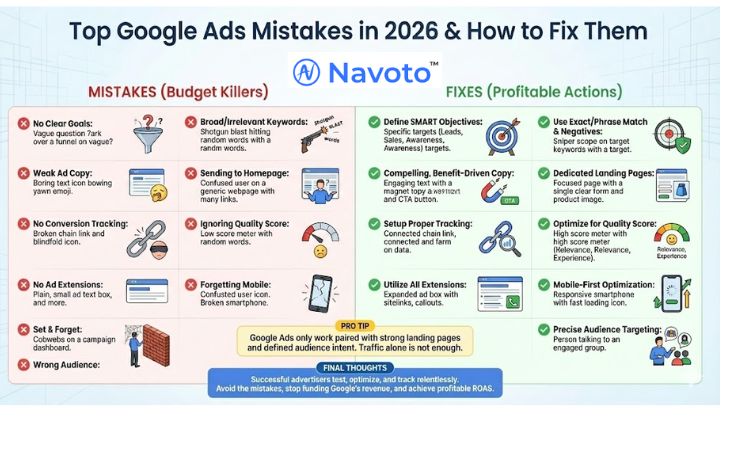
Without defined campaign goals, measuring success becomes nearly impossible. Goals should be specific, measurable, attainable, relevant, and time-bound (SMART). For instance, a dealership might aim to increase leads by 25% over three months or boost website traffic by 40% within the same period. Defining these metrics provides clarity and helps in evaluating what strategies are effective.
Ignoring Mobile Optimization in Ads
As of 2024, over 60% of online car shoppers use mobile devices to research vehicles. Ignoring mobile optimization can severely limit reach and engagement. Ads should be designed with mobile users in mind, featuring concise text, eye-catching images, and quick loading times. Additionally, Google Ads automatically prioritizes mobile-friendly websites, impacting ad rankings. Failure to optimize could lead to lower visibility and higher bounce rates.
Failing to Monitor and Adjust Bids Regularly
Static bidding strategies can lead to wasted ad spend. Regularly monitoring and adjusting bids based on performance data is crucial. For example, if a particular keyword is driving high-quality leads, increasing the bid can enhance its visibility. Conversely, underperforming keywords may require reduced bids or even removal from campaigns. According to recent data, dealerships that adjust their bids weekly saw a 20% increase in lead generation compared to those who did not.
Not Utilizing Ad Extensions for Enhanced Visibility
Ad extensions provide additional information and increase the visibility of ads. Common types include site link extensions, call extensions, and location extensions. Utilizing these can improve click-through rates (CTR) by up to 15%. For car dealerships, adding features such as inventory availability, special offers, or direct contact options can significantly enhance user engagement and drive more qualified traffic to the website.
Expert Insights
Many dealerships mistakenly believe that once a campaign is set up, it requires little ongoing management. This approach overlooks the dynamic nature of Google Ads. Competitors may adjust their strategies, market conditions may change, and customer behavior can shift. Regular A/B testing of ad copy, keywords, and audience targeting remains essential to stay competitive. Additionally, understanding the intricacies of Google’s Quality Score can lead to better ad placements and lower costs per click.
Practical Application
- Define SMART goals for all campaigns to measure success effectively.
- Ensure all ads are mobile-optimized, considering the growing mobile user base.
- Implement a weekly review of bid strategies, adjusting as necessary based on performance data.
- Utilize ad extensions to enhance visibility and provide potential customers with more information.
Real-World Case Studies of Successful Google Ads Campaigns
This section examines real-world case studies highlighting effective Google Ads campaigns tailored for car dealerships. By analyzing both successful strategies and recovery from failures, valuable insights emerge for optimizing advertising efforts.
Successful Local Dealership Campaign
A local dealership in Austin, Texas, implemented a targeted Google Ads campaign focusing on their inventory of pre-owned vehicles. By utilizing a combination of local keywords and demographic targeting, they increased their monthly leads by 45% within three months. The campaign featured ads that highlighted limited-time offers and financing options, which resonated with local buyers.
- Keyword Strategy: The dealership used geo-targeted keywords like “Austin used cars” and “affordable pre-owned vehicles in Austin.”
- Ad Extensions: They employed site link extensions to showcase specific car models and callout extensions to highlight customer testimonials.
- Conversion Tracking: Implementing conversion tracking enabled the dealership to refine their ad spend based on performance metrics.
Insights from a National Chain’s Approach
A national automotive chain launched a Google Ads campaign focusing on new vehicle launches. They adopted a multi-faceted approach that included video ads on YouTube and display ads across the Google Network. The campaign resulted in a 60% increase in website traffic and a 30% rise in showroom visits over a six-month period.
- Audience Targeting: Leveraging in-market audiences allowed them to reach potential buyers actively searching for new vehicles.
- Retargeting Strategies: The chain implemented retargeting ads to re-engage visitors who previously interacted with their website.
- Performance Metrics: They monitored key metrics like click-through rates (CTR) and cost-per-acquisition (CPA) to optimize ongoing campaigns.
Lessons Learned from a Failed Campaign
A regional dealership attempted a broad Google Ads campaign without proper keyword research, leading to a 50% increase in ad spend but negligible leads. The lack of targeted keywords resulted in irrelevant clicks and a high bounce rate. After analyzing the data, the dealership shifted to a more focused approach, refining their keywords and employing localized ads. This pivot led to a subsequent 70% increase in qualified leads.
Key Metrics Indicating Campaign Success
Successful Google Ads campaigns for car dealerships can be measured through several critical metrics:
- Click-Through Rate (CTR): A CTR above 5% typically indicates effective ad engagement.
- Cost-Per-Acquisition (CPA): A lower CPA suggests efficient spending relative to lead generation. A benchmark for CPA in the automotive sector is around $30.
- Conversion Rate: A conversion rate of 10% or higher is a strong indicator of successful campaign execution.
Many articles overlook the importance of continuous optimization. Campaigns require ongoing analysis and adjustments based on performance data. Misconceptions often arise around the need for an expansive keyword list; however, focusing on a few high-performing, relevant keywords generally yields better results.
To apply these insights, dealerships should conduct thorough keyword research tailored to their inventory and local market. Regularly monitor campaign performance metrics and adjust strategies based on data-driven insights. Consider implementing ad extensions and retargeting strategies to enhance engagement and conversion rates.
The Role of Local SEO in Google Ads for Car Dealerships
This section examines how local SEO enhances the effectiveness of Google Ads for car dealerships, highlighting the intersection of organic and paid strategies. Leveraging local SEO can significantly boost ad visibility and overall ROI.
Importance of Local Keywords in Ad Campaigns
Local keywords are crucial in optimizing Google Ads for car dealerships. By incorporating location-specific terms, dealerships can target potential customers actively searching for vehicles in their vicinity. For instance, using phrases like “buy a used car in [City Name]” helps connect ads with relevant search queries, resulting in higher click-through rates (CTR) and conversion rates. According to recent data, ads utilizing local keywords can see a CTR increase of up to 30% compared to generic terms.
How Google My Business Impacts Ad Performance
Google My Business (GMB) directly influences the performance of Google Ads through improved local search visibility. A well-optimized GMB profile enhances local search rankings, making it easier for customers to find dealership offerings. Key elements such as accurate business information, customer reviews, and regular updates can not only improve organic rankings but also boost the effectiveness of paid ads. Listings that include high-quality images and engaging posts can increase customer engagement by 50%, driving more foot traffic to the dealership.
Strategies for Combining Local SEO with Google Ads
- Keyword Coordination: Align the keywords used in both SEO and paid campaigns to create a cohesive marketing strategy.
- Ad Extensions: Utilize location-based ad extensions to display dealership addresses, call buttons, and directions, making ads more informative.
- Landing Page Optimization: Ensure landing pages are optimized for local keywords, providing a seamless experience for users who click on ads.
The Benefits of Customer Reviews and Local Engagement
Customer reviews significantly impact both local SEO and Google Ads performance. Positive reviews enhance credibility and trust, which can lead to increased conversion rates. A study indicated that dealerships with a higher number of positive reviews experience a 70% increase in customer inquiries. Engaging with the local community through events or partnerships can further boost visibility and foster loyalty, making it easier for customers to choose a dealership over competitors.
Many dealerships overlook the synergy between local SEO and paid advertising, mistakenly treating them as separate entities. However, integrating these strategies can amplify results. For instance, a dealership that focuses solely on paid ads may miss out on the long-term benefits of building a strong local SEO foundation. Conversely, prioritizing organic strategies without leveraging paid ads may limit immediate visibility in competitive markets.
To maximize the benefits of local SEO in Google Ads, car dealerships should take actionable steps such as:
- Conduct keyword research to identify local terms relevant to your inventory.
- Optimize your Google My Business profile with current information and engaging visuals.
- Implement ad extensions to provide potential customers with immediate access to contact information and directions.
- Encourage satisfied customers to leave reviews and respond to them promptly to enhance engagement.
By effectively combining local SEO with Google Ads, dealerships can create a robust marketing strategy that drives traffic, increases conversions, and ultimately maximizes return on investment.
Evaluating the Best Google Ads For Car Dealerships
With the automotive digital marketing market projected to reach $20 billion by 2026, understanding the different Google Ads solutions available to car dealerships is crucial for optimizing advertising spend and maximizing leads. Evaluating options based on service offerings, pricing, and unique features helps dealerships make informed decisions that drive sales and customer engagement.
| Provider / Option | Best For | Pricing | Key Feature |
|---|---|---|---|
| Dealer.com | Full-service digital marketing solutions | $1,000 – $5,000/month | Integrated website and advertising platform |
| Cars.com | Lead generation and inventory showcase | $500 – $3,500/month | High visibility on automotive marketplace |
| AutoTrader | Targeted advertising for used cars | $300 – $2,500/month | Extensive reach to car buyers |
| Adpearance | Data-driven digital marketing | $1,500 – $6,000/month | Focus on analytics and performance |
| Cobalt | Customizable advertising solutions | $1,200 – $4,000/month | Personalized marketing strategies |
| Dealer Inspire | Innovative digital retailing | $1,000 – $5,000/month | Advanced technology integration |
Criteria for Evaluating Program Quality
- Service Offerings: Assess the range of services provided, including website integration, lead generation, and advertising management. A comprehensive service can streamline operations and enhance effectiveness.
- Pricing Structure: Compare the pricing models to ensure they fit your dealership’s budget. Understanding the cost relative to the features offered is vital for maximizing ROI.
- Key Features: Identify unique features that can benefit your dealership, such as advanced analytics or customizable solutions. These can provide a competitive edge in digital marketing.
- Customer Support: Evaluate the level of customer support offered by each provider. Reliable support can significantly impact the success of your advertising campaigns.
How to Assess the Reputation and Reliability of Providers
- Research Online Reviews: Look for customer testimonials and reviews on platforms like Google and Trustpilot to gauge user satisfaction and service quality.
- Check Industry Certifications: Verify if the provider holds any relevant certifications or partnerships with major advertising platforms, indicating credibility and expertise.
- Request Case Studies: Ask potential providers for case studies showcasing their success with other dealerships, which can provide insight into their effectiveness.
- Evaluate Longevity: Consider how long the provider has been in business. Established companies may have more resources and experience to support their clients effectively.
- Seek Recommendations: Reach out to other dealerships or industry contacts for recommendations and insights based on their experiences with various providers.
Which Google Ads For Car Dealerships Is Right for You?
Choosing the right Google Ads strategy for your car dealership hinges on your unique business needs, budget constraints, and marketing objectives. This decision guide outlines tailored recommendations for various dealership types to help you maximize your advertising impact.
Small dealership owners
Focus on local targeting by utilizing Google Ads’ location extensions and geo-targeting features to reach potential customers within your community. Budget-friendly campaigns can be structured around local keywords, with a recommended monthly budget of $500 to $1,000 to ensure visibility without overspending.
Large dealership chains
Employ advanced analytics tools like Google Analytics and Google Ads reporting to track performance across different locations. Implement multi-location strategies that allow for tailored ads in various markets, with an ad spend of $5,000 to $20,000 monthly to effectively optimize your overall ad budget across diverse audiences.
Used car dealerships
Highlight your inventory through targeted ads that emphasize value and competitive pricing. Use dynamic remarketing ads to showcase specific vehicles and their prices. A monthly budget of $800 to $1,500 can help attract cost-conscious buyers actively searching for used cars.
New car dealerships
Leverage brand partnerships and promotional events to create compelling ad campaigns. Utilize Google Ads to promote special financing offers or exclusive dealership events, with an estimated budget of $1,000 to $3,000 monthly for effective reach and engagement.
Marketing agencies for dealerships
Implement comprehensive strategies that integrate Google Ads with SEO and social media marketing. Focus on creating cohesive campaigns that drive traffic across multiple platforms, with a recommended budget of $2,000 to $10,000 monthly depending on the scale of client needs and competition in the market.
| If You Are… | Best Approach |
|---|---|
| Small dealership owners | Local targeting with budget-friendly campaigns ($500-$1,000/month) |
| Large dealership chains | Advanced analytics and multi-location strategies ($5,000-$20,000/month) |
| Used car dealerships | Targeted ads emphasizing value ($800-$1,500/month) |
| New car dealerships | Brand partnerships and promotional events ($1,000-$3,000/month) |
| Marketing agencies for dealerships | Integrated strategies with SEO and social media ($2,000-$10,000/month) |
Local Strategies for Google Ads Targeting Car Dealerships
Understanding local market dynamics is crucial for car dealerships leveraging Google Ads. With 78% of mobile local searches resulting in an offline purchase, dealerships must ensure their ads are tailored to local audiences and reflect regional preferences.
Geographic Market Differences
In larger metropolitan areas like Los Angeles or New York, competition among car dealerships is fierce, necessitating a more aggressive bidding strategy and targeted ad copy. Conversely, in smaller towns, dealerships can benefit from less competition, allowing for more budget-friendly campaigns that capitalize on local interest. Local market characteristics, such as average income and vehicle preferences, can significantly influence ad performance.
Local Business Applications
Local dealerships can harness Google Ads effectively by focusing on hyper-targeted campaigns that resonate with their specific audience. Key applications include:
- Promoting local inventory with geo-targeted ads to attract nearby customers.
- Running seasonal promotions or sales events that cater to local buying trends.
- Utilizing customer reviews and testimonials in ad copy to build trust within the community.
- Implementing call-to-action features like “Call Now” to streamline customer inquiries directly from ads.
Local Search and Visibility Impact
The effectiveness of Google Ads for car dealerships is closely tied to local search visibility and Google Business Profile optimization. To maximize impact, businesses should:
- Ensure their Google Business Profile is fully optimized with accurate information and updated inventory.
- Incorporate localized keywords into ad copy, such as city names or neighborhood identifiers.
- Encourage customer reviews to enhance local credibility and improve ad rankings.
- Utilize location extensions in ads to direct potential customers to their nearest dealership.
Pricing and Cost in Local Markets
Advertising costs for Google Ads can vary significantly by geographic area. In competitive markets like San Francisco, dealerships may spend between $3.50 to $8.00 per click, while in less competitive regions, costs can drop to $1.50 to $3.00 per click. Local businesses should budget around $1,000 to $5,000 monthly for effective campaigns, whereas national players often allocate upwards of $10,000 to maintain visibility across multiple regions.
Local Implementation Checklist:
- Conduct a local market analysis to identify specific customer demographics.
- Optimize your Google Business Profile with current inventory and customer reviews.
- Implement geo-targeted campaigns focusing on local keywords.
- Monitor and adjust bids based on local competition and performance metrics.
- Engage with local community events and promotions in your ad strategy.
- Use ad extensions to highlight local offers and contact information.
- Regularly review and adapt your local strategy based on search trends and customer feedback.
For car dealerships looking to generate local leads through Google Ads or Local SEO, GMB Ranger LLC offers hands-on campaign management. Specialist Md Tangeer Mehedi personally handles campaign setup and ongoing optimization — with no payment required until the first lead comes in.
Frequently Asked Questions
What are Google Ads for car dealerships?
Google Ads for car dealerships are online advertising campaigns that help promote vehicles and services through targeted search results and display ads. These ads appear when potential customers search for relevant keywords, driving traffic to dealership websites.
How can car dealerships effectively use Google Ads?
Car dealerships can effectively use Google Ads by targeting specific keywords related to their inventory and services, utilizing location targeting to reach local customers, and creating compelling ad copy. Regularly analyzing performance metrics allows for ongoing optimization of campaigns.
What is the average cost of Google Ads for car dealerships?
The average cost of Google Ads for car dealerships varies widely but typically ranges from $1 to $5 per click, depending on competition and targeting. Monthly budgets can range from a few hundred to several thousand dollars based on the dealership’s goals.
How long does it take to see results from Google Ads for car dealerships?
Results from Google Ads for car dealerships can often be seen within a few days to weeks, depending on the campaign’s setup and budget. However, optimizing campaigns for maximum effectiveness may take several weeks of data collection and adjustment.
What are the best practices for Google Ads for car dealerships?
Best practices for Google Ads for car dealerships include using targeted keywords, writing clear and engaging ad copy, and employing ad extensions to enhance visibility. Regular monitoring and adjusting bids based on performance are also crucial for maximizing ROI.
How do Google Ads compare to other advertising methods for car dealerships?
Google Ads provide targeted visibility and immediate results compared to traditional advertising methods, such as print or radio. They allow car dealerships to reach potential buyers actively searching for vehicles, making them a highly effective marketing tool.
Final Thoughts on Google Ads for Car Dealerships
Mastering Google Ads is essential for car dealerships seeking to enhance visibility and drive sales in a competitive market. By implementing advanced strategies and avoiding common pitfalls, dealerships can significantly increase their return on investment and attract more qualified leads.
To leverage the full potential of Google Ads, dealerships should conduct a thorough analysis of their target audience and create tailored campaigns that address specific customer needs and preferences. Utilize data-driven insights to refine targeting and optimize ad performance continuously.
To achieve the best results for your dealership, consider partnering with a google ads management agency that understands the automotive market.
In a rapidly evolving automotive landscape, effective Google Ads campaigns can differentiate a dealership, ensuring sustained growth and market relevance.
Leave a Reply