

Google display ads appear on a variety of websites within the Google Display Network, including blogs, news sites, and YouTube. They can also show up in mobile apps and Gmail.
Understanding where Google display ads appear is crucial for marketers and businesses aiming to maximize their advertising reach. Misjudging ad placements can lead to ineffective campaigns and wasted budgets, making it essential to grasp the full scope of available platforms.
This guide details the specific locations where Google display ads can be found, including insights into the Google Display Network, mobile app placements, and advertising within Gmail, providing a comprehensive overview for effective ad strategy development.
For Where Do Google Display Ads Appear businesses looking to generate local leads through Google Ads or Local SEO, GMB Ranger LLC offers hands-on campaign management. Specialist Md Tangeer Mehedi personally handles campaign setup and ongoing optimization — with no payment required until the first lead comes in.
What is the Google Display Network?
The Google Display Network (GDN) is a vast collection of websites, apps, and videos where advertisers can display their ads. It allows businesses to reach a wide audience across millions of platforms beyond just Google search results. The GDN is instrumental in expanding brand visibility and driving traffic through various ad formats.
The GDN encompasses a variety of components that enable advertisers to target specific demographics and interests effectively. Key features include:
- Websites: Millions of partner sites that display ads alongside content.
- Mobile Apps: Ads placed within mobile applications across different categories.
- YouTube: Video ads shown before, during, or after video content.
Advertisers can utilize various targeting options, such as contextual targeting, demographic targeting, and remarketing, to ensure their ads reach the most relevant audience. The effectiveness of the GDN relies on its ability to serve ads based on user behavior and preferences, enhancing engagement and conversion rates.
Each ad placement is driven by Google’s algorithms, which analyze user data to determine the most suitable sites and contexts for ad delivery. This dynamic approach allows businesses to optimize their advertising strategies and gain insights into customer interactions with their ads.
Expert Tip: Advertisers should regularly review their campaign performance metrics within the GDN to identify high-performing placements and adjust their strategies accordingly, ensuring maximum return on investment.
How can I find out where my Google display ads are shown?
You can find out where your Google display ads are shown by accessing performance reports in Google Ads. These reports provide insights into the specific websites and apps where your ads are displayed, allowing you to evaluate their effectiveness. Here’s how to access this information step-by-step.
- Sign in to Google Ads: Go to the Google Ads website and log in using your account credentials. Ensure you have the necessary permissions to view performance reports.
- Select the Campaign: From your dashboard, navigate to the left panel and select the campaign containing the display ads you want to analyze. Click on the campaign name to access its details.
- Go to Placements: In the campaign view, click on the “Placements” tab. This section shows you where your ads have been displayed across the Google Display Network.
- Review Performance Data: Here, you will see a list of websites and apps along with performance metrics such as clicks, impressions, and conversions. Use filters to adjust the data to your needs.
- Download Reports (Optional): If you wish to analyze the data further, you can download the report. Click on the download icon and select your preferred file format.
Understanding where your ads appear can help refine targeting strategies and optimize ad performance. Regularly reviewing placement data allows for better decision-making regarding budget allocation and creative adjustments.
Expert Tip: Utilize placement exclusion settings to prevent ads from appearing on underperforming sites, which can improve overall campaign ROI. Regularly monitor these placements to identify trends and opportunities for better engagement.
What types of websites show Google display ads?
Google display ads can appear on a wide variety of websites, including news sites, blogs, and e-commerce platforms. These ads are typically shown on websites that are part of the Google Display Network, which encompasses millions of sites across the internet.
For example, a popular news website might feature Google display ads alongside its articles. This can include ads from various industries, such as travel, technology, or finance, tailored to the interests of the site’s audience. Additionally, niche blogs focused on specific topics, like cooking or fitness, also display Google ads relevant to their content, allowing advertisers to reach targeted demographics effectively.
Furthermore, e-commerce platforms often display Google ads to promote products or services directly related to the items being viewed by users. For instance, a website selling outdoor gear may show ads for camping equipment or hiking boots to visitors browsing related products. The flexibility of the Google Display Network ensures that ads are strategically placed where they can capture the attention of potential customers across diverse online environments.
Expert Tip: Advertisers can enhance their targeting by utilizing demographic and interest-based filters when setting up their campaigns, ensuring their ads reach the most relevant audiences on these various types of websites.
How much does it cost to run Google display ads?
The cost to run Google display ads typically ranges from $0.10 to $2.00 per click, but this can vary based on several factors. Advertisers can set daily budgets, with the total spend influenced by campaign goals and audience targeting. Overall costs can escalate depending on the scale and specifics of the advertising strategy.
Several factors affect the cost of Google display ads. These include:
- Target Audience: Costs can increase based on the competitiveness of the audience being targeted. Niche markets may have higher costs due to limited reach.
- Ad Placement: Premium placements, such as on high-traffic websites or within specific content categories, often incur higher costs.
- Bidding Strategy: Google Ads operates on a bidding model. Advertisers can choose between options like Cost Per Click (CPC) or Cost Per Thousand Impressions (CPM), which can significantly affect overall costs.
- Ad Quality: Higher quality ads that engage users effectively may benefit from lower costs. Ad relevance and performance influence the cost through Quality Score metrics.
- Seasonality: Certain times of the year, such as holidays or events, can increase competition and, consequently, ad costs.
Advertisers should also consider the overall campaign strategy. A well-defined target audience and compelling ad content can enhance effectiveness, potentially lowering costs over time. Continuous optimization and analysis of ad performance are essential for managing expenditures efficiently.
Expert Tip: Regularly monitor performance metrics and adjust bidding strategies to maximize ROI, especially during high-traffic periods when competition is fierce. This proactive approach can help maintain costs within budget while achieving desired visibility.
How long does it take for Google display ads to start showing?
Google display ads typically take between 24 to 48 hours to start appearing after launch. This timeframe includes the ad review process, where Google evaluates the ad content for compliance with its advertising policies.
The approval process is primarily influenced by the complexity of the ad and the volume of ads being reviewed at that time. If the ad content is straightforward and adheres to Google’s guidelines, it may be approved quickly. However, ads that require further scrutiny—such as those involving sensitive topics or unique targeting criteria—may take longer to review.
Once approved, the ads may not appear immediately across all platforms. Visibility can depend on factors such as bidding strategy, targeting settings, and competition within the selected advertising space. Ads may take a few additional hours to be fully distributed across the Google Display Network, which consists of millions of sites and apps.
Factors Affecting Ad Display Time
Several factors can affect how quickly Google display ads appear. First, the quality of the ad itself can expedite or delay the review process. Ads with clear messaging, appropriate visuals, and proper formatting are more likely to receive rapid approval. Additionally, the advertiser’s account history plays a role; established accounts with a good track record may experience faster approvals compared to new advertisers.
Furthermore, any modifications made to the ad after submission will reset the review timeline. If an ad is edited, it must go through the review process again, which can delay its visibility. Advertisers should plan their campaigns accordingly, allowing sufficient time for these factors to be addressed.
Expert Tip: To minimize delays, ensure that all ad components comply with Google’s advertising policies before submission. Regularly review account status and performance metrics to maintain a good standing with Google, which can further speed up future ad approvals.
What are the best practices for Google display ads placement?
To optimize Google display ads placement, focus on strategies that enhance visibility and engagement. Effective placement can significantly impact click-through rates and overall campaign performance. Implementing best practices allows advertisers to reach their target audience more effectively.
Successful ad placement involves understanding where your audience spends time online. Begin by selecting relevant websites and platforms that align with your target demographic. Utilize Google’s targeting options, such as contextual targeting, to display ads on sites that match your product or service. This ensures ads are seen by users who are already interested in related content.
- Use audience segmentation: Tailor ads to specific audience segments based on interests, demographics, and behaviors. This increases the likelihood of engagement by presenting relevant content to the right users.
- Optimize ad formats: Choose various ad formats, including responsive display ads, to adapt to different screen sizes and placements. This flexibility improves visibility across devices and enhances user experience.
- Leverage remarketing: Implement remarketing strategies to re-engage users who have previously interacted with your brand. Displaying ads to this audience can lead to higher conversion rates as they are already familiar with your offerings.
- Monitor performance and adjust placements: Regularly analyze ad performance metrics to identify which placements yield the best results. Use this data to refine targeting and optimize placements for better outcomes.
Expert insights suggest that testing different placements and formats can yield valuable data about audience preferences. Continuously experimenting and adapting strategies based on performance can lead to improved engagement and conversion rates over time.
Can Google display ads appear on social media?
Google display ads do not appear on social media platforms. Instead, they are shown on websites and apps that are part of the Google Display Network, which includes millions of sites across the internet.
Google display ads are primarily image or text-based advertisements that are displayed on third-party websites in the Google Display Network. This network encompasses a vast array of sites, from news outlets to blogs, allowing advertisers to reach a wide audience through banner ads, video ads, and more. In contrast, social media ads are specifically tailored for platforms like Facebook, Instagram, Twitter, and LinkedIn, where users interact with content in a social context. The targeting mechanisms and ad formats differ significantly between the two advertising avenues.
Key differences between Google display ads and social media ads include:
- Placement: Google display ads appear on external websites and apps, while social media ads are integrated into the social media platforms themselves.
- Targeting Options: Google display ads often rely on keyword targeting and contextual relevance, whereas social media platforms use user demographics, interests, and behaviors for more precise audience targeting.
- Ad Formats: Google offers a variety of display formats, including responsive ads and rich media, while social media ads can incorporate interactive elements and are often designed to fit seamlessly into the user’s feed.
For advertisers, understanding these differences is crucial for optimizing ad strategies. Each platform’s unique features and audience engagement styles can significantly impact campaign performance.
Expert Tip: Consider leveraging both Google display ads and social media ads in a cohesive marketing strategy. This approach can maximize reach and engagement by tapping into different user behaviors across platforms.
Understanding the Google Display Network: Key Components
This section delves into the structure of the Google Display Network (GDN) and the various factors that influence where ads appear. A comprehensive understanding of these components is essential for maximizing ad visibility and effectiveness.

Overview of the Google Display Network Structure
The Google Display Network is a vast ecosystem comprising millions of websites, apps, and videos that enable advertisers to reach potential customers across various online environments. It allows advertisers to display visual ads, including static images, animations, and rich media, to users who are browsing content outside of Google Search. The GDN’s extensive reach is one of its most significant advantages, connecting brands with a diverse audience globally.
Types of Placements Available
Ads can appear in several formats across different placements. The primary types include:
- Websites: Ads may be displayed on content-rich sites that are part of the GDN, covering a broad range of topics.
- Apps: Mobile applications can host display ads, providing opportunities for reaching users in mobile environments.
- Video Content: Ads can also appear within or alongside video content on platforms like YouTube, which is integrated into the GDN.
Targeting Options that Affect Ad Visibility
Targeting options play a crucial role in determining where Google display ads appear. Advertisers can utilize various targeting strategies, including:
- Contextual Targeting: Ads are shown based on the content of the webpage, ensuring relevance to users.
- Demographic Targeting: Advertisers can specify age, gender, and parental status to reach particular audience segments.
- Interest-Based Targeting: This option allows advertisers to target users based on their interests and browsing behavior.
- Remarketing: Ads can be shown to users who have previously interacted with the brand, enhancing conversion opportunities.
The Role of Programmatic Advertising in Display Ads
Programmatic advertising automates the buying and selling of display ad inventory through algorithms and data analytics. This process allows advertisers to target audiences more effectively by leveraging real-time bidding (RTB) systems. Programmatic advertising enhances the efficiency of ad placements, ensuring that ads reach the right users at the right time. As a result, advertisers can optimize their campaigns based on performance metrics and adjust strategies dynamically.
Nuance / Expert Layer
One common misconception is that all placements within the GDN are equally effective. In reality, the quality of placements can vary significantly. High-quality placements on reputable sites often yield better engagement and conversion rates compared to lower-quality sites. Additionally, advertisers should be aware of the potential for ad fatigue, where users become desensitized to seeing the same ad repeatedly. Implementing frequency capping can mitigate this issue, ensuring that ads do not overwhelm the target audience.
Practical Application
To leverage this information effectively, advertisers should regularly analyze performance data across different placements and targeting options. Experimenting with various ad formats and placements, coupled with robust targeting strategies, can significantly enhance campaign effectiveness. Utilizing tools such as Google Analytics can provide insights into user behavior, helping to refine targeting and placement decisions. Implementing programmatic strategies can also streamline ad management and improve ROI.
Analyzing Ad Placement Performance: Tools and Metrics
This section examines how to measure and analyze the effectiveness of Google Display Ads placements using various tools and metrics. Understanding placement performance is crucial for optimizing ad strategies and maximizing return on investment.
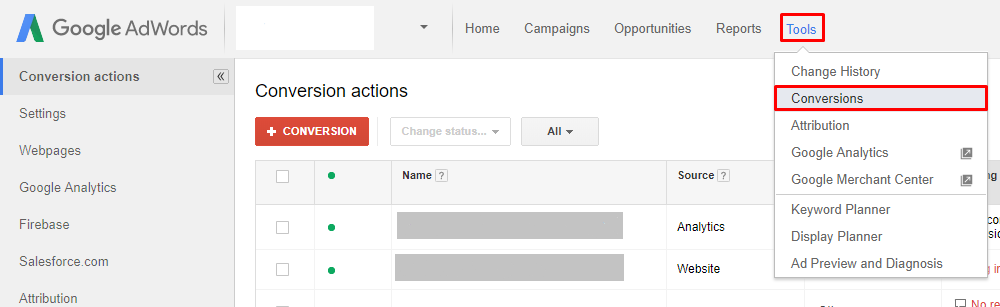
Using Google Ads Reporting Tools to Track Placements
Google Ads provides a suite of reporting tools that allow advertisers to monitor ad placements effectively. The Placement Report is a key feature that identifies where ads are displayed across the Google Display Network. Advertisers can access this report by navigating to the “Placements” tab within their campaign dashboard. This report offers insights into individual site performance, helping to determine which placements yield the highest engagement and conversion rates.
Key Performance Indicators (KPIs) for Display Ads
To evaluate the effectiveness of display ads, certain KPIs must be monitored. Primary metrics include:
- Click-Through Rate (CTR): Measures the percentage of users who click on the ad after viewing it.
- Conversion Rate: Indicates the percentage of clicks that result in a desired action, such as a purchase or sign-up.
- Cost Per Acquisition (CPA): Calculates the total cost spent on ads divided by the number of conversions.
- Impressions: The total number of times the ad is displayed, providing context for CTR and engagement rates.
How to Interpret Placement Performance Data
Interpreting placement performance data involves analyzing trends and identifying high-performing placements. A high CTR may indicate effective ad design or relevance to the audience, while a low CTR could suggest that the ad is not resonating with viewers. Additionally, examining the conversion rate in conjunction with CTR can reveal whether clicks are translating into actual business results. Segmenting data by audience demographics and targeting settings can also provide deeper insights into placement effectiveness.
Adjusting Strategies Based on Performance Insights
Based on performance data, advertisers should continuously refine their strategies. For placements that underperform, consider:
- Pausing or removing low-performing sites from the campaign.
- A/B testing different ad creatives to enhance engagement.
- Adjusting targeting parameters to reach a more suitable audience.
Conversely, high-performing placements should be scaled up, potentially allocating more budget towards them to maximize visibility and conversions.
Many advertisers mistakenly believe that simply increasing the budget will improve performance across all placements. However, a targeted approach based on data-driven insights is critical. For instance, reallocating funds from underperforming placements to those with higher engagement rates can significantly enhance overall campaign performance. Furthermore, understanding the nuances of placement metrics, such as the difference between viewable impressions and total impressions, can lead to more informed decisions.
To effectively apply this information, advertisers should regularly review placement reports within Google Ads, focusing on the established KPIs. Conducting monthly audits can help identify trends and guide adjustments to campaigns. Additionally, utilizing A/B testing for different ad creatives and placements can provide valuable data for future strategies. By focusing on data-driven insights, advertisers can optimize their Google Display Ads to ensure they appear in the most effective contexts, ultimately improving ROI.
Common Mistakes in Google Display Advertising and How to Avoid Them
This section identifies frequent errors in Google Display Advertising and provides actionable solutions to enhance campaign effectiveness. Addressing these mistakes is essential for maximizing ad performance and optimizing return on investment.

Neglecting Audience Targeting Settings
Many advertisers fail to utilize the full potential of audience targeting settings, leading to wasted ad spend. Precise targeting allows advertisers to reach users based on demographics, interests, and online behavior. Neglecting these settings can result in ads being shown to irrelevant audiences, reducing engagement and conversion rates.
- Demographic Targeting: Adjust age, gender, and parental status to align with your ideal customer profile.
- Affinity Audiences: Target users with specific interests related to your products or services.
- Custom Audiences: Create tailored audiences based on past interactions with your brand.
Failing to Optimize Ad Creatives for Placements
Ad creatives must be tailored to various placements across the Google Display Network. A one-size-fits-all approach may dilute the impact of ads. Different formats and sizes perform uniquely depending on the context in which they appear. Advertisers should create multiple variations of their ads to ensure optimal performance across diverse placements.
- Responsive Display Ads: Utilize automated ad formats that adapt to available space and audience preferences.
- Image and Video Sizes: Design creatives in multiple dimensions to suit different display environments.
- Clear Calls to Action: Tailor messaging to encourage user interaction based on the placement context.
Overlooking Mobile Placements and Their Importance
With the increasing use of mobile devices, overlooking mobile placements is a critical error. Ads that do not consider mobile user experience may lead to lower engagement rates. Responsive designs and mobile-optimized creatives are essential for tapping into this significant audience segment. Ignoring mobile placements can severely limit the reach and effectiveness of display campaigns.
According to Google, over 70% of display ad impressions occur on mobile devices. Therefore, ensuring that ads are optimized for mobile viewing is vital for capturing this audience.
Not Utilizing A/B Testing for Ad Variations
Many advertisers fail to implement A/B testing, which is crucial for refining ad performance. Without testing different variations, it is challenging to determine which elements resonate best with the target audience. Regularly testing and analyzing results can lead to improved click-through rates and conversions.
- Identify key elements to test, such as headlines, images, or calls to action.
- Run simultaneous campaigns with different variations to gauge performance.
- Review analytics to determine which ad variations yield the best results.
Common misconceptions in display advertising suggest that targeting and creative optimization are secondary to budget allocation. However, without a strategic approach to these elements, even large budgets may not yield satisfactory results. Advertisers should prioritize refining targeting settings, optimizing creatives, and utilizing A/B testing to maximize their campaigns’ potential.
To avoid these pitfalls, advertisers should take the following actions:
- Conduct a thorough review of audience targeting settings and refine them based on performance data.
- Create multiple ad variations tailored for different placements and devices.
- Implement mobile optimization as a standard practice.
- Establish a regular A/B testing schedule to continuously improve ad performance.
Real-World Case Studies: Successful Google Display Ad Campaigns
This section presents an in-depth analysis of successful Google Display Ad campaigns from various industries. By examining these case studies, businesses can glean insights into effective strategies and outcomes that enhance ad performance.
Case Study 1: Retail Industry – Fashion Brand X
Fashion Brand X implemented a Google Display Ad campaign targeting young adults aged 18-24. The campaign featured visually striking ads showcasing seasonal collections across popular fashion blogs and websites. By leveraging audience targeting, the brand achieved a 30% increase in website traffic and a 25% boost in online sales.
- Targeted Audience: Focused on fashion enthusiasts using demographic and interest-based targeting.
- Creative Design: Utilized vibrant imagery and clear calls-to-action to engage viewers.
- Retargeting Strategy: Implemented retargeting ads for users who visited the website but did not complete purchases.
Lessons learned include the significance of understanding the target audience and the impact of compelling visuals in driving engagement.
Case Study 2: Technology Sector – Software Company Y
Software Company Y launched a Google Display Ad campaign aimed at small to medium-sized businesses (SMBs) looking for productivity solutions. The ads were displayed on tech blogs and business news websites, leading to a 40% increase in free trial sign-ups.
- Ad Placement: Chose placements on high-traffic technology sites to reach decision-makers.
- Clear Value Proposition: Highlighted unique features and benefits of the software in the ad copy.
- Tracking and Optimization: Monitored ad performance closely and adjusted placements based on real-time data.
This campaign underscored the importance of a well-defined value proposition and the necessity of continuous optimization based on performance metrics.
Case Study 3: Travel Industry – Travel Agency Z
Travel Agency Z’s Google Display Ad campaign targeted families planning vacations. By using location-based targeting, the agency reached families in urban areas. The campaign resulted in a 50% increase in inquiries for family packages.
- Geographic Targeting: Focused on metropolitan areas with high family demographics.
- Seasonal Promotions: Highlighted limited-time offers to create urgency among potential customers.
- Engaging Formats: Employed rich media ads that included videos and interactive elements.
Key takeaways include the effectiveness of geographic targeting and the role of urgency in driving consumer action.
Despite the successes illustrated in these case studies, common misconceptions persist. One such misconception is that display ads are only effective for brand awareness. In fact, these campaigns can drive measurable conversions when strategically targeted and optimized. Additionally, many overlook the value of A/B testing in refining ad creatives and placements, which can significantly enhance performance.
To apply these insights, businesses should:
- Define clear objectives for their campaigns, such as increased traffic or sales.
- Utilize audience targeting to reach specific demographics effectively.
- Incorporate engaging visuals and compelling ad copy to capture attention.
- Regularly analyze campaign performance and adjust strategies based on data insights.
For Where Do Google Display Ads Appear businesses looking to generate local leads through Google Ads or Local SEO, GMB Ranger LLC offers hands-on campaign management. Specialist Md Tangeer Mehedi personally handles campaign setup and ongoing optimization — with no payment required until the first lead comes in.
Frequently Asked Questions
What is the Google Display Network?
The Google Display Network (GDN) is a vast collection of websites, apps, and videos that display Google ads. It allows advertisers to reach a wide audience across various online platforms beyond just search results.
How can I find out where my Google display ads are shown?
Advertisers can use the Google Ads interface to access the “Placements” report, which provides information on where their display ads have appeared. This report details specific websites and apps that have displayed the ads.
What types of websites show Google display ads?
Google display ads can appear on a variety of websites, including news sites, blogs, and niche content platforms. The GDN encompasses millions of sites across diverse categories, targeting different audiences.
How much does it cost to run Google display ads?
The cost of running Google display ads varies based on factors like bidding strategy, ad quality, and targeting options. Advertisers can set daily budgets and bid amounts to control their spending.
How long does it take for Google display ads to start showing?
Google display ads can begin appearing within a few hours after the campaign is approved. However, full visibility and performance may take up to 24 hours as the system optimizes placements.
What are the best practices for Google display ads placement?
Best practices for Google display ads placement include targeting relevant audiences, using compelling visuals, and testing different ad formats. Additionally, regularly monitoring performance helps optimize placements for better results.
Can Google display ads appear on social media?
Google display ads do not appear directly on social media platforms as they are part of the Google Display Network. However, advertisers can run separate campaigns on social media platforms to reach users there.
Final Thoughts on where do google display ads appear
The strategic placement of Google Display Ads across a vast network of websites offers unparalleled reach and engagement potential for advertisers. Understanding the nuances of this network, including ad performance metrics and common pitfalls, is essential for maximizing campaign effectiveness and ROI.
To leverage this knowledge, advertisers should conduct a thorough audit of their current ad placements using Google’s reporting tools, ensuring alignment with target audience demographics and interests.
Mastering the intricacies of Google Display Ads not only enhances brand visibility but also drives measurable business growth in an increasingly competitive digital landscape.
Leave a Reply