
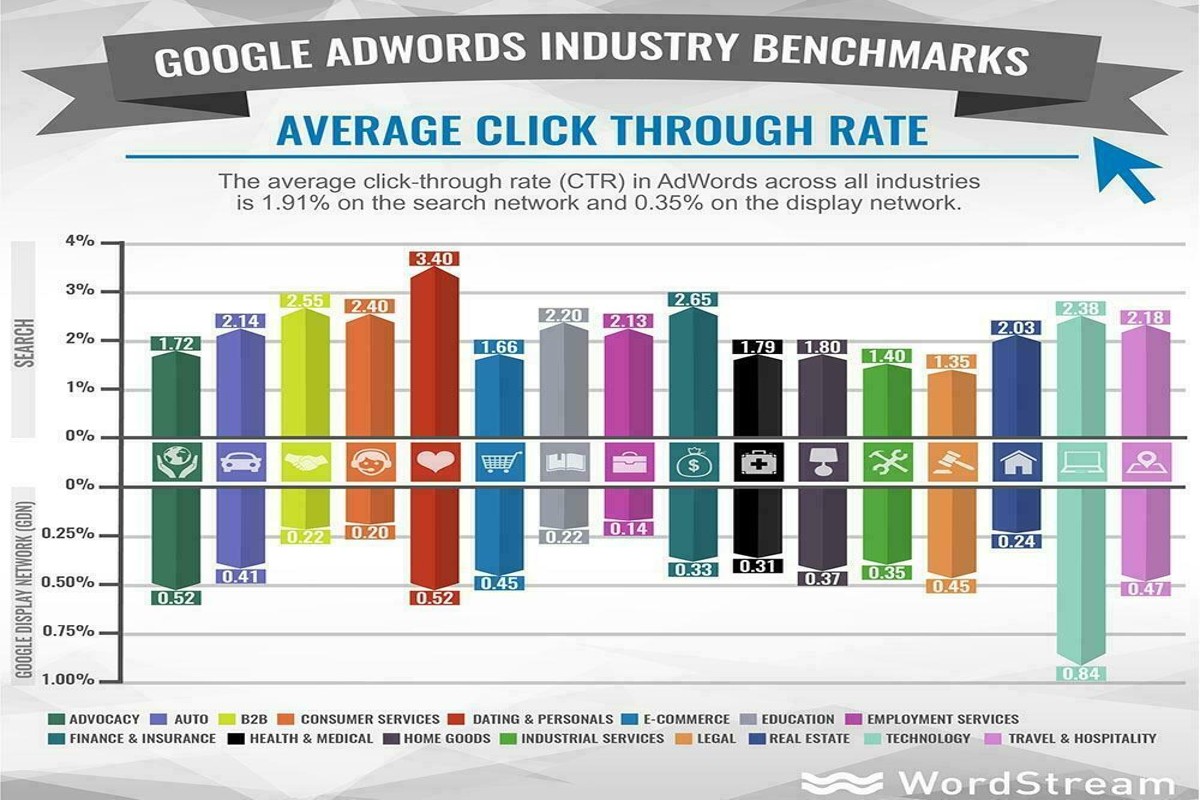
A good click through rate for Google Ads typically ranges from 2% to 5%. This metric indicates how effectively your ads attract clicks, directly influencing your campaign’s success.
Understanding what constitutes a good click through rate for Google Ads is essential for advertisers aiming to maximize their online marketing efforts. A higher click through rate (CTR) not only signifies effective ad copy and targeting but also plays a crucial role in optimizing ad spend and improving overall campaign performance. With digital ad spending projected to reach over $500 billion in 2023, the stakes for achieving an optimal CTR have never been higher.
Failure to grasp the nuances of click through rates can lead to wasted advertising budgets, missed revenue opportunities, and a significant competitive disadvantage in the crowded online marketplace. Poor CTR can signal ineffective campaigns, resulting in lower ad rankings and increased costs per click.
This article will explore the factors influencing click through rates, provide benchmarks for comparison across various industries, outline best practices for improvement, and offer insights into the implications of local SEO on your advertising strategy.
For What Is A Good Click Through Rate For google ads businesses looking to generate local leads through Google Ads or Local SEO, GMB Ranger LLC offers hands-on campaign management. Specialist Md Tangeer Mehedi personally handles campaign setup and ongoing optimization — with no payment required until the first lead comes in.
What is considered a good click through rate for Google Ads?
A good click-through rate (CTR) for google Ads typically ranges from 2% to 5%, depending on the industry and the specific advertising goals. In 2024, benchmarks indicate that higher-performing ads can achieve CTRs exceeding 5%, especially in competitive sectors.
Several factors influence what constitutes a good CTR. For instance, the industry plays a significant role; sectors such as e-commerce often see higher CTRs due to more engaging ad formats and a broader target audience. Conversely, highly specialized industries, like B2B services, may experience lower CTRs as the target audience is more niche. Additionally, ad placement, ad quality, and relevance to the audience can significantly impact CTR.
It’s essential to benchmark against industry standards while also considering the specific context of the advertising campaign. Factors such as seasonal trends, the strength of the call to action, and the competitiveness of keywords can all affect CTR. Regularly analyzing performance data allows marketers to refine their strategies to improve CTR over time.
Expert insight:
Focus on optimizing ad copy and targeting to enhance relevance, as a higher CTR not only improves campaign performance but can also lower costs per click through better Quality Scores in google ads.
How can I improve my Google Ads click through rate?
Improving your Google Ads click-through rate (CTR) involves several strategic steps, including optimizing ad copy, selecting relevant keywords, and enhancing the landing page experience. A good CTR typically ranges from 2% to 5%, but achieving higher rates can significantly boost your ad performance and return on investment.
- Optimize Your Ad Copy: Write compelling and clear ad copy that directly addresses the needs and interests of your target audience. Use strong calls-to-action (CTAs) and highlight unique selling propositions to attract clicks.
- Incorporate Relevant Keywords: Use keywords that align with user search intent. Conduct thorough keyword research and include these terms in your ad headlines and descriptions to increase relevance and visibility.
- Utilize Ad Extensions: Leverage ad extensions such as site links, callouts, and structured snippets. These provide additional information and options, making your ad more appealing and informative.
- Enhance Landing Page Experience: Ensure that your landing page is relevant to the ad content and provides a seamless user experience. Fast load times, mobile optimization, and clear navigation can reduce bounce rates and improve CTR.
- Test and Iterate: Regularly A/B test different ad variations to determine what resonates best with your audience. Analyze performance metrics and adjust your strategies based on data-driven insights.
Each of these steps addresses specific components that contribute to a higher CTR. Continuous testing and optimization are essential, as market trends and user preferences can change over time. Additionally, monitoring your competitors can provide insights into effective strategies and innovations in ad campaigns.
Expert insight: Regularly reviewing and adjusting your campaigns based on analytics can yield significant improvements. A focus on user intent and experience often leads to higher engagement and conversion rates in Google Ads.
What is a poor click through rate for Google Ads?
A poor click-through rate (CTR) for Google Ads is typically considered to be below 2%. This indicates that ads may not be effectively capturing the interest of the target audience, leading to fewer clicks than expected.
In the realm of digital advertising, CTR is a crucial metric that measures the effectiveness of an ad. A CTR of less than 2% suggests that the ad’s messaging, targeting, or placement may need reevaluation. For comparison, a good CTR generally ranges from 2% to 5%, while an excellent CTR can exceed 5%. The key differences between these ranges can have significant implications for campaign performance.
- Poor CTR (< 2%): Ads are likely not resonating with the audience, leading to low engagement.
- Average CTR (2% – 5%): Indicates that the ad is somewhat effective, but there is room for improvement.
- Excellent CTR (> 5%): Ads are highly engaging and effectively reaching the target audience, resulting in high click rates.
Several factors influence CTR, including ad relevance, quality of the landing page, and competition in the bidding landscape. Ads that are highly relevant to the search queries of users tend to perform better. Additionally, the ad’s design and call-to-action play significant roles in attracting clicks. Monitoring these metrics allows advertisers to make data-driven decisions to enhance their campaigns.
Expert insight: Regularly analyze your ad performance and make adjustments based on audience feedback and engagement metrics to improve your CTR and overall campaign effectiveness.
What factors affect the click through rate of Google Ads?
The click-through rate (CTR) of Google Ads is influenced by several key factors, including ad relevance, keyword selection, bidding strategy, and ad placement. A well-optimized ad campaign can achieve an average CTR of 3.17% across various industries, but this figure can vary significantly based on these factors.
Ad relevance plays a critical role in determining CTR. Ads that closely match user intent and include targeted keywords tend to perform better. This means that crafting ads with relevant headlines and descriptions that resonate with the audience can lead to higher engagement. Regularly reviewing and updating ad copy based on performance data can help maintain relevance.
- Keyword Selection: Choose keywords that are not only relevant but also have a good balance of search volume and competition. Utilize tools like Google Keyword Planner to identify high-performing keywords.
- Bidding Strategy: Implement a bidding strategy that aligns with your campaign goals. Automated bidding strategies, such as Target CPA or Target ROAS, can help optimize bids in real-time based on performance data.
- Ad Placement: Monitor where your ads are shown. Ads appearing at the top of search results typically receive higher CTRs than those on lower placements. Adjusting your bids to prioritize top positions can enhance visibility.
- Ad Extensions: Utilize ad extensions to provide additional information and increase the visibility of your ads. Features like site link, callout, and structured snippet extensions can improve CTR by offering users more reasons to click.
Expert insight: Regularly analyze your ad performance data to identify trends and make informed adjustments. A/B testing different ad variations can also provide insights into what resonates best with your target audience, ultimately improving CTR.
What is the average cost per click for google ads?
The average cost per click (CPC) for Google Ads typically ranges from $1 to $2. However, this can vary significantly based on industry and competition levels.
Several factors influence the cost of CPC in Google Ads. Key among these are:
- Industry Competition: Highly competitive industries, such as legal or insurance sectors, may see CPCs exceeding $50 or more due to intense bidding.
- Keyword Relevance: The more relevant your keywords are to your ads and landing pages, the lower your CPC can be. Google rewards advertisers with high Quality Scores.
- Geographic Targeting: Costs can vary by location. Urban areas often have higher CPCs due to increased competition for local customers.
In addition to these factors, seasonal trends and economic conditions can also impact CPC. For example, during peak shopping seasons, advertisers may bid more aggressively, driving up costs. Conversely, in slower periods, CPCs may decrease as competition lessens.
Expert insight: To optimize your CPC, focus on improving your Quality Score through relevant ads and landing pages. This can lower your costs and increase your ad visibility on Google. Regularly reviewing and adjusting your keyword strategy is also essential to maintain cost efficiency.
How long does it take to see results from Google Ads?
Results from Google Ads can typically be seen within 24 to 48 hours after launching a campaign. However, achieving an optimized click-through rate (CTR) may take several weeks of continuous adjustments and analysis.
Initial results, such as impressions and basic engagement metrics, are often available shortly after the campaign starts. Advertisers might see a spike in traffic and engagement within the first few days. However, these early results may not accurately reflect the campaign’s long-term performance or effectiveness. Several factors can influence the timing of results, including the competitiveness of the keywords, the quality of the ad copy, and the targeting options selected.
Long-term success requires ongoing optimization. This includes adjusting bids, refining audience targeting, and analyzing which ads perform best. It often takes between 4 to 6 weeks to gather sufficient data for meaningful analysis and to implement changes that can improve CTR. Regular performance reviews are essential. Advertisers should utilize Google Ads’ reporting tools to monitor key metrics and make informed decisions based on data trends.
Expert insight: Establishing a testing framework with A/B testing on ad creatives can accelerate optimization. This approach allows for faster identification of high-performing ads and improved CTR over time.
Understanding Click Through Rate: Metrics and Benchmarks
This section analyzes industry-specific benchmarks for click through rates (CTR) in Google Ads, examining the factors influencing performance and comparing various ad formats. Understanding these elements is essential for optimizing ad campaigns and improving overall marketing effectiveness.
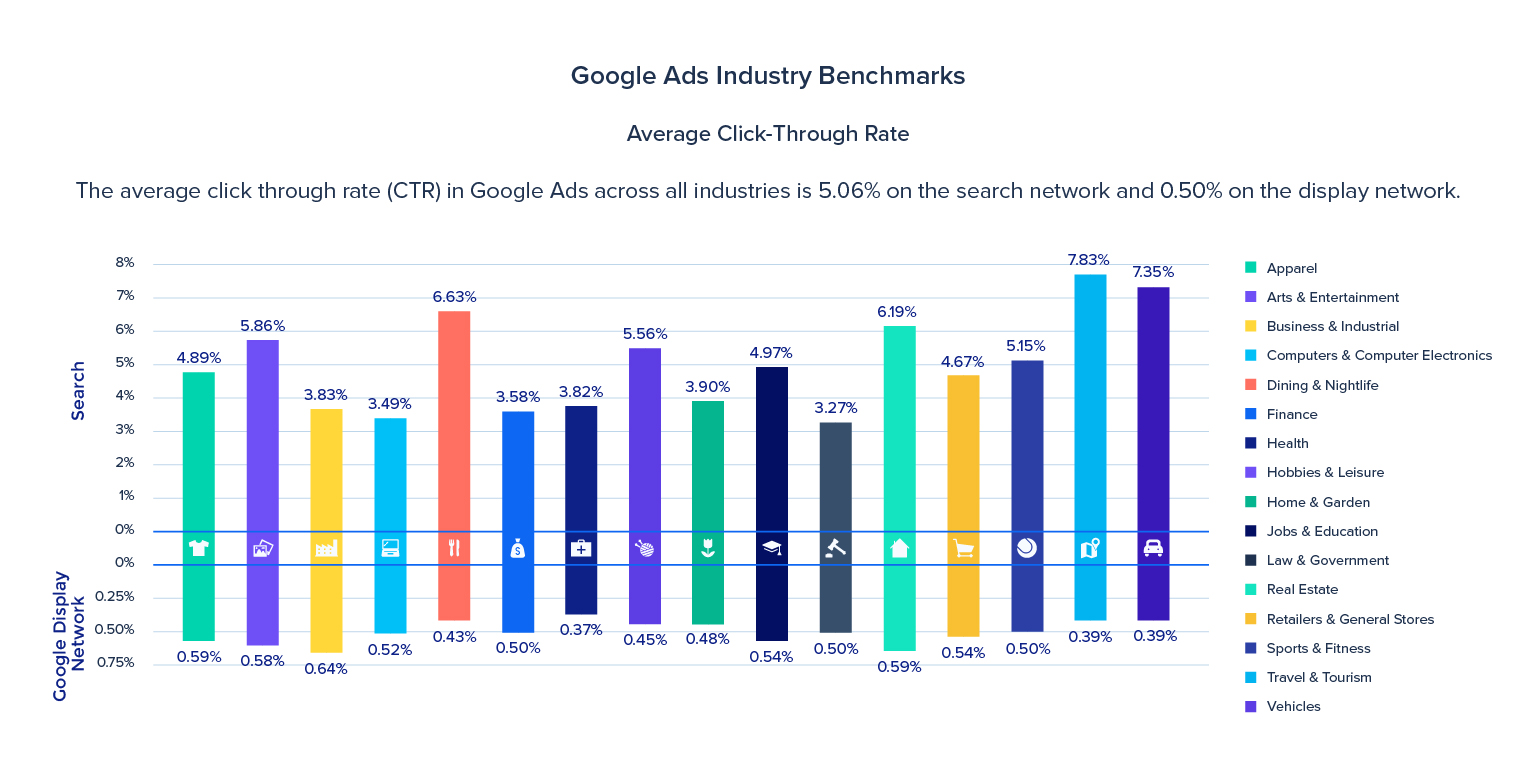
Industry-Specific Benchmarks for CTR
CTR benchmarks vary significantly across industries. The average CTR for Google Ads across all industries typically ranges from 1.91% to 3.17%. However, specific sectors demonstrate distinct performance levels:
- Retail: 2.38%
- Travel: 2.45%
- Finance: 2.65%
- Healthcare: 3.27%
- Technology: 1.98%
These benchmarks provide a reference, but performance can fluctuate based on campaign objectives and target demographics.
Factors Influencing CTR Performance
Several factors significantly influence CTR performance in Google Ads:
- Ad Relevance: Ads that closely align with user search intent typically achieve higher CTRs.
- Targeting Options: More precise targeting can enhance ad visibility to the right audience, thereby increasing CTR.
- Ad Position: Ads appearing in higher positions on the search results page tend to garner more clicks. Data indicates that ads in the top position can achieve CTRs of up to 7.94%.
- Seasonality: Certain times of year, such as holidays or significant events, can impact CTR as user behavior shifts.
Comparative Analysis of CTR Across Different Ad Formats
CTR can vary across different ad formats within Google Ads. Here is a brief comparison:
- Text Ads: Average CTR around 1.91%.
- Shopping Ads: Average CTR approximately 2.69%, benefitting from visual product displays.
- Display Ads: Average CTR is lower at about 0.35%, often due to less targeted visibility.
Understanding these differences helps in selecting the appropriate ad format based on campaign goals.
The Role of Ad Quality Score in Determining CTR
Ad Quality Score plays a crucial role in determining CTR and overall ad performance. This metric, ranging from 1 to 10, evaluates:
- Expected CTR: Based on historical performance data.
- Ad Relevance: The degree to which the ad matches the user’s search intent.
- Landing Page Experience: How effectively the landing page meets user expectations.
A higher Quality Score can lead to lower costs per click and improved ad placements, thus enhancing the potential for better CTR outcomes.
Despite these established benchmarks, common misconceptions persist. Many assume that a higher CTR always indicates campaign success. However, an inflated CTR can signify irrelevant clicks that do not convert, leading to wasted ad spend. Focusing solely on CTR may overlook other critical performance metrics such as conversion rate and return on ad spend (ROAS).
To leverage this information effectively, regularly analyze CTR data relative to industry benchmarks. Adjust targeting strategies and ad copy based on performance insights. Implement A/B testing for ad variations to identify elements that resonate best with your audience, and continuously optimize campaigns for improved results.
Advanced Strategies for Optimizing Click Through Rate
Enhancing click-through rates (CTR) in Google Ads requires a strategic approach that goes beyond basic practices. This section delves into advanced techniques that can significantly improve your ad performance and drive qualified traffic.
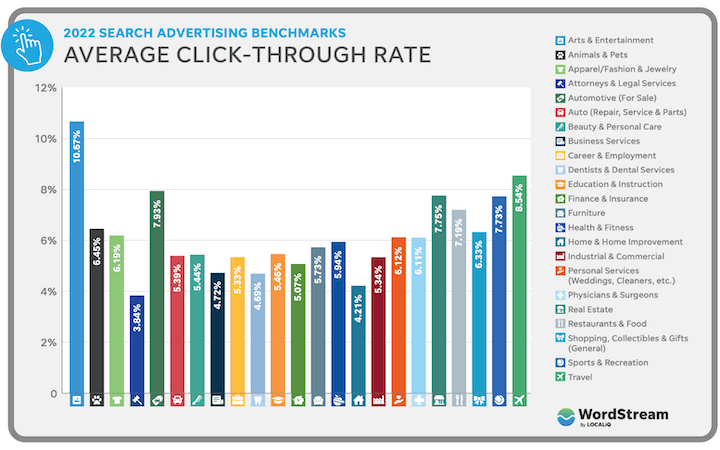
Crafting Compelling Ad Copy and CTAs
Ad copy serves as the first point of engagement with potential customers. To capture attention, utilize strong, action-oriented language. Incorporate emotional triggers and highlight unique selling propositions (USPs) to differentiate your offering. For example, instead of a generic “Buy Now,” a CTA like “Unlock Your Exclusive Discount Today” can create urgency and intrigue. Studies show that ads with compelling CTAs can boost CTR by up to 30%.
Utilizing A/B Testing for Ad Variations
A/B testing allows advertisers to experiment with different ad variations to determine which elements resonate best with their audience. Test various components, such as headlines, descriptions, and CTAs, to identify what drives the highest engagement. Implement a systematic approach:
- Select a variable to test (e.g., headline).
- Create two ad versions differing only in the chosen variable.
- Run both ads simultaneously for a set period.
- Analyze performance data to determine the winning version.
Consistent A/B testing can lead to incremental improvements in CTR, potentially increasing it by 20-50% over time based on findings from 2024.
Leveraging Ad Extensions for Increased Visibility
Ad extensions enhance the visibility and functionality of ads by providing additional information to users. Options include site link extensions, call extensions, and location extensions. Utilizing these can lead to a CTR increase of up to 15%, as they offer more context and value to the searcher. For example, site link extensions can direct users to specific pages, improving the likelihood of engagement with relevant content.
The Importance of Mobile Optimization
With mobile devices accounting for over 60% of Google searches in 2024, optimizing ads for mobile is essential. Ensure that landing pages are responsive and that ad copy is concise and impactful on smaller screens. A seamless mobile experience can improve CTR by as much as 25%, as users are more likely to engage with ads that are easy to navigate on their devices.
While many focus solely on headline optimization or targeting, a common misconception is that ad copy alone drives performance. In reality, a combination of compelling copy, strategic A/B testing, effective use of ad extensions, and mobile optimization creates a holistic approach that fosters higher CTR. Advertisers should also recognize that different industries may have varying benchmarks for what constitutes a good click-through rate for Google Ads, necessitating tailored strategies for each vertical.
To implement these strategies effectively, consider the following actionable steps:
- Revise ad copy to incorporate strong CTAs and emotional triggers.
- Set up A/B tests for different ad components on a bi-weekly basis.
- Explore and integrate relevant ad extensions into your campaigns.
- Ensure all ads and landing pages are fully optimized for mobile users.
By adopting these advanced strategies, advertisers can significantly enhance their Google Ads CTR, leading to improved campaign performance and return on investment.
Common Mistakes to Avoid for Better Click Through Rates
Improving click-through rates (CTR) in Google Ads requires awareness of common pitfalls that can undermine campaign effectiveness. Identifying and addressing these errors can significantly enhance ad performance and drive better results.
Ignoring Audience Targeting
One of the most significant mistakes advertisers make is neglecting precise audience targeting. Failing to define the target demographic can lead to ads being shown to individuals who are not interested in the product or service. This misalignment often results in lower engagement and higher costs per click. According to research, ads that are targeted effectively can see up to a 50% increase in CTR compared to those that are broadly targeted.
Using Irrelevant Keywords
Incorporating irrelevant keywords is another common error that can severely impact CTR. Keywords should be closely aligned with the ad copy and the landing page. Using keywords that do not reflect user intent can lead to poor ad performance and wasted budget. A study found that ads with highly relevant keywords achieved 25% higher click rates than those with generic or unrelated keywords.
Neglecting Ad Scheduling and Placement
Ad scheduling and placement are critical factors that can influence CTR. Many advertisers overlook the importance of running ads at optimal times or on specific platforms where their audience is most active. Failing to analyze when target customers are online can lead to missed opportunities. Data indicates that businesses that utilize ad scheduling effectively can achieve up to a 30% improvement in CTR during peak engagement hours.
Failing to Track and Analyze Performance Data
Neglecting to track and analyze performance data is a fundamental mistake that can hinder CTR optimization. Without insights into which ads are performing well and which are not, advertisers miss critical opportunities for adjustment. Regularly reviewing metrics such as CTR, conversion rates, and quality scores allows for data-driven decisions that can enhance campaign effectiveness. In fact, advertisers who actively analyze performance data are able to increase their CTR by an average of 20% within three months of implementation.
Nuanced Considerations for Optimization
While the aforementioned mistakes are common, there are also nuanced considerations that can impact CTR. For example, many advertisers mistakenly believe that increasing ad spend will automatically lead to higher CTR. However, without optimizing ad relevance and targeting, increased spending may not yield proportional returns. Furthermore, the misconception that all ads should have the same message can lead to missed opportunities for tailored messaging that resonates more effectively with diverse audience segments.
Practical Application
To avoid these common mistakes and improve CTR, advertisers should take the following steps:
- Define and refine target audience segments based on demographics and interests.
- Conduct thorough keyword research to ensure relevance and alignment with ad copy.
- Implement ad scheduling based on performance data to maximize exposure during peak hours.
- Regularly review and analyze performance metrics to inform adjustments and improvements.
By implementing these strategies, advertisers can enhance their Google Ads performance and achieve what is a good click through rate for Google Ads, ultimately driving better engagement and conversions.
Real-World Applications: Case Studies on Click Through Rate Improvements
This section explores real-life examples of businesses that have successfully enhanced their click-through rates (CTR) through various strategies and campaigns. Understanding these cases provides valuable insights applicable across business sizes and sectors.
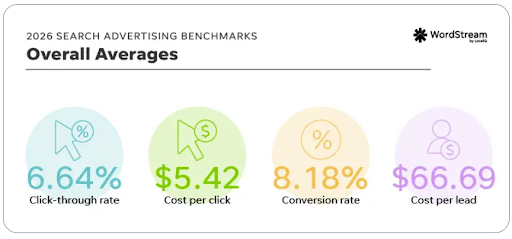
Case Study: Small Business Achieves CTR Growth Through Targeted Ads
A local bakery in Chicago sought to increase foot traffic and online orders. By leveraging Google Ads, they implemented a targeted campaign focusing on specific demographics, such as young professionals and families within a 5-mile radius. The bakery utilized ad extensions, showcasing special promotions and seasonal offerings.
As a result, their CTR improved from 1.5% to 4.2% within three months. This was achieved by refining keywords to include local terms and utilizing geo-targeting, which drove relevant traffic to their website. The bakery also monitored its ad performance weekly, allowing for swift adjustments to underperforming ads.
Analysis of a Large Corporation’s Successful Ad Campaign
A multinational electronics company launched a holiday campaign to promote a new line of smart home devices. Their strategy involved creating dynamic search ads tailored to user search behavior and seasonal trends. By integrating high-quality visuals and strong calls-to-action (CTAs), the campaign captured consumer interest effectively.
The campaign resulted in a CTR of 5.6%, significantly above the industry average of 2.5% for the electronics sector. Key factors contributing to this success included:
- Utilization of A/B testing to refine ad copy and design.
- Incorporation of customer reviews and ratings in ad extensions.
- Strategic bidding on high-performing keywords during peak shopping periods.
Lessons Learned from Failed Campaigns
Not all campaigns yield positive results. A well-known online retailer experienced a CTR drop to 0.8% after launching a poorly targeted campaign. The ads featured generic keywords that failed to resonate with their audience’s specific interests.
Analysis revealed several critical mistakes:
- Overlooking audience segmentation, resulting in ads reaching irrelevant users.
- Using vague ad copy without clear CTAs, leading to user confusion.
- Neglecting to monitor and adjust campaigns based on performance metrics.
Key Takeaways for Different Business Sizes
Businesses of all sizes can glean valuable insights from these case studies:
- Small businesses should focus on hyper-local targeting and personalized messaging.
- Large corporations can benefit from advanced analytics and dynamic ad strategies.
- All businesses must continuously monitor performance and adapt strategies promptly.
Common misconceptions include the belief that a high budget guarantees a good CTR. Effective targeting and ad relevance play a more critical role than sheer spending. Additionally, many underestimate the power of A/B testing; even minor adjustments can lead to significant improvements in CTR.
Practical Application
To apply these insights, businesses should begin by conducting a thorough analysis of their current ad campaigns. Focus on:
- Identifying target demographics and refining keyword strategies.
- Implementing A/B testing for ad copy and visuals.
- Utilizing ad extensions to enhance visibility and engagement.
Regularly review campaign performance and be prepared to pivot strategies based on data-driven insights to achieve a good click-through rate for Google Ads.
Evaluating the Best What Is A Good Click Through Rate For Google Ads
In the rapidly evolving digital advertising landscape, comparing various providers is crucial for optimizing click-through rates (CTR) in Google Ads campaigns. By 2026, the global digital advertising market is projected to reach approximately $700 billion, highlighting the importance of effective ad management solutions. Evaluating options based on pricing, features, and suitability for specific business needs is essential for maximizing ROI.
| Provider / Option | Best For | Pricing | Key Feature |
|---|---|---|---|
| Google Ads | Comprehensive ad management | Pay-per-click model, average CPC $1-$2 | Extensive targeting options |
| WordStream | Small business PPC management | $264/month + ad spend | Automated optimization tools |
| SEMrush | Competitive analysis | $119.95/month | Ad research and tracking |
| AdEspresso | Social media ads integration | $49/month | A/B testing capabilities |
| SpyFu | Competitor keyword tracking | $39/month | Keyword research tool |
| Kenshoo | Enterprise-level solutions | Custom pricing | Cross-channel marketing |
Criteria for Evaluating Program Quality
Pricing: Consider the cost structure of each provider, including monthly fees and additional charges like pay-per-click costs. Understanding the total investment required is essential for budgeting effectively.
Features: Evaluate the unique features offered by each provider, such as targeting capabilities, optimization tools, and reporting functionalities. These features can significantly impact the effectiveness of your ad campaigns.
Target Audience: Identify which provider aligns best with your business type and advertising goals. Some platforms are tailored for small businesses, while others cater to larger enterprises, influencing their suitability for your needs.
Support and Resources: Assess the level of customer support and educational resources available. A provider that offers comprehensive support can enhance your experience and help you navigate challenges in campaign management.
How to Assess the Reputation and Reliability of Providers
- Research Online Reviews: Look for feedback on platforms like G2 or Trustpilot to gauge user satisfaction and common issues.
- Check Industry Certifications: Verify if the provider has certifications from recognized organizations, indicating their expertise and reliability.
- Evaluate Case Studies: Review case studies or testimonials to understand how the provider has helped other businesses achieve their advertising goals.
- Request a Demo: Take advantage of demo offerings to experience the platform’s interface and features firsthand before making a commitment.
- Inquire About Customer Support: Contact customer service with questions to assess response times and the quality of support provided.
Which What Is A Good Click Through Rate For Google Ads Is Right for You?
Choosing the right approach for Google Ads depends on your specific business needs, budget, and goals. This decision guide outlines tailored recommendations for various audience segments, ensuring you find the best fit for maximizing your click-through rates.
Solo freelancer
For solo freelancers, Google Ads offers extensive targeting and control, making it ideal for managing your own campaigns. Consider using the Google Ads platform directly, which is cost-effective with a pay-per-click model; you can start with a budget as low as $5 per day, allowing you to test various ad formats and targeting options effectively.
Small business owner
Small business owners can benefit from WordStream, which provides automated tools that simplify PPC management. Their services typically range from $250 to $1,000 per month, depending on your ad spend, allowing you to optimize campaigns without needing extensive expertise in digital marketing.
Marketing agency
For marketing agencies, SEMrush is the go-to solution for in-depth competitive analysis and keyword tracking. With plans starting at $119.95 per month, agencies can leverage its powerful tools to enhance client campaigns and discover high-performing keywords that drive better click-through rates.
E-commerce store
E-commerce businesses should consider AdEspresso for its excellent social media ad integration, which can help expand your reach across platforms like Facebook and Instagram. Pricing starts at $49 per month, and its user-friendly interface allows you to create and manage targeted campaigns effectively, optimizing for higher click-through rates.
Corporate marketing team
Kenshoo is best suited for corporate marketing teams needing comprehensive, cross-channel marketing solutions. With pricing typically starting around $1,000 per month, Kenshoo offers robust analytics and optimization tools that can significantly enhance campaign performance and increase click-through rates across various digital channels.
| If You Are… | Best Approach |
|---|---|
| Solo freelancer | Directly use Google Ads with a budget starting at $5/day. |
| Small business owner | Use WordStream, from $250 to $1,000/month. |
| Marketing agency | Leverage SEMrush, starting at $119.95/month. |
| E-commerce store | Consider AdEspresso, from $49/month. |
| Corporate marketing team | Utilize Kenshoo, starting around $1,000/month. |
Local Considerations for Understanding Click Through Rates in Google Ads
Geographic and local market factors significantly influence what is a good click through rate for Google Ads, as local intent often drives search behavior. According to a 2024 survey by Google, 76% of people who search for something nearby visit a business within a day, highlighting the importance of local relevance in advertising effectiveness.
Geographic Market Differences
In larger metropolitan areas like New York City, where competition is fierce, a good click through rate may hover around 2-3% due to the dense population and numerous competing ads. Conversely, businesses in smaller markets, such as a local bakery in a town with 10,000 residents, might see click through rates of 4-5% due to less competition. Understanding these local dynamics helps businesses set realistic expectations based on their specific market conditions.
Local Business Applications
Local businesses can leverage Google Ads to target their specific audiences effectively. Here are some concrete applications:
- Neighborhood Targeting: A plumbing service can use geo-targeting to reach homeowners in specific ZIP codes, increasing ad relevance.
- Event Promotions: A local coffee shop can run ads for a special event, attracting customers with targeted local ads that highlight time-sensitive offers.
- Seasonal Campaigns: A landscaping company might promote seasonal services in spring, adjusting ads based on local climate conditions.
- Bidding Strategies: A small retailer may use a lower bid strategy during off-peak hours to maximize exposure without overspending.
Local Search and Visibility Impact
Understanding click through rates in the context of local search is crucial for enhancing visibility in Google’s ecosystem. Here are actionable steps for local businesses:
- Optimize your Google Business Profile with accurate business information to improve ad relevance.
- Incorporate local keywords in ad copy to align with local search queries.
- Utilize local landing pages that reflect specific services in the areas served.
- Monitor click through rates in conjunction with local SEO performance metrics to adjust strategies accordingly.
Pricing and Cost in Local Markets
Ad costs can vary significantly by geographic market. For instance, businesses in competitive urban areas might pay $2.50-$5.00 per click, while those in smaller towns may see costs between $1.00-$2.00 per click. Local businesses should budget according to their market size and competition level, with an average monthly budget of $500-$1,500 being reasonable for small to medium-sized enterprises.
Local Implementation Checklist:
- Identify your target geographic area for ads.
- Research local competitors and their ad strategies.
- Optimize your Google Business Profile for better visibility.
- Create localized ad copy that resonates with your community.
- Set a realistic budget based on local market research.
- Track click through rates and adjust bids based on performance.
- Engage with customer reviews to enhance local reputation.
For What Is A Good Click Through Rate For Google Ads businesses looking to generate local leads through Google Ads or Local SEO, GMB Ranger LLC offers hands-on campaign management. Specialist Md Tangeer Mehedi personally handles campaign setup and ongoing optimization — with no payment required until the first lead comes in.
Frequently Asked Questions
What is considered a good click through rate for Google Ads?
A good click through rate (CTR) for Google Ads typically ranges from 2% to 5%. However, this can vary by industry and campaign type, so it’s essential to benchmark against your specific sector.
How can I improve my Google Ads click through rate?
Improving your Google Ads click through rate can be achieved by optimizing ad copy, using targeted keywords, and refining audience targeting. Additionally, utilizing ad extensions can enhance visibility and engagement.
What is a poor click through rate for Google Ads?
A poor click through rate for Google Ads is generally considered to be below 1%. Rates significantly lower than this may indicate issues with ad relevance or targeting.
What factors affect the click through rate of Google Ads?
Several factors influence the click through rate of Google Ads, including ad relevance, keyword selection, and ad placement. Competition and the quality of the landing page also play crucial roles.
What is the average cost per click for Google Ads?
The average cost per click (CPC) for Google Ads varies widely, typically ranging from $1 to $2 for search ads. However, costs can be significantly higher in competitive industries.
How long does it take to see results from Google Ads?
Results from Google Ads can often be seen within a few hours of launching a campaign. However, optimizing for the best performance may take several weeks of monitoring and adjustments.
Final Thoughts on what is a good click through rate for google ads
A good click-through rate (CTR) for Google Ads typically falls between 2% and 5%, but this benchmark can vary significantly by industry and campaign objectives. Understanding the nuances of CTR and employing advanced optimization strategies are essential for maximizing ad performance and return on investment.
To enhance your CTR, conduct A/B testing on ad copy and visuals, focusing on compelling calls to action and audience segmentation to refine targeting. This will provide actionable insights that directly contribute to improved engagement rates.
To improve your campaign’s performance, consider partnering with a google ads management agency that can tailor strategies for optimal results.
Mastering click-through rates is critical, as it not only impacts ad performance but also influences overall marketing success and profitability in an increasingly competitive landscape.
Leave a Reply