

To check a competitor’s Google Ads, start by using tools like SEMrush or SpyFu, which provide insights into their ad strategies and keywords. Additionally, you can perform manual searches to see active ads and analyze their messaging.
Understanding how to check a competitor’s Google Ads is crucial for businesses aiming to enhance their marketing strategies. This knowledge allows marketers to identify successful keywords and ad formats, ensuring they remain competitive in their industry. Failing to grasp these insights can result in missed opportunities and ineffective ad campaigns.
This guide will detail the specific tools and methods to analyze competitors’ Google Ads, including step-by-step instructions for using SEMrush and SpyFu, as well as tips for manual ad searches and messaging analysis.
For How To Check A Competitors Google Ads businesses looking to generate local leads through Google Ads or Local SEO, GMB Ranger LLC offers hands-on campaign management. Specialist Md Tangeer Mehedi personally handles campaign setup and ongoing optimization — with no payment required until the first lead comes in.
What tools can I use to check a competitor’s Google Ads?
There are several effective tools available to analyze a competitor’s Google Ads strategies. Notable options include SEMrush, SpyFu, and the Google Ads Keyword Planner. Each of these tools offers unique features that can provide insights into ad performance, keywords, and bidding strategies.
1. SEMrush: This comprehensive tool allows users to explore a competitor’s ad copy, keywords, and traffic sources. By entering a competitor’s domain, users can access detailed reports that highlight their ad strategies, including estimated budgets and ad placements.
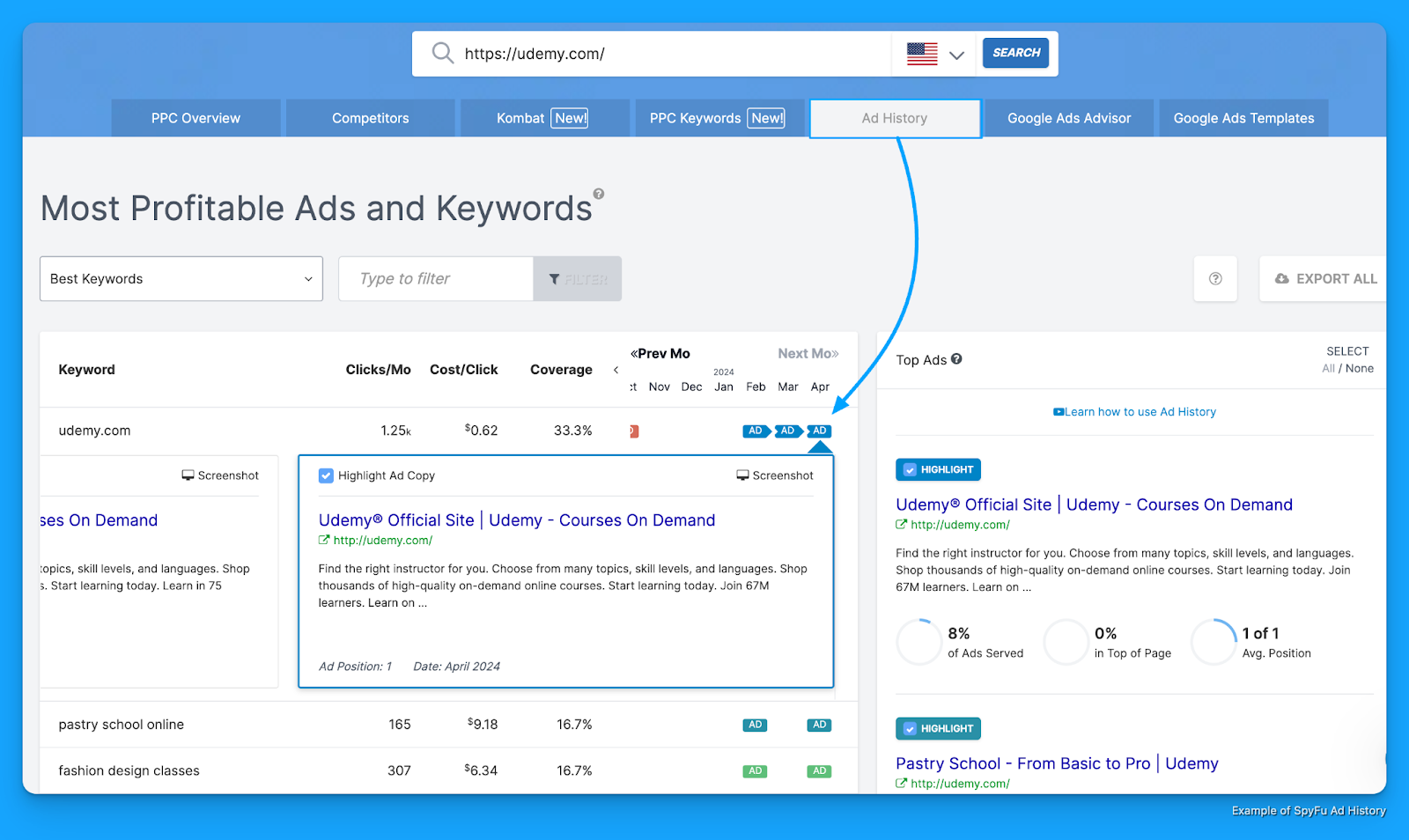
2. SpyFu: Known for its focus on competitive analysis, SpyFu enables users to see the keywords competitors are bidding on and the ad copy they use. The tool also provides historical data, allowing users to track changes in competitor strategies over time.
3. Google Ads Keyword Planner: Although primarily a tool for keyword research, the Keyword Planner can help in understanding what keywords competitors may be targeting. By analyzing search volumes and suggested bid prices, users can infer potential ad strategies and budget allocations.
4. AdBeat: This tool offers insights into display advertising strategies. Users can see which ads competitors are running on various platforms, providing a comprehensive view of their advertising efforts beyond just Google Ads.
5. iSpionage: Similar to SpyFu, iSpionage provides data on competitors’ PPC strategies, including keyword performance and ad copy analysis. It also features a competitive research tool that helps identify top-performing ads.
For a thorough analysis, using a combination of these tools can yield the best results. Each tool offers different perspectives, allowing for a more rounded understanding of a competitor’s advertising strategies.
Expert Tip: Regularly monitor your competitors’ ad activities using these tools, as shifts in their strategies can inform your own advertising decisions and help identify emerging market trends.
How can I find out what keywords my competitors are bidding on?
To discover the keywords your competitors are bidding on, utilize keyword analysis tools and Google Ads features. These resources provide insights into competitors’ ad strategies, including the specific keywords they target and their estimated spend.
Start by using tools like SEMrush, Ahrefs, or SpyFu. These platforms allow users to input a competitor’s domain and retrieve a list of keywords they are actively bidding on. Each tool offers additional metrics, such as traffic estimates and keyword difficulty, aiding in understanding the competitive landscape.
Additionally, Google Ads provides the Keyword Planner tool, which can help identify keywords related to your business. By analyzing the suggested keywords, you can infer which terms are likely being targeted by competitors. Keep in mind, however, that while you can gain insights into keyword strategies, exact bid amounts and specific ad copy remain confidential.
Another effective method is to conduct a manual search on Google. By entering relevant keywords, you can observe which competitors appear in the paid search results. Not only does this reveal the keywords they are bidding on, but it also provides context for their ad copy and landing pages.
Expert Tip: Regularly monitor competitors’ keyword strategies, as they can change frequently. Set up alerts or use tools that track changes over time to stay informed about shifts in their advertising tactics.
What insights can I gain from analyzing competitors’ Google Ads?
Analyzing competitors’ Google Ads can provide valuable insights into their advertising strategies and market positioning. By examining various elements of their ads, businesses can identify effective practices and potential gaps in their own strategies. This analysis can inform decisions related to ad copy, keyword targeting, and budget allocation.
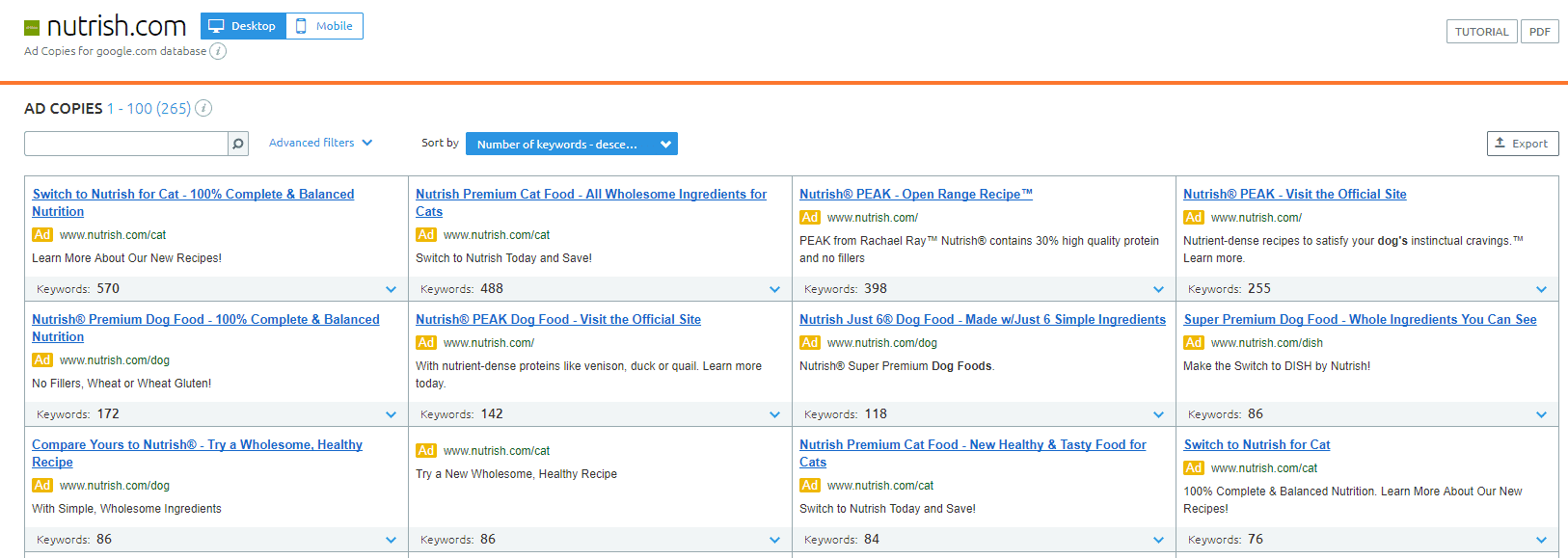
One key area of insight is the effectiveness of ad copy. By reviewing competitors’ headlines and descriptions, businesses can assess which messaging resonates with their target audience. This includes evaluating the use of calls-to-action, promotional offers, and emotional triggers that drive engagement. Additionally, analyzing the tone and style of the ad copy can reveal the brand’s positioning and value proposition.
- Keyword Strategies: Investigating the keywords that competitors are targeting helps identify high-performing search terms and potential areas for expansion. Tools like Google Ads Keyword Planner or SEMrush can provide data on keyword performance, including search volume and competition.
- Budget Estimations: By using competitive intelligence tools, businesses can estimate their competitors’ ad spend. Understanding their budget allocation can provide insight into their market presence and the level of investment they are making in specific campaigns.
- Ad Extensions: Observing the use of ad extensions, such as site links, callouts, and structured snippets, can indicate how competitors enhance their ads to improve visibility and click-through rates. This can inform your own ad strategy and highlight features that may attract more customers.
Focusing on these aspects allows businesses to benchmark their performance against competitors and refine their advertising approach. Regularly monitoring competitors’ ads can also reveal emerging trends or shifts in consumer behavior, enabling proactive adjustments to campaigns.
Expert Tip: Utilize tools like SpyFu or Adbeat to gain deeper insights into competitors’ ad strategies, including historical data on their ad creatives and landing pages, which can uncover long-term trends and shifts in their marketing tactics.
How often should I check my competitors’ Google Ads?
Competitors’ Google Ads should be monitored regularly to stay informed about market trends and changes. A frequency of once a week is generally recommended for consistent insights, but this can vary based on industry dynamics and campaign activity.
Monitoring frequency should be influenced by several factors. For industries with rapid changes, such as e-commerce or technology, checking ads bi-weekly may be necessary. Conversely, in more stable sectors, a monthly review could suffice. Additionally, if a competitor launches a new product or service, immediate checks may be warranted to assess their advertising strategy and messaging.
- Monitor during major events: Increase your checks around product launches, sales events, or industry conferences. Competitors often adjust their ad strategies significantly during these times.
- Evaluate ad performance: If a competitor’s ad appears to be performing exceptionally well or poorly, conduct a deeper analysis immediately. This can provide insights into what strategies may be working or failing.
- Track seasonal trends: Certain industries experience seasonal fluctuations. Adjust your monitoring schedule to align with peak seasons, ensuring you capture relevant competitor activities.
- Use tools for automated alerts: Leverage competitive intelligence tools that notify you of significant changes in competitors’ ads. This ensures you stay updated without manual checks.
Regular monitoring of competitors’ Google Ads not only helps in adapting strategies but also fosters innovation. Staying ahead requires not just observing competitors but analyzing their approaches to identify opportunities for differentiation.
What are the costs associated with using tools to check competitors’ Google Ads?
The costs of tools designed to analyze competitors’ Google Ads typically range from $20 to $300 per month, depending on the features and depth of data provided. Some tools offer tiered pricing, allowing users to select packages that suit their specific needs. The investment in these tools can yield significant insights into competitors’ advertising strategies, potentially enhancing one’s own campaigns.
Several factors influence the pricing of these tools:
- Features Offered: Basic tools may provide limited data such as keyword tracking and ad copy analysis, while more comprehensive platforms include advanced analytics, competitor benchmarking, and historical data access.
- Subscription Model: Many tools operate on a subscription basis, with monthly or annual payments. Annual subscriptions often come with a discount compared to monthly payments.
- User Limitations: Some tools charge based on the number of users or seats, meaning that larger teams may face higher costs. Conversely, individual users may find lower-priced options sufficient.
- Market Coverage: Tools that cover multiple ad platforms (Google Ads, Bing Ads, social media) generally command higher prices than those focused solely on Google Ads.
When considering the value of these tools, businesses should evaluate their specific advertising goals. Investing in a more expensive tool may be justified if it provides insights that lead to increased revenue or improved campaign performance.
Expert Tip: Always take advantage of free trials or demos offered by these tools. This allows for an assessment of the platform’s utility before committing financially, ensuring the selected tool aligns with your advertising strategy.
Can I see my competitors’ ad performance metrics?
Direct access to a competitor’s Google Ads performance metrics is not possible. However, various tools and methods can provide estimates and insights into their advertising strategies and effectiveness.
Competitors’ ad performance metrics, such as click-through rates (CTR), conversion rates, and cost-per-click (CPC), are not publicly available. However, businesses can utilize a combination of online tools and competitive analysis techniques to approximate these metrics. The following options illustrate how to gauge a competitor’s ad performance:
- SEMrush: This tool provides insights into competitors’ ad spend, keyword strategies, and estimated traffic generated from paid ads. While it cannot show precise performance metrics, it offers valuable comparative data.
- SpyFu: SpyFu allows users to view keywords their competitors are bidding on and their historical ad performance. Users can analyze trends over time, giving a clearer picture of ad effectiveness.
- SimilarWeb: This tool offers estimates on website traffic and sources, including how much traffic comes from paid ads. Though it lacks specific ad metrics, it helps in understanding overall ad impact.
Each of these tools has unique strengths, but they come with limitations. The estimates provided by these platforms are based on algorithms and data sampling, which may not represent the actual performance. Factors such as seasonal trends, market fluctuations, and ad copy variations can also influence results. Thus, while useful, these insights should be considered as approximations rather than definitive metrics.
To gain a comprehensive understanding of a competitor’s advertising effectiveness, it is advisable to combine insights from multiple tools and analyze ad positioning, messaging, and user engagement indicators. This multi-faceted approach can provide a clearer picture of how competitors are performing in the digital ad landscape.
Expert Tip: Regularly monitor competitors’ ads and analyze their landing pages. This not only helps in understanding their strategies but also provides opportunities for optimization in your own campaigns.
What common mistakes should I avoid when checking competitors’ Google Ads?
When analyzing competitors’ Google Ads, avoid relying on incomplete data and misinterpreting insights. These mistakes can lead to misguided strategies and ineffective campaigns. Thorough analysis requires careful attention to the context and specifics of the data collected.
A common pitfall occurs when marketers use tools that provide only surface-level insights without context. For instance, if a competitor’s ad appears frequently, one might assume it is performing well. However, without understanding their click-through rates (CTR) or conversion rates, this assumption could be misleading. A high frequency of ad impressions coupled with low CTR may indicate poor ad performance, suggesting that the competitor is wasting budget rather than succeeding.
Another mistake is overlooking seasonal or geographical factors that influence ad performance. For example, a competitor might increase their ad spend during a holiday season, making it seem like a successful strategy. However, if the analysis does not account for seasonal trends, it may lead to the erroneous conclusion that their approach is consistently effective year-round. Understanding these nuances is essential for drawing accurate insights and formulating competitive strategies.
Expert Tip: Leverage multiple analytics tools to gather comprehensive data and compare insights across different metrics, such as CTR, ad position, and conversion rates. This multifaceted approach will provide a clearer picture of a competitor’s ad effectiveness.
Advanced Techniques for Competitor Ad Analysis
This section delves into sophisticated strategies for analyzing competitor Google Ads, providing insights that can inform your own advertising strategies. By utilizing advanced techniques, businesses can gain a competitive edge and optimize their advertising efforts.
Utilizing Google Alerts for Competitor Ad Updates
Google Alerts is a powerful tool for monitoring competitor activities, including their advertising efforts. By setting up alerts for specific keywords related to competitors, businesses can receive notifications whenever these terms appear in new content online. This includes mentions of their ad campaigns, new product launches, or promotional events.
- Set up alerts: Create alerts for your competitors’ names, product names, and industry-specific keywords.
- Monitor frequency: Adjust the frequency of alerts to daily or weekly to avoid information overload.
- Analyze results: Regularly review the alerts to identify trends in competitors’ ad strategies and messaging.
Leveraging Social Media Platforms for Ad Insights
Social media platforms offer valuable insights into competitor advertising strategies. Platforms such as Facebook, Instagram, and LinkedIn provide tools to view ads that competitors are running, along with their targeting strategies. This information can highlight successful ad formats, messaging, and audience engagement tactics.
- Facebook Ad Library: Access the Facebook Ad Library to see all active ads from competitors, including ad spend estimates and audience targeting.
- Instagram Insights: Analyze how competitors engage with their audience through Instagram Stories and posts, noting what resonates with users.
- LinkedIn Sponsored Content: Review LinkedIn ads to understand B2B advertising tactics and messaging strategies in your industry.
Analyzing Seasonal Trends in Competitors’ Advertising
Seasonal trends significantly influence advertising strategies. By analyzing when competitors ramp up their advertising activities, businesses can identify patterns that correlate with industry cycles, holidays, or events. This analysis can help anticipate competitors’ moves and adjust your own strategies accordingly.
- Historical data analysis: Review past ad campaigns during specific seasons to identify consistent patterns in timing and messaging.
- Competitor ad frequency: Monitor how often competitors increase ad spend during peak seasons and adjust your budget to stay competitive.
- Consumer behavior research: Study consumer behavior trends during seasonal peaks to align your advertising efforts with market demand.
Many articles on competitor ad analysis overlook the depth of insights that can be gained from combining multiple data sources. Instead of solely relying on one tool or method, integrating Google Alerts, social media insights, and seasonal analysis provides a holistic view of competitor strategies. This multifaceted approach allows businesses to adapt their advertising strategies proactively, rather than reactively.
To leverage these advanced techniques effectively, businesses should implement the following actionable steps:
- Set up Google Alerts for key competitors and industry terms.
- Regularly check the Facebook Ad Library and other social media platforms for competitor ads.
- Conduct a seasonal analysis of competitor advertising trends to inform your campaign timings.
By actively engaging in these practices, companies can enhance their understanding of the competitive landscape and refine their advertising strategies accordingly.
Real-World Applications of Competitor Ad Insights
This section explores how businesses have successfully leveraged competitor ad insights to enhance their own advertising strategies. By analyzing competitor campaigns, brands can identify opportunities and pitfalls, leading to more effective marketing efforts.
Case Studies of Brands Adapting Strategies
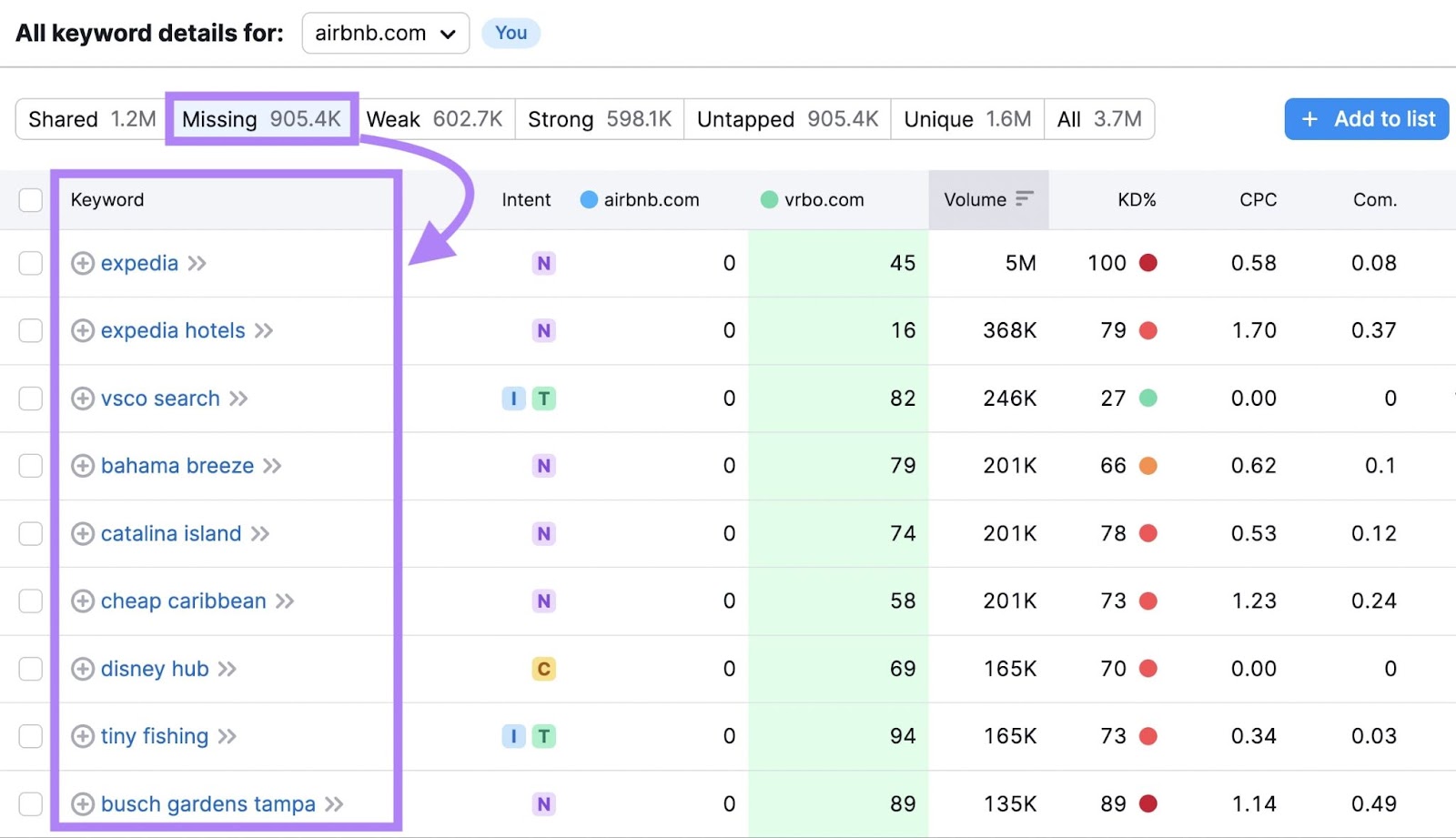
Numerous brands have effectively adapted their strategies based on insights gained from competitor ad analysis. One notable example is Airbnb. By monitoring the ad strategies of competitors like Vrbo, Airbnb identified gaps in their messaging and targeting. They shifted their focus towards highlighting unique experiences rather than just accommodations, which led to a significant increase in conversion rates.
- Netflix utilized competitor analysis to refine its advertising approach. By examining Hulu’s targeting and content, Netflix began to emphasize its original programming in ads, resulting in a 15% increase in subscriber sign-ups.
- Warby Parker analyzed the ad spend and keyword strategies of competitors like Zenni Optical. They discovered a successful focus on customer experience, prompting Warby Parker to adjust their messaging to emphasize home try-ons and customer service, which improved their ROI.
- Dollar Shave Club monitored Gillette’s ad campaigns and noticed the latter’s reluctance to embrace humor. By adopting a comedic approach in their ads, Dollar Shave Club positioned itself as a relatable brand, leading to a substantial growth in market share.
Lessons Learned from Failed Competitor Campaigns
Competitor failures can offer valuable lessons. For instance, when a major tech company launched an ad campaign emphasizing speed without addressing user experience, the backlash was swift. By analyzing this misstep, smaller competitors learned that focusing solely on product features can alienate customers. Instead, they prioritized user-centric messaging that appealed to audience needs, resulting in more successful campaigns.
Additionally, a well-known fashion retailer faced criticism for an ad campaign that misrepresented body image. This mistake led to a backlash on social media, prompting other brands to shift their focus towards inclusivity and authenticity in their advertising. Many companies capitalized on this insight, fostering trust and loyalty through more thoughtful and representative campaigns.
Pivoting Strategies Based on Competitor Performance
Observing competitor performance can highlight effective strategies worth emulating. For example, if a competitor’s ad achieves high engagement rates due to specific keywords or creative formats, brands can refine their approach by incorporating similar elements. This may involve:
- Testing new ad formats, such as video or interactive content, if these formats are proving successful for competitors.
- Adjusting keyword strategies to include terms that competitors rank highly for, potentially capturing additional market share.
- Revisiting audience targeting based on demographic insights gleaned from competitor ads.
Such pivots ensure that brands remain competitive and do not fall behind in an evolving market landscape.
Competitor ad analysis is not merely about imitation; it involves strategic adaptation. Brands must critically evaluate what works and why, ensuring that their unique value propositions are maintained while capitalizing on successful tactics.
Practical Application
To effectively utilize competitor ad insights:
- Conduct regular audits of competitor ads to identify successful strategies and messaging.
- Implement A/B testing for new strategies inspired by competitor performance.
- Establish key performance indicators (KPIs) to measure the effectiveness of changes made based on competitor analysis.
By integrating these practices, brands can refine their advertising strategies with a data-driven approach, enhancing overall campaign effectiveness and market reach.
Comparative Analysis of Top Tools for Checking Google Ads
This section provides a detailed comparison of leading tools for analyzing competitors’ Google Ads. By evaluating features, costs, and user-friendliness, businesses can select the most suitable tool for their advertising strategy.
Feature Comparisons
Understanding the features of each tool is essential for effective analysis. Here are the three main contenders:
- SEMrush: Offers comprehensive keyword research, ad copy analysis, and competitive positioning. Its Traffic Analytics feature provides insights into competitors’ website traffic and ad spend.
- SpyFu: Focuses on historical data, allowing users to see the long-term performance of competitors’ ads. It includes features like keyword grouping and ad variations, which can be useful for developing targeted campaigns.
- Ahrefs: Primarily known for SEO, Ahrefs includes features for PPC analysis. Its keyword explorer and ad copy insights help users understand which keywords are driving traffic for competitors.
Cost-Benefit Analysis of Free vs. Paid Tools
When evaluating tools, consider their pricing models. Free tools, while appealing, often provide limited insights:
- Free Tools: Typically offer basic features with restrictions on data access. Limited depth may hinder comprehensive analysis.
- Paid Tools: Generally provide extensive data, including advanced analytics, historical insights, and competitor tracking. SEMrush and SpyFu offer tiered pricing, with plans ranging from $99 to $399 per month, depending on the features included.
The investment in paid tools can yield significant returns through enhanced advertising strategies and competitive insights, making them a viable option for serious marketers.
User-Friendliness and Support Options
A tool’s usability can significantly impact its effectiveness. Here’s how the top tools stack up:
- SEMrush: Known for its intuitive interface, SEMrush offers extensive tutorials and customer support, including live chat and email assistance.
- SpyFu: Features a straightforward design, making it easy for users to navigate. Support options include email and an extensive knowledge base.
- Ahrefs: While powerful, its interface can be complex for beginners. However, Ahrefs compensates with a robust library of tutorials and a responsive support team.
Choosing a user-friendly platform with adequate support can significantly reduce the learning curve and enhance the tool’s effectiveness.
Nuance / Expert Layer
Many articles overlook the importance of integrating Google Ads analysis with overall digital marketing strategies. While tools like SEMrush, SpyFu, and Ahrefs provide valuable insights, they should be used in conjunction with analytics from Google Ads and Google Analytics. This integration can offer a more comprehensive view of campaign performance, combining paid and organic metrics for a holistic understanding of market positioning. Additionally, some users mistakenly rely solely on one tool; using multiple platforms can uncover unique insights and opportunities that a single tool might miss.
Practical Application
To leverage these insights, businesses should first assess their specific needs and budget. Consider starting with a trial of each tool to evaluate user experience and feature relevance. Once a tool is selected, utilize its features to analyze competitors’ ad strategies, focusing on high-performing keywords and ad copy. Regularly monitor updates and changes in tools to stay competitive in the ever-evolving landscape of Google Ads.
Common Misconceptions About Competitor Ad Analysis
This section addresses prevalent myths surrounding competitor ad analysis, clarifying misconceptions that can lead to misguided strategies. Accurate knowledge in this area is essential for making informed decisions and optimizing ad performance.
Debunking the Myth That Competitor Ads Are Always Better
Many businesses assume that competitor ads are inherently superior. This belief can stem from an emotional response to seeing competitors’ creative designs or messaging. However, superior advertising does not always correlate with better performance. Factors such as audience targeting, ad relevance, and bidding strategies play a significant role in determining the success of an ad campaign.
Ad Visibility vs. Performance
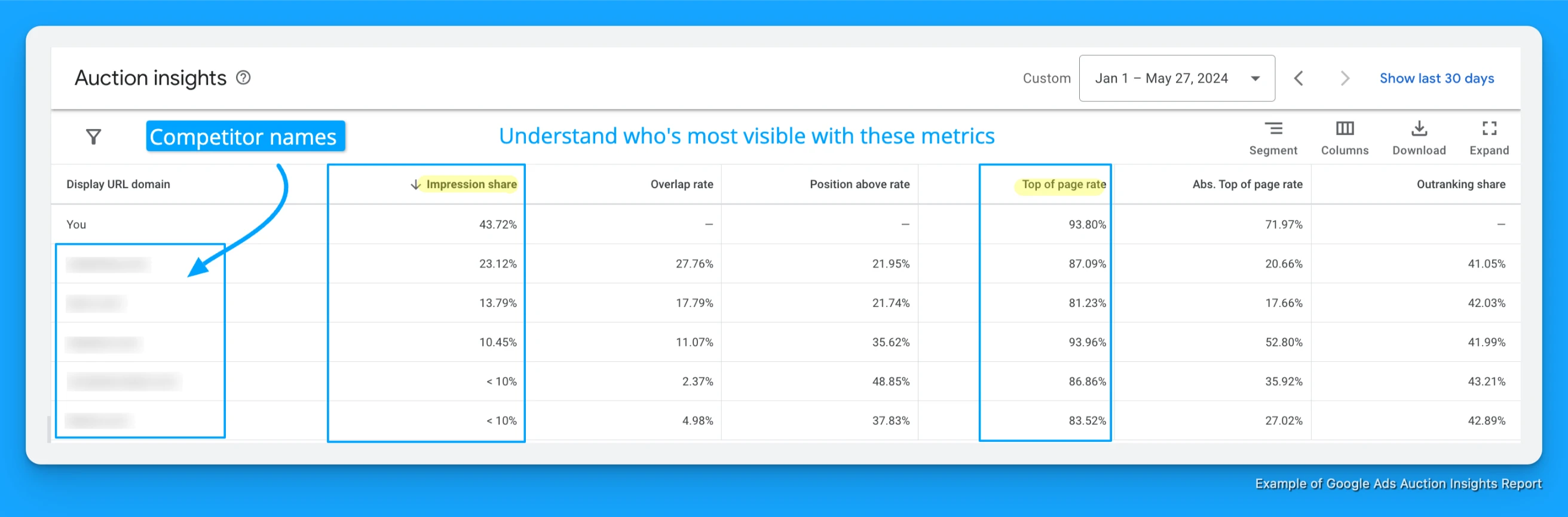
Understanding the distinction between ad visibility and performance is crucial. Visibility refers to how often an ad appears to users, while performance measures how effectively the ad converts clicks into desired actions, such as purchases or sign-ups. High visibility does not guarantee high performance.
- Click-Through Rate (CTR): A high CTR indicates effective engagement with the ad.
- Conversion Rate: This metric reflects the percentage of users who complete a desired action after clicking the ad.
- Cost Per Acquisition (CPA): A lower CPA signifies a more efficient use of advertising budget.
Understanding the Limitations of Data Interpretation
Data interpretation is often fraught with challenges. Metrics can be misinterpreted or taken out of context, leading to incorrect conclusions about competitor strategies. For instance, an ad with a high number of impressions might not be effective if it has a low conversion rate.
Edge Cases and Common Misconceptions
One common misconception is that all data from tools like the Google Ads Transparency Report or third-party platforms is exhaustive. In reality, these tools provide a snapshot rather than a complete picture. For example, while a competitor may appear to dominate a specific keyword, they might be utilizing a broader strategy involving multiple keywords or ad variations that are not immediately visible.
Moreover, the assumption that all competitors target the same audience can lead to misguided focus. Different businesses may prioritize distinct consumer segments, making direct comparisons misleading.
Practical Application
To effectively analyze competitor ads, follow these steps:
1. Utilize tools like SEMrush or SpyFu to gather visibility data on competitor ads.
2. Compare key performance indicators (KPIs) such as CTR, conversion rates, and CPA.
3. Identify trends in ad copy and keywords to understand messaging strategies.
4. Adjust your own ad campaigns based on insights gained while remaining aware of the limitations of the data.
By applying these strategies, businesses can leverage competitor insights without falling prey to common misconceptions.
For How To Check A Competitors Google Ads businesses looking to generate local leads through Google Ads or Local SEO, GMB Ranger LLC offers hands-on campaign management. Specialist Md Tangeer Mehedi personally handles campaign setup and ongoing optimization — with no payment required until the first lead comes in.
Frequently Asked Questions
What tools can I use to check a competitor’s Google Ads?
Tools such as SEMrush, SpyFu, and Ahrefs are effective for analyzing competitors’ Google Ads. These platforms provide insights into ad copy, keywords, and overall strategy.
How can I find out what keywords my competitors are bidding on?
Utilize tools like SEMrush or SpyFu, which allow users to view the keywords competitors are targeting in their Google Ads campaigns. These tools often provide data on keyword performance and ad spend.
What insights can I gain from analyzing competitors’ Google Ads?
Analyzing competitors’ Google Ads can reveal their keyword strategies, ad copy effectiveness, and target audience. This information helps inform your own advertising strategies and identify market gaps.
How often should I check my competitors’ Google Ads?
Regularly monitoring competitors’ Google Ads, ideally monthly, helps stay updated on their strategies and market shifts. This frequency allows for timely adjustments to your own campaigns based on their activities.
What are the costs associated with using tools to check competitors’ Google Ads?
Costs vary by tool; some offer free trials, while others require monthly subscriptions ranging from $50 to several hundred dollars. Evaluate the features and pricing to find a tool that meets your needs.
Can I see my competitors’ ad performance metrics?
While specific performance metrics like click-through rates are not publicly available, tools can provide estimates of ad spend and keyword rankings. These insights can help gauge the effectiveness of competitors’ campaigns.
What common mistakes should I avoid when checking competitors’ Google Ads?
Avoid relying solely on one tool for insights, as each may provide different data. Additionally, do not copy competitors’ strategies directly; instead, use their insights to inform your unique approach.
Final Thoughts on how to check a competitors google ads
Understanding the intricacies of a competitor’s Google Ads strategy is essential for maintaining a competitive edge in today’s digital landscape. By leveraging specialized tools and techniques, businesses can uncover valuable insights into keyword bidding, ad copy effectiveness, and overall market positioning, enabling informed decision-making and strategic adjustments.
To capitalize on these insights, immediately implement a routine analysis schedule using tools like SEMrush or SpyFu, focusing on identifying and adapting successful elements of your competitors’ campaigns.
Mastering competitor ad analysis not only enhances advertising efficacy but also drives innovation in marketing strategies, ensuring sustained growth and relevance in the marketplace.
Leave a Reply