
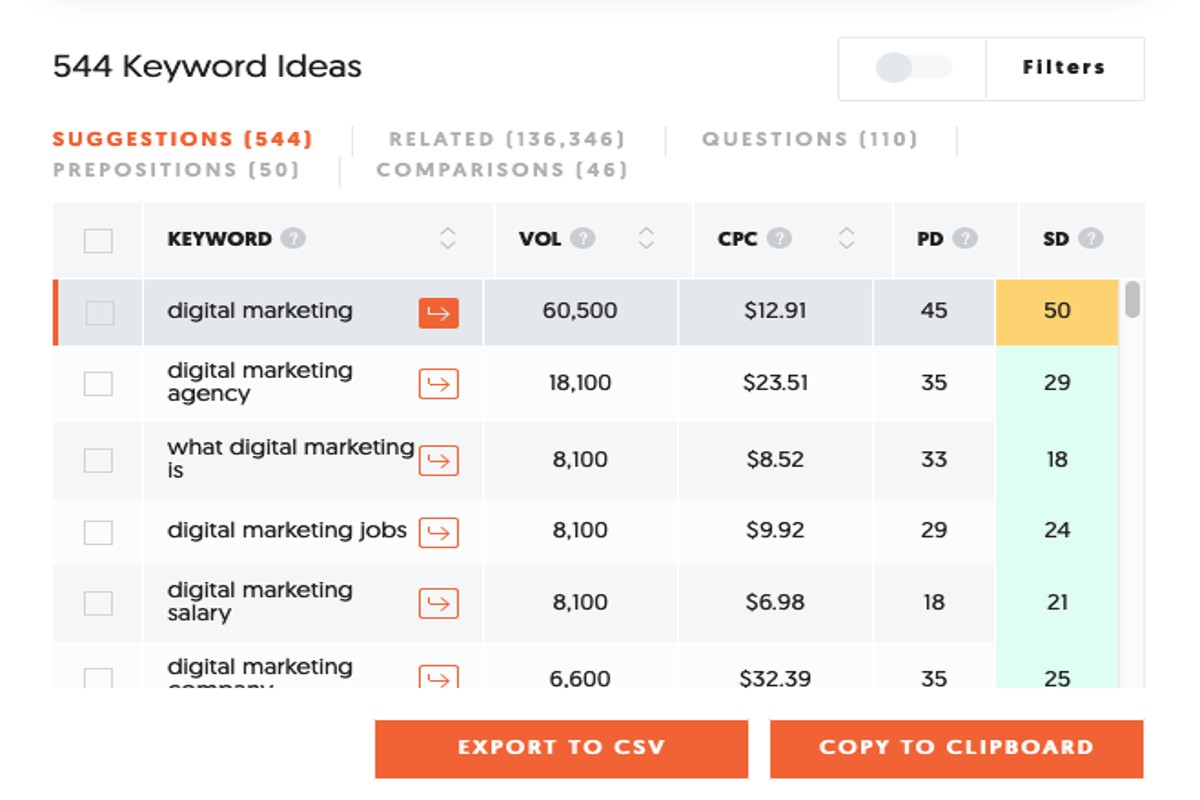
How much for Google Ads varies widely based on factors such as industry and competition. On average, businesses pay between $1 to $2 per click, but costs can soar higher in competitive sectors. Understanding these costs is crucial for effective budgeting and maximizing return on investment.
The cost of Google Ads is a critical consideration for businesses looking to enhance online visibility and drive targeted traffic. With digital advertising expenditure projected to reach $500 billion globally by 2024, understanding the nuances of Google Ads pricing is essential for marketers and business owners alike. Misestimating these costs can lead to ineffective campaigns and budget overruns, ultimately impacting profitability.
Failure to grasp the intricacies of Google Ads pricing can result in missed revenue opportunities, wasted marketing resources, and a significant competitive disadvantage. Companies that do not accurately assess their advertising spend risk falling behind competitors who leverage these insights for more efficient campaigns.
This article will cover the factors influencing Google Ads costs, provide a detailed cost breakdown, compare top advertising providers, and outline best practices for optimizing ad spend. Additionally, we will explore the local SEO angle to help businesses effectively reach their target audiences.
For How Much For Google Ads businesses looking to generate local leads through Google Ads or Local SEO, GMB Ranger LLC offers hands-on campaign management. Specialist Md Tangeer Mehedi personally handles campaign setup and ongoing optimization — with no payment required until the first lead comes in.
What factors affect the cost of Google Ads?
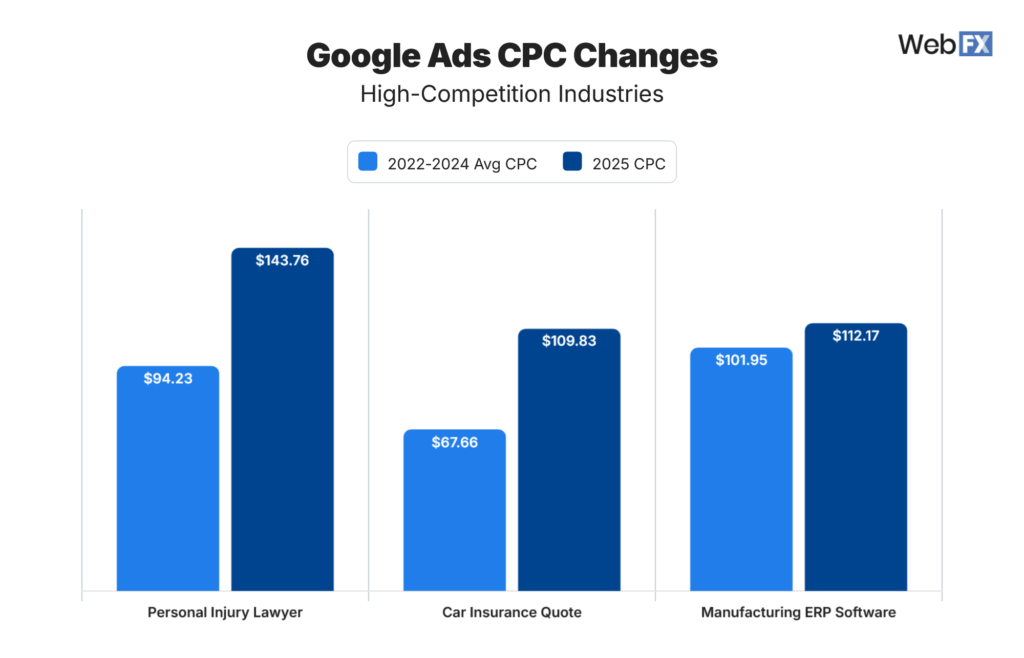
The cost of Google Ads can range from $1 to over $50 per click, depending on various factors. These factors influence how much advertisers pay for their campaigns and can significantly affect overall advertising expenditure.
Several key elements determine the cost of Google Ads:
- Industry Competition: Highly competitive industries often see higher costs per click (CPC). For instance, legal and financial services typically have higher CPCs due to increased competition among advertisers.
- Keyword Selection: The choice of keywords plays a crucial role in determining costs. High-demand keywords with substantial search volume generally cost more. Long-tail keywords may be less expensive, offering a cost-effective strategy for targeting specific audiences.
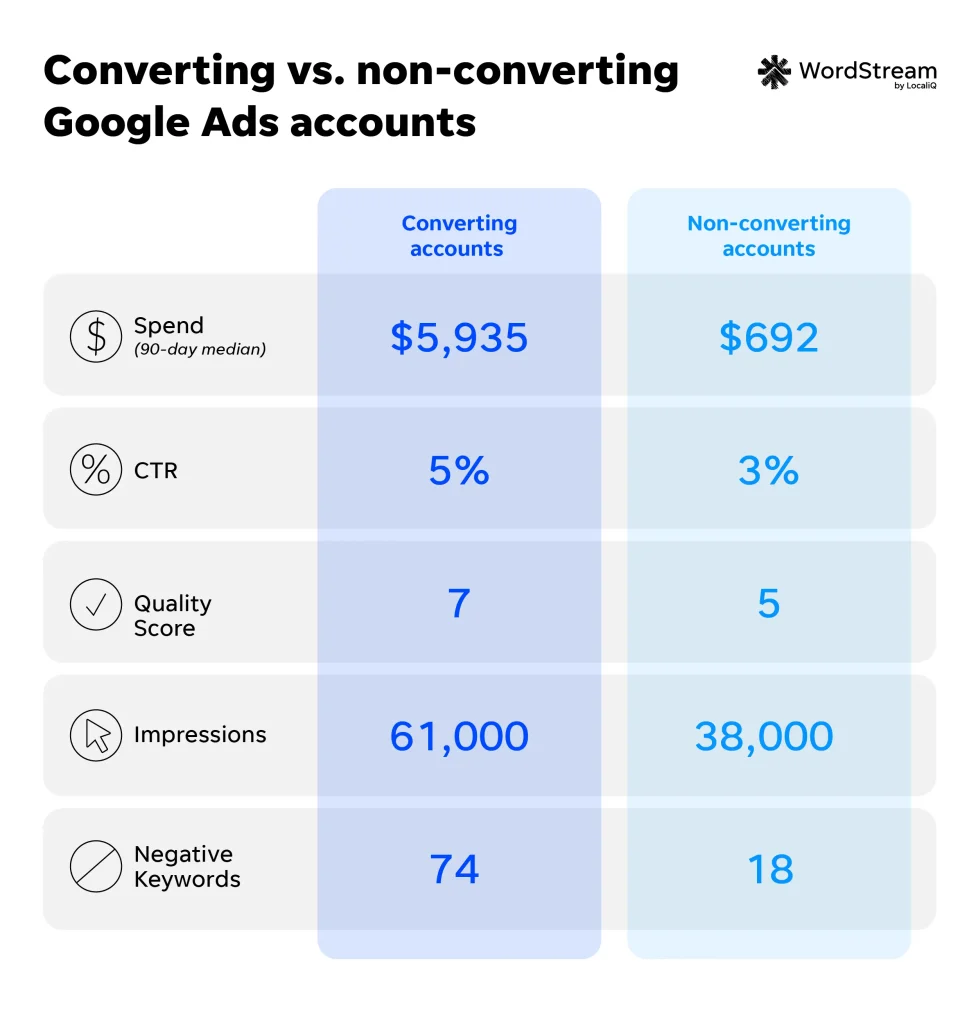
- Ad Quality Score: Google assigns a Quality Score to ads based on relevance, click-through rates, and landing page experience. A higher Quality Score can lower CPC, while a lower score may increase costs. Thus, optimizing ad content and user experience is essential.
Other factors include geographic targeting, ad formats, and seasonal trends. For example, running ads during peak shopping seasons can increase competition, leading to higher costs. Additionally, the bidding strategy employed, whether manual or automated, can influence overall spending. Advertisers must monitor these elements and adjust their strategies to optimize costs effectively.
Expert insight: Regularly reviewing keyword performance and adjusting bids based on seasonal trends can lead to significant cost savings in Google Ads campaigns.
How do I set a budget for Google Ads?
To set a budget for Google Ads, first assess your business goals and understand your customer acquisition costs. A typical small business might allocate between $1,000 to $10,000 per month, depending on their objectives and industry competition.
1. Define Your Objectives: Start by identifying what you want to achieve with your Google Ads campaign. This could include increasing website traffic, generating leads, or boosting sales. Clear objectives will guide your budgeting decisions.
2. Calculate Customer Acquisition Costs: Analyze your past marketing data to determine how much you are willing to spend to acquire a customer. This figure will help you set realistic goals for your advertising budget.
3. Choose Daily or Monthly Limits: Decide whether you want to set a daily budget or a monthly budget. A daily budget allows for more flexibility, while a monthly budget provides a clearer picture of your overall spending. Google Ads allows you to adjust these limits at any time.
4. Monitor and Adjust: After launching your campaign, continuously monitor its performance. Use Google Ads analytics to assess your return on investment (ROI) and adjust your budget accordingly based on performance metrics.
5. Factor in Competition: Consider the competitiveness of your industry. High-demand keywords may require a higher budget to achieve visibility. Research competitor spending to get a sense of what you may need to outbid to stay competitive.
Expert insight: Allocate a portion of your budget for testing different ad copies and strategies. This experimentation can reveal effective approaches that maximize your return on investment over time.
Is Google Ads worth the investment?
Google Ads can be a worthwhile investment, particularly for businesses aiming to enhance their online visibility and attract targeted customers. Companies typically experience an average return on investment (ROI) of $2 for every $1 spent on Google Ads, demonstrating its potential effectiveness when managed properly.
Google Ads operates on a pay-per-click (PPC) model, allowing advertisers to pay only when users click on their ads. This method provides precise targeting, enabling businesses to reach specific demographics, locations, and interests. In contrast, traditional advertising channels, such as print or television, lack this level of targeting and often result in broader, less efficient outreach.
Another key difference lies in the measurability of results. Google Ads offers robust analytics tools, allowing advertisers to track performance metrics in real-time. This data-driven approach enables businesses to adjust their strategies quickly based on performance insights. Traditional advertising methods, however, often rely on estimations and surveys, making it more challenging to gauge effectiveness accurately.
- Targeting: Google Ads provides advanced targeting options, while traditional ads cast a wider net.
- Cost Efficiency: PPC allows for budgeting control based on performance, unlike fixed costs in traditional media.
- Measurability: Real-time performance tracking in Google Ads versus less precise metrics in traditional advertising.
Expert insight: To maximize the effectiveness of Google Ads, businesses should continually optimize their campaigns based on performance data, focusing on high-converting keywords and refining ad copy to enhance click-through rates.
How much do businesses typically spend on Google Ads?
Businesses typically spend between $1,000 and $10,000 monthly on Google Ads, with many factors influencing this range. Industries with higher competition may see costs exceed this average, while smaller businesses or niche markets might spend less. In 2024, the average cost per click (CPC) across various industries is projected to be around $2.69.
The amount a business allocates to Google Ads is influenced by several factors, including:
- Industry competition: Highly competitive sectors like finance and insurance often require larger budgets due to elevated CPC rates.
- Campaign goals: Businesses focused on brand awareness may invest more in display ads, while those targeting conversions might allocate funds to search ads.
- Target audience: The geographic location and demographics of the target audience can impact costs significantly. Ads targeting high-value markets typically incur higher expenses.
Additionally, the quality and relevance of ad content affect costs. Google rewards well-optimized ads with lower CPCs through its Quality Score system. Therefore, businesses that invest in effective ad strategies may find themselves spending less over time while achieving better results.
Expert insight: Regularly monitoring and adjusting Google Ads campaigns can lead to more efficient spending. Utilize A/B testing to optimize ad performance and reduce wasted budget on underperforming ads.
What is the average cost per click in Google Ads?
The average cost per click (CPC) in Google Ads typically ranges from $1 to $2, though prices can rise significantly in highly competitive sectors.
Several factors influence the CPC, including industry competition, keyword selection, and ad quality. For instance, industries such as finance, insurance, and legal services often see CPCs exceeding $50. This disparity underscores the importance of strategic bidding and keyword research for effective ad campaigns.
Key elements affecting CPC include:
- Competition: High competition for specific keywords drives up costs.
- Quality Score: Google assigns a Quality Score based on ad relevance, landing page experience, and expected click-through rate. A higher Quality Score can lower CPC.
- Geographic Targeting: Costs can vary based on the geographic location being targeted, with urban areas generally commanding higher CPCs.
Advertisers should regularly review and adjust their campaigns based on performance metrics to optimize costs. Effective use of negative keywords and ongoing A/B testing of ad copy can also help reduce overall expenses.
Expert insight: Investing in a thorough keyword analysis and employing a targeted ad strategy can yield better returns, potentially lowering your average CPC over time.
How long does it take to see results from Google Ads?
You can start seeing results from Google Ads within a few hours of launching a campaign, but optimal performance may take several weeks. Typically, initial data and impressions can begin appearing within 24 hours, while conversion rates often stabilize after about four to six weeks.
Several factors influence the timeline for seeing results from Google Ads. The complexity of your campaign, including the number of keywords and ad groups, can affect how quickly data accumulates. For instance, campaigns targeting highly competitive keywords may take longer to gain traction compared to those with less competition. Additionally, the quality of your ad copy and landing pages plays a crucial role. Well-optimized ads can achieve higher click-through rates (CTR), leading to quicker results.
Moreover, the learning phase of Google Ads is significant. After launching, Google’s algorithms need time to gather data on how users interact with your ads. This phase typically lasts about two weeks, during which performance may fluctuate as the system optimizes ad delivery. Advertisers should be prepared for this variability and allow campaigns sufficient time to adjust before making drastic changes. Regular monitoring and incremental adjustments can enhance performance over time.
Expert insight: To expedite results, ensure your campaigns are well-structured and target specific, relevant keywords. Utilize A/B testing to refine ad copy and optimize landing pages, which can significantly improve conversion rates within the initial weeks.
Understanding Google Ads Auction and Bidding Strategies
The Google Ads auction is a complex system that determines how much advertisers pay for ad placements based on competition and strategy. Understanding this process is crucial for optimizing ad costs and maximizing return on investment (ROI).
Overview of the Google Ads Auction Process
The Google Ads auction operates on a real-time bidding system where advertisers compete for visibility on search engine results pages. When a user initiates a search, Google evaluates all eligible ads based on their maximum bid and Quality Score, which includes factors like ad relevance and landing page experience. The combination of these elements determines the Ad Rank, which ultimately dictates the ad’s placement and cost.
Different Bidding Strategies
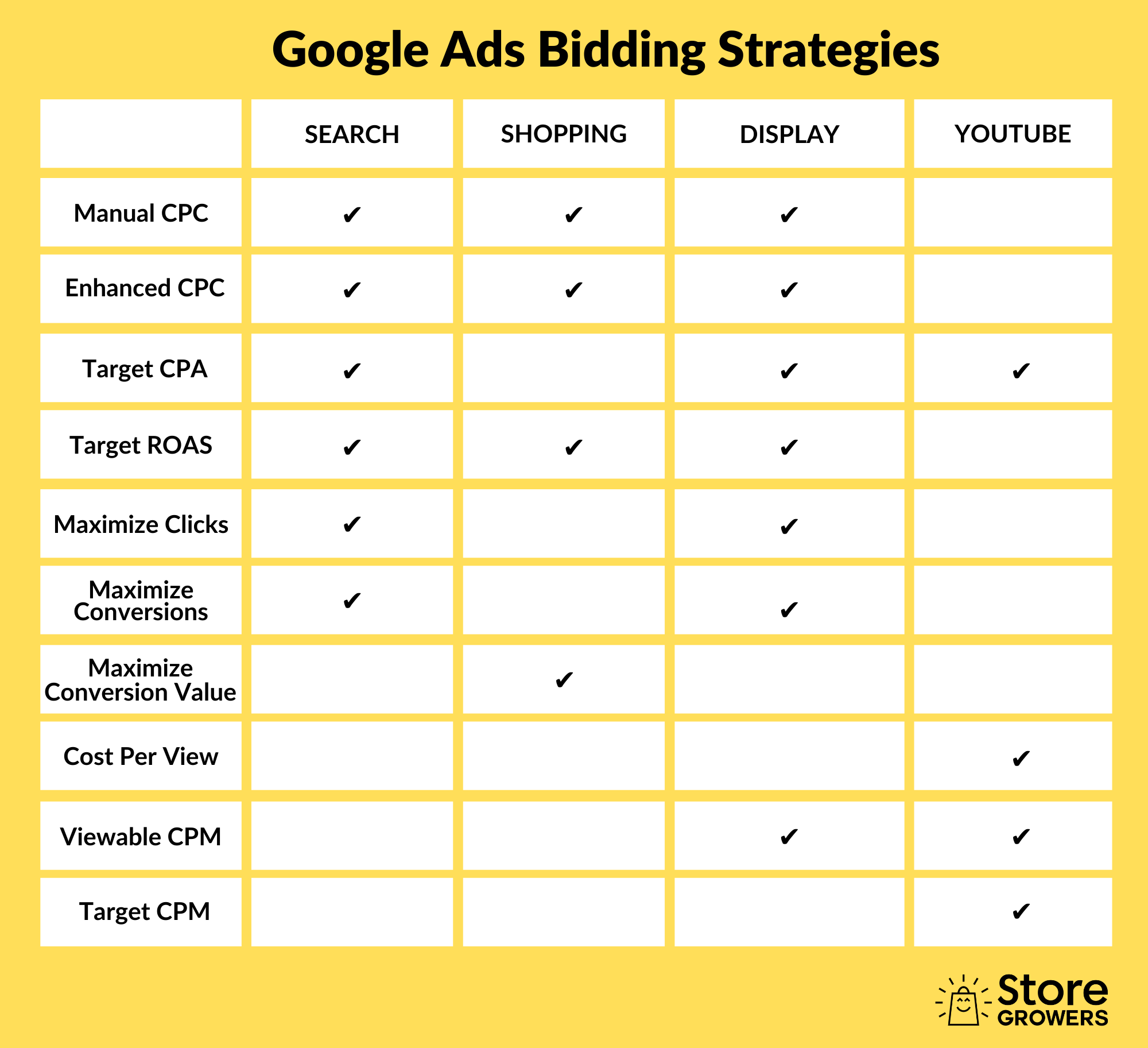
Advertisers have several bidding strategies to choose from, each tailored to specific goals:
- Cost-Per-Click (CPC): Advertisers pay each time someone clicks their ad. This strategy is suitable for driving traffic.
- Cost-Per-Mille (CPM): Advertisers pay for every 1,000 impressions, focusing on brand visibility. This is often used in display advertising.
- Cost-Per-Acquisition (CPA): Advertisers pay when a user takes a specific action, such as making a purchase. This strategy is ideal for conversion-focused campaigns.
As of 2024, the average CPC across all industries is approximately $2.69, while the average CPA can range from $45 to over $150, depending on the industry and competition.
Impact of Quality Score on Ad Costs
Quality Score significantly influences ad costs and effectiveness. This score, ranging from 1 to 10, assesses the relevance of keywords, ad copy, and landing page experience. A higher Quality Score can lead to lower CPCs and better ad placements. For example, an increase of just one point in Quality Score can lower CPC by up to 50% in some cases. Thus, optimizing elements that contribute to Quality Score is essential for cost efficiency.
Tips for Optimizing Bids for Better ROI
To enhance bidding efficiency and maximize ROI, consider the following strategies:
- Conduct thorough keyword research to identify high-performing keywords with lower competition.
- Utilize negative keywords to prevent ads from showing on irrelevant searches.
- Regularly monitor and adjust bids based on performance metrics and market trends.
- Experiment with automated bidding strategies that leverage machine learning to optimize bids in real time.
Through continuous testing and analysis, advertisers can refine their strategies to achieve optimal results.
Nuance / Expert Layer
Many resources oversimplify the relationship between Quality Score and ad costs, suggesting that higher scores always lead to lower prices. However, this perspective overlooks the nuances of competition and market dynamics. In highly competitive markets, even ads with high Quality Scores may face elevated costs due to the sheer volume of bids from other advertisers. Additionally, seasonal fluctuations can dramatically affect keyword performance, necessitating a flexible bidding approach that adapts to changing conditions.
Practical Application
To effectively engage with the Google Ads auction system, start by analyzing your current bidding strategy and performance metrics. Implement the following actions:
- Reassess your keyword list, adding high-potential keywords while excluding underperformers.
- Adjust bids based on the Quality Scores of your ads, focusing on improving lower scores.
- Test different bidding strategies to find the optimal fit for your campaign objectives.
By applying these strategies, advertisers can better control how much for Google Ads while enhancing overall campaign effectiveness.
Common Mistakes to Avoid in Google Ads Budgeting
Effective budgeting is essential for maximizing the return on investment in Google Ads. This section identifies common pitfalls in budgeting practices and offers solutions to enhance ad performance.

Neglecting to Set a Clear Budget
Failing to establish a defined budget can lead to overspending and inefficient ad campaigns. Without a clear financial framework, businesses may either allocate too little, resulting in missed opportunities, or too much, leading to wasted resources. A well-defined budget should include daily, weekly, and monthly limits tailored to specific campaigns. According to recent studies, businesses that set a clear budget increase their ROI by up to 30%.
Failing to Track Conversions Accurately
Accurate conversion tracking is vital for understanding the effectiveness of Google Ads campaigns. Without robust tracking mechanisms, businesses may misinterpret their ad performance and allocate funds ineffectively. Implementing tools like Google Analytics and setting up conversion goals can provide valuable insights. Research shows that 70% of marketers who rigorously track conversions see improved campaign outcomes, making it an essential practice for optimizing ad spend.
Not Adjusting Bids Based on Performance
Static bidding strategies can hinder the effectiveness of Google Ads campaigns. Advertisers often fail to adjust bids based on performance metrics, resulting in missed opportunities for higher visibility or wasted spend on underperforming keywords. A dynamic bidding approach, such as Target CPA or Target ROAS, allows for real-time adjustments based on conversion data. According to Google, advertisers who actively manage their bids can achieve up to 20% better performance in their campaigns.
Ignoring Negative Keywords
The failure to incorporate negative keywords can lead to irrelevant clicks and squandered budgets. Negative keywords prevent ads from appearing for certain search terms, ensuring that only the most relevant audience sees the ads. Regularly reviewing and updating the negative keyword list can enhance targeting effectiveness. Studies indicate that advertisers who utilize negative keywords can reduce wasted ad spend by as much as 25%.
Nuanced Considerations
While these mistakes are prevalent, misconceptions about budgeting in Google Ads often persist. Many believe that increasing the budget alone guarantees better results; however, without strategic planning, higher spending can lead to diminishing returns. Additionally, small businesses may feel intimidated by the thought of sophisticated bidding strategies, but even basic adjustments based on performance data can lead to substantial improvements. Understanding the interplay between budget, bids, and keywords is crucial for sustaining a successful Google Ads campaign.
Practical Application
To avoid common budgeting mistakes, businesses should take the following actions:
- Establish a clear, structured budget for each campaign, reviewing it regularly.
- Implement accurate conversion tracking tools to gauge campaign effectiveness.
- Adjust bids dynamically based on real-time performance data.
- Utilize negative keywords to filter out irrelevant traffic.
- Conduct regular reviews of campaign performance to refine strategies continuously.
By implementing these strategies, advertisers can optimize their Google Ads budget and enhance overall campaign performance.
Real-World Case Studies: Successful Google Ads Campaigns
This section explores real-life examples of businesses that have effectively leveraged Google Ads, providing insights into their strategies and outcomes. These case studies illustrate the diverse applications of Google Ads and the potential for significant growth.
Case Study: Small Business Achieves Growth
A local coffee shop in Austin, Texas, utilized Google Ads to increase foot traffic and brand awareness. By implementing location-based targeting and utilizing relevant keywords such as “best coffee near me,” the shop recorded a 30% increase in foot traffic over six months. The campaign budget was modest, at $500 per month, demonstrating that even small businesses can generate substantial returns on investment through Google Ads.
Analysis of a Large Enterprise’s Ad Strategy
A multinational e-commerce platform allocated over $1 million to a Google Ads campaign focused on seasonal sales. The strategy included dynamic remarketing and A/B testing of ad creatives. The results were impressive, with a 200% increase in conversion rates compared to previous campaigns. The enterprise capitalized on data-driven insights to refine their targeting, resulting in a cost-per-acquisition (CPA) reduction of 25%.
Lessons from Failed Campaigns
Not all Google Ads campaigns yield positive results. A retail chain invested heavily in broad match keywords without proper analysis, leading to a 50% increase in click-through rates (CTR) but only a 5% conversion rate. This highlighted the importance of precise targeting and keyword selection. The failure underscored the necessity of continuous monitoring and optimization of ad performance.
Best Practices Derived from Successful Ads
- Targeting and Segmentation: Utilize demographic and geographic targeting to reach specific audiences effectively.
- Keyword Optimization: Focus on long-tail keywords to capture niche markets and reduce competition.
- A/B Testing: Regularly test ad variations to identify the most effective messaging and visuals.
- Ad Extensions: Use extensions to provide additional information, such as location or contact details, enhancing ad visibility.
In 2024, the average conversion rate for Google Ads across industries was reported at 4.4%, significantly higher than the average CTR of 3.7%. These metrics emphasize the effectiveness of well-structured campaigns.
Common misconceptions about Google Ads include the belief that high spending guarantees success. However, effective targeting and ad quality often yield better results than sheer budget size. Additionally, many businesses overlook the importance of negative keywords, which can prevent ads from appearing in irrelevant searches, thus optimizing spending.
To capitalize on the information provided, businesses should start by defining their target audience and setting a clear budget. Implementing a test-and-learn approach will allow for continuous improvement and adaptation of campaigns. Regularly analyze performance metrics to refine strategies and maximize ROI. Establish a structured plan to monitor and adjust campaigns based on real-time data, ensuring alignment with business objectives.
Local vs. National Google Ads: Cost Implications and Strategies
This section examines the cost differences and strategic approaches between local and national Google Ads campaigns. Understanding these distinctions is essential for optimizing advertising budgets and achieving desired outcomes.
Cost Differences Between Local and National Campaigns
Cost structures for Google Ads differ significantly between local and national campaigns. Local campaigns typically have lower costs per click (CPC) due to less competition and a narrower target audience. In contrast, national campaigns often face higher CPCs, averaging around $2.00 to $6.00 depending on the industry. For instance, in highly competitive sectors like finance or legal services, national CPCs can exceed $10.00.
Targeting Strategies for Local Businesses
Effective targeting is crucial for local businesses looking to maximize their advertising spend. Strategies include:
- Geographic targeting: Focus ads specifically on towns, cities, or regions where customers are located.
- Ad scheduling: Run ads during peak business hours aligned with local shopping patterns.
- Location extensions: Use Google’s location extensions to display addresses, phone numbers, and directions directly in ads.
Implementing these strategies can significantly improve the relevance and effectiveness of local ads.
Benefits of Local SEO in Google Ads
Incorporating local SEO practices can enhance the performance of Google Ads campaigns. Local SEO optimizes a business’s online presence to attract more relevant local traffic. Benefits include:
- Increased visibility: Higher rankings in local search results can lead to more impressions and clicks.
- Cost efficiency: Better organic rankings reduce reliance on paid ads, optimizing overall marketing budgets.
- Improved conversion rates: Targeting local audiences increases the likelihood of conversions due to the relevance of the offerings.
Examples of Effective Local Ad Campaigns
Several businesses have successfully utilized local Google Ads to drive traffic and increase sales. For example:
- A local bakery ran a campaign targeting customers within a 10-mile radius, incorporating location-based keywords and seasonal promotions, resulting in a 50% increase in foot traffic during the campaign.
-
A plumbing service used geo-targeted ads during peak hours, leading to a
35% increase in service calls over a three-month period.
These examples demonstrate the tangible benefits of localized strategies in Google Ads.
Common misconceptions include the belief that local campaigns are less effective than national ones. In reality, local campaigns can outperform national ones when tailored correctly, leveraging precise targeting and localized messaging to resonate with the audience.
To leverage this information effectively:
- Assess your business goals to determine if a local or national campaign aligns with your objectives.
- Utilize geographic targeting and local SEO practices to enhance your campaign’s visibility.
- Monitor CPC trends and adjust your budget allocation based on performance metrics.
Implementing these strategies can maximize return on investment and achieve desired advertising outcomes.
Evaluating the Best How Much For Google Ads
Comparing advertising options is crucial for businesses looking to optimize their marketing budgets and maximize reach. As of 2023, the global digital advertising market is projected to reach $786.2 billion by 2026, highlighting the need for informed decision-making among advertisers. Evaluating providers based on their unique offerings and pricing can significantly impact campaign success.
| Provider / Option | Best For | Pricing | Key Feature |
|---|---|---|---|
| Google Ads | All business sizes | $1 – $2 per click, varies by competition | Extensive reach and targeting options |
| Bing Ads | Lower competition markets | $0.50 – $1.50 per click | Less competition than Google |
| Facebook Ads | Social media engagement | $0.50 – $3.00 per click | Highly targeted audience options |
| LinkedIn Ads | B2B marketing | $2 – $6 per click | Professional audience targeting |
| AdRoll | Retargeting campaigns | $0.10 – $0.50 per impression | Cross-platform retargeting capabilities |
| Amazon Advertising | E-commerce businesses | $0.20 – $2.00 per click | Sales-driven ad placements |
Criteria for Evaluating Program Quality
Cost-Effectiveness: Evaluate the pricing structure of each provider. Consider both the cost-per-click (CPC) and potential return on investment (ROI) based on your specific goals.
Targeting Options: Analyze the targeting capabilities offered by each platform. Effective targeting can enhance ad relevance and engagement, leading to better conversion rates.
Ad Formats and Features: Different platforms offer various ad formats and features. Understanding the types of ads available, such as video, display, or sponsored content, can help align your strategy with your audience’s preferences.
Performance Metrics: Look for transparency in performance metrics from each provider. Access to detailed analytics and reporting tools will enable more informed adjustments to your campaigns.
How to Assess the Reputation and Reliability of Providers
- Research Online Reviews: Check platforms like Trustpilot or G2 for user reviews and ratings to gauge satisfaction levels.
- Examine Case Studies: Look for documented case studies that demonstrate the provider’s effectiveness in similar industries or business sizes.
- Check for Certifications: Verify if the provider has industry certifications or partnerships that indicate credibility and expertise.
-
Seek Recommendations: Ask peers or industry professionals for their experiences with specific providers to gain insights on reliability.
- Test with a Small Budget: Consider running a small campaign to evaluate the provider’s performance before committing to a larger budget.
Which How Much For Google Ads Is Right for You?
Choosing the right advertising platform hinges on your specific business needs, budget, and marketing goals. This guide highlights tailored recommendations for different audience segments, ensuring you make an informed decision about your advertising investment.
Small business owners
For small business owners, starting with Google Ads can provide a broad reach and effective control over your budget. A recommended approach is to set a daily budget between $10 to $50, allowing you to test various ad formats and keywords without overspending. Focus on local targeting and utilize ad extensions to enhance visibility and engagement.
E-commerce retailers
E-commerce retailers should consider Amazon Advertising to directly target shoppers on the platform. Sponsored Products ads are particularly effective, with costs typically ranging from $0.20 to $2.00 per click, depending on competition. This approach allows retailers to appear prominently in search results, driving targeted traffic to product listings.
B2B companies
B2B companies can leverage LinkedIn Ads for precise targeting of industry professionals. Utilizing Sponsored Content or InMail campaigns, with costs generally between $3 to $10 per click, enables businesses to reach decision-makers effectively. Tailor your message to address specific pain points in your industry to increase engagement and conversion rates.
Digital marketers
Digital marketers should experiment with Facebook Ads to promote engaging content. With a flexible budget starting as low as $5 per day, marketers can test different ad formats such as carousel ads or video ads. Utilize Facebook’s audience targeting features to refine your reach, ensuring your content resonates with the intended demographic.
| If You Are… | Best Approach |
|---|---|
| Small business owners | Google Ads with a daily budget of $10 to $50 |
| E-commerce retailers | Amazon Advertising, Sponsored Products at $0.20 to $2.00 per click |
| B2B companies | LinkedIn Ads, Sponsored Content at $3 to $10 per click |
| Digital marketers | Facebook Ads starting at $5 per day |
Local Factors Influencing Google Ads Pricing
Understanding how much for Google Ads is critical for local businesses, as geographic and market-specific factors can significantly impact advertising costs and effectiveness. A recent study indicated that 46% of all Google searches are local, showcasing the importance of targeting in your specific area to maximize ROI.
Geographic Market Differences
In larger metropolitan areas like New York City or San Francisco, competition for Google Ads can be fierce, leading to higher costs per click (CPC) that can range from $2 to $10 or more, depending on the industry. Conversely, businesses in smaller towns may see CPC rates as low as $1 to $3. Local businesses should assess their market’s competitiveness and adjust their budgets accordingly to avoid overspending.
Local Business Applications
Local businesses can leverage Google Ads effectively by focusing on their community and specific offerings. Here are a few concrete use cases:
- Restaurants can target ads to local diners searching for “best pizza near me,” driving foot traffic during peak hours.
- Service providers, such as plumbers or electricians, can use geo-targeting to reach homeowners in immediate need within their service areas.
- Retail shops can promote in-store events or sales to local customers who are likely to convert quickly.
- Health practitioners can utilize ads to attract patients searching for nearby services, enhancing appointment bookings.
Local Search and Visibility Impact
The costs associated with Google Ads directly influence local search rankings and visibility. A well-optimized Google Business Profile (GBP) can enhance ad performance, as listings with verified information and customer reviews attract more clicks. To maximize local SEO and Google Ads effectiveness, businesses should:
- Ensure their GBP is fully optimized with accurate information and engaging visuals.
- Incorporate local keywords in both ad copy and website content.
- Regularly update their GBP with new posts and promotions to keep the audience engaged.
- Monitor local competition and adjust bids accordingly to remain competitive.
Pricing and Cost in Local Markets
Costs for Google Ads can vary widely based on geographic location. For instance, businesses in high-demand markets may budget $1,500 to $5,000 per month for effective advertising, while those in less competitive areas might find success with a budget of $500 to $1,500. National players often spend significantly more, so local businesses can find a competitive edge by strategically positioning their ad spend.
Local Implementation Checklist:
- Research local competition and average CPC for your industry.
- Optimize your Google Business Profile with up-to-date information.
- Identify key local keywords relevant to your business.
- Create targeted ad campaigns focusing on local search terms.
- Monitor ad performance and adjust bids based on results.
- Encourage customer reviews to enhance your GBP visibility.
- Utilize location-based promotions to attract nearby customers.
For How Much For Google Ads businesses looking to generate local leads through Google Ads or Local SEO, GMB Ranger LLC offers hands-on campaign management. Specialist Md Tangeer Mehedi personally handles campaign setup and ongoing optimization — with no payment required until the first lead comes in.
Frequently Asked Questions
What factors affect the cost of Google Ads?
Several factors influence the cost of Google Ads, including keyword competitiveness, ad quality, and targeting options. Additionally, your bid strategy and daily budget also play significant roles in determining overall costs.
How do I set a budget for Google Ads?
To set a budget for Google Ads, consider your overall marketing goals and the average cost per click for your chosen keywords. Establish a daily or monthly budget that aligns with your financial capabilities while allowing for effective ad exposure.
Is Google Ads worth the investment?
Google Ads can be a worthwhile investment, especially when targeting specific audiences and driving traffic to your website. The return on investment largely depends on effective campaign management and optimization strategies.
How much do businesses typically spend on Google Ads?
Businesses typically spend anywhere from a few hundred to several thousand dollars per month on Google Ads, depending on their industry and goals. On average, small to medium-sized businesses allocate around $1,000 to $10,000 monthly.
What is the average cost per click in Google Ads?
The average cost per click (CPC) in Google Ads varies by industry but generally ranges from $1 to $2 on the search network. Highly competitive industries may see CPCs exceeding $50 for specific keywords.
How long does it take to see results from Google Ads?
Results from Google Ads can typically be seen within a few hours to a few days after launching a campaign. However, optimizing for better performance may take several weeks to achieve desired outcomes.
Final Thoughts on how much for google ads
The cost of Google Ads is influenced by various factors, including competition, bidding strategies, and campaign objectives, making it essential for businesses to approach budgeting with a tailored strategy. Understanding these dynamics not only clarifies investment potential but also enhances the effectiveness of ad spend, ensuring that businesses achieve a favorable return on their investment.
To optimize your Google Ads budget, conduct a thorough analysis of your industry benchmarks and set a flexible budget that allows for adjustments based on performance metrics, ensuring your campaigns remain competitive and effective.
Ready to take your advertising to the next level? Consider hiring a google ads management agency to maximize your budget and achieve better results.
Mastering the intricacies of Google Ads budgeting is not just a financial decision; it is a strategic imperative that can significantly impact business growth and market positioning.
Leave a Reply