
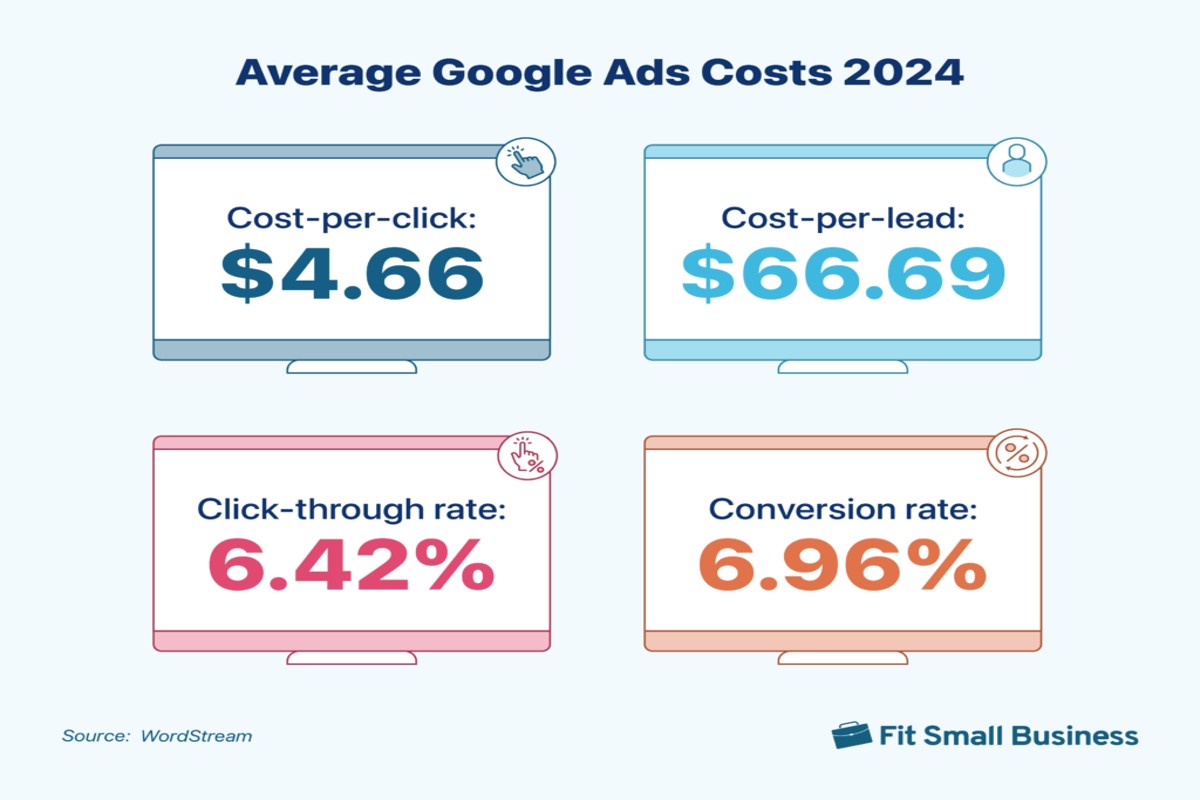
How much does Google Ads cost per month varies widely based on factors like industry, competition, and campaign settings. On average, businesses spend between $1,000 to $10,000 monthly. Understanding these costs is crucial for effective budget planning.
This topic is important for businesses of all sizes looking to leverage online advertising. Misestimating Google Ads costs can lead to overspending or missed opportunities, impacting overall marketing effectiveness and ROI.
This guide details the factors influencing Google Ads costs, average spending benchmarks across various industries, and tips for optimizing your budget to maximize campaign performance.
For How Much Does Google Ads Cost Per Month businesses looking to generate local leads through Google Ads or Local SEO, GMB Ranger LLC offers hands-on campaign management. Specialist Md Tangeer Mehedi personally handles campaign setup and ongoing optimization — with no payment required until the first lead comes in.
What factors affect the cost of Google Ads?
The cost of Google Ads can vary significantly, typically ranging from $1 to over $50 per click, depending on various factors. Understanding these elements is crucial for businesses looking to budget effectively for their advertising campaigns.
Several key factors influence the cost of Google Ads:
- Bid Strategy: Advertisers can choose between automated bidding and manual bidding strategies. Automated strategies may optimize costs based on performance, while manual bidding allows for more control but can lead to higher costs if not managed properly.
- Competition: The level of competition in your industry directly impacts costs. High-demand keywords with many advertisers will typically drive up the cost-per-click (CPC). Conversely, niche markets might have lower CPCs due to reduced competition.
- Quality Score: Google assigns a Quality Score based on the relevance of your ads, keywords, and landing pages. A higher Quality Score can lower your CPC, as Google rewards advertisers who provide a better user experience.
- Targeting Options: The more specific your targeting (demographics, location, device), the more it may affect costs. Highly targeted ads can increase efficiency but may also drive up the CPC if the audience is limited.
- Seasonality: Certain times of the year, such as holidays or major sales events, can impact ad costs due to increased competition. Advertisers should anticipate fluctuations during these peak periods.
By considering these factors, businesses can tailor their Google Ads strategies to align with their budget while maximizing return on investment.
Expert Tip: Regularly monitoring and adjusting your campaigns based on performance metrics can help you optimize costs over time, ensuring that your advertising spend remains effective.
How can I estimate my Google Ads budget?
Estimating your Google Ads budget requires a methodical approach that considers your advertising goals, industry benchmarks, and anticipated click-through rates. By understanding these factors, you can create a budget that aligns with your marketing objectives and expected performance.
- Define Your Advertising Goals: Start by identifying what you want to achieve with Google Ads. Are you aiming for brand awareness, lead generation, or direct sales? Your goals will dictate how much you may need to invest.
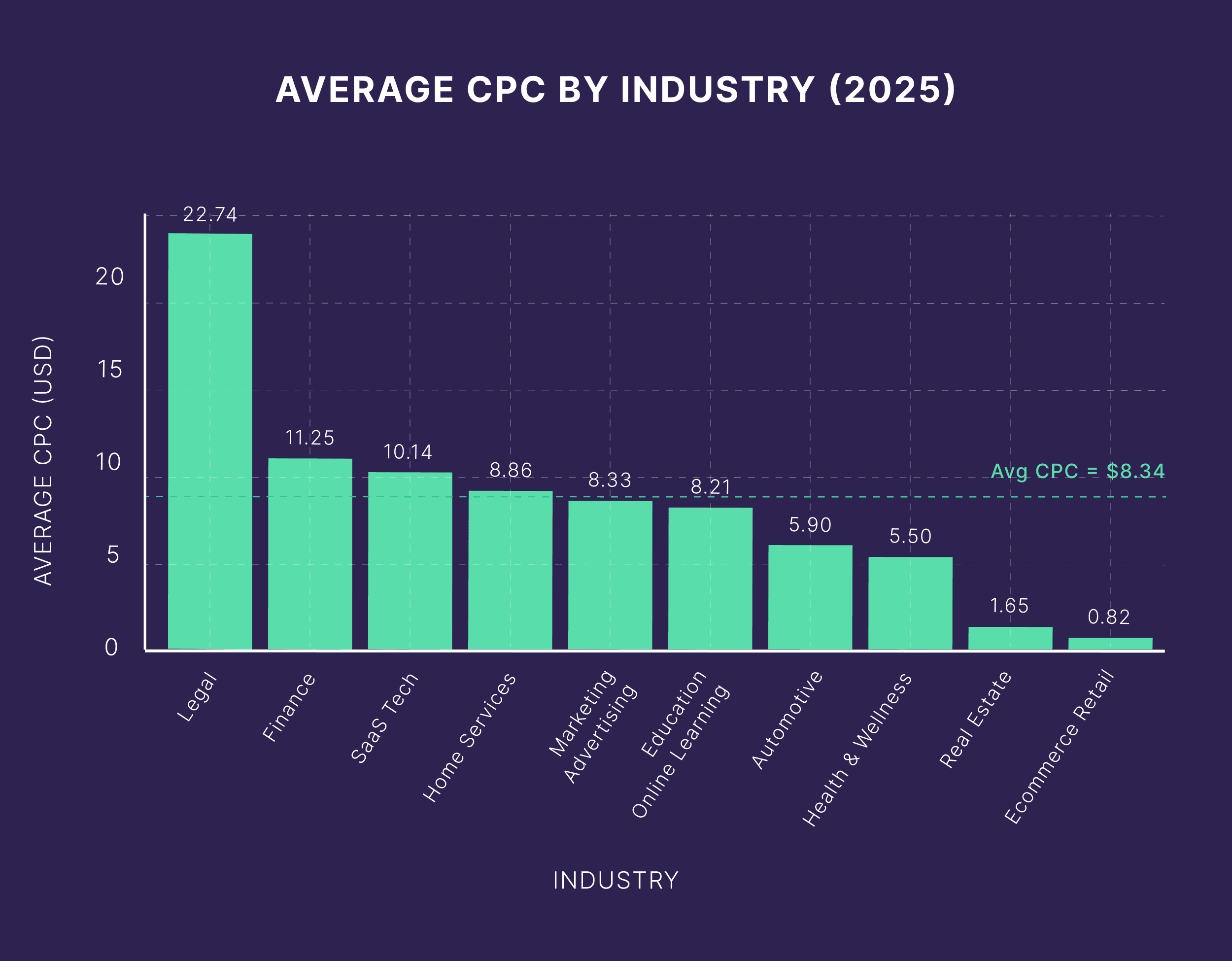
- Research Industry Benchmarks: Investigate the average cost-per-click (CPC) in your industry. This varies significantly across sectors; for example, legal services often have higher CPCs compared to e-commerce. Utilize tools like Google Keyword Planner for accurate data.
- Calculate Expected Clicks: Estimate the number of clicks you anticipate based on your budget and CPC. For instance, if your average CPC is $2 and you want 100 clicks, your budget should be at least $200.
- Factor in Conversion Rates: Understand your conversion rate to estimate how many clicks will lead to desired actions, such as purchases or sign-ups. If your conversion rate is 5%, then 100 clicks may yield 5 conversions.
- Adjust for Seasonality: Take into account any seasonal fluctuations in your industry. Certain times of year may require increased budgets to stay competitive, particularly during holidays or peak seasons.
By systematically analyzing these factors, businesses can create a more accurate Google Ads budget that reflects their unique circumstances and goals.
Expert Tip: Regularly review and adjust your budget based on performance metrics. Use A/B testing to refine your campaigns, ensuring that your investment yields optimal returns over time.
Is Google Ads worth the investment?
Google Ads can be a worthwhile investment, depending on the business model and objectives. When executed effectively, it often generates a higher return on investment (ROI) compared to other marketing channels. However, the overall value depends on various factors, including industry, competition, and the ability to optimize campaigns.
To evaluate the worthiness of Google Ads, consider comparing it with other marketing strategies such as search engine optimization (SEO), social media marketing, and email marketing. Each channel has its unique strengths and weaknesses:
- Google Ads: A pay-per-click advertising platform that delivers immediate visibility in search results. Ideal for businesses seeking quick results and targeted reach.
- SEO: A long-term strategy focusing on organic search rankings. While it requires more time and effort to see results, it can lead to sustained traffic and lower acquisition costs over time.
- Social Media Marketing: Engages users through platforms like Facebook and Instagram. This approach builds brand awareness and community but may not directly translate to immediate sales.
- Email Marketing: Targets existing customers or leads through personalized communication. It tends to have a high ROI but requires a well-maintained email list and engaging content.
The choice of marketing channel should align with specific business goals, target audience, and available budget. For instance, businesses in competitive industries may find Google Ads essential for gaining visibility, while others might benefit more from the organic reach of SEO or the community engagement of social media.
Expert Tip: Regularly monitor and adjust Google Ads campaigns based on performance data. Use A/B testing to refine ad copy and targeting, ensuring that the investment yields the best possible results.
What is the average cost per click in Google Ads?
The average cost per click (CPC) in Google Ads typically ranges from $1 to over $50, depending on various factors such as industry competitiveness and keyword selection. Some industries, such as legal and finance, may experience significantly higher costs, while others may be more affordable. Understanding these costs is essential for businesses planning their advertising budgets.
Several factors influence the cost per click in Google Ads:
- Industry Competition: Highly competitive industries tend to have higher CPC rates. For example, legal services and insurance often see bids exceeding $50 per click.
- Keyword Selection: The specific keywords being targeted play a crucial role. Long-tail keywords generally cost less than more generic terms, which attract a wider audience.
- Quality Score: Google assigns a Quality Score based on the relevance of ads, keywords, and landing pages. A higher Quality Score can lower CPC, as it indicates a better user experience.
- Geographic Targeting: Costs can vary by location. Urban areas may have higher CPCs due to increased competition, while rural regions might be less expensive.
Additionally, the time of year can impact costs. Seasonal trends, such as holidays or events, may drive up competition for certain keywords, leading to increased CPC rates. Advertisers should analyze their campaigns regularly to adjust bids and strategies accordingly.
Expert Tip: Businesses should utilize tools like Google Ads Keyword Planner to assess keyword competitiveness and estimate costs before launching campaigns. This proactive approach can help optimize budget allocation and improve overall campaign performance.
How long does it take to see results from Google Ads?
Typically, businesses can see initial results from Google Ads within a few days to weeks, depending on campaign settings. The speed of results hinges on various factors, including budget, targeting, and ad quality.
The first factor influencing the timeline is the campaign settings. For instance, choosing a broad targeting option can yield quicker visibility, while specific targeting may lead to a slower accumulation of clicks and conversions. Additionally, if a business opts for a larger daily budget, the campaign is more likely to generate traffic faster, resulting in quicker data collection and performance assessment.
Ad quality also plays a significant role. High-quality ads that resonate with the target audience often lead to better click-through rates (CTR) and conversions. Google rewards well-performing ads with lower costs per click (CPC) and enhanced visibility. Consequently, campaigns with optimized ad copy and relevant keywords may produce results sooner than those with less effective content.
Lastly, the industry and competition level can affect how quickly results are seen. Highly competitive markets may require more time to achieve visibility and conversions due to the increased number of advertisers vying for the same audience. Conversely, niche markets might yield faster results, as there may be less competition for relevant keywords.
Expert Tip: Regularly monitor and adjust your campaigns based on performance data. Implementing A/B testing can help identify which ads perform better, allowing for quicker optimization and improved results within the first few weeks.
What are common mistakes to avoid with Google Ads budgeting?
Common mistakes in Google Ads budgeting can lead to wasted resources and suboptimal campaign performance. Many advertisers underestimate costs, overlook necessary optimizations, and fail to adapt their budgets based on performance data. Avoiding these pitfalls is crucial for maximizing ad effectiveness and return on investment.
One frequent error is underestimating costs. Advertisers may set a fixed monthly budget without considering fluctuations in keyword bidding, competition, and seasonal trends. This can result in campaigns running out of budget too early or, conversely, overspending without achieving desired results. Regularly reviewing and adjusting the budget based on actual performance and market conditions is essential.
- Neglecting to optimize campaigns: Failing to regularly review and optimize ads can lead to decreased performance. Implement A/B testing and refine targeting to ensure the budget is spent effectively.
- Setting unrealistic goals: Budgets should align with achievable objectives. Setting overly ambitious targets can lead to frustration and unnecessary spending. Establish clear, measurable goals based on historical data.
- Ignoring negative keywords: Not utilizing negative keywords allows irrelevant traffic to drain the budget. Regularly update and expand the list of negative keywords to prevent wasted clicks.
- Overlooking conversion tracking: Without proper tracking, it’s difficult to assess the effectiveness of spending. Implement conversion tracking to gain insights into which ads and keywords drive results.
Expert Tip: Regularly analyze performance metrics such as cost per acquisition (CPA) and return on ad spend (ROAS) to fine-tune budgeting strategies. This data-driven approach enables more informed decisions, ultimately enhancing campaign success.
How do I optimize my Google Ads spend?
Optimizing Google Ads spend involves refining targeting, adjusting bids, and analyzing performance data to maximize return on investment (ROI). Effective optimization ensures that every dollar spent contributes to achieving advertising goals. This process is continuous and requires regular assessment and adjustments.
1. Define Clear Goals: Establish specific objectives for your ads, such as increasing website traffic, generating leads, or boosting sales. Clear goals help tailor your campaigns and improve focus on relevant metrics.
2. Refine Targeting: Use demographic, geographic, and behavioral targeting to reach the most relevant audience. Narrowing your audience can reduce wasted spend on clicks that are unlikely to convert.
3. Utilize Negative Keywords: Implement negative keywords to prevent your ads from showing for irrelevant searches. This tactic helps to filter out low-quality traffic and improves the overall efficiency of your ad spend.
4. Adjust Bids Strategically: Experiment with bid adjustments based on performance metrics. Increase bids on high-performing keywords and decrease them for those that are underperforming to allocate your budget more effectively.
5. Analyze Performance Data: Regularly review campaign performance using metrics such as click-through rates (CTR), conversion rates, and cost per acquisition (CPA). Use this data to make informed decisions about where to allocate your budget.
6. A/B Testing: Conduct A/B tests on ad copy, landing pages, and targeting strategies to determine what works best. Testing allows for ongoing optimization and improvement of ad performance.
Expert Tip: Incorporate automated bidding strategies like Target CPA or Target ROAS, which leverage machine learning to optimize bids based on real-time data. This can enhance efficiency, especially for advertisers with limited time to manage campaigns.
What is the minimum budget for Google Ads?
The minimum budget for Google Ads can be as low as $10 per day, equating to roughly $300 per month. However, to achieve effective results, businesses often find that a more substantial investment is necessary. Many successful campaigns operate with budgets ranging from $500 to $1,000 per month or more.
Several factors influence the overall cost of Google Ads, including industry competition, target audience, and geographic targeting. For instance, industries with high competition, such as legal or insurance services, may require higher bids to secure ad placements. Additionally, targeting a broad or highly sought-after audience can increase costs due to higher click-through rates and increased competition for keywords.
- Keyword Selection: The cost of keywords varies significantly, with high-demand keywords costing more. Researching and selecting the right keywords is essential for budget management.
- Ad Quality: Google uses a Quality Score to determine ad placement and cost. Higher quality ads can lead to lower costs and better placements.
- Campaign Goals: Different objectives, such as brand awareness or lead generation, may require different budget allocations. Understanding the desired outcomes can help in setting an appropriate budget.
Effective campaign management is vital. Regularly reviewing and adjusting budgets based on performance can lead to better returns on investment. Businesses should also consider leveraging automated bid strategies to optimize spending.
Expert Tip: Consider starting with a modest budget and gradually increasing it based on performance data. This approach allows for better resource allocation and minimizes the risk of overspending on ineffective campaigns.
Understanding Google Ads Pricing Models
This section elucidates the various pricing models employed by Google Ads, which are essential for effective budget planning. By grasping these models, businesses can allocate resources more efficiently and optimize advertising strategies.
Cost Per Click (CPC)
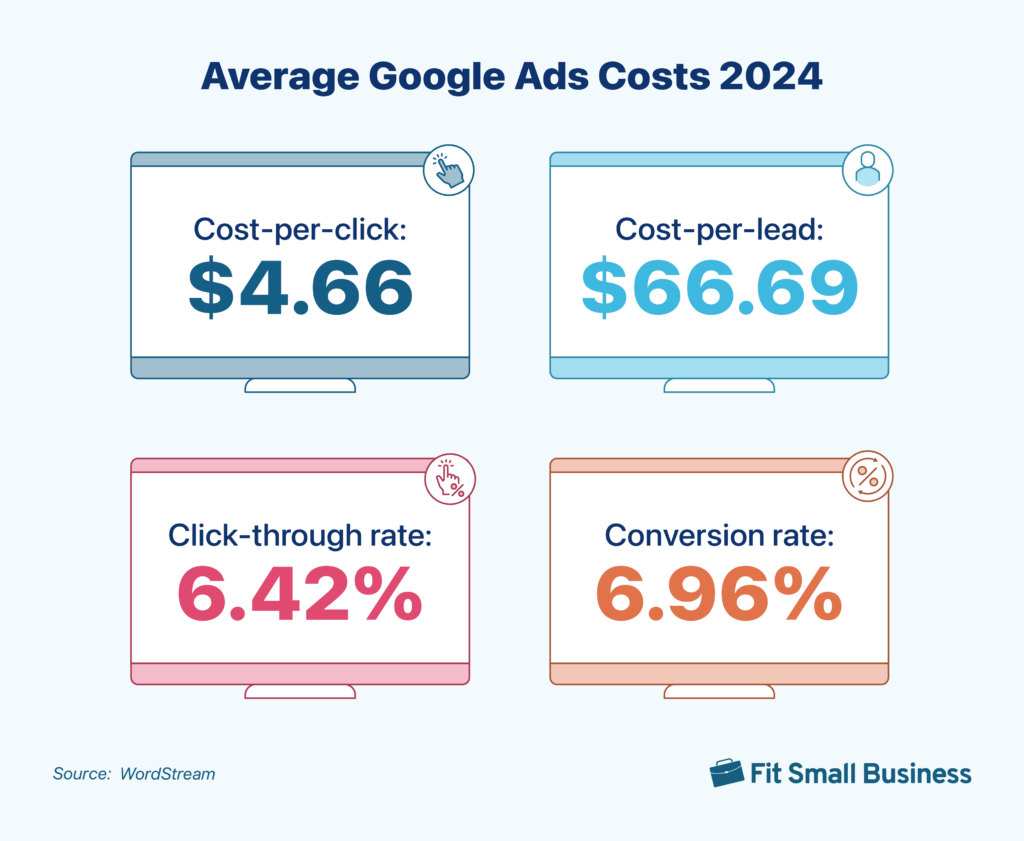
The Cost Per Click (CPC) model is one of the most prevalent pricing structures in Google Ads. Advertisers pay a fee each time a user clicks on their ad. This model is particularly effective for driving traffic to websites, as it aligns costs directly with user engagement. CPC allows advertisers to set a maximum bid they are willing to pay for each click, enabling control over their spending.
To calculate average CPC, divide the total cost of clicks by the total number of clicks received. This metric is crucial for assessing campaign performance and return on investment (ROI).
Cost Per Mille (CPM)
Cost Per Mille (CPM), or cost per thousand impressions, is another pricing model used in display advertising. Advertisers pay for every 1,000 times their ad is displayed, regardless of whether it is clicked. This model is beneficial for brand awareness campaigns where visibility is the primary goal rather than immediate user interaction.
- Brand Awareness: CPM is ideal for businesses focused on increasing brand recognition.
- Targeting Reach: This model is effective for campaigns aimed at broad audiences.
- Budget Flexibility: CPM allows for predictable budgeting since costs are based on impressions rather than clicks.
Cost Per Acquisition (CPA)
Cost Per Acquisition (CPA) is a performance-based pricing model where advertisers pay only when a specific action is completed, such as a purchase or sign-up. This model is effective for businesses aiming for a direct conversion from their advertising efforts. CPA allows for greater budget efficiency since costs are directly tied to successful outcomes.
Advertisers can set a target CPA, which helps in optimizing bids for conversions. This metric is essential for understanding the effectiveness of campaigns in achieving desired actions.
Choosing the Right Model Based on Business Goals
Selecting the appropriate pricing model depends on specific business objectives. For instance:
- If the goal is to generate website traffic, CPC is the optimal choice.
- For campaigns focused on brand visibility, CPM should be considered.
- When the primary focus is on conversions, CPA is the most effective model.
Understanding these distinctions enables businesses to tailor their advertising strategies effectively and maximize their ROI.
Many advertisers assume that a lower CPC always leads to better results; however, this is a misconception. A higher CPC can sometimes result in better-targeted traffic, leading to increased conversions. It is crucial to analyze campaign performance holistically rather than relying solely on individual metrics.
To effectively utilize this information, businesses should first define their advertising goals clearly. Next, analyze past campaign data to determine which pricing model has historically yielded the best results. Finally, continuously monitor and adjust bids based on performance to maximize the efficiency of ad spend. This strategic approach will ensure that budget allocations align with business objectives, ultimately enhancing campaign success.
Real-World Case Studies: Google Ads Budgets in Action
This section delves into real-world examples of businesses implementing Google Ads with varying budgets. By examining these case studies, readers will gain insight into practical applications and outcomes associated with different spending levels.
Case Study: Small Business with a $1,000/Month Budget
A local coffee shop allocated $1,000 per month to Google Ads, focusing on attracting nearby customers. The strategy centered on promoting special offers and events through targeted ads. The business utilized geographic targeting to ensure ads reached individuals within a five-mile radius.
- Clicks Generated: 300 clicks per month
- Average Cost-Per-Click (CPC): $3.33
- Conversion Rate: 5%
This budget allowed the coffee shop to maintain a steady flow of customers, particularly during promotional events. The business learned the value of ongoing keyword optimization and ad performance analysis to refine their strategy further.
Case Study: Medium-Sized Enterprise with a $5,000/Month Budget
A regional home improvement retailer invested $5,000 monthly in Google Ads to increase online sales and foot traffic to physical stores. The campaign emphasized seasonal promotions and featured a diverse range of products to appeal to various customer segments.
- Clicks Generated: 1,500 clicks per month
- Average CPC: $3.33
- Conversion Rate: 10%
This enterprise achieved a balance between brand awareness and direct sales. Insights gained included the importance of A/B testing ad copy and landing pages to maximize conversions. The retailer also focused on retargeting strategies to re-engage previous website visitors.
Case Study: Large Corporation with a $50,000/Month Budget
A national electronics retailer spent $50,000 each month on Google Ads to dominate the competitive market. The budget allowed for extensive keyword targeting, display ad campaigns, and video ads on YouTube. The company aimed to capture both immediate sales and long-term brand loyalty.
- Clicks Generated: 15,000 clicks per month
- Average CPC: $3.33
- Conversion Rate: 12%
This large-scale investment provided valuable insights into customer behavior and preferences. The corporation learned to allocate budget effectively across channels, prioritizing high-performing keywords while continuously optimizing underperforming ads. The use of sophisticated analytics tools enabled precise tracking of campaign success.
Lessons Learned and Key Takeaways
Each case study illustrates distinct strategies and outcomes based on budget allocation:
- Small businesses benefit from localized targeting and promotions.
- Medium-sized enterprises should leverage A/B testing for optimization.
- Large corporations can utilize extensive data analytics for informed decision-making.
While the average cost per month varies widely, understanding individual business goals and customer dynamics is essential. Many businesses mistakenly believe that higher budgets guarantee success; however, effective strategy and continuous optimization are the true drivers of results.
Practical Application
Businesses considering Google Ads should analyze their objectives and target audience to determine an appropriate budget. Start with a test budget, monitor performance, and adjust strategies based on data insights. Regularly revisiting and refining ad campaigns will maximize return on investment, ensuring each dollar spent contributes effectively to overall business goals.
Advanced Strategies for Managing Google Ads Costs
Effectively managing Google Ads costs requires a strategic approach to maximize return on investment while minimizing unnecessary expenditures. This section outlines advanced techniques that can help businesses control their monthly advertising budget and enhance ad performance.
Utilizing Negative Keywords to Reduce Wasted Spend
Incorporating negative keywords into campaigns is essential for preventing ads from appearing in irrelevant searches. This tactic allows advertisers to filter out terms that do not align with their business objectives, thus reducing wasted spend. For instance, if a company sells luxury watches, adding “cheap” as a negative keyword will ensure their ads do not show up for budget-conscious shoppers.
Implementing Ad Scheduling to Optimize Budget Use
Ad scheduling enables businesses to control when their ads are displayed based on audience activity patterns. By analyzing performance data, advertisers can identify peak times when conversions are highest. For example, if data shows that most conversions occur during weekday evenings, businesses can allocate a larger portion of their budget to those specific hours, thereby increasing efficiency and reducing costs during off-peak times.
Leveraging A/B Testing for Better Ad Performance
A/B testing, or split testing, involves running two variations of an ad to determine which performs better. This method provides insights into which headlines, images, or calls-to-action resonate most with the audience. By continuously refining ad elements based on test results, businesses can enhance click-through rates and conversion rates, ultimately leading to more effective spending.
Analyzing Competitor Strategies to Inform Budget Decisions
Keeping an eye on competitors’ advertising strategies can offer valuable insights for budget allocation. Tools like SEMrush or SpyFu allow businesses to analyze competitors’ keywords, ad copies, and spending patterns. Understanding what works for competitors can inform decisions about which keywords to target and how to adjust budgets to remain competitive in the market.
Expert Layer: Addressing Common Misconceptions
Many businesses mistakenly believe that higher bids guarantee better ad placements. However, the quality of the ads, including relevance and engagement, plays a crucial role in determining ad rank. A lower bid can outperform a higher one if the ad quality is superior. Additionally, relying solely on automated bidding strategies without regular monitoring can lead to overspending. Regular analysis and adjustments based on performance metrics are essential to achieve optimal results.
Practical Application
- Conduct a thorough review of current keyword lists and implement negative keywords where appropriate.
- Analyze performance data to determine the best times for ad scheduling and adjust budgets accordingly.
- Set up A/B tests for various ad elements every quarter to identify and implement high-performing strategies.
- Utilize competitive analysis tools to gather insights and refine your own Google Ads strategy.
By applying these advanced strategies, businesses can effectively manage how much Google Ads cost per month while maximizing their advertising impact. Implementing these techniques will lead to more informed budgeting decisions and improved campaign performance.
The Impact of Industry on Google Ads Costs
This section examines how Google Ads costs fluctuate across various industries and the factors that contribute to these differences. Understanding these dynamics is essential for businesses to optimize their advertising budgets effectively.
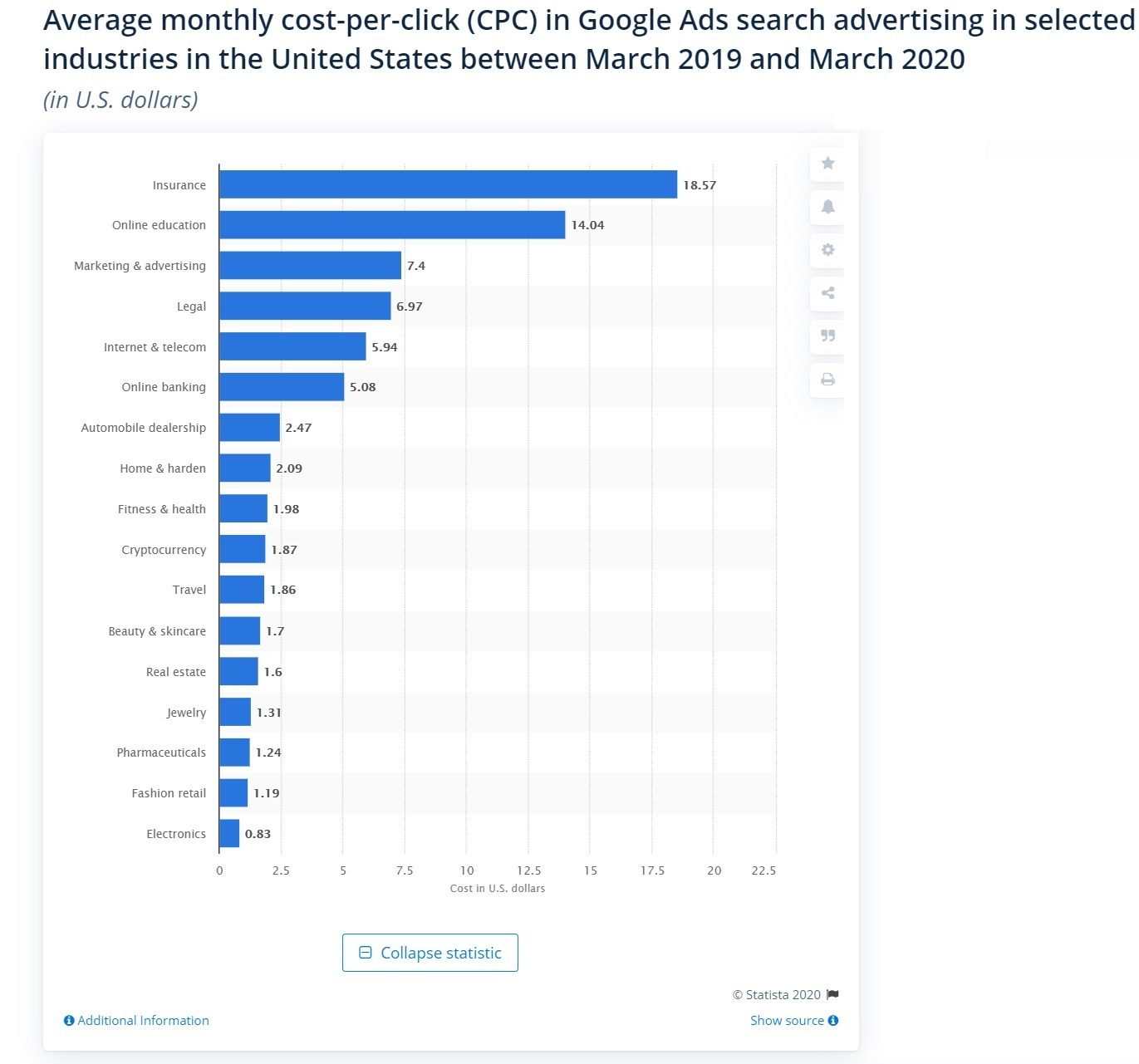
Comparison of Google Ads Costs Across Various Industries
Google Ads costs vary significantly depending on the industry. For instance, the average cost-per-click (CPC) in the legal sector can exceed $6, while the retail industry typically sees a CPC around $1.50. The following are average CPC ranges for several key industries:
- Legal: $6 – $8
- Insurance: $3 – $5
- Finance: $3 – $6
- Healthcare: $2 – $4
- Retail: $1 – $2.50
These figures illustrate the stark contrast in advertising costs based on industry competitiveness and consumer demand.
Factors Contributing to Higher Costs in Competitive Sectors
Several factors drive up Google Ads costs in highly competitive industries:
1. **Competition for Keywords:** High-value keywords attract more advertisers, leading to bidding wars that increase costs.
2. **Customer Lifetime Value (CLV):** Industries with high CLV, like finance and insurance, justify higher CPCs due to the potential for significant returns.
3. **Seasonality and Trends:** Certain industries experience peak seasons, leading to increased competition during these times, which can spike costs.
These dynamics mean that businesses in competitive sectors must allocate larger budgets to achieve visibility and attract potential customers.
How Industry Trends Can Influence Ad Budgets
Monitoring industry trends is crucial for adjusting ad budgets effectively. For example, emerging technologies or shifts in consumer behavior can impact keyword demand. Businesses must remain agile to respond to these trends by:
– Regularly reviewing keyword performance.
– Engaging in competitor analysis to understand shifts in bidding strategies.
– Adjusting budgets based on seasonal demand fluctuations.
Staying informed about these trends helps businesses optimize their Google Ads spending and improve return on investment (ROI).
Strategies for Industries with High Competition
In highly competitive industries, businesses can adopt the following strategies to manage Google Ads costs effectively:
1. **Long-Tail Keywords:** Targeting more specific, less competitive keywords can lower CPC while still attracting relevant traffic.
2. **Ad Scheduling:** Running ads during off-peak hours can reduce costs and increase visibility when competitors may not be active.
3. **Geotargeting:** Focusing on specific geographic areas can help businesses reach their target audience more efficiently, reducing wasted spend.
Implementing these strategies allows businesses in competitive sectors to maintain a robust presence on Google Ads without overspending.
Nuance / Expert Layer
One common misconception is that higher CPC always correlates with better ad performance. While high-cost keywords may indicate intense competition, they do not guarantee higher conversion rates. Businesses should focus on the overall effectiveness of their ad campaigns, prioritizing metrics such as click-through rates (CTR) and conversion rates over CPC alone. Furthermore, industries with lower average CPCs may offer opportunities for high ROI if approached strategically.
Practical Application
To leverage the insights from this section, businesses should:
– Analyze their industry-specific CPC data to set realistic ad budgets.
– Implement targeted strategies such as long-tail keywords and geotargeting.
– Regularly monitor industry trends and adjust campaigns accordingly.
By adopting these practices, businesses can navigate the complexities of Google Ads costs and optimize their advertising efforts for better returns.
For How Much Does Google Ads Cost Per Month businesses looking to generate local leads through Google Ads or Local SEO, GMB Ranger LLC offers hands-on campaign management. Specialist Md Tangeer Mehedi personally handles campaign setup and ongoing optimization — with no payment required until the first lead comes in.
Frequently Asked Questions
What factors affect the cost of Google Ads?
The cost of Google Ads is influenced by factors such as competition in your industry, the quality score of your ads, and the targeted keywords. Higher competition and lower quality scores typically lead to increased costs.
How can I estimate my Google Ads budget?
To estimate your Google Ads budget, consider the cost per click (CPC) for your targeted keywords and your desired number of clicks. Use Google’s Keyword Planner tool for insights on keyword costs and traffic estimates.
Is Google Ads worth the investment?
Google Ads can be a worthwhile investment if managed effectively, as it offers targeted reach and measurable results. Businesses often see a positive return on investment when campaigns are optimized for performance.
What is the average cost per click in Google Ads?
The average cost per click (CPC) in Google Ads varies widely by industry but typically ranges from $1 to $2 on the Search Network. Some competitive industries may see CPCs exceeding $50.
How long does it take to see results from Google Ads?
Results from Google Ads can be seen almost immediately after launching a campaign, but significant data collection and optimization usually take a few weeks. Consistent monitoring and adjustments help improve performance over time.
What are common mistakes to avoid with Google Ads budgeting?
Common mistakes include setting an unrealistic budget, neglecting to track conversions, and failing to adjust bids based on performance. It’s crucial to regularly review and refine your budget strategy to maximize effectiveness.
How do I optimize my Google Ads spend?
Optimizing Google Ads spend involves refining targeting, adjusting bids based on performance, and regularly reviewing ad copy and keywords. Implementing negative keywords and A/B testing can also enhance overall efficiency.
What is the minimum budget for Google Ads?
The minimum budget for Google Ads is flexible, but a daily budget of at least $10 is recommended for effective testing and results. This allows for sufficient data collection to make informed adjustments.
Final Thoughts on how much does google ads cost per month
Understanding the multifaceted nature of Google Ads costs is crucial for businesses aiming to maximize their advertising ROI. Factors such as industry competition, keyword selection, and campaign structure play significant roles in determining monthly expenses, making it essential for advertisers to approach budgeting with strategic foresight.
To optimize your Google Ads investment, conduct a thorough analysis of your target market and experiment with different bidding strategies to find the most effective balance between cost and performance.
Effective management of Google Ads not only drives traffic but can also significantly enhance brand visibility and customer engagement, underscoring its importance in a competitive digital landscape.
Leave a Reply