
What are google ads for restaurants?
google ads for restaurants is a targeted advertising platform that enables restaurants to connect with potential customers through customized ads. By effectively leveraging this tool, restaurants can achieve impressive results, including up to a 200% return on investment (ROI).
Understanding google ads for restaurants is crucial for any dining establishment looking to enhance its visibility and attract more patrons. With the restaurant industry projected to reach $899 billion in sales in the United States alone, mastering online advertising can significantly impact a restaurant’s bottom line. Failing to utilize these digital marketing strategies could result in lost opportunities in an increasingly competitive marketplace.
Neglecting to grasp the nuances of Google Ads can lead to substantial financial losses, wasted advertising budgets, and a diminished competitive edge. Restaurants that do not effectively engage with their target audience risk falling behind their competitors who successfully harness these advertising tools.
This article will provide a comprehensive overview of Google Ads for restaurants, including comparisons of leading advertising platforms, cost breakdowns, best practices for maximizing ROI, and insights into integrating local SEO strategies for enhanced visibility.
For restaurants looking to generate local leads through Google Ads or Local SEO, GMB Ranger LLC offers hands-on campaign management. Specialist Md Tangeer Mehedi personally handles campaign setup and ongoing optimization — with no payment required until the first lead comes in.
What are Google Ads for restaurants?
Google Ads for restaurants are online advertising solutions that help dining establishments promote their offerings on Google’s search engine and partner sites. These ads can target potential customers based on location, search behavior, and preferences, allowing restaurants to effectively reach their audience when they are actively looking for dining options.
Restaurants can utilize several types of Google Ads, including:
- Search Ads: Text-based ads that appear in Google search results when users search for relevant keywords, such as “Italian restaurant near me.”
- Display Ads: Visual banner ads that appear on websites within Google’s Display Network, targeting users browsing related content.
- Local Service Ads: Ads that specifically promote local businesses and appear at the top of search results, emphasizing proximity and services offered.
Effective use of Google Ads can significantly enhance a restaurant’s visibility and foot traffic. In 2024, statistics indicate that 76% of consumers who searched for a restaurant on their mobile device visited one within a day. This immediacy highlights the importance of timely and targeted ads that drive immediate action from potential customers. Additionally, leveraging features like location targeting and ad scheduling can optimize campaigns to reach diners during peak meal times or special events.
Expert insight: To maximize the effectiveness of Google Ads, restaurants should continuously analyze performance metrics and adjust their strategies based on customer feedback and seasonal trends. This data-driven approach not only improves ad spend efficiency but also enhances customer engagement and satisfaction.
How do I set up Google Ads for my restaurant?
Setting up Google Ads for a restaurant involves creating a targeted campaign to attract local customers. With over 60% of consumers using Google to find nearby dining options, an effective ad campaign can significantly increase foot traffic and online orders.
- Create a Google Ads Account: Visit the Google Ads website and sign up for an account. Ensure you link your Google My Business profile to enhance local visibility.
- Define Your Campaign Goals: Decide whether you want to drive website visits, increase phone calls, or promote specific menu items. Clear goals will guide your ad creation and targeting.
- Select Campaign Type: Choose a campaign type, such as Search Ads for text-based ads or Display Ads for visuals. For restaurants, Search Ads are often more effective for local outreach.
- Target Your Audience: Utilize geographic targeting to focus on potential customers within a specific radius of your restaurant. Consider demographics and interests to refine your audience further.
- Set Your Budget: Determine a daily budget that aligns with your advertising goals. Google Ads allows for flexible budgeting, so adjust based on campaign performance.
- Create Compelling Ad Copy: Write engaging headlines and descriptions that highlight your restaurant’s unique offerings, such as special dishes or promotions. Include a clear call-to-action.
- Choose Keywords: Research and select relevant keywords that potential customers might use to find restaurants like yours. Tools like Google’s Keyword Planner can assist in identifying effective terms.
- Launch Your Campaign: Review all settings before launching. Ensure your ads are correctly set up to appear in relevant searches and monitor performance closely.
- Monitor and Adjust: Regularly review your campaign analytics to see which ads perform best. Adjust keywords, ad copy, and budget based on this data to optimize results.
Expert insight: Consider implementing ad extensions, such as location or call extensions, to provide potential customers with additional information and increase click-through rates.
What is the average cost of Google Ads for restaurants?
The average cost of Google Ads for restaurants typically ranges from $1 to $3 per click, depending on various factors. Overall monthly budgets can vary widely, with many restaurants spending between $500 and $5,000 per month on advertising. In 2024, the average cost-per-click in the restaurant sector is projected to increase as competition intensifies.
Several factors influence the cost of Google Ads for restaurants, including location, competition, and ad quality. The following points highlight key elements that affect pricing:
- Location: Ads targeting urban areas or high-demand neighborhoods may incur higher costs due to increased competition for visibility.
- Competition: Restaurants in competitive markets, such as major cities, often face higher click costs as multiple businesses vie for the same audience.
- Ad Quality: Google uses a quality score system, which evaluates the relevance and performance of ads. Higher quality scores can lower costs and increase ad placement.
Additionally, seasonal trends and special events can impact advertising costs. For instance, during holidays or local festivals, restaurants may experience higher demand, leading to increased bidding for ad placements. Conversely, off-peak times might offer lower costs but also reduced visibility.
Expert insight: To optimize spending, restaurants should focus on refining their ad targeting and improving ad quality, which can lead to lower costs per click and higher conversion rates.
How can Google Ads help my restaurant attract more customers?
Google Ads can significantly increase your restaurant’s visibility and drive more traffic, leading to higher bookings. A well-optimized campaign can yield a return on investment (ROI) of up to 400% for restaurants, making it a powerful tool for attracting new customers.
Utilizing Google Ads effectively involves several strategies that can enhance performance and engagement. The following best practices can help restaurants maximize their advertising efforts:
- Target Local Customers: Use location targeting to reach potential diners within a specific radius of your restaurant. This approach ensures that your ads appear to users searching for dining options nearby, increasing foot traffic and reservations.
- Utilize Ad Extensions: Incorporate ad extensions, such as call buttons, location information, and site links. These features provide additional information directly in your ads, making it easier for customers to engage with your restaurant.
- Highlight Special Offers: Create campaigns that promote special deals or events. Ads featuring limited-time offers or discounts can attract attention and encourage immediate bookings, particularly during slow periods.
- Leverage Seasonal Trends: Tailor your advertising campaigns to align with seasonal trends and local events. Adjusting your messaging and targeting based on holidays or local festivities can increase relevance and customer interest.
- Monitor and Optimize Performance: Regularly analyze campaign performance metrics, such as click-through rates and conversion rates. Use this data to make informed adjustments to keywords, ad copy, and targeting strategies to improve overall results.
Expert insight: To maximize effectiveness, consider using Google Ads in conjunction with social media marketing. A multi-channel approach can enhance brand visibility and create a cohesive marketing strategy that resonates with your target audience.
What are the best practices for Google Ads targeting for restaurants?
Effective targeting in Google Ads can significantly enhance a restaurant’s visibility and customer engagement. Key practices include utilizing location targeting, demographic options, and leveraging ad extensions to maximize reach and effectiveness.
Location targeting is essential for restaurants, as most customers seek dining options within a specific vicinity. Restaurants should set their ads to target users within a defined radius, typically 5-15 miles, depending on their location and market. Using Google’s location settings allows businesses to reach potential customers actively searching for nearby dining options, increasing foot traffic and online orders.
Demographic targeting is another crucial strategy. Restaurants can refine their audience based on age, gender, and household income to tailor their messaging effectively. For instance, a family-friendly restaurant may target households with children, while a fine dining establishment might focus on high-income brackets. This ensures that the ads resonate with the intended audience, leading to higher engagement rates.
- Utilize ad extensions: Implementing ad extensions, such as call buttons, location information, and links to menus, enhances the visibility of ads and provides potential customers with immediate access to essential information.
- Employ remarketing strategies: Targeting users who have previously visited the restaurant’s website can boost conversion rates. Remarketing ads remind potential customers of their interest, encouraging them to return and complete their bookings or orders.
- Experiment with ad scheduling: Analyze peak times for customer engagement and adjust the ad schedule accordingly. For instance, promoting lunch specials during mid-morning hours can attract more customers looking for dining options.
Expert insight: Regularly analyzing campaign performance metrics allows for continuous optimization of targeting strategies, ensuring that the ads remain effective and relevant to the audience’s preferences.
How long does it take to see results from Google Ads for restaurants?
Typically, restaurants can expect to see initial results from Google Ads within 1 to 3 months after launching their campaigns. However, achieving optimal performance and maximizing return on investment may take 3 to 6 months or longer, depending on various factors.
Several elements influence the timeline for seeing results. First, the type of campaign and its objectives play a critical role. For example, campaigns focused on brand awareness may yield quicker visibility, while those aimed at driving conversions or reservations might require more time to refine targeting and messaging. Additionally, the competitive landscape in the local market impacts how quickly ads can gain traction. High competition may necessitate a longer period for ads to establish a foothold and generate sufficient engagement.
Another significant factor is the budget allocated to the campaign. A higher budget allows for increased visibility and more data collection, enabling quicker adjustments to optimize performance. Furthermore, the quality of the ad content, including the relevance of keywords and the effectiveness of the landing page, can affect how swiftly results are achieved. Well-optimized ads tend to attract clicks and conversions sooner than poorly constructed ones.
Expert insight: Regularly monitor campaign performance and be prepared to make real-time adjustments to targeting, ad copy, and bidding strategies to accelerate results. Investing in A/B testing during the initial months can significantly enhance ad effectiveness and shorten the time frame for seeing positive outcomes.
Can Google Ads be more effective than social media for restaurants?
Yes, Google Ads can be more effective than social media for restaurants, particularly when targeting immediate customer intent. According to a 2024 study, 70% of consumers who search for local restaurants online make a decision within a day, highlighting the power of Google Ads in capturing this intent-driven traffic.
Google Ads operates on a pay-per-click model, allowing restaurants to appear in search results when potential customers actively seek dining options. This high intent means that ads can lead to immediate conversions, such as reservations or takeout orders. In contrast, social media advertising primarily focuses on brand awareness and engagement, which may not translate to immediate sales. While platforms like Facebook and Instagram are effective for building relationships and community, they often cater to users who are not actively looking for restaurant services at that moment.
Key differences between Google Ads and social media advertising for restaurants include:
- Targeting Intent: Google Ads targets users searching for specific keywords, while social media advertising targets users based on interests and demographics.
- Conversion Rates: Google Ads typically achieves higher conversion rates due to its focus on immediate needs, with an average conversion rate of 4-5%, compared to 1-2% for social media ads.
- Cost Efficiency: While both platforms can be costly, Google Ads often provides better ROI for restaurants focused on attracting local customers due to its ability to drive immediate foot traffic.
Expert insight: For optimal results, restaurants should consider a hybrid approach, using Google Ads for immediate customer acquisition and social media for long-term brand building and customer engagement. This strategy can maximize visibility and drive both immediate sales and sustained growth.
Advanced Google Ads Strategies for Restaurants
This section delves into sophisticated Google Ads strategies tailored for restaurants, emphasizing the importance of maximizing visibility and engagement through advanced techniques.
Utilizing Local Extensions to Enhance Visibility
Local extensions in Google Ads allow restaurants to showcase additional information, such as location, phone numbers, and hours of operation directly in the ad. This feature significantly increases the likelihood of attracting local customers, as ads become more informative and actionable. In fact, businesses utilizing local extensions see a 25% increase in click-through rates (CTR) compared to standard text ads.
Leveraging Seasonal Promotions for Better Engagement
Restaurants can capitalize on seasonal trends by integrating promotional offers in their Google Ads campaigns. By aligning ads with holidays or local events, restaurants can create a sense of urgency and relevance. For example, offering a Valentine’s Day special can drive traffic during a typically busy period. According to recent data, seasonal promotions can boost engagement rates by up to 40% when tailored specifically to the target audience’s interests.
Implementing A/B Testing for Ad Creatives
A/B testing is a critical strategy for optimizing ad performance. Restaurants can test different ad creatives, such as images, headlines, and calls to action, to determine which combinations yield the highest engagement. Running simultaneous ads allows for real-time data collection, enabling restaurants to adjust strategies based on performance metrics. A study revealed that businesses that regularly A/B test their ads experience a 20% increase in conversion rates.
Integrating Google My Business for Improved Local Targeting
Linking Google Ads with Google My Business (GMB) enhances local targeting efforts. By ensuring that GMB profiles are complete and accurate, restaurants can improve their visibility in local search results. Ads can dynamically pull in information from GMB, such as reviews, ratings, and menu items, which adds credibility and encourages clicks. Restaurants with optimized GMB listings have reported a 50% increase in foot traffic from local searches.
Despite the advantages of these strategies, common misconceptions persist. Many restaurant owners believe that simply having a Google Ads account guarantees visibility. In reality, effective management, continuous optimization, and strategic integration of local features are essential to achieving desired outcomes. Moreover, failing to adapt campaigns based on A/B testing results can lead to missed opportunities for improvement.
To implement these advanced strategies, restaurants should take the following actionable steps:
- Set up local extensions in Google Ads to provide essential information directly in ads.
- Plan seasonal promotions well in advance and create targeted campaigns around them.
- Conduct A/B testing on various ad elements to identify the most effective combinations.
- Ensure Google My Business profiles are optimized and regularly updated to reflect current offerings.
By leveraging these strategies, restaurants can significantly enhance their online presence and drive more traffic through targeted and engaging Google Ads campaigns.
Common Mistakes Restaurants Make with Google Ads
Many restaurants fail to maximize the potential of their Google Ads campaigns due to common pitfalls. Identifying and addressing these mistakes is essential for improving performance and achieving better ROI.

Neglecting Negative Keywords
One of the most frequent errors is neglecting to utilize negative keywords. These keywords filter out irrelevant traffic that may click on ads but are unlikely to convert. For instance, a fine dining restaurant should exclude terms like “cheap” or “fast food” to focus their ads on relevant searchers. According to recent studies, businesses that effectively use negative keywords can see a 30% increase in click-through rates (CTR).
Setting Unrealistic Budgets
Restaurants often set overly constrained budgets, limiting ad visibility and reach. A budget that is too low can prevent ads from appearing in competitive markets, especially during peak dining times. To remain competitive, it’s advisable to allocate at least 10-20% of projected sales toward advertising. This ensures adequate visibility and engagement with potential customers.
Failing to Optimize Landing Pages
Another common mistake is neglecting to optimize landing pages for conversions. When users click on an ad, they expect a seamless experience that aligns with their search intent. Landing pages should feature enticing visuals, clear calls-to-action, and relevant content that reflects the ad’s messaging. Research indicates that optimized landing pages can increase conversion rates by up to 50%.
Ignoring Performance Metrics
Restaurants frequently overlook important performance metrics and analytics. Without analyzing data such as CTR, conversion rates, and cost per acquisition, it is impossible to gauge a campaign’s effectiveness. Regularly reviewing these metrics allows restaurants to make data-driven adjustments to improve performance and reduce wasted spend.
Expert Insights
Many restaurant owners mistakenly believe that simply setting up Google Ads will yield results. However, a successful campaign requires ongoing management and optimization. For example, seasonality can significantly impact ad performance. Restaurants should adjust their strategies based on holidays, local events, and seasonal menu changes to stay relevant to their audience. Additionally, the misconception that higher bids always lead to better placement can lead to overspending without significant returns. Instead, focusing on ad relevance and quality score often yields better long-term results.
Practical Application
To enhance Google Ads performance, restaurants should take the following steps:
- Research and implement negative keywords to filter out irrelevant searches.
- Set a realistic budget that aligns with sales projections, allowing for flexibility.
- Optimize landing pages for user experience, ensuring they are relevant to the ad content.
- Regularly analyze performance metrics to identify trends and areas for improvement.
By addressing these common mistakes, restaurants can significantly improve their campaign outcomes and drive more customers through their doors.
Real-World Case Studies: Successful Google Ads Campaigns for Restaurants
This section explores successful Google Ads campaigns implemented by various restaurants, highlighting how targeted advertising strategies can drive significant business results. These case studies illustrate effective approaches that can be replicated to enhance customer engagement and increase revenue.
Local Diner Increases Foot Traffic by 40%
A local diner in a suburban area implemented a Google Ads campaign focusing on local searches and seasonal promotions. By utilizing location-based targeting and highlighting their daily specials, the diner attracted more local patrons. Key strategies included:
- Geo-targeting: Ads were shown exclusively to users within a 10-mile radius.
- Promotion of specials: Daily deals were emphasized to stimulate visits during off-peak hours.
- Call-to-action buttons: Encouraged potential customers to “Call Now” for reservations.
As a result, the diner reported a 40% increase in foot traffic over three months, leading to higher sales and improved customer loyalty.
Pizzeria Doubles Online Orders in Three Months
A regional pizzeria leveraged Google Ads to boost online orders significantly. The campaign featured a combination of search ads and display ads targeting food enthusiasts. Key components of their strategy included:
- Ad Extensions: Utilized sitelink extensions to promote different menu items and special offers.
- Remarketing: Targeted previous website visitors with tailored ads showcasing their latest promotions.
- Seasonal Campaigns: Ran specific promotions during local events to capture holiday traffic.
These tactics resulted in the pizzeria doubling its online orders within just three months, with a reported 60% increase in revenue from online sales.
Fine Dining Restaurant Enhances Brand Awareness
A fine dining restaurant sought to improve brand awareness and attract a new clientele through targeted Google Ads. The campaign was designed to position the restaurant as a premier dining choice for special occasions. Their approach included:
- Brand-driven messaging: Focused on unique dining experiences and chef specials.
- Targeted Demographics: Ads were specifically aimed at affluent neighborhoods and high-income demographics.
- Engaging Visuals: High-quality images of dishes and ambiance were employed to captivate potential customers.
This targeted strategy yielded a notable increase in website traffic, with a 35% rise in reservations and heightened visibility in local search results.
While these case studies showcase successful Google Ads implementations, common misconceptions often arise regarding the complexity and effectiveness of such campaigns. Many restaurant owners may believe that simply setting up ads guarantees results. However, successful campaigns require ongoing optimization, data analysis, and tailored messaging to resonate with the intended audience. Businesses should focus on A/B testing different approaches to refine their strategies continually.
To effectively leverage these insights, restaurant owners should:
- Identify target demographics and tailor ad content accordingly.
- Utilize local targeting features to reach nearby customers.
- Monitor performance metrics regularly to adjust campaigns based on real-time data.
Implementing these strategies can lead to measurable increases in customer engagement and sales through Google Ads for restaurants.
Integrating Google Ads with Local SEO Efforts
Combining Google Ads with local SEO strategies significantly enhances a restaurant’s visibility and reach. This integration not only drives traffic but also improves the overall effectiveness of marketing efforts.
The Synergy Between Paid Ads and Organic Search Results
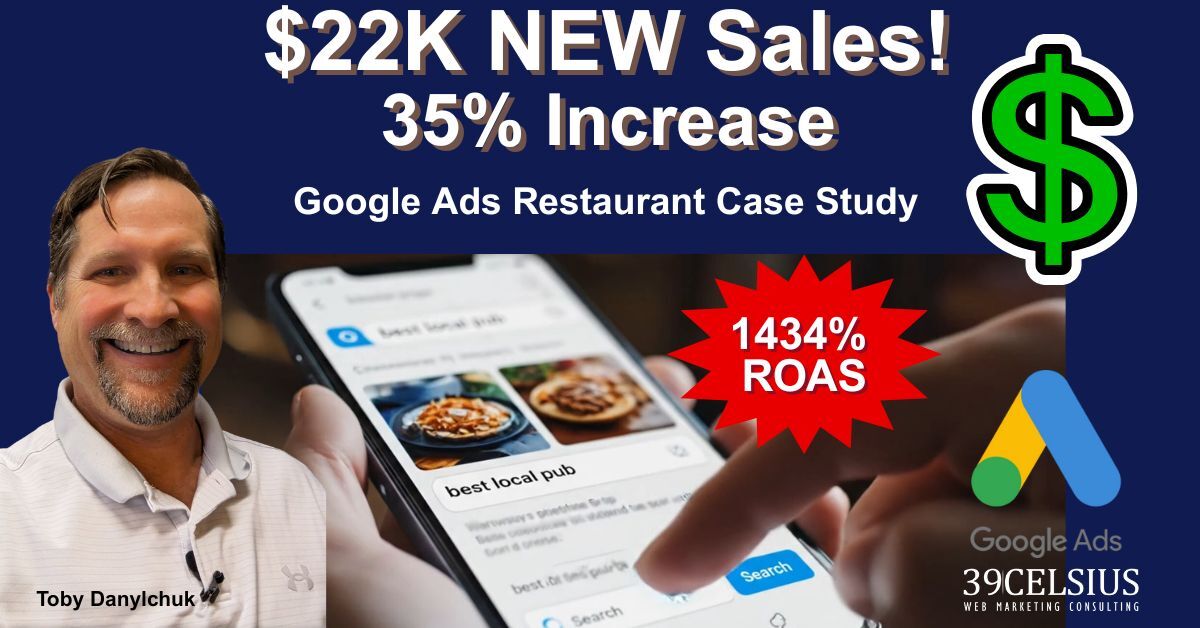
Google Ads and local SEO complement each other, creating a robust online presence. When a restaurant utilizes both strategies, it captures potential customers at multiple touchpoints. For instance, a restaurant appearing in both paid search results and organic listings can increase clicks by up to 50%. This dual visibility reinforces brand recognition and trust.
Utilizing Location-Based Keywords for Targeted Ads
Incorporating location-based keywords is essential for targeting the right audience. Restaurants should focus on keywords that reflect their geographic area, such as “best Italian restaurant in [City]” or “pizza near me.” Ads optimized with these keywords can achieve a click-through rate (CTR) of approximately 6.5%, significantly higher than general keywords.
How Reviews and Ratings Affect Ad Performance
The impact of customer reviews and ratings on ad performance cannot be overstated. Ads that display positive reviews or high ratings often see improved engagement. In fact, businesses with a 4-star rating or higher can expect a 20% increase in click-through rates. Encouraging satisfied customers to leave reviews not only bolsters local SEO but also enhances the effectiveness of Google Ads.
Strategies for Combining Google Ads with Local Promotions
- Seasonal Campaigns: Align Google Ads with local events, holidays, or promotions to attract more visitors.
- Geo-Targeting: Use geo-targeting features in Google Ads to reach customers in specific neighborhoods or regions.
- Ad Extensions: Implement ad extensions to showcase menu items, special offers, or event nights directly in ads.
These strategies maximize the effectiveness of both Google Ads and local SEO, driving more foot traffic and online orders.
Nuance / Expert Layer
Many restaurant owners mistakenly believe that investing heavily in Google Ads alone will guarantee success. However, without a solid local SEO foundation, the long-term benefits may be limited. Google prioritizes organic search results based on relevance, user experience, and authority. Therefore, a balanced approach that incorporates both paid and organic strategies ensures sustainable visibility. Additionally, focusing solely on paid ads can lead to high customer acquisition costs, while effective local SEO can provide ongoing organic traffic with lower long-term expenses.
Practical Application
To effectively integrate Google Ads with local SEO, restaurants should:
- Conduct keyword research focusing on local terms.
- Regularly update Google My Business with current information and encourage customer reviews.
- Create targeted ad campaigns that align with local events or seasonal promotions.
- Monitor performance metrics and adjust strategies based on data insights.
By implementing these steps, restaurants can leverage the combined power of Google Ads and local SEO to boost visibility and drive business growth.
Evaluating the Best Google Ads For Restaurants
Choosing the right Google Ads provider is crucial for restaurants looking to maximize their online presence and drive foot traffic. With the restaurant advertising market projected to reach $30 billion by 2026, evaluating options based on specific needs and budget is essential for success. This comparison highlights the key differences among providers to help restaurant owners make informed decisions.
| Provider / Option | Best For | Pricing | Key Feature |
|---|---|---|---|
| AdEspresso | Small to medium restaurants | $49/month | User-friendly interface for ad creation |
| WordStream | Restaurants with limited budgets | $264/month | Automated optimization suggestions |
| Google Ads Manager | Large restaurant chains | Varies based on spend | Comprehensive analytics and reporting |
| AdRoll | Restaurants focusing on retargeting | $300/month | Cross-platform ad retargeting |
| Hootsuite Ads | Restaurants wanting social integration | $19/month | Integrates social media management |
| Facebook Ads Manager | Restaurants targeting younger demographics | Varies based on spend | Visual ad formats for engagement |
Criteria for Evaluating Program Quality
Target Audience Alignment: Ensure the provider’s features align with your restaurant’s target demographic. Different providers cater to various audience segments, affecting your ad performance.
Budget Flexibility: Consider the pricing structure and what fits within your advertising budget. Some providers offer fixed monthly rates, while others vary based on ad spend.
Ease of Use: Look for platforms with user-friendly interfaces, especially if your team lacks extensive digital marketing experience. A more intuitive system can reduce the learning curve and improve campaign efficiency.
Analytics and Reporting: Comprehensive reporting tools are vital for tracking ad performance. Providers that offer detailed analytics can help you make data-driven decisions for future campaigns.
How to Assess the Reputation and Reliability of Providers
- Check Online Reviews: Search for customer reviews on platforms like Trustpilot or Google Reviews to gauge user satisfaction and potential issues.
- Request Case Studies: Ask providers for case studies that illustrate their success with clients similar to your restaurant type.
- Evaluate Customer Support: Test the responsiveness of customer service by reaching out with questions before committing to a provider.
- Look for Industry Recognition: Research any awards or recognitions the provider has received within the advertising industry to assess credibility.
- Analyze Performance Metrics: Request performance metrics from existing clients to understand the effectiveness of their ad strategies.
Which Google Ads For Restaurants Is Right for You?
Choosing the right Google Ads solution for your restaurant hinges on your specific business needs, budget, and marketing goals. This guide helps you identify the best options tailored to different types of restaurant operators, ensuring you maximize your advertising effectiveness.
Independent restaurant owners
For independent restaurant owners looking to enhance visibility without overspending, Google Ads Manager is a highly effective tool. With its ability to create targeted campaigns, owners can allocate budgets efficiently, typically ranging from $300 to $1,000 per month, depending on local competition and desired reach.
Franchise restaurant operators
Franchise restaurant operators benefit significantly from AdEspresso, which simplifies campaign management across multiple locations while maintaining consistent branding. This platform allows operators to streamline their advertising efforts, with costs generally starting around $49 per month, making it a cost-effective choice for franchises.
Restaurant marketers
For restaurant marketers seeking to optimize campaign performance, WordStream offers advanced analytics and optimization features that can significantly enhance results. With pricing options that start around $264 per month, marketers can utilize its tools to fine-tune their strategies and drive better ROI.
Restaurants with a strong online presence
Restaurants that already have a robust online presence should consider AdRoll for retargeting efforts. This platform specializes in re-engaging previous website visitors, with costs typically ranging from $300 to $1,000 per month, depending on the scale of the retargeting campaign and ad placements.
Catering services
Catering services can leverage Hootsuite Ads for social media campaigns aimed at event planners and potential clients. This tool provides a user-friendly interface for scheduling and managing ads across various platforms, with a starting budget of around $250 per month, making it accessible for catering businesses looking to expand their reach.
| If You Are… | Best Approach |
|---|---|
| Independent restaurant owners | Google Ads Manager |
| Franchise restaurant operators | AdEspresso |
| Restaurant marketers | WordStream |
| Restaurants with a strong online presence | AdRoll |
| Catering services | Hootsuite Ads |
Local Strategies for Google Ads Targeting Restaurants
Geographic and local market factors play a crucial role in the effectiveness of Google Ads for restaurants. A recent survey revealed that 76% of consumers who search for something nearby visit a business within a day, highlighting the importance of local targeting in advertising strategies. Restaurants must tailor their ads to resonate with local preferences and behaviors to maximize their reach and conversion rates.
Geographic Market Differences
In larger metropolitan areas, competition among restaurants is typically fierce, requiring more aggressive bidding strategies and tailored ad copy that speaks to the local audience. Conversely, in smaller towns, restaurants may find it easier to dominate local search results but should still focus on unique selling propositions that appeal to community values. Understanding these dynamics can help businesses allocate resources more effectively.
Local Business Applications
Local restaurants can leverage Google Ads in several impactful ways:
- Promote limited-time offers or special events tailored to local holidays, driving immediate foot traffic.
- Utilize geofencing to target ads to users within a specific radius, ensuring ads reach potential customers nearby.
- Highlight unique local ingredients or partnerships with local farms to strengthen community ties.
- Implement call extensions to encourage direct phone inquiries, catering to customers seeking immediate reservations or inquiries.
Local Search and Visibility Impact
Successful Google Ads strategies directly influence local search rankings and visibility on platforms like Google Business Profile. Restaurants must take the following actions to enhance their local presence:
- Optimize Google Business Profile with accurate information, high-quality images, and regular updates.
- Incorporate local keywords into ad copy and landing pages to improve relevance and searchability.
- Encourage satisfied customers to leave positive reviews, which can enhance both local SEO and ad performance.
- Monitor local competition and adjust bidding strategies to ensure ads remain competitive.
Pricing and Cost in Local Markets
Advertising costs for restaurants can vary significantly by geographic market. In urban areas, the average cost-per-click (CPC) for restaurant-related ads can range from $2.50 to $6.00, while in smaller markets, businesses might see CPCs as low as $1.00 to $3.00. Local restaurants should budget approximately $300 to $1,000 per month on Google Ads, whereas national chains often allocate significantly higher amounts due to their broader reach and competitive nature.
Local Implementation Checklist:
- Define your target geographic area for ad campaigns.
- Set up and optimize your Google Business Profile with current information.
- Develop ad copy that highlights local specialties and promotions.
- Utilize geotargeting to reach potential customers within a specific radius.
- Encourage customer reviews to build credibility and enhance local visibility.
- Monitor and adjust bids based on competitive analysis and performance data.
- Track conversions to measure the effectiveness of local ad campaigns.
For restaurants looking to generate local leads through Google Ads or Local SEO, GMB Ranger LLC offers hands-on campaign management. Specialist Md Tangeer Mehedi personally handles campaign setup and ongoing optimization — with no payment required until the first lead comes in.
Frequently Asked Questions
What are Google Ads for restaurants?
Google Ads for restaurants are online advertising campaigns that help promote a restaurant’s offerings on Google search results and across the Google Display Network. These ads can drive traffic to the restaurant’s website or increase foot traffic to the location.
How do I set up Google Ads for my restaurant?
To set up Google Ads for your restaurant, create a Google Ads account and choose a campaign type that fits your goals. Then, define your target audience, set your budget, and create compelling ad copy and visuals that showcase your restaurant.
What is the average cost of Google Ads for restaurants?
The average cost of Google Ads for restaurants varies widely, typically ranging from $1 to $5 per click depending on competition and location. Monthly budgets can start as low as a few hundred dollars but can increase based on campaign goals and desired reach.
How can Google Ads help my restaurant attract more customers?
Google Ads can help attract more customers by increasing visibility in search results and targeting specific demographics. Well-crafted ads can entice potential diners with promotions, menu highlights, and location information, driving traffic to the restaurant.
What are the best practices for Google Ads targeting for restaurants?
Best practices for targeting include using location-based targeting to reach nearby customers, employing relevant keywords related to your cuisine, and utilizing demographic targeting to attract your ideal clientele. Regularly reviewing and optimizing ad performance is essential for effective targeting.
How long does it take to see results from Google Ads for restaurants?
Results from Google Ads can often be seen within a few days to weeks, depending on the campaign’s setup and budget. However, optimizing ads for better performance may take longer as data is gathered and analyzed.
Can Google Ads be more effective than social media for restaurants?
Google Ads can be more effective than social media for restaurants when targeting customers actively searching for dining options. While social media builds brand awareness, Google Ads capture intent-driven traffic, leading to immediate conversions.
Final Thoughts on Google Ads for Restaurants
Leveraging Google Ads can be a transformative strategy for restaurants aiming to increase visibility and attract more diners. With tailored campaigns that target specific demographics and local areas, restaurants can effectively convert online interest into foot traffic and sales.
To maximize the impact of your Google Ads investment, conduct a thorough analysis of your current campaign performance and identify areas for improvement, particularly focusing on ad copy and keyword optimization to better resonate with your target audience.
Ready to elevate your restaurant’s advertising strategy? Partner with a google ads agency that understands the unique needs of your business.
In a competitive market, mastering google ads is not just beneficial; it is essential for sustaining growth and relevance within the restaurant industry.
Leave a Reply