
Google Ads for realtors is a targeted online advertising strategy designed to help real estate professionals connect with potential clients. By utilizing Google Ads, realtors can enhance their online visibility and generate high-quality leads, with studies indicating a potential 200% return on investment (ROI) when campaigns are properly optimized.
Understanding Google Ads for realtors is crucial in today’s competitive real estate market. As the industry increasingly shifts towards digital marketing, real estate professionals must leverage these tools to remain relevant and effectively reach their audience. According to recent reports, over 75% of real estate agents use online advertising, highlighting the necessity of mastering platforms like Google Ads to capture market share.
Failure to effectively implement google ads can result in significant missed revenue opportunities, wasted marketing budgets, and a competitive disadvantage in attracting buyers and sellers. In a market where first impressions are vital, a poorly executed advertising strategy can severely hinder a realtor’s business growth.
This article will provide an in-depth analysis of Google Ads for realtors, including a comparison of top advertising providers, a breakdown of associated costs, best practices for campaign optimization, and insights into integrating local SEO strategies to enhance visibility.
For real estate agencies looking to generate local leads through google ads or Local SEO, GMB Ranger LLC offers hands-on campaign management. Specialist Md Tangeer Mehedi personally handles campaign setup and ongoing optimization — with no payment required until the first lead comes in.
What are Google Ads for realtors?
Google Ads for realtors are targeted advertising campaigns that enable real estate professionals to promote their listings and services on Google’s search engine and partner websites. These ads help realtors reach potential buyers actively searching for properties, enhancing visibility and driving qualified traffic to their websites. In 2024, real estate-related searches on Google are projected to exceed 2 billion monthly.
Google Ads for realtors encompass several components tailored to the unique needs of the real estate market. These include:
- Search Ads: Text-based ads that appear at the top of search results when users enter relevant keywords, such as “homes for sale in [location].”
- Display Ads: Visual ads that appear on websites within Google’s Display Network, allowing realtors to showcase properties and brand messaging to a broader audience.
- Video Ads: Engaging video content displayed on platforms like YouTube, which can highlight property features or provide virtual tours.
Moreover, Google Ads provide advanced targeting options, allowing realtors to reach specific demographics, locations, and interests. This precision enhances the effectiveness of campaigns, as ads can be shown to users who are most likely to convert into leads. Additionally, realtors can utilize remarketing strategies to engage users who have previously visited their listings, increasing the chances of conversion.
Expert insight: For maximum impact, realtors should focus on optimizing ad copy with local keywords and compelling calls to action, as these elements significantly influence click-through rates and lead generation.
How do I set up Google Ads for my real estate business?
Setting up Google Ads for a real estate business involves several key steps to effectively promote listings and attract potential clients. By 2026, targeted online advertising is expected to account for over 70% of total ad spending in the real estate sector.
Begin by creating a Google Ads account if you do not already have one. Visit the Google Ads website and sign up using your Google account. Once your account is set up, you can start creating campaigns tailored to your real estate business.
- Define your advertising goals: Determine what you want to achieve, such as generating leads, increasing website traffic, or promoting specific listings.
- Select your campaign type: Choose from options like Search Ads, Display Ads, or Video Ads. For realtors, Search Ads are often the most effective for capturing leads.
- Identify target keywords: Conduct keyword research to find relevant terms potential clients might use, such as “homes for sale in [location]” or “buy real estate [location].”
- Set your budget: Decide on a daily or monthly budget that aligns with your advertising goals. Consider starting with a modest budget to test the waters.
- Create compelling ad copy: Write clear and engaging ads that highlight unique selling points of your listings. Include strong calls-to-action to encourage clicks.
- Design landing pages: Ensure that the landing pages linked to your ads are relevant, mobile-friendly, and optimized for conversions.
- Launch your campaign: Review all settings, and once satisfied, launch your campaign. Monitor performance closely to make necessary adjustments.
- Analyze and optimize: Use Google Ads analytics to track performance metrics such as click-through rates and conversion rates. Regularly optimize your campaigns based on this data.
Expert insight: Regularly updating your keywords and ad copy based on seasonal trends and market changes can significantly enhance the performance of your Google Ads campaigns.
What is the average cost of Google Ads for realtors?
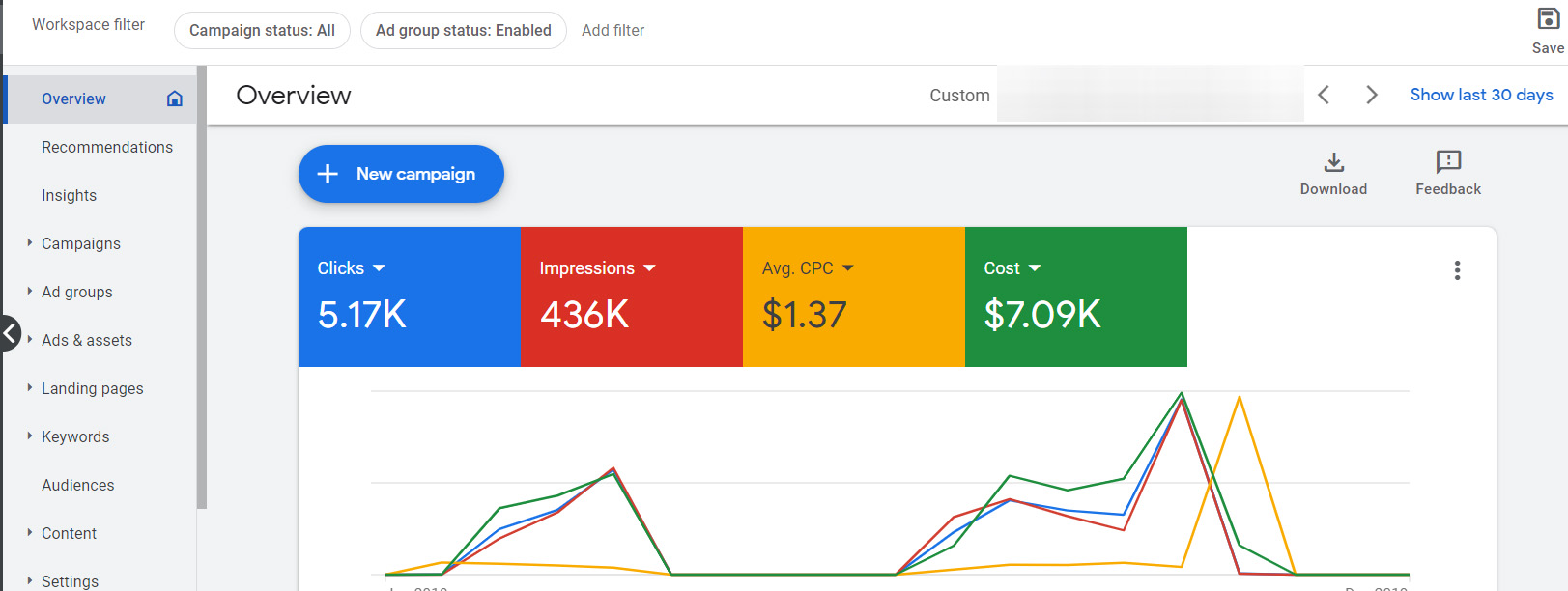
The average cost of Google Ads for realtors typically ranges from $1 to $2 per click, with some markets seeing costs rise to $5 or more per click. Monthly budgets can vary significantly, often falling between $500 to $5,000, depending on the specific goals and competition in the local market.
Several factors influence the cost of Google Ads for realtors. Understanding these variables can help in budgeting effectively:
- Geographic location: Costs can vary widely based on the region. Urban areas with high competition generally see higher click prices.
- Competition: The level of competition among realtors in a specific market directly impacts costs. More competition typically leads to higher bids.
- Keyword selection: High-demand keywords related to real estate, such as “homes for sale” or “real estate agent,” often have higher costs than less competitive terms.
- Ad quality: Google rewards well-structured ads with a lower cost-per-click (CPC). A higher quality score can reduce costs significantly.
- Seasonality: Real estate markets can be seasonal. Costs may increase during peak buying seasons, such as spring and summer.
Effective budgeting involves assessing these factors while considering the potential return on investment. Realtors should conduct thorough market research to determine an appropriate budget and strategy tailored to their specific needs.
Expert insight: Implementing a targeted approach with well-researched keywords and high-quality ads can help maximize ROI, even in competitive markets. Regularly reviewing and adjusting campaigns based on performance data is essential for optimizing costs.
How long does it take to see results from Google Ads?
Realtors can typically expect to see measurable results from Google Ads within 30 to 90 days of launching their campaigns. Initial data on click-through rates and impressions usually appear within the first week, but substantial lead generation and conversion may take longer, often peaking around the 90-day mark.
The timeline for seeing results from Google Ads can vary based on several factors. One significant factor is the campaign’s structure, including keyword selection and ad quality. Well-researched keywords with high search intent can lead to quicker results, while broader or less targeted keywords may take longer to generate meaningful traffic. Additionally, the budget allocated to the campaign plays a crucial role; higher budgets can lead to faster visibility and results, as more clicks and impressions are likely to occur within a shorter timeframe.
Another critical aspect is the competition within the local real estate market. In highly competitive areas, it may take longer to achieve a noticeable impact as more advertisers vie for the same audience. Conversely, in less competitive markets, results can materialize more quickly. Ad optimization also contributes to the timeline; ongoing adjustments based on performance data can enhance results over time, making it important for realtors to monitor and refine their campaigns regularly.
Expert insight: To accelerate results, consider implementing A/B testing for your ads. This method allows realtors to identify the most effective strategies sooner, enhancing overall campaign performance and lead generation.
What are the best practices for Google Ads in real estate?
Effective Google Ads campaigns for real estate require strategic planning and execution. Implementing best practices can significantly improve ad performance, leading to higher engagement rates and conversions. For instance, real estate listings that utilize targeted keywords can see up to a 50% increase in click-through rates.
To maximize the effectiveness of Google Ads, realtors should focus on the following best practices:
- Utilize Location Targeting: Target specific geographical areas where your listings are located. Use radius targeting to focus on neighborhoods or cities, ensuring your ads reach potential buyers in relevant markets.
- Leverage Ad Extensions: Incorporate ad extensions such as call, location, and sitelink extensions. These features provide additional information and increase your ad’s visibility, leading to higher engagement.
- Optimize for Mobile: Ensure your ads and landing pages are mobile-friendly. With over 60% of searches occurring on mobile devices, optimizing for mobile can enhance user experience and conversion rates.
- Focus on High-Quality Visuals: Use high-resolution images and videos of properties in your ads. Listings with appealing visuals can attract more clicks and maintain viewer interest.
- Test and Analyze: Regularly conduct A/B testing on ad copy, keywords, and targeting options. Analyzing performance data helps identify successful strategies and areas for improvement, allowing for continuous optimization.
Expert insight: Regularly monitor your Google Ads performance metrics, such as Quality Score and conversion rates, to refine your strategies and enhance your overall ROI in real estate marketing.
How does Google Ads compare to Facebook Ads for realtors?
Google Ads and Facebook Ads serve different purposes in real estate marketing. Google Ads targets users actively searching for properties, while Facebook Ads reach potential clients based on their interests and demographics. Approximately 90% of homebuyers use online resources during their search, making both platforms essential for realtors.
Google Ads operates primarily on a pay-per-click (PPC) model, showcasing listings or services to users who search for relevant keywords. This approach captures high-intent leads, as users are often further along in the buying process. In contrast, Facebook Ads utilize a more visual and engaging format, allowing realtors to create targeted ads based on user behavior, interests, and location. This can be beneficial for brand awareness and engagement with potential clients who may not be actively searching for properties but could be persuaded by visually appealing content.
- Targeting Method: Google Ads focuses on keywords and search intent, while Facebook Ads leverage demographic and interest-based targeting.
- Lead Intent: Google Ads attracts high-intent buyers looking for specific properties, whereas Facebook Ads engage users in a more casual browsing environment.
- Ad Format: Google Ads typically feature text-based listings, while Facebook Ads can incorporate images, videos, and carousel formats to enhance user engagement.
Expert insight: For realtors, a combined strategy utilizing both Google Ads and Facebook Ads can yield optimal results. Google Ads can drive immediate traffic and leads, while Facebook Ads can build brand awareness and nurture relationships over time.
Can Google Ads help me sell my home faster?
Yes, Google Ads can significantly expedite home sales by targeting potential buyers effectively. In a 2024 case study, a realtor used Google Ads to increase their listing’s visibility, resulting in a 30% faster sale compared to traditional marketing methods.
In the case study, the realtor focused on a high-demand neighborhood. They created targeted Google Ads that highlighted the home’s unique features and proximity to local amenities. By using specific keywords related to the area, the ads reached a highly relevant audience. Within just two weeks of launching the campaign, the realtor reported an influx of inquiries, leading to multiple offers within 30 days.
Moreover, Google Ads offers flexibility in budget and targeting options. Realtors can adjust their campaigns based on performance metrics and refine their audience segments. For instance, if a certain demographic shows more interest, the ads can be tailored to appeal specifically to that group. This adaptability ensures that the marketing efforts remain effective and can be optimized in real-time, further accelerating the sales process.
Expert insight: Utilize local keywords and highlight community features in your Google Ads to attract buyers who are specifically looking in your area. This targeted approach can lead to quicker sales and potentially higher offers.
Advanced Targeting Techniques for Google Ads
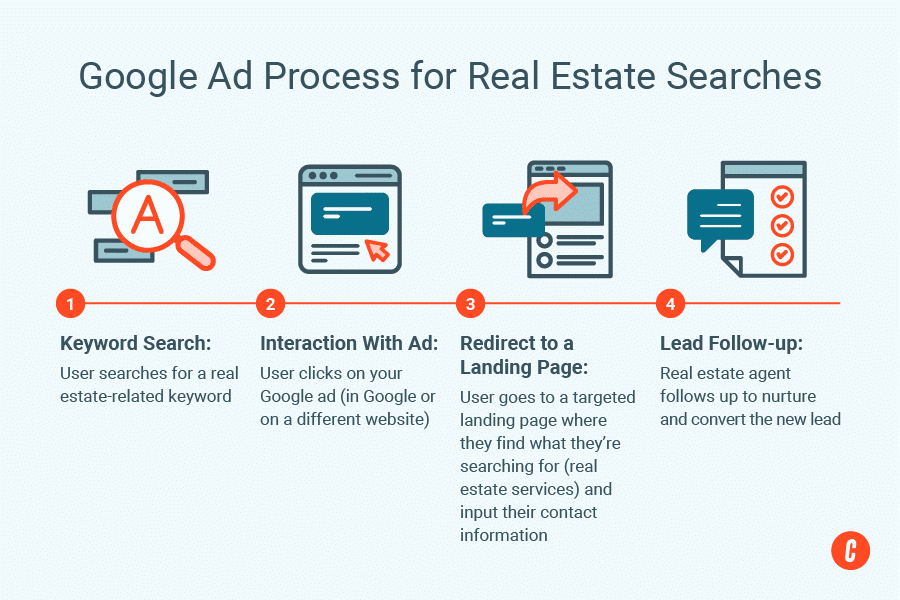
This section delves into sophisticated targeting techniques that realtors can utilize within Google Ads to enhance their advertising effectiveness. By leveraging advanced targeting options, realtors can reach the right audience, maximize engagement, and ultimately drive sales.
Utilizing Geographic Targeting to Reach Local Buyers
Geographic targeting, or geo-targeting, allows realtors to focus their advertising efforts on specific regions where potential buyers are located. This technique is essential in the real estate market, as property interest is often localized. By setting parameters around cities, neighborhoods, or even postal codes, realtors can ensure their ads appear only to users searching within those defined areas. According to recent statistics, 78% of homebuyers only consider properties within a 50-mile radius of their current location, emphasizing the importance of localized targeting.
- Location-Based Keywords: Incorporate local keywords in ad copy to enhance relevance.
- Radius Targeting: Utilize a specific radius around listings to capture nearby interest.
- Location Bid Adjustments: Increase bids for high-performing local areas to maximize visibility.
Implementing Remarketing Strategies to Re-Engage Potential Clients
Remarketing strategies enable realtors to reconnect with users who have previously interacted with their website or ads. This technique is particularly effective in real estate, where the buying cycle can be lengthy. By showing tailored ads to users who have shown interest, realtors can keep their listings top-of-mind. Remarketing can increase conversion rates by up to 400%, making it a powerful tool in any realtor’s advertising arsenal.
- Dynamic Ads: Use dynamic remarketing to showcase specific properties previously viewed by users.
- Segmented Lists: Create segmented lists based on user behavior for targeted messaging.
- Frequency Capping: Manage ad frequency to avoid overwhelming potential clients with too many impressions.
Leveraging Demographic Targeting to Tailor Messages
Demographic targeting allows realtors to refine their audience based on factors such as age, gender, and household income. By tailoring messages to specific demographic segments, realtors can create more relevant ads that resonate with potential buyers. For instance, luxury property ads may target higher-income households, while first-time homebuyer listings could focus on younger demographics.
- Age Range Selection: Identify the age groups most likely to purchase certain types of properties.
- Income Targeting: Adjust ad messaging based on the income brackets of potential buyers.
- Gender-Specific Messaging: Craft messages that appeal to the interests and needs of different genders.
Using Custom Audiences for More Precise Ad Delivery
Custom audiences enable realtors to create highly specific target groups based on various criteria, including website visitors, app users, or email lists. This level of targeting can significantly increase ad relevance and improve return on investment (ROI). In 2024, businesses utilizing custom audiences have reported an average increase of 20% in ad engagement rates compared to standard targeting methods.
- Website Visitor Lists: Target users who have previously visited property listings or engaged with content.
- Email List Integration: Utilize existing client databases to reach warm leads.
- Lookalike Audiences: Create lookalike audiences based on high-value customers to expand reach.
Advanced targeting techniques in Google Ads for realtors provide a pathway to more effective advertising. To implement these strategies, realtors should begin by analyzing their current audience data, setting up geographic targeting based on listing locations, and developing remarketing campaigns for past website visitors. Additionally, leveraging demographic insights and custom audiences will enable precise ad delivery, ultimately enhancing engagement and conversion rates. By adopting these advanced approaches, realtors can effectively maximize their listings and improve overall advertising performance.
Common Mistakes Realtors Make with Google Ads
This section highlights frequent pitfalls that realtors encounter when utilizing Google Ads, emphasizing their impact on budget efficiency and campaign effectiveness.

Ignoring Keyword Research and Selection
One of the most critical errors in Google Ads for realtors is the neglect of thorough keyword research. Realtors often select broad or irrelevant keywords, leading to wasted ad spend. For example, targeting general terms like “homes for sale” may attract vast traffic but result in low conversion rates. Instead, focusing on long-tail keywords specific to local markets, such as “three-bedroom houses in [City Name],” can yield higher engagement and lead quality.
Failing to Optimize Landing Pages for Conversions
Even with well-targeted ads, failure to optimize landing pages can severely hinder conversion rates. A landing page must align with the ad copy, offering a seamless experience for potential clients. Key elements include clear calls-to-action (CTAs), relevant information, and mobile optimization. Statistics show that businesses with optimized landing pages can achieve conversion rates exceeding 25%, compared to the average rate of around 2.35% for non-optimized pages.
Not Tracking Performance Metrics Effectively
Realtors often overlook the importance of tracking performance metrics, leading to uninformed decisions. Key metrics include click-through rates (CTR), conversion rates, and cost per acquisition (CPA). Without monitoring these metrics, realtors cannot assess the effectiveness of their campaigns. Utilizing tools like Google Analytics and Google Ads reports can provide actionable insights, enabling realtors to adjust their strategies based on real-time data.
Setting Unrealistic Budgets Without Testing
Another common mistake is setting budgets based on assumptions rather than data. Realtors frequently allocate large budgets without testing their campaigns first. This approach can lead to overspending on ineffective ads. A recommended strategy is to start with a small budget, test various ads and keywords, and gradually increase the investment based on the performance results.
Nuance / Expert Layer
A misconception in Google Ads is that higher spend guarantees better results. However, budget allocation must be strategic. For instance, a realtor could spend less on a niche market with a targeted approach and achieve higher returns than a competitor overspending on a broad campaign. Additionally, seasonal trends can affect performance; understanding these nuances allows realtors to pivot their strategies effectively throughout the year.
Practical Application
- Conduct thorough keyword research using tools like Google Keyword Planner to identify specific, high-intent keywords.
- Ensure landing pages are user-friendly and optimized for conversions, including clear CTAs and relevant content.
- Regularly track and analyze performance metrics to inform decision-making and campaign adjustments.
- Start with a conservative budget, test various approaches, and scale spending based on successful outcomes.
Real-World Case Studies: Successful Google Ads Campaigns
This section examines real-life examples of how various realtors have effectively utilized Google Ads to achieve significant business objectives, showcasing the platform’s potential in the real estate sector.
Solo Agent Doubles Their Leads
A solo agent in Austin, Texas, employed Google Ads to target first-time homebuyers in the area. By focusing on specific keywords such as “affordable homes in Austin” and creating compelling ad copy that highlighted local market insights, the agent increased lead generation by 120% within six months. The campaign utilized location targeting to reach potential clients actively searching for properties, resulting in a substantial boost in inquiries and property viewings.
Firm Increases Market Share Through Targeted Campaigns
A mid-sized real estate firm in Los Angeles implemented a Google Ads strategy that focused on luxury properties. By segmenting their audience based on income levels and interests, the firm crafted tailored campaigns that showcased high-end listings. The result was a 30% increase in market share over 18 months. Additionally, they leveraged remarketing strategies to re-engage past website visitors, enhancing their overall conversion rate by 25%.
Branding-Focused Realtor Achieves Recognition
A branding-centric realtor in Miami utilized Google Ads to elevate their personal brand within the competitive market. By creating ads that emphasized their unique selling proposition—expertise in waterfront properties—the realtor gained recognition in local publications and online platforms. Campaign analytics indicated a 50% increase in brand searches and a significant uptick in social media followers, establishing the realtor as a go-to expert in the niche.
New Agent Leverages Google Ads for Rapid Growth
A newly licensed agent in Nashville launched their career by utilizing Google Ads effectively. They focused on a combination of local keywords and engaging video ads to present property walkthroughs. Within the first year, the agent generated over 100 leads and closed multiple transactions, achieving a sales volume that surpassed expectations. This strategic online presence allowed them to build a solid reputation quickly in a competitive market.
While many realtors recognize the benefits of Google Ads, common misconceptions persist. For instance, some believe that a higher budget guarantees better results. However, effective targeting and ad quality often yield superior outcomes regardless of budget size. Additionally, understanding the nuances of ad placement and competition can significantly impact campaign success.
To maximize the effectiveness of Google Ads for realtors, consider the following actionable steps:
- Identify your target audience and tailor your ad copy to address their specific needs.
- Utilize location and demographic targeting to refine your reach.
- Incorporate ad extensions to enhance visibility and engagement.
- Regularly analyze campaign performance metrics to adjust strategies as needed.
Integrating Local SEO with Google Ads for Realtors
Combining local SEO strategies with Google Ads enhances visibility in local markets, driving targeted traffic to real estate listings. This section explores effective methods to leverage local keywords, Google My Business, and optimized landing pages to maximize ad performance.

Importance of Local Keywords in Ad Campaigns
Local keywords play a critical role in the effectiveness of Google Ads for realtors. Using location-specific terms in ad copy and targeting can significantly increase click-through rates. For instance, incorporating phrases like “homes for sale in [City Name]” or “realtor in [Neighborhood]” ensures that ads are relevant to prospective buyers in those areas. Research indicates that businesses utilizing local keywords can see up to a **50% increase** in leads compared to those that do not.
Using Google My Business to Enhance Ad Effectiveness
Google My Business (GMB) is an essential tool for realtors looking to improve their local ad performance. By optimizing a GMB profile, realtors can enhance their visibility in local search results and Google Maps, driving more foot traffic and inquiries. Key components of a strong GMB profile include:
- Accurate business information, including address, phone number, and website.
- Regularly updated posts showcasing new listings and market insights.
- Encouraging client reviews to build credibility and attract potential buyers.
When GMB is synced with Google Ads, it allows for seamless integration of location-based targeting, making ads more effective in driving local leads.
Strategies for Local Landing Pages That Convert
Creating dedicated local landing pages is a vital strategy for enhancing conversion rates. Each landing page should be tailored to specific neighborhoods or cities, featuring:
- A compelling headline that includes local keywords.
- High-quality images and videos of properties in the area.
- Detailed descriptions of local amenities, schools, and market trends.
According to recent studies, landing pages optimized for local searches can achieve conversion rates as high as **10-15%**, significantly outpacing generic pages.
Combining Organic and Paid Strategies for Best Results
Integrating organic SEO efforts with Google Ads creates a synergistic effect that maximizes visibility. While Google Ads provides immediate exposure, organic SEO builds long-term authority and trust. Effective strategies include:
- Using similar keywords across both paid and organic content.
- Creating cohesive messaging to reinforce brand identity.
- Monitoring performance metrics to adjust strategies accordingly.
This dual approach not only enhances search engine rankings but also improves overall ad performance, leading to a more robust marketing strategy.
Most articles overlook the significance of local SEO in the context of Google Ads for realtors. A common misconception is that only paid advertising can drive traffic. However, integrating local SEO practices can increase the effectiveness of ad campaigns by ensuring that realtors appear in both organic and paid search results, thereby capturing a wider audience. Furthermore, understanding the local market dynamics, such as community events and seasonal trends, allows for more targeted ad placements and messaging.
To leverage these insights effectively, realtors should take the following actionable steps:
- Conduct thorough keyword research to identify local phrases relevant to their listings.
- Optimize their Google My Business profile, focusing on client engagement and reviews.
- Create dedicated landing pages for each targeted area, ensuring they are rich in local content.
- Regularly analyze performance data from both Google Ads and organic searches to refine strategies.
By implementing these strategies, realtors can maximize their visibility and drive higher-quality leads in their local markets.
Evaluating the Best Google Ads For Realtors
As the real estate market is projected to reach a valuation of over $4 trillion by 2026, selecting the right Google Ads provider is crucial for maximizing advertising effectiveness. With a growing number of options available, agents must evaluate key factors such as pricing, target audience, and unique features to ensure their advertising aligns with business goals.
| Provider / Option | Best For | Pricing | Key Feature |
|---|---|---|---|
| AdVanced Realty Ads | Small to mid-sized agencies | $500 – $2,000/month | Customizable ad templates |
| Realty Ad Solutions | Large real estate firms | $2,500 – $5,000/month | Advanced analytics dashboard |
| Zillow Premier Agent | Individual agents | $300 – $1,500/month | Integration with Zillow listings |
| Realtor.com Ads | National exposure | $400 – $1,800/month | Targeted audience segmentation |
| Google Ads Express | New agents or small teams | $150 – $500/month | Simple setup and management |
| Agent Image | Branding-focused realtors | $600 – $2,500/month | Custom branding options |
Criteria for Evaluating Program Quality
Pricing: Evaluate the monthly costs against your advertising budget. Options range from $150 to $5,000, making it essential to find a provider that fits your financial capabilities while offering necessary features.
Target Audience: Consider which demographic segments you aim to reach. Different providers specialize in various market segments, such as individual agents or large firms, which can influence the effectiveness of your campaigns.
Key Features: Identify the unique features offered by each provider. Features like customizable ad templates or advanced analytics can enhance your advertising strategy, making it crucial to select one that aligns with your specific needs.
Ease of Use:
Assess how user-friendly the platform is for managing campaigns. Solutions that offer simple setup and management can save time and reduce the learning curve for new agents or small teams.
How to Assess the Reputation and Reliability of Providers
- Research Customer Reviews: Look for testimonials and reviews from current or past users to gauge satisfaction and performance.
- Check Industry Ratings: Consult industry publications or websites that rank advertising providers based on performance metrics.
- Request Case Studies: Ask potential providers for case studies showcasing their success with similar clients to understand their capabilities.
- Evaluate Customer Support: Investigate the level of support offered, including availability of representatives and resources for troubleshooting.
- Compare Service Contracts: Review the terms and conditions of service agreements to ensure transparency and understand any hidden fees.
Which Google Ads For Realtors Is Right for You?
Choosing the right Google Ads solution for realtors hinges on your specific business needs, budget, and marketing goals. This guide helps you identify the most effective option tailored to your unique situation, ensuring you maximize your advertising impact.
Solo freelancer
For solo freelancers, Google Ads Express is an excellent choice. It simplifies ad management with an easy setup process and automated optimization, making it ideal for those without extensive marketing experience. Expect to spend around $300 to $500 per month, depending on your local market and competition.
Small agency
Small agencies can benefit from AdVanced Realty Ads, which offers customizable solutions for crafting tailored campaigns that resonate with local audiences. This platform allows for targeted ad placements and budget flexibility, typically starting at $500 per month, scaling based on your campaign needs.
Large real estate firm
Large real estate firms should consider Realty Ad Solutions, which provides advanced analytics and reporting features. This platform enables firms to optimize their advertising strategies for multiple listings, ensuring maximum ROI. Budgeting around $1,000 to $3,000 per month is advisable to leverage its full capabilities.
Tech-savvy agent
For tech-savvy agents, Zillow Premier Agent is a powerful tool that integrates seamlessly with your existing Zillow listings. This allows for enhanced visibility and lead generation directly from the platform. Subscription costs can range from $300 to $1,200 per month, depending on market competition and lead volume.
Brand-focused realtor
Brand-focused realtors will find Agent Image particularly beneficial, as it emphasizes unique branding options that help differentiate them in competitive markets. This service offers custom website design and branding solutions, with costs typically starting at $1,000 for initial setups and ongoing monthly fees based on service levels.
| If You Are… | Best Approach |
|---|---|
| Solo freelancer | Google Ads Express |
| Small agency | AdVanced Realty Ads |
| Large real estate firm | Realty Ad Solutions |
| Tech-savvy agent | Zillow Premier Agent |
| Brand-focused realtor | Agent Image |
Local Insights on Google Ads for Realtors
Understanding local market dynamics is crucial for realtors leveraging Google Ads. In fact, 76% of people who search for something nearby visit a business within a day, highlighting the importance of local targeting in advertising strategies. By tailoring ad campaigns to specific geographic areas, realtors can significantly improve their visibility and conversion rates.
Geographic Market Differences
In larger metropolitan areas like San Francisco or New York City, competition among realtors is intense, requiring more aggressive bidding strategies and highly localized ad copy. Conversely, in smaller towns, realtors may find lower competition, allowing for more cost-effective advertising. Understanding local demographics, such as the median home price or average days on market, can further refine targeting strategies.
Local Business Applications
Local businesses, particularly real estate agents, can leverage Google Ads in several impactful ways:
- Targeting specific neighborhoods to attract buyers or sellers in those areas.
- Using geo-targeting to reach potential clients at local events or open houses.
- Creating ads that highlight local market trends or community features, which can resonate more with potential clients.
- Implementing call extensions to facilitate immediate communication with interested buyers.
Local Search and Visibility Impact
Google Ads is intertwined with local search rankings, especially when combined with a well-optimized Google Business Profile. To enhance local visibility, realtors should take the following steps:
- Ensure your Google Business Profile is fully optimized with accurate information and photos.
- Incorporate local keywords in ad copy that reflect specific neighborhoods or property types.
- Utilize location-based ad targeting to reach users in specific zip codes or regions.
- Monitor and respond to reviews on your Google Business Profile to boost local credibility.
- Track performance metrics to adjust bids and ad copy based on local market conditions.
Pricing and Cost in Local Markets
Costs for Google Ads can vary significantly by geographic market. In high-demand areas like Los Angeles or Miami, realtors might spend anywhere from $2.50 to $5.00 per click due to competition, while in less competitive markets, costs may range from $1.00 to $2.00 per click. Local businesses should budget around $500 to $2,000 monthly for effective campaigns, while national players might allocate significantly more to maintain visibility across multiple markets.
Local Implementation Checklist:
- Research local keywords relevant to your target area.
- Set up geo-targeting for your Google Ads campaigns.
- Optimize your Google Business Profile with current information and engaging visuals.
- Monitor local competition to adjust ad spending and bidding strategies.
- Use ad extensions to provide additional contact options.
- Regularly review and update your ad copy to reflect local market conditions.
- Track conversions and adjust your budget based on performance analytics.
For real estate agencies looking to generate local leads through Google Ads or Local SEO, GMB Ranger LLC offers hands-on campaign management. Specialist Md Tangeer Mehedi personally handles campaign setup and ongoing optimization — with no payment required until the first lead comes in.
Frequently Asked Questions
What are Google Ads for realtors?
Google Ads for realtors are paid advertising campaigns that allow real estate professionals to promote their listings and services on Google search results and partner sites. These ads help increase visibility and attract potential buyers or sellers actively searching for real estate services.
How do I set up Google Ads for my real estate business?
To set up Google Ads, create a Google Ads account and define your campaign goals, target audience, and budget. Then, design your ad content and select relevant keywords to ensure your ads reach the right potential clients.
What is the average cost of Google Ads for realtors?
The average cost of Google Ads for realtors varies widely, typically ranging from $1 to $5 per click, depending on the competitiveness of the market and keywords. Budgeting effectively is crucial to maximize return on investment in real estate advertising.
How long does it take to see results from Google Ads?
Results from Google Ads can be seen within a few days to a couple of weeks, depending on the campaign’s structure and budget. Continuous monitoring and optimization are essential to improve performance over time.
What are the best practices for Google Ads in real estate?
Best practices for Google Ads in real estate include using targeted keywords, creating compelling ad copy, and utilizing location targeting. Regularly analyzing performance metrics and adjusting campaigns based on data will enhance effectiveness.
How does Google Ads compare to Facebook Ads for realtors?
Google Ads target users actively searching for real estate, while Facebook Ads focus on demographic and interest-based targeting. Both platforms can be effective, but Google Ads often yield higher intent leads due to the search-driven nature of the platform.
Can Google Ads help me sell my home faster?
Yes, Google Ads can help sell a home faster by increasing visibility to potential buyers actively searching for properties. Effective targeting and compelling ads can drive more traffic to listings, leading to quicker sales.
Final Thoughts on Google Ads for Realtors
Utilizing Google Ads effectively can significantly elevate a realtor’s visibility and lead generation capabilities. By mastering advanced targeting techniques and avoiding common pitfalls, real estate professionals can create compelling campaigns that yield measurable results.
To optimize your advertising efforts, conduct a thorough analysis of your target audience and craft tailored ad copy that addresses their specific needs and preferences. Implement A/B testing to refine your approach continuously.
Ready to elevate your real estate business? Consider partnering with a google ads management agency that understands the unique needs of realtors just like you!
In an increasingly competitive market, leveraging google ads is not just beneficial; it is essential for realtors aiming to thrive and expand their business.
Leave a Reply