
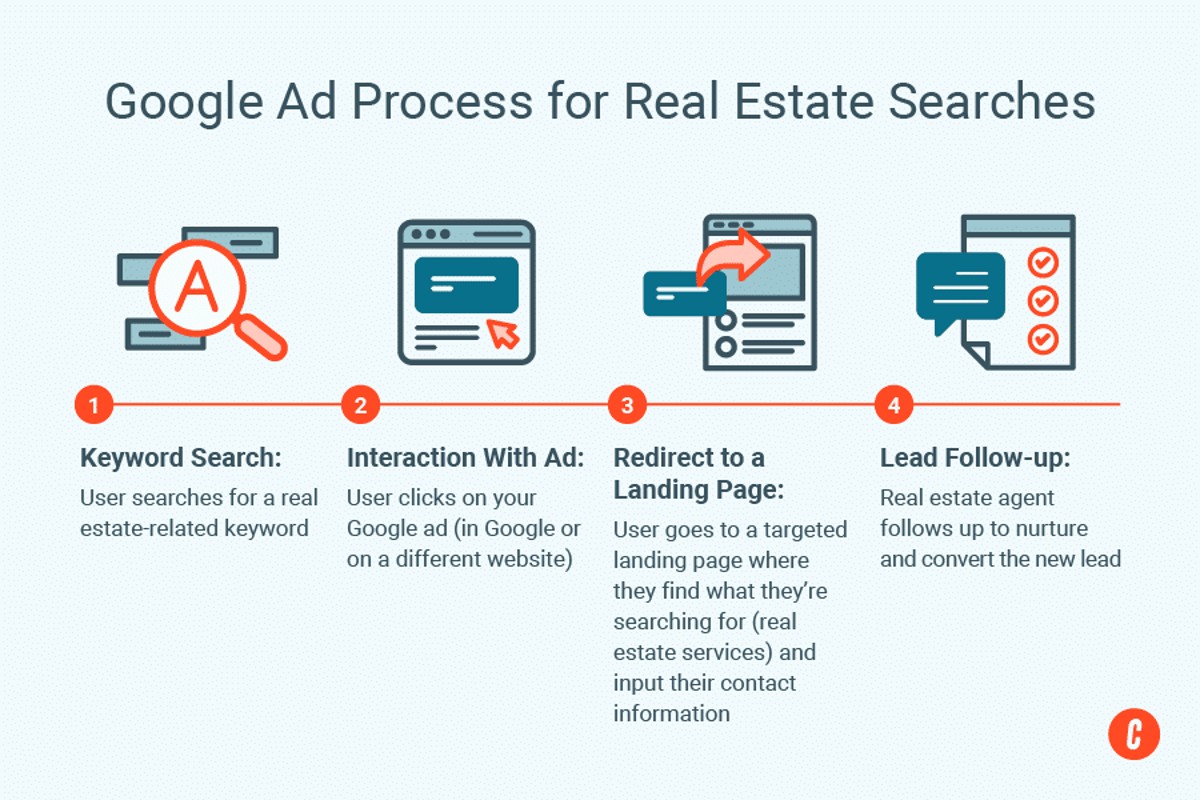
Google Ads for real estate investors is a targeted advertising platform that enables real estate professionals to reach specific demographics and geographic locations. This targeted approach enhances visibility in a competitive market where 63% of consumers begin their property search online, making effective advertising essential for maximizing return on investment (ROI).
Understanding Google Ads for real estate investors is crucial for professionals seeking to capitalize on the digital landscape. As online property searches continue to dominate consumer behavior, leveraging effective advertising strategies can significantly impact visibility and lead generation. Missing out on these opportunities can result in decreased market share and lost potential revenue.
Failure to effectively utilize google ads can lead to wasted advertising budgets, diminished competitive advantage, and missed revenue opportunities. Investors who do not grasp these advertising strategies risk falling behind in a rapidly evolving real estate market.
This article will cover the essential aspects of Google Ads for real estate investors, including a comparison of top providers, cost breakdowns, best practices for ad creation, and strategies for integrating local SEO to enhance campaign effectiveness.
For Real Estate Investors businesses looking to generate local leads through Google Ads or Local SEO, GMB Ranger LLC offers hands-on campaign management. Specialist Md Tangeer Mehedi personally handles campaign setup and ongoing optimization — with no payment required until the first lead comes in.
What are Google Ads for real estate investors?
Google Ads for real estate investors are targeted online advertisements designed to attract potential buyers and sellers in the real estate market. These ads utilize Google’s search and display networks to reach specific demographics and geographic locations, often yielding a higher conversion rate with minimal investment.
Real estate investors leverage Google Ads to promote properties, investment opportunities, or services. By using specific keywords related to real estate, such as “buy investment property” or “sell my house fast,” investors can connect with motivated clients. In 2024, the average ROI for Google Ads in the real estate sector is estimated at around 400%, making it a compelling option for those in the industry.
- Targeted Advertising: Ads can be customized to target specific audiences based on location, interests, and online behavior, ensuring that the right message reaches the right people.
- Cost-Effectiveness: Google Ads operate on a pay-per-click (PPC) basis, allowing investors to control their budget and only pay when someone clicks on their ad.
- Performance Tracking: Google Ads provide detailed analytics, enabling investors to measure the effectiveness of their campaigns and make data-driven adjustments.
Real estate investors can also benefit from using ad extensions, which enhance ads with additional information such as location, phone numbers, or links to specific listings. These features can significantly improve engagement and click-through rates. Furthermore, seasonal trends and market fluctuations may influence the success of Google Ads campaigns, requiring investors to adapt their strategies accordingly.
Expert insight: To maximize effectiveness, real estate investors should continuously test and optimize their ad copy and targeting options, focusing on local keywords and compelling calls to action that resonate with their target audience.
How do I set up Google Ads for my real estate business?
Setting up Google Ads for a real estate business involves creating an account, defining your target audience, selecting relevant keywords, and designing compelling ad copy and visuals. A well-structured campaign can yield a return on investment exceeding 400% over time.
Follow these steps to establish an effective Google Ads campaign:
- Create a Google Ads account: Visit the Google Ads website and sign up for an account. Follow the prompts to enter your business information and billing details.
- Define your target audience: Identify the demographics and interests of potential clients, such as age, location, and income level. This will help tailor your ads to reach the right people.
- Select relevant keywords: Conduct keyword research using tools like Google Keyword Planner to find terms potential clients are searching for. Focus on long-tail keywords that reflect specific real estate needs.
- Design effective ad copy: Write concise and engaging headlines and descriptions that highlight your unique selling propositions. Include a strong call-to-action to encourage clicks.
- Create visually appealing ads: Use high-quality images or videos to showcase properties or services. Ensure that your visuals align with your branding and resonate with your target audience.
- Set your budget: Determine a daily or monthly budget that you are willing to spend on ads. Google Ads operates on a bidding system, so set competitive bids for your selected keywords.
- Monitor and optimize: Regularly review the performance of your ads. Analyze metrics such as click-through rates and conversion rates, and adjust your keywords, ad copy, and budget accordingly for improved results.
Expert insight: Utilize A/B testing to refine ad copy and visuals, allowing for data-driven decisions that enhance ad performance over time. This strategy can significantly improve engagement and conversion rates, maximizing your investment in Google Ads.
What is the average cost of Google Ads for real estate?
The average cost per click (CPC) for Google Ads in the real estate sector typically ranges from $1 to $2. However, these costs can fluctuate significantly based on factors such as competition and targeting strategies.
Several elements influence the cost of Google Ads for real estate investors. Firstly, the level of competition in specific geographic areas plays a crucial role. In markets with high demand, such as major urban centers, the CPC can exceed the average range, sometimes reaching $3 to $5. This is due to increased bidding among advertisers vying for the same audience.
- Targeting options: The more specific the targeting—such as demographics, interests, or location—the more the cost may increase. Highly refined targeting can lead to a higher CPC but may improve the quality of leads.
- Ad quality and relevance: Google assesses ad quality through a metric known as Quality Score. Higher quality ads that are more relevant to users typically incur lower costs, as they are rewarded with better ad placements.
- Bid strategy: Different bidding strategies, such as manual bidding or automated bidding, can also affect costs. Investors can choose to set maximum CPCs or allow Google to optimize bids for conversions, impacting overall expenditure.
Expert insight: Regularly monitoring and adjusting ad campaigns can lead to improved ROI. Employing A/B testing on ad copy and targeting can help identify the most cost-effective strategies for reaching potential buyers or sellers in the real estate market.
How long does it take to see results from Google Ads?
Typically, real estate investors can start seeing results from Google Ads within a few days, but achieving optimal performance generally takes several weeks of ongoing optimization.
The time frame for seeing results from Google Ads varies based on several factors. Advertisers often notice initial clicks and impressions shortly after launching their campaigns, usually within the first 48 to 72 hours. However, these early results may not reflect the true effectiveness of the ads until further data is collected and analyzed. A/B testing different ad copies, targeting options, and bidding strategies is essential to refine the campaign. This optimization process can take anywhere from two to six weeks, depending on the complexity of the ads and the competitiveness of the market.
Another significant factor affecting timing is the budget allocated for the campaign. A higher budget allows for more extensive ad exposure, leading to quicker data collection and insights. Additionally, the quality of the landing page plays a crucial role in conversion rates. A well-optimized landing page can significantly enhance the effectiveness of the ads, resulting in faster and more substantial returns. Conversely, a poorly designed landing page may hinder performance, prolonging the time required to see meaningful results.
Expert insight: Regularly monitor and adjust your campaigns based on performance metrics. Utilize Google Ads’ built-in tools to track conversions and optimize bids to achieve better results efficiently.
What are the best practices for Google Ads in real estate?
Effective Google Ads strategies for real estate investors focus on precise targeting and continuous optimization. Implementing best practices can significantly increase conversion rates and maximize return on investment (ROI). For instance, campaigns that utilize location targeting typically see a 30% increase in relevant leads.
To enhance the effectiveness of Google Ads for real estate, consider the following best practices:
- Utilize Location Targeting: Define specific geographic areas where potential buyers or sellers are located. This ensures ads reach the right audience, improving the likelihood of engagement and conversion.
- Optimize Ad Copy for Conversions: Write compelling and clear ad copy that highlights unique selling points, such as property features or investment benefits. Use strong calls-to-action (CTAs) like “Get Your Free Evaluation” to drive user action.
- Leverage Ad Extensions:
Incorporate ad extensions such as site links, call buttons, and location information. This increases the visibility of ads, providing users with more options to engage and learn about listings.
- Monitor and Adjust Campaign Performance: Regularly review analytics to track key performance indicators (KPIs) such as click-through rates (CTR) and conversion rates. Adjust bids, keywords, and ad placements based on performance data to optimize results.
- Implement A/B Testing: Test different versions of ad copy, images, and CTAs to determine what resonates best with the target audience. A/B testing can reveal insights that lead to improved ad performance over time.
Expert insight: Regularly updating ad content based on market trends and seasonal changes can keep campaigns relevant and engaging, leading to sustained interest from potential clients.
How do Google Ads compare to Facebook Ads for real estate?
Google Ads primarily target users based on their search intent, while Facebook Ads focus on audience demographics and visual engagement. In 2024, 70% of consumers reported using search engines like Google to find real estate listings, underscoring the effectiveness of intent-driven advertising. In contrast, Facebook Ads can generate higher engagement rates through compelling visuals and targeted audience segments.
Google Ads are particularly effective for real estate investors because they capture users actively searching for properties, financing options, or investment opportunities. This intent-driven approach allows for higher conversion rates, as users are already in the decision-making phase. For instance, when someone searches for “buy investment property in [city],” a Google Ad can serve relevant listings or services immediately, providing a direct path to conversion.
Conversely, Facebook Ads excel in creating brand awareness and fostering relationships through visually appealing content. They allow real estate investors to target specific demographics, such as age, income, and interests, which can be beneficial for niche markets. For instance, a campaign targeting first-time homebuyers can utilize lifestyle imagery and engaging copy to attract interest. This visual engagement can lead to higher click-through rates, though the intent to purchase may not be as immediate as with Google Ads.
Expert insight: Combining both platforms can maximize reach and effectiveness. Use Google Ads to capture high-intent leads while leveraging Facebook Ads to build brand awareness and nurture potential clients through engaging content.
Advanced Strategies for Google Ads Success in Real Estate
This section delves into sophisticated techniques that enhance the effectiveness of Google Ads for real estate investors. By implementing these strategies, investors can significantly improve their lead generation and conversion rates.
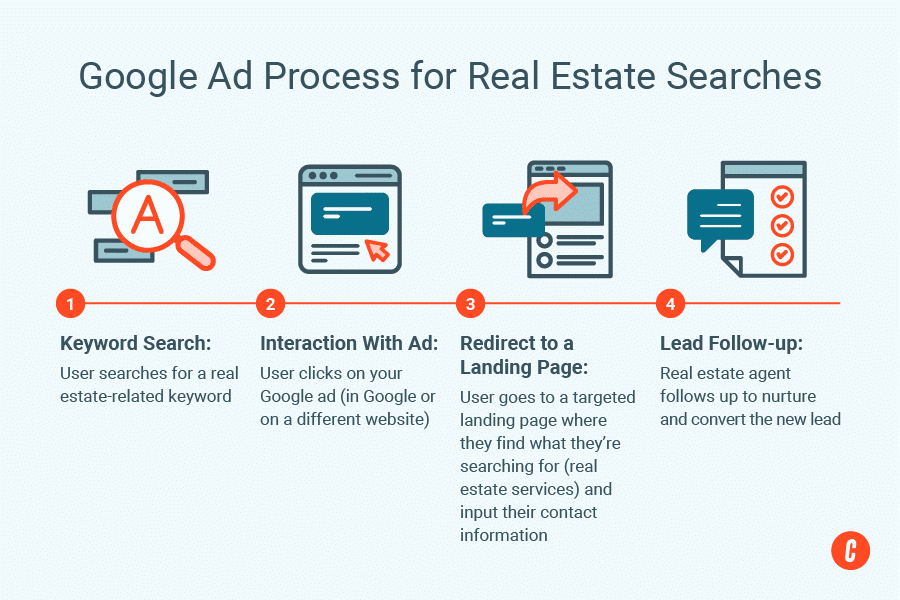
Utilizing Remarketing Strategies
Remarketing allows real estate investors to re-engage visitors who previously interacted with their website or ads. This strategy is particularly effective, as it targets an audience that has already expressed interest. According to recent studies, remarketing can increase conversion rates by up to 400% when compared to standard display ads.
- Create segmented audiences based on user behavior, such as page visits or time spent on the site.
- Develop tailored ads that address specific interests, such as first-time homebuyers or property investors.
- Utilize frequency capping to avoid overwhelming potential leads with excessive ads.
Leveraging Ad Extensions
Ad extensions are essential for enhancing ad visibility and click-through rates. They provide additional information that can influence a potential lead’s decision-making process. Utilizing extensions can increase click-through rates by over 20% on average.
- Sitelink Extensions: Direct users to specific pages such as property listings or investment tips.
- Call Extensions: Allow direct phone calls from mobile devices, facilitating immediate contact.
- Location Extensions: Showcase the business location, helping local investors find properties more easily.
Implementing A/B Testing
A/B testing is a critical method for optimizing ad copy and landing pages. By comparing two variations, investors can determine which performs better and make data-driven decisions. Conduct A/B tests on headlines, calls-to-action, and images to identify the most effective elements.
- Define the key metric to measure, such as click-through rate or conversion rate.
- Create two variations of the ad or landing page.
- Run the test for a sufficient duration to gather meaningful data.
- Analyze results and implement the winning variant.
Analyzing Performance Metrics
Regular analysis of performance metrics is imperative for refining targeting and budget allocation. Key metrics to monitor include click-through rates (CTR), cost per acquisition (CPA), and return on ad spend (ROAS). In 2024, the average ROAS for real estate ads is expected to reach 6:1, emphasizing the importance of effective budget management.
Utilize Google’s built-in reporting tools to track these metrics and adjust campaigns accordingly. Focus on demographics, device performance, and geographic data to enhance targeting precision.
Nuances and Common Misconceptions
A common misconception is that higher bids always lead to better ad placements. While bid amount plays a role, Google’s ad ranking is significantly influenced by ad quality and relevance. This means that a well-crafted ad with a lower bid can outperform a poorly constructed ad with a higher bid. Additionally, many investors overlook the importance of mobile optimization, despite mobile traffic accounting for over 60% of real estate searches today.
Practical Application
To implement these advanced strategies, real estate investors should:
- Set up a remarketing campaign targeting previous website visitors.
- Incorporate at least two ad extensions in each campaign.
- Conduct monthly A/B tests on ad copy and landing pages.
- Review performance metrics weekly to adjust budgets and optimize targeting.
By taking these actionable steps, investors can maximize their ROI through Google Ads for real estate investors, driving more qualified leads and improving overall campaign performance.
Common Mistakes Real Estate Investors Make with Google Ads
Real estate investors often fall into common pitfalls when utilizing Google Ads, which can significantly hinder their advertising effectiveness and return on investment. Identifying and avoiding these mistakes is essential for optimizing campaigns and achieving desired results.
Neglecting to Define Clear Campaign Goals
Without well-defined campaign goals, real estate investors may struggle to measure success effectively. Goals should be specific, measurable, achievable, relevant, and time-bound (SMART). For instance, a goal could be to generate 50 qualified leads per month or to achieve a 5% click-through rate (CTR) within three months. Failing to set these parameters can lead to wasted ad spend and missed opportunities.
Overlooking Keyword Research and Targeting Accuracy
Effective keyword research is foundational to successful Google Ads campaigns. Many investors neglect this step, leading to poor targeting and irrelevant traffic. Utilizing tools like Google Keyword Planner can help identify high-volume, low-competition keywords relevant to real estate investing. Additionally, employing negative keywords can filter out unwanted clicks, ensuring that ad budgets are spent more wisely.
Failing to Optimize Landing Pages for Conversions
The landing page is critical for converting clicks into leads. Investors often direct traffic to generic pages that do not align with ad messaging. A well-optimized landing page should include clear calls-to-action (CTAs), relevant content, and user-friendly design. According to recent studies, optimized landing pages can increase conversion rates by up to 300%. This highlights the necessity of aligning ad content with landing page information.
Ignoring Ad Performance Data and Analytics
Many real estate investors overlook the importance of analyzing ad performance data. Regularly reviewing metrics such as click-through rates, conversion rates, and cost per acquisition allows for data-driven decisions. For example, if a particular ad group is underperforming, adjustments can be made to keywords, ad copy, or targeting strategies. Data analysis can lead to improved ROI and campaign effectiveness over time.
Nuance / Expert Layer
A common misconception is that simply setting up a Google Ads campaign guarantees success. In reality, successful campaigns require ongoing management and optimization. Investors often underestimate the importance of A/B testing different ad copies and landing pages. Implementing these tests can reveal insights into what resonates best with the target audience, allowing for continuous improvement in ad performance. Additionally, the real estate market’s fluctuations require continual adjustments to campaigns based on seasonal trends and economic indicators.
Practical Application
- Define specific campaign goals using the SMART framework.
- Conduct thorough keyword research and regularly update your keyword list.
- Create dedicated landing pages that are optimized for conversions.
- Regularly review ad performance data and make necessary adjustments.
- Implement A/B testing for ad copies and landing pages to refine strategies.
Real-World Case Studies: Google Ads in Action for Real Estate
This section explores practical examples of successful Google Ads campaigns tailored for real estate investors, highlighting strategies that have effectively increased lead generation and brand visibility.

Successful Solo Agent Utilizing Targeted Ads
A solo real estate agent in Austin, Texas, implemented targeted Google Ads to attract first-time homebuyers. By focusing on long-tail keywords such as “affordable homes in Austin,” the agent achieved a click-through rate (CTR) of 6.5%, significantly above the industry average of 2%. The campaign utilized geo-targeting to ensure ads reached potential clients within a 25-mile radius, resulting in a 30% increase in inquiries over a three-month period.
Real Estate Firm Boosting Leads through Remarketing
A mid-sized real estate firm in California employed a remarketing strategy to reconnect with users who had previously visited their website. By creating tailored ads featuring properties that users had viewed, the firm increased its conversion rate by 25% within six months. The campaign included specific calls to action, such as “Schedule a Tour Today,” which resonated with potential clients who had already expressed interest.
Property Management Company Leveraging Local SEO with Ads
A property management company in Florida integrated local SEO strategies with Google Ads to enhance their online presence. By targeting keywords like “property management services in Miami,” they achieved a 40% increase in website traffic. The company also utilized location-based extensions in their ads, which provided potential clients with their address and phone number directly in the ad. This approach resulted in a 15% boost in phone inquiries.
Commercial Broker Effectively Using LinkedIn Ads
A commercial broker who primarily relied on LinkedIn for networking turned to Google Ads to broaden their reach. By targeting specific demographics and using industry-related keywords, the broker saw a 50% increase in qualified leads. This strategy highlighted the importance of integrating multiple advertising platforms, as the broker was able to leverage LinkedIn connections while driving traffic through Google Ads.
While these case studies illustrate effective strategies, there are nuances to consider. Many real estate investors underestimate the value of ongoing optimization. Campaigns should not be static; regular analysis of performance metrics is crucial. Adjustments based on data trends can lead to substantial improvements in ROI. Furthermore, a common misconception is that high click-through rates alone signify success. Actual conversions and lead quality are more critical metrics to evaluate effectiveness.
To capitalize on these insights, real estate investors should:
- Conduct thorough keyword research to identify specific terms relevant to their target audience.
- Utilize geo-targeting to focus marketing efforts on local markets.
- Implement remarketing strategies to engage previous visitors and convert interest into action.
- Monitor and adjust campaigns based on performance metrics regularly.
Integrating Local SEO with Google Ads for Real Estate
Local SEO and Google Ads work synergistically to enhance visibility and drive targeted traffic for real estate investors. By leveraging local keywords and optimizing for local search intent, real estate professionals can significantly improve their advertising ROI.
Understanding the Importance of Local Keywords
Local keywords are phrases that include geographical locations relevant to a business. For real estate investors, incorporating terms like “homes for sale in [City]” or “real estate investment in [Neighborhood]” is vital. In 2024, 72% of consumers searching for local services visited a store within five miles of their location, highlighting the necessity of local keywords in ad campaigns.
Combining Google My Business with Google Ads for Visibility
Google My Business (GMB) is a powerful tool that enhances local visibility. When integrated with Google Ads, it allows real estate investors to appear in local search results and Google Maps. Setting up a GMB profile increases the likelihood of appearing in the “local pack,” which can boost click-through rates by up to 50% compared to ads without GMB integration.
Utilizing Location-Based Targeting to Reach Local Buyers
Location-based targeting enables real estate investors to focus their advertising efforts on specific geographic areas. This feature allows for tailored messaging that resonates with local buyers. Options include:
- Radius targeting: Display ads to users within a specific distance from a property.
- Location groups: Target specific regions or areas where properties are listed.
- Demographic targeting: Combine location with demographic data to reach the ideal audience.
Strategies for Optimizing Ads for Local Search Intent
Optimizing ads for local search intent involves crafting ad copy and keywords that align with what local buyers are searching for. Key strategies include:
- Incorporating local terms: Use location-specific phrases in ad headlines and descriptions.
- Highlighting local features: Mention nearby amenities, schools, or parks to attract buyers.
- Using ad extensions: Utilize location extensions to show business addresses and phone numbers directly in ads.
Furthermore, optimizing landing pages for local SEO can enhance conversion rates. Ensure that landing pages include local keywords, relevant content, and clear calls to action.
Many real estate investors overlook the significance of local search signals. For instance, while they may focus on broad keywords, local searches often yield higher conversion rates due to their specificity. In fact, 80% of mobile searches for local content lead to a purchase within five miles of the searcher’s location. This underscores the necessity of integrating local SEO with Google Ads effectively.
To maximize the benefits of integrating local SEO with Google Ads, real estate investors should:
- Conduct keyword research to identify high-performing local phrases.
- Set up and optimize a Google My Business profile.
- Utilize location-based targeting in Google Ads campaigns.
- Regularly review and adjust ad copy to align with local search trends.
By implementing these strategies, real estate investors can enhance their visibility and attract local buyers more effectively, ultimately maximizing their ROI from Google Ads.
Evaluating the Best Google Ads For Real Estate Investors
In a rapidly evolving real estate market projected to reach $4.5 trillion by 2026, real estate investors must carefully evaluate their advertising options to maximize returns. Key criteria include targeting capabilities, pricing structures, and unique features that cater specifically to the real estate sector. Understanding these factors can help investors make informed decisions that align with their marketing goals.
| Provider / Option | Best For | Pricing | Key Feature |
|---|---|---|---|
| Google Ads | Comprehensive ad targeting options | $1-$2 per click, variable budget | Robust targeting and analytics tools |
| Facebook Ads | Visual property showcasing | $0.50-$2 per click, flexible budget | Highly visual ad formats |
| AdRoll | Retargeting potential buyers | $300-$1,000 monthly, based on reach | Cross-platform retargeting solutions |
| Bing Ads | Cost-effective alternative | $1-$3 per click, competitive rates | Lower competition than Google |
| LinkedIn Ads | Networking with investors | $2-$7 per click, based on audience | Professional targeting options |
| Yelp Ads | Local property visibility | $300-$1,000 monthly, based on location | Local business focus |
Criteria for Evaluating Program Quality
Targeting Capabilities: Effective advertising requires precise targeting to reach potential buyers. Look for platforms that offer demographic, geographic, and behavioral targeting options tailored to real estate investors.
Pricing Structure: Understanding the cost per click and overall budget flexibility is crucial. Compare the pricing models across different platforms to find the most cost-effective solution for your advertising strategy.
Unique Features: Each advertising platform has unique features that can enhance your campaigns. Identify which key features align with your marketing goals, such as retargeting capabilities or visual ad formats.
Analytics and Reporting: Robust analytics tools are essential for tracking the performance of your ads. Choose providers that offer comprehensive reporting features to measure ROI and optimize campaigns effectively.
How to Assess the Reputation and Reliability of Providers
- Research Online Reviews: Look for customer reviews and testimonials on independent platforms to gauge user satisfaction and experiences.
- Check Industry Reputation: Investigate the provider’s standing in the industry through awards, recognitions, or partnerships with reputable organizations.
- Evaluate Customer Support: Test the responsiveness and availability of customer support services to ensure assistance is accessible when needed.
- Request Case Studies: Ask for case studies or examples of successful campaigns that demonstrate the provider’s effectiveness in real estate advertising.
- Analyze Contract Terms: Review any contracts or agreements for transparency regarding pricing, services, and cancellation policies to avoid unexpected issues.
Which Google Ads For Real Estate Investors Is Right for You?
Choosing the right advertising platform for real estate investments hinges on your specific business needs, budget, and goals. This decision guide provides tailored recommendations for various audience types, ensuring you can effectively reach your target market and maximize your return on investment.
Solo real estate agents
For solo agents, Google Ads is an excellent choice to target specific local markets. Utilizing location-based keywords and ad extensions can help generate high-quality leads. A budget of $500 to $1,500 per month is typical, allowing for effective ad placement and visibility in competitive areas.
Real estate investment firms
Real estate investment firms should consider using AdRoll for retargeting campaigns. This platform allows firms to re-engage potential buyers across various channels, maximizing outreach. A budget of $1,000 to $3,000 per month can yield substantial results through strategic retargeting efforts.
Property management companies
Facebook Ads provide an ideal visual platform for property management companies to showcase available properties. With targeted demographics and interests, companies can attract tenants and buyers effectively. A monthly budget of $400 to $1,200 is recommended to maintain consistent ad visibility.
Commercial real estate brokers
For commercial real estate brokers, LinkedIn Ads are optimal for networking and connecting with other businesses. Sponsored content and InMail campaigns can help brokers establish authority and generate leads. A budget of $1,500 to $4,000 per month is advisable for comprehensive outreach and engagement.
New real estate investors
New investors can benefit from Bing Ads, which offer a cost-effective entry point into the market with lower competition than Google. By targeting niche keywords, new investors can efficiently allocate a budget of $300 to $800 per month to gain visibility and attract potential deals.
| If You Are… | Best Approach |
|---|---|
| Solo real estate agents | Google Ads, $500-$1,500/month |
| Real estate investment firms | AdRoll, $1,000-$3,000/month |
| Property management companies | Facebook Ads, $400-$1,200/month |
| Commercial real estate brokers | LinkedIn Ads, $1,500-$4,000/month |
| New real estate investors | Bing Ads, $300-$800/month |
Local Insights for Google Ads Targeting Real Estate Investors
Understanding geographic and local market factors is crucial for real estate investors utilizing Google Ads. According to Google, 76% of people who search for something nearby visit a business within a day, highlighting the importance of local intent in search behavior. For real estate investors, targeting local keywords can significantly enhance visibility and drive conversions in competitive markets.
Geographic Market Differences
In urban areas like New York City or San Francisco, where competition is fierce, real estate investors must employ highly targeted Google Ads strategies that focus on specific neighborhoods or property types. Conversely, in less populated regions, investors might benefit from broader targeting strategies, as there may be fewer competing ads. Understanding local demographics and market saturation is essential for tailoring campaigns effectively.
Local Business Applications
Local real estate investors can leverage Google Ads to drive targeted traffic and generate leads through various applications:
- Promoting specific property listings to local buyers, increasing the likelihood of quick sales.
- Utilizing location-based keywords to attract motivated sellers in specific neighborhoods.
- Running seasonal promotions targeting first-time homebuyers during peak buying seasons.
- Advertising local open houses to maximize foot traffic and engagement.
Local Search and Visibility Impact
Google Ads play a significant role in improving local search rankings and visibility. A well-optimized Google Business Profile (GBP) can enhance ad performance and lead to higher click-through rates. Here are actionable steps to take:
- Ensure your GBP is fully optimized with accurate business information, including photos and hours of operation.
- Incorporate local keywords in your ad copy and landing pages to improve relevance.
- Regularly update your GBP with new listings and promotions to engage potential clients.
- Encourage satisfied clients to leave positive reviews, enhancing your local credibility.
- Utilize local extensions in your ads to provide additional information like location and phone number.
Pricing and Cost in Local Markets
The cost of Google Ads can vary significantly based on geographic market dynamics. In competitive markets like Los Angeles, the average cost-per-click (CPC) for real estate ads can range from $3 to $7, whereas in smaller markets, it might drop to between $1 and $3. Local businesses should budget according to their specific market conditions, often allocating around 10-15% of their overall marketing budget to Google Ads, compared to national players who may spend significantly more due to higher competition.
Local Implementation Checklist:
- Optimize your Google Business Profile with current information and engaging visuals.
- Conduct local keyword research to identify high-traffic terms relevant to your market.
- Create targeted ad campaigns focused on specific neighborhoods or property types.
- Monitor local competition and adjust bids accordingly to stay competitive.
- Utilize ad extensions for better visibility and engagement.
- Regularly analyze campaign performance and adjust strategies based on data.
- Engage with clients through follow-up emails and encourage reviews on your GBP.
For Real Estate Investors businesses looking to generate local leads through Google Ads or Local SEO, GMB Ranger LLC offers hands-on campaign management. Specialist Md Tangeer Mehedi personally handles campaign setup and ongoing optimization — with no payment required until the first lead comes in.
Frequently Asked Questions
What are Google Ads for real estate investors?
Google Ads for real estate investors are paid advertising campaigns that appear on Google search results and display networks. These ads help investors reach potential buyers and sellers by targeting specific keywords related to real estate.
How do I set up Google Ads for my real estate business?
To set up Google Ads for a real estate business, create a Google Ads account, define your target audience, and select relevant keywords. Then, design compelling ad copy and set a budget to launch your campaign.
What is the average cost of Google Ads for real estate?
The average cost of Google Ads for real estate varies widely, typically ranging from $1 to $5 per click depending on competition and location. Investors should set a budget that aligns with their marketing goals and expected return on investment.
How long does it take to see results from Google Ads?
Results from Google Ads can typically be seen within a few days to a couple of weeks, depending on the campaign’s setup and budget. Continuous monitoring and optimization can enhance performance over time.
What are the best practices for Google Ads in real estate?
Best practices for Google Ads in real estate include using targeted keywords, creating specific ad groups, and writing compelling ad copy that highlights unique selling points. Regularly analyzing campaign performance and adjusting strategies is also crucial for success.
How do Google Ads compare to Facebook Ads for real estate?
Google Ads primarily capture intent-driven traffic through search queries, while Facebook Ads focus on demographic targeting and brand awareness. Both platforms can be effective, but their strategies differ based on audience engagement and advertising goals.
Final Thoughts on Google Ads for Real Estate Investors
For real estate investors, leveraging Google Ads is not merely an option; it is a vital strategy for maximizing ROI and gaining a competitive edge in a saturated market. By implementing advanced strategies and avoiding common pitfalls, investors can achieve significant visibility and conversion rates that traditional marketing methods often fail to deliver.
To capitalize on these insights, conduct a comprehensive audit of your current Google Ads campaigns and refine your targeting and messaging based on the latest data and trends in the real estate sector.
Ready to elevate your investment strategy? Partner with a google ads management agency that understands the real estate market and delivers results.
In a rapidly evolving digital landscape, mastering Google Ads is essential for real estate investors aiming to thrive and grow their portfolios sustainably.
Leave a Reply