
What are google ads for nonprofits?
Google Ads for nonprofits is a specialized advertising platform designed to help eligible nonprofit organizations promote their missions effectively. By leveraging Google Grants, these nonprofits can access up to $10,000 per month in ad credits, enabling them to reach a broader audience and increase awareness for their causes.
Understanding Google Ads for nonprofits is crucial for organizations seeking to enhance their visibility and drive engagement. With over 1.8 billion searches conducted daily on Google, nonprofits that effectively utilize this platform can significantly expand their outreach and impact. Failure to grasp the intricacies of Google Ads can lead to missed opportunities and diminished fundraising potential.
Organizations that overlook the importance of mastering Google Ads risk incurring unnecessary expenses, wasting valuable resources, and facing a competitive disadvantage in the nonprofit sector. This can ultimately hinder their ability to fulfill their missions and serve their communities effectively.
This article will provide a comprehensive overview of Google Ads for nonprofits, including a comparison of top providers, a detailed cost breakdown, best practices for campaign management, and insights into optimizing local SEO for greater impact.
For Non Profits businesses looking to generate local leads through Google Ads or Local SEO, GMB Ranger LLC offers hands-on campaign management. Specialist Md Tangeer Mehedi personally handles campaign setup and ongoing optimization — with no payment required until the first lead comes in.
What are Google Ads for nonprofits?
Google Ads for nonprofits are a grant-based advertising program that allows eligible nonprofit organizations to promote their missions and initiatives through Google’s advertising platform. This program provides qualifying nonprofits with up to $10,000 in free monthly advertising credits to reach potential donors and volunteers.
Unlike standard Google Ads, which require payment for ad placements, the nonprofit version is designed to support charitable organizations by increasing their visibility online without the financial burden. This can be particularly beneficial given that, according to recent statistics, over 75% of nonprofits report that online donations have become crucial for their funding.
- Eligibility Criteria: To access Google Ads for nonprofits, organizations must be registered as a 501(c)(3) in the U.S. or hold equivalent status in other countries.
- Ad Types: Nonprofits can create various ad formats, including text ads, display ads, and video ads, targeting specific audiences to maximize engagement.
- Application Process: Organizations must apply through the Google for Nonprofits program, where they can also access additional tools and resources to enhance their digital marketing strategies.
Additionally, nonprofits must adhere to specific guidelines, such as maintaining a minimum click-through rate and ensuring their ads meet quality standards. Failure to comply can result in account suspension, emphasizing the need for strategic planning in ad campaigns.
Expert insight: Nonprofits should regularly analyze their ad performance metrics and adjust their campaigns accordingly to optimize the benefits of their Google Ads grant, ensuring they effectively reach and engage their target audience.
How can nonprofits apply for Google Ads?
Nonprofits can apply for Google Ads through the Google Ad Grants program, which provides eligible organizations with up to $10,000 per month in free advertising. The application process requires organizations to meet specific criteria and complete a series of steps to gain access to these funds.
To begin, nonprofits must ensure they qualify for the Google Ad Grants program, which includes being a registered nonprofit with a valid 501(c)(3) status in the U.S. or equivalent status in other countries. Once eligibility is confirmed, organizations can proceed with the application process by following these steps:
- Register with Google for Nonprofits: Visit the Google for Nonprofits website and create an account by providing necessary documentation that verifies your nonprofit status.
- Complete the Application: Fill out the Google Ad Grants application form, which requires detailed information about your organization, including mission, goals, and intended use of the grant.
- Accept the Terms and Conditions: Review and accept the terms and conditions associated with the Google Ad Grants program, ensuring compliance with all requirements.
- Set Up Google Ads Account: After receiving approval, set up a Google Ads account. Make sure to configure your account according to Google’s guidelines for nonprofits.
- Create Your First Campaign: Develop ad campaigns that align with your organization’s goals. Focus on relevant keywords and compelling ad copy to maximize your outreach.
- Monitor and Optimize: Regularly track the performance of your ads through the Google Ads dashboard and make necessary adjustments to improve effectiveness and meet grant requirements.
Once these steps are completed, nonprofits can start leveraging Google Ads to enhance their visibility and outreach. It is essential to stay updated on Google’s policies and best practices to maintain eligibility for the grant.
Expert insight: Regularly review your campaign performance metrics to ensure you are utilizing the full potential of your Google Ads budget and maintaining compliance with the program’s requirements.
What is the cost of Google Ads for nonprofits?
Eligible nonprofits can receive up to $10,000 per month in free ad credits through the Google Grants program. This funding allows organizations to run ads on Google’s platform without incurring direct costs for the credits provided.
The actual costs incurred by nonprofits using Google Ads can vary based on several factors. While the grant provides substantial financial support, nonprofits need to manage their campaigns effectively to maximize the benefits. Here are some key factors that influence the costs associated with Google Ads:
- CPC (Cost Per Click): Nonprofits must manage their bidding strategies effectively. While Google Grants provides credits, organizations may still incur costs if they exceed their monthly budget or if they run paid campaigns outside of the grant.
- Ad Quality and Relevance: The effectiveness of ads impacts the cost. Higher quality ads with better relevance scores can lead to lower CPCs, allowing nonprofits to stretch their grant further.
- Competition: In highly competitive sectors, the cost of ads can increase. Nonprofits must strategize their keywords and target audiences to ensure they remain competitive while utilizing their grant effectively.
Additionally, nonprofits may need to invest time and resources into creating compelling ad content and optimizing their campaigns. This investment can enhance the overall effectiveness of their Google Ads initiatives, ensuring that they achieve their outreach and fundraising goals.
Expert insight: To maximize the impact of Google Ads, nonprofits should regularly analyze campaign performance and adjust their strategies based on data insights. Continuous optimization can lead to improved ad effectiveness and increased visibility within target communities.
What are the best practices for Google Ads for nonprofits?
Effective Google Ads for nonprofits require strategic planning and execution to maximize donor engagement. Organizations can significantly increase their visibility and donations by following best practices tailored to their unique missions and audiences.
To create compelling ads that resonate with potential donors, consider the following best practices:
- Define Clear Goals: Establish specific, measurable objectives for your campaign, such as increasing donations by 20% within six months or raising awareness for a specific initiative. Clear goals guide your ad strategy and help assess performance.
- Utilize Targeted Keywords: Conduct keyword research to identify terms that potential donors might use. Focus on long-tail keywords related to your organization’s mission to attract a more relevant audience. Aim for a mix of broad and specific keywords to enhance reach.
- Create Compelling Ad Copy: Write clear, concise, and persuasive ad copy that highlights your nonprofit’s impact. Use action-oriented language and include a strong call-to-action (CTA) that encourages users to donate, volunteer, or learn more.
- Leverage Ad Extensions: Use ad extensions to provide additional information, such as links to specific donation pages, contact information, or site links. This enhances the visibility of your ad and can improve click-through rates (CTR) by up to 20%.
- Monitor and Optimize Regularly: Continuously track ad performance metrics, such as CTR, conversion rates, and cost per conversion. Use A/B testing to refine ad elements, adjusting keywords, copy, and targeting based on performance data.
Expert insight: Regularly engaging with your audience through remarketing campaigns can significantly enhance donor retention. Consider using tailored messaging for past donors to encourage repeat contributions.
How do Google Ads compare to Facebook Ads for nonprofits?
Google Ads and Facebook Ads serve distinct purposes for nonprofits, each with unique strengths and weaknesses. Google Ads focuses on intent-driven search marketing, while Facebook Ads leverages social engagement and demographic targeting. In 2024, nonprofits using Google Ads reported a 40% higher conversion rate compared to Facebook Ads, highlighting the effectiveness of search-based campaigns.
Google Ads operates primarily on a pay-per-click model, targeting users actively searching for specific keywords related to nonprofit services or causes. This approach allows nonprofits to reach individuals who are already interested and likely to engage. Conversely, Facebook Ads excels in targeting specific demographics and interests, making it ideal for raising awareness and building community around a cause. Nonprofits can utilize Facebook’s extensive user data to create highly tailored advertisements that resonate with their audience.
- Targeting Method: Google Ads targets based on search intent, while Facebook Ads focuses on user interests and demographics.
- Engagement Type: Google Ads drives direct actions like donations or event sign-ups, whereas Facebook Ads fosters community engagement and brand awareness.
- Cost Efficiency: Google Ads often leads to higher conversion rates, but Facebook Ads can be more cost-effective for brand visibility.
Both platforms can be complementary; utilizing Google Ads for specific campaigns and Facebook Ads for broader outreach can enhance a nonprofit’s overall marketing strategy. Understanding the audience and campaign goals is essential for choosing the right platform.
Expert insight: For optimal impact, nonprofits should consider integrating both Google Ads and Facebook Ads into their marketing strategy, tailoring their approach based on specific campaign objectives and audience behavior.
Maximizing Google Grants: Tips for Nonprofits
This section provides advanced strategies to help nonprofits optimize their Google Grants, ensuring campaigns achieve maximum visibility and impact. By leveraging these insights, organizations can enhance their outreach and effectiveness in fundraising and awareness efforts.
Understanding Ad Quality Score
The Ad Quality Score is a critical metric in Google Ads that determines ad placement and cost. It is calculated based on three main factors: expected click-through rate (CTR), ad relevance, and landing page experience. Nonprofits should aim for a Quality Score of 7 or higher to benefit from lower costs per click and better ad positioning. This score directly impacts how often your ads are shown and how much you pay for them, making it essential to monitor and improve.
Creating Targeted Campaigns
Targeted campaigns are essential for maximizing the effectiveness of Google Ads for nonprofits. Focus on specific audience segments based on demographics, interests, and behaviors. Consider the following strategies:
- Define clear objectives: Establish specific goals for each campaign—whether fundraising, awareness, or volunteer recruitment.
- Utilize location targeting: Tailor your ads to reach audiences in specific geographic areas where your nonprofit operates.
- Implement ad scheduling: Run ads during peak engagement times to maximize visibility.
Utilizing Keyword Research Tools
Keyword research is vital for identifying the terms and phrases your target audience is searching for. Tools such as Google Keyword Planner and Ubersuggest can provide insights into search volume and competition levels. Focus on long-tail keywords that reflect your nonprofit’s mission, as they often have lower competition and higher conversion rates. For instance, a nonprofit focused on environmental conservation may target keywords like “local tree planting events” instead of just “environmental charity.”
Monitoring and Optimizing Ad Performance
Regular monitoring and optimization of ad performance are crucial for continuous improvement. Key metrics to track include:
- Click-through Rate (CTR): Indicates how effective your ad is at attracting clicks.
- Conversion Rate: Measures the percentage of users who complete a desired action after clicking your ad.
- Cost per Conversion: Helps assess the financial efficiency of your campaigns.
Utilize A/B testing to compare different ad versions and refine your messaging based on performance data. Aim for a conversion rate above 5% for successful campaigns.
Many nonprofits underestimate the significance of the Quality Score and its impact on ad performance. A common misconception is that simply increasing the budget will yield better results. In reality, improving ad relevance and user experience can lead to more sustainable outcomes. Additionally, organizations often overlook the importance of landing page optimization, which can significantly affect Quality Scores and conversion rates.
To effectively utilize these strategies, nonprofits should take the following actionable steps:
- Conduct thorough keyword research to develop a robust list of targeted keywords.
- Create segmented ad campaigns based on goals and audience demographics.
- Regularly monitor ad performance metrics and adjust campaigns accordingly.
- Optimize landing pages to ensure they align with ad content and enhance user experience.
Implementing these strategies will enable nonprofits to maximize their Google Grants and significantly increase their reach and impact in the communities they serve.
Common Mistakes Nonprofits Make with Google Ads
Nonprofits often face unique challenges when leveraging Google Ads to maximize their outreach and impact. Understanding common pitfalls can enhance campaign effectiveness, ensuring that limited resources yield the best possible results.
Ignoring Ad Performance Metrics
Many nonprofits overlook the significance of ad performance metrics, focusing instead on ad spend without analyzing the return on investment (ROI). Key metrics such as click-through rates (CTR), conversion rates, and cost per acquisition (CPA) provide invaluable insights into campaign effectiveness. For instance, organizations that monitor their ad performance can achieve a 20% increase in conversion rates compared to those that do not.
Overlooking Keyword Relevance
Keyword selection is critical in Google Ads. Nonprofits often choose generic or overly broad keywords that fail to attract their target audience. Focusing on long-tail keywords can significantly improve ad targeting and relevance. Research indicates that ads using specific long-tail keywords can result in a 70% higher CTR than those with more general terms. Conducting thorough keyword research and using tools like Google Keyword Planner can pinpoint the most effective phrases for your campaigns.
Failing to Update Ad Content Regularly
Stale ad content can lead to ad fatigue, where audiences become disengaged due to repetitive messaging. Regularly updating ad creatives, headlines, and calls to action keeps the audience engaged. A/B testing different ad variations can identify which elements resonate most effectively. Nonprofits that refresh their content every 4-6 weeks report a 30% improvement in engagement rates.
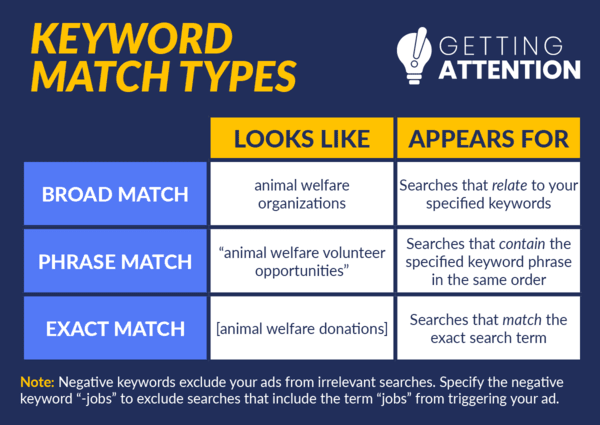
Not Utilizing Negative Keywords
Negative keywords prevent ads from appearing in irrelevant searches, thereby improving campaign efficiency. Many nonprofits neglect this feature, resulting in wasted ad spend on clicks that do not convert. Implementing a negative keyword strategy can enhance ad targeting and reduce costs. For example, adding terms like “free” or “jobs” as negative keywords can help focus spending on more relevant traffic.
Nuances and Expert Insights
One common misconception is that higher ad spend directly correlates with better results. However, a strategic approach, focusing on relevance and continuous optimization, often yields superior outcomes. For instance, nonprofits with a well-structured account that emphasizes quality scores can achieve lower CPA while maintaining higher visibility. Additionally, understanding the seasonal nature of donations can help tailor ad campaigns effectively during peak giving seasons.
Practical Application
To avoid these common pitfalls, nonprofits should take the following actionable steps:
- Regularly analyze ad performance metrics to gauge effectiveness.
- Conduct thorough keyword research, focusing on long-tail keywords relevant to your mission.
- Update ad content frequently, utilizing A/B testing to determine the most effective messaging.
- Implement a negative keyword strategy to filter out irrelevant searches.
By taking these steps, nonprofits can optimize their use of Google Ads for nonprofits, ultimately maximizing their outreach and impact.
Real-World Case Studies: Successful Nonprofit Google Ads Campaigns
This section highlights successful Google Ads campaigns executed by nonprofits, illustrating their objectives, innovative strategies, and measurable outcomes. These case studies provide valuable insights into how organizations can leverage Google Ads for enhanced fundraising and engagement.
Case Study 1: Charity: Water
Charity: Water aimed to increase donations to fund clean water projects globally. Their campaign objective was to raise $1 million within three months. By utilizing video ads and targeted keywords associated with water scarcity, they achieved a 60% increase in online donations compared to the previous year.
- Innovative Strategy: They employed storytelling through video ads, showcasing real-life impacts of their work.
- Targeted Audiences: They targeted individuals interested in environmental issues and humanitarian aid.
- Outcome: The campaign not only met its financial goal but also expanded their email list by 40%.
Lessons learned from this campaign emphasize the effectiveness of emotional storytelling and the importance of precise audience targeting to maximize engagement and donations.
Case Study 2: The American Red Cross
The American Red Cross sought to promote their blood donation drives. Their objective was to increase sign-ups for blood donations by 25% during a critical shortage period. They implemented a combination of search ads and remarketing strategies, achieving a 30% increase in donor registrations.
- Innovative Strategy: They used location-based targeting to promote drives in areas with low donor turnout.
- Ad Formats: The campaign utilized both text ads and display ads to capture attention across platforms.
- Outcome: The campaign resulted in a significant uptick in local donor participation, directly addressing community needs.
This case reveals that timely, localized campaigns can effectively mobilize community action, especially in urgent situations.
Case Study 3: World Wildlife Fund (WWF)
WWF launched a campaign to raise awareness and funding for endangered species protection. Their goal was to increase online donations by 50% over six months. By focusing on specific animal conservation programs and using engaging visuals, they achieved a 75% increase in donations during the campaign.
- Innovative Strategy: They created visually compelling ads featuring endangered species, driving emotional engagement.
- Audience Segmentation: They targeted animal lovers and environmentally-conscious consumers through tailored messaging.
- Outcome: This campaign not only surpassed their fundraising goal but also enhanced overall brand awareness and advocacy.
The WWF case highlights the power of visual content and targeted messaging in mobilizing support for specific causes, leading to increased donor loyalty.
Common misconceptions about Google Ads for nonprofits include the belief that high competition for keywords makes campaigns ineffective. However, with careful keyword selection and ad customization, nonprofits can find success even in saturated markets. Additionally, many organizations overlook the potential of retargeting ads, which can significantly boost engagement rates.
To leverage these insights, nonprofits should:
- Define clear objectives for each campaign.
- Utilize storytelling and visuals to create compelling ad content.
- Implement targeted strategies based on audience insights and behavior.
- Continuously analyze and optimize campaigns for better performance.
By adopting these practices, nonprofits can maximize the impact of their Google Ads campaigns, driving engagement and increasing fundraising potential.
Evaluating the Best Google Ads For Non Profits
In the evolving landscape of digital advertising, nonprofits must choose the right platform to maximize their outreach and impact. With the global digital advertising market expected to reach $786 billion by 2026, understanding the unique offerings of each provider is crucial for effective fundraising and awareness campaigns. Evaluating options based on specific criteria can significantly influence a nonprofit’s success in digital marketing.
| Provider / Option | Best For | Pricing | Key Feature |
|---|---|---|---|
| Google Ads | General nonprofit advertising | Free credits through Google Grants | Up to $10,000/month in ad credits |
| Facebook Ads | Social media engagement | $0.50 – $3.00 per click | Targeted social media campaigns |
| Bing Ads | Alternative search engine reach | $1 – $5 per click | Less competition than Google |
| AdRoll | Retargeting campaigns | Varies based on budget | Cross-platform retargeting |
| Charity Navigator | Cause visibility | Free listing | Nonprofit ratings and visibility |
Criteria for Evaluating Program Quality
Target Audience Reach: Assess how well each platform can connect your nonprofit with its target demographic. Different providers cater to varied audiences, which can impact campaign effectiveness.
Cost Efficiency: Analyze the pricing structure of each option, ensuring that it aligns with your nonprofit’s budget. Consider both upfront costs and the potential return on investment (ROI) from advertising.
Key Features: Look for unique features that can enhance your advertising strategy, such as retargeting capabilities or specific audience targeting. These can provide significant advantages in campaign performance.
Support and Resources: Evaluate the level of support and resources available from each provider. Access to training, customer service, and campaign management tools can greatly affect your ability to execute successful campaigns.
How to Assess the Reputation and Reliability of Providers
- Research Reviews: Look for user reviews and testimonials on independent platforms to gauge satisfaction levels and common issues.
- Check Credentials: Verify the provider’s certifications and partnerships with reputable organizations in the nonprofit sector.
- Evaluate Case Studies: Review case studies that showcase successful campaigns run by other nonprofits to understand potential outcomes.
- Ask for References: Request references from other nonprofits that have used the provider to get firsthand insights into their experiences.
- Monitor Performance Metrics: Investigate the performance metrics associated with each platform, such as click-through rates and conversion rates, to assess effectiveness.
Which Google Ads For Non Profits Is Right for You?
The ideal Google Ads strategy for nonprofit organizations hinges on their unique needs, budget constraints, and specific objectives. This guide offers tailored recommendations to help your nonprofit maximize its outreach and impact effectively.
Small local nonprofits
Small local nonprofits should focus on Google Ads to enhance local visibility and engage community support. Utilizing location-based targeting options, such as geo-targeted ads, can help connect with potential donors and volunteers in the surrounding area. A budget of $300 to $1,000 per month can yield significant local engagement and drive foot traffic to events or initiatives.
Large national nonprofits
For large national nonprofits, a combination of Google Ads and Facebook Ads is recommended to achieve broad outreach and targeted campaigns. Google Ads can be used for search intent targeting, while Facebook Ads can leverage demographic data for audience segmentation. A budget of $1,000 to $5,000 per month allows for comprehensive campaign strategies that reach a wider audience across multiple platforms.
Nonprofit organizations with limited budgets
Nonprofits operating on tight budgets should leverage Google Grants, which provide up to $10,000 per month in free ad credits. This program allows organizations to run text ads on Google Search, helping to maximize exposure without incurring costs. Careful management of ad quality and relevance is essential to fully utilize this funding effectively.
Nonprofits focusing on specific campaigns
Nonprofits with targeted campaigns should implement retargeting strategies through platforms like AdRoll. This approach keeps your cause top-of-mind for potential donors who have previously engaged with your content. A budget of $500 to $2,000 per month can facilitate effective retargeting efforts, ensuring that your message resonates repeatedly with interested audiences.
| If You Are… | Best Approach |
|---|---|
| A small local nonprofit | Focus on Google Ads for local visibility ($300-$1,000/month) |
| A large national nonprofit | Use Google Ads and Facebook Ads for broad outreach ($1,000-$5,000/month) |
| A nonprofit with a limited budget | Leverage Google Grants for free ad credits (up to $10,000/month) |
| A nonprofit focusing on specific campaigns | Use retargeting through AdRoll ($500-$2,000/month) |
Local Considerations for Google Ads Targeting Non Profits
Understanding local market dynamics is crucial for non profits utilizing Google Ads, as geographic factors significantly influence donor behavior and engagement. In fact, 78% of mobile local searches lead to an offline purchase, highlighting the importance of local targeting in driving donations and volunteer participation.
Geographic Market Differences
In larger metropolitan areas like Los Angeles or New York City, competition for Google Ads can be fierce, necessitating a more nuanced approach to bidding and keyword selection. Conversely, smaller towns may offer less competition, allowing non profits to achieve a higher return on investment with lower bids. Non profits in competitive markets should focus on hyper-local keywords and community engagement to stand out.
Local Business Applications
Local non profits can leverage Google Ads in several impactful ways:
- Targeted campaigns for local events, such as fundraisers or community service days, to drive attendance and participation.
- Utilizing location-based keywords to attract volunteers from specific neighborhoods or regions.
-
Promoting partnerships with local businesses through Google Ads to enhance visibility and community support.
- Running seasonal campaigns that align with local community needs, such as back-to-school drives or holiday giving initiatives.
Local Search and Visibility Impact
Google Ads heavily influence local search visibility and can enhance a non profit’s Google Business Profile (GBP). To maximize local impact, non profits should:
- Optimize their GBP with accurate contact information, operating hours, and engaging images.
- Incorporate local keywords in their ad copy that reflect community interests and needs.
- Encourage satisfied donors and volunteers to leave reviews on their GBP to improve search rankings.
- Utilize Google Ads extensions to highlight local events or special initiatives directly within the ads.
Pricing and Cost in Local Markets
Costs for Google Ads can vary significantly by geographic location. For instance, non profits in urban areas may pay between $1.00 to $5.00 per click, while those in suburban or rural markets might see costs as low as $0.50 to $2.00 per click. Local non profits should budget approximately $500 to $1,500 monthly on Google Ads to compete effectively, while larger national organizations might allocate upwards of $5,000.
Local Implementation Checklist:
- Conduct keyword research focused on local terms relevant to your cause.
- Set up and optimize your Google Business Profile.
- Design targeted ad campaigns for upcoming local events.
- Monitor and adjust bids based on local competition and performance.
- Encourage community engagement through local partnerships and promotions.
- Solicit and display reviews to boost local search ranking.
- Analyze local metrics to refine future campaigns and strategies.
For Non Profits businesses looking to generate local leads through Google Ads or Local SEO, GMB Ranger LLC offers hands-on campaign management. Specialist Md Tangeer Mehedi personally handles campaign setup and ongoing optimization — with no payment required until the first lead comes in.
Frequently Asked Questions
What are Google Ads for nonprofits?
Google Ads for nonprofits is a program that provides eligible nonprofit organizations access to free advertising on Google. This initiative helps nonprofits increase their visibility and reach potential supporters through targeted online ads.
How can nonprofits apply for Google Ads?
Nonprofits can apply for Google Ads through the Google for Nonprofits program. Eligibility requirements include having a valid charity status and completing the application process on the Google for Nonprofits website.
What is the cost of Google Ads for nonprofits?
Google Ads for nonprofits offers up to $10,000 per month in free advertising credits. Nonprofits only pay for additional advertising beyond this limit or for specific features not included in the free offering.
What are the best practices for Google Ads for nonprofits?
Best practices include using relevant keywords, creating compelling ad copy, and optimizing landing pages for conversions. Regularly monitoring campaign performance and adjusting strategies based on analytics can also enhance effectiveness.
How do Google Ads compare to Facebook Ads for nonprofits?
Google Ads primarily target users based on search intent, while Facebook Ads focus on demographic and interest-based targeting. Both platforms can be effective for nonprofits, but the choice depends on specific campaign goals and audience engagement strategies.
Final Thoughts on Google Ads for Nonprofits
Leveraging Google Ads can transform a nonprofit’s outreach and engagement, amplifying its mission in a crowded digital landscape. By understanding the intricacies of Google Grants and employing best practices, nonprofits can maximize their advertising potential, ensuring that every dollar spent drives meaningful impact.
To capitalize on these opportunities, nonprofits should conduct a thorough audit of their current digital marketing strategies and invest time in optimizing their Google Ads campaigns, focusing on targeted keywords and compelling ad copy that resonates with their audience.
Ready to elevate your nonprofit’s online presence? Partner with a google ads management agency that understands your mission and can help you maximize your impact today!
Harnessing the power of Google Ads is not just advantageous—it is essential for nonprofits striving to create lasting change in their communities.
Leave a Reply