
What are google ads for medical practices?
Google Ads for medical practices refers to the use of paid advertising on Google to attract new patients. A well-targeted campaign can yield a 200% ROI, significantly increasing patient inquiries and appointments.
Understanding Google Ads for medical practices is crucial for healthcare providers aiming to enhance their patient acquisition strategies. As the digital landscape evolves, effective online marketing can determine a practice’s growth trajectory, making it essential for practitioners to grasp the nuances of this platform. According to recent statistics, 75% of patients use online search engines to find healthcare providers, underscoring the importance of a strong online presence.
Failure to leverage Google Ads effectively can result in missed revenue opportunities and wasted marketing resources, leaving practices at a competitive disadvantage in an increasingly crowded healthcare market.
This article will explore the intricacies of Google Ads for medical practices, including a comparison of top providers, cost breakdowns, best practices for campaign management, and how to integrate local SEO strategies for maximum impact.
For Medical Practices businesses looking to generate local leads through Google Ads or Local SEO, GMB Ranger LLC offers hands-on campaign management. Specialist Md Tangeer Mehedi personally handles campaign setup and ongoing optimization — with no payment required until the first lead comes in.
What are Google Ads for medical practices?
Google Ads for medical practices are online advertising solutions that allow healthcare providers to promote their services on Google’s search engine and affiliated platforms. These ads can significantly enhance visibility, driving targeted traffic to practice websites and increasing patient inquiries. In 2024, businesses that utilize Google Ads can expect an average return on investment (ROI) of approximately 200%.
Google Ads operates primarily through a pay-per-click (PPC) model, where advertisers bid on keywords relevant to their services. When potential patients search for medical services, these ads appear at the top of search results, increasing the likelihood of engagement. Key components of Google Ads include:
- Search Ads: Text-based ads that appear in search results when users enter relevant keywords.
- Display Ads: Visual banner ads displayed on websites within Google’s Display Network, targeting specific demographics.
- Video Ads: Promotional videos shown on platforms like YouTube, ideal for showcasing services and educating potential patients.
Utilizing Google Ads can provide several benefits to medical practices. First, it enables precise targeting, allowing practices to reach specific demographics based on location, age, and interests. This targeted approach increases the likelihood of attracting patients who are actively seeking healthcare services. Additionally, Google Ads provides measurable results, enabling practices to track performance metrics such as clicks, conversions, and overall ROI. This data-driven insight allows for continuous optimization of ad campaigns.
Expert insight:
To maximize effectiveness, medical practices should leverage local targeting options and consider using ad extensions to provide additional information, such as phone numbers and location, directly in the ad. This approach can enhance engagement and drive more qualified leads.
How can medical practices optimize Google Ads campaigns?
Medical practices can optimize Google Ads campaigns by enhancing ad targeting, managing budgets effectively, and tracking performance metrics. By implementing specific strategies, practices can increase patient engagement and achieve a higher return on investment (ROI). Research indicates that well-optimized campaigns can improve click-through rates by up to 30%.
- Define Clear Goals: Establish specific objectives for the ad campaign, such as attracting new patients or promoting a particular service. Clear goals guide the overall strategy and help measure success.
- Utilize Targeted Keywords: Conduct thorough keyword research to identify terms that potential patients are searching for. Focus on long-tail keywords that reflect specific services offered, leading to more qualified leads.
- Implement Geotargeting: Use geotargeting to reach patients in specific geographic areas. This is particularly important for local practices, as patients typically prefer nearby healthcare providers.
- Optimize Ad Copy: Create compelling ad copy that highlights unique selling points, such as specialized services or patient testimonials. A/B testing different messages can help determine which copy resonates best with potential patients.
- Manage Budgets Wisely: Set a realistic budget based on the practice’s financial resources and goals. Monitor daily spending and adjust bids for high-performing keywords to maximize ad visibility without overspending.
- Track and Analyze Performance: Regularly review campaign performance metrics, such as click-through rates and conversion rates. Use tools like Google Analytics to analyze user behavior and make data-driven adjustments to the campaigns.
- Utilize Ad Extensions: Incorporate ad extensions, such as location or call extensions, to provide additional information to potential patients. These features can improve visibility and encourage more patient interactions.
Expert insight: Regularly updating ad content and targeting parameters based on seasonal trends or changing patient needs can significantly enhance campaign effectiveness, ensuring sustained engagement and relevance in a competitive marketplace.
What is the average cost of Google Ads for healthcare?
The average cost of Google Ads for healthcare ranges from $1 to $5 per click, depending on various factors. In highly competitive markets, costs can exceed $10 per click. Overall, practices may spend between $1,000 to $10,000 monthly based on their advertising goals and strategies.
Several factors influence the cost of Google Ads for medical practices. First, the location of the practice plays a significant role. Urban areas often have higher competition, leading to increased costs per click. Additionally, the specific medical specialty impacts pricing; specialties such as plastic surgery or urgent care tend to have higher costs due to elevated demand and competition.
- Target Audience: The demographics and behaviors of the target audience can affect costs. Ads targeting specific age groups or conditions may have different price points.
- Ad Quality: Google uses a Quality Score to determine ad placement and cost. Higher-quality ads can lead to lower costs and better visibility.
- Campaign Objectives: The goals of the advertising campaign, such as brand awareness versus lead generation, can also influence spending. More aggressive campaigns typically incur higher costs.
Expert insight: To optimize spending, medical practices should focus on targeted keywords and continuously refine their ad copy and landing pages to improve Quality Scores, which can lower overall costs and enhance patient acquisition.
How long does it take to see results from Google Ads?
Results from Google Ads campaigns can typically be seen within 30 to 90 days, depending on various factors such as campaign setup, budget, and competition in the medical field. Many practices report an increase in patient inquiries and conversions within this timeframe.
The initial phase of a Google Ads campaign often involves data gathering and optimization. During the first few weeks, ads are tested to find the most effective keywords and ad copy. This period is crucial for the algorithm to learn which audiences respond best, leading to more refined targeting. By the end of the first month, practices may start to see an uptick in clicks and inquiries, although significant conversions often require a longer commitment.
Several factors influence the timeline for results. Budget allocation plays a critical role; higher budgets can accelerate visibility and lead generation. Additionally, the competitiveness of the local market impacts how quickly a practice can secure prominent ad placements. Medical specialties that are in high demand may see quicker results due to increased search volume, while niche services might take longer. Consistent monitoring and optimization throughout the campaign also contribute to faster results, as adjustments can improve ad performance and conversion rates.
Expert insight: To maximize the impact of Google Ads for medical practices, focus on optimizing ad copy and landing pages for relevance and user experience. Regularly analyzing performance metrics can help refine strategies and improve conversion rates over time.
What are the best practices for Google Ads in healthcare?
Effective Google Ads campaigns for healthcare should prioritize patient engagement and compliance with regulations. Adherence to industry standards and targeted strategies can significantly enhance patient acquisition rates, with up to a 50% increase in new patient leads reported by practices leveraging optimized campaigns.
To create successful Google Ads for medical practices, consider the following best practices:
- Utilize Targeted Keywords: Research and select keywords that potential patients are likely to use. Focus on long-tail keywords, which often yield higher conversion rates due to their specificity, such as “pediatric dentist near me” instead of just “dentist.”
- Implement Location Targeting: Use geo-targeting to ensure your ads reach patients in specific regions. This is crucial for local medical practices, as 76% of patients prefer healthcare providers within their vicinity.
- Create Compelling Ad Copy: Write clear, informative, and engaging ad copy that addresses patient needs. Highlight unique selling points, such as specializations, services offered, or patient testimonials, to differentiate your practice.
- Adhere to Compliance Regulations: Ensure that all ads comply with HIPAA and other relevant healthcare regulations. Avoid using sensitive patient data and be cautious about claims that may not be substantiated.
- Regularly Monitor and Optimize Performance: Continuously analyze ad performance metrics, such as click-through rates (CTR) and conversion rates. Use this data to refine targeting, adjust bids, and improve ad copy for better results.
Expert insight: Regularly conducting A/B testing on ad variations can provide valuable insights into what resonates best with your audience, enabling data-driven adjustments that enhance campaign performance.
Can Google Ads help with local patient acquisition?
Yes, Google Ads can significantly enhance local patient acquisition by utilizing targeted advertising strategies. Medical practices can reach potential patients within a specific geographic area, increasing the likelihood of attracting them to their services. In fact, 76% of people who search for something nearby visit a business within a day.
For example, consider a dental practice located in a suburban area. By employing Google Ads, the practice can set up a campaign focused on local keywords such as “dentist near me” or “family dental care in [specific town].” Using Google’s location targeting features, the ads can be shown exclusively to users within a 5-mile radius of the practice. This ensures that the marketing budget is spent effectively, reaching individuals most likely to become patients.
Moreover, Google Ads allows for ad scheduling, enabling the dental practice to display ads during specific hours, such as evenings and weekends when potential patients are likely to be searching for dental services. This focused approach not only increases visibility among local searchers but also enhances the chances of conversion. Additionally, utilizing ad extensions, such as location and call buttons, makes it easier for prospective patients to contact the practice directly or find directions to the office.
Expert insight: Implementing local targeting and optimizing ads for mobile devices can lead to higher engagement rates, as many patients search for healthcare providers on their smartphones while on the go.
Advanced Targeting Strategies for Medical Ads
This section explores sophisticated targeting options available for Google Ads tailored to medical practices. These strategies enhance patient acquisition and retention by leveraging data-driven insights and localized marketing techniques.
Utilizing Geo-Targeting for Local Patient Acquisition
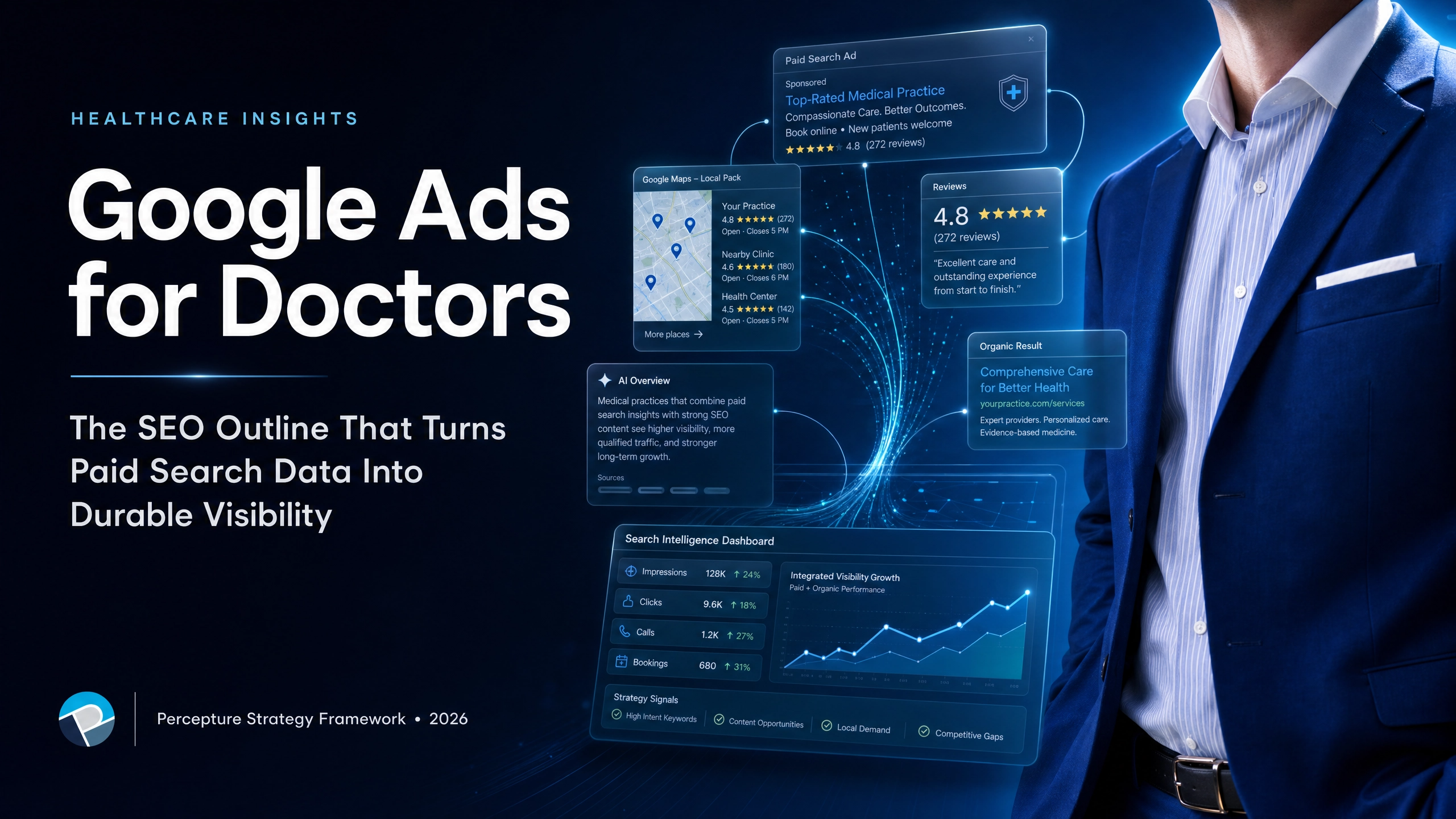
Geo-targeting allows medical practices to focus their advertising efforts on specific geographical areas. By setting location parameters, practices can ensure that their ads reach potential patients within a defined radius. For instance, a dental clinic in Austin can target residents within a 10-mile radius, maximizing relevance and minimizing wasted ad spend. According to a 2024 study, businesses utilizing geo-targeting saw up to a 30% increase in local engagement.
Implementing Remarketing Strategies to Re-Engage Visitors
Remarketing is an effective way to reconnect with website visitors who did not convert during their initial visit. By strategically displaying ads to these users as they browse other websites or social media platforms, practices can reinforce their brand and encourage action. Remarketing campaigns can increase conversion rates by as much as 50%, as they target individuals already familiar with the practice’s services.
Segmenting Ads Based on Patient Demographics and Behavior
Segmenting ads allows practices to tailor messaging based on specific patient demographics, such as age, gender, and health interests. For example, a dermatology clinic may create different ads for younger audiences focused on acne treatment and older audiences highlighting anti-aging solutions. Additionally, behavior-based segmentation can identify users based on their online activities, such as recent searches for medical services, ensuring that the right message reaches the right audience.
- Age: Targeting specific age groups for relevant services.
- Gender: Creating personalized campaigns based on gender-specific health needs.
- Health Interests: Tailoring ads to align with patient interests, such as fitness or nutrition.
Leveraging Audience Insights for Optimized Ad Delivery
Google Ads provides audience insights that can help medical practices refine their targeting strategies. By analyzing data on user interactions, practices can identify which demographics engage most frequently and adjust their campaigns accordingly. This data-driven approach enables more efficient use of the advertising budget and improves overall performance. Practices that leverage these insights report up to a 40% increase in ad effectiveness.
Common misconceptions include the belief that general targeting is sufficient. In reality, precise targeting significantly enhances ad performance. Many practices overlook the potential of remarketing, assuming that once a visitor leaves their site, they are lost forever. However, with the right strategies in place, practices can continue to engage these potential patients effectively.
To implement these advanced targeting strategies, medical practices should:
- Define geographical boundaries for geo-targeting based on patient demographics.
- Set up remarketing campaigns to re-engage previous website visitors.
- Utilize Google Ads’ segmentation tools to create tailored ads for specific demographics.
- Regularly review audience insights and adjust campaigns based on performance data.
By taking these actionable steps, medical practices can enhance their Google Ads for medical practices, resulting in improved patient acquisition and retention metrics.
Common Pitfalls in Google Ads for Healthcare
Effective Google Ads campaigns for medical practices require a nuanced understanding of both advertising mechanics and the healthcare landscape. This section identifies frequent mistakes that can significantly hinder ad performance, preventing practices from reaching potential patients effectively.
Ignoring Local SEO and Its Impact on Ad Success
Local search engine optimization (SEO) plays a vital role in the success of Google Ads for medical practices. Patients typically search for healthcare services within their vicinity. Failing to optimize for local SEO can result in ads not appearing for relevant local searches. According to a 2024 study, 76% of patients use search engines to find local healthcare providers, underscoring the importance of local targeting. Practices should ensure that their Google My Business listings are up-to-date and that local keywords are incorporated into their ad campaigns.
Overlooking Ad Copy Compliance with Healthcare Regulations
Healthcare advertising is subject to strict regulations to protect patient privacy and prevent misleading claims. Non-compliance can lead to ad disapproval or even legal repercussions. Common errors include making unverified health claims or failing to use appropriate disclaimers. Medical practices must familiarize themselves with guidelines from organizations such as the American Medical Association (AMA) and the Federal Trade Commission (FTC) to ensure their ad copy adheres to legal standards.
Failing to Track and Analyze Campaign Metrics Effectively
Without careful tracking and analysis, practices may miss critical insights that could enhance their campaign’s effectiveness. Key performance indicators (KPIs) such as click-through rate (CTR), conversion rate, and cost per acquisition (CPA) provide essential data for refining ads. A 2025 survey revealed that only 58% of healthcare marketers utilize analytics tools to measure campaign effectiveness, which can lead to wasted budget and missed opportunities for improvement. Implementing robust analytics tools can help practices make data-driven decisions.
Not Adjusting Bids Based on Performance Data
Static bidding strategies can severely limit the potential of Google Ads campaigns. Bids should be adjusted regularly based on performance data to optimize ad placement and maximize return on investment (ROI). Practices should consider implementing automated bidding strategies that adjust in real-time based on the performance of keywords and ads, ensuring that budget allocation aligns with the most successful campaigns and keywords.
Beyond these common pitfalls, it is crucial to recognize that healthcare advertising requires a unique approach. Many practices underestimate the complexity of patient behavior and the importance of building trust through transparent communication. Misconceptions about the effectiveness of generic ad strategies can lead to campaigns that fail to resonate with target audiences. Tailoring ads to reflect the specific needs and concerns of potential patients is essential for building credibility and fostering long-term patient relationships.
To avoid these pitfalls, medical practices should take actionable steps, including:
- Conduct regular audits of local SEO practices and Google My Business listings.
- Review ad copy for compliance with healthcare regulations before launching campaigns.
- Utilize analytics tools to track KPIs and adjust strategies based on performance data.
- Implement dynamic bidding strategies to optimize ad spend effectively.
Real-World Case Studies: Successful Google Ads Campaigns
This section highlights real-world examples of medical practices that have effectively leveraged Google Ads to enhance patient engagement and drive inquiries. These case studies illustrate actionable strategies and impressive results that can inspire similar successes in the healthcare sector.
Dental Practice: 150% Increase in Patient Inquiries
A dental practice in Austin, Texas, implemented a targeted Google Ads campaign focusing on local search terms such as “family dentist near me” and “emergency dental services.” By refining their ad copy to emphasize patient testimonials and special promotions like free consultations, they increased patient inquiries by 150% within six months. The campaign utilized geo-targeting to concentrate on neighborhoods with higher demographics of families, further enhancing its effectiveness.
Multi-Specialty Clinic: 300% ROI Achievement
A multi-specialty clinic in Chicago achieved a remarkable 300% return on investment (ROI) through a comprehensive Google Ads campaign. They adopted a strategy that included:
- Utilizing ad extensions to showcase various specialties and patient reviews.
- Geofencing to target specific zip codes with tailored messaging.
- Regular A/B testing of ad creatives to optimize performance.
This approach not only increased patient volume but also improved overall patient satisfaction, leading to higher retention rates.
Urgent Care Center: Dominating Local Search
An urgent care center in Miami executed a Google Ads strategy that enabled them to dominate local search results. They focused on high-volume keywords such as “walk-in clinic” and “urgent care near me.” Key strategies included:
- Implementing a mobile-friendly landing page to enhance user experience.
- Using remarketing ads to re-engage visitors who did not convert initially.
- Creating seasonal campaigns around common health issues, like flu season.
These tactics resulted in a significant increase in foot traffic, with a reported 50% growth in patient visits during peak times.
Cosmetic Surgery Practice: High-Conversion Keywords
A cosmetic surgery practice in Los Angeles focused on high-conversion keywords such as “breast augmentation cost” and “best plastic surgeon” to attract potential patients actively seeking services. By optimizing their ad copy to include direct calls to action and offering free consultations, they achieved a conversion rate of over 15%. Their targeted approach not only improved their visibility but also positioned them as a credible authority in cosmetic procedures.
Common misconceptions in Google Ads for medical practices include the idea that a large budget guarantees success. In reality, strategic targeting and ad relevance play a far more critical role. Many practices overlook the importance of continuous monitoring and optimization, which are essential for maintaining effective campaigns. Additionally, focusing solely on broad keywords can dilute the message and attract less qualified leads.
To implement effective Google Ads campaigns, medical practices should:
- Conduct thorough keyword research to identify high-value search terms.
- Utilize ad extensions to provide additional information and increase click-through rates.
- Regularly monitor campaign performance metrics and make necessary adjustments.
By applying these strategies, practices can enhance visibility, attract qualified leads, and ultimately increase patient engagement and conversion rates.
Integrating Google Ads with Other Marketing Channels
Creating a cohesive marketing strategy that integrates Google Ads with other channels enhances overall effectiveness and patient outreach. A well-rounded approach ensures that medical practices maximize their visibility, engage their target audience, and build trust.
Combining Google Ads with Social Media Advertising
Integrating Google Ads with social media advertising creates a multi-faceted approach to reaching potential patients. By promoting the same messages across platforms like Facebook, Instagram, and LinkedIn, practices can reinforce their brand presence. Social media ads can be targeted based on demographics, interests, and behaviors, allowing for tailored messaging that complements Google Ads campaigns.
- Increased Reach: Combining both platforms can boost overall visibility by 30% or more.
- Enhanced Engagement: Social media allows for immediate interaction, encouraging potential patients to engage with content.
- Retargeting Opportunities: Users who interact with social media can be retargeted via Google Ads, increasing conversion chances.
Using Content Marketing to Support Ad Campaigns
Content marketing plays a vital role in supporting Google Ads initiatives. High-quality, informative content such as blog posts, videos, and infographics can drive organic traffic while enhancing ad performance. When ads direct users to valuable content, they are more likely to convert into patients.
- SEO Benefits: Quality content improves search engine rankings, increasing organic visibility.
- Establishing Authority: Well-researched content positions the practice as a trusted source in its field.
- Improved Ad Relevance: Informative content can lead to higher Quality Scores in Google Ads, reducing cost-per-click.
Benefits of Email Marketing in Conjunction with Google Ads
Email marketing complements Google Ads by nurturing leads and maintaining engagement with existing patients. Targeted email campaigns can provide additional information about services, promotions, or health tips, reinforcing the messages in Google Ads.
- Higher Conversion Rates: Personalized emails can increase conversion rates by up to 20%.
- Patient Retention: Regular communication fosters a stronger relationship with patients, encouraging return visits.
- Data Insights: Email marketing analytics can inform future Google Ads strategies, tailoring approaches based on audience behavior.
Creating a Unified Brand Message Across All Channels
Consistency in messaging across all marketing channels is crucial for building trust and recognition. A unified brand message ensures that potential patients receive the same core information whether they encounter the practice via Google Ads, social media, email, or content marketing.
- Brand Recognition: Cohesive messaging can improve brand recall by 70%.
- Streamlined Patient Journey: A consistent approach simplifies the decision-making process for patients.
- Trust Building: Consistency across channels fosters a sense of reliability and professionalism.
Many practices overlook the importance of integrating various marketing channels, focusing solely on Google Ads. However, leveraging multiple platforms can create synergistic effects that enhance overall marketing performance. For example, aligning social media campaigns with Google Ads can amplify reach and engagement, while content marketing can enhance the quality and relevance of ads.
To implement this cohesive strategy, medical practices should:
- Identify target audience segments across channels.
- Develop a unified content calendar that aligns messaging.
- Utilize analytics tools to measure performance across all channels.
- Adjust strategies based on insights and audience feedback.
Evaluating the Best Google Ads For Medical Practices
As the healthcare digital marketing landscape continues to expand, with a projected market size of $6.6 billion by 2026, it is crucial for medical practices to carefully compare their Google Ads options. Evaluating providers based on specific criteria such as pricing, target audience, and unique features can significantly impact a practice’s online visibility and patient acquisition efforts.
| Provider / Option | Best For | Pricing | Key Feature |
|---|---|---|---|
| AdVanced Medical Marketing | Small to medium practices | $500 – $2000/month | Custom ad strategies for healthcare |
| Practice Builders | Established practices needing growth | $1000 – $3000/month | Comprehensive digital marketing solutions |
| PatientPop | New medical practices | $500 – $1500/month | Integrated patient acquisition tools |
| Healthgrades | Specialists targeting niche markets | $800 – $2500/month | Specialty-specific marketing strategies |
| WebFX | All practice sizes | $600 – $3000/month | Data-driven advertising approach |
| Mediaboom | Cosmetic and elective practices | $1000 – $4000/month | Focus on high-conversion campaigns |
Criteria for Evaluating Program Quality
- Target Audience: Assess whether the provider specializes in your specific practice type or target demographic. This ensures that marketing strategies are tailored to attract the right patients.
- Pricing Structure: Compare the pricing plans of each provider, considering both monthly costs and the services included in each package. This will help determine the best value for your budget.
- Key Features: Evaluate the unique features offered by each provider, such as custom strategies or integrated tools. Understanding these can help identify which provider aligns best with your marketing goals.
- Performance Metrics: Look for providers that offer clear performance metrics and reporting. This transparency allows practices to measure the effectiveness of their advertising campaigns over time.
How to Assess the Reputation and Reliability of Providers
- Research Online Reviews: Check platforms like Google Reviews, Yelp, and industry-specific forums to gather feedback from current and past clients about their experiences.
- Request Case Studies: Ask potential providers for case studies showcasing their success with practices similar to yours. This can provide insight into their capabilities and results.
- Evaluate Industry Experience: Consider how long the provider has been in the medical marketing space and their track record with other healthcare clients.
- Ask for References: Reach out to existing clients for testimonials regarding their satisfaction and the results achieved through the provider’s services.
- Review Contract Terms: Before signing, thoroughly review the contract for terms related to service delivery, cancellation policies, and any hidden fees.
Which Google Ads For Medical Practices Is Right for You?
Choosing the right Google Ads strategy for medical practices hinges on unique business needs, budget constraints, and specific goals. This decision guide provides tailored recommendations for various types of healthcare providers, ensuring effective patient outreach through targeted advertising.
Solo practitioners
Solo practitioners should focus on budget-friendly options like Google Ads’ Local Service Ads, which allow you to connect with nearby patients actively searching for services. A targeted local campaign can cost between $300 to $1,000 per month, leveraging geographic targeting to ensure visibility in your immediate area.
Multi-location practices
For multi-location practices, implementing a comprehensive strategy using Google Ads’ Campaign Manager is essential. This tool allows you to manage multiple campaigns efficiently, optimizing each for specific locations and services. A budget of $1,500 to $5,000 per month is recommended to maximize visibility across all locations through tailored ad copy and local keywords.
Specialty clinics
Specialty clinics should concentrate on specialized advertising services, such as Google Ads’ Custom Intent Audiences, to reach niche markets effectively. By targeting specific demographics and interests, clinics can optimize patient acquisition. Expect to invest between $500 to $2,000 monthly, depending on the competitiveness of the specialty field.
Established healthcare networks
Established healthcare networks can benefit from advanced analytics and data-driven strategies by utilizing Google Ads’ Smart Bidding features. This technology optimizes bids in real-time based on data insights, enhancing outreach efforts. A substantial budget of $5,000 to $15,000 per month is advisable to fully leverage these capabilities and improve patient engagement metrics.
| If You Are… | Best Approach |
|---|---|
| Solo practitioners | Local Service Ads; budget $300-$1,000/month |
| Multi-location practices | Campaign Manager; budget $1,500-$5,000/month |
| Specialty clinics | Custom Intent Audiences; budget $500-$2,000/month |
| Established healthcare networks | Smart Bidding; budget $5,000-$15,000/month |
Local Considerations for Google Ads in Medical Practices
Geographic and local market factors play a crucial role in the effectiveness of Google Ads for medical practices. According to Google, 76% of people who search for something nearby visit a business within a day, highlighting the importance of targeting local audiences effectively.
Geographic Market Differences
In larger cities like Los Angeles or New York, competition among medical practices is intense, often requiring more aggressive bidding strategies and tailored ad copy to stand out. Conversely, in smaller towns, practitioners may find less competition, allowing for lower bids and broader targeting. Understanding these dynamics can help practices optimize their ad spend based on their specific locale.
Local Business Applications
Local medical practices can leverage Google Ads in several specific ways:
- Targeting Local Keywords: Use geo-targeted keywords such as “pediatrician in [city]” to attract local patients.
- Appointment Bookings: Ads can link directly to online booking systems, streamlining patient acquisition.
- Promoting Local Events: Highlight health fairs or community outreach programs to engage with the local populace.
- Showcasing Patient Reviews: Utilize ads to feature positive patient testimonials that resonate with local consumers.
Local Search and Visibility Impact
Google Ads significantly influence local search rankings and visibility through enhanced exposure on search results pages. To maximize this impact, medical practices should:
- Optimize their Google Business Profile (GBP) with accurate information and regular updates.
- Incorporate local keywords in ad copy to align with search intent.
- Encourage satisfied patients to leave reviews, boosting both GBP and ad performance.
- Monitor ad performance metrics to refine targeting and improve click-through rates.
Pricing and Cost in Local Markets
Costs for Google Ads can vary significantly by geographic market. For example, a medical practice in a competitive urban area may see CPC (cost-per-click) rates ranging from $6 to $10, while practices in less competitive areas might only pay between $2 and $5. Local businesses should budget approximately $1,500 to $3,500 per month for effective campaigns, while national players may spend upwards of $10,000 depending on their reach and objectives.
Local Implementation Checklist:
- Research and select local keywords relevant to your practice.
- Set up geo-targeting in your Google Ads campaigns.
- Optimize your Google Business Profile with up-to-date information.
- Encourage and manage patient reviews regularly.
- Monitor ad performance and adjust bids based on local competition.
- Utilize ad extensions to promote local services and events.
- Allocate budget based on local market analysis and competition levels.
For Medical Practices businesses looking to generate local leads through Google Ads or Local SEO, GMB Ranger LLC offers hands-on campaign management. Specialist Md Tangeer Mehedi personally handles campaign setup and ongoing optimization — with no payment required until the first lead comes in.
Frequently Asked Questions
What are Google Ads for medical practices?
Google Ads for medical practices are online advertising campaigns that help healthcare providers reach potential patients through targeted ads. These ads appear on Google search results and other platforms, promoting services and increasing visibility.
How can medical practices optimize Google Ads campaigns?
Medical practices can optimize Google Ads campaigns by using relevant keywords, creating compelling ad copy, and targeting specific demographics. Regularly analyzing performance data and adjusting bids can also enhance campaign effectiveness.
What is the average cost of Google Ads for healthcare?
The average cost of Google Ads for healthcare ranges from $1 to $10 per click, depending on the competition and targeted keywords. Overall monthly budgets can vary widely based on the practice’s goals and geographic location.
How long does it take to see results from Google Ads?
Results from Google Ads can typically be seen within a few weeks, but significant improvements may take longer. The timeline depends on factors such as campaign settings, budget, and market competition.
What are the best practices for Google Ads in healthcare?
Best practices for Google Ads in healthcare include using specific keywords, ensuring compliance with advertising regulations, and creating targeted landing pages. Regularly monitoring and optimizing campaigns for performance is also essential.
Can Google Ads help with local patient acquisition?
Yes, Google Ads can significantly aid in local patient acquisition by targeting geographic areas and using location-based keywords. This approach helps medical practices attract nearby patients seeking specific services.
Final Thoughts on Google Ads for Medical Practices
Implementing Google Ads effectively can significantly enhance patient acquisition for medical practices, leveraging advanced targeting strategies to reach potential patients at critical moments. Understanding the nuances of campaign optimization and the healthcare advertising landscape is essential for maximizing return on investment and avoiding common pitfalls.
To begin optimizing your Google Ads, conduct a comprehensive audit of your current campaigns, focusing on keyword performance and audience targeting to refine your approach and improve engagement metrics.
Ready to take your practice to the next level? Partner with a google ads agency that understands the unique needs of medical professionals.
Harnessing the power of Google Ads is not just a marketing strategy; it’s a vital component in ensuring your practice thrives in an increasingly competitive healthcare environment.
Leave a Reply