

What are google ads for gyms?
Google Ads for gyms is a targeted advertising platform designed to help fitness centers effectively reach potential members. By leveraging local targeting and specific keywords, gyms can significantly enhance their visibility and attract a larger client base. Notably, businesses utilizing Google Ads experience an average return of $2 for every $1 spent.
Understanding Google Ads for gyms is essential for fitness centers aiming to grow their membership base in a competitive market. With the global fitness industry projected to reach $105 billion by 2025, effective online advertising strategies are crucial for attracting new clients and retaining existing ones. Missing out on these advertising opportunities can result in lost market share and diminished growth potential.
Failure to effectively utilize Google Ads can lead to missed revenue opportunities, wasted marketing budgets, and a significant competitive disadvantage in the crowded fitness landscape. Gyms that do not adapt to digital advertising trends risk falling behind more tech-savvy competitors.
This article will provide an in-depth analysis of Google Ads for gyms, including a comparison of top advertising providers, a breakdown of associated costs, best practices for campaign optimization, and insights on integrating local SEO strategies to maximize reach and engagement.
For gym and fitness businesses looking to generate local leads through Google Ads or Local SEO, GMB Ranger LLC offers hands-on campaign management. Specialist Md Tangeer Mehedi personally handles campaign setup and ongoing optimization — with no payment required until the first lead comes in.
What are Google Ads for gyms?
Google Ads for gyms are online advertising campaigns specifically designed to promote gym services, increase membership sign-ups, and boost local visibility. These ads utilize Google’s pay-per-click (PPC) model, allowing gyms to target potential customers based on specific keywords and demographics. In 2024, businesses can expect an average conversion rate of around 3.75% for Google Ads, making it a potent tool for gym marketing.
Google Ads for gyms can take various forms, including search ads, display ads, and video ads. Each type serves a distinct purpose in reaching potential customers. Search ads appear at the top of Google search results when users look for fitness-related services, while display ads can showcase gym facilities on websites across the Google Display Network. Video ads on platforms like YouTube can engage users with dynamic content about gym offerings, classes, or success stories.
Effective campaigns often hinge on strategic keyword selection and geographic targeting. Gyms should focus on local keywords such as “gym near me” or “fitness classes in [City]” to attract nearby clientele. Additionally, utilizing ad extensions, such as call buttons or location information, can enhance visibility and improve user engagement. Regularly analyzing campaign performance metrics is crucial, as it allows gyms to refine their strategies and maximize return on investment.
Expert insight: To enhance the effectiveness of Google Ads, incorporate seasonal promotions or limited-time offers. This approach can create urgency and drive immediate action from potential members, optimizing your marketing efforts.
How can gyms create effective Google Ads?
Gyms can create effective Google Ads by following a structured approach that includes defining objectives, targeting the right audience, and optimizing ad content. A well-executed Google Ads campaign can yield an average conversion rate of 4.40% for the fitness industry, significantly increasing membership growth.
Begin by defining clear objectives. Determine whether the goal is to increase sign-ups, promote specific classes, or boost brand awareness. Clearly defined objectives guide the ad creation process and help measure success.
- Conduct Keyword Research: Use tools like Google Keyword Planner to identify relevant keywords that potential members are searching for, such as “local gym membership” or “fitness classes near me.”
- Set Up Targeting: Utilize demographic targeting to reach specific audiences based on age, location, and interests. This ensures ads reach individuals most likely to convert into members.
- Create Compelling Ad Copy: Write clear, engaging ad copy that highlights unique selling points, such as free trials, special offers, or community events. Include a strong call-to-action (CTA) to encourage immediate responses.
- Design Eye-Catching Visuals: Incorporate high-quality images or videos that showcase gym facilities, classes, or success stories. Visuals should resonate with the target audience and reflect the gym’s branding.
- Monitor and Optimize Performance: Regularly review ad performance data to identify what works and what doesn’t. Adjust bids, targeting, and ad copy based on performance metrics to improve effectiveness.
- Utilize Retargeting Strategies: Implement retargeting ads to reach individuals who previously interacted with the gym’s website. This keeps the gym top-of-mind and encourages conversions.
Expert insight: Regularly updating keywords and ad copy based on seasonal trends or local events can significantly enhance ad performance and engagement, ensuring the gym remains relevant in prospects’ searches.
What is the average cost of Google Ads for gyms?
The average cost of Google Ads for gyms typically ranges from $1 to $2 per click, depending on various factors. Monthly budgets can vary widely, with many gyms spending between $500 and $3,000 on their advertising campaigns.
Several factors influence the cost of Google Ads for gyms, including competition, location, and targeted audience demographics. The competitive landscape in a given area significantly affects pricing; gyms in densely populated urban areas may face higher costs due to increased competition for keywords. Additionally, the specific services offered—such as personal training or specialized fitness classes—can lead to variations in advertising costs based on the associated demand.
- Keywords: Popular keywords related to fitness or gym services typically have higher costs per click. Long-tail keywords may be less expensive and can attract more targeted traffic.
- Geographic targeting: Costs can vary depending on the region targeted. Urban areas often see higher costs than rural locations.
- Ad quality and relevance: Google rewards well-structured, relevant ads with lower costs. Higher Quality Scores can lead to reduced costs per click.
Expert insight: To optimize spending, gyms should focus on specific, targeted campaigns that highlight unique offerings and local appeal, rather than competing broadly on generic fitness terms.
How long does it take to see results from Google Ads for gyms?
Typically, gyms can expect to see initial results from Google Ads within 4 to 6 weeks. This timeframe allows for adequate data collection and optimization of ad campaigns.
Several factors influence how quickly results materialize. First, the competitiveness of the local market plays a significant role. In areas with numerous gyms, bidding for keywords can be more aggressive, potentially extending the time needed to achieve visibility and leads. Additionally, the quality of the ad content and landing pages directly affects performance. Well-structured ads that resonate with the target audience will generate more clicks and conversions sooner.
Another important consideration is the budget allocated for the campaign. A larger budget allows for broader reach and more frequent ad impressions, which can lead to faster results. Conversely, a limited budget may slow down the campaign’s ability to gather data and attract potential members. Furthermore, the optimization process itself requires time. Continuous monitoring and adjustments based on analytics can enhance ad performance over time, leading to improved results beyond the initial 6-week period.
Expert insight: Regularly analyze campaign performance metrics, such as click-through rates and conversion rates, to make informed adjustments. This proactive approach can significantly enhance the effectiveness of your Google Ads strategy for gyms.
What are the best practices for Google Ads in the fitness industry?
Effective Google Ads for gyms require a strategic approach tailored to the fitness industry. Implementing best practices can lead to higher conversion rates and increased membership sign-ups. According to recent studies, well-optimized Google Ads can achieve click-through rates (CTR) of up to 5%, significantly boosting visibility and customer engagement.
To maximize the effectiveness of Google Ads campaigns, consider the following best practices:
- Target Local Audiences: Focus on geo-targeting to reach potential clients within a specific radius of your gym. Use location-based keywords to attract local searches, enhancing the likelihood of foot traffic.
- Utilize Ad Extensions: Implement ad extensions such as call extensions and location extensions. These features provide additional information, making your ads more informative and encouraging users to take action.
- Create Compelling Ad Copy: Write clear, engaging ad copy that includes a strong call to action (CTA). Highlight promotions, unique offerings, or success stories to capture attention and drive conversions.
- Leverage Remarketing Strategies: Use remarketing to re-engage users who have previously interacted with your website. Tailor ads to remind them of your services and promotions, increasing the chances of conversion.
- Monitor and Optimize Campaigns: Regularly analyze campaign performance metrics such as CTR, conversion rates, and cost per acquisition (CPA). Adjust bids, keywords, and ad copy based on data to continually improve results.
Expert insight: Consistently testing different ad variations and targeting options can lead to significant improvements in performance. A/B testing should be a routine part of campaign management to identify the most effective strategies.
How do Google Ads compare to social media ads for gyms?
Google Ads typically offer a more targeted approach for gyms compared to social media ads, focusing on users actively searching for fitness services. In contrast, social media ads excel in brand awareness and engagement but may lack the immediacy of conversion that Google Ads can provide. Research indicates that businesses using Google Ads see an average return on investment of $2 for every $1 spent.
Google Ads operate primarily on a pay-per-click (PPC) basis, allowing gyms to reach potential members who are actively searching for fitness solutions. This intent-driven model often results in higher conversion rates. In 2024, 65% of consumers reported using search engines to find local businesses, underscoring the importance of visibility at the moment of decision-making. Conversely, social media platforms like Facebook and Instagram focus on demographic targeting and user engagement, making them effective for building community and brand loyalty. However, they may not convert as efficiently as Google Ads, particularly for immediate membership inquiries.
- Effectiveness: Google Ads target users actively searching for services, leading to higher conversion rates. Social media ads enhance engagement and brand awareness but may not yield immediate results.
- Reach: Google Ads can reach a broad audience through search queries. Social media ads can target specific demographics and interests, which is useful for community-building.
- Cost: Google Ads generally operate on a PPC model, which can be cost-effective for immediate results. Social media ad costs vary based on engagement metrics and may require a larger budget for effective reach.
Expert insight: For gyms, a balanced approach using both Google Ads for immediate conversion and social media for community engagement can maximize overall marketing effectiveness. Consider allocating 60% of the budget to Google Ads and 40% to social media for optimal results.
What keywords should gyms target in Google Ads?
Gyms should target specific keywords that directly connect with their services and audience needs. High-performing keywords include “gym memberships near me,” “fitness classes in [Your City],” and “personal training for beginners.” According to a 2024 study, keywords with local intent can increase click-through rates by up to 30%.
When selecting keywords, consider geographic modifiers to attract nearby clients. For instance, using phrases like “affordable gym in [Neighborhood]” or “24-hour fitness center [City]” can significantly enhance local search visibility. Additionally, incorporating long-tail keywords such as “best yoga classes for weight loss” or “group fitness training for seniors” can help target niche audiences looking for specific offerings.
Another effective strategy involves leveraging seasonal or trend-based keywords. For example, terms like “New Year gym specials” or “summer fitness boot camps” can capitalize on specific times of the year when potential clients are more motivated to join a gym. Regularly reviewing keyword performance and adjusting bids based on conversion rates can optimize ad spend and improve overall campaign effectiveness.
Expert insight: Utilize keyword research tools such as Google Keyword Planner to identify search volume and competition levels, enabling a data-driven approach to keyword selection for Google Ads campaigns.
Advanced Targeting Strategies for Gym Ads
This section delves into advanced targeting strategies for gym advertisements, focusing on audience segmentation and specific demographic targeting. Implementing these strategies can enhance ad performance, drive local engagement, and ultimately boost membership growth.

Utilizing Geographic Targeting for Local Gyms
Geographic targeting is essential for local gyms aiming to attract nearby potential members. By defining a specific radius around the gym’s location, advertisements can reach individuals who are more likely to visit. For example, targeting users within a 5-mile radius can yield higher foot traffic, as 70% of gym members typically reside within 3 miles of their chosen facility.
- Location-based Keywords: Incorporate local keywords in ad copy to enhance relevance.
- Location Extensions: Use Google Ads location extensions to display the gym’s address and proximity to potential members.
- Demographic Filters: Combine geographic targeting with demographic filters to reach specific age groups or gender, tailoring ads to local preferences.
Implementing Audience Insights for Better Ad Personalization
Audience insights provide valuable data that can enhance ad personalization. By analyzing user behavior and preferences, gyms can create targeted ads that resonate with specific segments. For instance, data may reveal that individuals aged 25-34 are more likely to respond to high-intensity training promotions, allowing gyms to tailor their messaging accordingly.
- Custom Audiences: Create custom audiences based on website interactions or previous customers to retarget potential members.
- In-Market Audiences: Leverage in-market audiences to reach users actively searching for fitness solutions.
- Affinity Audiences: Target users interested in health and wellness, ensuring ads align with their lifestyle choices.
Using Remarketing Strategies to Capture Previous Visitors
Remarketing is a powerful tool in Google Ads for gyms, allowing businesses to reconnect with users who have previously engaged with their website or ads. This strategy can lead to a 10x increase in conversion rates by reminding potential members of the gym’s offerings.
- Dynamic Remarketing: Create dynamic ads that showcase specific classes or membership deals based on previous visitor activity.
- Frequency Capping: Implement frequency capping to avoid overwhelming users with ads, ensuring a balanced approach.
- Segmentation: Segment remarketing lists based on user engagement levels, tailoring ads to various interests and interactions.
Exploring Seasonal Trends to Optimize Ad Timing
Seasonal trends can significantly impact gym membership inquiries. For example, January often sees a spike in fitness-related searches, driven by New Year’s resolutions. Understanding these trends enables gyms to time their ad campaigns effectively, capitalizing on peak interest periods.
- Event-Based Promotions: Align campaigns with local events, such as marathons or fitness expos, to tap into heightened community interest.
- Seasonal Offers: Create limited-time offers that coincide with holidays or seasonal changes, encouraging immediate sign-ups.
- Data Analysis: Regularly analyze past campaign performance during different seasons to refine future strategies.
To effectively implement these advanced targeting strategies, gyms should conduct thorough market research to understand their local demographics. Utilize Google Ads tools to analyze geographic data, audience insights, and seasonal trends. Establish a clear timeline for ad campaigns, adapting strategies based on performance metrics. By focusing on targeted messaging and data-driven decisions, gyms can enhance their advertising effectiveness and drive membership growth.
Common Mistakes to Avoid with Google Ads for Gyms
Effective Google Ads campaigns are crucial for gyms aiming to attract new members and increase engagement. However, several common mistakes can lead to wasted ad spend and ineffective results. This section identifies key pitfalls to avoid for successful advertising.
Neglecting Keyword Research and Optimization
Keyword research forms the foundation of any successful Google Ads campaign. Many gyms fail to invest adequate time in identifying the most relevant keywords, which can result in targeting the wrong audience. A comprehensive keyword strategy should include long-tail keywords that reflect specific services or local offerings. For instance, instead of targeting a broad term like “fitness,” consider “personal training in [City Name].” Failing to optimize keywords can lead to a significant drop in ad visibility and click-through rates.
Failing to Track Conversion Rates and ROI
Tracking conversion rates and return on investment (ROI) is essential for evaluating the success of Google Ads campaigns. Without proper tracking mechanisms in place, gyms may not understand which ads are driving memberships or generating leads. According to recent data, businesses that track their conversion rates can see up to a 30% increase in ROI. Implementing tools such as Google Analytics can provide insights into user behavior, allowing for data-driven adjustments to ad strategies.
Overlooking Mobile Optimization for Ads
With over 60% of searches conducted on mobile devices, optimizing ads for mobile is non-negotiable. Many gyms neglect mobile optimization, resulting in poor user experiences and lower conversion rates. Ads should be designed with mobile users in mind, featuring concise messaging and quick-loading landing pages. Additionally, ad formats like responsive search ads automatically adjust to fit various screen sizes, enhancing visibility and engagement.
Not Utilizing A/B Testing for Ad Creatives
A/B testing is a powerful method for optimizing ad performance, yet many gyms overlook its benefits. By testing different ad creatives, headlines, and calls-to-action, gyms can determine which variations resonate most with their target audience. Implementing A/B tests allows for continuous improvement based on real-time data. A study showed that companies using A/B testing saw an average of 20-30% improvement in ad performance.
Nuance / Expert Layer
One common misconception is that a higher budget automatically translates to better results. While increased spending can enhance visibility, it does not guarantee effective targeting or ad quality. Instead, focus on refining audience segments and optimizing ad content. Additionally, many gyms underestimate the importance of negative keywords, which help filter out irrelevant traffic. This approach can significantly enhance ad performance by narrowing the focus to genuinely interested prospects.
Practical Application
- Conduct thorough keyword research using tools like Google Keyword Planner.
- Set up conversion tracking in Google Analytics to monitor ROI effectively.
- Ensure all ads are mobile-optimized and test different formats.
- Implement A/B testing regularly to refine ad creatives based on performance data.
By avoiding these common mistakes, gyms can maximize the effectiveness of their Google Ads campaigns, ensuring that every dollar spent contributes to growth and engagement.
Real-World Case Studies of Successful Gym Ad Campaigns
This section analyzes real-world examples of gyms that successfully leveraged Google Ads to enhance their membership growth. By examining these case studies, gym owners can identify effective strategies and metrics that led to tangible results.
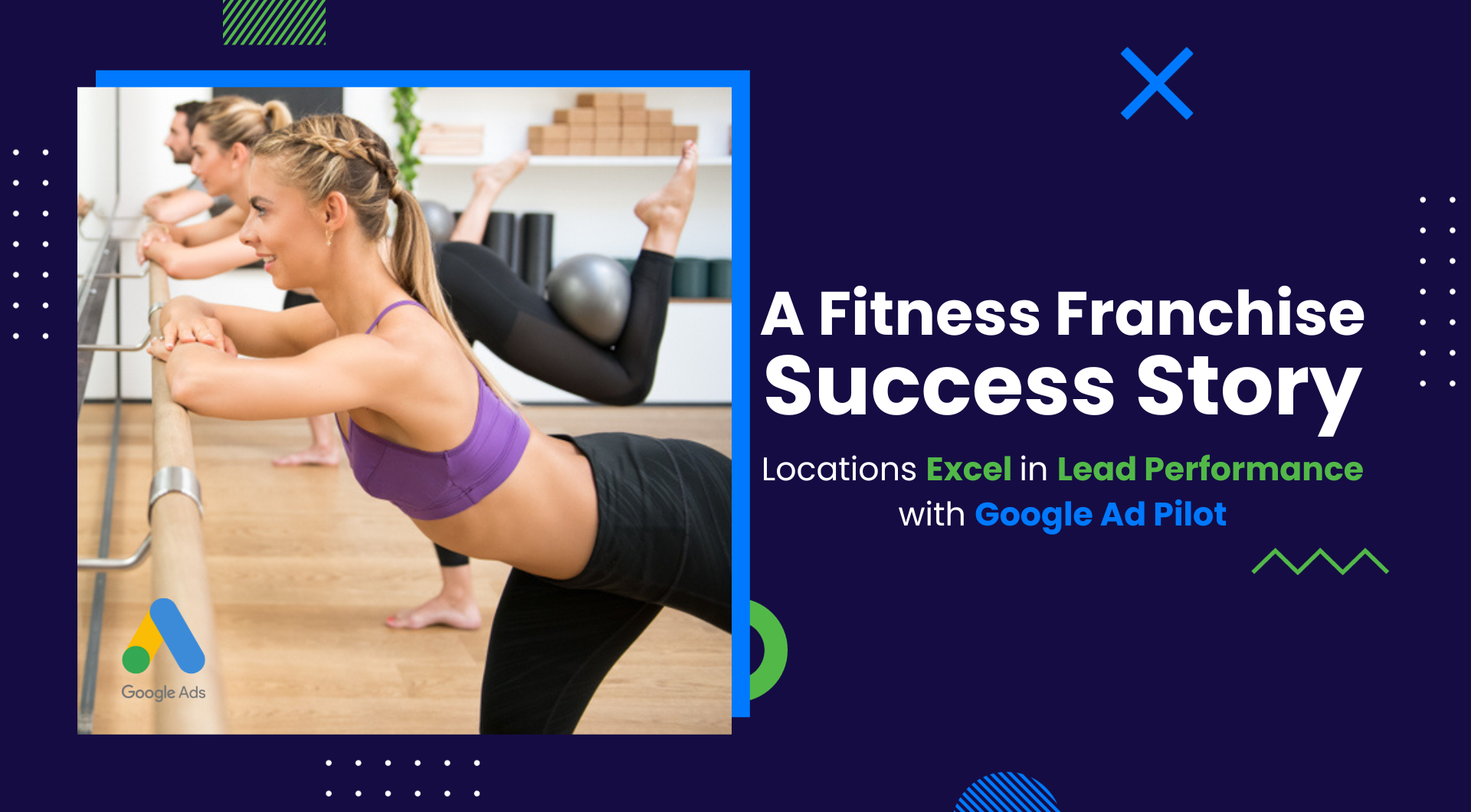
Case Study 1: FitNation
FitNation, a mid-sized gym based in Austin, Texas, implemented a targeted Google Ads campaign focusing on local search terms like “affordable gym near me” and “fitness classes in Austin.” The campaign utilized both search and display ads to capture a diverse audience.
- Campaign Duration: 6 months
- Ad Spend: $15,000
- New Memberships Acquired: 250
Results indicated a 30% increase in new memberships compared to the previous year. The campaign’s success stemmed from precise audience targeting and engaging ad copy that highlighted promotions and community events.
Case Study 2: Urban Fitness
Urban Fitness, located in Seattle, Washington, targeted fitness enthusiasts through a combination of remarketing and seasonal promotions. They used Google Ads to retarget users who had previously visited their website but had not signed up.
- Campaign Duration: 3 months
- Ad Spend: $10,000
- New Memberships Acquired: 180
This approach led to a remarkable 45% conversion rate from retargeted ads, demonstrating the effectiveness of personalized messaging. Promotions tied to the New Year’s resolution period further boosted engagement.
Case Study 3: Wellness Hub
Wellness Hub, a boutique gym in Miami, focused on branding through video ads on YouTube, part of their Google Ads strategy. The campaign featured success stories from current members and showcased the gym’s unique offerings.
- Campaign Duration: 4 months
- Ad Spend: $20,000
- New Memberships Acquired: 300
As a result, the gym experienced a 50% increase in membership inquiries. Video content proved to be highly engaging, resulting in a lower cost-per-acquisition (CPA) compared to traditional text ads.
Key Lessons Learned
Each case study reveals several key strategies for maximizing the effectiveness of Google Ads for gyms:
- Targeted Keywords: Utilize local keywords and specific terms that resonate with potential members.
- Ad Formats: Experiment with various ad formats, including search, display, and video ads.
- Retargeting: Implement remarketing strategies to re-engage users who have shown interest.
Nuanced Insights
While many gyms focus solely on traditional ad placements, the integration of video ads can significantly enhance engagement. Common misconceptions include the belief that only high-budget campaigns yield results. In reality, targeted, well-crafted ads can outperform broader strategies, even with limited budgets. Additionally, understanding the importance of ad scheduling—running ads during peak search times—can further optimize campaign performance.
Practical Application
To replicate these successes, gym owners should:
- Identify local keywords relevant to their offerings.
- Develop a portfolio of ad formats to test which resonate best with their target audience.
- Implement a retargeting strategy to capture potential members who have previously engaged with their website.
By adopting these strategies and analyzing campaign performance metrics, gyms can effectively utilize Google Ads for growth and increased membership.
Integrating Google Ads with Your Overall Marketing Strategy
Integrating Google Ads with broader marketing efforts creates a cohesive strategy that enhances brand visibility and drives membership growth for gyms. A well-aligned marketing approach maximizes the effectiveness of each channel, ensuring that potential members receive consistent messaging and compelling reasons to join.
Combining Google Ads with Email Marketing Campaigns
Email marketing remains a powerful tool for engaging potential and existing members. By integrating Google Ads with email campaigns, gyms can retarget users who have shown interest but have not yet converted. For instance, sending personalized offers or promotions to users who clicked on a Google ad can increase conversion rates by up to 14%.
Utilizing Social Media Ads Alongside Google Ads
Social media advertising complements Google Ads by reaching audiences in different environments. Running campaigns on platforms like Facebook and Instagram allows gyms to showcase their community and unique offerings. According to a 2024 report, gyms that used both Google Ads and social media advertising saw a 30% increase in overall lead generation compared to those using only one channel.
Creating a Unified Brand Message Across All Platforms
A consistent brand message across Google Ads, email, and social media builds trust and recognition. Ensure that visuals and messaging align with your gym’s values and services. This includes using the same tone, colors, and imagery across all channels. Cohesive branding can lead to a 23% increase in revenue, as consumers respond better to familiar and trustworthy brands.
Leveraging Analytics to Inform Overall Marketing Strategy
Data analytics is crucial for refining marketing strategies. Google Ads provides insights into user behavior, conversion rates, and ad performance. Combining these insights with analytics from email and social media platforms allows gyms to make data-driven decisions. For instance, if analytics reveal high engagement with a particular offer, it can be amplified across all marketing channels for maximum reach.
Common misconceptions about integrating Google Ads with other marketing efforts include the belief that each channel operates in isolation. In reality, these channels should work synergistically. For example, a gym might find that Google Ads generate initial interest, while follow-up emails and social media ads convert that interest into memberships. This interconnected strategy is often overlooked, yet it is vital for maximizing marketing efficacy.
To implement these strategies effectively, gyms should:
- Design targeted email campaigns that complement Google Ads promotions.
- Create social media ads that highlight Google Ads initiatives, fostering cross-channel engagement.
- Ensure all marketing materials reflect a unified brand message.
- Regularly analyze performance data from all channels to adapt strategies based on real-time insights.
By taking these actionable steps, gyms can create a robust marketing ecosystem that leverages the strengths of Google Ads while enhancing overall brand presence and membership growth.
Evaluating the Best Google Ads For Gyms
In a rapidly growing digital advertising landscape, with gym-related ad spending expected to reach $1.5 billion by 2026, selecting the right Google Ads provider is crucial for optimizing marketing budgets and maximizing ROI. Comparing the features, pricing, and target audience of various options can help gym owners make informed decisions that align with their specific needs.
| Provider / Option | Best For | Pricing | Key Feature |
|---|---|---|---|
| AdEspresso | Small to medium gyms | $49/month | User-friendly ad management tools |
| WordStream | Agencies managing multiple clients | $264/month | Comprehensive multi-platform management |
| Google Ads | Direct control over campaigns | Pay-per-click model | Extensive reach and targeting options |
| Hootsuite Ads | Social media integration | $19/month | Seamless integration with social ads |
| FunnelDash | Data-driven marketers | $99/month | Advanced reporting and analytics |
| AdRoll | Retargeting previous visitors | $300/month | Cross-platform retargeting capabilities |
Criteria for Evaluating Program Quality
- Target Audience Alignment: Ensure the provider’s features align with the specific demographic and needs of your gym’s audience for optimal engagement.
- Pricing Structure: Consider the pricing model and ensure it fits within your budget while offering the necessary tools to achieve your marketing goals.
- Key Features: Evaluate the unique features each provider offers, such as analytics, social media integration, or ad management tools, to find the best fit for your strategy.
- Scalability: Assess whether the platform can grow with your gym, accommodating future expansion or changes in marketing strategy without significant additional costs.
How to Assess the Reputation and Reliability of Providers
- Research Online Reviews: Look for reviews on independent sites to gauge user satisfaction and identify common issues or praises.
- Check Case Studies: Review case studies provided by the provider to see their success stories and how they have helped similar businesses.
- Request References: Ask the provider for references from current clients, particularly those in the fitness industry, to gain insights into their service quality.
- Evaluate Customer Support: Test their customer service responsiveness through inquiries, as good support is crucial during campaign management.
- Examine Trial Options: If available, utilize trial periods to assess the platform’s usability and effectiveness before committing long-term.
Which Google Ads For Gyms Is Right for You?
Choosing the right Google Ads strategy depends on your specific business needs, budget, and goals. This guide will help you identify the best approach for your gym or fitness-related business to maximize your advertising efforts.
New Gym Owners
New gym owners should prioritize Google Ads focused on targeted local outreach to establish an initial member base. Utilizing location-based keywords, such as “gym near me” or “fitness center in [your city],” can attract local clientele. Budgeting around $500 to $1,000 per month for initial campaigns can yield significant visibility in your area.
Established Gyms
Established gyms can benefit from advanced targeting options in Google Ads, such as remarketing strategies to re-engage past members. Promoting new classes or special events through tailored ads can drive renewed interest. A budget of $1,000 to $2,500 a month can help reach a broader audience and optimize engagement.
Fitness Franchises
Fitness franchises should leverage multi-location campaigns to maintain brand consistency while tailoring ads to local markets. Utilizing Google Ads’ location targeting and ad scheduling features can help capture specific regional interests. A budget of $2,000 to $5,000 per month is advisable to effectively cover multiple locations while ensuring localized messaging.
Personal Trainers
Personal trainers should focus on niche keywords that resonate with clients seeking specialized training services. Keywords like “one-on-one personal training” or “nutrition coaching” can attract targeted leads. Investing approximately $300 to $800 monthly can help optimize ad spend and drive quality leads.
Gym Marketing Agencies
Gym marketing agencies should utilize comprehensive tools such as WordStream to manage multiple client campaigns efficiently. These platforms offer features for keyword tracking, budget management, and performance analytics. A budget of $1,500 to $3,000 per month can facilitate effective campaign management across various clients, ensuring optimal results.
| If You Are… | Best Approach |
|---|---|
| New Gym Owners | Targeted local ads with a budget of $500-$1,000/month. |
| Established Gyms | Advanced targeting and remarketing with a $1,000-$2,500/month budget. |
| Fitness Franchises | Multi-location campaigns with a budget of $2,000-$5,000/month. |
| Personal Trainers | Niche keyword focus with a budget of $300-$800/month. |
| Gym Marketing Agencies | Comprehensive tools like WordStream, with a budget of $1,500-$3,000/month. |
Local Considerations for Google Ads Targeting Gyms
Understanding the geographic and local market factors is crucial for gyms using Google Ads. In fact, 76% of people who search for something nearby visit a business within a day, highlighting the importance of local targeting in ad campaigns. Tailoring ads to local audiences can significantly enhance visibility and conversion rates for gyms.
Geographic Market Differences
In larger metropolitan areas like New York City or Los Angeles, gyms face intense competition, necessitating a more aggressive and targeted Google Ads strategy. Conversely, smaller towns may benefit from less competition, allowing for broader ad targeting. Gyms in competitive markets should focus on niche offerings or unique selling propositions to stand out, while those in less competitive areas can leverage broader keywords to attract local clientele.
Local Business Applications
Local gyms can effectively utilize Google Ads in the following ways:
- Promote Local Events: Advertise community fitness events or open houses to increase foot traffic.
- Targeted Promotions: Use geo-targeting to offer location-specific discounts or membership deals to attract nearby customers.
- Seasonal Campaigns: Run ads during peak seasons, such as New Year or summer, to capture increased interest in fitness.
- Highlight Local Success Stories: Share testimonials from local clients in ad copy to build trust and relatability.
Local Search and Visibility Impact
Google Ads for gyms significantly impact local search rankings and visibility. A well-optimized Google Business Profile (GBP) can enhance ad performance by improving local SEO. Here are actionable steps for local businesses:
- Ensure your GBP is fully optimized with accurate information and engaging visuals.
- Incorporate local keywords in ad copy to improve relevance.
- Regularly update promotions and events on your GBP to keep local content fresh.
- Encourage satisfied members to leave positive reviews, enhancing your local search credibility.
- Utilize location extensions in Google Ads to display your gym’s address and contact information directly in the ads.
Pricing and Cost in Local Markets
Advertising costs for Google Ads can vary significantly by geographic market. For instance, gyms in high-demand areas may see costs per click (CPC) range from $2.50 to $10, while those in less competitive regions might budget between $1 to $3. Local businesses should aim for an ad spend of around $500 to $1,500 per month, depending on their market size and competition, compared to national players who might invest upwards of $5,000 monthly.
Local Implementation Checklist:
- Optimize your Google Business Profile with accurate details.
- Research local keywords relevant to your gym services.
- Set up geo-targeted Google Ads campaigns.
- Monitor local competition and adjust bids accordingly.
- Promote seasonal memberships and local events in your ads.
- Encourage reviews from local clients to boost local SEO.
- Regularly analyze ad performance and adjust strategies based on local engagement.
For gym and fitness businesses looking to generate local leads through Google Ads or Local SEO, GMB Ranger LLC offers hands-on campaign management. Specialist Md Tangeer Mehedi personally handles campaign setup and ongoing optimization — with no payment required until the first lead comes in.
Frequently Asked Questions
What are Google Ads for gyms?
Google Ads for gyms are paid online advertisements that appear in Google search results and on partner websites. They help gyms reach potential customers actively searching for fitness services in their area.
How can gyms create effective Google Ads?
Gyms can create effective Google Ads by targeting specific keywords, using compelling ad copy, and including strong calls to action. Additionally, utilizing location targeting and ad extensions can enhance visibility and engagement.
What is the average cost of Google Ads for gyms?
The average cost of Google Ads for gyms varies based on competition and location, but typically ranges from $1 to $10 per click. Budgeting for a monthly campaign can help gyms manage costs effectively.
How long does it take to see results from Google Ads for gyms?
Gyms can start seeing results from Google Ads within a few days to a couple of weeks. However, optimizing campaigns may take longer to achieve the best performance and return on investment.
What are the best practices for Google Ads in the fitness industry?
Best practices for Google Ads in the fitness industry include using targeted keywords, creating tailored ad groups, and optimizing landing pages for conversions. Regularly analyzing performance data and adjusting strategies is also crucial for success.
How do Google Ads compare to social media ads for gyms?
Google Ads typically target users actively searching for fitness services, while social media ads focus on engaging users based on interests and demographics. Both platforms can complement each other for a comprehensive marketing strategy.
What keywords should gyms target in Google Ads?
Gyms should target keywords such as “fitness classes near me,” “personal training,” and “gym membership deals.” Focusing on local and specific terms can improve ad relevance and attract potential clients.
Final Thoughts on Google Ads for Gyms
Leveraging Google Ads can be a game-changer for gyms seeking to enhance their membership growth and visibility in a competitive market. The strategic implementation of targeted campaigns, combined with an understanding of cost dynamics and performance timelines, empowers gym owners to attract and retain members effectively.
To capitalize on this opportunity, gyms should conduct a thorough analysis of their target demographics and craft tailored ad campaigns that resonate with potential members, utilizing advanced targeting strategies discussed in this piece.
Ready to see your gym thrive? Partner with a google ads management agency that understands how to maximize your membership growth effectively!
Mastering Google Ads is not just about visibility; it’s about creating a compelling narrative that draws potential clients into a transformative fitness journey.
Leave a Reply