
What are google ads for dental practices?
Google Ads for dental practices are targeted online advertising campaigns designed to connect dentists with potential patients actively searching for dental services. These campaigns can significantly enhance visibility, with 75% of users clicking on ads to find local services, ultimately leading to increased patient inquiries.
Understanding Google Ads for dental practices is crucial for any dental professional looking to expand their patient base in a competitive market. With the rise of digital marketing, leveraging online advertising can directly impact a practice’s growth and patient acquisition strategies. Failure to utilize these tools can result in missed opportunities, particularly as the dental industry continues to embrace technology and online engagement.
Without a solid grasp of Google Ads, dental practices risk losing potential revenue, wasting marketing resources, and falling behind competitors who effectively utilize online advertising. This oversight can lead to a diminished patient flow and hinder overall practice growth.
This article will provide a comprehensive overview of Google Ads for dental practices, including a comparison of top providers, an analysis of cost breakdowns, best practice strategies, and insights into integrating local SEO for optimal results.
For dental clinics looking to generate local leads through Google Ads or Local SEO, GMB Ranger LLC offers hands-on campaign management. Specialist Md Tangeer Mehedi personally handles campaign setup and ongoing optimization — with no payment required until the first lead comes in.
What are Google Ads for dental practices?
google ads for dental practices are online advertising tools that allow dental offices to promote their services on Google’s search engine and partner websites. These ads enable practices to target specific demographics and local audiences, increasing visibility and attracting new patients. In 2024, dental practices utilizing Google Ads have reported an average return on investment (ROI) of 200%.
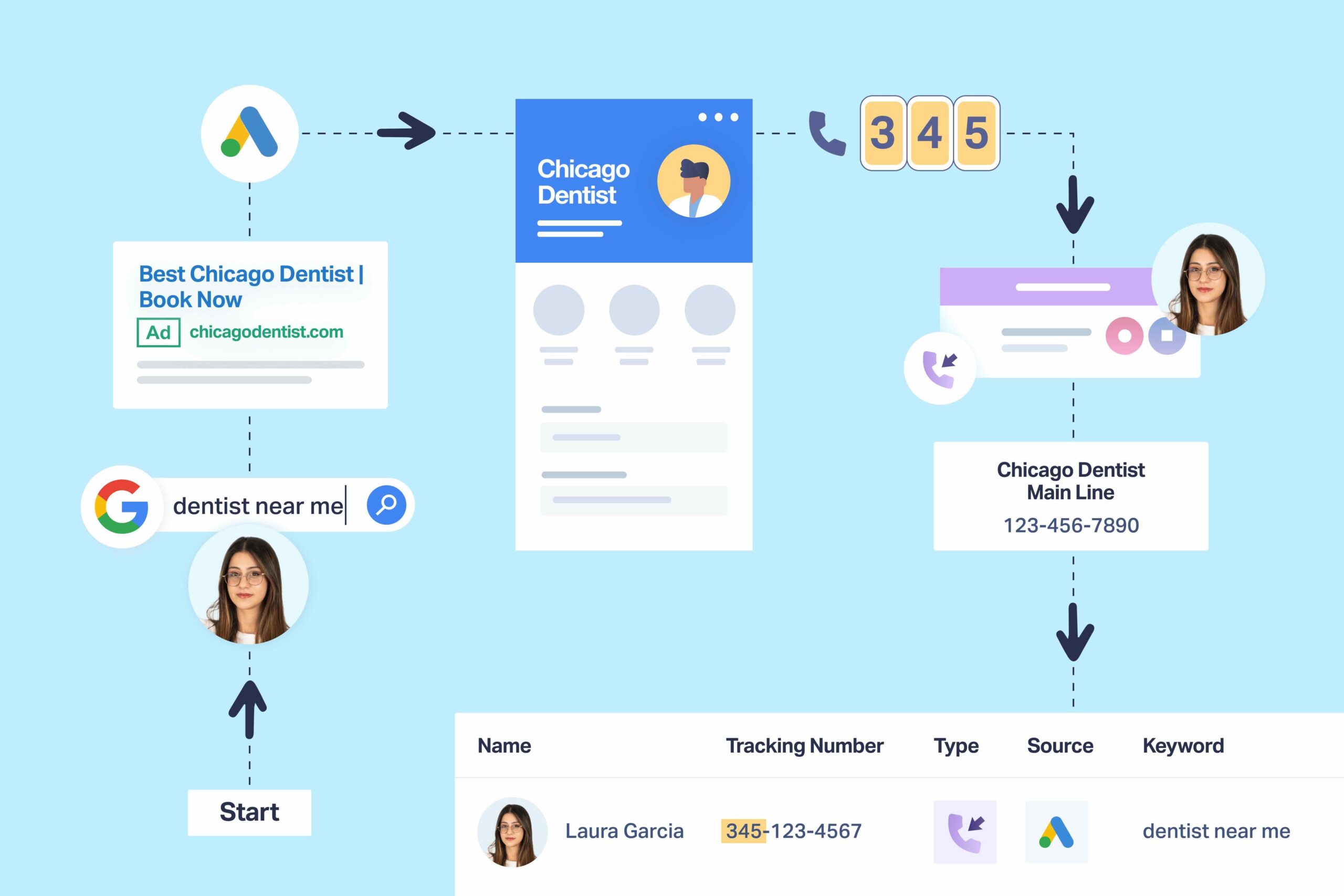
Google Ads operates on a pay-per-click (PPC) model, meaning dental practices pay only when users click on their ads. This model allows for precise budget control and the ability to track ad performance in real-time. To effectively leverage Google Ads, dental practices can utilize various ad formats, including:
- Search Ads: Text-based ads that appear at the top of search results when users search for dental-related keywords.
- Display Ads: Visual ads that appear on websites within Google’s Display Network, targeting users based on interests or demographics.
- Local Service Ads: Ads designed to connect local service providers, including dentists, with nearby customers, showcasing services and reviews.
Using Google Ads effectively requires understanding local SEO and keyword research. Dental practices should identify relevant keywords that potential patients are likely to search for, such as “family dentist near me” or “emergency dental care.” By optimizing ad campaigns around these keywords, practices can enhance visibility and attract targeted traffic. Additionally, incorporating location-based targeting can help practices reach patients in their immediate geographic area, further increasing the likelihood of conversions.
Expert insight: Regularly analyzing ad performance and adjusting keywords and budgets based on patient acquisition costs can help dental practices maximize their advertising ROI and ensure sustained growth. Investing in ad extensions, such as call buttons and location information, can also improve engagement rates and drive more patient inquiries.
How do I set up Google Ads for my dental practice?
To set up Google Ads for a dental practice, create a Google Ads account, define your campaign goals, and target local patients effectively. Approximately 60% of dental patients use online searches to find a provider, making this a crucial marketing strategy.
Follow these steps to establish your Google Ads account and campaigns:
- Create a Google Ads Account: Visit the Google Ads website and sign up using your Google account. Provide necessary information, including your business name and billing details.
- Select Your Campaign Type: Choose a campaign type that aligns with your goals. For dental practices, search ads are often most effective for targeting local patients actively seeking dental services.
- Define Your Campaign Goals: Determine what you want to achieve: increasing website visits, generating phone calls, or improving appointment bookings. This focus will guide your ad design and targeting strategy.
- Target Your Audience: Use location targeting to reach potential patients in your area. Set your geographic parameters to ensure your ads appear to users searching for dental services near your practice.
- Choose Keywords: Conduct keyword research to identify relevant terms potential patients may use. Focus on specific keywords like “family dentist in [your city]” to attract your target audience.
- Create Compelling Ads: Write clear, engaging ad copy that highlights your services and differentiators. Include a strong call to action, encouraging users to book an appointment or visit your website.
- Set Your Budget: Determine your daily or monthly budget for the campaign. Google Ads operates on a pay-per-click model, so you will only pay when someone clicks on your ad.
- Review and Launch: Double-check all settings, keywords, and ad copy before launching your campaign. Monitor performance closely after launch to make necessary adjustments.
Expert insight: Regularly analyze your campaign performance metrics and adjust keywords, ad copy, and budget allocations based on data. This iterative approach will enhance visibility and improve patient acquisition over time.
What is the average cost of Google Ads for dental practices?
The average cost per click (CPC) for Google Ads targeting dental practices typically ranges from $2 to $10. However, some competitive keywords may exceed this range, with costs reaching up to $15 or more in urban areas or for specialized services.
Several factors influence the cost of Google Ads for dental practices, primarily driven by competition and keyword selection. The dental industry is highly competitive, especially in populous locations. Practices targeting broad terms like “dentist near me” will often face higher CPC compared to niche services such as “pediatric dentist” or “cosmetic dentistry.” Additionally, the overall budget allocated to campaigns can significantly affect ad visibility and performance.
- Geographical location: Costs vary based on the area. Urban locations generally see higher CPC due to increased competition.
- Keyword competitiveness: Highly sought-after keywords command higher prices. Using long-tail keywords can reduce costs.
- Quality Score: Google evaluates ad relevance and landing page quality. A higher Quality Score can lower CPC.
For effective budgeting, practices should determine their monthly marketing budget and allocate a portion to Google Ads. Starting with a smaller budget allows for testing different keywords and ad copy. Adjustments can be made based on performance data.
Expert insight: Regularly monitoring and adjusting bids based on performance metrics can help dental practices optimize their ad spend and improve their return on investment.
How long does it take to see results from Google Ads for dental practices?
Typically, dental practices can expect to see initial results from Google Ads campaigns within 30 to 60 days. However, achieving optimal performance and consistent patient acquisition may take up to three to six months, depending on various factors.
Several factors influence the timeframe for seeing results. First, the quality of the ad campaign itself plays a critical role. Well-structured campaigns with targeted keywords, compelling ad copy, and effective landing pages tend to generate quicker results. Additionally, the competition level in the local market can impact how quickly a dental practice attracts new patients. In highly competitive areas, it may take longer to gain visibility and traction.
The budget allocated to Google Ads also significantly affects the timeline. Higher budgets can lead to increased ad impressions and clicks, resulting in faster patient inquiries. Conversely, a limited budget may slow down the data collection process needed to optimize the campaign. Furthermore, the ongoing analysis and adjustments made to the campaign based on performance metrics are essential. Regularly refining ad targeting, bidding strategies, and ad copy can accelerate the process of achieving desired results.
Expert insight: Consistent monitoring and optimization of Google Ads campaigns are crucial. Engaging a digital marketing expert can help dental practices maximize their return on investment and shorten the time to see significant results.
What are the best practices for Google Ads in dental marketing?
Effective Google Ads for dental practices require strategic planning and execution. By utilizing targeted keywords, optimizing ad copy, and leveraging local SEO, dental practices can significantly increase patient inquiries. In fact, practices that implement best practices can see a return on ad spend (ROAS) of up to 200% or more.
To maximize the effectiveness of Google Ads campaigns, consider the following best practices:
- Use Targeted Keywords: Focus on keywords that potential patients are likely to search for, such as “family dentist near me” or “emergency dental care.” Utilize keyword research tools to identify high-traffic and relevant terms.
- Optimize Ad Copy: Create compelling ad copy that highlights unique selling propositions, such as special promotions or advanced technology. Include a clear call to action (CTA) to encourage potential patients to click.
- Implement Location Targeting: Dental practices should target specific geographic areas to reach local patients. Use location settings to ensure ads are only shown to users within a certain radius of the practice.
- Utilize Ad Extensions: Take advantage of Google’s ad extensions, such as call extensions and location extensions. These features enhance visibility and provide potential patients with quick access to essential information.
- Regularly Monitor and Adjust Campaigns: Continuously analyze campaign performance metrics. Adjust bids, keywords, and ad copy based on what is working to improve overall effectiveness.
Expert insight: Regular A/B testing of ad variations can lead to significant improvements in click-through rates and conversions, ensuring that dental practices stay competitive in their local markets.
Can I combine Google Ads with SEO for my dental practice?
Yes, combining Google Ads with SEO can significantly enhance your dental practice’s marketing strategy. By leveraging both, practices can achieve immediate visibility through ads while also building long-term organic traffic through SEO. Research shows that businesses using both strategies can see up to 25% higher conversion rates.
Google Ads provides immediate results by placing your practice at the top of search results for targeted keywords. This approach allows you to reach potential patients actively searching for dental services. In contrast, SEO focuses on optimizing your website and content to rank organically in search results. While SEO can take several months to yield results, it can generate sustainable traffic over time without ongoing costs per click.
Here are the key differences between the two approaches:
- Cost: Google Ads involves a pay-per-click model, meaning you pay for each click your ad receives. SEO, however, incurs costs primarily through initial investments in content creation and website optimization, with ongoing costs typically lower.
- Timeframe: Google Ads deliver immediate results, while SEO requires time to build authority and improve rankings, often taking three to six months.
- Longevity: SEO provides lasting benefits as high-ranking pages can continue to attract traffic over time, whereas Google Ads cease to deliver visibility once the campaign ends.
Expert insight: A balanced approach leveraging both Google Ads and SEO allows dental practices to capture immediate leads while establishing a robust online presence for future growth. Regularly analyze performance metrics to optimize both channels effectively.
Advanced Targeting Techniques for Dental Ads
This section delves into advanced targeting techniques that enhance the effectiveness of Google Ads for dental practices, ensuring that marketing efforts reach the most relevant audience. By leveraging these strategies, dental practices can significantly improve patient acquisition and retention rates.

Location-Based Targeting
Location-based targeting is essential for dental practices aiming to attract local patients. This method allows practices to focus their ads on specific geographic areas, ensuring that potential patients in their vicinity see their services. For instance, practices can set targeting parameters based on zip codes, cities, or even radii around their office. In 2024, approximately 63% of patients reported searching for dental services within a 10-mile radius of their home, highlighting the importance of localized advertising.
Remarketing Strategies
Implementing remarketing strategies plays a vital role in re-engaging individuals who have previously interacted with a dental practice’s website. By displaying targeted ads to these users as they browse other sites, practices can remind potential patients of their services and encourage them to return. Remarketing can lead to a 10 times higher conversion rate compared to standard display ads, creating a more cost-effective advertising approach. This strategy is particularly beneficial for high-value services, such as cosmetic dentistry.
Audience Segmentation
Using audience segmentation enables dental practices to tailor their messaging to specific groups. Segmentation can be based on several factors, including age, gender, interests, and dental needs. For instance, a practice may create distinct ads for families seeking pediatric dental care versus adults looking for cosmetic treatments. This tailored approach can increase engagement rates, as individuals are more likely to respond to messages that resonate with their specific situation.
In-Market Audiences
Leveraging in-market audiences is another effective technique for enhancing conversion rates. Google Ads provides the ability to target users who are actively searching for dental services, indicating a higher intent to purchase. By focusing on these in-market segments, dental practices can optimize their ad spend and achieve better results. In 2025, research indicated that in-market audience targeting improved conversion rates by approximately 20% compared to broader targeting strategies.
Despite the advantages of these advanced targeting techniques, misconceptions exist. One common misunderstanding is that broader demographics are sufficient for effective advertising. However, granular targeting is more effective in reaching potential patients who are most likely to convert. Additionally, many practices overlook the importance of remarketing, assuming that a single ad exposure will suffice. In reality, repeated exposure significantly increases the likelihood of conversion.
To implement these strategies effectively, dental practices should:
- Set up location-based targeting in Google Ads to focus on local patient acquisition.
- Establish remarketing campaigns to re-engage visitors who previously interacted with their website.
- Segment audiences based on specific demographics and dental needs for tailored messaging.
- Utilize in-market audience targeting to reach users actively seeking dental services.
By applying these advanced targeting techniques, dental practices can enhance their Google Ads campaigns, ultimately leading to increased patient acquisition and improved overall marketing effectiveness.
Common Mistakes to Avoid in Dental Google Ads
Dental practices often encounter specific pitfalls in their Google Ads campaigns that can hinder their effectiveness and waste budget. Addressing these common mistakes is essential for maximizing return on investment and attracting new patients.

Ignoring Negative Keywords
One of the most detrimental mistakes dental practices make is neglecting to implement negative keywords. These keywords prevent ads from showing up for irrelevant search terms. For instance, a dental practice might inadvertently attract clicks from users searching for “free dental care” if negative keywords are not set. This can lead to wasted ad spend, as clicks from uninterested users do not convert into patients. According to recent data, campaigns that effectively utilize negative keywords can reduce wasted spend by up to 30%.
Failing to Track Conversions Effectively
Many dental practices overlook the importance of conversion tracking. Without monitoring conversions, practices cannot assess the effectiveness of their ads. This lack of insight can result in continued investment in underperforming campaigns. Implementing tracking tools such as Google Analytics and setting up goals for patient appointments is essential. In fact, practices that actively track conversions see a 25% higher return on ad spend compared to those that do not.
Not Optimizing Landing Pages
Landing pages play a crucial role in converting visitors into patients. Many dental practices link their ads to generic homepages rather than specific landing pages tailored to the ad content. This can lead to high bounce rates and low conversion rates. To maximize effectiveness, landing pages should be optimized for user experience, featuring clear calls-to-action, relevant information, and easy navigation. A well-optimized landing page can boost conversion rates by over 50%.
Overlooking Mobile Optimization
With over 60% of Google searches conducted on mobile devices, neglecting mobile optimization can severely limit a campaign’s reach. Ads that do not direct users to mobile-friendly websites risk losing potential patients who may struggle to navigate poorly designed pages. Implementing responsive design and ensuring fast load times are critical factors. Research indicates that mobile-optimized ads can enhance click-through rates by up to 20%.
Nuances of Google Ads for Dental Practices
Dental practices often assume that simply running ads on Google guarantees visibility and patient acquisition. However, the competitive landscape requires a nuanced approach. For example, practices in urban areas may face higher competition and thus must refine their targeting strategies more meticulously than those in rural regions. Additionally, many practices mistakenly believe that increasing ad spend will automatically lead to better results. In reality, optimizing ad copy, targeting, and landing pages often yields better returns than merely increasing budgets.
Practical Application
To avoid these common pitfalls, dental practices should take actionable steps, including:
- Conducting thorough keyword research and identifying negative keywords to refine targeting.
- Implementing conversion tracking and regularly analyzing performance data.
- Creating dedicated landing pages for each ad campaign to enhance user experience.
- Ensuring all ads and landing pages are mobile-optimized to capture the growing mobile audience.
By focusing on these strategies, dental practices can significantly improve the effectiveness of their Google Ads campaigns and boost their patient base.
Real-World Case Studies of Successful Dental Ad Campaigns
This section examines real-world examples of dental practices that have effectively utilized Google Ads to enhance patient acquisition and boost revenue. By analyzing these case studies, dental professionals can gain insights into successful strategies and common pitfalls to avoid.
Solo Practice Achieves 50% Increase in Patient Inquiries
A solo dental practice in Austin, Texas, implemented a targeted Google Ads campaign focusing on local keywords and specific services such as teeth whitening and emergency dental care. The practice allocated a budget of $1,500 per month, utilizing geo-targeting to reach potential patients within a 10-mile radius. Over a six-month period, the practice saw a remarkable 50% increase in patient inquiries, leading to a substantial rise in appointments and overall revenue.
Dental Chain Improves ROI Through Targeted Ads
A regional dental chain operating across multiple states adopted a comprehensive Google Ads strategy that segmented campaigns by service line, such as orthodontics, family dentistry, and cosmetic procedures. By analyzing performance metrics, the chain identified the most effective ad copy and keywords, resulting in a 30% improvement in ROI over the previous year. The chain’s strategic allocation of funds toward high-performing ads allowed them to optimize their budget effectively.
Cosmetic Dentist Leverages Google Ads for High-Value Procedures
A cosmetic dentist in Los Angeles utilized Google Ads specifically to promote high-value procedures like veneers and smile makeovers. The campaign featured visually striking ads with before-and-after images and compelling calls to action. Within three months, the dentist experienced a 40% increase in consultations for cosmetic services, significantly contributing to the practice’s profitability. This targeted approach highlighted the effectiveness of visual content in attracting high-value patients.
Lessons Learned from Failed Campaigns
Not all Google Ads campaigns yield positive results. One dental practice launched a broad campaign without specific targeting, resulting in wasted ad spend and low conversion rates. The key lessons from this failed campaign include:
- Define Your Target Audience: Clearly identify the demographics and needs of potential patients.
- Utilize Negative Keywords: Filter out irrelevant search terms to improve ad relevance.
- Monitor and Adjust: Regularly analyze performance data to refine ad strategies.
Nuanced Insights on Google Ads for Dental Practices
Many dental practices underestimate the importance of local SEO in conjunction with Google Ads. While ads can drive traffic, optimizing a practice’s website for local search terms enhances visibility. Additionally, misconceptions about Google Ads often lead practices to believe that a higher budget guarantees better results. In reality, well-structured campaigns focusing on specific services and patient needs can outperform those with a larger budget but poor targeting.
Practical Application of Insights
Dental practices looking to implement or improve their Google Ads campaigns should consider the following actionable steps:
- Identify key services to promote based on market demand.
- Develop targeted ad copy that resonates with your ideal patient demographic.
- Utilize geo-targeting to focus on local patients.
- Regularly analyze campaign performance and adjust strategies based on data insights.
By applying these strategies, dental practices can maximize the effectiveness of their Google Ads for dental practices and ultimately boost their patient base.
Integrating Google Ads with Local SEO for Maximum Impact
Combining Google Ads with local SEO strategies can significantly enhance a dental practice’s visibility in search results. This integrated approach not only attracts potential patients but also fosters a strong local presence.

The Role of Google My Business in Local Search
Google My Business (GMB) is a critical tool for dental practices aiming to improve local search visibility. By optimizing a GMB profile, practices can ensure that essential information—such as address, phone number, and operating hours—is accurate and readily accessible. A complete GMB listing can increase local search visibility by up to 70%, making it a cornerstone of any local SEO strategy.
Utilizing Local Keywords in Ad Copy
Incorporating local keywords into Google Ads ad copy enhances relevance and improves click-through rates. For instance, a dental practice in Austin should use phrases like “Austin family dentist” or “dentist near me in Austin.” This targeted approach not only increases the likelihood of appearing in relevant searches but also aligns the ad content with the searcher’s intent.
Strategies for Boosting Online Reviews
Online reviews play a significant role in attracting new patients. Positive reviews can enhance the credibility of a dental practice, leading to higher conversion rates from ads. Consider implementing the following strategies:
- Encourage satisfied patients to leave reviews on Google and other platforms.
- Respond to reviews, both positive and negative, to show engagement.
- Highlight reviews in ad copy when appropriate to build trust.
Aligning Ad Campaigns with Local Events and Promotions
Leveraging local events and promotions can amplify the effectiveness of Google Ads. For example, if a local health fair is taking place, creating targeted ads that offer free consultations or discounts can attract attendees. Additionally, aligning campaigns with seasonal promotions, such as back-to-school dental check-ups, can increase relevance and drive traffic during peak periods.
Nuance: The Interplay Between Ads and Organic Search
Many practices mistakenly believe that Google Ads alone can drive all necessary traffic. However, a successful strategy balances paid ads with organic search efforts. While Google Ads can deliver immediate visibility, organic search, bolstered by local SEO, builds long-term credibility and sustainability. For instance, practices that consistently produce quality content for their websites alongside Google Ads can experience a 25% increase in organic traffic over two years, according to recent industry studies.
Practical Application: Action Steps for Dental Practices
To effectively integrate Google Ads with local SEO, dental practices should:
- Set up and optimize their Google My Business profile.
- Conduct keyword research to identify local search terms and incorporate them into ad copy.
- Develop a strategy for encouraging and managing online reviews.
- Plan ad campaigns around local events and seasonal promotions for maximum engagement.
By implementing these strategies, dental practices can significantly enhance their online visibility and attract new patients through a well-rounded digital marketing approach.
Evaluating the Best Google Ads For Dental Practices
With the dental marketing technology market projected to reach $4.7 billion by 2026, comparing various advertising options is crucial for dental practices aiming to maximize their online presence. Evaluating providers based on campaign management capabilities, pricing structures, and unique features can significantly impact the effectiveness of advertising efforts. Understanding these differences helps practices make informed decisions tailored to their specific needs.
| Provider / Option | Best For | Pricing | Key Feature |
|---|---|---|---|
| Google Ads | Comprehensive campaign management | Pay-per-click, average $1-$2 per click | Extensive reach and targeting options |
| AdEspresso | Simplified ad management | Starts at $49/month | User-friendly interface for ad creation |
| WordStream | Optimizing ad performance | Starts at $264/month | Automated suggestions for improvement |
| SEMrush | Competitive analysis | Starts at $119.95/month | Keyword research tools for better targeting |
| HubSpot Ads | Integrated marketing solutions | Starts at $50/month | Seamless integration with HubSpot CRM |
| Facebook Ads Manager | Social media targeting | Pay-per-click, average $0.50-$2 per click | Targeting based on user interests |
Criteria for Evaluating Program Quality
Campaign Management: Assess how well the provider manages ad campaigns, including features for tracking performance and optimizing ads. Comprehensive management can lead to better ROI for dental practices.
Pricing Structure: Evaluate the pricing models offered by each provider. Understanding the cost per click or monthly fees helps dental practices budget effectively, ensuring they get the most value out of their advertising spend.
Unique Features: Consider the key features that differentiate each provider. Features such as automated suggestions and keyword research tools can significantly enhance ad effectiveness and targeting precision.
User Experience: Look for user-friendly interfaces and support resources. An intuitive platform can reduce the learning curve, enabling dental practices to launch and manage ads more efficiently.
How to Assess the Reputation and Reliability of Providers
- Research Online Reviews: Look for customer testimonials and ratings on platforms like Google Reviews and Trustpilot to gauge overall satisfaction with the provider.
- Check Case Studies: Examine case studies or success stories to understand how the provider has helped similar businesses achieve their advertising goals.
- Evaluate Customer Support: Contact the provider’s customer support to assess responsiveness and the quality of assistance offered before making a commitment.
- Request a Demo: Ask for a demonstration of the platform to evaluate its features and usability in real-time, ensuring it meets your practice’s needs.
- Compare with Competitors: Cross-reference offerings with other providers to ensure you are selecting the best fit for your specific advertising objectives.
Which Google Ads For Dental Practices Is Right for You?
Choosing the right Google Ads strategy for a dental practice hinges on specific business needs, budget constraints, and overall goals. This guide will help you identify the most effective approach tailored to your practice type, ensuring optimal results from your advertising efforts.
Solo dental practices
For solo practitioners, Google Ads is an excellent tool to quickly establish a local presence. Focus on local search campaigns with a budget of $500 to $1,500 per month to effectively attract nearby patients. Utilize location targeting and specific keywords that reflect your services, such as “family dentist near me” or “emergency dental care.”
Dental chains
Dental chains can benefit from using WordStream to manage multiple locations efficiently. This platform allows for streamlined campaign management and optimization of ad spend across various branches. Expect to allocate around $2,000 to $5,000 per month, depending on the number of locations and targeted regions.
New dental startups
New dental startups should consider AdEspresso, which enables the creation of effective ads without requiring extensive experience. With a budget of approximately $300 to $800 monthly, startups can utilize its user-friendly interface to test different ad formats and track performance metrics, ensuring a strong entry into the market.
Established practices
Established practices looking to refine their strategies should turn to SEMrush. This powerful tool offers competitive analysis and keyword research capabilities, making it easier to identify gaps in the market. A budget of $150 to $400 per month is recommended for accessing advanced features and maximizing ad performance.
Practices focusing on cosmetic dentistry
For practices specializing in cosmetic dentistry, Facebook Ads Manager is an invaluable resource for targeting specific demographics interested in cosmetic services. With a budget of $500 to $1,200 monthly, practices can create visually appealing ads that resonate with potential clients, driving engagement and conversions.
| If You Are… | Best Approach |
|---|---|
| Solo dental practices | Google Ads for local search campaigns ($500-$1,500/month) |
| Dental chains | WordStream for multi-location management ($2,000-$5,000/month) |
| New dental startups | AdEspresso for user-friendly ad creation ($300-$800/month) |
| Established practices | SEMrush for competitive analysis ($150-$400/month) |
| Practices focusing on cosmetic dentistry | Facebook Ads Manager for targeted campaigns ($500-$1,200/month) |
Local Insights for Google Ads Targeting Dental Practices
Understanding geographic and local market factors is crucial for dental practices looking to maximize their Google Ads effectiveness. With 46% of all Google searches seeking local information, tailoring ad campaigns to local audiences can significantly enhance visibility and patient acquisition.
Geographic Market Differences
In densely populated urban areas like New York City or Los Angeles, dental practices face intense competition, necessitating a focus on unique selling propositions and localized keywords. Conversely, in smaller towns, practices may find more success with broader keywords due to less competition. For example, a dental practice in a city might need to bid higher on keywords like “emergency dentist” compared to a practice in a rural area where such services are less saturated.
Local Business Applications
Local dental practices can leverage Google Ads in several impactful ways:
- Targeting specific neighborhoods with tailored messaging, such as “family-friendly dentist in [neighborhood].”
- Promoting limited-time offers or discounts that encourage local traffic, like “$99 new patient special.”
- Utilizing location-based extensions to provide immediate contact options and directions, enhancing foot traffic.
- Highlighting patient reviews and testimonials in ads to build trust within the local community.
Local Search and Visibility Impact
Effective use of Google Ads can improve local search rankings and enhance visibility on Google Business Profile. To capitalize on this, dental practices should:
- Optimize their Google Business Profile with accurate hours, services, and high-quality images.
- Incorporate local keywords into ad campaigns that align with their Google Business Profile.
- Encourage satisfied patients to leave reviews, which can improve both local SEO and ad quality scores.
- Utilize location targeting in Google Ads to focus on specific zip codes or regions to reach potential patients effectively.
- Monitor ad performance metrics to adjust bids and budgets based on local demand trends.
Pricing and Cost in Local Markets
Costs for Google Ads can vary significantly based on geographic location. In competitive markets like San Francisco, dental practices may experience average CPCs (cost-per-click) ranging from $4 to $8, while in less competitive areas, costs might drop to $2 to $4. Local practices should budget approximately $500 to $1,500 per month for effective campaigns, compared to national players who may spend upwards of $5,000 monthly.
Local Implementation Checklist:
- Conduct keyword research specific to your local area.
- Set up and optimize your Google Business Profile.
- Create targeted ads highlighting local offers and services.
- Implement location extensions in ads for easier navigation.
- Encourage and manage patient reviews actively.
- Regularly analyze ad performance and adjust strategies accordingly.
- Stay updated on local market trends and adjust your budget as needed.
For dental clinics looking to generate local leads through Google Ads or Local SEO, GMB Ranger LLC offers hands-on campaign management. Specialist Md Tangeer Mehedi personally handles campaign setup and ongoing optimization — with no payment required until the first lead comes in.
Frequently Asked Questions
What are Google Ads for dental practices?
Google Ads for dental practices are online advertising campaigns that allow dental professionals to promote their services on Google’s search results and display network. These ads help attract potential patients actively searching for dental services in their area.
How do I set up Google Ads for my dental practice?
To set up Google Ads for a dental practice, create a Google Ads account and define your campaign goals. Next, choose relevant keywords, create engaging ad copy, and set your budget to start reaching potential patients.
What is the average cost of Google Ads for dental practices?
The average cost of Google Ads for dental practices varies widely but typically ranges from $1 to $10 per click, depending on competition and location. Monthly budgets can range from a few hundred to several thousand dollars based on marketing goals.
How long does it take to see results from Google Ads for dental practices?
Results from Google Ads can often be seen within a few days to a couple of weeks after launching a campaign. However, optimizing the campaign for maximum effectiveness may take additional time.
What are the best practices for Google Ads in dental marketing?
Best practices for Google Ads in dental marketing include targeting specific keywords, using location-based targeting, and creating compelling ad copy that highlights unique services. Regularly monitoring and adjusting campaigns based on performance data is also crucial for success.
Can I combine Google Ads with SEO for my dental practice?
Yes, combining Google Ads with SEO is an effective strategy for dental practices. While Google Ads provides immediate visibility, SEO builds long-term organic traffic, enhancing overall online presence and patient acquisition.
Final Thoughts on Google Ads for Dental Practices
Implementing Google Ads effectively can significantly enhance a dental practice’s visibility and patient acquisition, transforming marketing strategies into tangible results. The key lies in leveraging advanced targeting techniques while avoiding common pitfalls to maximize return on investment.
To capitalize on these insights, dental practices should initiate a targeted Google Ads campaign focusing on specific demographics and geographical areas, ensuring ads resonate with potential patients seeking dental services.
Ready to take your dental practice to new heights? Consider partnering with a google ads management agency to effectively boost your patient base today!
Harnessing the power of Google Ads is not merely an option; it is essential for dental practices aiming to thrive in a competitive landscape.
Leave a Reply