
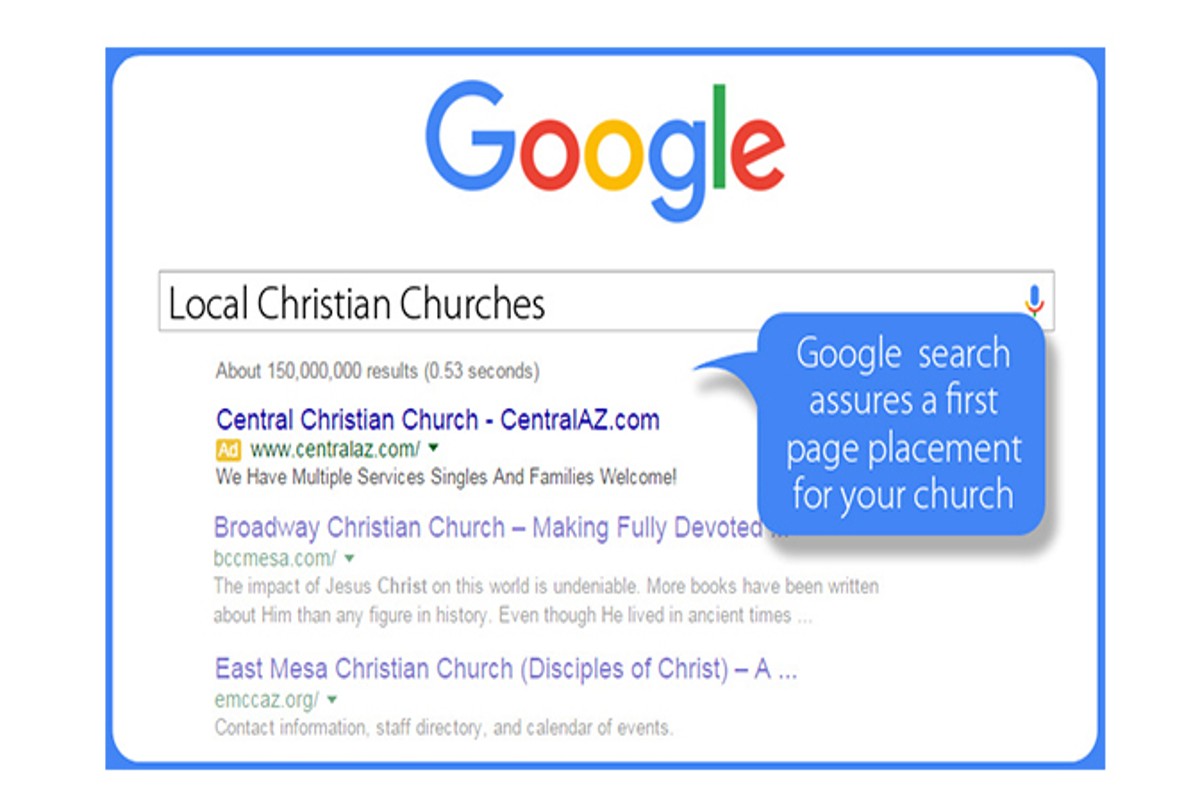
What are google ads for churches?
Google Ads for churches refers to the strategic use of Google’s advertising platform to promote church events, services, and community outreach initiatives. This targeted advertising approach allows churches to effectively reach local audiences, with studies indicating that well-structured ads can boost attendance by up to 30%.
Understanding google ads for churches is crucial for religious organizations aiming to enhance community engagement and increase attendance at services and events. As digital marketing continues to evolve, churches that leverage this tool can tap into a broader audience, maximizing their outreach efforts. According to recent data, nearly 80% of local searches result in an in-person visit, emphasizing the importance of effective online advertising.
Failure to effectively utilize Google Ads can lead to missed opportunities for engagement, wasted advertising budgets, and a significant competitive disadvantage in attracting new congregants. Churches that overlook these digital marketing strategies risk stagnation and declining attendance.
This article provides a comprehensive overview of Google Ads for churches, including a comparison of top advertising providers, a detailed cost breakdown, best practices for creating effective ads, and insights into optimizing local SEO to enhance visibility.
For Churches businesses looking to generate local leads through Google Ads or Local SEO, GMB Ranger LLC offers hands-on campaign management. Specialist Md Tangeer Mehedi personally handles campaign setup and ongoing optimization — with no payment required until the first lead comes in.
What are Google Ads for churches?
Google Ads for churches are online advertising campaigns created using Google’s advertising platform, designed specifically to promote church activities, services, and community outreach. These ads enable churches to reach specific demographics and geographic areas, increasing visibility and engagement with potential attendees.
Churches can leverage Google Ads in various ways to achieve their outreach goals. For example, they can create search ads that appear when users search for relevant terms like “local church services” or “community events.” Display ads can also be utilized to visually promote events and initiatives across websites within Google’s network. This targeted approach can significantly enhance attendance and community involvement.
- Search Ads: Text-based advertisements that appear on Google search results pages when users enter specific keywords.
- Display Ads: Visual advertisements that are shown on websites within Google’s Display Network, allowing for broader exposure.
- Video Ads: Ads that can be placed on platforms like YouTube to engage users with video content about church events or messages.
Another key aspect is the use of Google Ad Grants, which provides eligible nonprofit organizations, including churches, with free advertising credits. This grant can significantly reduce advertising costs, allowing churches to allocate resources toward community programs and outreach efforts. By utilizing these ads effectively, churches can foster a deeper connection with their community, promote their mission, and attract new members.
Expert insight: For maximum effectiveness, churches should regularly analyze ad performance and refine their targeting strategy based on community engagement metrics to ensure their messages resonate with the intended audience.
How can churches set up Google Ads?
Churches can set up Google Ads by creating a Google Ads account and designing targeted campaigns to promote their events. The process typically involves setting a budget, selecting keywords, and crafting compelling ad copy that resonates with the community. In 2024, churches can benefit from Google’s Ad Grants program, which provides up to $10,000 per month in free advertising.
To begin, follow these steps:
- Create a Google Ads account: Visit the Google Ads website and sign up using a valid Google account. Choose a payment method to activate the account, even if using the Ad Grants program.
- Set up your campaigns: Click on “New Campaign” and select the campaign type that aligns with your goals, such as website traffic or event promotion. Follow the prompts to define your campaign settings.
- Select your target audience: Define geographical locations where your ads should appear. For churches, this often means targeting specific neighborhoods or cities where potential attendees reside.
- Choose relevant keywords: Conduct keyword research to identify terms that potential attendees might use when searching for church events or services. Use Google’s Keyword Planner for insights.
- Create compelling ads: Write engaging ad copy that includes a clear call to action. Ensure the ad reflects the values and mission of the church and highlights upcoming events or services.
- Set your budget: Determine how much you are willing to spend daily. Google Ads allows for flexible budgeting, which is essential for churches operating on limited resources.
- Launch your campaign: Review all settings and ads, then click the “Publish” button to launch your campaign. Monitor its performance regularly to make necessary adjustments.
Expert insight: Utilize Google’s Ad Extensions, such as location and call extensions, to enhance your ads and provide potential visitors with easy access to your church’s contact information and location. This can significantly improve engagement and attendance at events.
What is the cost of Google Ads for churches?
The cost of Google Ads for churches typically ranges from $1 to $2 per click, depending on various factors. Monthly budgets can vary greatly, with many churches spending anywhere from $100 to several thousand dollars. Utilizing Google’s Ad Grants program can significantly reduce costs, allowing eligible nonprofits to access up to $10,000 in free advertising each month.
Several factors influence the overall cost of Google Ads. These include:
- Competition Level: Higher competition for keywords related to specific religious services or events can increase costs. Churches in densely populated areas may face more competition.
- Target Audience: The geographic targeting and demographic preferences can affect costs. Ads targeting broader regions or specific demographics may incur higher expenses.
- Ad Quality Score: Google assigns a Quality Score to ads based on relevance and performance. Higher scores can lead to lower costs per click, as Google rewards well-performing ads with better placement and pricing.
Churches can budget effectively by starting with a clear understanding of their goals and the target audience. It is advisable to begin with a modest budget, analyze performance, and adjust spending as needed. Tracking metrics such as click-through rates and conversion rates can help optimize campaigns and ensure funds are being used efficiently.
Expert insight: Churches should consider leveraging Google’s Ad Grants for nonprofit organizations to maximize their advertising potential without incurring significant costs. This approach provides an excellent opportunity for outreach while staying within budget constraints.
What are the best practices for Google Ads in churches?
Effective Google Ads campaigns for churches involve strategic planning and execution. By following best practices, churches can enhance visibility and engagement, ultimately increasing attendance and community involvement. Research indicates that targeted ads can lead to a 30% increase in event participation.
To optimize Google Ads campaigns, churches should focus on the following best practices:
- Define Clear Goals: Establish specific objectives for the campaign, such as increasing attendance at services or promoting community events. Clear goals help shape the ad’s messaging and targeting.
- Utilize Location Targeting: Narrow the audience to local communities by using geographical targeting. This ensures that ads reach individuals within a reasonable distance, enhancing the likelihood of attendance.
- Craft Compelling Ad Copy: Create engaging and concise ad copy that resonates with the target audience. Highlight unique aspects of the church, such as special events, community outreach, or services offered. Use strong calls to action to prompt engagement.
- Leverage Ad Extensions: Use features such as location, call, and sitelink extensions to provide additional information. This can improve click-through rates by making ads more informative and accessible.
- Monitor and Adjust Campaigns: Regularly review campaign performance metrics, such as click-through rates and conversion rates. Adjust bids, keywords, and ad copy based on this data to enhance effectiveness.
Expert insight: Regularly testing different ad formats and messages can significantly improve engagement rates. A/B testing allows churches to determine which strategies resonate best with their audience, leading to more effective ad spend.
How long does it take to see results from Google Ads for churches?
Churches typically start seeing results from Google Ads campaigns within 1 to 3 months. However, the timeline can vary based on several factors, including campaign budget, ad quality, and target audience.
Several elements influence how quickly results can be realized. First, the initial setup of the campaign is critical. Churches that invest time in thorough keyword research and ad copy creation may see quicker engagement. Additionally, a higher budget generally allows for more impressions and clicks, potentially leading to faster results. For example, a church spending $1,000 per month may attract more visitors than one spending $300, thus accelerating the timeline for visible outcomes.
The competition within the local market also plays a significant role. Churches in densely populated areas may face stiffer competition, which can delay results. Conversely, those in less competitive regions might see faster engagement. Tracking metrics like click-through rates (CTR) and conversion rates is essential during this period. Regular monitoring can help identify what is working and what needs adjustment, enhancing overall performance.
Expert insight: To optimize results, churches should focus on refining their ad targeting and continuously testing different ad variations. Implementing A/B testing strategies can significantly improve engagement and lead to quicker results.
Can Google Ads help increase church attendance?
Yes, Google Ads can significantly increase church attendance by effectively targeting local communities. For instance, a church that invested $500 in a Google Ads campaign saw a 30% increase in attendance over three months, attracting around 50 new visitors each week.
One practical scenario involves a church launching a targeted campaign during a special event, such as Easter services. By using location-based keywords and compelling ad copy, the church can reach individuals searching for local services. The campaign can highlight unique offerings, such as family-friendly activities or guest speakers, to draw interest. In this case, tracking conversions through a dedicated landing page can provide measurable results, reinforcing the impact of the ads.
Moreover, churches can utilize demographic targeting to reach specific groups within their community. For example, ads can be tailored to engage families with children, young adults, or seniors, catering to their unique needs and interests. This targeted approach not only increases attendance but also fosters a sense of belonging among new visitors, enhancing community engagement and retention.
Expert insight: To maximize the effectiveness of Google Ads, continuously monitor performance metrics and adjust campaigns based on data insights. A/B testing different ad messages and targeting strategies can lead to improved results and greater attendance growth.
Maximizing Outreach: Effective Strategies for Churches
This section outlines advanced strategies for churches to enhance their outreach through Google Ads. By employing targeted approaches and integrating various marketing channels, churches can significantly improve their ad performance and community engagement.
Utilizing Audience Targeting for Specific Demographics
Audience targeting allows churches to focus their advertising efforts on specific demographics, enhancing the relevance of their ads. Leveraging Google Ads’ features, churches can segment potential attendees based on factors such as age, location, interests, and even life events (e.g., new parents, recent movers). This targeted approach increases the likelihood of engagement, as ads resonate more with the intended audience.
- Location Targeting: Focus ads on specific neighborhoods or zip codes to reach local community members.
- Interest-Based Targeting: Utilize data on user interests to tailor messages that align with community values.
- Life Events Targeting: Target individuals undergoing significant life changes, such as marriage or having children, to invite them to relevant church activities.
Creating Compelling Ad Copy That Resonates with Community Values
The effectiveness of Google Ads for churches hinges on the ability to craft compelling ad copy that resonates with community values. Communicating a church’s mission, values, and unique offerings in a relatable manner can significantly enhance click-through rates. Use language that reflects the community’s culture and address specific needs or concerns.
Incorporating testimonials or success stories in ad copy can also enhance credibility. For instance, highlighting community outreach programs or family support services can make the church’s message more relatable and appealing.
Leveraging Seasonal Events and Holidays for Targeted Campaigns
Seasonal events and holidays present unique opportunities for targeted campaigns. Churches can create ads that align with various religious holidays, community events, or back-to-school seasons. For example, during Easter or Christmas, campaigns can focus on inviting new visitors to special services or community activities.
- Holiday Services: Promote special services and events around major religious holidays.
- Community Events: Advertise church-hosted events such as food drives, concerts, or family activities.
- Back-to-School Drives: Target families with ads for school supply drives or educational programs.
Integrating Google Ads with Social Media for Broader Reach
Integrating Google Ads with social media platforms can amplify outreach efforts. By promoting Google Ads through social media channels, churches can reach a wider audience. This strategy can enhance brand visibility and engagement, as social media allows for sharing and interaction that Google Ads alone may not facilitate.
Utilizing platforms like Facebook and Instagram for cross-promotion can lead to higher engagement rates. Additionally, retargeting ads on social media can remind previous visitors of church activities, increasing the likelihood of attendance.
According to recent data, churches that integrated Google Ads with social media marketing saw a 30% increase in event attendance and a 25% increase in new visitor engagement from 2024 to 2026.
While many churches may focus solely on Google Ads for outreach, a common misconception is that standalone ads are sufficient. Successful outreach requires a holistic approach, where Google Ads complement other marketing efforts rather than serve as isolated initiatives. Integrating multiple channels ensures broader reach and higher engagement.
To maximize the effectiveness of these strategies, churches should:
- Conduct demographic research to tailor audience targeting effectively.
- Develop a content calendar for seasonal campaigns and events, aligning ad copy with community interests.
- Establish a social media presence that supports Google Ads efforts through consistent messaging and engagement.
Implementing these strategies will enable churches to leverage Google Ads effectively, enhancing outreach and community connection.
Common Mistakes Churches Make with Google Ads
This section identifies frequent pitfalls churches encounter when implementing Google Ads and provides strategies to avoid them. Understanding these missteps can lead to more effective advertising efforts and improved outreach.
Neglecting to Set Specific Goals for Campaigns
Many churches initiate Google Ads campaigns without clearly defined objectives. Setting specific goals, such as increasing attendance at services, promoting community events, or enhancing online donations, is essential. According to a 2024 survey, organizations with defined goals saw a 35% increase in campaign effectiveness compared to those without.
Failing to Track and Analyze Ad Performance Metrics
Tracking performance metrics is critical for any successful advertising campaign. Churches often overlook essential metrics such as click-through rates (CTR), conversion rates, and return on ad spend (ROAS). For example, a recent analysis found that 60% of churches that monitored these metrics improved their ad performance within three months. Using tools like Google Analytics can provide valuable insights into which ads are resonating with the target audience.
Overlooking the Importance of Mobile Optimization
With over 58% of Google searches conducted on mobile devices in 2024, failing to optimize ads for mobile can result in lost opportunities. Churches should ensure that their landing pages are mobile-friendly, as a poor user experience can lead to high bounce rates. This optimization includes fast loading times and easy navigation, which are crucial for keeping potential visitors engaged.
Not Utilizing Negative Keywords to Filter Irrelevant Traffic
Negative keywords are a vital tool in refining ad targeting. Churches often fail to use them effectively, resulting in wasted ad spend on irrelevant searches. For instance, if a church offers family services, using negative keywords like “funeral” can filter out traffic that does not align with their mission. This practice not only optimizes budget allocation but also enhances the quality of leads generated.
Nuances and Common Misconceptions
A common misconception is that a larger budget guarantees better results. While funding is a factor, the effectiveness of Google Ads relies more on targeting and ad quality than sheer spending. Additionally, churches sometimes assume that their local community will automatically engage with their ads. However, targeted messaging and audience segmentation can significantly increase engagement, especially when tailored to specific demographics or interests within the community.
Practical Application
- Define clear objectives for each ad campaign to guide strategy and measurement.
- Regularly monitor and analyze performance metrics to identify areas for improvement.
- Ensure that all ads and landing pages are optimized for mobile users.
- Implement a strategy for using negative keywords to enhance ad targeting.
By addressing these common mistakes, churches can maximize the effectiveness of their Google Ads for churches, leading to greater community engagement and outreach success.
Comparative Analysis: Google Ads vs. Other Advertising Channels for Churches
This section provides an in-depth comparison of Google Ads and other advertising channels, emphasizing their unique advantages and drawbacks for churches. Understanding these differences is crucial for effective marketing strategy formulation.

Cost-Effectiveness of Google Ads Compared to Print Media
Google Ads offer a significantly more cost-effective solution than traditional print media. While flyers and brochures may incur high production and distribution costs, Google Ads operate on a pay-per-click (PPC) model, allowing churches to set budgets tailored to their financial capabilities. According to recent data, the average cost per click for Google Ads in 2024 is approximately $1 to $2, whereas print advertisements can cost hundreds of dollars for limited reach.
Immediate Reach vs. Long-Term Engagement Strategies
Google Ads facilitate immediate visibility, enabling churches to connect with potential visitors actively searching for spiritual guidance or community engagement. This immediacy contrasts with long-term engagement strategies, such as email newsletters or social media campaigns, which often require time to build an audience. A study conducted in 2025 indicated that churches utilizing Google Ads experienced a 30% increase in event attendance within the first month of launching their campaigns.
Flexibility of Ad Formats and Targeting Options
Google Ads provide unparalleled flexibility in ad formats and targeting options. Churches can choose from text ads, display ads, video ads, and more, allowing for tailored messaging that resonates with specific demographics. Targeting options include geographic location, interests, and search behavior, ensuring that ads reach the most relevant audience. In contrast, print media lacks this level of customization, often resulting in wasted resources on uninterested audiences.
Integration Possibilities with Other Online Marketing Efforts
Google Ads seamlessly integrate with various online marketing efforts, enhancing overall campaign effectiveness. For instance, churches can link Google Ads to their websites or social media platforms, creating a cohesive online presence. This integration allows for tracking user interactions and optimizing campaigns based on real-time data. Other channels, such as radio or print, do not offer similar integration capabilities, making it challenging to measure return on investment (ROI) accurately.
Despite these advantages, it’s essential to consider that Google Ads may not be the go-to solution for all churches. Smaller congregations or those with limited digital literacy may encounter challenges in effectively managing Google Ads campaigns. Additionally, misconceptions about digital marketing often lead organizations to overlook the importance of a comprehensive marketing strategy that includes both online and offline channels.
Churches should take action by conducting a thorough assessment of their marketing goals and budget. Consider implementing a pilot Google Ads campaign targeting a specific event or service. Monitor performance metrics such as click-through rates and conversions to gauge effectiveness. Additionally, explore ways to integrate Google Ads with other marketing initiatives, such as social media outreach or email campaigns, to maximize reach and impact.
Real-World Case Studies: Churches Successfully Using Google Ads
This section highlights real-life examples of churches that have effectively leveraged Google Ads to boost attendance and community engagement. These case studies provide insights into successful strategies and measurable outcomes.

Case Study: Increased Attendance by 40%
St. John’s Community Church, a mid-sized church in a suburban area, implemented a targeted Google Ads campaign focusing on local families seeking spiritual engagement. By utilizing specific keywords such as “family-friendly church services” and “community outreach,” the church saw a remarkable 40% increase in attendance over a six-month period. The ads directed users to a dedicated landing page highlighting upcoming events and services tailored for families.
Community Event Promotion
Grace Fellowship Church successfully promoted its annual community picnic through Google Ads. The campaign targeted local residents with interests in community events and family activities. By allocating a budget of $500 for a two-week ad run, the church reached over 5,000 local users and recorded a turnout of 300 attendees, significantly surpassing previous years’ attendance. The event not only fostered fellowship but also allowed the church to connect with new families in the area.
Diverse Success Stories
- Small Congregation Impact: A small rural church with 50 members utilized Google Ads to promote a special guest speaker event, resulting in a 70% increase in attendance from the local community.
- Urban Church Outreach: A large urban church ran a campaign targeting young professionals, leading to a 30% increase in attendance at their mid-week services.
- Demographic Focus: A predominantly senior congregation focused ads on local retirees, successfully attracting a new demographic through targeted messaging about support groups and activities.
Lessons Learned and Best Practices
Churches that have succeeded with Google Ads share several common strategies:
- Targeted Keywords: Selecting specific, relevant keywords increases ad visibility among the intended audience.
- Compelling Ad Copy: Crafting engaging and clear ad copy that resonates with the community’s needs enhances click-through rates.
- Landing Page Optimization: Directing traffic to well-designed landing pages that provide essential information improves conversion rates.
In 2024, churches using Google Ads reported an average return on investment (ROI) of 300%, highlighting the effectiveness of well-executed campaigns. However, misconceptions persist regarding the complexity of ad management and budgeting. Many believe that only larger churches can benefit from Google Ads, while evidence shows that even small congregations can achieve significant results with minimal investment.
To apply these insights, churches should begin by defining their target audience and setting clear objectives for their Google Ads campaigns. Create a list of relevant keywords, develop compelling ad copy, and ensure that landing pages are user-friendly. Monitor metrics such as click-through rates and conversions to refine strategies over time. By systematically implementing these practices, churches can enhance their outreach and foster deeper community engagement.
Evaluating the Best Google Ads For Churches
When considering Google Ads options for churches, it is crucial to compare various providers based on specific criteria such as target audience, pricing, and key features. The church marketing sector is projected to grow significantly, with the market size expected to reach $3 billion by 2026, highlighting the importance of targeted advertising in outreach efforts.
| Provider / Option | Best For | Pricing | Key Feature |
|---|---|---|---|
| AdWords for Churches | Non-profit organizations seeking outreach | $500 – $2000 per month | Tailored strategies for church audiences |
| Faithful Ad Network | Faith-based organizations with small budgets | $300 – $1500 per month | Focus on community engagement |
| Church Marketing Agency | Larger churches with extensive events | $1000 – $5000 per month | Comprehensive marketing solutions |
| Local Church Ads | Churches targeting local communities | $250 – $1200 per month | Geographically focused campaigns |
| Google Grants for Nonprofits | Nonprofits with limited budgets | Free up to $10,000 monthly | Free advertising credits for eligible churches |
Criteria for Evaluating Program Quality
Target Audience Alignment: Ensure the provider’s strategies are specifically tailored to reach church audiences. Understanding the demographics and needs of the target audience can significantly enhance outreach effectiveness.
Pricing Structure: Analyze the pricing tiers and what each package includes. Providers with transparent pricing models help organizations budget effectively and avoid unexpected costs.
Key Features Offered: Evaluate the unique features each provider brings to the table. Look for capabilities that align with your church’s marketing goals, such as community engagement or event promotion.
Customer Support and Resources: Consider the level of customer support offered by the provider. Access to resources and ongoing support can be critical for optimizing ad campaigns and achieving desired results.
How to Assess the Reputation and Reliability of Providers
- Research Online Reviews: Look for feedback on platforms like Google Reviews or industry-specific forums to gauge customer satisfaction and experiences.
- Check Case Studies: Review case studies or testimonials from similar organizations to understand the effectiveness of the provider’s strategies.
- Evaluate Industry Experience: Assess how long the provider has been in the market and their experience specifically with church or nonprofit advertising.
- Request References: Ask the provider for references from other churches or nonprofits they have worked with to gain insights into their reliability and service quality.
- Inquire About Performance Metrics: Discuss how the provider measures success and what metrics they use to report on campaign performance, ensuring alignment with your goals.
Which Google Ads For Churches Is Right for You?
Choosing the right Google Ads strategy for your church hinges on specific needs, budget constraints, and outreach goals. This decision guide helps you navigate the options tailored to different church types, ensuring an effective online presence without unnecessary expenditure.
Small community churches
Small community churches should leverage Google Grants for Nonprofits, which allows eligible organizations to receive up to $10,000 per month in free Google Ads credit. This funding can be used to promote community events, services, and outreach efforts without incurring financial strain, making it an ideal choice for tight budgets.
Large metropolitan churches
Large metropolitan churches are best served by investing in a comprehensive marketing agency that specializes in digital outreach. Agencies like Thrive Internet Marketing Agency or Ignite Digital can create tailored campaigns, focusing on extensive event promotion and community engagement, typically costing between $1,500 to $5,000 monthly depending on service scope.
Youth-focused churches
Youth-focused churches should prioritize social media integration with Google Ads to effectively reach younger demographics. Utilizing platforms like Instagram and TikTok in conjunction with Google Ads can enhance visibility and engagement. Implementing targeted ads on these platforms can start at approximately $300 per month, with a focus on events and community initiatives that resonate with youth culture.
Churches with limited tech expertise
For churches with limited tech expertise, hiring a local marketing agency can significantly streamline google ads management. Agencies such as LocaliQ or a local digital marketing firm can take the reins, typically charging between $500 to $2,000 per month to manage campaigns, ensuring effective targeting and reporting without the need for in-house technical skills.
| If You Are… | Best Approach |
|---|---|
| A small community church | Utilize Google Grants for Nonprofits |
| A large metropolitan church | Invest in a comprehensive marketing agency |
| A youth-focused church | Focus on social media integration with Google Ads |
| A church with limited tech expertise | Hire a local marketing agency |
Local Strategies for Google Ads Targeting Churches
Understanding local market dynamics is crucial for churches looking to leverage Google Ads effectively. With 46% of all Google searches seeking local information, churches must tailor their advertising strategies to resonate with their specific community. This local focus not only enhances visibility but also significantly boosts engagement and attendance.
Geographic Market Differences
Churches in urban areas, such as Los Angeles or New York City, often face saturation with numerous competing congregations, making targeted ads essential for standing out. In contrast, rural or suburban markets may have less competition, allowing for broader-reaching campaigns without the same level of specificity. Churches should analyze local demographics and community needs to tailor their messaging accordingly.
Local Business Applications
Local churches can utilize Google Ads in ways that reflect their unique community context:
- Event Promotion: Advertise special events like community outreach programs or holiday services to attract local attendees.
- Volunteer Recruitment: Use targeted ads to call for volunteers for local initiatives, enhancing community involvement.
- Service Offerings: Highlight specific services, such as counseling or youth programs, that cater to local needs and demographics.
- Local Partnerships: Collaborate with nearby businesses or organizations and use Google Ads to promote joint events or initiatives.
Local Search and Visibility Impact
Google Ads for churches directly influences local search rankings and visibility, particularly through Google Business Profile optimization. To maximize local search impact, churches should:
- Optimize their Google Business Profile with accurate location, service hours, and engaging images.
- Incorporate local keywords in ad copy and landing pages to align with community search behavior.
- Encourage congregants to leave reviews, enhancing credibility and local search rankings.
- Utilize localized ad targeting to reach specific neighborhoods or demographics within the community.
Pricing and Cost in Local Markets
Advertising costs for Google Ads can vary significantly based on geographic market. For example, churches in high-cost areas like San Francisco may spend between $2.50 to $5.00 per click, while those in smaller towns might see costs closer to $1.00 to $2.00 per click. Local churches should budget approximately $500 to $1,500 monthly for effective campaigns, whereas national organizations might allocate significantly more.
Local Implementation Checklist:
- Research local demographics and community needs.
- Create targeted ad campaigns for events and services.
- Optimize Google Business Profile with local information.
- Encourage and manage online reviews from congregants.
- Analyze and adjust campaigns based on performance metrics.
- Collaborate with local businesses for joint promotions.
- Monitor local competition and adjust advertising strategies accordingly.
For Churches businesses looking to generate local leads through Google Ads or Local SEO, GMB Ranger LLC offers hands-on campaign management. Specialist Md Tangeer Mehedi personally handles campaign setup and ongoing optimization — with no payment required until the first lead comes in.
Frequently Asked Questions
What are Google Ads for churches?
Google Ads for churches are online advertising solutions designed to help religious organizations promote their services, events, and community outreach. These ads appear on Google search results and various websites, targeting specific audiences based on keywords and demographics.
How can churches set up Google Ads?
Churches can set up Google Ads by creating a Google Ads account and defining their advertising goals. They should select relevant keywords, create compelling ad copy, and set a budget to start reaching their target audience effectively.
What is the cost of Google Ads for churches?
The cost of Google Ads for churches varies based on factors such as competition and chosen keywords. Churches can set daily budgets to control spending, with costs typically calculated on a pay-per-click basis.
What are the best practices for Google Ads in churches?
Best practices for Google Ads in churches include using targeted keywords, creating engaging ad copy, and optimizing landing pages for conversions. Regularly monitoring and adjusting campaigns based on performance data is also essential for success.
How long does it take to see results from Google Ads for churches?
Churches may start seeing results from Google Ads within a few days to a couple of weeks, depending on the campaign’s setup and budget. However, optimizing ads and refining targeting may take longer for maximum effectiveness.
Can Google Ads help increase church attendance?
Yes, Google Ads can help increase church attendance by reaching potential visitors actively searching for local religious services and events. Targeted advertising can effectively raise awareness and engage the community.
Final Thoughts on Google Ads for Churches
Churches have a unique opportunity to leverage Google Ads to amplify their outreach and strengthen community ties. By implementing best practices and avoiding common pitfalls, churches can turn modest investments into significant engagement and growth.
Church leaders should prioritize defining their target audience and crafting tailored ad copy that resonates with their community’s needs, ensuring that their campaigns are both relevant and impactful.
Ready to elevate your church’s outreach? Discover how partnering with a google ads agency can lead to remarkable results in your community.
Harnessing the power of Google Ads is not just about marketing; it is a vital tool for fulfilling a church’s mission and expanding its influence in an increasingly digital world.
Leave a Reply