
What are google ads for affiliate marketing?
Google Ads for affiliate marketing involves utilizing paid advertising to promote affiliate products, enhancing visibility and driving targeted traffic. This approach has proven effective, with many affiliates achieving a remarkable 200% return on their ad spend.
Understanding Google Ads for affiliate marketing is crucial for marketers seeking to maximize their online revenue streams. With the affiliate marketing industry projected to reach $8.2 billion in the U.S. by 2022, mastering this advertising strategy can significantly impact an affiliate’s success. Failing to leverage Google Ads effectively could mean missing out on valuable traffic and sales opportunities.
Without a firm grasp of Google Ads for affiliate marketing, businesses risk incurring wasted ad spend, losing competitive edge, and ultimately sacrificing potential revenue. Poorly executed campaigns can lead to financial losses and hinder growth in an increasingly competitive digital landscape.
This article provides a comprehensive overview of Google Ads for affiliate marketing, covering comparisons of top providers, cost breakdowns, best practices, and strategies for effective implementation. Readers will gain actionable insights to enhance their affiliate marketing efforts through paid advertising.
For Affiliate Marketing businesses looking to generate local leads through Google Ads or Local SEO, GMB Ranger LLC offers hands-on campaign management. Specialist Md Tangeer Mehedi personally handles campaign setup and ongoing optimization — with no payment required until the first lead comes in.
What are Google Ads for affiliate marketing?
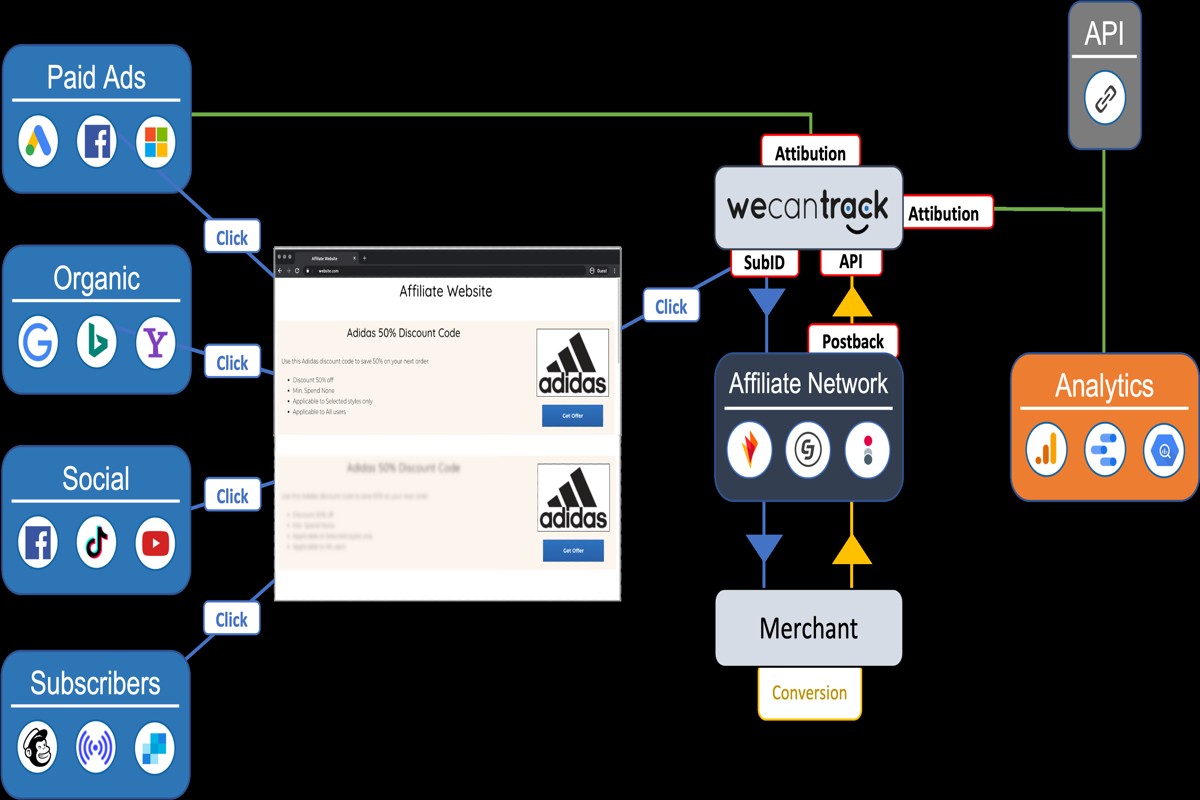
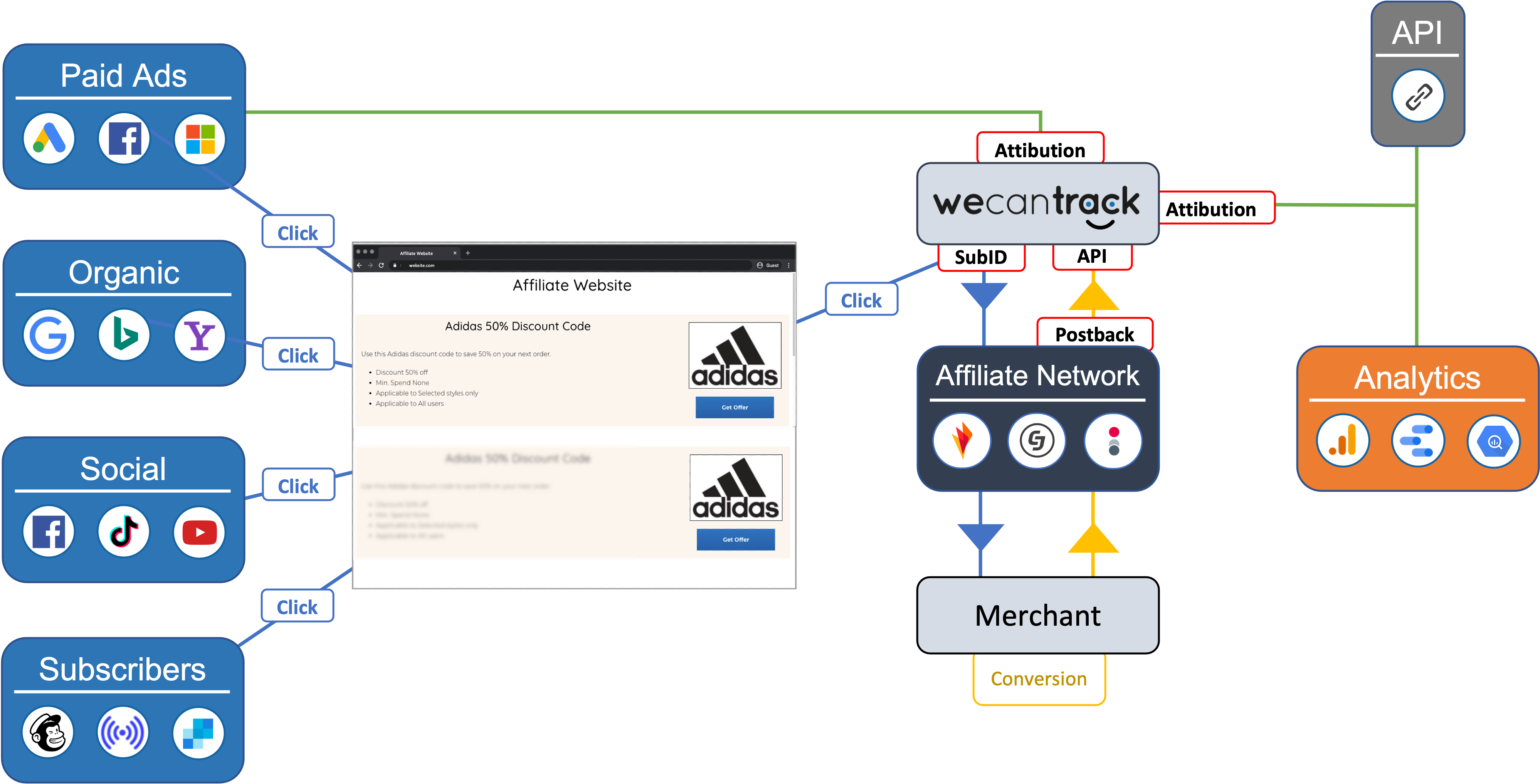
google Ads for affiliate marketing refers to the practice of using Google’s advertising platform to promote products or services offered by other companies, earning a commission for sales generated through the ads. This approach enables affiliate marketers to leverage Google’s extensive reach and targeting capabilities to attract potential customers effectively.
Affiliate marketers utilize Google Ads to create targeted advertisements that appear in search results or on websites within Google’s Display Network. By bidding on relevant keywords, affiliates can position their ads to reach audiences interested in specific products, thereby increasing the chances of conversions. According to recent data, the global spending on digital advertising is projected to surpass $500 billion by 2026, highlighting the potential profitability of this marketing strategy.
- Search Ads: Text-based ads that appear on Google search results pages when users search for specific keywords.
- Display Ads: Visual advertisements that appear on websites within the Google Display Network, allowing for broader audience engagement.
- Remarketing Ads: Targeted ads directed at users who have previously visited the affiliate’s website, encouraging them to return and complete a purchase.
Using Google Ads for affiliate marketing also involves understanding the platform’s policies, as Google has specific guidelines regarding promoting affiliate links. Affiliates must ensure compliance to avoid ad disapprovals or account suspensions. Additionally, effective ad copy and landing pages are essential for optimizing conversion rates, as they must resonate with the target audience while providing clear calls to action.
Expert insight: Successful affiliate marketers often conduct thorough keyword research and A/B testing on their ads to refine targeting and improve ad performance, maximizing their return on investment (ROI). Consistently monitoring campaign metrics is crucial for ongoing optimization.
How do I set up Google Ads for affiliate marketing?
Setting up Google Ads for affiliate marketing involves creating a Google Ads account and launching a campaign tailored to your affiliate products. Approximately 73% of marketers report that paid search is their most effective digital marketing channel, highlighting the potential of this approach.
To begin, follow these steps:
- Create a Google Ads Account: Visit the Google Ads website and sign up for an account using your Google credentials. Ensure you select the correct account type for business use.
- Set Your Campaign Goals: Choose a campaign goal that aligns with your affiliate marketing objectives, such as sales, leads, or website traffic. This will guide your ad structure and targeting.
- Select Your Campaign Type: Opt for “Search” or “Display” network campaigns based on where you want your ads to appear. Search campaigns are often more effective for direct conversions.
- Define Your Budget: Set a daily budget based on your marketing budget. Google Ads allows for flexible budgets to accommodate your spending capabilities.
- Choose Keywords: Conduct keyword research using tools like Google Keyword Planner. Target keywords relevant to your affiliate products that potential buyers are searching for.
- Create Your Ads: Write compelling ad copy that highlights the benefits of the products you’re promoting. Include a clear call to action to encourage clicks.
- Set Up Tracking: Implement conversion tracking using Google Analytics or Google Ads conversion tracking. This allows you to measure the performance of your ads accurately.
- Launch Your Campaign: Review all settings and launch your campaign. Monitor its performance closely, making adjustments as needed to optimize results.
Regularly analyze your campaign data to identify high-performing keywords and ads. Adjust your strategy based on performance metrics to maximize your return on investment.
Expert insight: Utilize A/B testing for your ad copy and landing pages to continuously improve performance. Small adjustments can lead to significant increases in click-through and conversion rates.
What is the cost of Google Ads for affiliate marketing?
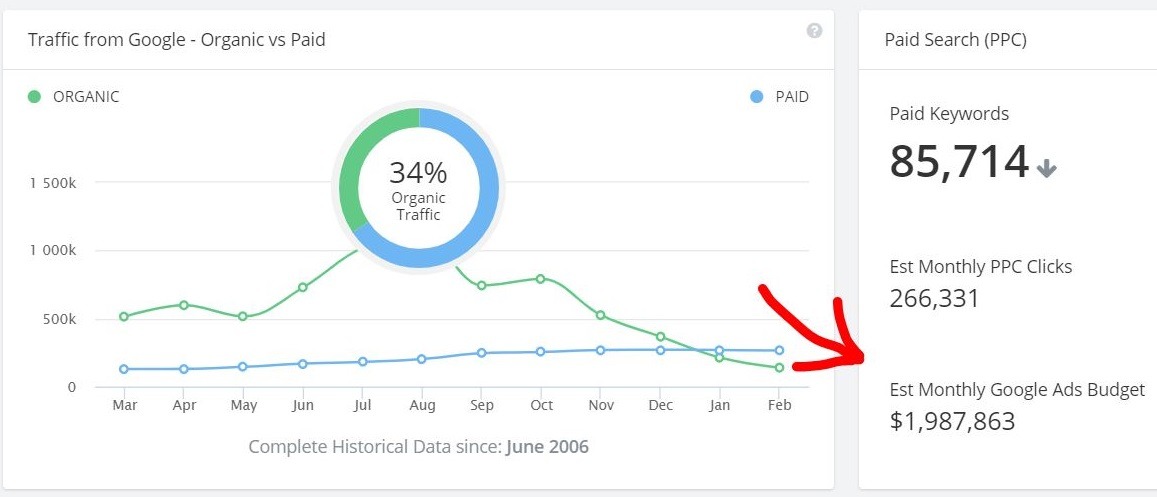
The cost of Google Ads for affiliate marketing typically ranges from $0.50 to $3.00 per click, depending on various factors. In some competitive niches, costs may exceed $5.00 per click. Understanding these costs is essential for effective budgeting and strategy development.
Several factors influence the cost of Google Ads, including:
- Competition: High competition in specific niches drives up CPC rates. Advertisers in lucrative markets often bid more, increasing overall costs.
- Quality Score: Google assigns a Quality Score based on ad relevance, expected click-through rate, and landing page experience. Higher scores can lower CPC rates.
- Targeting Options: The choice of keywords, demographics, and geographic targeting can significantly impact costs. More specific targeting may lead to higher CPCs but can improve conversion rates.
Budgeting for Google Ads in affiliate marketing requires careful planning. It is advisable to allocate a portion of revenue towards advertising while considering the lifetime value of customers. Starting with a small budget allows for testing and optimization before scaling up investment.
Expert insight: Regularly monitor and adjust campaigns based on performance metrics to maximize ROI. Testing different ad copies and landing pages can also help identify cost-effective strategies that lead to higher conversion rates.
What are the best practices for using Google Ads in affiliate marketing?
To effectively use Google Ads in affiliate marketing, focus on optimizing your campaigns through targeted strategies. Implementing these best practices can significantly enhance your click-through rates (CTR) and conversions, with studies showing that well-optimized ads can increase ROI by up to 300%.
Successful affiliate marketing through Google Ads requires a blend of targeted keyword research, compelling ad copy, and continuous performance monitoring. Each element plays a critical role in attracting the right audience and maximizing conversion potential.
- Conduct Thorough Keyword Research: Use tools like Google Keyword Planner to identify high-intent keywords relevant to your affiliate products. Focus on long-tail keywords, which typically have less competition and a higher conversion rate.
- Create Compelling Ad Copy: Write clear and enticing ad text that highlights the unique selling points of the product. Use action-oriented language and include a strong call-to-action (CTA) to encourage clicks.
- Utilize Ad Extensions: Enhance your ads with extensions such as sitelinks, callouts, and structured snippets. These provide additional information and increase visibility, which can lead to higher CTR.
- Implement A/B Testing: Regularly test different ad variations to determine which elements resonate best with your audience. Experiment with headlines, descriptions, and CTAs to optimize performance.
- Monitor and Adjust Campaigns: Use Google Ads’ analytics tools to track the performance of your campaigns. Analyze metrics like CTR, conversion rate, and cost per acquisition (CPA) to make informed adjustments that improve results.
Expert insight: Consistently refining your campaigns based on data insights is crucial. Consider setting up automated rules for bid adjustments based on performance metrics to ensure optimal ad spend and maximize profitability.
How long does it take to see results from Google Ads for affiliate marketing?
Typically, it takes about 1 to 3 months to see measurable results from Google Ads campaigns focused on affiliate marketing. Initial traffic may appear within a few days, but achieving significant conversions often requires sustained effort and optimization.
The timeline for results can vary based on multiple factors. Firstly, the niche plays a crucial role; highly competitive markets may take longer to yield conversions due to increased competition for clicks and higher costs per acquisition. Secondly, the effectiveness of ad copy, landing pages, and the overall user experience directly impacts conversion rates. Ads that resonate with the target audience and lead to engaging landing pages can generate quicker results.
Another important factor is budget allocation. A higher budget allows for more extensive testing of ad variations and faster data collection, which can lead to optimizing campaigns more quickly. Additionally, the bidding strategy used can influence how quickly results materialize. For instance, automated bidding strategies like Target CPA can help achieve better outcomes faster compared to manual bidding, which may require more fine-tuning over time.
Expert insight: Implementing A/B testing early in the campaign can significantly shorten the timeline for achieving optimal results. Regularly analyzing performance metrics allows for timely adjustments, enhancing both traffic and conversion rates.
Which is better for affiliate marketing: Google Ads or Facebook Ads?
Google Ads generally offers better targeting for affiliate marketing due to its search intent focus, while Facebook Ads excels in demographic targeting and engagement. Both platforms can be effective, but the choice depends on the specific goals and audience of the affiliate campaign.
Google Ads operates primarily on a pay-per-click model, allowing advertisers to bid on keywords relevant to their products. This approach captures users actively searching for specific items, often resulting in higher conversion rates. In 2024, Google Ads achieved an average conversion rate of 3.75% for e-commerce campaigns, indicating its effectiveness in driving sales. Conversely, Facebook Ads leverages social engagement and behavioral data to target users based on interests, demographics, and online behavior. This platform is particularly effective for brand awareness and reaching a broader audience, but the conversion rates can be lower, averaging around 1.2% for affiliate marketing in recent studies.
Key differences between Google Ads and Facebook Ads for affiliate marketing include:
- Targeting: Google Ads targets users based on search queries, while Facebook Ads focuses on demographic and interest-based targeting.
- Ad Formats: Google primarily offers text-based search ads, while Facebook provides a variety of formats, including images, videos, and carousel ads.
- Cost Structure: Google Ads often leads to higher costs per click due to competitive bidding for keywords, whereas Facebook Ads can be more budget-friendly, especially for brand awareness campaigns.
Expert insight: For affiliate marketers, using both platforms in a complementary strategy can maximize reach and conversion potential. Testing ad performance across both channels is essential to determine the most effective approach for specific campaigns.
Advanced Targeting Techniques for Google Ads
This section delves into sophisticated targeting strategies in Google Ads that enhance affiliate marketing efforts. By leveraging advanced techniques, marketers can significantly improve campaign performance and reach the right audience effectively.
Utilizing Audience Demographics and Interests
Google Ads allows advertisers to target users based on specific demographics such as age, gender, parental status, and household income. This targeting ensures that ads reach individuals most likely to convert. Additionally, interests and affinities can be utilized to hone in on users who have demonstrated engagement with relevant topics or products. For instance, targeting users interested in fitness can enhance campaigns for health-related affiliate products.
Implementing Remarketing Lists for Search Ads
Remarketing lists enable advertisers to re-engage users who have previously interacted with their websites. By creating tailored lists based on user behavior, such as pages visited or products viewed, marketers can serve customized ads that encourage return visits. For example, users who abandoned their shopping carts can be targeted with ads offering a discount or reminding them of their intended purchase. This strategy has been shown to increase conversion rates by up to 70% compared to standard ads.
Leveraging In-Market Audiences for Higher Conversion
In-market audiences consist of users actively researching or comparing products within a specific category. This targeting is particularly useful for affiliate marketing, as these users are further down the sales funnel and more likely to make a purchase. According to recent data, campaigns targeting in-market audiences have seen conversion rates increase by as much as 50%. Marketers can select from various categories, ensuring alignment with their affiliate offerings.
Using Custom Intent Audiences for Precise Targeting
Custom intent audiences allow advertisers to create segments based on users’ recent search behavior and specific keywords. This targeting is highly effective for affiliate marketing campaigns, as it focuses on users who exhibit intent to purchase. By analyzing search trends, marketers can tailor their messaging to align with the specific interests and needs of these audiences, enhancing ad relevance and engagement.
To create a custom intent audience, follow these steps:
- Access your Google Ads account and navigate to the Audience Manager.
- Select ‘Custom Audiences’ and then ‘Create a Custom Audience.’
- Input relevant keywords, URLs, and apps that align with your affiliate products.
In 2024, over 60% of marketers reported improved ROI by utilizing custom intent audiences, indicating the effectiveness of this strategy in affiliate marketing.
Nuance / Expert Layer
Common misconceptions about advanced targeting techniques often include the belief that broader targeting is always more effective. However, precision targeting typically yields better results. While broad demographics can provide initial reach, the real conversion power lies in fine-tuning audiences based on specific behaviors and interests. Additionally, many advertisers overlook the importance of continual optimization of audience segments based on performance data, which can lead to missed opportunities for higher engagement and conversion rates.
Practical Application
To effectively implement these advanced targeting techniques, marketers should:
- Regularly analyze audience performance metrics to refine targeting strategies.
- Experiment with remarketing lists to re-engage past visitors with tailored ads.
- Utilize in-market and custom intent audiences to focus on users demonstrating clear purchase intent.
By applying these strategies, marketers can enhance the effectiveness of their Google Ads for affiliate marketing campaigns, driving higher engagement and conversion rates.
Common Mistakes in Google Ads for Affiliate Marketing
This section identifies common pitfalls that affiliate marketers encounter when using Google Ads, emphasizing the importance of rectifying these errors to enhance campaign performance and profitability.
Ignoring Negative Keywords
One prevalent mistake is neglecting to utilize negative keywords. These are terms that prevent ads from showing for irrelevant searches. By failing to identify and incorporate negative keywords, affiliate marketers waste budget on clicks that are unlikely to convert. Research indicates that advertisers who effectively manage negative keywords can see a 30% increase in ROI compared to those who do not.
Failing to Track Conversions Accurately
Accurate conversion tracking is critical in assessing the effectiveness of Google Ads campaigns. Many affiliate marketers overlook this aspect, leading to misguided decisions based on incomplete data. Without proper tracking, it’s impossible to ascertain which ads, keywords, or landing pages are driving sales. According to a 2024 study, 70% of marketers who implemented conversion tracking reported a significant improvement in campaign performance.
Not Optimizing Landing Pages for Conversions
Landing pages play a pivotal role in converting clicks into sales. A common error is directing traffic to poorly designed or irrelevant landing pages. Factors such as load time, layout, and content relevance significantly impact conversion rates. A/B testing reveals that optimized landing pages can improve conversion rates by up to 50%.
Underestimating the Importance of Ad Copy
The effectiveness of ad copy can drastically influence click-through rates and conversions. Many affiliate marketers fail to invest in compelling and clear ad copy, resulting in lower engagement. Strong headlines and persuasive calls to action are essential. A recent analysis found that ads with optimized copy saw a 20% higher click-through rate than those with generic messaging.
Nuance: Misconceptions About Automated Bidding Strategies
Many affiliate marketers believe that automated bidding strategies will automatically optimize their campaigns without any input. This misconception can lead to wasted spend and missed opportunities. Automated bidding requires ongoing analysis and adjustment to align with specific campaign goals. Understanding the nuances of these strategies is essential for maximizing their effectiveness.
Practical Application
- Implement a negative keyword strategy to filter out irrelevant traffic.
- Set up conversion tracking through Google Analytics or Google Ads to monitor performance accurately.
- Regularly test and optimize landing pages based on performance metrics.
- Craft ad copy that is both engaging and aligned with user intent to improve click-through rates.
Real-World Case Studies of Successful Google Ads Campaigns
This section examines real-world case studies of successful Google Ads campaigns in affiliate marketing. Analyzing these examples highlights effective strategies and common pitfalls that can inform future campaigns.
Tech Affiliate Achieving 300% ROI
A tech affiliate specializing in electronics implemented a Google Ads campaign that yielded an impressive 300% return on investment (ROI). The strategy focused on high-demand products, such as the latest smartphones and laptops, during peak shopping seasons. The affiliate utilized targeted keywords and ad extensions to enhance visibility.
- Keyword Selection: The campaign targeted specific long-tail keywords, resulting in lower competition and higher conversion rates.
- Ad Extensions: Utilizing site link and callout extensions improved click-through rates by 25%.
- Budget Allocation: A flexible budget allowed for increased spending on high-performing ads, optimizing overall campaign efficiency.
Fashion Affiliate’s Seasonal Campaign Success
A fashion affiliate launched a seasonal campaign during the holiday shopping period that generated a remarkable 150% increase in sales compared to previous months. The campaign featured limited-time promotions and seasonal keywords, targeting consumers looking for gifts.
- Promotional Strategies: The use of countdown timers in ads created urgency, leading to higher engagement.
- Audience Targeting: The campaign employed demographic targeting to reach specific age groups interested in fashion trends.
- Creative Assets: High-quality images and compelling ad copy showcased products effectively, resulting in a 40% improvement in conversion rates.
Travel Affiliate’s Use of Local Targeting
A travel affiliate effectively utilized local targeting to promote vacation packages in specific geographic areas, resulting in a 200% increase in bookings. By tailoring ads to local events and attractions, the affiliate captured a relevant audience.
- Geo-Targeting: Ads were customized based on the user’s location, which increased relevancy and click-through rates.
- Event-Based Marketing: The affiliate aligned campaigns with local festivals, driving interest in related travel packages.
- Mobile Optimization: Given the mobile-first nature of travel searches, the ads were optimized for mobile devices, enhancing user experience.
Lessons from Failed Campaigns
Not all campaigns achieve success. A common error among affiliates is neglecting to analyze performance data, leading to stagnant strategies. For instance, a health affiliate’s campaign targeting broad keywords resulted in low conversion rates and wasted ad spend.
- Data Analysis: Regularly reviewing performance metrics is crucial for identifying underperforming ads and reallocating resources effectively.
- Keyword Strategy: Broad keywords may attract traffic but often result in low-quality leads; focusing on niche keywords can improve ROI.
- A/B Testing: Implementing A/B tests for ad copy and landing pages can provide insights into what resonates with the target audience.
To apply these insights, affiliates should conduct thorough keyword research, utilize targeted campaigns, and regularly analyze performance metrics. Implementing A/B testing can further refine strategies, ensuring optimal ad performance. By learning from both successes and failures, affiliates can enhance their Google Ads for affiliate marketing campaigns significantly.
Integrating Google Ads with Other Marketing Channels
Creating a cohesive marketing strategy that incorporates Google Ads enhances the effectiveness of affiliate marketing efforts. By synergizing various channels, marketers can optimize reach, engagement, and conversion rates.
Combining Email Marketing with Google Ads
Email marketing and Google Ads can work in tandem to amplify results. By targeting specific segments of your email list with tailored Google Ads, you reinforce brand messaging and encourage conversions. For instance, retargeting users who have opened emails but not completed purchases can improve conversion rates by up to 30%.
Using Social Media to Enhance Google Ads Performance
Social media platforms serve as valuable extensions of Google Ads campaigns. By sharing ads on social networks, brands can increase visibility and foster engagement. Additionally, social media insights can inform Google Ads targeting. For example, data showing which demographics engage most with your social content can guide adjustments in your Google Ads targeting strategy.
Implementing SEO Strategies Alongside Paid Ads
Integrating search engine optimization (SEO) with Google Ads allows for a comprehensive approach to online visibility. While Google Ads can provide immediate traffic, a robust SEO strategy ensures long-term organic growth. Research indicates that businesses using both SEO and PPC strategies can achieve a 25% higher click-through rate (CTR) compared to those relying solely on either method.
Analyzing Data Across Platforms for Improved Targeting
Data analysis across multiple marketing channels is vital for refining targeting efforts. By leveraging analytics from Google Ads, email campaigns, and social media, marketers can uncover patterns in user behavior. This comprehensive analysis enables the identification of high-converting demographics, informing future campaigns and ultimately improving return on investment (ROI).
Marketers often overlook the importance of integrating multiple channels effectively. A common misconception is that Google Ads can operate independently of other marketing efforts. However, the most successful campaigns are those that utilize a multi-channel approach, allowing for greater audience reach and diversified touchpoints, which can lead to higher conversion rates.
To implement this cohesive strategy, marketers should:
- Develop a shared customer profile across all channels to ensure consistency.
- Utilize retargeting ads on Google based on user interactions across email and social media.
- Regularly analyze cross-channel data to refine targeting and messaging.
By following these steps, affiliate marketers can create a robust ecosystem that leverages the strengths of Google Ads alongside other marketing channels, ultimately driving better performance and profitability.
Evaluating the Best Google Ads For Affiliate Marketing
With the affiliate marketing industry projected to reach $8.2 billion by 2026, evaluating the best advertising options is crucial for maximizing ROI. Selecting the right provider involves assessing factors such as pricing, targeting capabilities, and unique features. A well-informed choice can significantly impact campaign effectiveness and overall profitability.
| Provider / Option | Best For | Pricing | Key Feature |
|---|---|---|---|
| Google Ads | Comprehensive ad management | $1 to $2 per click on average | Extensive targeting options |
| Bing Ads | Cost-effective alternative | $0.50 to $1 per click | Less competition than Google |
| Facebook Ads | Social media targeting | $0.97 to $3 per click | Highly visual ads |
| AdRoll | Retargeting campaigns | Varies based on budget | Cross-platform retargeting |
| Taboola | Content discovery | $0.10 to $0.50 per click | Native advertising options |
Criteria for Evaluating Program Quality
Pricing: The cost per click (CPC) is a critical factor, as it directly influences the budget and potential return on investment. Providers like Taboola offer lower CPCs, making them attractive for budget-conscious campaigns.
Targeting Options: The ability to target specific demographics, interests, and behaviors can dramatically affect campaign outcomes. Google Ads excels with its extensive targeting capabilities, allowing advertisers to reach their ideal audience effectively.
Ad Formats: Different platforms provide various ad formats, which can influence engagement levels. For instance, Facebook Ads focus on highly visual content, which may perform better in certain niches compared to text-based ads on other platforms.
Retargeting Capabilities: Retargeting is essential for converting previous visitors into customers. Providers like AdRoll specialize in retargeting campaigns, offering tools that can help recapture lost leads and drive conversions.
How to Assess the Reputation and Reliability of Providers
- Check Reviews and Testimonials: Look for user reviews on independent platforms to gauge customer satisfaction and experiences with the provider.
- Evaluate Case Studies: Analyze case studies or success stories provided by the provider to understand their effectiveness in real-world applications.
- Examine Industry Recognition: Awards or certifications from reputable industry organizations can indicate a provider’s credibility and reliability.
- Assess Customer Support: Test the responsiveness and quality of customer support by reaching out with inquiries before committing to a service.
- Research Longevity: Investigate how long the provider has been in the market, as established companies often have more reliable track records.
Which Google Ads For Affiliate Marketing Is Right for You?
Choosing the right advertising platform for affiliate marketing depends on your specific business needs, budget, and goals. This decision guide will help you identify the most effective options tailored to various audience segments.
Solo freelancer
For solo freelancers aiming to promote niche products, Google Ads offers unmatched reach and targeting capabilities. Utilize the Search Network to bid on relevant keywords, starting with a budget of around $10-$20 per day. This allows you to effectively connect with potential customers actively searching for your niche offerings.
Small business owner
Small business owners with limited budgets will find Bing Ads to be a cost-effective alternative. With lower competition compared to Google Ads, you can achieve a lower cost-per-click (CPC) averaging between $1-$2. Focus on local targeting to attract customers in your area, maximizing your advertising spend.
Digital marketing agency
Digital marketing agencies managing multiple client campaigns will benefit from the versatile options provided by Facebook Ads. With advanced targeting features, agencies can create tailored ad sets for different demographics. A recommended starting budget is $500-$1,000 monthly per client to effectively test and optimize campaigns across various audience segments.
E-commerce brand
E-commerce brands need immediate traffic to product pages, making Google Ads an ideal choice. Implement Shopping Ads to showcase product images directly in search results, with a typical CPC ranging from $0.50 to $2.50. Allocate a budget of at least $20-$50 per day to drive consistent traffic and conversions.
Content creators
Content creators focusing on driving traffic through native ads will find Taboola to be the best fit. This platform allows for content promotion on high-traffic websites, with a minimum budget starting at around $100 per campaign. Utilize its targeting options to reach audiences interested in your niche, effectively increasing your content’s visibility.
| If You Are… | Best Approach |
|---|---|
| Solo freelancer | Google Ads for niche products |
| Small business owner | Bing Ads for local targeting |
| Digital marketing agency | Facebook Ads for diverse campaigns |
| E-commerce brand | Google Ads Shopping Ads |
| Content creators | Taboola for native ads |
Local Insights on Google Ads for Affiliate Marketing
Understanding local market dynamics is crucial when leveraging Google Ads for affiliate marketing. In fact, 46% of all Google searches are seeking local information, highlighting the importance of targeting local intent effectively. Local businesses can significantly enhance their visibility and conversion rates by aligning their advertising strategies with geographic trends.
Geographic Market Differences
The effectiveness of Google Ads for affiliate marketing can vary significantly across geographic regions. For instance, businesses in densely populated urban areas like New York City or Los Angeles may face stiffer competition, necessitating more targeted ad campaigns. In contrast, businesses in smaller towns might benefit from lower competition and could achieve better ROI with broader targeting strategies. Understanding the local demographic and competition landscape is essential for optimizing ad performance.
Local Business Applications
Local businesses can harness Google Ads for affiliate marketing in several impactful ways:
- Promotional Campaigns: Running local promotions tied to affiliate products can drive foot traffic and online sales simultaneously.
- Event-Specific Advertising: Targeting ads around local events (like fairs or festivals) can attract community interest and boost affiliate product visibility.
- Localized Content Creation: Businesses can create content that resonates with local culture and interests, improving click-through rates on ads.
- Seasonal Campaigns: Tailoring ads based on local seasonal trends (e.g., holiday shopping) can lead to higher engagement and conversions.
Local Search and Visibility Impact
Google Ads for affiliate marketing can enhance local search rankings and visibility. To maximize this connection, businesses should take the following actions:
- Optimize your Google Business Profile by ensuring accurate location and contact information.
- Incorporate local keywords into ad copy to improve relevance for local searches.
- Utilize local ad extensions to highlight store locations and special offers.
- Regularly update your Google Business Profile with posts about affiliate promotions to engage local customers.
Pricing and Cost in Local Markets
Cost structures for Google Ads can vary significantly based on geographic location. For example, local businesses in major metropolitan areas may encounter CPC (cost-per-click) rates ranging from $2 to $5, while those in rural areas might see rates as low as $0.50 to $1.50. Local businesses should budget approximately 10-15% of their overall marketing spend for Google Ads, which contrasts with national players who may allocate upwards of 25% due to broader reach and competition.
Local Implementation Checklist:
- Research local competitors and adjust bidding strategies accordingly.
- Create location-specific ad campaigns that highlight local events and promotions.
- Ensure your Google Business Profile is fully optimized and regularly updated.
- Utilize local keywords in your ad copy and landing pages.
- Monitor ad performance and adjust targeting based on local engagement metrics.
- Leverage seasonal trends and local interests in your ad messaging.
- Test and refine ad creatives based on local audience responses.
For Affiliate Marketing businesses looking to generate local leads through Google Ads or Local SEO, GMB Ranger LLC offers hands-on campaign management. Specialist Md Tangeer Mehedi personally handles campaign setup and ongoing optimization — with no payment required until the first lead comes in.
Frequently Asked Questions
What are Google Ads for affiliate marketing?
Google Ads for affiliate marketing are paid advertisements that promote affiliate products or services on Google’s search engine and display network. They allow affiliates to drive targeted traffic to their affiliate links, potentially increasing sales and commissions.
How do I set up Google Ads for affiliate marketing?
To set up Google Ads for affiliate marketing, create a Google Ads account, choose your campaign type, and select your target audience. Then, create ad groups with relevant keywords and design compelling ads that link to your affiliate offers.
What is the cost of Google Ads for affiliate marketing?
The cost of Google Ads for affiliate marketing varies based on factors like competition, keywords, and ad quality. Advertisers typically pay on a pay-per-click basis, and budgets can range from a few dollars to thousands per month.
What are the best practices for using Google Ads in affiliate marketing?
Best practices for Google Ads in affiliate marketing include conducting thorough keyword research, optimizing ad copy, and using targeted landing pages. Regularly monitoring performance and adjusting bids can also enhance campaign effectiveness.
How long does it take to see results from Google Ads for affiliate marketing?
Results from Google Ads for affiliate marketing can typically be seen within a few days to weeks, depending on the campaign’s setup and budget. However, optimizing campaigns may require ongoing adjustments for better performance over time.
Which is better for affiliate marketing: Google Ads or Facebook Ads?
The choice between Google Ads and Facebook Ads for affiliate marketing depends on the target audience and campaign goals. Google Ads excel in capturing intent-driven traffic, while Facebook Ads are effective for building brand awareness and targeting specific demographics.
Final Thoughts on Google Ads for Affiliate Marketing
Leveraging Google Ads for affiliate marketing offers unparalleled opportunities for traffic generation and revenue maximization, provided that campaigns are strategically crafted and optimized. The key to success lies in mastering advanced targeting techniques and avoiding common pitfalls that can undermine efforts.
To elevate your affiliate marketing strategy, conduct thorough keyword research and implement A/B testing on ad copy and landing pages, ensuring you continuously refine your approach based on performance metrics.
Ready to elevate your affiliate marketing strategy? Discover how a google ads agency can help you achieve your advertising goals effectively.
In an increasingly competitive digital landscape, mastering Google Ads is not just advantageous; it is essential for driving sustainable growth and profitability in affiliate marketing.
Leave a Reply