
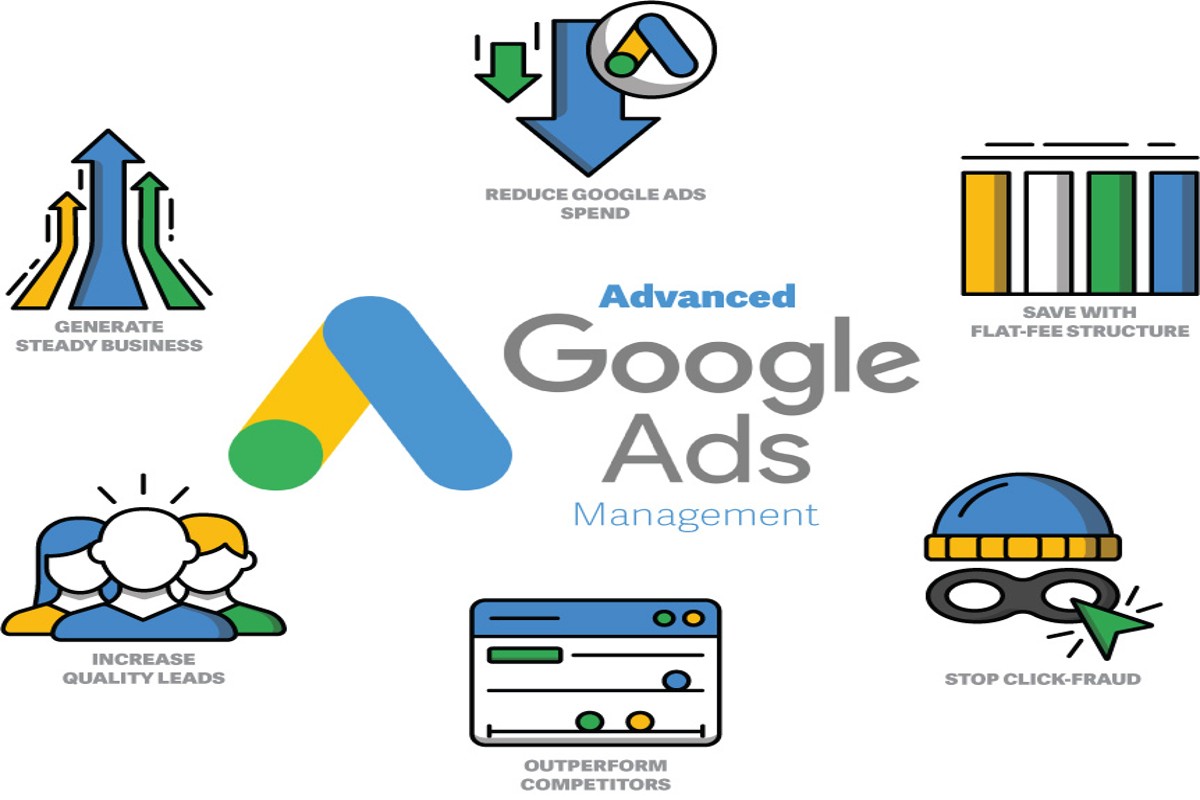
What are google ads agency services?
Google Ads agency services are specialized offerings that assist businesses in managing and optimizing their online advertising campaigns on Google. These services enhance brand visibility, drive targeted traffic, and improve conversion rates, with businesses often experiencing an average return on investment (ROI) of 200% on their ad spend.
Understanding Google Ads agency services is crucial for businesses aiming to thrive in the competitive digital landscape. With global digital ad spending projected to exceed $500 billion in 2023, effective management of online campaigns can significantly influence a company’s growth trajectory. Failing to leverage these services can result in missed opportunities and ineffective marketing strategies.
Neglecting to grasp the nuances of Google Ads can lead to wasted advertising budgets, lost revenue, and a weakened competitive position in the market. Businesses that do not optimize their online advertising risk falling behind more adept competitors.
This article will explore the essential aspects of Google Ads agency services, including a comparison of top providers, a breakdown of associated costs, best practices for campaign management, and insights into integrating local SEO strategies for enhanced results.
For Google Ads Agency Services businesses looking to generate local leads through Google Ads or Local SEO, GMB Ranger LLC offers hands-on campaign management. Specialist Md Tangeer Mehedi personally handles campaign setup and ongoing optimization — with no payment required until the first lead comes in.
What are Google Ads agency services?
Google ads agency services refer to a range of professional offerings designed to help businesses effectively manage and optimize their advertising campaigns on the Google Ads platform. These services typically include campaign management, ad creation, performance analysis, and ongoing optimization to maximize return on investment (ROI). According to industry reports, businesses using Google Ads can see an average ROI of 200% when campaigns are managed by experts.
Google Ads agencies provide comprehensive solutions tailored to the unique needs of each client. Key services often include:
- Campaign Management: Agencies oversee the entire advertising process, from setup to execution, ensuring that campaigns align with business objectives.
- Ad Creation: Professional copywriters and designers create compelling ad content that resonates with target audiences, employing best practices for engagement.
- Keyword Research: Agencies conduct in-depth research to identify high-performing keywords that drive traffic and conversions, optimizing ad targeting.
- Performance Analysis: Continuous monitoring and reporting on campaign performance metrics allow agencies to assess effectiveness and adapt strategies accordingly.
- Optimization: Regular adjustments are made to bidding strategies, ad placements, and audience targeting to enhance campaign results over time.
In addition to these core services, many agencies offer specialized solutions such as remarketing, A/B testing, and competitor analysis. These additional services further refine advertising strategies, ensuring campaigns remain competitive in a dynamic online marketplace. The level of service provided may vary based on the agency’s expertise, the complexity of the campaigns, and the client’s budget.
Expert insight: Businesses should consider agencies with proven track records in their specific industry to ensure tailored strategies that effectively reach their target market.
How do I choose a Google Ads agency?
Selecting a Google Ads agency requires careful consideration of several factors, including experience, pricing, case studies, and client testimonials. A well-qualified agency should have a proven track record, ideally managing a minimum budget of $10,000 per month for effective campaign results.
1. Evaluate Experience: Look for agencies that have substantial experience, particularly in your industry. An agency with over five years in the field is more likely to have encountered and overcome various challenges.
2. Review Pricing Models: Understand different pricing structures, such as flat fees, hourly rates, or percentage of ad spend. A transparent pricing model helps avoid unexpected costs and aligns expectations.
3. Examine Case Studies: Request case studies that demonstrate the agency’s ability to achieve measurable results. Look for metrics like increased ROI, improved conversion rates, or enhanced click-through rates to gauge effectiveness.
4. Check Client Testimonials: Read reviews and testimonials from previous clients. Positive feedback from businesses similar to yours provides insight into the agency’s reliability and service quality.
5. Assess Communication: Effective communication is vital. Choose an agency that prioritizes regular updates and is responsive to your questions and concerns.
Expert insight: Prioritize agencies that offer a tailored strategy rather than a one-size-fits-all approach. Customization can significantly enhance campaign performance and ensure alignment with your specific business goals.
What is the average cost of Google Ads agency services?
The average cost of Google Ads agency services typically ranges from $500 to $10,000 per month, depending on various factors. Many agencies operate on a monthly retainer model, while others may use performance-based fees that link costs to campaign success.
Several elements influence the pricing of Google Ads agency services. These include:
- Agency Experience: Established agencies with a proven track record may charge higher fees due to their expertise and successful case studies.
- Service Scope: Comprehensive services that include strategy development, ad creation, and ongoing management will cost more than basic setup and monitoring.
- Ad Spend: Some agencies charge a percentage of the total ad spend, typically ranging from 10% to 20%. Higher ad budgets can lead to higher fees.
- Industry Complexity: Industries with high competition may require more intensive management and strategy, impacting costs.
Many agencies also offer performance-based pricing models where fees are tied to metrics like conversions or return on ad spend (ROAS). This can be beneficial for businesses looking to align costs with results, but it may require a higher initial investment to set up effective tracking and measurement systems.
Expert insight: Businesses should carefully evaluate potential agencies based on their pricing structure and the value provided, ensuring alignment with specific goals and budget constraints.
How long does it take to see results from Google Ads?
Typically, businesses can start seeing results from Google Ads within 1 to 3 months after launching their campaigns. However, the exact timeline can vary based on several factors, including ad quality and market competition.
The time it takes to see meaningful results from Google Ads can be influenced by the quality of the ads themselves. High-quality ads that are well-targeted and relevant to the audience often lead to quicker engagement and conversions. Google’s ad auction system rewards effective ads with better placements and lower costs per click, which can accelerate results. Conversely, poorly designed ads may take longer to gain traction.
Market competition also plays a significant role in determining how quickly results can be seen. In highly competitive industries, it may take longer to achieve visibility and traction. Advertisers may need to invest in ongoing optimization and adjustments to their campaigns to remain competitive. Additionally, factors such as budget allocation, keyword selection, and targeting strategies impact the speed at which results materialize.
Expert insight: Regularly monitoring and optimizing campaigns can significantly enhance performance and reduce the time to see results. Utilizing A/B testing for ad variations can help identify the most effective strategies quickly.
What are the best practices for Google Ads management?
Effective Google Ads management hinges on several best practices that optimize campaign performance and maximize return on investment. Implementing these strategies can lead to improved click-through rates and conversion rates, with businesses seeing an average increase of 30% in conversions through refined management techniques.
The foundation of successful Google Ads management lies in continuous optimization and data-driven decision-making. Below are essential best practices to enhance campaign effectiveness:
- Thorough Keyword Research: Utilize tools like Google Keyword Planner to identify high-performing keywords relevant to your target audience. Focus on long-tail keywords, which often have less competition and higher conversion rates.
- A/B Testing: Regularly conduct A/B tests on ad copy, landing pages, and bidding strategies. This allows for identifying what resonates best with your audience and refining campaigns based on real data.
- Performance Tracking and Analytics: Use Google Analytics and Google Ads reporting tools to monitor key performance indicators (KPIs) such as click-through rates, conversion rates, and cost per acquisition. Adjust campaigns based on insights gained from these metrics.
- Negative Keywords Management: Continuously update your negative keywords list to eliminate irrelevant traffic. This prevents wasted ad spend and improves overall campaign efficiency.
- Ad Extensions Utilization: Leverage ad extensions such as site links, callouts, and structured snippets to enhance ad visibility and provide additional information. Ads with extensions typically see a higher click-through rate.
Expert insight: Regularly revisiting and refining your Google Ads strategy based on performance data is vital. Staying agile in your approach allows for quick adaptations to market changes and competitor actions, ensuring sustained growth.
How do Google Ads agencies measure success?
Google Ads agencies measure success primarily through metrics such as Click-Through Rate (CTR), conversion rate, and Return on Investment (ROI). For instance, a campaign achieving a CTR of 5% and a conversion rate of 10% indicates effective ad engagement and successful customer acquisition.
Click-Through Rate (CTR) reflects the percentage of users who click on an ad after viewing it. A higher CTR signifies that the ad is compelling enough to prompt users to take action. For example, if a company runs an ad that generates 1,000 impressions and receives 50 clicks, the CTR would be 5%. This metric helps agencies assess the effectiveness of ad copy and targeting strategies.
Conversion rate measures the percentage of users completing a desired action, such as making a purchase or signing up for a newsletter, after clicking on the ad. If the same campaign with a 5% CTR results in 5 conversions from those 50 clicks, the conversion rate would be 10%. This metric is crucial for evaluating the overall effectiveness of the sales funnel and the quality of traffic driven by the ads.
Return on Investment (ROI) quantifies the profitability of the campaign. It is calculated by comparing the revenue generated from the ads to the total cost of the ad spend. If the campaign costs $1,000 and generates $5,000 in revenue, the ROI would be 400%. This metric is vital for businesses to determine whether their advertising efforts are financially viable.
Expert insight: Agencies should regularly analyze these metrics to optimize campaigns. Adjustments based on real-time data can significantly enhance performance and drive better business outcomes.
Understanding the Google Ads Auction System
This section delves into the mechanics of the Google Ads auction system, highlighting how it determines ad placement and associated costs. A firm grasp of this process is essential for optimizing advertising strategies and achieving business growth.

Overview of the Auction Process and Bidding Strategies
The Google Ads auction is a dynamic process that determines which ads appear and in what order when users enter search queries. Each time a user performs a search, an auction occurs in real-time. Advertisers bid on specific keywords, and the highest bidder does not automatically win the top position; rather, the ad’s visibility is determined by the Ad Rank, which combines the bid amount with the Quality Score.
There are various bidding strategies available, including:
- Manual CPC (Cost-Per-Click): Advertisers set their maximum bid for clicks.
- Enhanced CPC: Google adjusts bids automatically to maximize conversions.
- Target CPA (Cost-Per-Acquisition): Focuses on getting conversions at a specific cost.
Factors Influencing Ad Rank and Quality Score
Ad Rank is calculated using two primary components: the bid amount and the Quality Score. The Quality Score is a metric that evaluates the relevance of the ad, the expected click-through rate (CTR), and the landing page experience. Each of these elements plays a critical role in determining where an ad appears in search results.
Key factors affecting Quality Score include:
- Ad relevance: The degree to which the ad matches the search query.
- Expected CTR: Predictive performance based on historical data.
- Landing page experience: Quality and relevance of the destination page.
Statistics indicate that ads with a high Quality Score can achieve a lower cost per click—potentially 30% lower than those with a low score—demonstrating the financial advantages of focusing on quality.
Importance of Relevance and Landing Page Experience
Ad relevance and landing page experience are critical to the success of a Google Ads campaign. A highly relevant ad not only improves the Quality Score but also enhances user experience, which can lead to higher conversion rates. Landing pages should be optimized to ensure they provide valuable content that corresponds with the ad, facilitating a seamless user journey.
Research shows that a well-optimized landing page can increase conversion rates by up to 50%. This emphasizes the necessity of aligning ad messaging with user expectations and providing a compelling call to action.
How to Optimize Bids for Maximum Visibility
To maximize visibility within the Google Ads auction, advertisers should implement strategic bid optimization techniques. This involves:
- Conducting thorough keyword research to identify high-performing keywords.
- Adjusting bids based on performance metrics and competitive analysis.
- Utilizing automated bidding strategies to leverage Google’s machine learning capabilities.
Monitoring ad performance continuously allows for timely adjustments, ensuring that bids remain competitive in changing market conditions.
Nuance / Expert Layer
Many advertisers mistakenly believe that simply increasing the bid will guarantee a higher ad position. However, this approach neglects the importance of Quality Score. In fact, a lower bid with a high Quality Score can outperform a higher bid with a poor score. Understanding the interplay between bid amounts and Quality Score allows for more strategic allocation of advertising budgets, often leading to better overall campaign performance.
Practical Application
To effectively utilize the information in this section, businesses should:
- Regularly review and optimize ad copy to enhance relevance.
- Implement A/B testing on landing pages to identify which elements drive conversions.
- Adjust bids based on performance analytics, focusing on high-performing keywords.
By applying these strategies, businesses can improve their ad position and achieve better returns from their Google Ads campaigns.
Common Mistakes Businesses Make with Google Ads
Businesses often encounter significant challenges when implementing Google Ads campaigns. Recognizing and addressing common pitfalls can lead to improved performance and increased return on investment.

Neglecting Keyword Research and Targeting
Effective keyword research is the foundation of any successful Google Ads campaign. Many businesses fail to conduct thorough keyword analysis, leading to ineffective targeting and wasted ad spend. According to a 2024 study, campaigns that include well-researched keywords see conversion rates increase by up to 50%. Utilizing tools like Google Keyword Planner can help identify relevant keywords that align with your target audience’s search intent.
Failing to Track Conversions and ROI
Tracking conversions is essential for understanding the effectiveness of ad campaigns. Without proper tracking, businesses cannot ascertain which ads drive sales or leads. A 2025 report indicated that companies that actively tracked and optimized their campaigns experienced a 30% higher ROI compared to those that did not. Implementing tools like Google Analytics and setting up conversion tracking can provide valuable insights into performance metrics.
Overlooking Ad Copy Quality and Testing
The quality of ad copy directly impacts click-through rates and conversions. Many businesses underestimate the importance of crafting compelling ad text and often fail to test different variations. According to industry standards, ads with well-optimized copy can achieve click-through rates as high as 6%. Regular A/B testing of headlines, descriptions, and calls to action ensures that the most effective messaging is utilized, driving better results.
Ignoring Negative Keywords and Audience Targeting
Negative keywords prevent ads from appearing in irrelevant searches, thereby optimizing ad spend. Businesses frequently overlook this aspect, resulting in ad impressions that do not convert. Additionally, failing to segment and target specific audiences can lead to broad campaigns that lack focus. Research from 2026 shows that campaigns utilizing negative keywords can improve cost-per-click by 20%. Regularly updating negative keyword lists and refining audience targeting can significantly enhance campaign performance.
Nuance and Expert Insights
Many businesses mistakenly believe that simply setting up a Google Ads campaign guarantees success. In reality, ongoing optimization is crucial. This includes periodically revisiting keyword strategies, ad copy effectiveness, and audience segments. Moreover, understanding the competitive landscape can influence bidding strategies and budget allocation. Many articles fail to emphasize the dynamic nature of Google Ads, where continuous adjustments based on performance data are necessary for sustained success.
Practical Application
To avoid these common mistakes, businesses should implement the following actions:
- Conduct comprehensive keyword research and continuously refine targeting strategies.
- Set up and monitor conversion tracking to measure ad performance effectively.
- Regularly test and optimize ad copy to enhance click-through rates.
- Utilize negative keywords to filter out irrelevant traffic and improve campaign efficiency.
- Segment audiences to tailor messaging and improve engagement.
By addressing these common pitfalls, businesses can leverage Google Ads agency services to maximize their advertising effectiveness and drive meaningful growth.
Advanced Google Ads Strategies for Increased ROI
Implementing advanced strategies within Google Ads is essential for maximizing return on investment (ROI). This section delves into techniques that enhance campaign effectiveness and drive significant business growth.
Utilizing Remarketing to Re-Engage Past Visitors
Remarketing allows businesses to reconnect with users who have previously interacted with their website. By displaying tailored ads to these visitors across the Google Display Network, companies can remind potential customers of their products or services. Remarketing campaigns can yield conversion rates as high as 10%, significantly higher than standard display ads.
Implementing Ad Extensions for Enhanced Visibility
Ad extensions improve ad visibility and provide additional information to potential customers. Incorporating extensions such as site links, callouts, and structured snippets can enhance click-through rates (CTR) by up to 20%. These extensions not only increase the real estate of your ads but also make them more informative, encouraging user engagement.
Testing Different Ad Formats for Effectiveness
Experimenting with various ad formats is critical for identifying what resonates best with your audience. Options include text ads, responsive search ads, and video ads. Each format has unique advantages; for instance, video ads can lead to a 27% higher engagement rate compared to standard text ads. Regular A/B testing helps optimize ads based on performance metrics.
Leveraging Audience Insights for Tailored Messaging
Understanding audience insights allows businesses to craft personalized messages that resonate with specific demographics. Utilizing Google Ads’ audience targeting features, such as in-market and affinity audiences, can enhance ad relevance and engagement. Campaigns that leverage these insights can achieve a 35% increase in conversion rates, demonstrating the power of tailored marketing.
Expert Layer: Common Misconceptions and Nuances
Many businesses believe that increasing ad spend directly correlates with better performance. However, effective optimization relies more on strategic targeting and creative messaging than merely boosting budgets. Additionally, some advertisers overlook the importance of mobile optimization. With over 60% of Google searches conducted on mobile devices in 2024, mobile-friendly ads are essential for maximizing reach and engagement.
Practical Application: Action Steps
- Set up remarketing campaigns to target past visitors, utilizing dynamic ads for personalized outreach.
- Incorporate multiple ad extensions in each campaign to provide comprehensive information and boost visibility.
- Conduct A/B tests on different ad formats to determine which generates the highest engagement and conversion rates.
- Utilize audience insights to refine targeting and tailor messaging based on demographic preferences.
The Role of Google Ads in a Holistic Marketing Strategy
Google Ads plays a pivotal role in a comprehensive marketing strategy, serving as a powerful tool that complements other digital marketing efforts. This section explores how Google Ads integrates with SEO, content marketing, and social media, creating a unified customer journey and enhancing overall marketing effectiveness.

Integrating Google Ads with SEO and Content Marketing
Combining Google Ads with SEO and content marketing maximizes visibility and engagement. While SEO focuses on organic search traffic, Google Ads provides immediate visibility through paid search. By aligning keywords used in both strategies, businesses can enhance their chances of appearing in both organic and paid search results. This dual approach allows for a broader reach and reinforces brand messaging.
- Keyword synergy: Use the same high-performing keywords across Google Ads and SEO strategies.
- Content promotion: Leverage Google Ads to promote high-value content, driving traffic and engagement.
- Performance insights: Analyze which keywords convert best to inform both paid and organic strategies.
Utilizing Data from Google Ads for Social Media Targeting
Data derived from Google Ads campaigns can significantly enhance social media targeting efforts. By examining conversion data and customer demographics, businesses can tailor their social media ads to reach similar audiences. For instance, if a specific demographic shows high conversion rates on Google Ads, this information can inform targeted social media campaigns, optimizing ad spend and improving ROI.
The Importance of a Unified Customer Journey
A cohesive customer journey is critical for maintaining engagement across multiple channels. Google Ads contributes to this by creating touchpoints that guide potential customers from awareness to conversion. By ensuring that messaging and branding are consistent across Google Ads, SEO, and social media channels, businesses can foster trust and enhance the likelihood of customer retention.
Analyzing Cross-Channel Performance for Better Insights
Effective marketing strategies rely on data-driven insights. Analyzing the performance of Google Ads alongside other channels provides a comprehensive view of customer behavior. For example, a 2024 study indicated that businesses employing cross-channel analytics saw a 20% increase in conversion rates compared to those focusing on a single channel. This holistic approach enables businesses to allocate resources more efficiently and refine their marketing strategies.
Many marketers underestimate the value of integrating Google Ads with other marketing efforts. An effective strategy requires continuous monitoring and adaptation. For instance, if a seasonal trend emerges in Google Ads data, businesses should adjust their content and social media strategies accordingly to capitalize on this opportunity. Additionally, the misconception that Google Ads can operate independently from SEO can lead to missed opportunities for synergy and optimization.
Practical Application
Businesses should take the following steps to leverage the full potential of Google Ads within their marketing strategies:
- Conduct keyword research to identify overlaps between Google Ads and SEO efforts.
- Utilize Google Ads data to refine audience targeting on social media platforms.
- Ensure consistent messaging across all marketing channels to create a seamless customer experience.
- Regularly analyze cross-channel performance metrics and adjust strategies accordingly.
By implementing these strategies, businesses can fully harness the power of Google Ads agency services, driving growth and enhancing overall marketing effectiveness.
Evaluating the Best Google Ads Agency Services
In a rapidly evolving digital landscape, comparing Google Ads agency services is crucial for optimizing advertising budgets and maximizing return on investment. With the global digital advertising market projected to reach $645 billion by 2026, understanding the options available can empower businesses to make informed decisions. Key criteria for evaluation include pricing, expertise in specific industries, and unique service offerings.
| Provider / Option | Best For | Pricing | Key Feature |
|---|---|---|---|
| Disruptive Advertising | E-commerce and retail businesses | $1,000 – $5,000/month | Data-driven strategies with advanced analytics |
| WordStream | Small to medium-sized businesses | $300 – $1,500/month | User-friendly platform with automated suggestions |
| Ignite Digital | Full-service digital marketing needs | $1,500 – $10,000/month | Comprehensive digital marketing solutions |
| AdVenture Media Group | Startups and tech companies | $1,000 – $7,500/month | Customized campaigns with a focus on ROI |
| Kenshoo | Large enterprises and brands | $5,000+/month | Advanced machine learning capabilities |
| Thrive Internet Marketing Agency | Local businesses and service providers | $1,000 – $3,000/month | Local SEO integration with ad campaigns |
Criteria for Evaluating Program Quality
- Industry Expertise: Choose an agency that has proven experience in your specific industry, as they will better understand your market dynamics and customer behaviors.
- Pricing Structure: Ensure the pricing aligns with your budget while still offering the services you need. Compare the value provided against the cost to determine ROI potential.
- Service Offerings: Evaluate the range of services offered, from PPC management to comprehensive digital marketing solutions, to ensure they meet your business needs.
- Performance Metrics: Look for agencies that utilize data-driven strategies and provide transparent reporting on campaign performance, enabling you to track effectiveness.
How to Assess the Reputation and Reliability of Providers
- Check Online Reviews: Look for reviews on platforms such as Google, Yelp, or industry-specific forums to gauge customer satisfaction.
- Request Case Studies: Ask potential providers for case studies that demonstrate their success with similar clients and campaigns.
- Evaluate Communication: Assess their responsiveness and willingness to answer questions during the initial consultation, as this reflects their customer service approach.
- Verify Credentials: Ensure the agency has relevant certifications and partnerships with Google, which can indicate a level of expertise and reliability.
- Consult References: Request references from past clients to gain insights into the agency’s performance and delivery on promises.
Which Google Ads Agency Services Is Right for You?
Selecting the right Google Ads agency hinges on your unique business requirements, budget constraints, and strategic objectives. This guide provides tailored recommendations to help you find the best fit for your specific audience segment.
E-commerce businesses
E-commerce businesses should prioritize agencies like Disruptive Advertising or KlientBoost, which excel in data analytics and conversion rate optimization. These providers typically offer packages starting around $1,000 per month, focusing on detailed product ad strategies to enhance sales performance through precise targeting and testing.
Local service providers
Local service providers should seek agencies such as Thrive Internet Marketing Agency or ReachLocal, specializing in local SEO and Google Ads. They can create geo-targeted campaigns to attract customers in your vicinity, with costs generally ranging from $500 to $2,500 per month, depending on the scale of your service area and competition.
Startups
For startups, it’s crucial to partner with agencies like Ignite Digital or WebFX that offer flexible pricing models and customized strategies. Many of these providers can work with budgets as low as $500 per month while tailoring campaigns that align with your growth trajectory and funding availability.
Enterprises
Enterprises should consider agencies like Wpromote or Merkle that utilize advanced technology and machine learning to manage large-scale campaigns efficiently. Expect to invest $5,000 or more per month, as these agencies can leverage sophisticated tools to optimize performance and deliver comprehensive reporting across multiple platforms.
Non-profits
Non-profits can benefit from agencies like Get Found First or Nonprofit Megaphone, which offer discounted services tailored to nonprofit marketing. Many of these agencies provide packages starting around $300 per month, focusing on maximizing your advertising budget to effectively promote your cause and reach more donors.
| If You Are… | Best Approach |
|---|---|
| E-commerce businesses | Agencies like Disruptive Advertising or KlientBoost for analytics-driven strategies. |
| Local service providers | Thrive Internet Marketing or ReachLocal for geo-targeted campaigns. |
| Startups | Ignite Digital or WebFX for flexible pricing and customized strategies. |
| Enterprises | Wpromote or Merkle for advanced technology and machine learning. |
| Non-profits | Get Found First or Nonprofit Megaphone for discounted services. |
Local SEO Considerations for Google Ads Agency Services
Understanding geographic and local market factors is crucial for businesses utilizing Google Ads agency services. In fact, 78% of mobile local searches result in an offline purchase, highlighting the importance of targeting local customers effectively. Localized ad strategies can significantly enhance visibility and conversions, making it essential for businesses to adapt their approach based on their specific market dynamics.
Geographic Market Differences
In larger cities like San Francisco or New York, competition for local keywords is intense, requiring businesses to invest more in targeted ad campaigns and refined bidding strategies. Conversely, in smaller towns, local businesses can achieve better results with a more modest budget, capitalizing on less competitive keyword landscapes. Understanding the local market’s competitive landscape helps businesses tailor their Google Ads efforts for maximum impact.
Local Business Applications
Local businesses can leverage Google Ads agency services in various impactful ways:
- Targeted Promotions: A local coffee shop can run ads highlighting limited-time offers to attract nearby customers.
- Event Marketing: A regional theater can promote upcoming shows to a specific geographic area, increasing ticket sales.
- Service Area Targeting: A plumbing service can focus ads on specific neighborhoods to enhance service visibility and drive calls.
- Seasonal Campaigns: A landscaping business can use ads to promote spring cleanup services targeting local homeowners.
Local Search and Visibility Impact
Google Ads agency services directly influence local search rankings and visibility, particularly through Google Business Profile (GBP) optimization. To improve local search outcomes, businesses should:
- Ensure GBP is fully optimized with accurate contact information and service descriptions.
- Utilize local keywords within ad copy and landing pages to resonate with community search intent.
- Encourage customer reviews on GBP, as positive feedback can improve local rankings.
- Monitor local ad performance metrics to adjust strategies based on what resonates with the local audience.
Pricing and Cost in Local Markets
Costs for Google Ads vary significantly across geographic markets. For example, a local business in a metropolitan area might expect to pay between $2 to $5 per click for competitive keywords, while businesses in rural areas may see rates as low as $1 to $3 per click. Local businesses should budget around $500 to $2,000 monthly for effective campaigns, while national players typically allocate $10,000 or more, depending on their market reach and competitive landscape.
Local Implementation Checklist:
- Conduct local keyword research to identify high-value terms.
- Optimize Google Business Profile with up-to-date information.
- Develop ad copy that speaks directly to local interests and needs.
- Set a local budget that aligns with market competitiveness.
- Monitor and respond to customer reviews regularly.
- Analyze ad performance metrics to refine targeting and messaging.
- Utilize geo-targeting features to maximize ad reach in specific neighborhoods.
For Google Ads Agency Services businesses looking to generate local leads through Google Ads or Local SEO, GMB Ranger LLC offers hands-on campaign management. Specialist Md Tangeer Mehedi personally handles campaign setup and ongoing optimization — with no payment required until the first lead comes in.
Frequently Asked Questions
What are Google Ads agency services?
Google Ads agency services encompass the creation, management, and optimization of advertising campaigns on Google’s platform. These services aim to enhance visibility, drive traffic, and increase conversions for businesses.
How do I choose a Google Ads agency?
To choose a Google Ads agency, evaluate their experience, client testimonials, and case studies. Additionally, consider their approach to strategy, communication, and reporting to ensure alignment with your business goals.
What is the average cost of Google Ads agency services?
The average cost of Google Ads agency services typically ranges from $500 to $5,000 per month, depending on the complexity and scale of the campaigns. Factors such as industry, competition, and service level can influence pricing.
How long does it take to see results from Google Ads?
Results from Google Ads can often be seen within a few weeks, but significant improvements may take one to three months. The timeline depends on factors like campaign type, budget, and optimization efforts.
What are the best practices for Google Ads management?
Best practices for Google Ads management include conducting thorough keyword research, regularly optimizing ad copy, and monitoring performance metrics. Consistent testing and adjusting strategies based on data are crucial for maximizing campaign effectiveness.
How do Google Ads agencies measure success?
Google Ads agencies measure success through key performance indicators (KPIs) such as click-through rates (CTR), conversion rates, and return on ad spend (ROAS). These metrics help assess the effectiveness of campaigns and inform future strategies.
Final Thoughts on google ads agency services
Investing in expert Google Ads agency services can significantly amplify a business’s online presence, driving targeted traffic and enhancing conversion rates. By leveraging advanced strategies and avoiding common pitfalls, businesses can optimize their advertising efforts for maximum ROI.
To move forward, conduct a thorough evaluation of potential Google Ads agencies by reviewing case studies and client testimonials, ensuring they align with your business objectives and industry standards.
Discover how google ads agency services can elevate your business growth today!
Ultimately, mastering Google Ads is not just about visibility; it is about strategic engagement that directly impacts growth and profitability in a competitive marketplace.
Leave a Reply