

To optimize Google Shopping Ads, focus on improving product feed quality, using effective bidding strategies, and leveraging negative keywords to refine targeting.
Optimizing Google Shopping Ads is crucial for e-commerce businesses seeking to maximize their return on investment (ROI). Failure to implement effective optimization strategies can lead to wasted advertising spend and missed sales opportunities, making it essential for marketers to understand the nuances of this platform.
This article will detail specific tactics for enhancing product feed quality, selecting appropriate bidding strategies, and utilizing negative keywords to improve ad targeting and performance.
For How To Optimize Google Shopping Ads businesses looking to generate local leads through Google Ads or Local SEO, GMB Ranger LLC offers hands-on campaign management. Specialist Md Tangeer Mehedi personally handles campaign setup and ongoing optimization — with no payment required until the first lead comes in.
What are Google Shopping Ads and how do they work?
Google Shopping Ads are visual advertisements that showcase products directly on Google search results pages. These ads feature product images, prices, and merchant information, allowing users to compare options before making a purchase. When a user searches for a specific product, Google displays relevant Shopping Ads, often at the top or side of the search results.
Google Shopping Ads operate through a combination of Google Merchant Center and Google Ads. Merchants upload their product data to the Merchant Center, including product images, descriptions, and pricing. This data is then used to create ads that appear when users conduct relevant searches. The ads are triggered based on various factors, including keywords, product attributes, and user behavior.
- Product Listing Ads (PLAs): These ads display one product at a time, featuring an image, title, price, and store name.
- Shopping Actions: This format allows users to buy products directly from Google, streamlining the purchasing process.
- Smart Shopping Campaigns: These campaigns automate ad placements across Google’s networks, optimizing for conversions based on machine learning.
The performance of Google Shopping Ads can be influenced by several factors, such as bid strategies, product feed quality, and ad relevance. Merchants should ensure their product feeds are optimized with high-quality images and accurate descriptions. Additionally, utilizing negative keywords can help prevent ads from appearing for irrelevant searches, thus improving overall campaign efficiency.
Expert Tip: Regularly analyze performance metrics from Google Ads to identify which products yield the highest conversion rates, and adjust bids accordingly to maximize ROI on high-performing items.
How can I improve my Google Shopping Ads performance?
Improving Google Shopping Ads performance involves several key strategies aimed at enhancing visibility and engagement. By focusing on product titles, descriptions, and overall account structure, advertisers can significantly boost their return on investment (ROI). Implementing these strategies can lead to higher click-through rates (CTR) and conversions.
- Optimize Product Titles: Use relevant keywords in product titles, ensuring they accurately describe the item. Include brand names, product specifications, and important attributes to improve search relevance.
- Enhance Product Descriptions: Write clear, informative descriptions that highlight key features and benefits. Use bullet points for easy readability, and incorporate keywords naturally to enhance SEO.
- Utilize High-Quality Images: Invest in high-resolution images that showcase the product from multiple angles. Clear, professional images increase user trust and encourage clicks, which can lead to higher sales.
- Leverage Product Categories: Ensure products are assigned to the correct categories in your product feed. Proper categorization helps Google match your ads with relevant searches, improving visibility.
- Implement Negative Keywords: Regularly review search terms and add negative keywords to filter out irrelevant traffic. This helps concentrate the budget on high-intent searches, improving overall ad performance.
- Monitor and Adjust Bids: Use performance data to adjust bids based on product performance and profitability. Increase bids for high-performing products and decrease for those that are underperforming to optimize ad spend.
Regular analysis of campaign performance is crucial. Utilize Google Analytics and Google Ads reports to track metrics such as conversion rates and CTR. Adjust strategies based on data insights to continuously improve ad performance.
Expert Tip: Consider using automated bidding strategies like Target ROAS, which adjusts bids based on the expected return on ad spend, allowing for more efficient budget allocation and improved performance over time.
What are the best practices for Google Shopping Ads?
To achieve better results with Google Shopping Ads, marketers should implement a combination of strategic best practices. These practices enhance visibility, improve targeting, and increase return on investment. Adopting these techniques can lead to more effective campaigns and higher sales.
First, ensure that product data is optimized. This includes using high-quality images, detailed product descriptions, and relevant keywords in the product titles. Accurate and comprehensive data helps Google match your products with relevant search queries, leading to higher click-through rates.
- Utilize Smart Bidding Strategies: Implement automated bidding strategies like Target ROAS or Target CPA. These methods leverage machine learning to optimize bids in real-time, maximizing conversions and managing costs effectively.
- Segment Product Groups: Organize products into specific groups based on performance or attributes. This allows for tailored bidding strategies and better budget allocation, facilitating more granular control over campaigns.
- Regularly Monitor Performance Metrics: Analyze key performance indicators such as CTR, conversion rates, and cost per acquisition. Use this data to adjust bids and refine product listings continuously for improved performance.
- Leverage Negative Keywords: Implement negative keywords to prevent ads from appearing in irrelevant searches. This helps reduce wasted ad spend and improves the overall efficiency of the campaign.
- Optimize Mobile Experience: Ensure that the website and product pages are mobile-friendly. With a significant portion of shopping occurring on mobile devices, a seamless user experience can significantly boost conversions.
Expert insights suggest that continually testing different ad formats and promotional strategies can yield unexpected gains. A/B testing various elements, such as product images and promotional texts, can uncover insights that lead to higher engagement and sales.
How much do Google Shopping Ads cost?
Google Shopping Ads typically operate on a cost-per-click (CPC) basis, with average costs ranging from $0.50 to $2.00 per click. However, actual costs can vary significantly depending on several factors, including competition, product category, and targeting settings.
The cost structure of Google Shopping Ads is influenced by multiple elements that can affect the overall expenditure. Understanding these factors can help advertisers budget effectively and optimize their campaigns for better returns. Key cost considerations include:
- Bid Amount: Advertisers set a maximum bid for each click. Higher bids can improve ad placement but increase overall costs.
- Competition: In highly competitive markets, CPCs can rise sharply as multiple advertisers vie for the same audience. Researching competitors’ bids can provide insights into expected costs.
- Quality Score: Google evaluates the relevance and quality of ads. A higher quality score can lead to lower CPCs and improved ad placement.
- Product Category: Different product categories have varying levels of competition, impacting CPC. Niche products may have lower costs compared to popular consumer goods.
- Geographic Targeting: Targeting specific locations can also influence costs. Ads targeting high-demand urban areas may incur higher CPCs than those aimed at rural locations.
Advertisers should also consider their overall budget and campaign goals. Setting a daily budget helps manage costs and ensures that ads remain active throughout the day. Regularly monitoring performance and adjusting bids based on data can further optimize spending.
Expert Tip: Utilize Google Ads’ automated bidding strategies, such as Target CPA or Maximize Conversions, to help manage costs effectively while focusing on achieving specific advertising goals.
How long does it take to see results from Google Shopping Ads?
Results from Google Shopping Ads can typically be seen within 1 to 3 weeks after launching a campaign. However, the exact timeframe can vary based on several factors, including campaign settings, product competitiveness, and seasonal demand.
The initial performance of Google Shopping Ads is influenced by the time required for Google to crawl and index product data. After launching a campaign, it may take several days for the ads to appear consistently. Once the ads are live, performance data begins to accumulate, allowing for meaningful analysis after approximately one week. During this time, ongoing optimization can be implemented to improve results.
Other factors that can affect the speed of results include the quality of the product feed, bid strategy, and budget allocation. High-quality product images, accurate descriptions, and competitive pricing can enhance visibility and click-through rates. Additionally, campaigns targeting more niche products may take longer to generate traffic compared to those in highly competitive markets. Seasonal fluctuations can also impact results, with peak shopping periods often leading to faster returns.
To maximize the effectiveness of Google Shopping Ads, continuous monitoring and adjustments are essential. Regularly analyzing performance metrics can help identify trends and areas for improvement, facilitating quicker results over time.
Expert Tip: Utilize A/B testing for different product listings and ad copies to determine which elements yield the highest conversion rates, thereby refining your campaigns for better performance more quickly.
What are common mistakes to avoid with Google Shopping Ads?
Common mistakes in Google Shopping Ads include poor product feed management, inadequate bidding strategies, and neglecting performance analysis. These pitfalls can significantly reduce campaign effectiveness and ROI. Advertisers should be aware of these issues and implement corrective measures to enhance their campaigns.
One frequent error occurs with product feed optimization. For instance, consider an online retailer selling handmade jewelry. If their product feed lacks detailed descriptions or accurate attributes, Google may not display the ads effectively, leading to low visibility. Therefore, ensuring the product feed is complete, with high-quality images and precise attributes, is vital. Regularly updating the feed to reflect inventory changes and new product launches is also essential for maintaining relevance.
Another common mistake is setting inappropriate bids. For example, if an advertiser bids too low for high-demand keywords, their ads may not appear prominently in search results, diminishing click-through rates. Conversely, bidding excessively without analyzing conversion rates can lead to overspending without achieving desired sales. Implementing a data-driven bidding strategy, such as optimizing bids based on performance metrics like cost per acquisition (CPA), can help balance visibility and profitability.
Finally, neglecting to analyze campaign performance leads to missed opportunities for improvement. Regularly reviewing key performance indicators (KPIs) such as click-through rates, conversion rates, and return on ad spend (ROAS) allows advertisers to identify trends and adjust strategies accordingly. This proactive approach fosters continuous optimization, ensuring that campaigns remain effective over time.
Expert Tip: Implement A/B testing on product images and descriptions to identify which variations yield better performance, helping to refine the ad strategy based on real-time data.
How do Google Shopping Ads compare to traditional text ads?
Google Shopping Ads and traditional text ads differ significantly in format and effectiveness. While Shopping Ads showcase product images, prices, and store names, text ads rely solely on written content. This distinction impacts user engagement and conversion rates, leading to different performance metrics.
Google Shopping Ads are visually oriented, allowing potential customers to see a product before clicking through to a retailer’s website. This visual appeal tends to attract more clicks, particularly for e-commerce businesses. In contrast, traditional text ads provide limited information and rely on compelling copy to engage users. As a result, Shopping Ads often yield higher click-through rates (CTR) and conversion rates, especially in competitive retail environments.
- Visual Appeal: Shopping Ads include product images, enhancing user engagement, while text ads are text-only.
- Information Density: Shopping Ads display multiple details at a glance (price, availability, etc.), whereas text ads require users to click for more information.
- Targeting Options: Shopping Ads leverage Google Merchant Center data, allowing for more precise targeting based on user intent and product feed, while text ads depend heavily on keyword targeting.
Additionally, Shopping Ads typically perform better in markets with high competition, as they allow retailers to showcase their products prominently. For brands with rich product catalogs, Shopping Ads can highlight various offerings simultaneously, increasing the likelihood of sales. However, traditional text ads may still be effective for brand awareness campaigns, where the focus is less on immediate sales and more on generating interest.
For maximum impact, businesses should consider integrating both ad types within their marketing strategy, using Google Shopping Ads for direct sales while employing text ads for broader brand messaging.
Expert Tip: Regular analysis of Shopping Ads performance metrics, such as CTR and conversion rates, can inform adjustments to product listings and bidding strategies, ultimately enhancing ROI.
What tools can help optimize Google Shopping Ads?
Several tools can significantly enhance the performance of Google Shopping Ads. Utilizing these tools can streamline campaign management, improve product data quality, and provide insights for better decision-making. Here are some of the most effective options available.
- Google Ads Merchant Center: This is the foundational tool for managing product listings. It allows advertisers to upload and maintain product data, ensuring that the ads display accurate information to potential customers.
- Google Analytics: Integrating Google Analytics with Google Ads provides deeper insights into user behavior. This data can inform adjustments to targeting, budgeting, and bid strategies based on actual performance metrics.
- Feed Management Tools: Tools like DataFeedWatch or ShoppingFeeder help optimize product feeds. They can automate feed submission, enhance product descriptions, and ensure compliance with Google’s requirements, which can lead to improved ad visibility.
- Competitive Analysis Tools: Platforms such as SEMrush or Ahrefs allow marketers to analyze competitors’ strategies. Understanding competitor performance can help in adjusting bids and identifying gaps in the market.
- Bid Management Software: Tools like Kenshoo or Marin Software enable automated bidding strategies. These platforms utilize algorithms to optimize bids in real-time, maximizing ad exposure while managing costs effectively.
- A/B Testing Tools: Utilizing tools such as Optimizely can help test different ad variations. Regular testing can reveal which ads perform best, enabling continual improvement in ad creatives and strategies.
Leveraging these tools not only enhances the effectiveness of Google Shopping Ads but also saves time and resources. By focusing on data-driven decisions, advertisers can optimize their campaigns for better returns.
Expert Tip: Regularly audit your product feed for accuracy and completeness. A well-structured and error-free feed can significantly improve ad rankings and click-through rates, leading to enhanced ROI.
Advanced Techniques for Optimizing Product Feeds
This section explores advanced strategies for optimizing product feeds within Google Shopping Ads, focusing on techniques that enhance organization, visibility, and performance. Implementing these strategies can significantly impact return on investment (ROI) and overall campaign effectiveness.
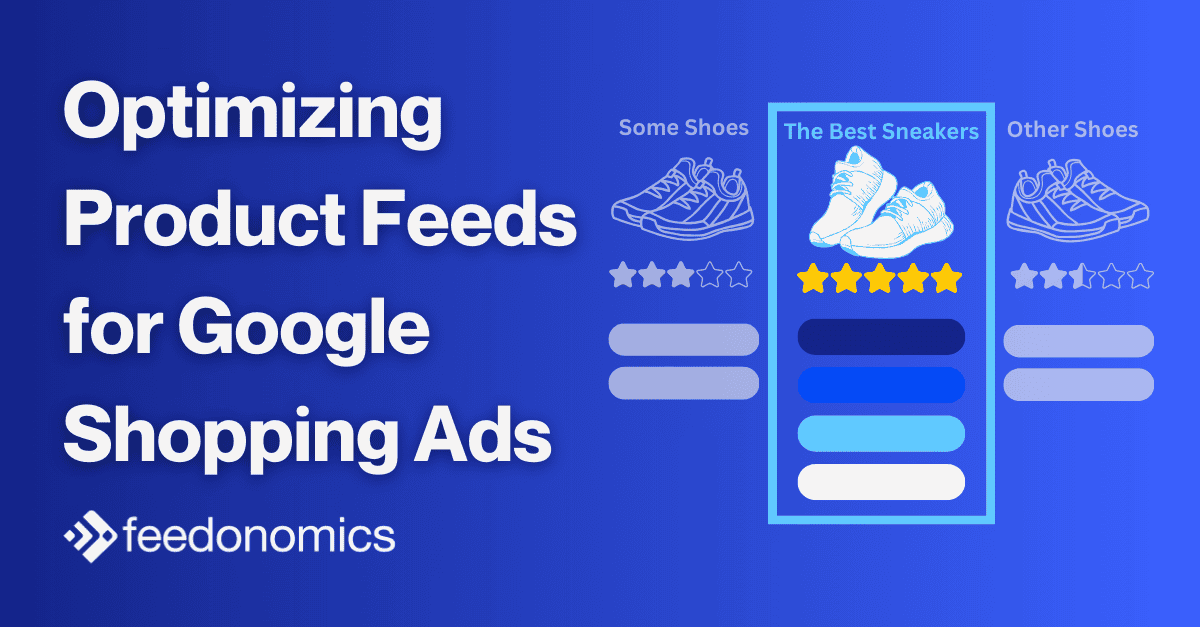
Utilizing Custom Labels for Better Organization
Custom labels allow advertisers to categorize products beyond the standard attributes provided in the product feed. This categorization enables more granular control over bidding strategies and campaign segmentation. For instance, labels can be created for seasonal promotions, high-margin items, or specific target demographics.
- Seasonal Labels: Use custom labels to identify products tied to specific seasons or holidays.
- Margin-Based Labels: Separate products based on profit margin to adjust bids accordingly.
- Performance Labels: Tag high-performing products for increased visibility in campaigns.
Implementing Dynamic Remarketing Strategies
Dynamic remarketing leverages user behavior data to show tailored ads to potential customers who have previously interacted with products. This strategy requires a well-structured feed that includes product details such as availability, pricing, and images. By utilizing dynamic remarketing, advertisers can re-engage users with personalized messages, resulting in higher conversion rates.
To implement dynamic remarketing:
- Set up a remarketing list in Google Ads.
- Create a dynamic ad template that pulls product information from the feed.
- Integrate product feed data to ensure accurate representation of items.
Leveraging Structured Data for Enhanced Visibility
Structured data markup helps search engines understand the content of product listings better, thereby enhancing visibility in search results. Implementing schema markup for products can lead to rich snippets, which display additional information such as prices, reviews, and availability directly in search results.
Key benefits of using structured data include:
- Improved Click-Through Rates: Rich snippets can attract more clicks due to their enhanced visibility.
- Better SEO Performance: Search engines favor well-structured data, potentially improving organic rankings.
- Increased Trust: Displaying ratings and reviews can enhance consumer trust in products.
Regularly Updating and Auditing Product Information
Regular audits of product information in feeds ensure that all listings remain accurate and competitive. This includes checking for outdated prices, stock levels, and product descriptions. Maintaining up-to-date information reduces the likelihood of disapprovals and enhances user experience.
Establish a routine for auditing product feeds by:
- Setting a schedule for regular updates based on inventory changes.
- Using automated tools to identify discrepancies in product information.
- Monitoring performance metrics to identify underperforming products for immediate review.
Beyond these fundamental strategies, many advertisers overlook the significance of integrating products with broader marketing initiatives. Syncing Google Shopping Ads with social media campaigns or email marketing can create a cohesive branding experience that drives higher engagement and conversions. Additionally, common misconceptions include the belief that optimizing product feeds is a one-time task; in reality, continuous adjustments based on performance data are critical for sustained success.
To apply this information effectively, start by implementing custom labels in your product feed to enhance organization. Next, set up dynamic remarketing campaigns tailored to user behavior and ensure your product data is enriched with structured data markup. Finally, commit to a regular audit schedule to maintain product accuracy and enhance visibility across platforms. These steps will help optimize Google Shopping Ads and drive maximum ROI.
Understanding Bidding Strategies: Manual vs. Automated
This section delves into the critical differences between manual and automated bidding strategies for Google Shopping Ads, examining their respective advantages and disadvantages. Selecting the appropriate bidding strategy is essential for optimizing ad performance and maximizing return on investment (ROI).

Advantages and Disadvantages of Manual Bidding
Manual bidding allows advertisers to set specific bids for each product or ad group, providing complete control over spending. The primary advantages include:
- Flexibility: Advertisers can adjust bids based on real-time performance data, seasonal trends, or specific promotions.
- Granular Control: Individual bids can be tailored to specific products, ensuring that high-margin items receive more attention.
- Budget Management: Advertisers can maintain strict control over their overall budget and allocate funds according to performance needs.
However, manual bidding also has significant disadvantages:
- Time-Consuming: Regular monitoring and adjustments are required, which can be labor-intensive.
- Risk of Human Error: Mistakes in bid adjustments can lead to overspending or missed opportunities.
- Lack of Real-Time Optimization: Manual strategies may not respond quickly to market changes compared to automated options.
Overview of Automated Bidding Options
Automated bidding strategies leverage machine learning to optimize bids based on performance data. Key options include:
- Target ROAS (Return on Ad Spend): Optimizes bids to achieve a specific return on investment.
- Maximize Clicks: Focuses on generating as many clicks as possible within a defined budget.
- Target CPA (Cost Per Acquisition): Sets bids to achieve a specific cost per conversion, balancing cost and volume.
These strategies automatically adjust bids in real-time, allowing for greater efficiency and less manual oversight.
Choosing the Right Bidding Strategy for Your Goals
Selecting the appropriate bidding strategy hinges on the specific goals of the campaign. Consider the following:
- If maximizing traffic is the primary goal, Maximize Clicks may be the best choice.
- For campaigns focused on profitability, Target ROAS or Target CPA could yield better results.
- Evaluate past performance data to inform bidding strategy decisions, as historical data can provide insights into which strategy may be most effective.
Monitoring and Adjusting Bids Based on Performance Data
Continual monitoring of ad performance is crucial for optimizing bidding strategies. Key metrics to track include:
- Conversion Rate: Assess how effectively clicks are translating into sales.
- Cost per Conversion: Evaluate the efficiency of ad spend relative to the number of conversions.
- Return on Ad Spend: Analyze the revenue generated from ad campaigns against the costs incurred.
Regularly adjusting bids based on these performance indicators will help maintain campaign effectiveness.
To implement these insights effectively, begin by analyzing your campaign goals and current performance metrics. Choose between manual and automated bidding based on your resource availability and desired control level. Regularly monitor key performance indicators and adjust bids accordingly, ensuring that your strategy remains aligned with your overall objectives. This approach will significantly enhance your efforts in how to optimize Google Shopping Ads for maximum ROI.
Analyzing Performance Metrics for Continuous Improvement
Effective optimization of Google Shopping Ads hinges on a thorough analysis of performance metrics. By interpreting key indicators, advertisers can refine strategies to enhance ROI and drive sales.
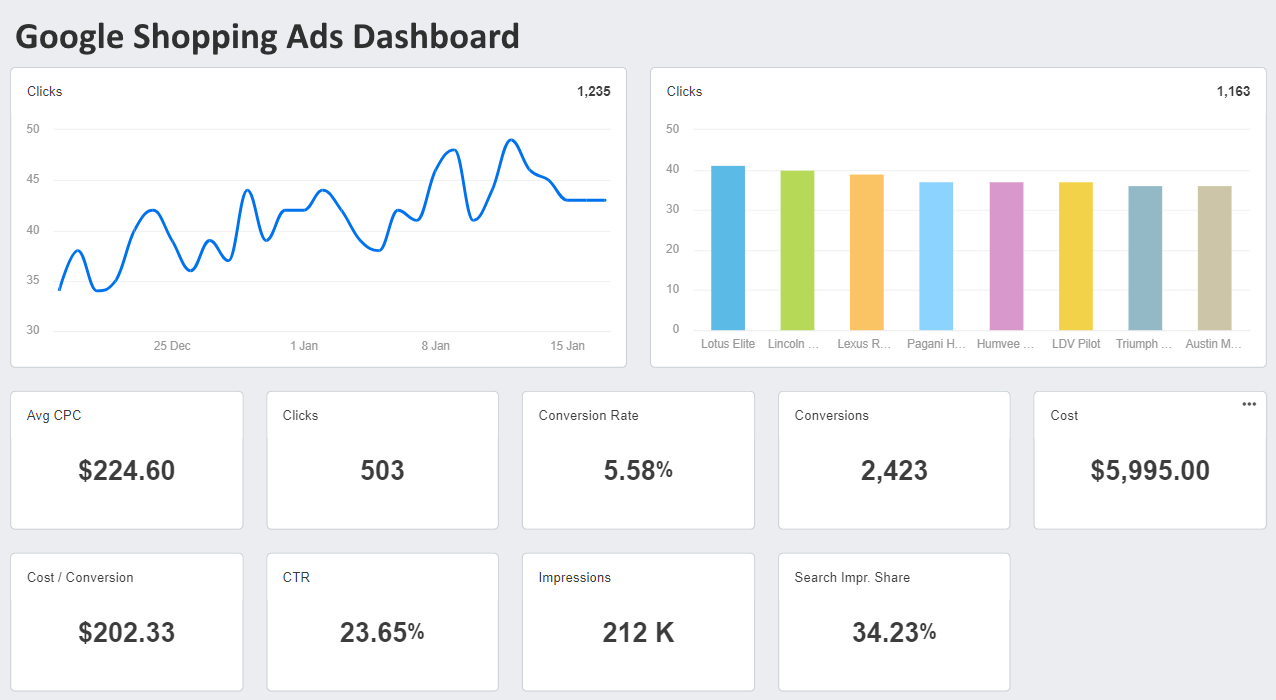
Key Performance Metrics
Familiarity with essential metrics is critical for evaluating the success of Google Shopping Ads. Focus on the following:
- Click-Through Rate (CTR): This metric indicates the percentage of users who click on the ad after seeing it. A higher CTR suggests that the ad is relevant and appealing to the target audience.
- Conversion Rate: This measures the percentage of clicks that result in a purchase. A low conversion rate may signal issues with the landing page or product offering.
- Cost Per Click (CPC): This represents the amount paid for each click on the ad. Monitoring CPC helps manage budgets and assess the profitability of ad campaigns.
Utilizing Google Analytics
Google Analytics provides valuable insights into user behavior post-click. By setting up tracking parameters, advertisers can analyze how visitors interact with their website after clicking on a Shopping Ad. Key areas to assess include:
- Bounce rate: A high bounce rate indicates that visitors are leaving the site quickly, which may suggest a mismatch between the ad and landing page content.
- Average session duration: Longer sessions typically indicate higher engagement levels, whereas shorter sessions may require a review of the site’s usability.
- Goal completions: Tracking specific goals, such as purchases or sign-ups, helps measure the effectiveness of the ad in driving desired actions.
A/B Testing for Ad Variations
Implementing A/B testing allows advertisers to compare different ad variations to determine which performs better. Follow these steps to set up effective tests:
- Identify variables to test, such as product images, headlines, or descriptions.
- Create two or more variations of the ad, ensuring that only one element differs between them.
- Run the ads simultaneously to a similar audience for a predetermined period.
- Analyze the results based on CTR, conversion rates, and overall performance metrics.
Implementing Feedback Loops
Establishing feedback loops is essential for ongoing optimization. Regularly review performance data and adjust campaigns accordingly. Consider the following practices:
- Schedule monthly performance reviews to identify trends and areas for improvement.
- Engage in competitor analysis to understand market changes and adjust bids or strategies.
- Utilize customer feedback to refine product offerings and enhance ad relevance.
Many advertisers overlook the impact of seasonality and market trends on performance metrics. Understanding that consumer behavior fluctuates throughout the year is crucial for setting realistic benchmarks. Additionally, relying solely on average metrics can lead to misleading conclusions. For example, a high CTR might not equate to high sales if the conversion rate is low. Continuous analysis of user behavior and segmenting data by demographics or device can yield deeper insights.
To effectively implement these strategies, advertisers should regularly monitor key metrics using Google Analytics, conduct A/B tests to optimize ad content, and create a schedule for performance reviews. Establish specific KPIs to track progress and adjust strategies based on data-driven insights. By focusing on these actionable steps, advertisers can significantly improve their Google Shopping Ads and achieve maximum ROI.
Real-World Case Studies: Success Stories in Google Shopping Ads
This section explores successful Google Shopping Ads campaigns, showcasing actionable insights and lessons learned from both triumphs and failures. These examples provide a roadmap for optimizing campaigns and achieving maximum ROI.

Successful Campaign: XYZ Electronics
XYZ Electronics, an online retailer specializing in consumer electronics, implemented a comprehensive Google Shopping Ads strategy that resulted in a 150% increase in sales over six months. The campaign focused on high-quality product images, competitive pricing, and strategic bidding.
- Product Feed Quality: XYZ invested time in optimizing their product feed, ensuring accurate descriptions, high-resolution images, and proper categorization.
- Smart Bidding Strategies: They utilized Google’s Smart Bidding, specifically Target ROAS, adjusting bids based on real-time data and user behavior.
- Regular Performance Monitoring: The team conducted weekly reviews of their performance metrics, allowing for quick adjustments to underperforming ads.
Lessons from Failed Campaigns
Not every campaign achieves success. A prominent fashion retailer launched a Google Shopping Ads campaign that failed to gain traction. Key issues included poor product images, generic descriptions, and a lack of targeted keywords. The campaign resulted in a 30% decrease in overall ROI.
- Poor Visual Appeal: Low-quality images led to decreased click-through rates (CTR).
- Weak Product Descriptions: Generic descriptions failed to attract the target audience.
- Neglecting Negative Keywords: The absence of a negative keyword strategy wasted budget on irrelevant searches.
Expert Insights on What Works
Industry experts emphasize several key strategies for optimizing Google Shopping Ads. According to a 2023 report by the Digital Marketing Association, successful campaigns share common characteristics.
- Seasonal Adjustments: Tailoring campaigns to seasonal trends can significantly enhance performance.
- A/B Testing: Regularly testing various aspects of ads, including images and descriptions, allows for continuous improvement.
- Cross-Channel Integration: Integrating Google Shopping Ads with social media and email marketing amplifies reach and effectiveness.
While these strategies are effective, misconceptions about bidding and budget allocation persist. Many advertisers erroneously believe that higher budgets guarantee better results. However, smart budget management and targeting can yield better outcomes with lower investment.
Practical Application: Steps to Optimize Your Campaign
To leverage these insights, implement the following steps in your Google Shopping Ads strategy:
- Audit your product feed for accuracy and quality.
- Utilize Smart Bidding features to enhance bid management.
- Monitor performance metrics regularly and adjust strategies accordingly.
- Incorporate seasonal trends into your advertising strategy.
- Test variations of your ads to find the most effective combinations.
By applying these strategies and learning from both successes and failures, any business can enhance their Google Shopping Ads performance and optimize for maximum ROI.
For How To Optimize Google Shopping Ads businesses looking to generate local leads through Google Ads or Local SEO, GMB Ranger LLC offers hands-on campaign management. Specialist Md Tangeer Mehedi personally handles campaign setup and ongoing optimization — with no payment required until the first lead comes in.
Frequently Asked Questions
What are Google Shopping Ads and how do they work?
Google Shopping Ads are visual advertisements that showcase products directly in search results. They work by displaying product images, prices, and merchant names, allowing users to click through to purchase items from online retailers.
How can I improve my Google Shopping Ads performance?
Improving Google Shopping Ads performance can be achieved by optimizing product titles and descriptions, using high-quality images, and adjusting bids based on performance metrics. Regularly analyzing data and refining targeting strategies also enhances ad effectiveness.
What are the best practices for Google Shopping Ads?
Best practices for Google Shopping Ads include maintaining an organized product feed, utilizing negative keywords, and implementing structured data. Regularly monitoring performance and adjusting bids based on seasonal trends can also yield better results.
How much do Google Shopping Ads cost?
The cost of Google Shopping Ads varies based on factors such as competition, bidding strategy, and daily budget. Advertisers typically pay on a cost-per-click (CPC) basis, meaning they only pay when a user clicks on their ad.
How long does it take to see results from Google Shopping Ads?
Results from Google Shopping Ads can typically be seen within a few days to a couple of weeks, depending on the campaign’s setup and budget. However, optimizing and refining ads may take longer to achieve desired performance levels.
What are common mistakes to avoid with Google Shopping Ads?
Common mistakes to avoid include neglecting product feed optimization, using poor-quality images, and failing to implement negative keywords. Additionally, not monitoring performance metrics can lead to wasted ad spend and suboptimal results.
How do Google Shopping Ads compare to traditional text ads?
Google Shopping Ads differ from traditional text ads by displaying product images and pricing information, making them more visually appealing. They often lead to higher click-through rates and conversions due to their direct presentation of products to potential buyers.
What tools can help optimize Google Shopping Ads?
Tools such as Google Ads, Google Merchant Center, and third-party analytics platforms can help optimize Google Shopping Ads. These tools provide insights into performance metrics, enabling advertisers to make data-driven decisions for better results.
Final Thoughts on how to optimize google shopping ads
To maximize ROI from Google Shopping Ads, a strategic approach is essential. Focus on refining product feeds, leveraging advanced bidding strategies, and continuously analyzing performance metrics to drive effective decision-making.
Immediately implement a robust product feed optimization strategy by ensuring all product attributes are complete and accurate, as this significantly impacts ad visibility and click-through rates.
Mastering Google Shopping Ads is crucial for staying competitive in the digital marketplace, as it directly influences sales performance and overall business growth.
Leave a Reply