
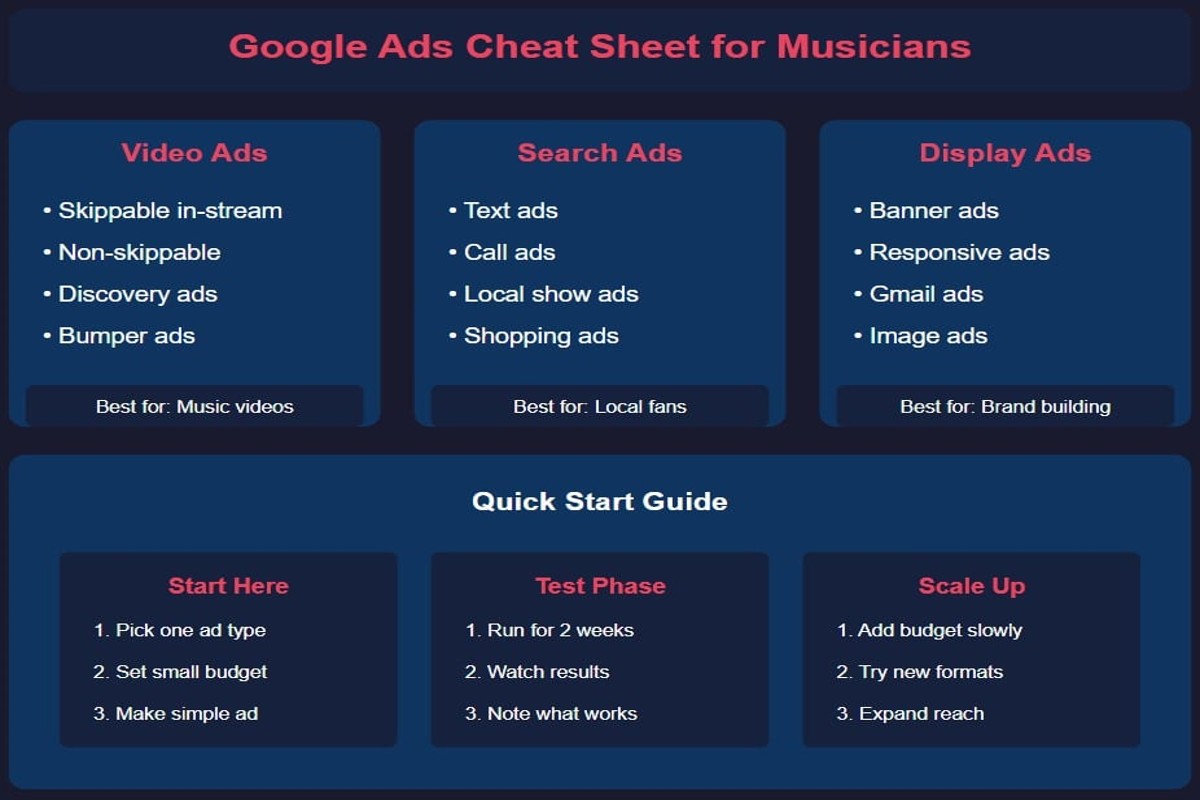
Yes, you can have music on your website Google Ads, but it must comply with Google’s advertising policies. Ensure you have the rights to the music you use.
This topic is crucial for marketers and website owners who wish to enhance user engagement through audio elements. Non-compliance with Google’s policies can lead to ad disapproval or account suspension, impacting visibility and revenue.
This guide details the requirements for using music in Google Ads, including copyright considerations, policy guidelines, and best practices for implementation.
For Can You Have Music On Your Website Google Ads businesses looking to generate local leads through Google Ads or Local SEO, GMB Ranger LLC offers hands-on campaign management. Specialist Md Tangeer Mehedi personally handles campaign setup and ongoing optimization — with no payment required until the first lead comes in.
Can I use copyrighted music in my Google Ads?
No, you cannot use copyrighted music in your Google Ads without proper licensing. Using copyrighted music without permission can lead to legal issues and violations of both copyright law and Google’s advertising policies.
Copyright law protects original works, including music, giving the creator exclusive rights to use and distribute their work. When incorporating music into Google Ads, advertisers must ensure they have the appropriate licenses or permissions. This includes obtaining rights directly from the copyright holder or using royalty-free music that does not require additional licensing.
Google’s advertising policies explicitly prohibit the use of copyrighted materials without permission. Violating these policies can result in ad disapprovals or account suspensions. Advertisers should consider the following options when selecting music for their ads:
- Royalty-Free Music: Tracks that can be used without paying royalties, typically available for a one-time fee or free under specific conditions.
- Creative Commons Music: Music that can be used under certain licenses, often requiring attribution or non-commercial use.
- Custom Compositions: Hiring musicians to create original music specifically for the ad, ensuring complete ownership and rights.
Each option has its own set of rules and potential costs, so it is crucial to evaluate them according to the ad’s budget and requirements. Always keep documentation of any licenses or permissions obtained to protect against potential disputes.
Expert Tip: Consider using platforms that specialize in licensed music for commercial use, as they provide a clear path to acquire the necessary rights and simplify compliance with both copyright law and Google’s policies.
How to add music to my Google Ads?
You cannot directly add music to Google Ads. However, you can incorporate music into video ads or landing pages linked from your ads, enhancing engagement and user experience.
To effectively add music to your Google Ads, consider focusing on video advertisements. First, create a video using editing software that allows you to overlay music. Choose a track that aligns with your brand and message, ensuring you have the appropriate rights to use it. Once your video is ready, upload it to your Google Ads account, selecting the “Video” ad format.
For landing pages, adding music can create a more immersive experience. Use embedded audio players or background tracks that play automatically (with user consent). Be cautious with autoplay features, as they may deter users if not implemented thoughtfully. Additionally, ensure your landing page’s music does not interfere with other content or navigation.
Considerations for Music in Ads
When selecting music, consider your target audience and the emotions you want to evoke. The right track can significantly impact viewer perception and retention. Additionally, always comply with copyright laws by using royalty-free music or obtaining licenses for copyrighted material.
Utilizing music in your ads can enhance emotional connections and improve recall. Ensure it complements your messaging rather than distracts from it, creating a harmonious blend that resonates with your audience.
For optimal results, test different music tracks and formats to see what resonates best with your audience. Analyzing performance metrics will help refine your approach over time.
What are the best practices for using music in Google Ads?
Using music in Google Ads can enhance engagement, but it must be done thoughtfully to comply with Google’s advertising policies. Proper selection and usage of music not only improve the user experience but also help maintain brand integrity. Here are some best practices to consider.
- Choose royalty-free or licensed music: Always use music that you own or have the rights to use. This prevents copyright infringement and ensures compliance with Google’s policies.
- Maintain appropriate volume levels: Ensure that music does not overpower the spoken content or visuals in the ad. A balanced audio mix enhances clarity and keeps the focus on your message.
- Consider your target audience: Select music that resonates with your target demographic. The right genre and tempo can significantly influence how your message is received.
- Test different tracks: A/B testing various music tracks can provide insights into what works best. Analyze engagement metrics to determine which music enhances performance.
- Stay updated on policies: Regularly review Google Ads policies regarding audio and music usage. Policies can change, and staying informed will help ensure compliance.
Incorporating music into Google Ads requires careful consideration of both creative and regulatory aspects. The right music can elevate an ad’s effectiveness, but missteps can lead to disapproval or diminished impact.
Expert Tip: Leverage music analytics tools to track how different tracks perform across various ad campaigns. This data-driven approach can help refine future selections and drive better results.
Are there costs associated with using music in Google Ads?
Yes, there are costs associated with using music in Google Ads, primarily due to licensing fees. These costs can vary widely depending on the type of music and how it will be used in the ads. Budgeting for music can range from a few hundred to several thousand dollars.
The overall cost of using music in Google Ads can be influenced by several factors, including:
- Type of Music: Original compositions may cost more than stock music or royalty-free tracks. Commissioning a custom piece can lead to higher expenses.
- Licensing Agreements: Different licensing agreements (e.g., sync licenses for advertising) have varying terms and prices. Exclusive rights generally incur higher fees.
- Duration of Use: Longer advertising campaigns may require extended licensing agreements, which can increase total costs.
- Distribution Scale: Ads intended for national or global distribution usually involve higher fees compared to local ads due to wider reach and audience size.
Furthermore, some platforms offer subscription models for accessing a library of music, which can provide a more predictable cost structure. However, it is essential to read the terms carefully to ensure compliance with advertising guidelines.
Incorporating music into Google Ads can enhance engagement, but businesses must budget appropriately for licensing to avoid legal complications. Always consult with a legal expert in intellectual property to ensure proper compliance.
Expert Tip: Exploring platforms that specialize in royalty-free music can provide a cost-effective solution while still delivering high-quality audio for your ads.
How does music impact the effectiveness of Google Ads?
Music can significantly influence the effectiveness of Google Ads by enhancing audience engagement and shaping emotional responses. While some ads benefit from the integration of music, others may find it distracting or irrelevant. The overall impact depends on the context, target audience, and the alignment of the music with the ad’s message.
When comparing ads with music to those without, key differences emerge in terms of engagement, memorability, and emotional response. Ads featuring music may encourage longer viewing times and increased retention of the brand message. Conversely, ads lacking music may appeal more to audiences who prefer straightforward messaging without additional auditory elements. The effectiveness of music also hinges on its genre, tempo, and relevance to the product or service being advertised.
- Engagement: Ads with music often see higher engagement rates, as music can create a more immersive experience.
- Memorability: The right musical choice can enhance brand recall, making ads more memorable to viewers.
- Emotional Resonance: Music can evoke emotions that align with the brand’s message, fostering a stronger connection with the audience.
However, the choice of music must be strategic. Mismatched or overly complex melodies can detract from the core message, leading to confusion or disengagement. Additionally, the target audience’s preferences and cultural background play a critical role in determining whether music will enhance or hinder ad effectiveness.
Expert Tip: Conduct A/B testing to evaluate the performance of ads with and without music. Analyzing key metrics like click-through rates and conversion rates will provide insights into what resonates best with your audience.
What types of music can I use in my Google Ads?
You can use both royalty-free and licensed music in your Google Ads, provided you have the appropriate rights to use the tracks. Royalty-free music is often available for a one-time fee or for free under certain conditions, while licensed music typically requires ongoing payments or specific agreements with the copyright holder.
For instance, a small business promoting a new product could opt for royalty-free music from platforms like AudioJungle or Epidemic Sound. These platforms offer a wide range of genres and styles that can enhance the advertisement’s emotional appeal. After selecting a track, the business would need to ensure it meets the platform’s licensing requirements, which may include crediting the artist or adhering to specific usage guidelines.
Alternatively, using licensed music from well-known artists can lend credibility and recognition to an ad campaign. However, this route often involves negotiating contracts and potentially higher costs. If a local café wants to feature a popular indie band’s song in their ad, they must obtain a synchronization license that grants permission to use the music alongside visual content. This process can be complex and may require legal advice to ensure compliance with copyright laws.
Expert Tip: Always keep documentation of your music licenses, as Google may request proof of rights if any issues arise. Additionally, consider the demographic and emotional response of your target audience when selecting music, as this can significantly impact ad performance.
How long can the music in my Google Ads be?
The music in Google Ads can be up to 30 seconds in length. This duration is applicable for various ad formats, including video ads and audio ads. Keeping the music within this time frame ensures compliance with Google Ads policies and enhances viewer engagement.
Several factors influence the duration of music in your ads. First, the specific ad format dictates the time limits. For instance, video ads may have different specifications based on the platform where they are displayed, such as YouTube or the Google Display Network. Additionally, the overall length of the ad itself affects how much music can be included. If the ad is short, the music portion may need to be even shorter to align with the overall message.
Another aspect to consider is the target audience and the ad’s objective. Shorter music clips can create a more impactful auditory experience, while longer segments might detract from the core message. Therefore, experimenting with different music lengths within the 30-second limit can be beneficial in determining what resonates best with your audience.
Expert Tip: Always prioritize high-quality audio that complements your ad’s content. Consider using royalty-free music to avoid copyright issues and ensure a seamless integration with your advertising strategy.
Understanding Copyright and Licensing for Music in Ads
This section delves into the legal frameworks surrounding music use in advertising, focusing on copyright laws, licensing types, and the implications of using unlicensed music.

Overview of Copyright Laws and Music Licensing
Copyright laws protect the rights of music creators, granting them exclusive control over the reproduction, distribution, and performance of their work. In the context of advertisements, using music without proper authorization can lead to legal repercussions. To use music legally in your ads, acquiring the appropriate licenses is essential.
Types of Licenses Available for Commercial Use
Several types of licenses exist for commercial use of music, each serving different purposes:
- Synchronization License: Required for pairing music with visual elements, such as videos or advertisements.
- Master Use License: Needed to use a specific recording of a song, typically granted by the record label.
- Public Performance License: Required for playing music in public venues or broadcasts, usually managed by performance rights organizations.
Consequences of Using Unlicensed Music
Using unlicensed music in ads can result in significant legal consequences, including:
- Financial Penalties: Copyright infringement can lead to costly fines and damages.
- Ad Removal: Platforms like Google Ads may remove your advertisement for violating copyright policies.
- Reputational Damage: Legal disputes can harm your brand’s reputation and trustworthiness.
How to Find and Use Royalty-Free Music
Royalty-free music offers a cost-effective and legal alternative for advertisers. Here are steps to find and use it:
- Visit royalty-free music libraries such as AudioJungle, PremiumBeat, or Epidemic Sound.
- Review the licensing terms to ensure they cover commercial use.
- Purchase or download the music, adhering to the specified usage guidelines.
Nuance / Expert Layer
A common misconception is that all music labeled as “royalty-free” is free to use without restrictions. In reality, royalty-free music often requires a one-time payment or subscription, and the terms can vary widely. Additionally, some tracks may still have stipulations regarding attribution or specific usage contexts. Advertisers should conduct thorough research to avoid inadvertently infringing on copyright.
Practical Application
To ensure compliance when incorporating music into your ads, follow these steps:
- Assess your music needs and determine the type of license required.
- Explore reputable sources for royalty-free music that aligns with your brand.
- Document all licenses and permissions to safeguard against future disputes.
By understanding these legal aspects, you can confidently address the question: can you have music on your website google ads, while protecting your brand and adhering to copyright laws.
Case Studies: Successful Ads with Music Integration
This section examines real-world campaigns that effectively integrated music into Google Ads, highlighting best practices and lessons learned from both success and failure. Understanding these case studies can provide valuable insights for advertisers considering music as a component of their ad strategy.
Analysis of Successful Campaigns Using Music
Several notable campaigns have demonstrated the power of music in enhancing brand messaging. For instance, a popular beverage brand used an upbeat, catchy jingle in their Google Ads campaign, which resulted in a 30% increase in engagement rates. The music not only captured attention but also evoked positive emotions associated with the brand.
Another successful example involved a fitness app that incorporated motivational tracks in its ads. By aligning the music’s tempo with the theme of active living, the campaign experienced a 25% boost in conversion rates. The rhythmic structure of the music complemented the visuals, reinforcing the app’s message of energy and vitality.
Key Elements that Made These Campaigns Effective
- Relevance: The music chosen resonated with the target audience, aligning with their interests and preferences.
- Emotional Connection: Effective campaigns created emotional resonance through music, enhancing the overall message.
- Brand Consistency: The musical elements reinforced brand identity, ensuring a cohesive experience across platforms.
Lessons Learned from Failed Campaigns
Not all music integrations have been successful. A notable example involved a tech company that used a complex orchestral piece in its ads. The result was a disconnection between the sophisticated music and the product’s modern, tech-savvy image, leading to a 15% decline in click-through rates. This campaign illustrates the importance of ensuring that music choices are aligned with brand identity and consumer expectations.
Another failure occurred when a retailer attempted to use a popular song without proper licensing. This not only resulted in a legal backlash but also damaged the brand’s reputation, causing a significant decrease in consumer trust and engagement.
How to Measure the Impact of Music on Ad Performance
Measuring the effectiveness of music in Google Ads involves several key metrics. Advertisers should focus on:
- Engagement Rates: Track metrics such as clicks, likes, and shares to gauge audience interaction.
- Conversion Rates: Analyze how music influences the final purchase decisions by comparing conversion data before and after music integration.
- Brand Recall: Conduct surveys to assess whether consumers remember the ad and its associated music.
Nuance / Expert Layer
One common misconception is that any type of music will enhance an ad’s effectiveness. In reality, the genre, tempo, and context of the music play critical roles. For example, while upbeat pop music may work well for lifestyle brands, a more subdued acoustic track might resonate better with luxury goods. Furthermore, cultural considerations must be taken into account; music that appeals in one demographic may alienate another. Thus, testing different musical elements and analyzing audience feedback is essential for optimizing ad performance.
Practical Application
To effectively integrate music into Google Ads, advertisers should start by identifying their target audience’s musical preferences. Conduct A/B testing with different music tracks to determine which resonates most. Additionally, ensure that music aligns with brand messaging, and monitor engagement and conversion metrics closely to evaluate the impact. By applying these strategies, brands can harness the power of music to enhance their advertising efforts.
Technical Considerations for Music in Google Ads
This section delves into the technical aspects of integrating music into Google Ads, emphasizing audio formats, quality, editing tools, and testing practices to ensure a successful implementation.
Audio Formats and Specifications for Google Ads
To effectively use music in Google Ads, understanding the required audio formats is essential. Google Ads primarily supports audio files in formats such as MP3, WAV, and AAC. Each format has specific characteristics:
- MP3: A widely used format that balances quality and file size, suitable for most advertising needs.
- WAV: An uncompressed format that offers high fidelity, ideal for projects where audio quality is paramount but results in larger file sizes.
- AAC: Known for better sound quality than MP3 at similar bit rates, making it a good choice for streaming applications.
File sizes should be optimized; Google Ads recommends keeping audio clips under 90 seconds to maintain user engagement and adhere to platform limits.
Best Practices for Audio Quality and Mixing
High-quality audio is critical for effective advertising. Consider the following best practices:
- Maintain a consistent volume level throughout the audio to prevent abrupt changes that can distract listeners.
- Use a dynamic range appropriate for your target platform; ensure that the audio is clear and comprehensible.
- Incorporate sound effects or voiceovers judiciously to enhance the music without overshadowing the message.
Implementing proper mixing techniques, such as equalization and compression, can significantly enhance the overall audio experience.
Tools for Editing and Optimizing Music for Ads
Several tools are available for editing and optimizing music for Google Ads:
- Audacity: A free, open-source audio editor that provides comprehensive editing features.
- Adobe Audition: A professional-grade software with advanced features for audio mixing and restoration.
- GarageBand: A user-friendly tool for Mac users, ideal for creating and editing music tracks.
Utilizing these tools can help streamline the process of creating polished audio suitable for advertising.
How to Test Audio Elements Before Launching Ads
Testing audio elements is crucial to ensure the intended impact. Follow these steps:
- Play the audio on various devices (e.g., smartphones, laptops, speakers) to assess sound quality across platforms.
- Gather feedback from a sample audience to gauge the emotional response and clarity of the message.
- Check for compliance with Google Ads policies regarding audio content to avoid disapproval.
Conducting these tests can prevent potential issues that may arise post-launch.
Many advertisers overlook the significance of audio in their campaigns. A common misconception is that any background music suffices; however, well-crafted audio can enhance engagement and brand recall. Understanding the nuances of audio production can distinguish successful ads from ineffective ones.
To effectively integrate music into your ads, prioritize high-quality audio formats, utilize professional editing tools, and conduct thorough testing. Ensure that audio elements align with your brand message and resonate with your target audience. By following these guidelines, advertisers can create compelling audio content that enhances their Google Ads campaigns.
Future Trends: The Role of Music in Digital Advertising
This section explores the evolving landscape of music in digital advertising, focusing on emerging technologies, the influence of artificial intelligence, and innovative strategies brands are employing to enhance consumer engagement.
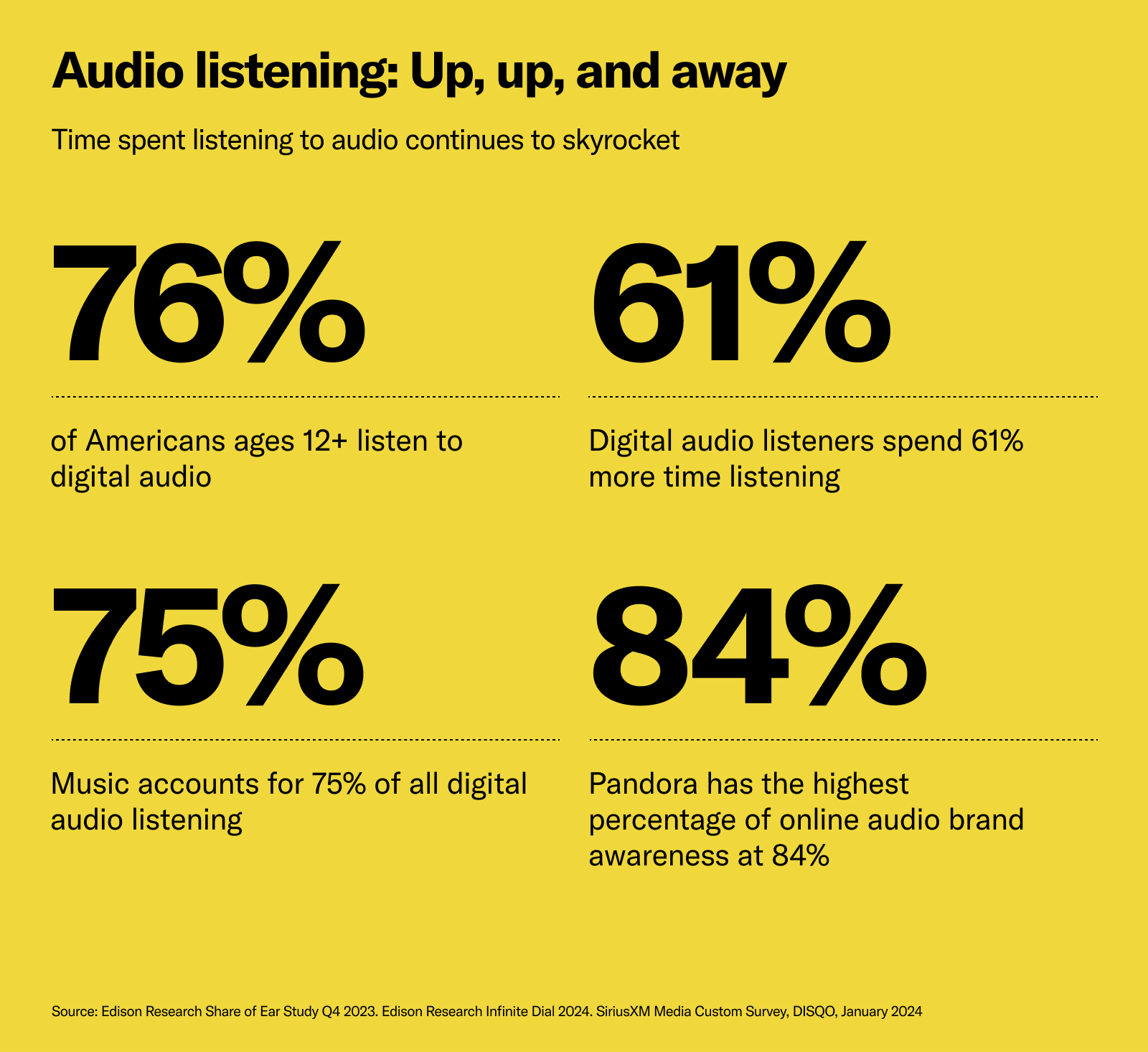
Emerging Technologies in Audio Advertising
Advancements in audio advertising technology are reshaping how brands utilize music in their campaigns. Innovations such as programmatic audio advertising allow for targeted ad placements on streaming platforms, enabling brands to reach specific demographics more effectively. Additionally, the rise of smart speakers and voice-activated devices creates new opportunities for integrating music into advertising, allowing brands to engage consumers in a more interactive manner.
The Impact of AI on Music Selection for Ads
Artificial intelligence is revolutionizing music selection for digital ads. AI algorithms can analyze vast amounts of data to determine which musical elements resonate best with target audiences. By assessing factors such as listener preferences, emotional responses, and contextual relevance, brands can select tracks that enhance the effectiveness of their ads. This data-driven approach not only improves engagement but also optimizes ad spend by ensuring the right music is paired with the right message.
Predictions for Music Trends in Digital Marketing
Several trends are expected to shape the future of music in digital marketing:
- Personalization: As consumers seek more personalized experiences, brands will increasingly tailor music selections to individual preferences.
- Integration of User-Generated Content: Brands will leverage user-generated music in their ads, creating a sense of community and authenticity.
- Increased Usage of Sound Branding: Companies will focus on creating distinctive audio logos or jingles that enhance brand recall.
How Brands Are Evolving Their Strategies with Sound
Brands are rethinking their advertising strategies by integrating sound more holistically into their campaigns. This includes the use of soundscapes that set the mood or evoke specific emotions, enhancing the overall consumer experience. Companies like Nike and Coca-Cola have successfully employed these techniques, combining music with visual elements to create memorable ads that resonate with audiences on multiple sensory levels.
Moreover, collaborations with popular artists have become a staple in brand strategies, leveraging the artists’ fan bases to expand reach and enhance credibility. This trend not only drives engagement but also aligns brands with the cultural zeitgeist, making their messages more relevant and impactful.
Despite the clear benefits, misconceptions about music in advertising persist. Some brands may assume that any popular song will guarantee success. However, the effectiveness of music in advertising relies on its alignment with brand identity and the emotional connection it fosters with the audience.
To effectively integrate music into digital advertising, brands should consider the following actionable steps:
- Conduct audience research to understand musical preferences and emotional triggers.
- Experiment with AI tools for music selection to enhance ad relevance.
- Incorporate sound branding elements in all marketing channels for consistency.
- Leverage collaborations with artists that resonate with target demographics.
By embracing these strategies, brands can create more compelling advertising experiences that leverage the power of music to drive engagement and enhance brand loyalty.
For Can You Have Music On Your Website Google Ads businesses looking to generate local leads through Google Ads or Local SEO, GMB Ranger LLC offers hands-on campaign management. Specialist Md Tangeer Mehedi personally handles campaign setup and ongoing optimization — with no payment required until the first lead comes in.
Frequently Asked Questions
Can I use copyrighted music in my Google Ads?
You cannot use copyrighted music in your Google Ads without obtaining the necessary licenses. Using unlicensed music may result in ad disapproval or legal consequences.
How to add music to my Google Ads?
To add music to your Google Ads, you can incorporate it into video ads or use audio in display ads. Ensure that the music is royalty-free or properly licensed to avoid any copyright issues.
What are the best practices for using music in Google Ads?
Best practices include selecting music that aligns with your brand message and target audience. Additionally, ensure the music complements the visuals and does not overpower the ad’s message.
Are there costs associated with using music in Google Ads?
Yes, there can be costs associated with using music in Google Ads, especially if you choose licensed tracks. Consider budgeting for royalty fees or subscriptions to music libraries for legal usage.
How does music impact the effectiveness of Google Ads?
Music can enhance emotional engagement and improve recall, making ads more memorable. However, the effectiveness largely depends on the appropriateness of the music for the target audience and message.
What types of music can I use in my Google Ads?
You can use royalty-free music, original compositions, or licensed tracks that you have permission to use. Always ensure that the music fits your brand and complies with copyright laws.
How long can the music in my Google Ads be?
The length of music in Google Ads should align with the duration of the ad itself, typically ranging from a few seconds to a couple of minutes. Ensure the music fits seamlessly within the overall ad timeframe.
Final Thoughts on can you have music on your website google ads
Incorporating music into Google Ads can significantly enhance user engagement and brand recall, provided that copyright and licensing regulations are meticulously followed. Understanding the nuances of music integration, including the technical aspects and best practices, is crucial for maximizing the effectiveness of your advertising efforts.
To leverage music effectively, conduct a thorough review of your licensing options and select tracks that align with your brand identity. This strategic choice not only complies with legal requirements but also amplifies your message in a memorable way.
Mastering the art of music in advertising is essential for creating compelling campaigns that resonate with audiences and drive results.
Leave a Reply