
What are google ads for contractors?
Google Ads for contractors is a paid advertising platform designed specifically for construction businesses to connect with potential clients. By investing as little as $10 per day, contractors can effectively target their local market, leading to a significant increase in lead generation and business growth.
Understanding google ads for contractors is crucial for construction businesses looking to expand their client base and increase revenue. With the construction industry projected to reach $1.8 trillion by 2025, leveraging effective advertising strategies is essential for contractors to stay competitive in a crowded marketplace. Missing out on this opportunity can result in lost clients and diminished market presence.
Failure to grasp the nuances of Google Ads can lead to wasted advertising budgets and missed revenue opportunities, placing contractors at a competitive disadvantage. Without a targeted approach, businesses risk not reaching the right audience, ultimately impacting their bottom line.
This article will provide a comprehensive overview of Google Ads for contractors, including a comparison of top providers, a detailed cost breakdown, best practices for effective campaigns, and insights into integrating local SEO strategies to maximize visibility.
For Contractors businesses looking to generate local leads through Google Ads or Local SEO, GMB Ranger LLC offers hands-on campaign management. Specialist Md Tangeer Mehedi personally handles campaign setup and ongoing optimization — with no payment required until the first lead comes in.
What are Google Ads for contractors?
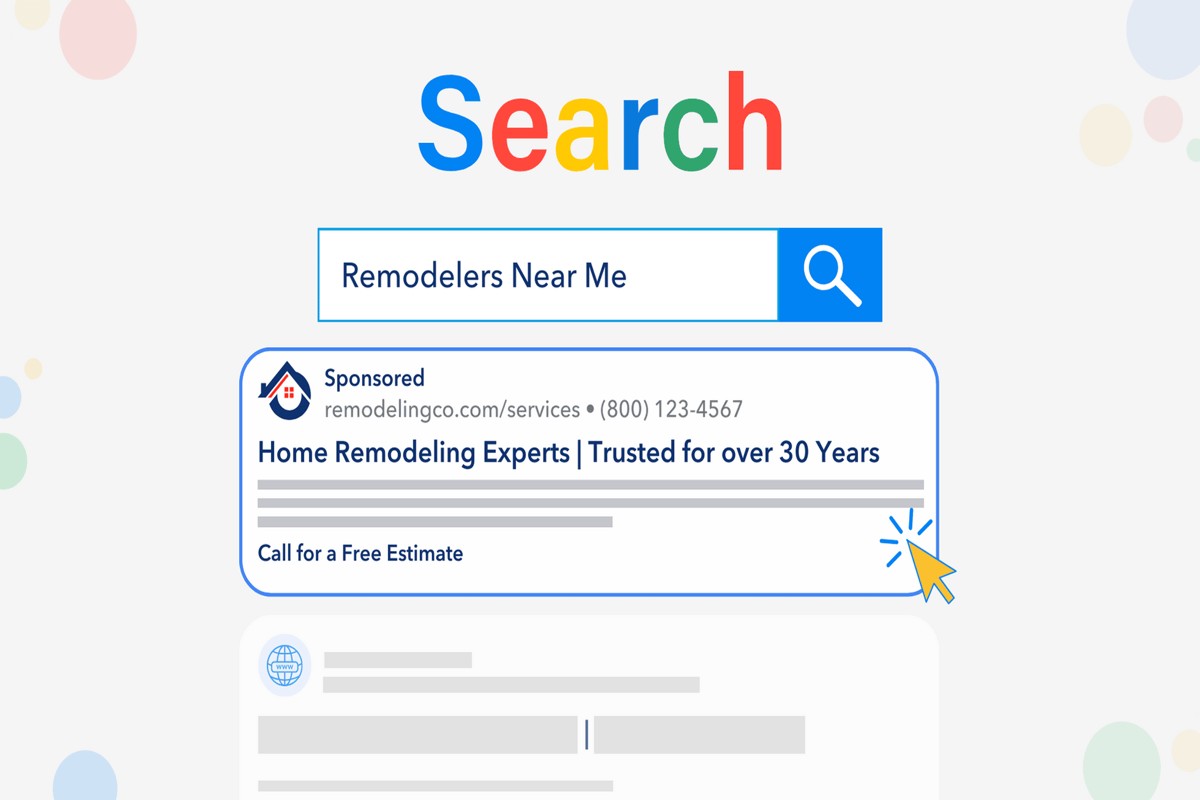
Google Ads for contractors are online advertising solutions that allow contractors to promote their services to potential clients through targeted search and display ads. These ads appear on Google search results and partner websites, helping contractors generate leads and increase visibility. In 2024, businesses using Google Ads saw an average return on investment (ROI) of $2 for every $1 spent, making it a valuable tool for growth.
Google Ads operates on a pay-per-click (PPC) model, where contractors pay only when users click their ads. This model is particularly advantageous for contractors, as they can set specific budgets and target demographics based on location, interests, and search behavior. The ads can be tailored to highlight key services, special offers, or seasonal promotions, making them adaptable to various marketing strategies.
- Search Ads: Text-based ads that appear on Google’s search results when users search for relevant keywords, such as “plumber near me.”
- Display Ads: Visual ads that appear on websites within the Google Display Network, allowing contractors to reach a broader audience.
- Local Service Ads: Ads specifically designed for local contractors that allow users to book services directly from the search results, enhancing convenience.
Implementing Google Ads requires ongoing optimization and analysis. Contractors must continually assess which keywords and ad formats yield the best results, adjusting their campaigns based on performance metrics. Additionally, local SEO strategies should complement Google Ads efforts to ensure a comprehensive approach to attracting clients.
Expert insight: To maximize effectiveness, contractors should focus on long-tail keywords that reflect specific services and local areas, as these often result in higher conversion rates and lower competition.
How do I set up Google Ads for my contracting business?
To set up Google Ads for your contracting business, create an account and launch your first campaign by following a series of structured steps. A well-executed Google Ads campaign can yield a return on investment that exceeds 200% within the first year.
Begin by visiting the Google Ads website and clicking on “Start Now.” You will be prompted to sign in with your Google account. If you do not have one, create a new account. Once signed in, follow these steps:
- Select Your Campaign Objective: Choose an objective that aligns with your business goals, such as generating leads or increasing website traffic.
- Define Campaign Type: Select the type of campaign you wish to run—Search, Display, or Video. For contractors, Search campaigns are often the most effective.
- Set Your Budget: Determine your daily budget, which can start as low as $10. This will control your spending and help manage costs effectively.
- Choose Your Target Audience: Specify geographic locations, demographics, and interests to reach potential customers most likely to need your services.
- Create Ad Groups: Organize your campaign by creating ad groups that focus on specific services or keywords relevant to your business.
- Write Compelling Ad Copy: Craft clear and persuasive ad copy that highlights your services, includes a call to action, and utilizes relevant keywords.
- Set Up Keywords: Use Google’s Keyword Planner to identify relevant keywords and phrases. Choose a mix of broad and exact match types for optimal reach.
- Review and Launch: Double-check all settings and ad copy before launching your campaign. Make any necessary adjustments for clarity and effectiveness.
Once your campaign is live, monitor its performance using Google Ads’ reporting tools. Adjust your strategy as needed based on the data you collect.
Expert insight: Regularly review your keyword performance and adjust bids accordingly; focusing on high-converting keywords can significantly enhance your ROI in the contracting industry.
What is the average cost of Google Ads for contractors?
The average cost of Google Ads for contractors typically ranges from $1 to $10 per click, depending on various factors. Many contractors allocate daily budgets between $10 to $100, resulting in monthly spending between $300 to $3,000 or more based on campaign performance and goals.
Several factors influence the cost of Google Ads for contractors. These include:
- Industry Competition: Highly competitive markets, such as plumbing and electrical services, may have higher costs per click (CPC) due to increased bidding among contractors.
- Geographic Targeting: Costs can vary significantly based on location. Urban areas often see higher CPCs compared to rural regions.
- Quality Score: Google’s assessment of ad relevance and landing page quality affects CPC. Higher quality scores can lead to lower costs.
- Ad Scheduling: Running ads during peak hours may increase costs, while off-peak scheduling can help manage budgets effectively.
Understanding these factors allows contractors to tailor their Google Ads strategy effectively. By optimizing ad content and targeting, costs can be controlled while maximizing visibility and leads. Additionally, continuous monitoring and adjustment of campaigns can lead to improved performance and cost efficiency over time.
Expert insight: Contractors should consider starting with a modest budget to test various ad strategies, then scale up based on which ads yield the best return on investment (ROI). Regularly analyzing performance data is crucial for refining ad spend and improving overall campaign effectiveness.
How long does it take to see results from Google Ads?
Typically, contractors can expect to see measurable results from Google Ads within 4 to 6 weeks after launching a campaign. However, the timeline may vary based on several factors, including campaign setup, industry competition, and budget allocation.
The initial phase of a Google Ads campaign involves data collection and optimization. During the first two weeks, the algorithm gathers information about user interactions with ads, which helps in refining targeting and ad placements. Following this period, performance metrics such as click-through rates (CTR) and conversion rates begin to stabilize, allowing for more accurate assessments of campaign effectiveness.
Several factors influence how quickly results manifest. First, the **budget** plays a significant role; a higher budget allows for more clicks and impressions, leading to quicker data accumulation. Second, the **competition** within the contractor industry affects visibility; in highly competitive markets, it may take longer to establish a presence. Third, the **quality of ad copy and landing pages** is crucial; well-crafted ads that resonate with the target audience can lead to faster conversions. Additionally, ongoing **optimization efforts**—including adjusting keywords, refining targeting settings, and testing different ad formats—can significantly impact the speed of results.
Expert insight: To maximize the speed of achieving results, contractors should invest time in thorough keyword research and create compelling ad content that addresses the specific needs of their target audience. Regular monitoring and adjustments based on performance data are essential for maintaining momentum in the campaign.
What are the best practices for Google Ads for contractors?
To optimize Google Ads campaigns for contractors, focus on targeted keyword selection, compelling ad copy, and effective budget management. Following these best practices can lead to a significant increase in lead generation—advertisers typically see a 200% return on investment when campaigns are optimized correctly.
Successful Google Ads campaigns require a strategic approach tailored to the contractor industry. Contractors should prioritize specific keywords that reflect their services and geographic area. For instance, using local terms like “roofing contractor in [City Name]” can enhance visibility. Additionally, employing negative keywords helps filter out irrelevant traffic, ensuring that the ad reaches the right audience.
- Create compelling ad copy: Highlight unique selling points such as certifications, special offers, or customer testimonials. Use clear calls-to-action (CTAs) that prompt potential customers to take immediate action, such as “Get a Free Estimate Today!”
- Utilize ad extensions: Leverage features like location, call, and site link extensions to provide additional information and improve ad visibility. These extensions can increase click-through rates by up to 15%.
- Implement conversion tracking: Measure the effectiveness of ads by setting up conversion tracking. This allows contractors to assess which keywords and ads generate the most leads, enabling data-driven adjustments to improve performance.
- Regularly review and optimize campaigns: Monitor key metrics such as click-through rates (CTR) and cost per conversion. Adjust bids, pause underperforming keywords, and refine ad copy based on performance data to maximize ROI.
Expert insight: Focus on seasonal trends in the contracting industry to adjust bids and ad copy accordingly. For example, increase bids for outdoor services during spring and summer when demand is highest.
How do Google Ads compare to other advertising platforms for contractors?
Google Ads generally outperform platforms like Facebook and Yelp in terms of reach and effectiveness for contractors. In fact, Google Ads capture over 90% of the search engine market share, making them a powerful tool for targeting potential clients actively seeking contracting services.
Google Ads focus on intent-driven advertising. When potential customers search for specific contractor services, Google Ads can display relevant ads immediately, ensuring visibility at the exact moment of need. This direct approach often leads to higher conversion rates compared to social media platforms like Facebook, where users are typically not actively seeking services. Facebook ads can be effective for brand awareness but may not yield the same immediate results as Google Ads.
Yelp, on the other hand, serves as a review-based platform where customers search for contractors based on ratings and reviews. While Yelp can effectively drive leads through its local search capabilities, its reach is limited compared to Google Ads. Contractors may find that Yelp is beneficial for reputation management and customer engagement, but it does not offer the same level of targeted advertising options as Google Ads.
| Platform | Strengths | Weaknesses |
|---|---|---|
| Google Ads | High intent targeting, extensive reach | Cost can escalate quickly |
| Facebook Ads | Brand awareness, demographic targeting | Lower intent, may have lower conversion rates |
| Yelp | Local search, customer reviews | Limited advertising options, less immediate reach |
Expert insight: For contractors, leveraging Google Ads alongside Yelp can create a balanced approach. Utilize Google Ads for immediate leads and Yelp for reputation management to build trust with potential clients.
Maximizing ROI: Advanced Strategies for Google Ads
Implementing advanced strategies in Google Ads can significantly enhance a contractor’s return on investment (ROI). This section delves into effective tactics that elevate campaign performance beyond basic setups, ultimately driving more leads and conversions.
Utilizing Keyword Match Types Effectively
Keyword match types play a critical role in controlling which searches trigger your ads. Understanding the nuances of match types can optimize ad visibility and reduce wasted spend:
- Broad Match: Captures a wide audience by matching variations of your keywords. Use this for general awareness.
- Phrase Match: Ensures your ads show for searches that include the exact phrase. This increases relevance.
- Exact Match: Targets searches matching your keyword exactly. This is ideal for high-intent leads.
According to recent data, ads utilizing a combination of phrase and exact match keywords can achieve a click-through rate (CTR) improvement of up to 30% compared to broad match alone.
Implementing Ad Extensions for Better Visibility
Ad extensions enhance your Google Ads by providing additional information and encouraging user engagement. Key types of ad extensions include:
- Sitelink Extensions: Directs users to specific pages, improving navigation and engagement.
- Call Extensions: Allows potential clients to call directly from the ad, increasing lead capture.
- Location Extensions: Displays your business address, fostering local trust and relevance.
Using ad extensions can increase CTR by up to 15%, making them a vital component for contractors aiming to maximize ad performance.
A/B Testing Ad Copy for Performance Optimization
A/B testing involves creating two versions of an ad to determine which performs better. This method is essential for refining messaging and improving conversion rates. Follow these steps:
- Identify a key variable to test, such as headlines or call-to-action phrases.
- Run both ad versions simultaneously to a similar audience.
- Analyze performance metrics, such as CTR and conversion rates, after a predetermined period.
Implementing A/B tests can lead to a performance increase of up to 20%, providing valuable insights into customer preferences.
Leveraging Remarketing Strategies to Recapture Leads
Remarketing allows contractors to re-engage users who have previously interacted with their website without converting. This strategy can be particularly effective in the contracting industry, where decision-making processes often require multiple touchpoints. Key tactics include:
- Creating tailored ads that address specific services viewed by users.
- Utilizing dynamic remarketing to showcase relevant projects or offers based on user behavior.
- Segmenting audiences based on their interactions, such as visitors who abandoned a contact form.
Remarketing campaigns can yield conversion rates up to 10 times higher than standard campaigns, making them crucial for contractors looking to capitalize on previous interest.
Most discussions about Google Ads for contractors overlook the importance of user experience in ad performance. A common misconception is that simply increasing ad spend guarantees better outcomes. However, enhancing ad relevance, improving landing page quality, and ensuring seamless user experience are equally, if not more, significant in driving conversions.
To implement these advanced strategies effectively, contractors should start by reviewing their current keyword match types and adjusting them as necessary. Integrate ad extensions into all campaigns, focusing on those most relevant to your services. Regularly conduct A/B testing on ad copy to refine messaging, and set up remarketing campaigns to target previous visitors. These steps will create a more robust Google Ads strategy, enhancing overall ROI.
Common Mistakes Contractors Make with Google Ads
Many contractors overlook critical elements when implementing Google Ads, leading to wasted budgets and missed opportunities. Identifying and addressing these common mistakes can significantly enhance campaign performance and return on investment.

Ignoring Negative Keywords
One of the most frequent pitfalls in Google Ads campaigns is neglecting negative keywords. These are terms that, when included, prevent ads from showing for irrelevant searches. For instance, a contractor specializing in high-end renovations might want to exclude terms like “cheap” or “DIY.” Without this strategy, ads may be triggered by searches that do not align with the contractor’s offerings, wasting valuable click budgets.
Failing to Optimize Landing Pages
Driving traffic to a website is only part of the equation; converting that traffic is equally vital. Many contractors send potential clients to generic homepages instead of tailored landing pages. A well-optimized landing page, focusing on a specific service with clear calls to action, can increase conversion rates by up to 30%. Key elements include relevant content, compelling visuals, and easy navigation that aligns with the ad’s messaging.
Setting Unrealistic Budgets
Contractors often make the mistake of underestimating the budget required for effective Google Ads campaigns. A study from 2024 indicated that contractors who allocate at least $1,000 per month see a 50% higher return compared to those who spend less than $500. Setting a budget too low can limit ad visibility and restrict the ability to gather meaningful data for optimization.
Neglecting Performance Tracking and Adjustments
Continuous monitoring and adjustment are crucial for successful google ads management. Many contractors fail to track key performance indicators (KPIs) like click-through rates (CTR), conversion rates, and cost per acquisition (CPA). Regularly analyzing performance data enables contractors to make informed adjustments, improving campaign effectiveness. For example, adjusting bids based on time of day or device type can lead to better targeting and increased ROI.
Nuance in Google Ads Strategy
Common misconceptions include the belief that higher bids guarantee better ad placements. While bid amounts influence visibility, ad quality and relevance also play significant roles in determining ad rank. The Quality Score, which factors in ad relevance, expected CTR, and landing page experience, can be more impactful than simply outbidding competitors. Contractors should focus on enhancing ad quality to achieve better results without necessarily increasing budgets.
Practical Steps to Avoid Common Mistakes
- Conduct thorough keyword research, including identifying negative keywords.
- Develop dedicated landing pages for each ad group with relevant content and clear CTAs.
- Set a realistic budget based on industry benchmarks and campaign goals.
- Implement a routine for tracking performance metrics and making data-driven adjustments.
By addressing these common mistakes, contractors can optimize their Google Ads campaigns, leading to improved visibility, increased leads, and ultimately higher revenue. Prioritizing strategic planning and ongoing analysis will ensure that advertising efforts yield the desired results.
Real-World Case Studies: Success Stories of Contractors Using Google Ads
This section examines successful Google Ads campaigns implemented by contractors across various trades. These real-world examples highlight effective strategies, leading to increased visibility, customer engagement, and ultimately, business growth.
Plumbing Contractor Campaign Success
A local plumbing contractor launched a targeted Google Ads campaign focused on emergency plumbing services. By utilizing location-based targeting, the contractor reached homeowners in urgent need of services. The campaign featured ad copy emphasizing quick response times and 24/7 availability. In just six months, the business saw a 35% increase in calls and a 20% boost in job completions directly linked to the ads, resulting in an additional $50,000 in revenue.
Roofing Company’s Lead Generation Success
A roofing company implemented a seasonal campaign to capitalize on storm damage repair opportunities. By analyzing search trends, the company aligned its ads with peak demand periods. The campaign included compelling visuals and testimonials, enhancing trust. As a result, the company experienced a 50% increase in leads compared to the previous year, with a conversion rate of 15%, translating to an additional $200,000 in sales.
Landscaping Business Google Ads Strategy
A landscaping business focused on residential services adopted a combination of Google Ads and local SEO strategies. Their campaign emphasized seasonal promotions and featured high-quality images of completed projects. The targeted keywords included phrases like “landscaping design” and “lawn care services.” Analytics revealed a 45% increase in website traffic and a substantial rise in inquiries, leading to a 30% growth in annual contracts.
Lessons from Failed Campaigns and How to Pivot
Not all Google Ads campaigns yield positive results. A contractor specializing in home renovations faced a high click-through rate but low conversion rates. Analysis indicated that the landing page lacked relevant content and clear calls to action. By revamping the landing page to include detailed service descriptions and customer reviews, the contractor improved conversions by 25%. Key lessons included the importance of aligning ad content with landing page relevance and utilizing A/B testing for continuous improvement.
Common misconceptions include the belief that high budgets guarantee success. Effective targeting and compelling ad copy are often more critical. Contractors should focus on quality leads rather than just volume, ensuring that ads resonate with the intended audience.
To apply these insights, contractors should:
- Define clear goals for each campaign, such as lead generation or brand awareness.
- Utilize location-based targeting to reach potential customers in specific areas.
- Regularly analyze campaign performance to identify trends and adjust strategies accordingly.
- Invest in A/B testing for ad copy and landing pages to optimize conversion rates.
By leveraging these strategies, contractors can maximize the potential of Google Ads for contractors, driving growth and enhancing their competitive edge in the market.
Integrating Local SEO with Google Ads for Maximum Impact
Local SEO plays a critical role in enhancing the effectiveness of Google Ads for contractors. By integrating local keywords, leveraging location targeting, optimizing Google My Business, and maintaining a strong online reputation, contractors can significantly increase their visibility and attract local clients.

Importance of Local Keywords in Ad Campaigns
Utilizing local keywords is essential for targeting customers in specific geographic areas. For instance, including terms like “roofing contractor in [City]” or “plumbing services near me” can improve ad relevance. Research indicates that 76% of people who search for something nearby visit a business within a day. Therefore, incorporating local keywords not only enhances click-through rates but also drives conversions.
Using Location Targeting to Reach Local Clients
Location targeting allows contractors to specify the geographic regions where their ads will appear. By setting a radius around their business or selecting specific locations, contractors can ensure their ads reach potential customers in their service areas. This targeted approach can lead to a higher return on investment (ROI), as local clients are more likely to convert. According to Google, businesses that utilize location targeting see up to a 20% increase in conversions.
Combining Google My Business with Google Ads
Integrating Google My Business (GMB) with Google Ads can significantly enhance visibility. By linking the two, contractors can display their ads alongside their GMB information, including reviews, hours, and location. This integration not only boosts credibility but also provides potential customers with essential information at a glance. Ads that feature GMB listings can achieve a 30% higher click-through rate, making this combination a powerful strategy.
Strategies for Maintaining a Strong Online Reputation
- Encourage Customer Reviews: Actively request reviews from satisfied clients to build a positive online presence.
- Respond to Feedback: Timely responses to both positive and negative reviews show engagement and commitment to customer satisfaction.
- Monitor Online Mentions: Use tools to track what is said about your business online, enabling proactive reputation management.
In 2024, 90% of consumers read online reviews before visiting a business, highlighting the importance of a robust online reputation. For contractors, maintaining a strong reputation can directly influence the effectiveness of their Google Ads campaigns.
While many contractors focus solely on ad spend, they often overlook the synergy between local SEO and Google Ads. A common misconception is that high ad visibility alone guarantees success. However, without a strategic approach that includes local SEO, businesses may miss out on valuable local traffic.
To effectively integrate local SEO with Google Ads, contractors should start by conducting keyword research to identify local search terms relevant to their services. Next, optimize their Google My Business profile, ensuring all information is accurate and up-to-date. Implement location targeting in ad settings to focus on specific areas, and actively manage online reviews to foster a positive reputation. By following these steps, contractors can maximize their advertising impact and attract more local clients.
Evaluating the Best Google Ads For Contractors
In the competitive landscape of contractor marketing, selecting the right advertising platform is crucial. As of 2024, the digital advertising market for home services is projected to reach $20 billion, highlighting the importance of effective ad strategies. Contractors should evaluate options based on targeting capabilities, cost-effectiveness, and lead quality to ensure optimal returns on investment.
| Provider / Option | Best For | Pricing | Key Feature |
|---|---|---|---|
| Google Ads | All contractor types | $10 – $100+ per day | Extensive targeting options |
| Facebook Ads | Visual engagement | $5 – $50 per day | Highly visual ad formats |
| Bing Ads | Cost-effective clicks | $5 – $75 per day | Lower competition than Google |
| Yelp Ads | Local service visibility | $300 – $1,000+ per month | Targeted local audience |
| HomeAdvisor | Lead generation | Pay-per-lead model | Pre-qualified leads |
| Angie’s List | Reputation management | $200 – $500+ per month | Customer reviews integration |
Criteria for Evaluating Program Quality
- Targeting Capabilities: Evaluate how well the platform allows you to target specific demographics, locations, and interests. This is crucial for maximizing ad relevance and effectiveness.
- Cost Structure: Understand the pricing model, whether it’s daily, monthly, or pay-per-lead. Compare expected costs against potential returns to ensure the chosen platform fits your budget.
- Lead Quality: Assess the quality of leads generated by each platform. Look for providers that offer pre-qualified leads or have features that improve lead conversion rates.
- Ad Formats: Consider the types of ad formats available, such as text, image, or video ads. Diverse formats can enhance engagement and improve visibility in different contexts.
How to Assess the Reputation and Reliability of Providers
- Research Online Reviews: Check platforms like Trustpilot or Google Reviews for customer feedback on each advertising provider.
- Evaluate Case Studies: Look for documented success stories or case studies that demonstrate the provider’s effectiveness in your industry.
- Consult Industry Peers: Engage with other contractors or industry professionals to gather insights on their experiences with specific providers.
- Check Customer Support: Reach out to the provider’s support team with questions to gauge response times and helpfulness.
- Analyze Transparency: Review the provider’s pricing structure and terms of service to ensure there are no hidden fees or unclear policies.
Which Google Ads For Contractors Is Right for You?
Choosing the right Google Ads strategy for contractors hinges on specific business needs, budget constraints, and strategic goals. This guide outlines tailored recommendations for various contractor segments, helping you make an informed decision to enhance your marketing efforts.
Solo Contractor
Solo contractors should focus on targeted local campaigns using Google Ads to enhance visibility in their immediate area. Utilize location-based targeting with a budget of around $500 to $1,000 per month to capture local leads effectively. Optimize ad copy with local keywords and consider using call extensions to encourage immediate contact from potential clients.
Small Construction Business
For small construction businesses, a combination of Google Ads and Yelp Ads provides a balanced approach to visibility and customer engagement. Allocate approximately $1,000 to $2,000 monthly, splitting your budget between both platforms. Use Google Ads for search campaigns targeting specific services and Yelp Ads for reputation management and customer reviews, boosting credibility among local clients.
Large Construction Firm
Large construction firms can maximize their advertising impact by leveraging advanced Google Ads features such as remarketing. This strategy allows you to retarget previous visitors with tailored ads, increasing conversion rates significantly. With a budget starting at $3,000 per month, focus on developing segmented remarketing lists based on user behavior to ensure relevance and higher engagement.
Home Improvement Specialists
Home improvement specialists should complement their Google Ads efforts with visually engaging Facebook Ads to showcase completed projects. Allocate a budget of $800 to $1,500 per month for Facebook campaigns, emphasizing high-quality images and customer testimonials. This dual approach not only attracts potential clients but also builds brand recognition across platforms.
| If You Are… | Best Approach |
|---|---|
| Solo Contractor | Targeted local Google Ads campaigns ($500-$1,000/month) |
| Small Construction Business | Google Ads + Yelp Ads ($1,000-$2,000/month) |
| Large Construction Firm | Advanced Google Ads with remarketing ($3,000+/month) |
| Home Improvement Specialists | Google Ads + Facebook Ads ($800-$1,500/month) |
Local Strategies for Google Ads Targeting Contractors
Geographic and local market factors play a crucial role in the effectiveness of Google Ads for contractors. According to a 2023 report, 76% of consumers who conduct a local search visit a business within a day, emphasizing the importance of targeting the right local audience. Understanding local search behavior can significantly enhance ad performance and conversion rates.
Geographic Market Differences
Contractors operating in metropolitan areas often face intense competition compared to those in rural markets. For instance, a contractor in New York City may need to allocate more budget towards bidding on keywords due to higher competition, while a contractor in a smaller market like Albany, NY, may find lower CPC rates and less competition. Tailoring ad strategies based on local market dynamics is essential for maximizing ROI.
Local Business Applications
Local businesses can leverage Google Ads to target specific demographics and geographic areas effectively. Here are some concrete use cases:
- Geo-targeted Ads: A plumbing company can run ads specifically targeting neighborhoods with high homeownership rates to increase the likelihood of service requests.
- Seasonal Promotions: A landscaping contractor can use Google Ads to promote spring services in areas where homeowners are preparing their yards.
- Service Area Focus: Electricians can create targeted campaigns that highlight their availability in specific zip codes, ensuring they appear in local searches.
- Local Reviews Integration: Ads can feature snippets from local reviews, enhancing credibility and encouraging clicks from nearby customers.
Local Search and Visibility Impact
Understanding how Google Ads for contractors interacts with local search rankings and Google Business Profiles is vital. The following actions should be taken to enhance visibility:
- 1. Optimize your Google Business Profile with accurate service offerings and local keywords.
- 2. Use location-specific landing pages on your website to increase relevance and improve Quality Score in Google Ads.
- 3. Encourage satisfied customers to leave reviews, which can improve both your ad performance and organic search visibility.
- 4. Monitor local competition and adjust bids and ads accordingly to maintain a competitive edge.
Pricing and Cost in Local Markets
Costs for Google Ads can vary significantly by geographic market. In competitive urban areas, CPC rates for contractors can range from $3 to $10, whereas in less competitive regions, costs might drop to $1 to $4 per click. Local businesses should budget around $500 to $2,000 per month for effective ad campaigns, depending on their specific market dynamics and competition levels.
Local Implementation Checklist:
- Identify and target specific local keywords related to your services.
- Set up geo-targeting in your Google Ads campaigns to focus on your service area.
- Regularly update your Google Business Profile with service offerings and promotions.
- Monitor and respond to customer reviews to build local credibility.
- Adjust your budget based on local competition and performance metrics.
- Create localized ad copy that resonates with your target audience.
- Track conversion rates and adjust bidding strategies accordingly.
For Contractors businesses looking to generate local leads through Google Ads or Local SEO, GMB Ranger LLC offers hands-on campaign management. Specialist Md Tangeer Mehedi personally handles campaign setup and ongoing optimization — with no payment required until the first lead comes in.
Frequently Asked Questions
What are Google Ads for contractors?
Google Ads for contractors are online advertisements that help promote contracting services on Google search results and partner websites. These ads allow contractors to target specific keywords relevant to their services, increasing visibility to potential clients.
How do I set up Google Ads for my contracting business?
To set up Google Ads, create a Google Ads account and define your campaign goals. Choose relevant keywords, set your budget, and design compelling ad copy to attract potential customers.
What is the average cost of Google Ads for contractors?
The average cost of Google Ads for contractors varies widely, typically ranging from $1 to $10 per click, depending on competition and location. A well-structured campaign can help manage costs effectively.
How long does it take to see results from Google Ads?
Results from Google Ads can often be seen within a few days, but significant improvements may take weeks of optimization. Continuous monitoring and adjustments are essential for maximizing effectiveness.
What are the best practices for Google Ads for contractors?
Best practices include using targeted keywords, writing clear ad copy, and utilizing location targeting. Regularly reviewing performance metrics and adjusting bids can enhance campaign effectiveness.
How do Google Ads compare to other advertising platforms for contractors?
Google Ads often provide a higher return on investment for contractors compared to other platforms due to its intent-driven nature. Unlike social media ads, Google Ads target users actively searching for services, leading to higher conversion rates.
Final Thoughts on Google Ads for Contractors
Implementing Google Ads effectively can transform a contracting business by driving targeted traffic and generating high-quality leads. Success hinges not just on setting up campaigns, but on continuously optimizing them to avoid common pitfalls and leverage advanced strategies that maximize return on investment.
To capitalize on this potential, contractors should conduct a thorough analysis of their target audience and develop a tailored keyword strategy that aligns with their specific services, ensuring their ads reach the right customers at the right time.
mastering google ads is not merely an option; it is essential for contractors aiming to thrive in a competitive marketplace.
Leave a Reply