
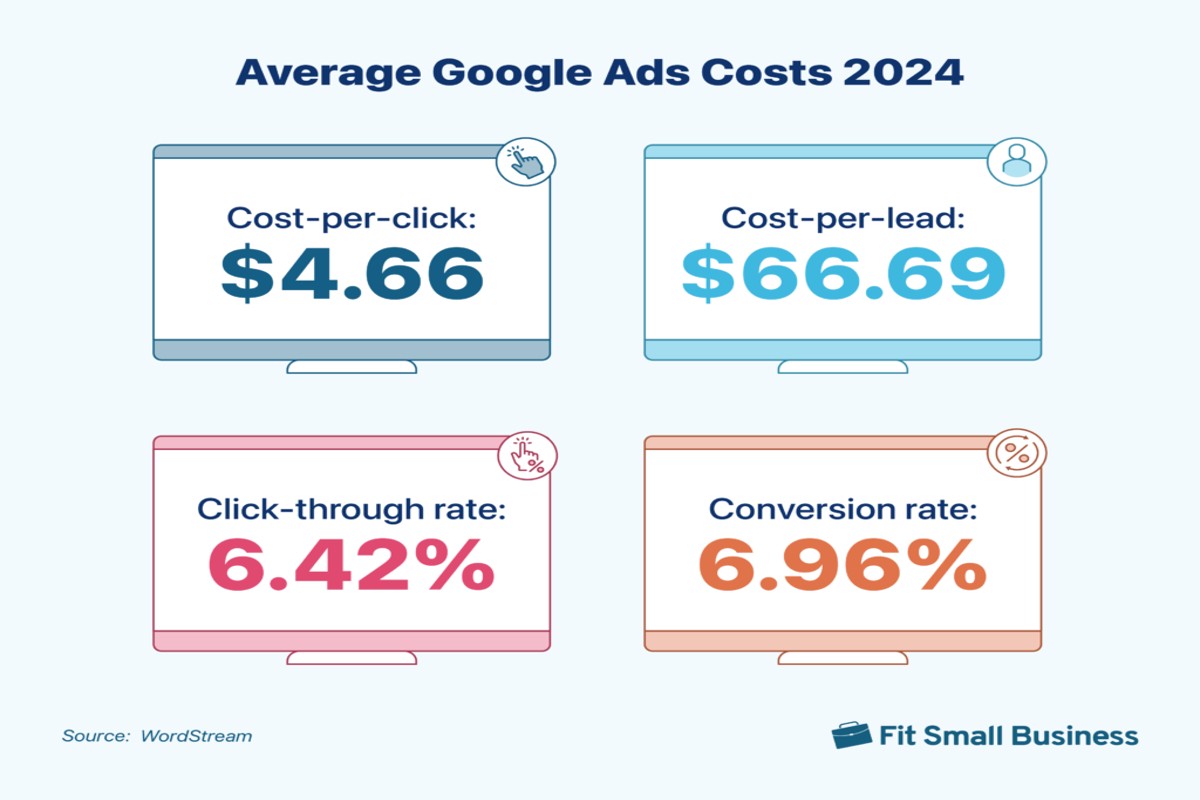
Are Google Ads expensive? The cost of Google Ads varies widely based on factors like industry, competition, and targeting options. Businesses can spend anywhere from a few dollars to thousands per month.
Understanding the costs associated with Google Ads is crucial for businesses looking to maximize their return on investment. Misjudging these expenses can lead to ineffective budgeting and missed opportunities in a competitive digital landscape.
This article details the factors influencing Google Ads costs, provides industry benchmarks, and outlines strategies for optimizing your advertising budget effectively.
For Are Google Ads Expensive businesses looking to generate local leads through Google Ads or Local SEO, GMB Ranger LLC offers hands-on campaign management. Specialist Md Tangeer Mehedi personally handles campaign setup and ongoing optimization — with no payment required until the first lead comes in.
What factors affect the cost of Google Ads?
The cost of Google Ads can vary significantly based on several factors, typically ranging from a few cents to over $50 per click. The primary elements influencing these costs include competition for keywords, the industry in which a business operates, and the overall quality of the ad campaigns.
Competition for keywords is a major driver of costs. High-demand keywords often have a higher cost-per-click (CPC) due to the increased competition among advertisers. For example, financial services and legal industries frequently see higher CPCs compared to niche markets. Additionally, the geographical targeting of ads can impact costs; targeting densely populated urban areas usually incurs higher rates than rural locations.
- Keywords: The selection of keywords plays a crucial role. Long-tail keywords, which are more specific and less competitive, generally cost less than broad, generic keywords.
- Ad Quality: Google employs a system called Quality Score, which evaluates the relevance and performance of ads. Higher-quality ads can achieve better positions at lower costs, while poor-performing ads may lead to increased expenses.
- Industry Variability: Different industries have varying average CPCs. For instance, e-commerce may have different cost dynamics compared to healthcare or B2B services, impacting overall advertising budgets.
Furthermore, seasonality can also affect costs. Certain times of the year, such as holidays or major sales events, may drive up competition and, consequently, costs. Businesses should also consider the lifetime value of customers in their budget planning, as higher initial costs can be justified if they lead to substantial long-term customer relationships.
Expert Tip: Regularly reviewing and optimizing your ad campaigns can significantly lower costs while improving performance. Implementing A/B testing on ad copy and landing pages can help identify the most effective strategies, ultimately maximizing return on investment.
How much do businesses typically spend on Google Ads?
Businesses typically spend between $1,000 and $10,000 per month on Google Ads, depending on their specific goals, industry, and competition. Larger companies or those in competitive sectors may allocate even more. The overall budget can vary significantly based on the strategies employed and the target audience.
Several factors influence the cost of Google Ads, including:
- Industry Competition: Industries with high competition, such as legal services or insurance, often face higher costs per click (CPC) due to bidding wars for keywords. This can lead to increased overall spending.
- Campaign Goals: Businesses aiming for brand awareness might have different spending patterns compared to those focused on immediate sales. Awareness campaigns may require broader targeting, while sales campaigns can be more focused and efficient.
- Geographic Targeting: Ads targeted to metropolitan areas or specific regions can incur higher costs due to increased competition for local visibility. Conversely, targeting less populated areas may reduce costs.
Additionally, the quality of the ads and the landing pages can impact costs. Higher quality scores can lead to lower CPCs, maximizing the effectiveness of the budget. Continuous optimization and monitoring of campaigns are crucial for managing expenses efficiently.
Expert Tip: Businesses should conduct thorough keyword research and competitor analysis to set realistic budgets. Investing in high-quality ad content and landing pages can significantly improve ad performance and reduce overall costs.
Are Google Ads worth the investment?
Google Ads can be a worthwhile investment, depending on your business goals and the effectiveness of your campaigns. The return on investment (ROI) often justifies the costs for many companies, especially those that implement strategic targeting and optimization. However, the value derived from Google Ads can vary significantly based on industry, competition, and execution.
When evaluating the worth of Google Ads, consider the following factors:
- Cost per Acquisition (CPA): This metric determines how much you spend to acquire a customer. High CPA can indicate inefficiencies in the campaign.
- Conversion Rates: The percentage of visitors who complete a desired action reflects the effectiveness of your ads and landing pages. Higher conversion rates generally mean better ROI.
- Industry Benchmarks: Different industries have varying average CPC (cost per click) rates. For example, competitive sectors like finance may have higher costs but also greater potential returns.
Effective management of Google Ads campaigns can significantly influence their worth. Continuous monitoring and adjusting of keywords, ad copy, and targeting strategies are essential for maximizing ROI. Additionally, integrating Google Ads with other marketing channels can enhance overall visibility and lead generation, further justifying the investment.
Expert Tip: Utilize A/B testing to refine ad performance. Experimenting with different headlines, descriptions, and calls to action can provide insights into what resonates most with your audience, ultimately improving conversion rates and ROI.
How can I reduce my Google Ads costs?
Reducing Google Ads costs can be achieved through strategic optimizations. Implementing effective keyword management, refining your targeting, and enhancing ad quality are key methods to decrease expenses while maintaining campaign effectiveness.
1. Optimize Keywords: Conduct thorough keyword research to identify high-performing and low-cost keywords. Focus on long-tail keywords, which often have lower competition and cost, while still attracting qualified traffic.
2. Refine Targeting: Use demographic, geographic, and behavioral targeting to ensure your ads reach the most relevant audience. Narrowing your target market can reduce wasted ad spend on users unlikely to convert.
3. Improve Ad Quality: Enhance your ad copy and visuals to increase your Quality Score. A higher Quality Score can lead to lower costs per click as Google rewards relevant and well-structured ads with better positioning and pricing.
4. Utilize Negative Keywords: Implement negative keywords to filter out unwanted search terms that could trigger your ads. This prevents your ads from appearing in irrelevant searches, saving costs on clicks that are unlikely to convert.
5. Monitor and Adjust Bids: Regularly analyze your campaign performance and adjust bids accordingly. Lowering bids for underperforming keywords and increasing them for high-performing ones can optimize your budget allocation.
6. Leverage Ad Scheduling: Set your ads to run only during specific times or days when your target audience is most active. This can lead to better engagement rates and reduced costs by avoiding less effective periods.
Expert Tip: Regularly review your campaign analytics to identify trends and insights that can inform future optimizations. A/B testing different ad variations can also uncover what resonates best with your audience, leading to improved performance and lower costs.
What is the average cost per click in Google Ads?
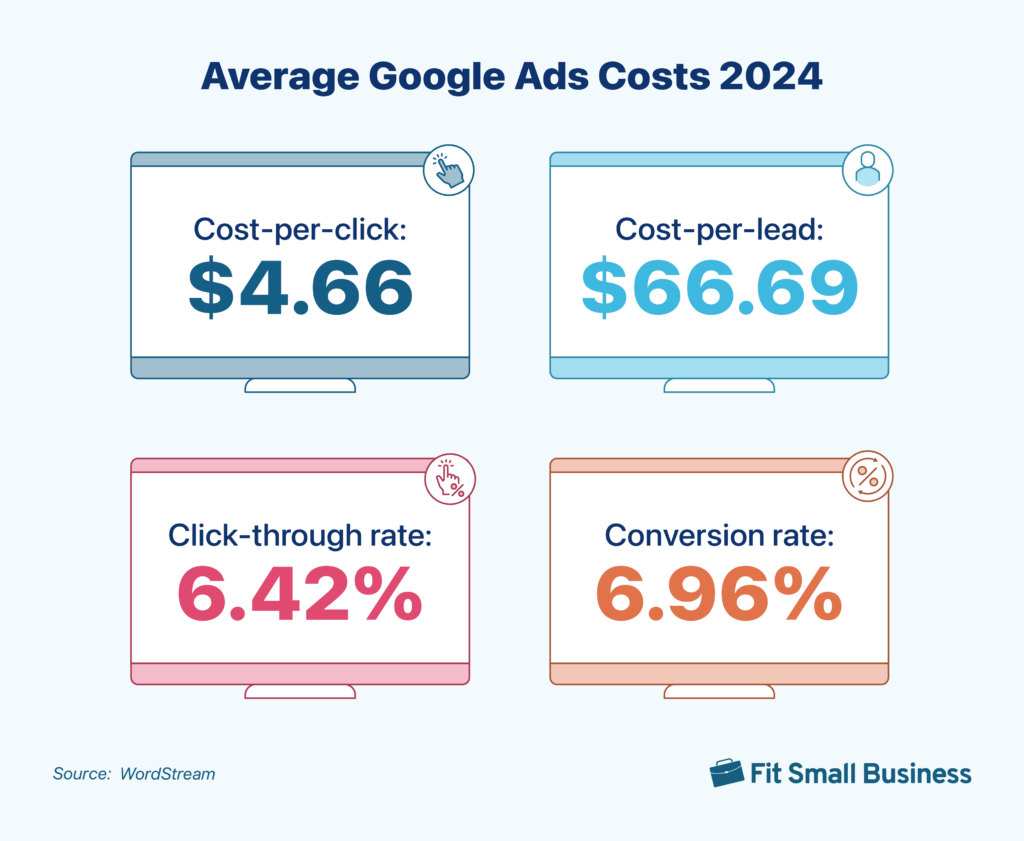
The average cost per click (CPC) in Google Ads typically ranges from $1 to $2. However, in highly competitive industries, costs can significantly exceed this range, sometimes reaching $50 or more per click. The actual CPC varies based on several factors, including competition and targeting options.
Several factors influence the cost of Google Ads, primarily determined by the competitiveness of the keywords being targeted. Advertisers bidding on popular keywords in sectors such as finance, insurance, and legal services often face higher CPCs due to increased competition. Additionally, the quality score assigned by Google impacts CPC; higher quality scores can lead to lower costs, as they indicate effective ad relevance and landing page experience.
- Keyword competition: More advertisers bidding on the same keywords drive up costs.
- Industry: Certain sectors naturally incur higher CPCs due to their profitability.
- Geographic targeting: Ads targeting affluent regions may see higher CPCs.
- Ad quality score: Higher quality scores can reduce CPC, as Google rewards relevant ads.
Understanding these factors can help advertisers optimize their campaigns. By focusing on lower competition keywords and improving ad relevance, businesses can manage and potentially reduce their advertising costs effectively.
Expert Tip: Regularly analyze and adjust bidding strategies based on performance data. Employing a mix of high and low competition keywords can balance overall CPC while maximizing reach and conversion potential.
How long does it take to see results from Google Ads?
Most businesses can start seeing results from Google Ads within a few days. However, achieving optimal performance and refining campaigns often requires several weeks of adjustments and monitoring.
The timeframe for seeing results can vary based on several factors. For instance, the industry competitiveness plays a significant role. In highly competitive markets, it may take longer to establish a foothold and begin generating leads. Additionally, the quality of the ads, landing pages, and overall campaign strategy will impact the speed of results. Well-crafted ads with targeted keywords are more likely to attract clicks and conversions quickly.
Moreover, the amount of budget allocated to the campaigns also affects timing. A larger budget can accelerate visibility, leading to faster results. Conversely, with a limited budget, it may take longer to gather enough data for meaningful insights. Regularly analyzing performance metrics allows businesses to adjust their strategies in real-time, potentially speeding up the process of achieving favorable outcomes.
Expert Tip: Implement A/B testing for ad variations early in the campaign. This approach helps identify the most effective messages and designs, enabling quicker optimization and improved results.
What are common mistakes to avoid with Google Ads?
Common mistakes in Google Ads campaigns can lead to wasted budgets and suboptimal performance. Effective management requires attention to detail and strategic planning. Avoiding these pitfalls is essential to enhance the return on investment.
One of the most critical errors is poor keyword selection. Choosing irrelevant or overly broad keywords can drain budgets without generating qualified leads. Conduct thorough keyword research to identify terms that align closely with your target audience’s search intent. Use tools like Google Keyword Planner to find relevant keywords with a good balance of search volume and competition.
- Neglecting ad testing: Failing to A/B test ads can result in missed opportunities for optimization. Regularly experiment with different headlines, descriptions, and calls to action to determine which combinations yield the best results.
- Overlooking negative keywords: Not using negative keywords can lead to your ads appearing for irrelevant searches, wasting budget. Regularly review search terms and add negative keywords to filter out traffic that does not convert.
- Ignoring performance metrics: Not monitoring metrics like click-through rates (CTR) and conversion rates can hinder campaign effectiveness. Utilize Google Ads reporting tools to frequently assess performance and make data-driven adjustments.
- Underestimating budget management: Setting an inadequate budget or failing to allocate it effectively can limit campaign reach. Analyze cost-per-click (CPC) trends and adjust bids based on performance to maximize visibility.
Regularly revisiting these elements ensures your campaigns remain aligned with business goals. Effective management of these aspects can significantly enhance the overall performance of Google Ads campaigns.
Expert Tip: Implementing automated rules and alerts within Google Ads can help streamline management processes, ensuring timely adjustments based on performance fluctuations and budget limits.
Understanding Google Ads Pricing Models
This section explores the distinct pricing models available in Google Ads, focusing on how they influence overall ad costs and align with specific campaign objectives. Understanding these models is essential for optimizing advertising strategies and budget allocations.
Overview of Pricing Models
Google Ads primarily utilizes three pricing models: Cost Per Click (CPC), Cost Per Mille (CPM), and Cost Per Acquisition (CPA). Each model serves different advertising goals and has varying implications for overall costs.
- CPC: Advertisers pay for each click on their ads. This model is effective for driving traffic to websites and is commonly used in search campaigns.
- CPM: Advertisers pay for every thousand impressions. This model is suitable for brand awareness campaigns where the goal is to reach a larger audience.
- CPA: Advertisers pay when a specific action, such as a purchase or sign-up, is completed. This model is ideal for performance-based campaigns focused on conversions.
Impact on Overall Ad Costs
The choice of pricing model directly affects the total expenditure on advertising.
– **CPC** can lead to higher costs if click-through rates are low, as advertisers may pay for clicks that do not convert.
– **CPM** can result in lower costs when targeting broad audiences but may not always guarantee meaningful engagement.
– **CPA** typically involves higher upfront costs due to its focus on conversions, yet it can yield a higher return on investment (ROI) if managed effectively.
When to Use Each Pricing Model
Selecting the appropriate pricing model depends on specific campaign goals:
– Use **CPC** for campaigns aimed at increasing website traffic or generating leads. This model works well in industries such as e-commerce and real estate.
– Opt for **CPM** when the goal is to build brand awareness and reach a vast audience. This approach is often beneficial in sectors like consumer goods and hospitality.
– Choose **CPA** for campaigns focused on conversions, such as app downloads or sales, which is particularly advantageous in industries like finance and software services.
Industry-Specific Examples
Different industries can leverage specific pricing models effectively:
– **E-commerce**: Often prefers CPC to maximize traffic and conversions.
– **Travel and Hospitality**: Benefits from CPM for broad awareness, particularly for seasonal promotions.
– **Technology Services**: CPA is advantageous as it targets users ready to make a purchase or sign up for services.
Nuances in Pricing Models
Common misconceptions about these pricing models include the belief that higher costs guarantee better results. In reality, effective ad management, including targeting, ad quality, and bidding strategies, plays a critical role in achieving desired outcomes. Additionally, the effectiveness of each model can vary significantly based on industry dynamics and market competition. Advertisers often overlook the long-term implications of their chosen model, such as customer lifetime value (CLV), which can skew cost assessments.
Practical Application
To optimize advertising strategies based on these pricing models, consider the following actions:
1. Define clear campaign objectives (traffic, awareness, conversions).
2. Analyze historical data to determine which model has yielded the best results for your industry.
3. Regularly adjust bidding strategies and budgets based on performance metrics.
4. Test different models in smaller campaigns to identify the most effective approach for your specific goals.
Utilizing these insights can enhance campaign performance and help determine whether Google Ads are expensive for your business context.
Maximizing ROI: Strategies for Effective Google Ads Campaigns
This section outlines advanced strategies for enhancing return on investment (ROI) in Google Ads campaigns. By implementing these tactics, advertisers can optimize their spending and achieve better performance metrics.
Targeted Audience Segmentation
Effective audience segmentation is critical for refining ad targeting. By categorizing potential customers based on demographics, interests, and behaviors, advertisers can tailor messages that resonate with specific groups. This approach not only improves engagement but also increases conversion rates, thereby maximizing ROI.
- Demographic Segmentation: Age, gender, and location can significantly influence purchasing decisions.
- Behavioral Segmentation: Understanding user actions, such as previous purchases or website interactions, allows for more personalized advertising.
- Interest-Based Segmentation: Targeting based on users’ interests can lead to higher relevancy and engagement levels.
A/B Testing for Ad Variations
A/B testing, or split testing, involves comparing two versions of an ad to determine which performs better. This method provides valuable insights into what elements resonate with the target audience. Key areas for testing include headlines, visuals, calls to action, and ad copy.
- Select one variable to test, such as the headline.
- Create two versions of the ad with this variable altered.
- Run both ads simultaneously and monitor their performance.
- Analyze metrics such as click-through rates (CTR) and conversion rates to identify the superior ad.
Leveraging Negative Keywords
Negative keywords prevent ads from displaying for irrelevant search queries, thus reducing wasted spend. By regularly reviewing search term reports and identifying terms that do not convert, advertisers can refine their keyword lists effectively. This strategic approach ensures that budgets are allocated to high-performing keywords.
- Regular Audits: Conduct frequent analyses of search terms to identify new negative keywords.
- Broad Match Modifiers: Use these to control which variations of a keyword trigger ads.
- Competitor Keywords: Exclude terms related to competitors that do not align with your offerings.
Analyzing and Adjusting Bids Based on Performance Data
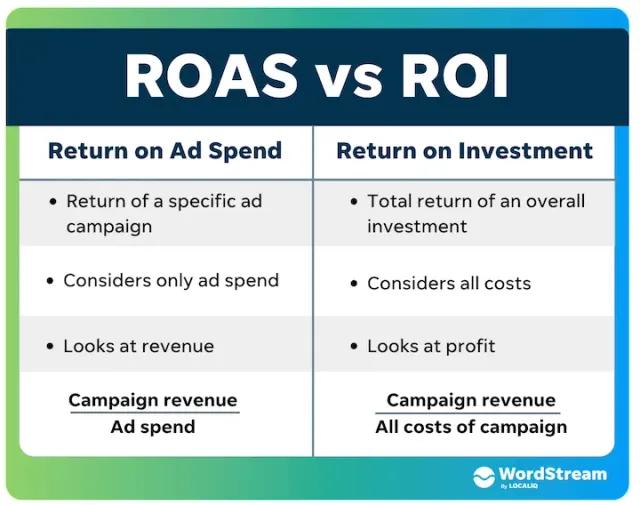
Continuous analysis of performance data is vital for optimizing bids. Utilize Google Ads’ reporting tools to track metrics such as cost per acquisition (CPA), return on ad spend (ROAS), and conversion rates. Adjust bids based on performance trends and market conditions to ensure budget efficiency.
- Automated Bidding Strategies: Consider using strategies like Target CPA or Target ROAS to optimize bids automatically.
- Bid Modifiers: Adjust bids based on device, location, or time of day to maximize performance.
- Competitor Analysis: Monitor competitor bidding strategies and adjust accordingly to remain competitive.
Many advertisers underestimate the impact of these advanced strategies. For instance, while budget constraints may lead to broad targeting, precision in audience segmentation can yield a higher ROI even with limited ad spend. Additionally, misconceptions surround A/B testing; it is not just about finding the best ad but continually refining it based on data-driven insights.
To implement these strategies, start by conducting a thorough audience analysis to identify key segments. Establish a regular A/B testing schedule for your ads, and create a list of negative keywords to filter out non-converting queries. Finally, set up a performance review process to adjust bids based on the data collected. These actionable steps will enhance the effectiveness of your Google Ads efforts, ensuring that your campaigns are both cost-effective and efficient.
Case Studies: Real-World Examples of Google Ads Success
This section examines successful Google Ads campaigns across various industries, highlighting their costs, outcomes, and the valuable lessons learned. These case studies provide concrete evidence of the effectiveness of Google Ads, offering insights for businesses contemplating their advertising strategies.
Success Stories from Diverse Industries
Multiple industries have leveraged Google Ads to achieve remarkable results. Below are detailed analyses of three successful campaigns:
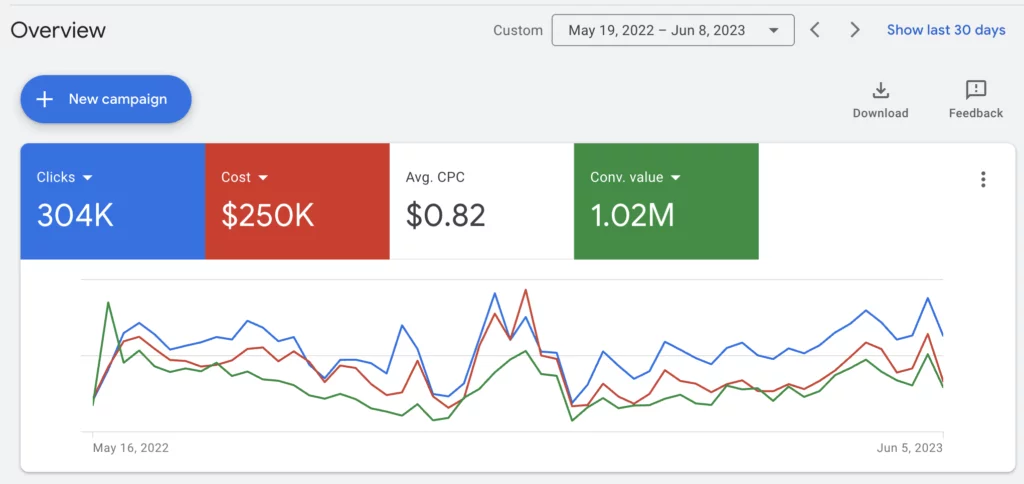
- Retail Sector: A leading e-commerce brand invested $50,000 in a Google Ads campaign, focusing on specific seasonal promotions. This resulted in a 300% return on ad spend (ROAS), generating $150,000 in sales. The campaign utilized targeted keywords and seasonal ad copy to drive traffic during peak shopping periods.
- Healthcare Industry: A local clinic allocated $20,000 to Google Ads to promote its new telehealth services. Over three months, the campaign generated 500 new patient appointments, translating to an estimated $200,000 in revenue. The clinic employed geo-targeting to reach potential patients within its service area effectively.
- Travel Industry: A travel agency spent $30,000 on a Google Ads campaign aimed at promoting vacation packages. The campaign resulted in 1,200 bookings, yielding $600,000 in revenue. By using compelling visuals and destination-specific keywords, the agency captured the attention of travelers during peak planning seasons.
Lessons Learned from Google Ads Campaigns
From these case studies, several key lessons can be drawn:
- Targeting Matters: Precise targeting, including demographics and geographic locations, significantly enhances campaign effectiveness.
- Ad Copy Quality: Engaging and relevant ad copy can lead to higher click-through rates (CTR) and conversion rates.
- Continuous Optimization: Regularly analyzing performance metrics allows for adjustments that maximize ROI.
Cost Versus Results Achieved
Analyzing the cost-effectiveness of these campaigns reveals that while initial investments may seem high, the resultant returns demonstrate value. For instance, the retail sector campaign, with a $50,000 investment, yielded a $150,000 revenue increase, illustrating a clear cost-benefit relationship. In contrast, misconceptions often arise suggesting that Google Ads are expensive without considering the long-term potential for returns.
Nuances and Common Misconceptions
Many businesses mistakenly believe that Google Ads are inherently expensive and only suitable for large corporations. However, the platform offers flexible budgeting options, allowing businesses of all sizes to create effective campaigns. Additionally, the perception that high CPC rates equate to high overall campaign costs ignores the importance of conversion rates and customer lifetime value. A high-performing ad may incur a higher CPC but ultimately lead to lower customer acquisition costs when factoring in long-term revenue.
Practical Application for Businesses
To leverage the insights gained from these case studies, businesses should consider the following actionable steps:
- Define clear objectives for Google Ads campaigns, including specific KPIs.
- Invest in thorough keyword research and competitive analysis to optimize targeting.
- Regularly review and adjust ad copy, targeting, and budget allocation based on performance data.
By applying these principles, businesses can navigate their Google Ads campaigns more effectively, ensuring that they extract maximum value from their advertising spend, ultimately answering the question, “are Google Ads expensive?” with a positive perspective on ROI.
Future Trends in Google Ads and Digital Advertising Costs
This section examines emerging trends that will shape the future of Google Ads pricing and effectiveness. Understanding these trends is crucial for businesses seeking to optimize their advertising strategies.
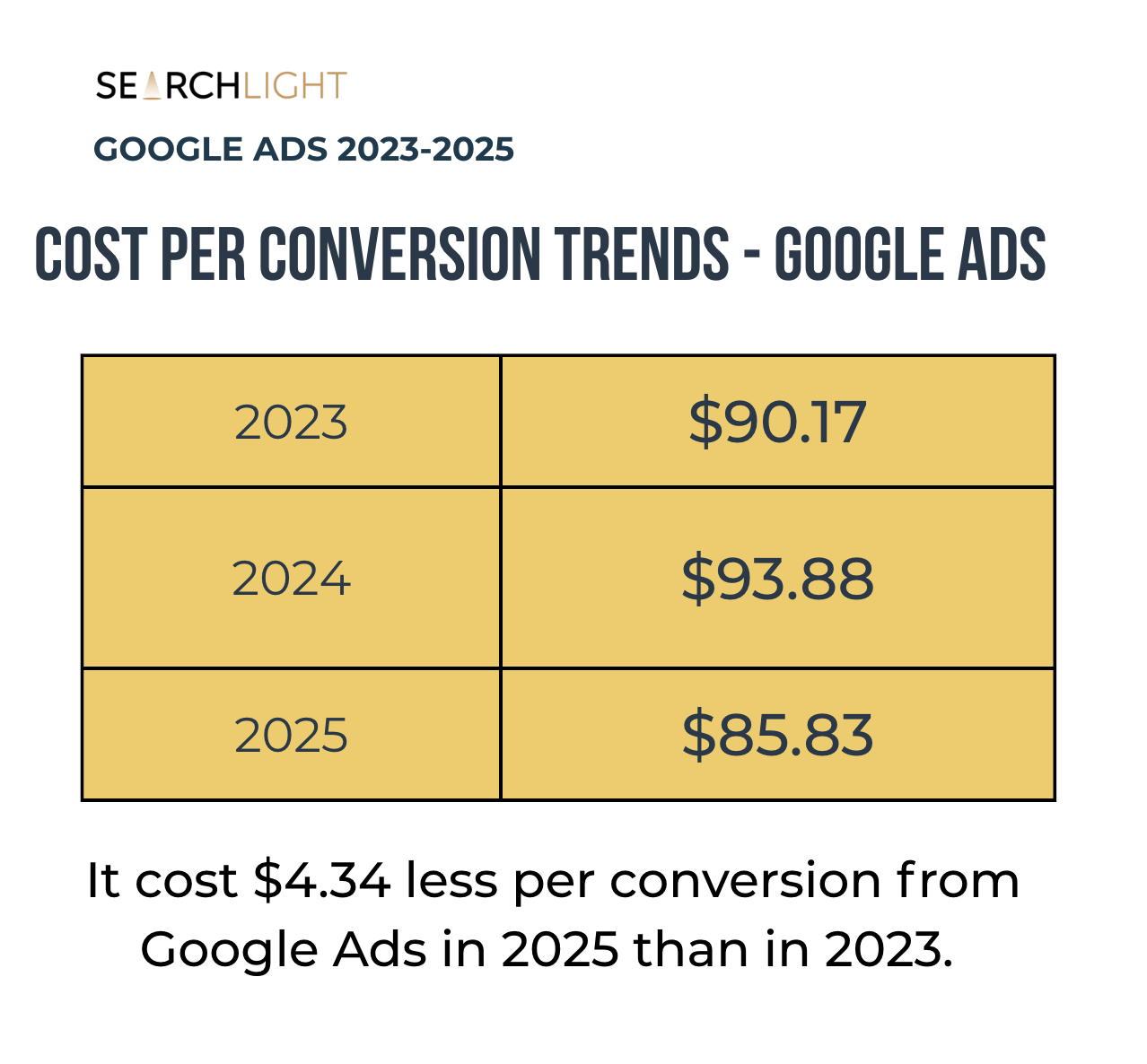
Impact of AI and Machine Learning on Ad Pricing
The integration of artificial intelligence (AI) and machine learning is revolutionizing the digital advertising landscape. Algorithms are becoming increasingly sophisticated in predicting user behavior and optimizing ad placements. This technology allows advertisers to target audiences more effectively, potentially lowering costs by maximizing return on investment (ROI). However, as competition intensifies, AI-driven bidding processes may also drive up prices for high-demand keywords.
Shifts in Consumer Behavior and Their Effects on Advertising
Consumer behavior is evolving rapidly, influenced by factors such as mobile technology, social media, and privacy concerns. A significant trend is the increasing preference for personalized advertising. Advertisers who leverage data analytics to create targeted campaigns may experience higher engagement rates. Conversely, brands that fail to adapt may see diminishing returns on their ad spend, contributing to a perception that are Google Ads expensive. Additionally, the growing emphasis on sustainability and ethical marketing is reshaping the type of messaging that resonates with consumers.
Predictions for the Evolution of Bidding Strategies
The future of bidding strategies in Google Ads is likely to emphasize automation and predictive analytics. Currently, automated bidding options, such as Target CPA and Target ROAS, are gaining traction. These strategies allow advertisers to set flexible bids based on real-time performance data. As machine learning capabilities improve, more businesses will adopt these automated solutions, which could lead to more competitive bidding environments. Advertisers must stay informed about these changes to effectively manage their budgets and maintain competitive advantage.
How Businesses Can Prepare for Changes in the Digital Advertising Landscape
To remain competitive in the evolving landscape of Google Ads, businesses should consider the following actions:
- Invest in data analytics tools to gain insights into consumer behavior.
- Embrace AI-driven marketing solutions to enhance targeting and bidding accuracy.
- Continuously test and optimize ad campaigns based on performance metrics.
- Stay updated on industry trends and emerging technologies that impact advertising.
Proactive preparation will enable businesses to adapt to changing advertising costs and strategies effectively.
Many discussions about Google Ads costs overlook the potential for smaller advertisers to compete effectively through niche targeting. Businesses should explore underutilized keywords or emerging platforms that complement Google Ads. By diversifying advertising efforts, brands can mitigate the risks associated with rising costs and increased competition in the digital advertising space.
To leverage this information effectively, businesses should conduct a thorough analysis of their current advertising strategies. This analysis should include identifying key performance indicators (KPIs) to track and adjusting bidding strategies in response to market trends. Regularly revisiting ad campaigns and exploring innovative technologies will enhance overall effectiveness and cost efficiency.
For Are Google Ads Expensive businesses looking to generate local leads through Google Ads or Local SEO, GMB Ranger LLC offers hands-on campaign management. Specialist Md Tangeer Mehedi personally handles campaign setup and ongoing optimization — with no payment required until the first lead comes in.
Frequently Asked Questions
What factors affect the cost of Google Ads?
The cost of Google Ads is influenced by factors such as competition in your industry, keyword selection, ad quality, and targeting options. Higher competition generally leads to increased costs per click.
How much do businesses typically spend on Google Ads?
Businesses typically spend anywhere from a few hundred to several thousand dollars per month on Google Ads, depending on their goals and industry. The average monthly budget varies widely based on campaign size and objectives.
Are Google Ads worth the investment?
Google Ads can be worth the investment if managed effectively, as they can drive targeted traffic and generate leads. The return on investment often depends on the quality of the ad campaigns and the relevance to the target audience.
How can I reduce my Google Ads costs?
To reduce Google Ads costs, focus on optimizing ad quality, refining keyword targeting, and using negative keywords to filter out irrelevant traffic. Regularly reviewing and adjusting bids can also help manage expenses.
What is the average cost per click in Google Ads?
The average cost per click (CPC) in Google Ads varies by industry but typically ranges from $1 to $2 on the search network. Highly competitive industries may see CPCs significantly higher than this average.
How long does it take to see results from Google Ads?
Results from Google Ads can often be seen within a few hours to a few days after launching a campaign. However, optimizing for better performance may take several weeks of data collection and adjustments.
What are common mistakes to avoid with Google Ads?
Common mistakes include targeting too broad of an audience, neglecting ad quality scores, and failing to use negative keywords. Additionally, not regularly monitoring and adjusting campaigns can lead to wasted budget and poor performance.
Final Thoughts on Are Google Ads Expensive
Understanding the intricacies of Google Ads costs reveals that expense is relative; it hinges on factors like industry competition and campaign strategy. Businesses that invest in well-optimized campaigns can achieve substantial returns, making Google Ads a potentially invaluable asset rather than merely an expense.
To maximize your Google Ads investment, conduct a thorough analysis of your target audience and continuously refine your ad campaigns based on performance metrics. This data-driven approach will not only help in reducing costs but also enhance the overall effectiveness of your advertising efforts.
In a digital landscape where visibility can dictate success, mastering Google Ads is essential for businesses aiming to thrive and maintain a competitive edge.
Leave a Reply