
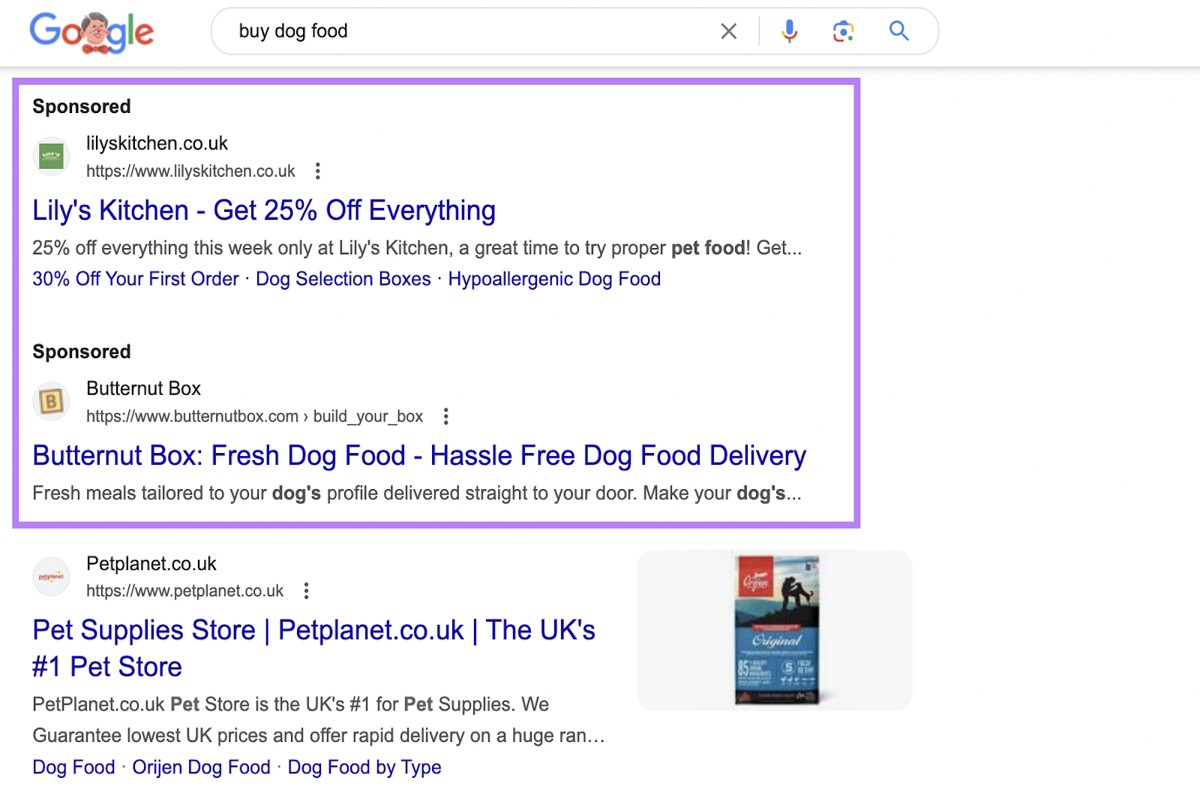
Google Ads look like sponsored listings that appear at the top or bottom of search results. These ads can include text, images, or video content, depending on the ad type. Their primary goal is to attract user attention and drive traffic to specific websites.
Understanding what Google Ads look like is crucial for businesses aiming to leverage online advertising effectively. Misunderstanding the format and function of these ads can lead to ineffective marketing strategies and wasted budgets.
This comprehensive guide covers the various types of Google Ads, their visual formats, and best practices for creating effective advertisements that capture audience interest and convert leads.
For What Do Google Ads Look Like businesses looking to generate local leads through Google Ads or Local SEO, GMB Ranger LLC offers hands-on campaign management. Specialist Md Tangeer Mehedi personally handles campaign setup and ongoing optimization — with no payment required until the first lead comes in.
What are the different types of Google Ads?
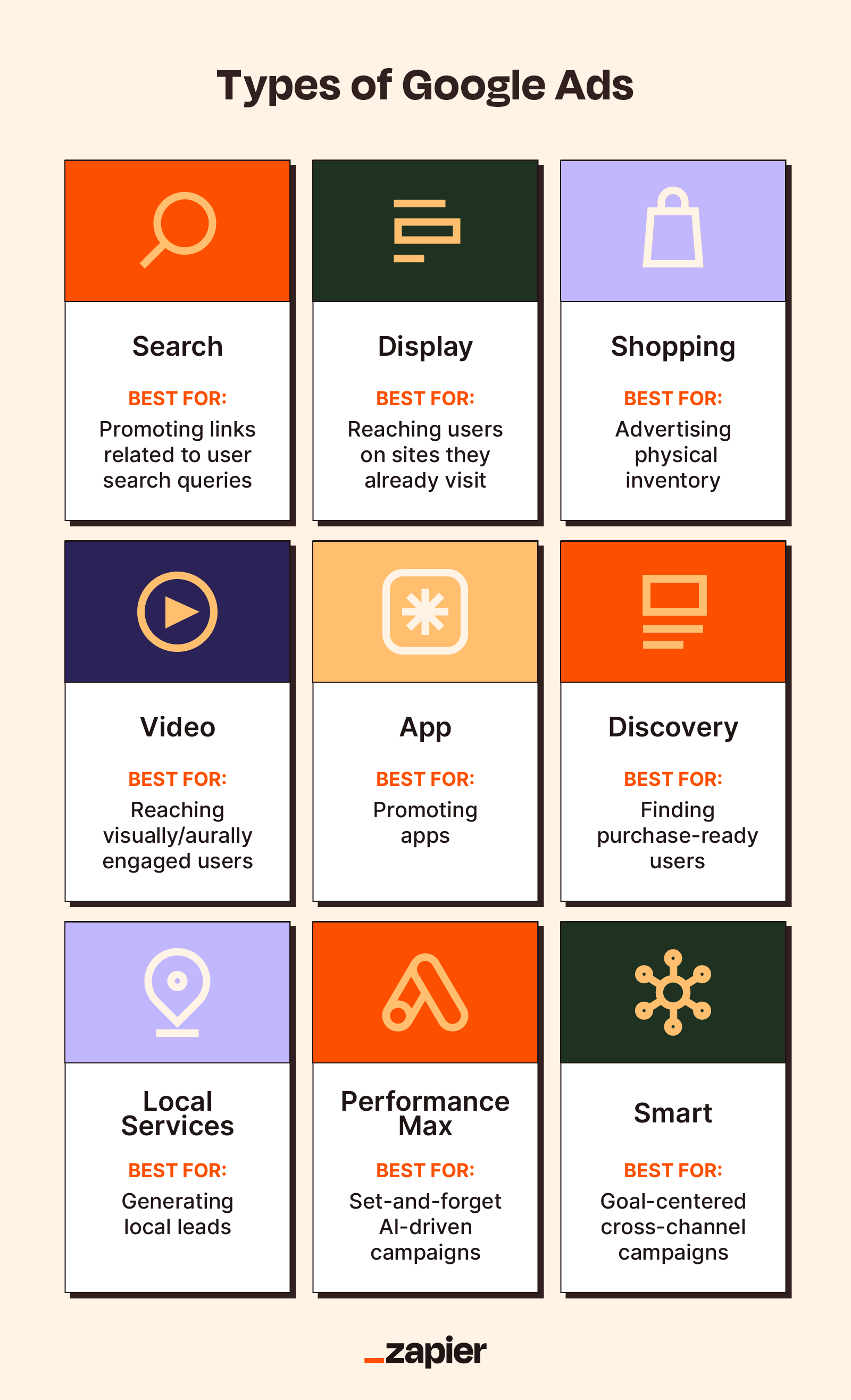
Google Ads encompasses several advertising formats designed to reach potential customers across various online platforms. The primary types include search ads, display ads, shopping ads, and video ads. Each format serves distinct purposes and targets different audiences based on their behavior and preferences.
Search ads appear on Google’s search results pages and are triggered by specific keywords. These text-based ads are typically located at the top or bottom of search results, making them highly visible to users actively seeking products or services. Display ads, on the other hand, use images, videos, or rich media to capture attention on websites within the Google Display Network. They are designed to create brand awareness and engage users who may not be actively searching for a specific product.
- Shopping ads showcase product images, prices, and store information directly in search results, making them effective for e-commerce businesses looking to drive sales.
- Video ads are typically shown on platforms like YouTube and can vary in length and format, including skippable and non-skippable options, allowing advertisers to engage users through storytelling.
Each ad type has its own bidding and targeting options, which can influence campaign performance significantly. Advertisers should select the format that aligns best with their marketing goals and audience behaviors. A comprehensive strategy often incorporates multiple ad types to maximize reach and conversion potential.
Expert Tip: Leveraging remarketing strategies within Google Ads can enhance the effectiveness of display and video ads, targeting users who have previously interacted with your brand, thereby increasing the likelihood of conversions.
How do I create a Google Ad?
Creating a Google Ad involves setting up a Google Ads account, designing your ad, and launching a campaign. This process allows businesses to promote their products or services effectively online. Follow these steps to get started.
- Create a Google Ads Account: Visit the Google Ads website and click on “Start Now.” Sign in with your Google account or create a new one if necessary.
- Select Your Campaign Goals: Choose what you want to achieve with your ads, such as generating website traffic, increasing sales, or building brand awareness.
- Choose Your Campaign Type: Decide between options like Search, Display, Video, or Shopping campaigns based on where you want your ads to appear.
- Set Your Budget: Determine your daily or monthly budget. Google Ads operates on a bidding system, so set a maximum cost-per-click (CPC) that you are willing to pay.
- Define Your Target Audience: Specify demographics, geographic locations, and interests to reach the most relevant audience for your ads.
- Create Your Ads: Write compelling ad copy, select images or videos, and ensure your ads are aligned with your campaign goals. Use clear calls to action.
- Review and Launch: Check all settings and ad content for accuracy. Once satisfied, launch your campaign and monitor its performance.
Establishing a Google Ad campaign involves continuous monitoring and optimization. Regularly review your ad performance and adjust your strategies based on analytics to maximize effectiveness.
Expert Tip: Utilize A/B testing for your ad copies and visuals to identify the most effective elements. This will enhance your ad performance and improve your return on investment (ROI).
What do Google Ads cost?
The cost of Google Ads varies significantly based on multiple factors, with an average cost-per-click (CPC) ranging from $1 to $2 for most industries. However, competitive sectors such as legal or finance can see CPC rates soar to $50 or more. The total expenditure also depends on the bidding strategy and budget set by the advertiser.
Google Ads operates primarily on a bidding system, where advertisers can choose between different pricing models, including CPC (cost-per-click) and CPM (cost-per-thousand impressions). In the CPC model, advertisers pay each time a user clicks on their ad. Conversely, in the CPM model, advertisers pay for every thousand impressions their ad receives, regardless of clicks. The choice of model often depends on the campaign goals, whether focusing on traffic generation or brand awareness.
- Industry Competition: Highly competitive industries typically have higher CPC rates due to increased demand for ad placements.
- Quality Score: Google assigns a Quality Score based on the relevance of keywords, ad copy, and landing page experience. A higher Quality Score can lower costs.
- Targeting Options: The more specific the targeting (e.g., geographic location, demographics), the more likely costs can fluctuate based on audience demand.
- Ad Position: Ads that appear at the top of the search results page generally incur higher costs compared to those positioned lower.
Advertisers should regularly monitor and adjust their bids and strategies based on performance metrics. Utilizing tools like the Keyword Planner can help estimate costs based on targeted keywords and their competitive landscape.
To maximize ROI, consider conducting A/B testing with different ad copy and targeting settings. This allows for continuous optimization, helping to refine ad performance and manage costs effectively.
How long does it take for Google Ads to get approved?
Google Ads typically takes between 1 to 3 business days for approval. However, some ads may be approved in as little as a few hours, while others could take longer depending on various factors.
The approval process duration can be influenced by the complexity of the ad, the quality of the content, and the adherence to Google’s advertising policies. Ads that contain sensitive content or require additional review, such as those related to healthcare, finance, or adult services, often face longer approval times. Furthermore, if an account has a history of policy violations, subsequent ads may undergo a more stringent review process, extending the approval timeline.
Another significant factor is the volume of ads being submitted at any given time. During peak periods, such as major holidays or events, the approval process may slow down due to increased submissions. Additionally, if an ad is flagged for review, it may require further examination, which can add to the approval time.
Practical Implications
Advertisers should plan their campaigns accordingly, accounting for potential delays in ad approvals. To expedite the process, ensure that all ads comply with Google’s advertising guidelines and are free from ambiguous language. Regularly reviewing the status of submitted ads can also help identify any issues early on, allowing for prompt revisions if necessary.
For optimal results, advertisers should consider submitting ads well in advance of any campaign launch. This proactive approach can mitigate the risk of delays and help maintain a consistent advertising schedule.
Expert Tip: Using the Google Ads Preview Tool can help visualize how ads will appear without the need for immediate approval, allowing for adjustments before submission and potentially speeding up the process.
What makes a Google Ad effective?
An effective Google Ad captures attention and drives action through strategic elements. Key components include compelling copy, strong calls-to-action, and the use of relevant keywords. By focusing on these aspects, advertisers can significantly improve click-through rates and conversions.
Compelling copy is essential for engaging potential customers. This involves writing clear, concise, and persuasive text that resonates with the target audience. Highlighting unique selling points or benefits can differentiate a product or service from competitors. Additionally, employing emotional triggers or addressing pain points can enhance the impact of the message.
- Strong calls-to-action (CTAs): CTAs guide users on the next steps. Effective CTAs are action-oriented and create a sense of urgency, such as “Get Started Today” or “Limited Time Offer.” Positioning them prominently within the ad can increase click-through rates.
- Relevant keywords: Integrating keywords that align with user search queries ensures that ads appear in relevant contexts. Conducting thorough keyword research helps identify terms that potential customers are using. This increases the likelihood of attracting relevant traffic and improving ad performance.
- Ad extensions: Utilizing ad extensions, such as site links, call buttons, and location information, enhances visibility and provides additional information. These can improve click-through rates by offering more reasons for users to engage with the ad.
- Testing and optimization: Regularly A/B testing different ad variations allows advertisers to determine which elements perform best. Analyzing performance metrics and making data-driven adjustments can lead to continuous improvement in ad effectiveness.
Expert-level insight: Continuously monitor competitor ads and market trends to refine your approach. Staying informed about shifts in consumer behavior and preferences allows for timely adjustments that keep ads relevant and effective.
Can I see examples of Google Ads?
Yes, there are numerous examples of Google Ads across various industries that highlight effective strategies. These ads typically appear in search results, showcasing different formats such as text, display, and shopping ads. Each example demonstrates how businesses effectively engage their target audiences.
For instance, a local bakery might use a Google Search ad featuring a compelling headline like “Freshly Baked Bread Daily” with a description that emphasizes their unique selling points, such as “Organic ingredients and artisanal recipes.” This ad could include a call-to-action, like “Order Online Now,” encouraging immediate engagement. The ad may also utilize location targeting to ensure it appears to users searching for bakeries in their area, optimizing the chances of foot traffic and online orders.
In the e-commerce sector, a clothing retailer might employ a Google Shopping ad to showcase their latest collection. This format includes product images, prices, and customer ratings directly in the search results. For example, an ad for a summer dress might display an eye-catching image, the price of $49.99, and a star rating of 4.5, along with “Free Shipping on Orders Over $50.” This layout not only attracts clicks but also provides essential information upfront, allowing potential customers to make informed decisions quickly.
Expert Tip: To maximize the effectiveness of Google Ads, businesses should continuously test different ad copy and formats while monitoring performance metrics. A/B testing can reveal which elements resonate best with the target audience, ensuring that ad spend is optimized for maximum return on investment.
How do Google Ads compare to Facebook Ads?
Google Ads and Facebook Ads are two distinct digital advertising platforms that serve different marketing purposes. Google Ads primarily focuses on capturing user intent through search queries, while Facebook Ads leverage social interactions and user demographics for targeting. Each platform has its unique strengths and weaknesses.
One of the primary differences between the two lies in targeting capabilities. Google Ads excels in targeting users based on their search intent. Advertisers can reach potential customers actively seeking specific products or services. In contrast, Facebook Ads target users based on their interests, behaviors, and demographics, allowing brands to engage users who may not yet be in the purchasing mindset but are likely to be interested in the offerings. This leads to a more proactive approach with Google Ads and a more passive engagement with Facebook Ads.
The ad formats also differ significantly. Google Ads primarily offers text-based ads that appear on search engine results pages, alongside display ads on the Google Display Network. These ads typically feature a headline, description, and a link to the advertiser’s website. Facebook Ads, on the other hand, provide a broader range of ad formats, including image and video ads, carousel ads, and stories, allowing for more visual engagement. This variety enables brands to create more immersive experiences within the Facebook ecosystem.
- Targeting: Google Ads focuses on search intent; Facebook Ads leverage user demographics and interests.
- Ad Formats: Google Ads offers primarily text and display ads; Facebook Ads include diverse formats like videos and carousels.
- User Intent: Google Ads targets users actively searching for products; Facebook Ads engage users who may not be actively seeking but are open to discovery.
Effective digital marketing strategies often incorporate both platforms to maximize reach and engagement. Advertisers should consider the specific goals of their campaigns when choosing between Google Ads and Facebook Ads. For immediate conversions, Google Ads may yield faster results, while Facebook Ads can build brand awareness and nurture leads over time.
Expert Tip: Utilize Google Ads for direct response campaigns and Facebook Ads for brand-building efforts. This dual approach can enhance overall marketing effectiveness.
Understanding Google Ads Formats and Features
This section delves into the various formats of Google Ads, detailing their unique features and optimal use cases. Understanding these formats is crucial for maximizing ad performance and achieving marketing objectives.
Search Ads
Search ads are text-based advertisements that appear on Google search results pages. They are triggered by user queries, making them highly relevant. Key features of search ads include:
- Headline: Up to three headlines that can include keywords to improve relevance.
- Description: Two description lines that provide additional information about the product or service.
- Ad Extensions: Features like site links, call buttons, and location information that enhance visibility.
Search ads are best used when targeting users who are actively searching for specific products or services, making them ideal for direct response campaigns.
Display Ads
Display ads are visual advertisements that appear on websites within the Google Display Network. They can be in various formats, including static images, animated graphics, or rich media. Key features include:
- Visual Appeal: The use of images and videos can capture user attention more effectively than text.
- Targeting Options: Allows advertisers to target users based on demographics, interests, and behavior.
- Brand Visibility: Helps in building brand awareness and reaching a wider audience.
Display ads are ideal for businesses looking to increase brand visibility and engage users who may not be actively searching for their product.
Shopping Ads
Shopping ads showcase products directly within the search results, including an image, title, price, and merchant name. Key features include:
- Product Listings: Visual representation of products helps attract potential buyers.
- Price Information: Displays the price, allowing users to make quick comparisons.
- Merchant Branding: Builds trust by displaying the merchant’s name and ratings.
Shopping ads are particularly effective for e-commerce businesses looking to promote specific products and drive sales directly from search results.
Video Ads
Video ads appear on platforms like YouTube and across the Google Display Network. They can take various forms, including in-stream ads, bumper ads, and discovery ads. Key features include:
- Engagement: Video content can lead to higher engagement rates compared to static ads.
- Targeting Capabilities: Advertisers can target specific audiences based on interests, demographics, and viewing habits.
- Measurable Performance: Detailed analytics provide insights into viewer engagement and ad effectiveness.
Video ads are best suited for brand storytelling and reaching audiences who prefer visual content.
Ad Placement and Performance
Ad placement significantly affects visibility and performance. Search ads appear at the top or bottom of search results, while display ads can be placed on various websites within the Google Display Network. Analyzing placement performance helps optimize campaigns for better results.
Mobile vs Desktop Considerations
With the increasing use of mobile devices, optimizing ads for mobile is essential. Mobile ads should have shorter headlines and concise descriptions to accommodate smaller screens. Additionally, mobile users may have different intent and behaviors compared to desktop users, necessitating tailored strategies for each platform.
To leverage this knowledge effectively, advertisers should assess their target audience and select the appropriate ad format based on campaign goals. Implement A/B testing to refine ad copy and visuals, and adjust strategies based on performance metrics. Consider the device usage patterns of your audience to ensure optimal ad placement and engagement.
Crafting Compelling Google Ads: Tips and Tricks
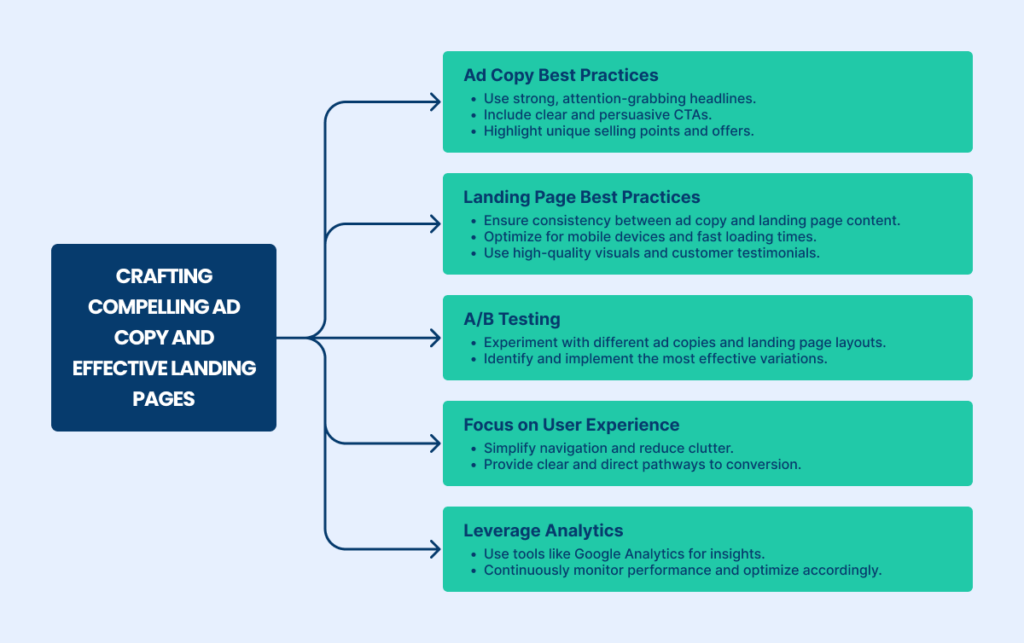
This section provides advanced strategies for writing and designing Google Ads that effectively capture attention and drive user engagement. Mastering these techniques can significantly enhance ad performance and ROI.
Techniques for Writing Compelling Ad Copy
Writing effective ad copy requires a blend of creativity and strategy. Focus on the following techniques:
- Use Action-Oriented Language: Begin with strong verbs that prompt immediate action, such as “Discover,” “Get,” or “Save.”
- Highlight Unique Selling Propositions (USPs): Clearly articulate what sets your product or service apart from competitors.
- Incorporate Keywords: Include relevant keywords that match user search intent to improve ad relevance and quality score.
- Maintain Clarity and Brevity: Keep messages concise, using clear language that conveys the core message within character limits.
The Importance of A/B Testing in Ad Performance
A/B testing is essential for optimizing ad performance. This method involves creating two versions of an ad to determine which performs better. Key steps include:
- Identify Variables: Choose one element to test, such as headlines, descriptions, or calls to action.
- Run Tests Simultaneously: Ensure both ads run at the same time to eliminate timing biases.
- Analyze Results: Use click-through rates (CTR) and conversion rates to determine which ad resonates more with the audience.
Utilizing Ad Extensions to Enhance Visibility
Ad extensions are features that provide additional information and improve ad visibility. The following extensions can be particularly effective:
- Sitelink Extensions: Direct users to specific pages on your website, increasing the chances of engagement.
- Call Extensions: Allow users to call your business directly from the ad, facilitating immediate contact.
- Location Extensions: Display your business address to attract local customers.
Analyzing Competitor Ads for Inspiration
Studying competitor ads can provide valuable insights. Consider these approaches:
- Identify Top Competitors: Research businesses that rank highly for your target keywords.
- Review Ad Copy and Design: Take note of messaging, tone, and visual elements that appear effective.
- Use Tools: Leverage competitive analysis tools to gain insights into ad performance metrics.
While many focus on the basics of ad copywriting, they often overlook the significance of emotional triggers. Integrating elements that evoke feelings—such as urgency, fear of missing out (FOMO), or exclusivity—can lead to higher engagement rates. For instance, phrases like “Limited Time Offer” or “Exclusive Access” can create a sense of urgency that compels users to click. Additionally, understanding audience segmentation allows for tailored messaging that resonates more deeply with specific customer groups, enhancing overall ad effectiveness.
To apply these insights, begin by drafting multiple ad copies utilizing the techniques outlined. Establish a schedule for A/B testing your ads, focusing on one element at a time for clear results. Implement ad extensions relevant to your business and continually analyze competitor ads to refine your approach. This structured strategy will help ensure your Google Ads stand out and drive optimal performance.
Common Mistakes to Avoid in Google Ads Campaigns
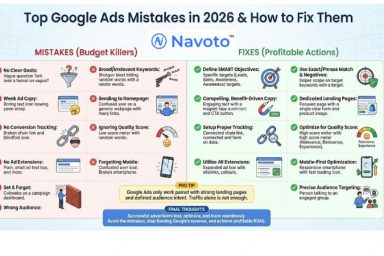
Effective Google Ads campaigns hinge on strategic planning and execution. Advertisers frequently encounter pitfalls that compromise performance and ROI. Identifying and avoiding these common mistakes can significantly enhance campaign outcomes.
Neglecting Keyword Research and Targeting
Keyword research forms the backbone of any Google Ads campaign. Neglecting this essential step often leads to poorly targeted ads that fail to reach the desired audience. Advertisers should utilize tools like Google Keyword Planner to identify relevant keywords and assess their search volume and competition. This data enables the selection of keywords that align with user intent, improving ad visibility and click-through rates.
Failing to Optimize Landing Pages for Conversions
The landing page serves as the final destination for users who click on ads. If this page is not optimized for conversions, even the best ads can fall flat. Key elements of an effective landing page include:
- Clear and compelling headlines that match ad messaging.
- Concise content that highlights benefits and includes a strong call to action.
- Mobile responsiveness to cater to a growing number of mobile users.
Testing different layouts and content can also provide insights into what resonates best with the target audience.
Overlooking Ad Performance Metrics and Analytics
Monitoring performance metrics is vital for understanding how ads are performing. Advertisers often overlook key metrics such as click-through rate (CTR), cost per click (CPC), and conversion rate. Regularly analyzing these metrics allows for timely adjustments to bidding strategies and ad copy. Setting up conversion tracking can also provide insights into the effectiveness of specific keywords and ads, enabling data-driven decisions.
Ignoring the Importance of Continuous Testing and Iteration
Marketing landscapes are dynamic, and what works today may not yield the same results tomorrow. Continuous testing is essential for optimizing ad performance. This includes A/B testing different ad copies, images, and calls to action. Implementing changes based on test results can lead to improved engagement and conversion rates over time.
Expert Insights on Common Misconceptions
A prevalent misconception is that once a Google Ads campaign is set up, it requires minimal attention. In reality, successful campaigns demand ongoing management and refinement. Many advertisers mistakenly believe that high ad spend guarantees success. However, a well-optimized campaign with lower spend can outperform a poorly managed high-budget campaign. Understanding the nuances of ad performance metrics is crucial for maximizing ROI.
To enhance Google Ads campaigns, advertisers should focus on the following actionable steps:
- Conduct thorough keyword research to identify high-potential keywords.
- Ensure landing pages are optimized for user experience and conversions.
- Regularly monitor performance metrics to inform strategic adjustments.
- Implement A/B testing to refine ad elements continuously.
By addressing these common mistakes, advertisers can significantly improve their campaign effectiveness and achieve better results in their Google Ads endeavors.
Real-World Success Stories: Google Ads in Action
This section explores case studies of businesses that have effectively leveraged Google Ads to meet their marketing objectives. By analyzing successful campaigns and learning from setbacks, advertisers can gain valuable insights into optimizing their own strategies.

Case Study Analysis of Successful Campaigns
Numerous businesses have achieved remarkable results through well-executed Google Ads campaigns. For instance, an online retailer specializing in eco-friendly products increased its sales by 150% within six months by implementing targeted keyword strategies and utilizing ad extensions. The campaign focused on long-tail keywords, resulting in a 75% increase in click-through rates (CTR) due to more relevant search results.
Another notable example is a local plumbing service that saw a 300% return on investment (ROI) after optimizing its ads for location-based searches. By using geo-targeting, the business reached potential customers in its service area, leading to a significant uptick in service requests during peak seasons.
Insights into Strategies That Led to Increased ROI
- Keyword Optimization: Successful campaigns often utilize a mix of broad match, phrase match, and exact match keywords to capture a wide audience while maintaining relevance.
- Ad Extensions: Incorporating ad extensions such as site links, callouts, and structured snippets can enhance ad visibility and provide additional value to potential customers.
- Regular A/B Testing: Continuously testing different ad copies, headlines, and visuals allows businesses to refine their approach and identify the most effective combinations.
Lessons Learned from Failed Campaigns
Not every Google Ads campaign leads to success. Several common pitfalls can hinder performance. For example, a tech startup launched a campaign with minimal keyword research, resulting in high costs and low conversions. The startup learned that understanding the target audience and aligning keywords with their search intent is essential for success.
Another failure involved a restaurant that focused solely on generic keywords without incorporating location-based terms. This oversight led to wasted ad spend and poor engagement. The restaurant later adjusted its strategy by including local keywords, which significantly improved its performance.
Industry-Specific Examples to Inspire New Advertisers
Different industries can benefit from tailored approaches to Google Ads. For instance, a fitness center utilized video ads on YouTube to showcase client testimonials, achieving a 60% increase in membership sign-ups. In contrast, a B2B software company focused on LinkedIn ads combined with Google Display Network ads to reach business decision-makers, resulting in a 200% increase in lead generation.
Nuance / Expert Layer
A common misconception is that Google Ads are only effective for large businesses with substantial budgets. However, small to medium-sized enterprises (SMEs) can achieve significant results by focusing on niche markets and employing precise targeting strategies. Additionally, understanding the difference between various ad formats—such as search ads, display ads, and shopping ads—can help businesses select the most suitable options for their goals. Many articles overlook the importance of integrating Google Ads with other marketing channels to create a cohesive strategy that maximizes overall impact.
Practical Application
Advertisers should analyze successful case studies within their industry to identify effective strategies. Conduct thorough keyword research to understand customer intent and optimize ad copy accordingly. Regularly review campaign performance data to identify areas for improvement and adjust strategies as needed. Lastly, consider implementing A/B testing to refine ad elements continuously. By applying these insights, businesses can enhance their Google Ads campaigns and achieve their marketing goals more effectively.
For What Do Google Ads Look Like businesses looking to generate local leads through Google Ads or Local SEO, GMB Ranger LLC offers hands-on campaign management. Specialist Md Tangeer Mehedi personally handles campaign setup and ongoing optimization — with no payment required until the first lead comes in.
Frequently Asked Questions
What are the different types of Google Ads?
Google Ads includes several types such as Search Ads, Display Ads, Video Ads, Shopping Ads, and App Ads. Each type serves different advertising goals and appears on various platforms within Google’s ecosystem.
How do I create a Google Ad?
To create a Google Ad, sign in to your Google Ads account and click on the “+ New Campaign” button. Follow the prompts to select your campaign goals, ad format, and target audience.
What do Google Ads cost?
The cost of Google Ads varies based on factors like bidding strategy, competition, and ad quality. Advertisers can set daily budgets and pay per click (PPC) or per thousand impressions (CPM).
How long does it take for Google Ads to get approved?
Google Ads typically takes one business day to review and approve ads. However, some ads may require additional review time based on their content or targeting settings.
What makes a Google Ad effective?
An effective Google Ad features a clear and compelling message, relevant keywords, and a strong call to action. Additionally, it should align with the target audience’s needs and interests.
Can I see examples of Google Ads?
Yes, examples of Google Ads can be found in the Google Ads Help Center or by conducting a search on Google. Ads will typically appear at the top or bottom of search results and on various websites within the Display Network.
How do Google Ads compare to Facebook Ads?
Google Ads focus primarily on intent-driven advertising, targeting users based on search queries, while Facebook Ads leverage demographic and interest-based targeting. Both platforms offer unique advantages depending on marketing goals and audience engagement strategies.
Final Thoughts on what do google ads look like
Google Ads are a dynamic and versatile tool that can significantly enhance visibility and engagement for businesses. Their various formats and targeting capabilities allow advertisers to tailor their messages effectively, maximizing return on investment.
To harness the full potential of Google Ads, conduct a thorough analysis of your target audience and refine your ad copy and visuals accordingly, ensuring alignment with their preferences and search intent.
Mastering Google Ads is essential for any business looking to thrive in a competitive digital landscape, as effective ad campaigns can drive substantial growth and brand recognition.
Leave a Reply