
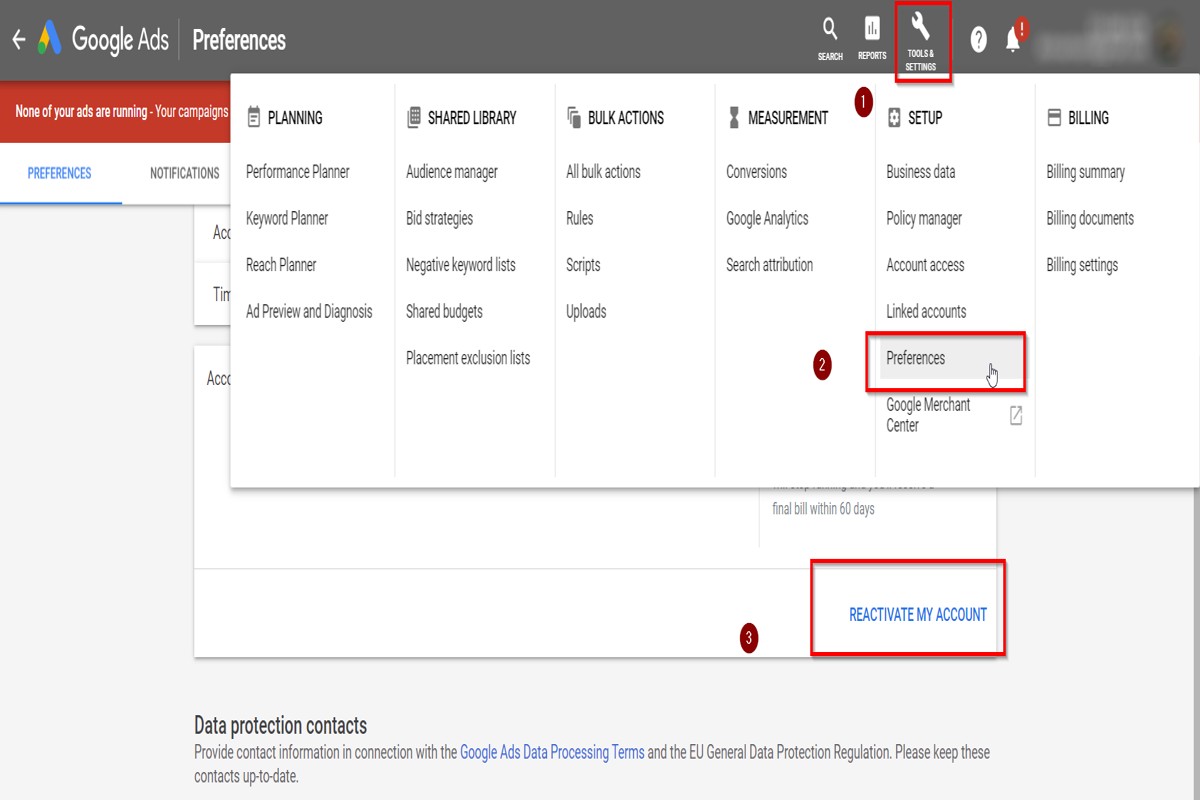
To cancel a Google Ad, log into your Google Ads account, select the campaign you want to cancel, and click on ‘Pause’ or ‘Remove’. Confirm your choice to complete the cancellation.
Understanding how to cancel Google Ads is crucial for advertisers looking to manage their budgets effectively. Missteps in this process can lead to unintended charges or ongoing campaigns that no longer align with marketing goals.
This guide provides a detailed, step-by-step approach to canceling Google Ads, including how to pause campaigns, remove ads, and navigate any related settings within your account.
For How To Cancel Google Ad businesses looking to generate local leads through Google Ads or Local SEO, GMB Ranger LLC offers hands-on campaign management. Specialist Md Tangeer Mehedi personally handles campaign setup and ongoing optimization — with no payment required until the first lead comes in.
What happens when you cancel a Google Ad?
When you cancel a Google Ad, the advertisement immediately stops running, ceasing all visibility to potential customers. This action prevents any further impressions or clicks on that specific ad, effectively removing it from the Google Ads network. Additionally, you will not incur any further costs related to that ad after cancelation.
Upon canceling, the ad will remain in your account for historical reporting purposes, allowing you to analyze its performance over time. However, you will not be able to reactivate a canceled ad; you would need to create a new ad if you wish to run a similar campaign again. The cancellation takes effect immediately, ensuring that your budget is preserved from that point forward.
- Visibility: The ad will no longer appear in search results or on affiliated websites.
- Billing: Any costs incurred prior to cancellation will still be charged, but no new charges will accrue post-cancellation.
- Reporting: Historical data remains accessible for performance analysis.
While canceling an ad can be a straightforward process, it is essential to consider the implications on your overall marketing strategy. If the ad was part of a larger campaign, its removal may affect the performance of related ads. Therefore, evaluating the impact of cancellation on your advertising objectives is advisable.
Expert Tip: Before canceling a Google Ad, analyze its performance data to ensure that you are making an informed decision. Consider pausing the ad instead, which allows for potential reactivation while still giving you time to assess its effectiveness.
How do I pause my Google Ads instead of canceling?
To pause your Google Ads, access your Google Ads account, select the campaign or ad group you wish to pause, and toggle the status to “Paused.” This action temporarily halts your ads without deleting them, allowing you to resume them later.
Pausing ads is a strategic choice for advertisers who want to maintain their campaigns without incurring costs. When an ad is paused, it stops running immediately, but all settings, keywords, and historical performance data remain intact. This is particularly beneficial if you need to adjust your budget or strategy without losing accumulated data.
- Log in to your Google Ads account: Navigate to the Google Ads homepage and enter your credentials.
- Select the campaign or ad group: In the left-hand menu, choose the specific campaign or ad group you want to pause.
- Change the status: Click on the status toggle next to the campaign or ad group and select “Pause” from the dropdown menu.
- Confirm the action: Ensure that the status now reflects “Paused” to confirm that your ads will not run until you reactivate them.
It is important to remember that while pausing ads stops them from running, you will not lose any data or settings. This allows for a seamless transition when you decide to restart your campaigns.
Expert Tip: Regularly review the performance of your paused ads. Identifying trends during the paused period can inform future strategies and help optimize ad performance upon reactivation.
Can I reactivate my canceled Google Ads?
Yes, you can reactivate your canceled Google Ads. However, the process depends on the reason for cancellation and the account status. If the account is in good standing, reactivation is straightforward.
To reactivate your canceled Google Ads, follow these steps:
- Log in to your Google Ads account. Ensure you have the correct account credentials to access the dashboard.
- Navigate to the “Campaigns” tab on the left-hand side. This section displays all your campaigns, including inactive ones.
- Locate the canceled campaign you wish to reactivate. Canceled campaigns are marked as such, making them easy to identify.
- Click on the campaign name to open its details. This will allow you to manage settings and make changes.
- Select the option to “Resume” or “Reactivate” the campaign. This option will be available if the campaign was canceled and not deleted.
- Review your campaign settings before resuming. Ensure that your budget, targeting, and ad content meet your current goals.
- Click “Save” or “Resume” to finalize the reactivation. The campaign will return to an active status and start serving ads again.
Keep in mind that if your account has been suspended or if a campaign has been deleted rather than canceled, reactivation may not be possible. In such cases, you may need to create a new campaign or contact Google Ads support for further assistance.
Regularly monitoring your account and campaigns can prevent the need for reactivation. Understanding the reasons behind campaign performance can help maintain an active and effective advertising strategy.
What are the costs associated with canceling Google Ads?
Canceling Google Ads incurs no direct fees or penalties. However, businesses may encounter costs related to their current advertising campaigns and billing cycles.
When canceling Google Ads, it is essential to understand the billing structure. Google charges advertisers based on their spending during the campaign period. If ads are paused or canceled before the billing cycle ends, advertisers are still responsible for any charges incurred up to that point. The final invoice may reflect these costs, which could include:
- Unspent budget: If a budget was allocated for the month, any unspent amount is typically not refunded.
- Last-minute clicks: Advertisers may incur costs for clicks received just before cancellation.
- Ongoing campaigns: If a campaign is canceled mid-cycle, advertisers are charged for the days the ads were active.
It is also crucial to consider the implications of canceling a campaign. Re-engaging with Google Ads in the future may require restarting campaigns, which can lead to additional costs in terms of time and resources. Additionally, a history of ad performance can be lost, affecting future targeting strategies.
Expert Tip: Regularly monitor and adjust your campaigns to avoid unnecessary costs before cancellation. A well-managed budget can minimize the financial impact of pausing or stopping ads.
How long does it take to cancel a Google Ad?
Canceling a Google Ad typically takes effect almost immediately, but it may take up to 24 hours for the ad to stop running completely. Once you initiate the cancellation, you can expect to see changes in your account and billing within this timeframe.
The cancellation process is straightforward. When an ad is canceled, it is removed from active status, meaning it will no longer be displayed to users. However, the exact timing can be influenced by factors such as the ad’s current status and the billing cycle. If the ad is part of an ongoing campaign with scheduled ads, those may continue to run until the next scheduled pause or end date.
After cancellation, you may still incur charges for any clicks or impressions accrued before the ad was disabled. Google Ads operates on a pay-per-click model, so it is essential to review your account for any outstanding charges. Additionally, any changes to your account will be reflected in your billing statements, which may include charges up to the point of cancellation. Users should monitor their accounts closely for the first few days following cancellation to ensure no unexpected charges appear.
Expert Tip: Always check your account settings and billing history after cancellation to ensure that no unwanted campaigns are still active. Setting up alerts for your Google Ads account can help you manage your campaign status more effectively and prevent future issues.
What are the best practices for canceling Google Ads?
To cancel Google Ads effectively, follow best practices that streamline the process and minimize potential issues. These practices ensure that all aspects of your campaigns are thoughtfully considered, allowing for a smooth transition away from advertising. Proper planning and execution can help avoid unexpected charges and complications.
First, review your current campaigns and identify the ones you wish to cancel. It is vital to assess the impact of cancellation on your overall marketing strategy. Consider pausing campaigns instead of outright cancellation if you may want to restart them later. This option retains your campaign settings and performance data while preventing further charges.
- Notify stakeholders: Inform team members or clients about the cancellation plan. Clear communication can prevent confusion and ensure everyone is aligned with the changes.
- Check billing settings: Before canceling, review your billing account to avoid unexpected charges. Ensure that no active campaigns are linked to ongoing billing cycles.
- Document campaign performance: Save relevant data and reports from your campaigns for future reference. This information can provide valuable insights for future marketing efforts.
- Cancel at the right time: Timing matters. Canceling at the end of a billing cycle can prevent prorated charges or complications related to unspent budgets.
Each of these practices can significantly enhance the cancellation process, reducing the risk of errors. Additionally, consider the long-term implications of halting your advertising efforts. Evaluate how this decision aligns with your overall marketing goals.
Expert Tip: Always conduct a thorough review of your Google Ads account before cancellation. Ensure you understand what data will be retained and how it can inform future campaigns, as this can influence strategic planning moving forward.
How to cancel Google Ads for multiple campaigns?
To cancel multiple Google Ads campaigns at once, access your Google Ads account and use the bulk action feature. This allows for efficient management of several campaigns simultaneously, streamlining the cancellation process.
Begin by logging into your Google Ads account. From the Campaigns tab, select the campaigns you wish to cancel by checking the boxes next to them. After selecting the campaigns, click on the “Edit” drop-down menu located above the campaign list. Choose the “Pause” or “Remove” option based on your needs. Pausing a campaign keeps it in your account for future use, while removing it permanently deletes it.
In addition to the bulk action feature, consider using filters to refine your selection of campaigns. This can help you quickly identify specific campaigns based on criteria like performance or budget. Once you have your desired campaigns selected, follow through with the cancellation process to ensure they are no longer active.
For comprehensive management, regularly review your campaign performance and adjust settings as necessary. This proactive approach can help optimize your advertising strategy and avoid unnecessary expenditures.
Expert Tip: Use labels to categorize your campaigns before cancellation. This makes it easier to filter and manage campaigns in bulk, enhancing your overall account efficiency.
Is canceling Google Ads permanent?
Canceling Google Ads is not permanent; advertisers can reactivate their accounts at any time. When an account is canceled, ads stop running, but the account remains accessible for potential future use. Reactivation can be done through the Google Ads interface, allowing for continuity in advertising efforts.
There are a few scenarios to consider regarding account cancellation. First, if an account is simply paused, all campaigns are halted, but the account remains active for easy reactivation. In contrast, a full cancellation means that while the account is inactive, it does not delete any historical data, which can be beneficial for future marketing strategies. Advertisers should also be aware of any outstanding billing issues that may need resolution before reactivation.
Additionally, Google Ads offers the option to delete accounts entirely. This action is permanent and results in the loss of all associated data, including campaign history and performance metrics. Therefore, if an advertiser is uncertain about future advertising needs, it may be wiser to cancel rather than delete the account.
Expert Tip: Regularly assess advertising performance before deciding to cancel. This evaluation can prevent unnecessary cancellations and ensure that campaigns are optimized for maximum effectiveness.
Understanding the Impact of Canceling Google Ads
This section examines the broader implications of canceling Google Ads, highlighting effects on business visibility, marketing strategies, and alternative budget management options. These factors are critical for businesses considering this decision.

Impact on Ad Visibility and Traffic
Canceling Google Ads immediately affects a business’s visibility on search engines. Ads drive targeted traffic to websites, and their removal can result in a significant drop in visitors. According to a study, businesses can experience a traffic decrease of up to 60% within weeks of ceasing paid advertising. This decline can hinder customer acquisition and retention efforts, particularly for companies that rely heavily on online sales.
Long-Term Effects on Brand Presence
The long-term impact of canceling Google Ads can extend beyond immediate traffic loss. Consistent ad presence builds brand awareness and trust among potential customers. Without ads, a business may miss opportunities to reinforce its brand identity and compete with others investing in ongoing advertising efforts. A diminished online presence can lead to decreased market relevance, affecting customer loyalty and engagement over time.
Considerations for Seasonal Businesses
Seasonal businesses must carefully evaluate the timing of canceling Google Ads. For instance, a retailer may wish to pause ads after the holiday season, but such a decision can lead to reduced visibility when preparing for the next peak season. Maintaining a minimal ad presence during off-peak times can keep the brand in customers’ minds and allow for smoother transitions into busier periods.
Alternatives to Cancellation for Budget Management
Instead of canceling Google Ads altogether, businesses can explore several alternatives to manage their advertising budget effectively:
- Adjusting Campaign Budgets: Reduce daily budgets or pause specific campaigns rather than shutting down all ads.
- Switching to Lower-Cost Campaign Types: Opt for display or remarketing campaigns that may yield lower costs while maintaining visibility.
- Refining Targeting: Focus on high-performing keywords or demographics to maximize ROI without incurring additional costs.
Nuance / Expert Layer
One common misconception is that canceling Google Ads has an immediate, temporary effect, similar to a pause in spending. However, the repercussions can be far-reaching. Businesses may find that their organic search rankings decline without the support of paid ads, particularly in competitive industries. Additionally, companies often overlook the cumulative value of retargeting ads. Retargeting can sustain brand visibility among users who have previously interacted with the business, thus maintaining some level of engagement even when budgets are tight.
Practical Application
To navigate the decision on how to cancel Google Ads effectively, businesses should first assess their current advertising strategy and performance metrics. Establish whether adjustments can be made to existing campaigns for budget management. If cancellation is necessary, consider implementing a phased approach to mitigate visibility loss. Monitor traffic and engagement closely during this transition to adapt strategies as needed and maintain brand presence.
Common Mistakes When Canceling Google Ads
Canceling Google Ads requires careful consideration to avoid pitfalls that can lead to financial loss or hinder future advertising efforts. This section outlines common mistakes advertisers make during the cancellation process and offers strategies to prevent them.

Failing to Pause Before Cancellation
A frequent error is not pausing campaigns before initiating cancellation. Pausing allows advertisers to halt ad delivery without losing all campaign data and settings. This step is crucial for analyzing performance and making informed decisions about future advertising strategies. By pausing, advertisers can assess whether they need to make adjustments or if complete cancellation is necessary.
Not Reviewing Ongoing Campaigns
Many advertisers overlook the importance of reviewing their ongoing campaigns prior to cancellation. Each campaign may have unique metrics and objectives. Failing to evaluate these can result in unintended consequences, such as losing valuable data or insights that could inform future campaigns. A thorough review should include:
- Performance metrics (CTR, conversion rates)
- Budget utilization
- Overall campaign goals
By examining these factors, advertisers can make educated decisions about which campaigns to cancel and which might still hold value.
Ignoring Billing Implications
Another critical mistake is ignoring the billing implications of cancellation. Google Ads operates on a pay-per-click model, meaning advertisers may still incur charges for clicks received before cancellation. Additionally, if an advertiser cancels mid-billing cycle, they may not receive a prorated refund for the unused portion. Understanding the billing cycle and policies can prevent unexpected costs.
Overlooking Reactivation Options
Many advertisers fail to consider reactivation options before fully canceling their accounts. Google Ads allows for easy reactivation of paused campaigns, but once a campaign is canceled, reactivating it is not straightforward. Advertisers should be aware of the potential need to recreate campaigns from scratch, which can lead to loss of valuable performance data and increased setup time.
Nuance / Expert Layer
There is a misconception that canceling a Google Ads account is a straightforward process without long-term implications. In reality, advertisers must consider the data and insights accrued during campaign execution. This information can be invaluable for shaping future marketing efforts. Additionally, some advertisers may mistakenly believe that all campaigns under a single account are interconnected; however, each campaign operates independently concerning data and performance. Understanding this distinction can influence decisions during the cancellation process.
Practical Application
To avoid these common mistakes when canceling Google Ads, follow these actionable steps:
- Pause all active campaigns to retain settings and data.
- Review the performance of ongoing campaigns and assess their value.
- Examine billing implications and consult Google’s billing policies.
- Consider your options for reactivating campaigns before final cancellation.
By adhering to these guidelines, advertisers can navigate the cancellation process effectively, preserving valuable insights and minimizing financial repercussions.
Comparing Pausing vs. Canceling Google Ads
Evaluating the differences between pausing and canceling Google Ads is essential for advertisers seeking flexibility and control over their campaigns. This section outlines key distinctions, helping advertisers make strategic decisions based on their unique needs.
Differences in Visibility and Billing
When ads are paused, they remain visible to the advertiser but cease to run. This means that no impressions or clicks occur, and consequently, no charges are incurred. In contrast, canceling an ad stops all activity, and the ad becomes entirely inaccessible within the account interface. Billing ceases on cancellation, but any accrued costs before cancellation remain due.
When to Choose Pause Over Cancellation
Choosing to pause an ad may be beneficial in various scenarios. Consider pausing when:
- The ad is underperforming but has potential for improvement.
- You want to temporarily halt spending during a specific period, such as holidays.
- Additional data analysis or creative adjustments are required before resuming.
Conversely, cancellation is advisable when an ad or campaign is no longer relevant or aligns with business goals.
Reactivation Process for Paused Ads
Reactivating paused ads is a straightforward process. Advertisers can navigate to the campaign dashboard, select the paused ads, and choose the option to resume. This action restores the ads to active status without requiring a complete reconfiguration, allowing for continuity in advertising efforts.
Strategic Considerations for Future Campaigns
When planning future advertising campaigns, consider the implications of both pausing and canceling. Pausing can serve as a strategic tool for testing different ad variations or targeting strategies without losing historical performance data. In contrast, cancellation may indicate a need for a more profound shift in strategy. Maintaining a clear record of what works and what doesn’t can inform future decisions.
Nuance / Expert Layer
Common misconceptions suggest that pausing ads incurs costs similar to cancellation. However, paused ads do not accrue charges, making them a risk-free option for advertisers looking to temporarily step back from campaigns. Additionally, some advertisers mistakenly believe that cancellation permanently deletes all associated data, but Google Ads retains historical performance data even after an ad is canceled, providing valuable insights for future strategies.
Practical Application
Advertisers should assess their current campaign performance and objectives before deciding whether to pause or cancel. For temporary adjustments, utilize the pause feature; for long-term changes, proceed with cancellation. Regularly review ad performance data to inform these decisions and ensure alignment with overall marketing goals.
Real-World Scenarios for Canceling Google Ads
This section explores various real-world scenarios where businesses may choose to cancel their Google Ads campaigns, emphasizing the motivations and implications behind such decisions.

Case Study of a Seasonal Business
Seasonal businesses, such as those in retail or tourism, often experience fluctuations in demand throughout the year. For instance, a beach resort may ramp up its advertising efforts in the spring to attract summer visitors. However, once the peak season concludes, maintaining Google Ads can become financially impractical. In this scenario, the business could cancel its ads to reallocate funds towards off-season maintenance or to prepare for the next peak season.
Example of Budget Cuts Impacting Ad Strategy
Organizations facing budget constraints may need to reevaluate all marketing expenditures, including Google Ads. A mid-sized company might experience a sudden downturn in revenue, prompting leadership to implement cost-cutting measures. As part of this strategy, the company may decide to pause or cancel its Google Ads campaigns to preserve cash flow. This decision underscores the importance of aligning advertising efforts with overall financial health.
Scenario Involving Campaign Performance Issues
In some instances, a business may find that its Google Ads campaigns are underperforming. A tech startup, for instance, could invest heavily in ads but receive minimal engagement or conversions. After analyzing key performance metrics, the company may determine that the cost per acquisition is unsustainable. Consequently, the decision to cancel the ads becomes a strategic move to prevent further losses and to reconsider the advertising approach.
Lessons Learned from Successful Ad Cancellations
- Reassessment of Goals: Successful cancellations often stem from a clear understanding of the company’s objectives, ensuring that advertising aligns with business priorities.
- Data-Driven Decisions: Analyzing performance metrics allows businesses to make informed choices about when to cancel ads.
- Flexibility in Strategy: Companies that adapt quickly to changing market conditions can pivot their advertising strategies effectively, minimizing wasteful spending.
Businesses that have navigated ad cancellations often highlight the benefits of maintaining flexibility in their marketing strategies. The ability to pivot quickly based on performance data or financial realities not only preserves resources but also sets the stage for future advertising success.
Common misconceptions about canceling Google Ads include the belief that pausing campaigns always leads to lost momentum. In reality, canceling poorly performing campaigns can free up resources for more effective marketing strategies. Businesses should also be aware that re-engaging with Google Ads after a cancellation can often be more effective if they take the time to reassess their approach.
To effectively implement the insights gained from these scenarios, businesses should regularly review their advertising performance, set clear seasonal goals, and remain adaptable in their strategies. By doing so, they can make informed decisions on when to cancel Google Ads and allocate resources more efficiently in the future.
For How To Cancel Google Ad businesses looking to generate local leads through Google Ads or Local SEO, GMB Ranger LLC offers hands-on campaign management. Specialist Md Tangeer Mehedi personally handles campaign setup and ongoing optimization — with no payment required until the first lead comes in.
Frequently Asked Questions
What happens when you cancel a Google Ad?
When you cancel a Google Ad, it will stop running immediately, and no further charges will accrue for that ad. However, you will still be billed for any clicks or impressions accrued before cancellation.
How do I pause my Google Ads instead of canceling?
To pause your Google Ads, navigate to the campaign or ad group you wish to pause, then select the “Pause” option. This allows you to stop your ads temporarily without permanently canceling them.
Can I reactivate my canceled Google Ads?
Yes, canceled Google Ads can be reactivated by selecting the ad and choosing the “Enable” option. This allows you to resume your advertising without needing to create a new ad.
What are the costs associated with canceling Google Ads?
There are no direct costs for canceling Google Ads, but you will be responsible for any outstanding charges related to clicks or impressions before the cancellation. Ensure to review your billing statements for any final amounts owed.
How long does it take to cancel a Google Ad?
Cancelling a Google Ad is instantaneous; the ad will stop running as soon as the cancellation is confirmed. Changes may take a few minutes to reflect in your account dashboard.
What are the best practices for canceling Google Ads?
Best practices for canceling Google Ads include reviewing performance data to ensure a strategic decision, pausing ads instead of canceling if future use is anticipated, and monitoring billing to avoid unexpected charges. Document your reasons for cancellation for future reference.
How to cancel Google Ads for multiple campaigns?
To cancel multiple Google Ads campaigns, select the campaigns you wish to cancel from your dashboard, then choose the “Cancel” option. This allows for efficient management of multiple campaigns simultaneously.
Is canceling Google Ads permanent?
Canceling Google Ads is not permanent, as you can reactivate canceled ads at any time. However, once an ad is deleted, it cannot be recovered.
Final Thoughts on how to cancel google ad
Canceling a Google Ad requires a strategic approach, as it can significantly impact your marketing efforts and budget management. Understanding the nuances of pausing versus canceling, along with potential costs and reactivation options, is crucial for making informed decisions that align with your business objectives.
To optimize your advertising strategy, conduct a thorough analysis of your campaign performance before proceeding with cancellation; this ensures you are making a data-driven choice rather than a hasty decision.
Effective management of Google Ads is essential for maximizing ROI and maintaining competitive advantage in an increasingly digital marketplace.
Leave a Reply