
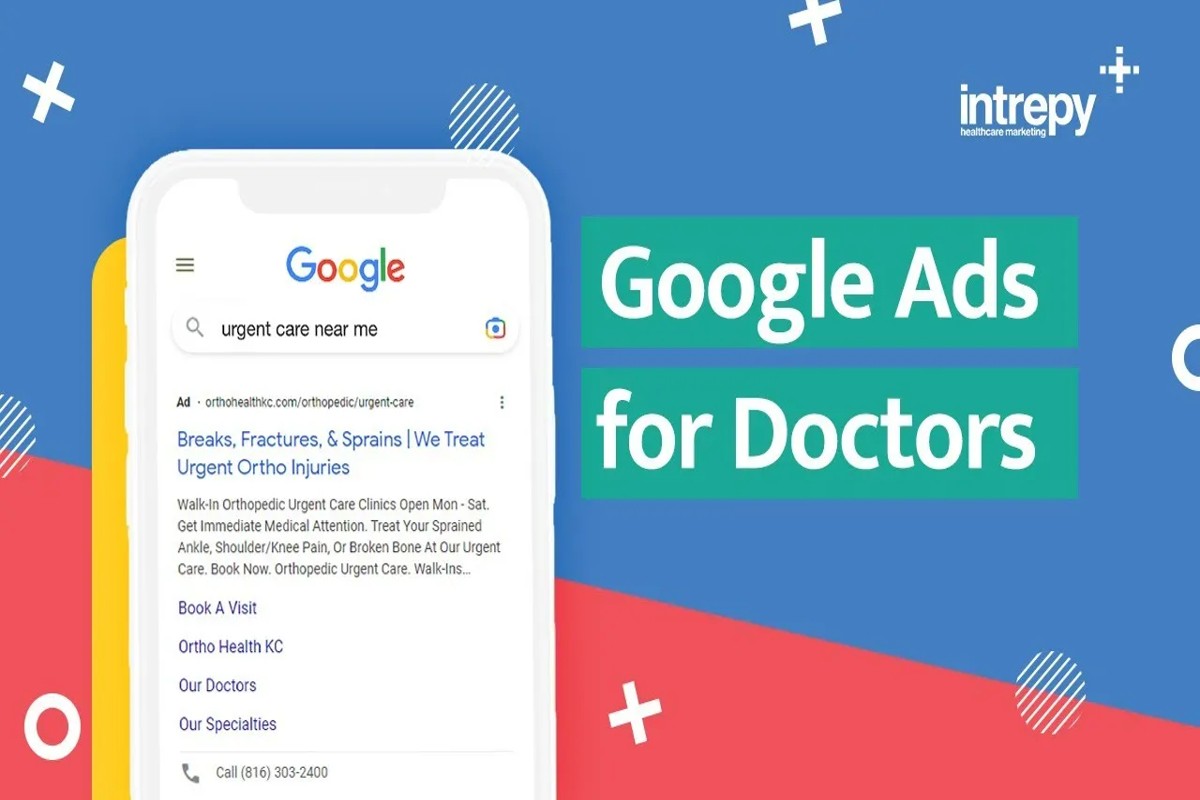
Google Ads for medical practice involves creating targeted online advertisements to attract potential patients. This advertising strategy enhances visibility and drives patient inquiries through search engines, effectively linking healthcare providers with individuals seeking medical services.
Understanding Google Ads is crucial for medical practices aiming to grow their patient base and maintain a competitive edge. Missteps in this area can lead to wasted budgets and missed opportunities, making it essential for practitioners to grasp the nuances of effective online advertising.
This guide will detail how to set up Google Ads campaigns, optimize ad performance, and measure success, providing actionable insights tailored specifically for medical practices.
For Medical Practice businesses looking to generate local leads through Google Ads or Local SEO, GMB Ranger LLC offers hands-on campaign management. Specialist Md Tangeer Mehedi personally handles campaign setup and ongoing optimization — with no payment required until the first lead comes in.
What are Google Ads for medical practice?
Google Ads for medical practice are online advertising campaigns specifically designed to promote healthcare services through Google’s advertising platform. These ads allow medical practitioners to reach potential patients by appearing in search results and on websites that are part of the Google Display Network. By targeting specific keywords, demographics, and geographic locations, medical practices can effectively attract new patients and enhance their online visibility.
Medical practices can utilize various types of Google Ads, including:
- Search Ads: Text-based ads that appear on Google search results when users search for relevant keywords.
- Display Ads: Visual ads that appear on websites within the Google Display Network, targeting users based on their interests or previous online behavior.
- Video Ads: Ads that play before or during YouTube videos, suitable for practices looking to engage audiences through visual storytelling.
To maximize the effectiveness of Google Ads, medical practices must consider factors such as keyword selection, ad copy quality, and landing page optimization. Proper targeting ensures that ads reach the right audience, while compelling ad copy can significantly increase click-through rates. Additionally, creating a seamless user experience on landing pages can enhance conversions, turning clicks into actual patient appointments.
Expert insight: Regularly monitoring and adjusting campaigns based on performance metrics is essential. Utilizing A/B testing for ad variations can provide valuable data on what resonates best with your target audience, allowing for continuous improvement in campaign effectiveness.
How can I set up Google Ads for my medical practice?
Setting up Google Ads for a medical practice involves creating an account, structuring campaigns, and targeting the right audience. Follow these steps to effectively launch your advertising efforts and enhance patient engagement.
- Create a Google Ads Account: Visit the Google Ads website and sign up for an account using your Google credentials. Ensure your practice’s information is accurate, as this will be the basis for your ad settings.
- Select Your Campaign Type: Choose from various campaign types, such as Search, Display, or Video. For medical practices, a Search campaign is typically most effective for attracting patients actively seeking services.
- Define Your Goals: Establish clear objectives for your ads, such as increasing website visits, phone calls, or appointment bookings. This will guide your campaign strategies and help measure success.
- Choose Your Target Audience: Set parameters for who should see your ads based on demographics, locations, and interests. For a medical practice, consider targeting local patients who might benefit from your services.
- Conduct Keyword Research: Utilize tools like the Google Keyword Planner to identify relevant keywords. Focus on terms that potential patients are likely to search for when looking for medical services.
- Create Compelling Ad Copy: Write clear and engaging ad text that highlights your services and includes a strong call to action. Make sure to comply with medical advertising regulations and guidelines.
- Set Your Budget: Determine how much you are willing to spend daily on ads. Google Ads operates on a bidding system, so set your budget according to your goals and desired reach.
- Launch Your Campaign: Review your settings and launch the campaign. Monitor the performance regularly to make necessary adjustments based on what is working and what is not.
Continuous analysis of ad performance is essential for maximizing your investment. Use Google Ads’ analytics tools to evaluate metrics such as click-through rates and conversion rates.
Expert Tip: Regularly update your keyword list and ad copy based on seasonal trends and patient feedback. This adaptive strategy can significantly enhance the effectiveness of your campaigns over time.
What is the average cost of Google Ads for medical practices?
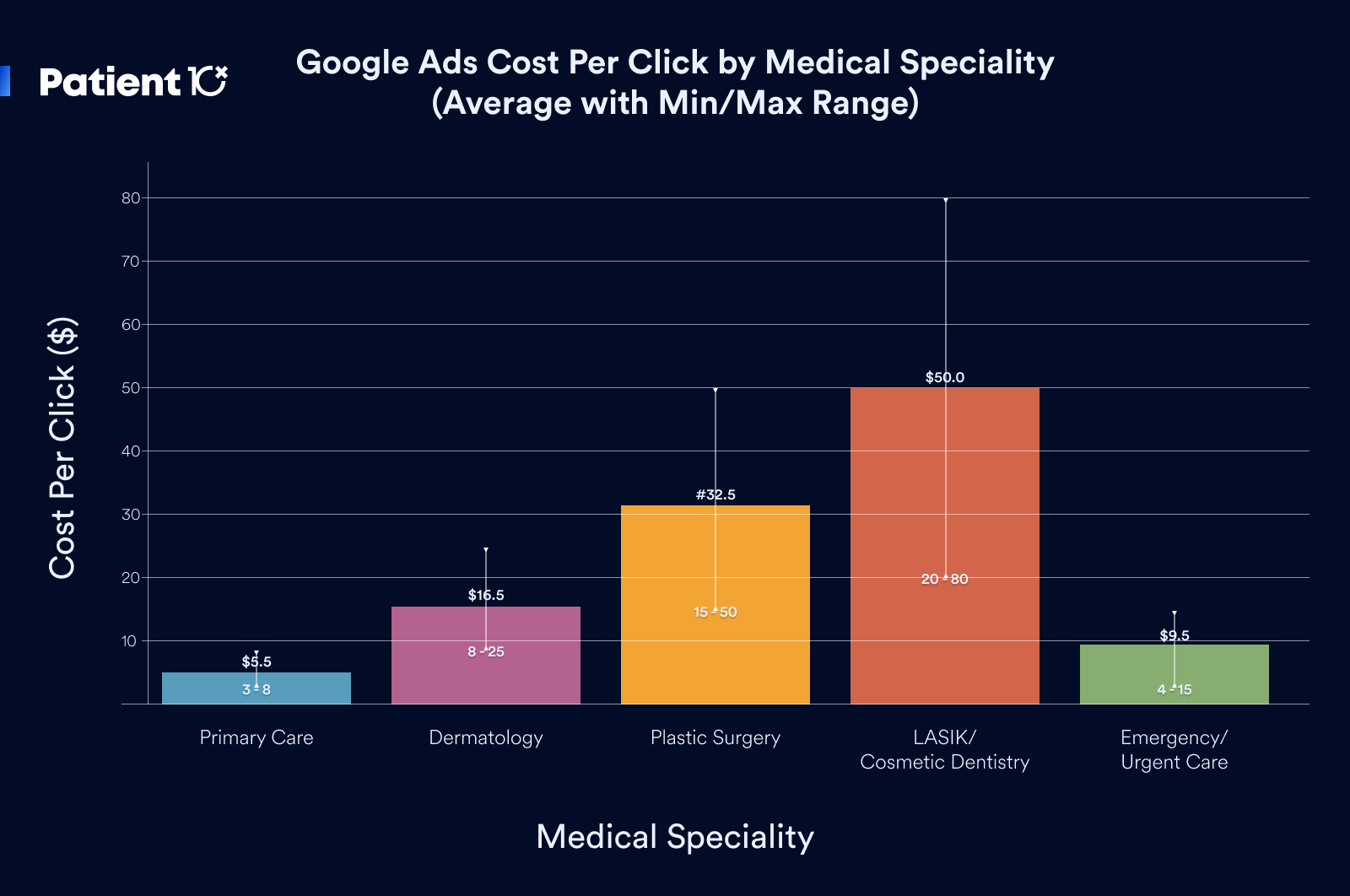
The average cost of Google Ads for medical practices typically ranges from **$1 to $10 per click**. However, specific costs can vary significantly based on various factors such as the type of medical service offered and the level of competition in the local market.
Several elements influence the cost of Google Ads for medical practices. These include:
- Competition Level: Highly competitive medical specialties, such as plastic surgery or orthopedics, tend to have higher costs per click (CPC) due to increased bidding activity.
- Geographic Location: Practices in urban areas usually face higher CPC rates compared to those in rural locations, reflecting the greater number of competing advertisers.
- Ad Quality Score: Google evaluates the relevance and quality of ads and landing pages. A higher Quality Score can lower CPC, making campaigns more cost-effective.
- Target Audience: Specific targeting options, including demographics and keywords, can impact costs. More precise targeting may yield higher CPCs but can improve conversion rates.
Budgeting for Google Ads requires careful planning. Medical practices should allocate a sufficient monthly budget based on expected CPC and the desired number of clicks. It is advisable to start with a small budget to assess performance before scaling up.
Expert Tip: Regularly review and optimize ad campaigns to improve Quality Scores. This can reduce overall costs and enhance the return on investment for Google Ads.
What are the best practices for Google Ads in healthcare?
Effective Google Ads campaigns in healthcare require a strategic approach to reach potential patients and drive conversions. Best practices include targeting specific demographics, utilizing location-based advertising, and ensuring compliance with healthcare regulations. Each element plays a crucial role in maximizing the impact of online advertising efforts.
First, targeting specific demographics allows practices to reach the most relevant audience. This can involve refining keywords to align with the language and needs of specific patient groups. For example, using terms related to age, gender, or specific health conditions can improve ad relevance and engagement. Additionally, employing audience segmentation tools in Google Ads can help tailor campaigns to different patient personas.
Second, location-based advertising is vital for medical practices. Patients typically seek healthcare providers within a certain radius of their home or workplace. Utilizing geo-targeting features in Google Ads ensures that ads are shown to users in specific geographic areas. This not only increases the likelihood of engagement but also optimizes ad spend by focusing on local patients who are more likely to convert.
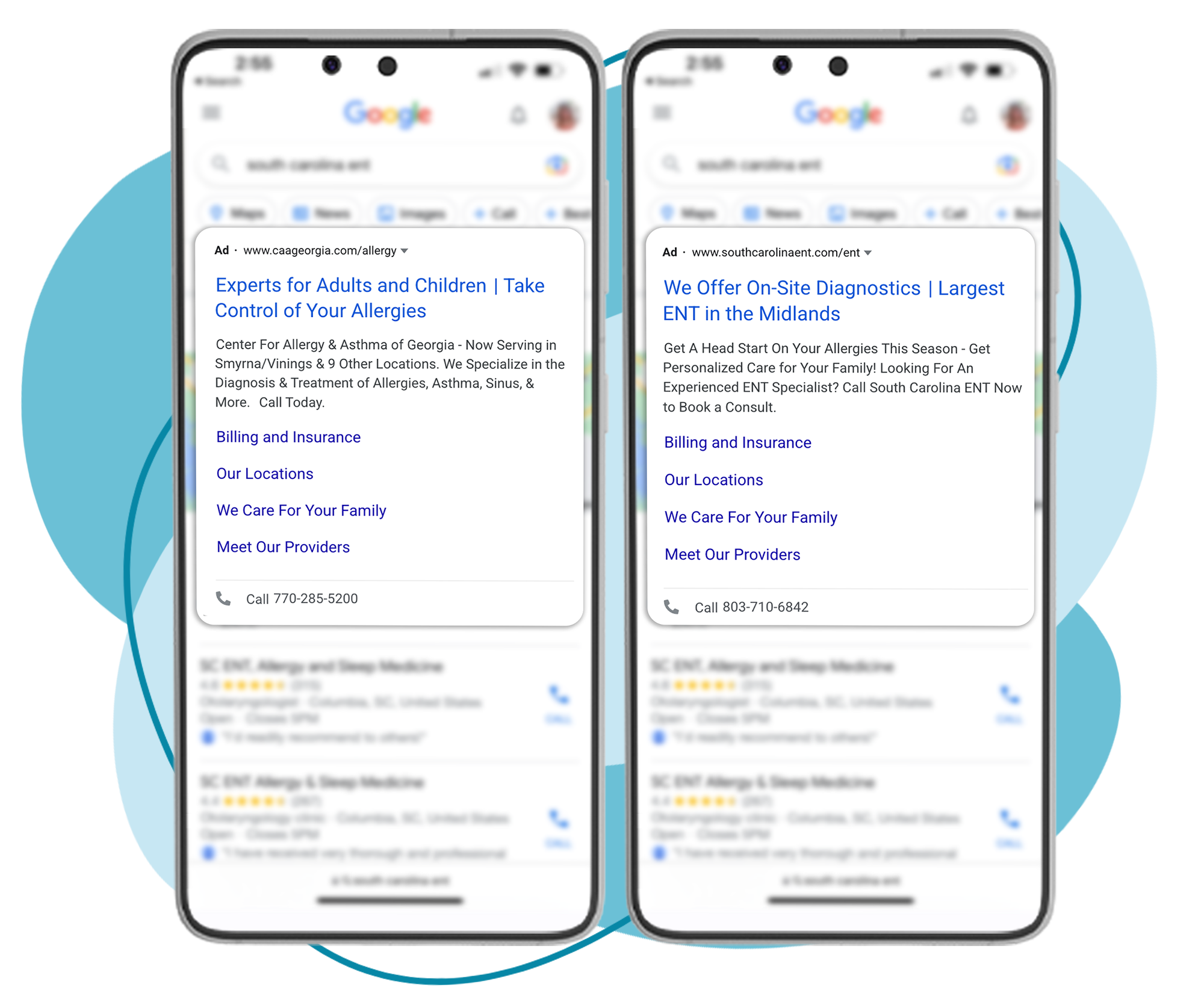
- Ad Extensions: Use ad extensions to provide additional information such as phone numbers, locations, or links to relevant pages. This enhances the ad’s visibility and encourages user interaction.
- Compliance with Regulations: Ensure that all ads comply with healthcare regulations, including patient privacy laws and advertising guidelines. Failure to comply can lead to ad disapproval or legal repercussions.
- A/B Testing: Regularly perform A/B testing on ad copy, images, and calls to action. This helps identify what resonates best with the audience and optimizes ad performance over time.
To maximize the effectiveness of Google Ads for medical practices, focus on continuous optimization and compliance. Regularly analyze campaign performance metrics, adjust bidding strategies, and refine targeting based on data insights. Staying informed about changes in healthcare advertising regulations is also essential for maintaining effective campaigns.
How long does it take to see results from Google Ads for a medical practice?
Typically, it takes about one to three months to start seeing measurable results from Google Ads campaigns for a medical practice. Initial visibility can occur within days, but significant improvements in patient inquiries and conversions usually require sustained effort and optimization.
Several factors influence the timeframe for achieving results. First, the competition level in the local healthcare market plays a critical role. Highly competitive specialties may require longer to gain traction due to increased bidding costs and the need for ongoing adjustments to ad copy and targeting. Additionally, the quality of the ad campaigns affects performance; well-structured campaigns with targeted keywords and compelling ad content can yield faster results than poorly optimized ones.
Another factor is the specific goals of the Google Ads campaign. If the objective is to generate immediate leads, such as for a limited-time promotion, results may be quicker. Conversely, campaigns aimed at building long-term brand awareness or patient trust may take longer to manifest measurable outcomes. Moreover, the effectiveness of landing pages and the overall user experience on the practice’s website can significantly impact conversion rates, further affecting the speed of results.
Ad budgets also play a role; higher budgets can lead to increased visibility and faster results. However, a strategic approach is essential, as simply increasing the budget without optimizing the campaign may not yield proportional returns.
Expert Tip: Regularly monitor and analyze campaign performance data to make informed adjustments. This proactive approach can accelerate results and ensure that the campaign aligns with patient needs and market trends.
How do Google Ads compare to SEO for medical practices?
Google Ads and SEO are two distinct strategies for attracting patients to medical practices, each with its own benefits and drawbacks. Google Ads offers immediate visibility through paid placement, while SEO focuses on organic search rankings that take time to achieve. Understanding the differences helps medical practitioners choose the right approach for their needs.
Google Ads provides quick results, allowing practices to appear at the top of search results almost instantly. This can be particularly valuable for new practices or those launching new services. Additionally, Google Ads offers precise targeting options, enabling practices to reach specific demographics or geographic areas. However, the cost can accumulate quickly, as practices pay for each click, which may not always lead to conversions.
On the other hand, SEO is a long-term strategy aimed at improving organic search rankings through content optimization and backlinking. While it requires more time and effort to see results, once a medical practice establishes a strong online presence, the traffic generated is typically free. SEO can also build credibility, as users often trust organic results more than paid ads. However, the competitive landscape can make ranking highly challenging, especially for popular medical keywords.
- Cost: Google Ads incurs direct costs per click, while SEO primarily involves upfront investment in content and optimization.
- Speed: Google Ads delivers immediate visibility; SEO takes time to build momentum.
- Longevity: Traffic from Google Ads ceases once the campaign ends; SEO can provide ongoing traffic without continuous costs.
Expert Tip: For medical practices, a balanced approach that combines both Google Ads for immediate needs and SEO for long-term growth often yields the best results. Regularly analyzing performance metrics can help adjust strategies to maximize return on investment.
What common mistakes should I avoid with Google Ads for my medical practice?
Common mistakes in Google Ads for medical practices include targeting the wrong audience, neglecting ad extensions, and failing to monitor campaign performance. These errors can lead to wasted budgets and missed opportunities to attract new patients. Addressing these issues can significantly improve the effectiveness of advertising campaigns.
For instance, consider a dental practice that focuses on cosmetic procedures but targets a broad audience interested in general dental care. This mismatch can result in low click-through rates and high costs per click, as the ads attract individuals seeking services that the practice does not provide. To avoid this pitfall, it is essential to define specific target demographics and tailor ads to align with the services offered. Utilizing tools like Google Ads’ audience targeting can help refine the focus, ensuring that the ads reach potential patients who are genuinely interested in cosmetic dentistry.
Another frequent mistake is overlooking the use of ad extensions, which can enhance visibility and provide additional information. For example, a clinic may run a campaign without including location or call extensions, missing the chance to make it easier for potential patients to contact them or find their office. Incorporating these extensions can improve ad performance by offering users more relevant information, thereby increasing the likelihood of engagement.
Lastly, failing to monitor and adjust campaigns regularly can lead to stagnant performance. A medical practice that sets its ads and forgets them may miss out on opportunities for optimization. Regularly reviewing metrics such as click-through rates and conversion rates allows for adjustments that can enhance effectiveness over time.
Expert Tip: Always conduct A/B testing on ad copy and landing pages to determine what resonates best with your target audience. This data-driven approach can lead to improved ad performance and higher patient engagement.
Advanced Targeting Strategies for Medical Ads
This section delves into sophisticated targeting techniques essential for optimizing Google Ads for medical practice. By implementing these strategies, practices can enhance their reach and engagement with potential patients effectively.

Location-Based Targeting
Location-based targeting is vital for medical practices aiming to attract local patients. This feature allows practices to specify geographic areas where their ads will appear, focusing on cities, zip codes, or even a radius around the clinic. Precision in location targeting ensures that the ads reach individuals actively seeking medical services within a convenient distance.
- Geotargeting: Narrow down to specific neighborhoods or regions.
- Location bid adjustments: Increase bids for areas yielding higher patient conversion rates.
- Local inventory ads: Showcase available services or appointments within a defined area.
Remarketing Strategies
Remarketing is a powerful tool for re-engaging visitors who have previously interacted with a medical practice’s website. By displaying targeted ads to these users across the Google Display Network, practices can remind potential patients of the services they considered. This strategy increases the likelihood of conversion by keeping the practice top-of-mind.
- Dynamic remarketing: Personalize ads based on the services users viewed.
- Segmented audiences: Create lists based on user behavior, such as website visits or form completions.
- Frequency capping: Limit the number of times ads are shown to avoid user fatigue.
Leveraging Audience Insights
Utilizing audience insights can enhance ad content relevance. Google Ads provides data on user interests, demographics, and online behavior, which can be harnessed to craft tailored ads that resonate with specific patient segments. This customization fosters a connection with potential patients, increasing engagement and conversion rates.
Importance of Negative Keywords
Incorporating negative keywords is critical for refining ad reach. These keywords prevent ads from appearing in irrelevant searches, thereby maximizing budget efficiency. For instance, a dental practice may use negative keywords related to DIY dental care to avoid attracting users seeking non-professional solutions.
- Identify irrelevant terms: Analyze search terms to find those that do not convert.
- Regular updates: Continuously refine the negative keyword list based on ad performance.
- Use broad and phrase match types: Enhance control over ad visibility.
Many articles overlook the significance of audience segmentation in remarketing. A common misconception is that all previous visitors should be treated equally. In reality, targeting strategies should differentiate among users based on their engagement level. For example, users who completed a contact form should receive different ads than those who merely viewed a homepage. This nuanced approach can significantly improve ad performance and conversion rates.
To implement these advanced targeting strategies effectively, medical practices should:
- Set up location targeting based on patient demographics and local market analysis.
- Develop remarketing lists segmented by user behavior to tailor ad content.
- Regularly analyze audience insights to refine ad messaging and creative.
- Maintain an updated list of negative keywords to optimize ad spend.
By applying these actionable strategies, practices can maximize their Google Ads effectiveness and attract more local patients.
Measuring Success: Key Metrics for Google Ads in Healthcare
Measuring the effectiveness of Google Ads in a medical practice requires a focus on specific metrics that directly reflect patient engagement and conversion. This section outlines the essential metrics healthcare providers should track to evaluate their advertising performance effectively.
Defining Conversion Tracking for Patient Inquiries and Bookings
Conversion tracking is a critical component of measuring success in Google Ads. For medical practices, conversions typically include actions such as patient inquiries, appointment bookings, and form submissions. Setting up conversion tracking allows practices to monitor these key actions and attribute them directly to their Google Ads campaigns.
To implement conversion tracking, follow these steps:
- Set up a Google Ads account and link it to Google Analytics.
- Identify the specific actions that qualify as conversions.
- Utilize the Google Ads conversion tracking tool to define and implement tracking codes on your website.
Analyzing Click-Through Rates (CTR) for Ad Performance
Click-through rate (CTR) is a vital metric that indicates how often people click on an ad after seeing it. A higher CTR suggests that your ad copy and targeting are effective. In the healthcare sector, where competition can be high, maintaining a strong CTR is essential for maximizing visibility and engagement.
Benchmark CTR rates for healthcare ads typically range from 1% to 5%. Regular analysis of CTR can help identify trends and inform adjustments to ad copy, keywords, and targeting strategies.
Understanding Cost Per Acquisition (CPA) in a Healthcare Context
Cost per acquisition (CPA) measures the total cost of acquiring a new patient through ads. In the medical field, understanding CPA is crucial for budgeting and assessing the return on investment (ROI) of advertising efforts. It is calculated by dividing the total ad spend by the number of conversions.
For example, if a practice spends $1,000 on ads and acquires 20 new patients, the CPA would be $50. This metric provides insights into the effectiveness of ad campaigns and helps practices allocate resources more efficiently.
Using A/B Testing to Optimize Ad Copy and Landing Pages
A/B testing is a powerful technique for improving ad performance. By running two variations of an ad or landing page simultaneously, practices can determine which version resonates more with their audience. Key elements to test include:
- Headlines and ad copy
- Call-to-action (CTA) phrases
- Images and graphics
Consistent A/B testing can lead to significant improvements in CTR and conversion rates, ultimately enhancing the overall effectiveness of Google Ads for medical practice.
Many practitioners may overlook the importance of nuanced metrics, such as patient lifetime value (LTV) and churn rate. These metrics provide deeper insights into the long-term effectiveness of advertising strategies. For instance, understanding LTV can help practices justify higher CPA if it leads to long-term patient retention. Moreover, recognizing that not all inquiries convert immediately can prevent misinterpretation of ad performance based solely on short-term metrics.
To maximize the effectiveness of Google Ads for medical practice, healthcare providers should regularly review and analyze their key metrics. Implement conversion tracking, monitor CTR, calculate CPA, and conduct A/B testing to refine ad strategies. By establishing a data-driven approach, practices can enhance patient acquisition efforts and ensure a higher return on their advertising investment.
Real-World Case Studies: Successful Google Ads Campaigns in Medicine
This section presents real-life examples of medical practices that effectively utilized Google Ads, showcasing strategies that led to increased patient engagement and revenue. These case studies illustrate the potential of tailored advertising in the healthcare sector.
Case Study: Dental Practice Achieves 50% Increase in Patient Inquiries
A dental practice based in California launched a targeted Google Ads campaign focusing on cosmetic procedures. By employing specific keywords such as “teeth whitening” and “veneers,” the practice attracted a demographic searching for cosmetic improvements. The campaign included location-based targeting to reach potential patients within a 10-mile radius.
Within three months, the dental practice reported a 50% increase in patient inquiries. The combination of engaging ad copy and strategic bidding on high-intent keywords led to a significant rise in appointment bookings. The practice also utilized ad extensions to highlight special offers, further enhancing click-through rates.
Seasonal Campaign Success: A Clinic’s Strategy
A family medicine clinic effectively capitalized on seasonal health trends by launching campaigns around flu season and back-to-school check-ups. By creating ads that addressed timely health concerns, the clinic saw a marked increase in patient visits during these periods.
- Flu Season Ads: Focused on flu shot availability and included a call-to-action for early vaccinations.
- Back-to-School Campaign: Promoted annual wellness visits for children, emphasizing the importance of check-ups before the school year.
- Holiday Health Tips: Provided wellness advice via ads, establishing the clinic as a community health resource.
The targeted approach resulted in a 30% increase in patient appointments during the campaign periods, demonstrating the effectiveness of seasonal marketing in healthcare.
Leveraging Patient Reviews: Insights from a Healthcare Provider
A rehabilitation center integrated patient reviews into their Google Ads strategy, significantly enhancing credibility and attracting new clients. By using testimonials as ad copy and including a star rating, the center increased its click-through rate by 25%.
Additionally, the center encouraged satisfied patients to leave reviews on Google, which not only improved their online reputation but also fed into their ad content. The combination of social proof and targeted keywords resulted in a higher conversion rate for inquiries and appointments.
Learning from Failure: Adjustments That Led to Success
A plastic surgery practice experienced an initial failed Google Ads campaign due to vague targeting and generic ad copy. Low click-through rates and minimal conversions prompted a reevaluation of their strategy. The practice then focused on narrowing their audience by specifying the types of procedures offered and incorporating geographic targeting.
After implementing these adjustments, the practice saw a 60% improvement in conversion rates within two months. This case highlights the importance of continual optimization and the need for precise targeting in Google Ads for medical practice.
While many articles focus on the basics of Google Ads, they often overlook the significance of audience segmentation and the use of real-time data to inform strategies. Expert practitioners emphasize the necessity of A/B testing ad copy and continuously analyzing performance metrics to refine campaigns effectively.
To apply these insights, medical practices should:
- Identify and target specific demographics using tailored keywords.
- Incorporate seasonal health trends into advertising strategies.
- Utilize patient reviews and testimonials to enhance trust and credibility in ads.
- Regularly analyze campaign performance and make data-driven adjustments.
Navigating Compliance and Ethical Considerations in Medical Advertising
This section explores the legal and ethical guidelines governing advertising in the healthcare sector, essential for medical practices utilizing Google Ads. Adhering to these standards not only protects patient rights but also enhances the integrity of the practice.

Overview of HIPAA Regulations Affecting Medical Advertising
The Health Insurance Portability and Accountability Act (HIPAA) sets stringent rules regarding the privacy and security of patient information. Medical advertisements must comply with HIPAA to ensure that no protected health information (PHI) is disclosed without patient consent. This includes avoiding the use of patient images or stories without explicit permission, as well as refraining from mentioning specific patient conditions unless the patient has authorized such disclosures.
Importance of Truthful and Non-Misleading Claims
Medical advertising must be truthful and not misleading, as mandated by the Federal Trade Commission (FTC) and various state laws. Advertisements should provide clear, accurate information regarding services offered, costs, and potential outcomes. Misleading claims can lead to legal repercussions and damage a practice’s reputation. For example, claiming a guaranteed outcome from a treatment can mislead patients and contravene ethical advertising practices.
Best Practices for Maintaining Patient Confidentiality in Ads
- Obtain written consent from patients before using their testimonials or images in advertisements.
- Use generic terms instead of specific conditions to avoid identifying patients.
- Ensure that all marketing materials comply with HIPAA by conducting regular audits of content.
Navigating State-Specific Advertising Laws for Healthcare Providers
Each state may have unique advertising regulations for healthcare providers. These laws can govern aspects such as the use of testimonials, the type of claims that can be made, and the required disclosures in advertisements. Medical practices must familiarize themselves with their state’s regulations to ensure compliance. Violating these laws can result in penalties or loss of licensure.
Common misconceptions include the belief that HIPAA only applies to direct communication with patients. In reality, any public-facing advertising must also adhere to HIPAA standards. Additionally, some providers may assume that using disclaimers absolves them of responsibility for misleading content; however, disclaimers do not replace the need for truthful advertising practices.
Practices should implement a compliance framework that includes regular training on legal and ethical advertising standards. This can involve creating a checklist for reviewing ads prior to publication, ensuring all claims are substantiated and compliant with relevant laws.
To effectively utilize Google Ads for medical practice, healthcare providers should:
- Conduct a thorough review of HIPAA and state advertising regulations.
- Develop a clear policy for patient confidentiality in all marketing materials.
- Regularly train staff on ethical advertising practices to maintain compliance.
- Engage legal counsel when creating advertising content to ensure adherence to all applicable laws.
For Medical Practice businesses looking to generate local leads through Google Ads or Local SEO, GMB Ranger LLC offers hands-on campaign management. Specialist Md Tangeer Mehedi personally handles campaign setup and ongoing optimization — with no payment required until the first lead comes in.
Frequently Asked Questions
What are Google Ads for medical practice?
Google Ads for medical practice are online advertising campaigns that allow healthcare providers to promote their services on Google’s search results and display network. These ads help attract new patients by targeting specific keywords related to medical services.
How can I set up Google Ads for my medical practice?
To set up Google Ads for a medical practice, create a Google Ads account, define your target audience, and select relevant keywords. Then, craft compelling ad copy and set a budget to launch your campaign.
What is the average cost of Google Ads for medical practices?
The average cost of Google Ads for medical practices varies widely, typically ranging from $1 to $10 per click, depending on competition and location. Monthly budgets can range from a few hundred to several thousand dollars based on practice goals.
What are the best practices for Google Ads in healthcare?
Best practices for Google Ads in healthcare include targeting specific keywords, using location-based targeting, and adhering to advertising regulations. Additionally, creating clear and relevant ad copy can improve click-through rates and attract qualified leads.
How long does it take to see results from Google Ads for a medical practice?
Results from Google Ads for a medical practice can typically be seen within a few days to weeks after launching a campaign. However, optimizing ads and refining targeting may take additional time to achieve the best outcomes.
How do Google Ads compare to SEO for medical practices?
Google Ads provide immediate visibility in search results, while SEO focuses on long-term organic rankings. Both strategies are complementary, with Google Ads driving quick traffic and SEO building sustainable online presence over time.
What common mistakes should I avoid with Google Ads for my medical practice?
Common mistakes to avoid with Google Ads for medical practices include neglecting ad targeting, using generic keywords, and failing to track performance metrics. Additionally, not adhering to healthcare advertising regulations can lead to penalties or ad disapproval.
Final Thoughts on Google Ads for Medical Practice
Implementing Google Ads effectively can significantly enhance a medical practice’s visibility and patient acquisition. By leveraging advanced targeting strategies and measuring success through key performance metrics, practices can optimize their campaigns for better outcomes, ultimately driving patient engagement and growth.
To maximize the impact of your Google Ads, conduct a thorough analysis of your target demographic and refine your ad copy and keywords accordingly, ensuring alignment with the specific healthcare services you offer.
In an increasingly competitive healthcare landscape, mastering Google Ads is not just an option; it is essential for sustained practice growth and patient outreach.
Leave a Reply