
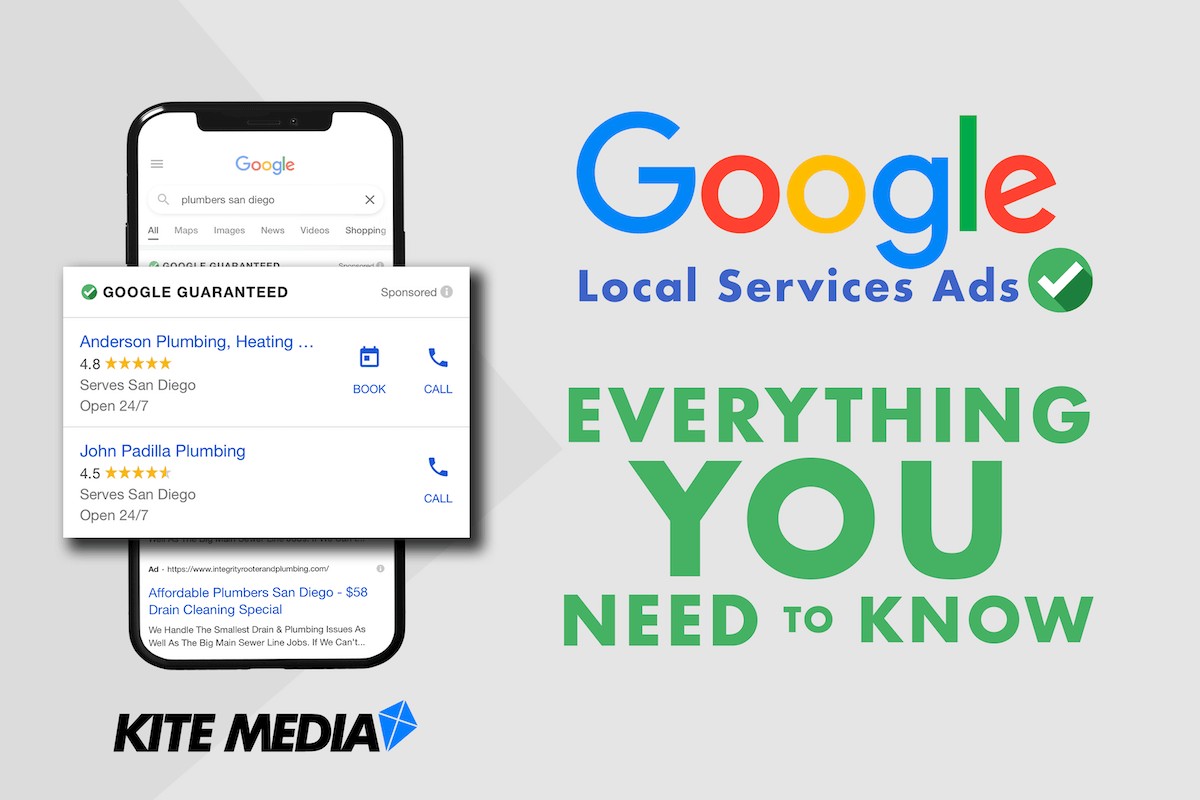
Google Ads for local services helps businesses target local customers through paid advertisements. This platform enables companies to appear prominently in search results when users seek specific services in their vicinity.
Understanding Google Ads for local services is crucial for businesses aiming to increase visibility and attract clients in their geographic area. Missteps in strategy can lead to wasted budgets and missed opportunities for growth.
This guide will provide insights into setting up effective local service campaigns, optimizing ads for maximum reach, and measuring success to ensure a strong return on investment.
For Local Services businesses looking to generate local leads through Google Ads or Local SEO, GMB Ranger LLC offers hands-on campaign management. Specialist Md Tangeer Mehedi personally handles campaign setup and ongoing optimization — with no payment required until the first lead comes in.
What are Google Ads for local services?
Google Ads for local services are a specialized advertising solution designed to help local businesses attract customers in their geographic area. Unlike traditional Google Ads, which can target a wide audience, these ads focus specifically on connecting service providers with potential customers nearby. This targeted approach enhances visibility and increases the likelihood of generating leads for local businesses.
These ads typically appear at the top of search results when users search for specific services in their locality, such as plumbing, electrical work, or home cleaning. The primary goal is to direct potential customers to contact or schedule services directly with the business. Google Ads for local services also incorporate features like customer reviews, business hours, and direct messaging options to facilitate engagement.
- Local Service Ads (LSAs): These are pay-per-lead ads that display as a distinct section at the top of search results, showing a business’s name, rating, and contact information.
- Geographic Targeting: Businesses can define specific areas they serve, ensuring ads reach the most relevant audience.
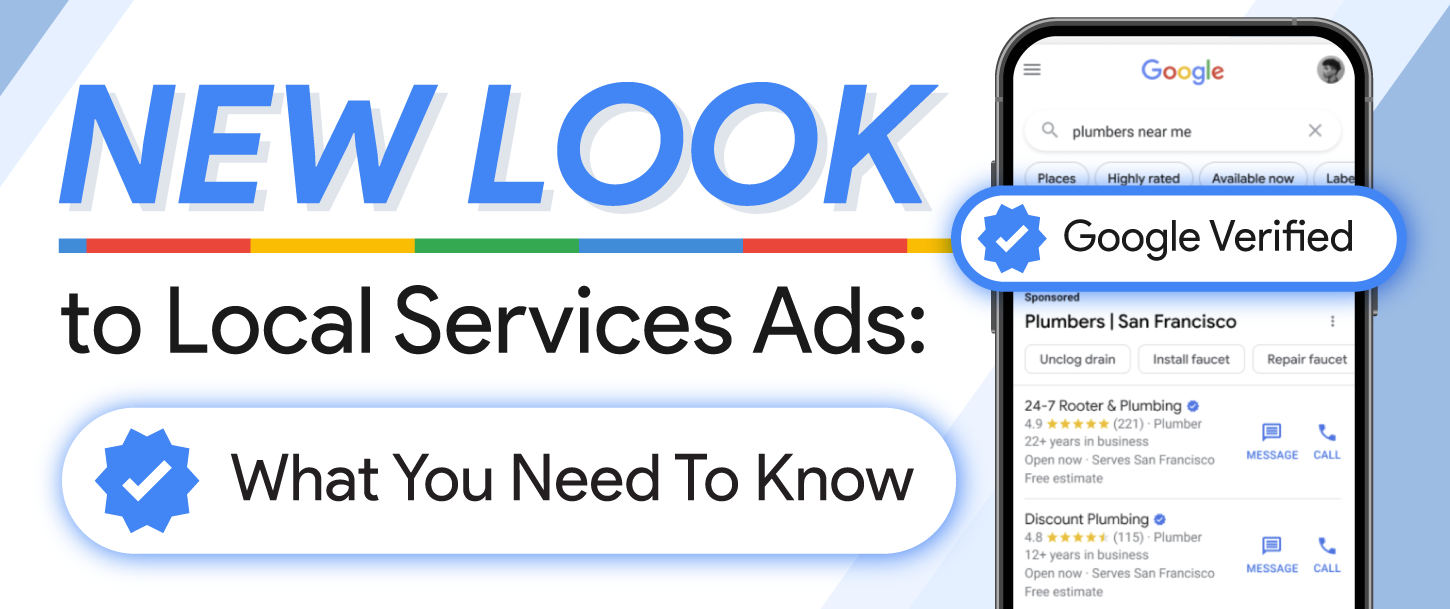
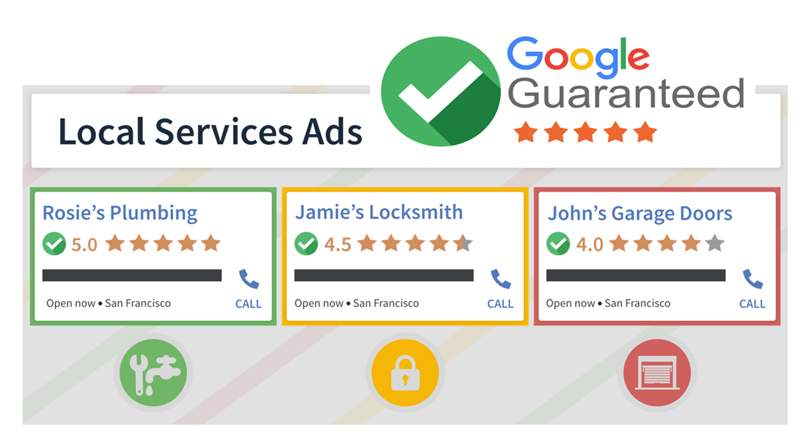
- Verified Listings: Service providers must undergo a verification process, which enhances trust and credibility among potential customers.
The performance of Google Ads for local services can be influenced by various factors, including the competitiveness of the local market, the quality of customer reviews, and the effectiveness of ad copy. Businesses that optimize their profiles and actively manage their online reputation often see better results.
Expert Tip: Regularly update your Google My Business listing and encourage satisfied customers to leave positive reviews, as this can significantly improve your ad’s visibility and effectiveness in local searches.
How do I set up Google Ads for my local service business?
Setting up Google Ads for a local service business involves several key steps to ensure effective targeting and ad performance. This process includes defining your goals, selecting the right campaign type, and optimizing your ads for local visibility. Follow these steps for a successful setup.
- Create a Google Ads Account: Visit the Google Ads website and click on “Start Now.” You will need to provide your business information and set up billing details.
- Define Your Campaign Goals: Choose what you want to achieve, such as generating phone calls, driving website traffic, or increasing store visits. Selecting clear goals helps tailor your campaign settings.
- Select Campaign Type: For local services, consider using the “Local Services Ads” option. This format showcases your business at the top of Google search results, specifically targeting local customers.
- Set Your Target Location: Specify the geographic area where your services are available. This ensures your ads are shown to relevant customers in your service area.
- Choose Keywords Wisely: Research and select keywords that potential customers might use to find your services. Use tools like Google Keyword Planner to identify effective search terms.
- Create Compelling Ad Copy: Write clear and engaging ads that highlight your services, unique selling points, and any promotions. Include a strong call to action to encourage potential customers to take the next step.
- Set Your Budget: Determine how much you are willing to spend daily or monthly on your ads. Start with a modest budget and adjust based on performance and results.
- Launch and Monitor Your Campaign: After setting everything up, launch your campaign. Regularly review performance metrics and make adjustments to improve your ads’ effectiveness.
When setting up your Google Ads, consider using location extensions to provide additional information, such as your business address and phone number. This can increase visibility and make it easier for potential customers to contact you.
Expert Tip: A/B testing different ad copies and keywords can help identify the most effective combinations for your audience, ultimately leading to improved conversion rates and return on investment.
What is the cost of Google Ads for local services?
The cost of Google Ads for local services typically ranges from $10 to $50 per lead, depending on various factors. Advertisers may also encounter a monthly budget requirement that can vary widely, often starting around $500. Ultimately, the specific costs will depend on the local market and competition.
Several factors influence the pricing structure of Google Ads for local services:
- Industry Competition: Highly competitive industries, such as plumbing or HVAC services, often result in higher costs per lead due to increased bidding from multiple advertisers.
- Geographic Location: Costs can vary significantly based on the local area. Urban regions typically have higher costs due to greater demand compared to rural areas.
- Quality Score: Google assigns a Quality Score based on the relevance of your ads and landing pages. A higher score can lead to lower costs and better ad placements.
- Bid Strategy: Different bidding strategies, such as manual versus automated bidding, can affect costs. Automated strategies may help optimize ad spend but can lead to variable costs.
Advertisers should also consider seasonal trends, as demand for local services can fluctuate throughout the year, impacting ad costs. Testing different keywords and ad formats can yield valuable insights into cost-effectiveness and return on investment.
Expert Tip: To maximize budget efficiency, focus on niche keywords that align closely with your services. This approach often leads to lower competition and cost while targeting a more relevant audience.
How long does it take to see results from Google Ads for local services?
Typically, businesses can begin to see results from Google Ads for local services within 1 to 3 months after launching their campaigns. However, the exact timeframe can vary based on several factors, including budget, competition, and campaign optimization.
The initial phase of a Google Ads campaign often involves data gathering and performance tracking. During the first few weeks, ads are tested, and adjustments are made based on click-through rates (CTR) and conversion rates. As the campaign matures, it may take additional time to refine targeting and improve ad placements, which can lead to better results.
Several factors influence how quickly results are visible. Firstly, the level of competition in the local market plays a significant role; more competitive markets may require larger budgets and longer durations to achieve meaningful visibility. Secondly, the effectiveness of the ad copy and landing pages can accelerate or delay results. Well-crafted ads that resonate with local audiences typically yield quicker engagement. Lastly, continuous optimization based on performance data is crucial; campaigns that are regularly adjusted for performance often see improved results over time.
In essence, while initial results may surface within weeks, comprehensive insights and stable performance are usually evident after a few months of consistent effort.
Expert Tip: To expedite results, allocate a sufficient budget for the initial launch phase and actively monitor performance metrics. This proactive approach allows for timely adjustments that can enhance campaign effectiveness and lead to quicker returns on investment.
What are the best practices for Google Ads targeting local customers?
Effective targeting of local customers through Google Ads requires specific strategies tailored to local markets. Implementing best practices can significantly enhance visibility and engagement with potential clients in your area. Here are several actionable strategies to optimize your campaigns.
- Utilize Location Targeting: Set up location targeting to focus on specific geographic areas relevant to your business. You can target by radius, specific cities, or even zip codes to ensure your ads reach the right audience.
- Leverage Local Keywords: Incorporate local keywords into your ad copy and keywords list. Using terms that reflect local intent, such as “plumber in [city]” or “best coffee shop near me,” can improve ad relevance and click-through rates.
- Optimize Ad Extensions: Use location extensions to display your business address, phone number, and directions. This provides potential customers with essential information and increases the chances of them visiting your location or contacting you directly.
- Implement Call Tracking: Use call tracking to assess the effectiveness of your local ads. By analyzing call data, you can determine which ads and keywords drive the most customer inquiries, allowing for more informed adjustments in your strategy.
- Focus on Mobile Optimization: Ensure that your ads are mobile-friendly, as many local searches occur on mobile devices. Utilize responsive ads and optimize your landing pages for mobile use to enhance user experience and conversion rates.
Successful local advertising through Google Ads hinges on understanding your target audience and their behavior. Constantly monitor and adjust your campaigns based on performance metrics to ensure optimal results.
Expert Tip: Regularly update your ad copy and keywords based on seasonal trends and local events. This not only keeps your content fresh but also aligns with changing customer interests, maximizing engagement potential.
How do Google Ads for local services compare to SEO?
Google Ads for local services provide immediate visibility through paid placements, while SEO focuses on organic search rankings over time. Each method has distinct advantages, costs, and timeframes that influence their effectiveness for local service businesses. Understanding these differences is essential for optimizing marketing strategies.
Google Ads allow businesses to target specific demographics and locations, yielding instant results. Advertisers bid on keywords relevant to their services, and ads appear at the top of search results. This can be particularly effective for time-sensitive needs, as potential customers see ads immediately. However, the cost can be significant, with expenses accruing as long as the campaign runs. Businesses might experience fluctuations in lead generation based on their budget and competition for keywords.
In contrast, SEO involves optimizing website content and structure to improve organic search rankings. While it requires ongoing effort and expertise, the long-term benefits can be substantial. Once a website ranks well, traffic can continue without ongoing payments, making it a more cost-effective solution over time. However, achieving high rankings can take months or even years, depending on competition and the effectiveness of the SEO strategy. Businesses in competitive local markets may find it challenging to break through without substantial investment in SEO efforts.
- Effectiveness: Google Ads yield immediate visibility; SEO builds organic presence over time.
- Costs: Google Ads incur ongoing costs based on clicks; SEO involves upfront investments with long-term returns.
- Timeframes: Google Ads generate quick results; SEO requires sustained effort for gradual improvements.
For local service businesses, a hybrid approach often proves most effective. Combining Google Ads for immediate reach with a solid SEO foundation can maximize visibility and lead generation. Investing in both strategies allows for a balanced marketing presence that adapts to changing market conditions.
To optimize results, regularly analyze performance metrics across both channels. This data-driven approach enables businesses to shift resources dynamically, ensuring an efficient allocation of marketing budgets.
What common mistakes should I avoid with Google Ads for local services?
Common mistakes in Google Ads for local services include targeting a broad audience, neglecting ad extensions, and failing to optimize for local relevance. These errors can lead to wasted budget and missed opportunities for attracting local customers. Addressing these issues can significantly improve campaign performance.
For instance, a plumbing business might set its ads to target a wide geographic area, such as an entire state, instead of focusing on specific cities or neighborhoods. This broad targeting can result in low click-through rates and high costs per click, as the ads are shown to users who are not likely to convert. Instead, the business should refine its targeting to local areas where it can effectively provide services, ensuring that the ads reach the most relevant audience.
Another common mistake is overlooking the use of ad extensions. A landscaping company may run ads without utilizing location, call, or site link extensions, missing the opportunity to provide additional information that can entice potential customers. By incorporating these extensions, the company can enhance its visibility and provide essential details, such as phone numbers and service offerings, directly in the ad, making it easier for local customers to engage.
Finally, businesses often forget to continuously monitor and adjust their campaigns. A local bakery might set a budget and forget about it, leading to ineffective ads as trends and customer behaviors evolve. Regularly reviewing performance metrics and adjusting bids, keywords, and ad copy based on what works best in the local market is key to maintaining a successful campaign.
Expert Tip: Implementing geo-targeted ads combined with local keywords can substantially increase the relevance of your campaigns. Regular A/B testing of ad variations can also help identify the most effective messaging for your target audience.
Advanced Targeting Techniques for Local Services
This section explores sophisticated targeting options within Google Ads that significantly enhance ad performance for local services. By leveraging these advanced techniques, businesses can ensure their ads reach the most relevant audiences effectively.

Utilizing Geographic Targeting to Reach Specific Neighborhoods
Geographic targeting allows businesses to focus their advertising efforts on specific locations, such as neighborhoods, towns, or even postal codes. This level of precision ensures that ads are shown only to users within a defined area, increasing the likelihood of engagement and conversion. For instance, a plumbing service can target ads solely to residential areas known for older homes that may require frequent repairs.
Implementing Audience Targeting Based on User Behavior
Audience targeting enables advertisers to reach users based on their past interactions and behaviors. Google Ads offers various audience segments, including in-market audiences and remarketing lists. By targeting users who have previously visited a website or shown interest in similar services, businesses can re-engage potential customers who are already familiar with their offerings. This tactic often leads to higher conversion rates, as these users are more likely to be ready to act.
Leveraging Ad Scheduling to Optimize Visibility During Peak Hours
Ad scheduling allows businesses to choose specific times and days of the week for their ads to be displayed. By analyzing performance data, businesses can identify peak hours when potential customers are most active and likely to engage. For example, a local HVAC service might find that most inquiries come during weekday evenings or weekends. Adjusting the ad schedule accordingly can lead to improved visibility and more effective ad spend.
Using Negative Keywords to Filter Out Irrelevant Traffic
In Google Ads, negative keywords are crucial for refining search queries that trigger ads. By identifying and adding terms that are irrelevant to the business, advertisers can prevent their ads from appearing in unrelated searches. For example, a local landscaping company might add “free” or “DIY” as negative keywords to ensure they attract serious customers rather than those looking for free advice or materials. This strategic filtering enhances the quality of traffic and improves overall campaign performance.
Nuance / Expert Layer
Many businesses underestimate the importance of ongoing optimization in targeting strategies. Simply setting up geographic and audience targeting without regular adjustments can lead to missed opportunities. For instance, seasonal trends can significantly impact local service demand. A roofing company may find that targeting shifts in the spring and fall yields better results due to increased storm activity. Additionally, misconceptions exist around the effectiveness of broad targeting; while it can provide volume, it often dilutes the quality of leads. A focused approach typically yields higher ROI.
Practical Application
- Conduct a thorough analysis of your target geographic areas and adjust your location settings accordingly.
- Implement audience targeting by creating remarketing lists based on user behavior and previous interactions.
- Analyze performance data to identify peak engagement times, then set your ad schedule to optimize visibility during these hours.
- Regularly review and update your negative keyword list to filter out non-converting traffic and enhance lead quality.
Analyzing and Optimizing Your Google Ads Campaigns
This section provides essential strategies for measuring and enhancing the performance of Google Ads campaigns tailored for local services. Effective analysis and optimization are vital for maximizing return on investment (ROI) and ensuring sustained customer engagement.
Key Performance Indicators (KPIs) for Local Ads
Establishing relevant key performance indicators (KPIs) is fundamental for assessing the effectiveness of your campaigns. For local services, the following KPIs should be prioritized:
- Click-Through Rate (CTR): This indicates the percentage of users who click on your ad after seeing it. A higher CTR suggests effective ad copy.
- Conversion Rate: This measures the percentage of visitors who complete a desired action, such as filling out a contact form or making a call.
- Cost Per Acquisition (CPA): This metric shows the average amount spent to acquire a customer. Lowering CPA while maintaining conversion rates is key to profitability.
A/B Testing for Refining Ad Copy and Visuals
A/B testing, also known as split testing, enables advertisers to compare two variations of an ad to determine which performs better. Implement the following steps for effective A/B testing:
- Identify a specific element to test, such as headlines, images, or calls to action.
- Create two versions of the ad, ensuring that only one element differs.
- Run the ads simultaneously to a similar audience segment.
- Analyze performance metrics (CTR, conversion rate) to identify the winning ad.
Adjusting Bids Based on Performance Data and Competition
Bid adjustments are essential for optimizing ad spend. Based on performance data, consider the following strategies:
- Increase bids for keywords or locations that yield high conversion rates.
- Reduce bids on underperforming keywords to allocate budget more effectively.
- Monitor competitors’ bidding strategies; adjust bids to maintain a competitive edge in the local market.
Regularly Reviewing and Updating Keyword Strategies
Keyword strategies must evolve with market trends and user behavior. Conduct regular reviews to:
- Identify high-performing keywords and allocate more budget to them.
- Remove low-performing keywords that do not contribute to conversions.
- Explore new keyword opportunities based on local search trends and seasonal demands.
Many advertisers overlook the significance of long-tail keywords in local searches. Incorporating specific phrases that reflect user intent can enhance targeting and lead to higher conversion rates. For instance, instead of bidding on “plumber,” consider “emergency plumber in [Your City].” This nuanced approach can yield better results in local markets.
To implement these strategies effectively, start by establishing a KPI dashboard to monitor performance metrics. Schedule bi-weekly A/B tests for ad variations, and conduct monthly reviews of keyword performance. Additionally, leverage tools like Google Ads’ Bid Strategy to automate adjustments based on performance data. By consistently applying these practices, your Google Ads for local services campaigns will become more efficient and profitable.
Integrating Google Ads with Local SEO Strategies
Combining Google Ads with local SEO strategies enhances visibility and drives more targeted traffic to local businesses. This section outlines effective methods to create a cohesive marketing strategy that maximizes the benefits of both paid and organic search efforts.
Aligning Ad Content with Organic Search Keywords
To achieve synergy between Google Ads and local SEO, align ad content with the keywords that drive organic traffic. Conduct thorough keyword research to identify high-performing terms relevant to your services and location. Incorporate these keywords into ad copy, ensuring that headlines and descriptions resonate with user intent.
Using Location-Based Landing Pages
Location-based landing pages significantly improve user experience and conversion rates. Create dedicated landing pages for each service area, optimizing them with relevant local keywords. This not only enhances the relevance of your ads but also improves the overall user journey, as visitors are directed to content tailored to their specific needs.
Monitoring the Impact of Ads on Organic Search Rankings
Tracking the relationship between your Google Ads and organic search rankings is essential for refining your marketing strategy. Use tools like Google Analytics to assess how ad traffic influences organic search performance. Pay attention to metrics such as bounce rates and average session duration, as these can indicate whether your ads are effectively attracting the right audience.
Creating a Cohesive Brand Message
Consistency in messaging across both paid and organic channels strengthens brand recognition and trust. Ensure that your Google Ads reflect the same tone, language, and offers found on your website and social media platforms. This cohesive branding not only enhances user experience but also fosters a unified perception of your business in the local market.
Nuance / Expert Layer
While many marketers focus solely on individual strategies, integrating Google Ads with local SEO can lead to compounding effects. For example, running targeted ads can improve click-through rates (CTR) and engagement metrics, which in turn can positively influence organic rankings. Additionally, a common misconception is that paid ads can replace SEO efforts. In reality, they should complement each other, as organic listings often yield higher trust and credibility among users.
Practical Application
- Conduct keyword research to identify local search terms relevant to your services.
- Create location-specific landing pages optimized with these keywords.
- Use analytics tools to monitor the relationship between ad performance and organic rankings.
- Develop consistent messaging across all marketing channels to reinforce brand identity.
Case Studies: Successful Google Ads Campaigns for Local Services
This section presents a detailed analysis of successful Google Ads campaigns from various local service industries. By examining these real-world examples, businesses can learn effective strategies for customer acquisition and the importance of ongoing campaign optimization.

Case Study 1: Plumbing Services
A local plumbing company implemented a targeted Google Ads campaign focusing on emergency plumbing services. By utilizing specific keywords such as “24/7 plumber near me” and “emergency plumbing repair,” the company was able to attract customers in urgent need of services. The campaign achieved a click-through rate (CTR) of 8% and increased phone inquiries by 40% within the first month.
- Strategy: Emphasized urgency and local targeting.
- Ad Extensions: Used call extensions to facilitate immediate contact.
- Budget Allocation: Focused on peak hours when emergencies frequently occurred.
Case Study 2: Landscaping Services
A landscaping business optimized its Google Ads by creating seasonal campaigns tailored to local weather patterns. During spring, ads highlighted lawn care and garden design, while summer promotions focused on outdoor living spaces. This approach resulted in a 25% increase in leads compared to the previous year.
- Targeting: Utilized demographic targeting to reach homeowners aged 30-50.
- Geographic Targeting: Focused on specific neighborhoods with high property values.
- Ad Copy: Emphasized unique selling points, such as eco-friendly practices.
Case Study 3: Electrical Services
An electrical contractor adopted a data-driven approach by analyzing previous campaign performance metrics. By identifying high-performing keywords and adjusting bids accordingly, the company doubled its return on investment (ROI) over three months. This strategic refinement led to a significant uptick in qualified leads.
- Keyword Optimization: Focused on long-tail keywords such as “licensed electrician for home repairs.”
- A/B Testing: Conducted tests on ad variations to find the most effective messages.
- Analytics Tools: Leveraged Google Analytics for deeper insights into customer behavior.
Lessons Learned and Tips
Each case study illustrates key lessons for local service businesses:
- Continuous Optimization: Regularly review performance data to refine campaigns.
- Ad Personalization: Tailor ads to meet the specific needs of your target audience.
- Utilize Extensions: Enhance ads with extensions to improve visibility and engagement.
Nuance and Expert Insights
While many businesses focus on immediate results, the long-term success of Google Ads for local services often hinges on building brand awareness and trust. A common misconception is that higher spending guarantees better results. Instead, strategic targeting and ad relevance play a critical role in achieving campaign success. Additionally, understanding local competition and market saturation can significantly influence ad performance.
Practical Application
Local service businesses should take the following actionable steps:
- Conduct thorough keyword research relevant to your services and local area.
- Implement ad extensions to improve engagement and conversion rates.
- Regularly analyze campaign performance and adjust strategies based on data insights.
- Test different ad copies and formats to identify the most effective approach.
For Local Services businesses looking to generate local leads through Google Ads or Local SEO, GMB Ranger LLC offers hands-on campaign management. Specialist Md Tangeer Mehedi personally handles campaign setup and ongoing optimization — with no payment required until the first lead comes in.
Frequently Asked Questions
What are Google Ads for local services?
Google Ads for local services are targeted advertising solutions designed to help local businesses reach potential customers in their area. These ads appear in search results and Google Maps, connecting users with relevant service providers nearby.
How do I set up Google Ads for my local service business?
To set up Google Ads for a local service business, create a Google Ads account and select the “Local Services” campaign type. Follow the prompts to input your business information, services offered, and target location.
What is the cost of Google Ads for local services?
The cost of Google Ads for local services varies based on factors like competition and location, typically operating on a pay-per-click basis. Businesses can set daily budgets to control their spending and optimize ad performance.
How long does it take to see results from Google Ads for local services?
Results from Google Ads for local services can often be seen within a few days of launching the campaign. However, optimal performance may take several weeks as the campaign gathers data and refines targeting.
What are the best practices for Google Ads targeting local customers?
Best practices for targeting local customers include using location-based keywords, setting a precise geographic radius, and creating compelling ad copy that highlights local relevance. Regularly monitoring and adjusting bids can also enhance local targeting effectiveness.
How do Google Ads for local services compare to SEO?
Google Ads for local services provide immediate visibility and traffic, while SEO focuses on long-term organic search rankings. Both strategies can complement each other, but ads offer quicker results, whereas SEO builds sustainable online presence over time.
What common mistakes should I avoid with Google Ads for local services?
Common mistakes include neglecting to optimize ad copy for local relevance, setting overly broad targeting, and failing to monitor campaign performance. Additionally, not adjusting bids based on data can lead to wasted ad spend and missed opportunities.
Final Thoughts on Google Ads for Local Services
Harnessing the power of Google Ads for local services can significantly elevate a business’s visibility and customer engagement. By leveraging advanced targeting techniques and integrating strategies with local SEO, businesses can maximize their ad spend and achieve measurable results.
To optimize your Google Ads strategy, begin by conducting a thorough analysis of your current campaigns, focusing on key performance metrics and adjusting targeting parameters accordingly to reach your ideal customer base.
In an increasingly competitive landscape, mastering Google Ads is not just beneficial—it’s essential for local service businesses striving to thrive and grow.
Leave a Reply