
A good ROAS for Google Ads typically ranges from 400% to 800%, meaning for every dollar spent, you earn $4 to $8 in revenue. This metric is essential for advertisers to evaluate the effectiveness and profitability of their campaigns.
Understanding what constitutes a good ROAS for Google Ads is crucial for businesses aiming to optimize their online advertising efforts. Advertisers must gauge the success of their campaigns to ensure they are generating sufficient revenue relative to their ad spend. With online ad spending projected to surpass $500 billion globally by 2024, the implications of not mastering this metric are significant.
Failing to grasp the nuances of ROAS can lead to missed revenue opportunities, wasted advertising budgets, and a competitive disadvantage in an increasingly crowded marketplace. Without a clear understanding of this metric, businesses risk underperforming campaigns that do not yield a favorable return on investment.
This article will provide a comprehensive overview of ROAS, including how to calculate it, benchmarks for various industries, best practices for improving your ROAS, and insights into optimizing google ads campaigns for maximum profitability.
For What Is A Good Roas For Google Ads businesses looking to generate local leads through Google Ads or Local SEO, GMB Ranger LLC offers hands-on campaign management. Specialist Md Tangeer Mehedi personally handles campaign setup and ongoing optimization — with no payment required until the first lead comes in.
What is considered a good ROAS for Google Ads?
A good ROAS (Return on Ad Spend) for Google Ads typically ranges from 400% to 800%, translating to $4 to $8 earned for every dollar spent on advertising. However, this figure can vary significantly based on industry, business model, and specific campaign goals.
ROAS is a critical metric for measuring the effectiveness of advertising campaigns. It quantifies the revenue generated for each dollar invested in ads. While a ROAS of 400%-800% is often seen as a benchmark, some industries, such as e-commerce, may aim for higher figures due to thinner margins. Conversely, industries with higher profit margins, like luxury goods or specialized services, may find a lower ROAS acceptable.
Several factors influence what is deemed a good ROAS, including:
- Industry Standards: Different sectors have varying benchmarks. For instance, retail often targets a ROAS of 400% or higher, while B2B services may consider a ROAS of 300% acceptable.
- Business Model: Subscription-based models might require a lower immediate ROAS, as customer lifetime value is higher and revenue accumulates over time.
- Campaign Objectives: Goals such as brand awareness or customer acquisition may shift acceptable ROAS levels. Short-term campaigns might prioritize immediate returns, while long-term strategies may accept lower initial ROAS.
Expert insight: Regularly analyze and adjust your ROAS expectations based on performance data and market trends. This adaptive strategy can enhance profitability and align your campaigns with evolving business goals.
How do you calculate ROAS for Google Ads?
Return on Ad Spend (ROAS) is calculated using the formula: ROAS = Revenue from Ads / Cost of Ads. For example, if a campaign generates $10,000 in revenue and costs $2,000, the ROAS would be 5, indicating $5 earned for every dollar spent.
- Determine Revenue from Ads: Identify the total revenue generated from your Google Ads campaign. This figure can typically be found in your Google Ads account under the ‘Conversions’ or ‘Sales’ metrics.
- Calculate Cost of Ads: Find the total amount spent on the campaign. This includes all costs associated with running the ads, such as clicks, impressions, and any additional fees.
- Apply the ROAS Formula: Use the formula ROAS = Revenue from Ads / Cost of Ads. Insert the figures you obtained in the previous steps to compute your ROAS.
- Analyze the Result: A ROAS greater than 1 indicates that revenue exceeds ad spend, while a ROAS less than 1 signifies a loss. Aim for a ROAS that aligns with your business goals and industry benchmarks.
Factors such as industry standards, profit margins, and campaign objectives can significantly impact what constitutes an acceptable ROAS. For example, e-commerce businesses often target a ROAS of 4:1 or higher, while service-based industries may settle for lower ratios due to different pricing structures.
Expert insight: Regularly monitor your ROAS and adjust your campaigns as needed to improve efficiency. Consider splitting tests on different ad creatives or targeting methods to optimize results further.
What is a good ROAS for e-commerce businesses using Google Ads?
A good Return on Ad Spend (ROAS) for e-commerce businesses using Google Ads typically ranges from 400% to 600%, which translates to $4 to $6 in revenue for every dollar spent on advertising. However, optimal ROAS can vary depending on the industry, product margins, and marketing objectives.
When comparing ROAS expectations between e-commerce and service-oriented businesses, significant differences arise. E-commerce businesses often have higher ROAS targets due to their reliance on direct product sales, while service-oriented businesses may accept a lower ROAS, often in the range of 300% to 400%, due to their longer sales cycles and the nature of their offerings. Below are key factors influencing ROAS expectations:
- Product Margins: E-commerce businesses with higher margins can afford to spend more on ads, leading to higher ROAS expectations.
- Sales Cycle: E-commerce transactions are often immediate, whereas service-oriented businesses may require multiple touchpoints, resulting in lower short-term ROAS.
- Market Competition: High competition in e-commerce sectors may necessitate higher ad spend, influencing ROAS targets upwards.
The implications of these differences are critical for ad strategy formulation. E-commerce businesses should prioritize achieving a higher ROAS through targeted campaigns and optimized product listings. In contrast, service-oriented businesses may focus on enhancing customer relationships and brand awareness, accepting a lower immediate ROAS in exchange for long-term customer value.
Expert insight: To improve ROAS, e-commerce businesses should continually test ad creatives and refine targeting strategies, while service-oriented firms should invest in nurturing leads through content marketing and customer engagement tactics.
What factors influence ROAS in Google Ads?
The return on ad spend (ROAS) in Google Ads is influenced by several key factors, including audience targeting, ad quality, and budget allocation. A well-optimized campaign can achieve a ROAS of 400% or higher, depending on these variables.
Effective audience targeting is essential for maximizing ROAS. Advertisers should leverage Google’s targeting options, such as demographics, interests, and behaviors, to reach the most relevant users. Utilizing remarketing lists can also improve conversion rates by re-engaging previous visitors who have shown interest in the products or services. For instance, campaigns that target specific segments can yield a significantly higher ROAS compared to broad targeting strategies.
- Ad Quality: High-quality ads that resonate with the target audience tend to perform better. This includes compelling ad copy, relevant keywords, and engaging visuals. Google’s Quality Score, which influences ad placements and costs, is directly tied to ad relevance and performance. Aim for a Quality Score of 8 or above for optimal results.
- Budget Allocation: Strategic budget allocation can significantly affect ROAS. Allocate more budget to high-performing campaigns and ad groups while testing new strategies with smaller budgets. Regularly analyze performance data to adjust spending in real-time, ensuring funds are directed toward the best-performing assets.
- Seasonality and Trends: Market trends and seasonal variations can impact consumer behavior and, consequently, ROAS. Advertisers should adjust their campaigns based on seasonal demand, promotional events, or emerging trends to capitalize on increased consumer interest during peak times.
Expert insight:
Regularly monitor and adjust your campaigns based on performance data. Implementing A/B testing for ad variations can provide valuable insights into what resonates best with your audience, ultimately improving ROAS over time.
How long does it take to see results in ROAS from Google Ads?
Typically, advertisers can expect to see measurable results in Return on Ad Spend (ROAS) from Google Ads within 30 to 90 days of launching a campaign. Factors such as budget, competition, and the effectiveness of ad creatives can significantly influence this timeline.
Several factors can affect how soon a business sees results in ROAS. For instance, the complexity of the industry plays a role. In highly competitive markets, it may take longer to optimize campaigns and achieve favorable ROAS. Additionally, the initial phase of data collection and audience targeting can require time to refine, especially for new advertisers. Google Ads typically needs to gather sufficient data to optimize performance effectively, which often occurs within the first 30 days.
Another important factor is the budget allocated to the campaign. A larger budget can lead to quicker insights and data accumulation, allowing for faster adjustments and optimizations. Conversely, a smaller budget may extend the time required to gather enough performance data. Campaign objectives also matter; if the goal is to drive immediate sales, results might be visible sooner compared to campaigns aimed at building brand awareness, which often take longer to translate into revenue.
Expert insight: Regularly monitor campaign performance during the first few weeks and be prepared to make adjustments based on early data. This proactive approach can help optimize ROAS more quickly.
What are common mistakes that reduce ROAS in Google Ads?
Common mistakes that reduce Return on Ad Spend (ROAS) in Google Ads include poor keyword management, inadequate ad targeting, and neglecting to analyze performance data. For instance, advertisers often overlook negative keywords, which can lead to ads being shown for irrelevant search queries, wasting budget and lowering ROAS by up to 30%.
One frequent error is failing to implement negative keywords effectively. For example, a retailer selling luxury watches may inadvertently trigger ads for “cheap watches” by not excluding the term “cheap.” While the ad may receive clicks, the conversion rate is likely low, resulting in wasted ad spend and a diminished ROAS. Properly managing keywords by excluding irrelevant terms helps focus ad spend on a more targeted audience, improving overall effectiveness.
Another common mistake is not utilizing audience targeting options. Advertisers may run broad campaigns without segmenting their audience. For instance, a business selling fitness products might target all users interested in fitness instead of tailoring ads to specific demographics, such as age groups or fitness levels. This broad approach can dilute advertising effectiveness and reduce ROAS. Focusing on tailored audience segments can enhance engagement and conversion rates, leading to improved returns.
Expert insight: Regularly reviewing and optimizing both keyword strategies and audience targeting is essential for maximizing ROAS in Google Ads. Consider utilizing A/B testing for ad copy and landing pages to identify the most effective combinations for your target market.
Understanding ROAS: Beyond the Basics
This section delves into the nuances of Return on Ad Spend (ROAS), examining industry-specific benchmarks, the effects of seasonality, and the interplay between customer lifetime value and ad spend. These insights are essential for optimizing Google Ads campaigns effectively.

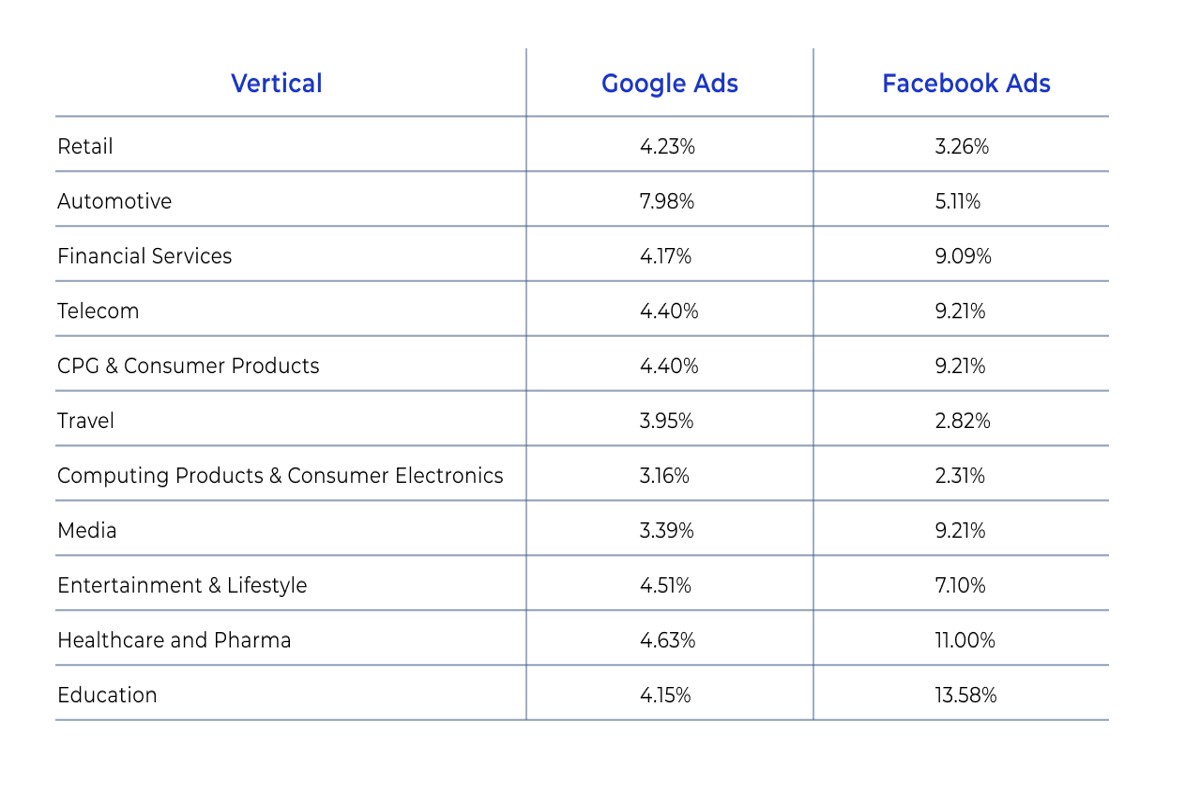
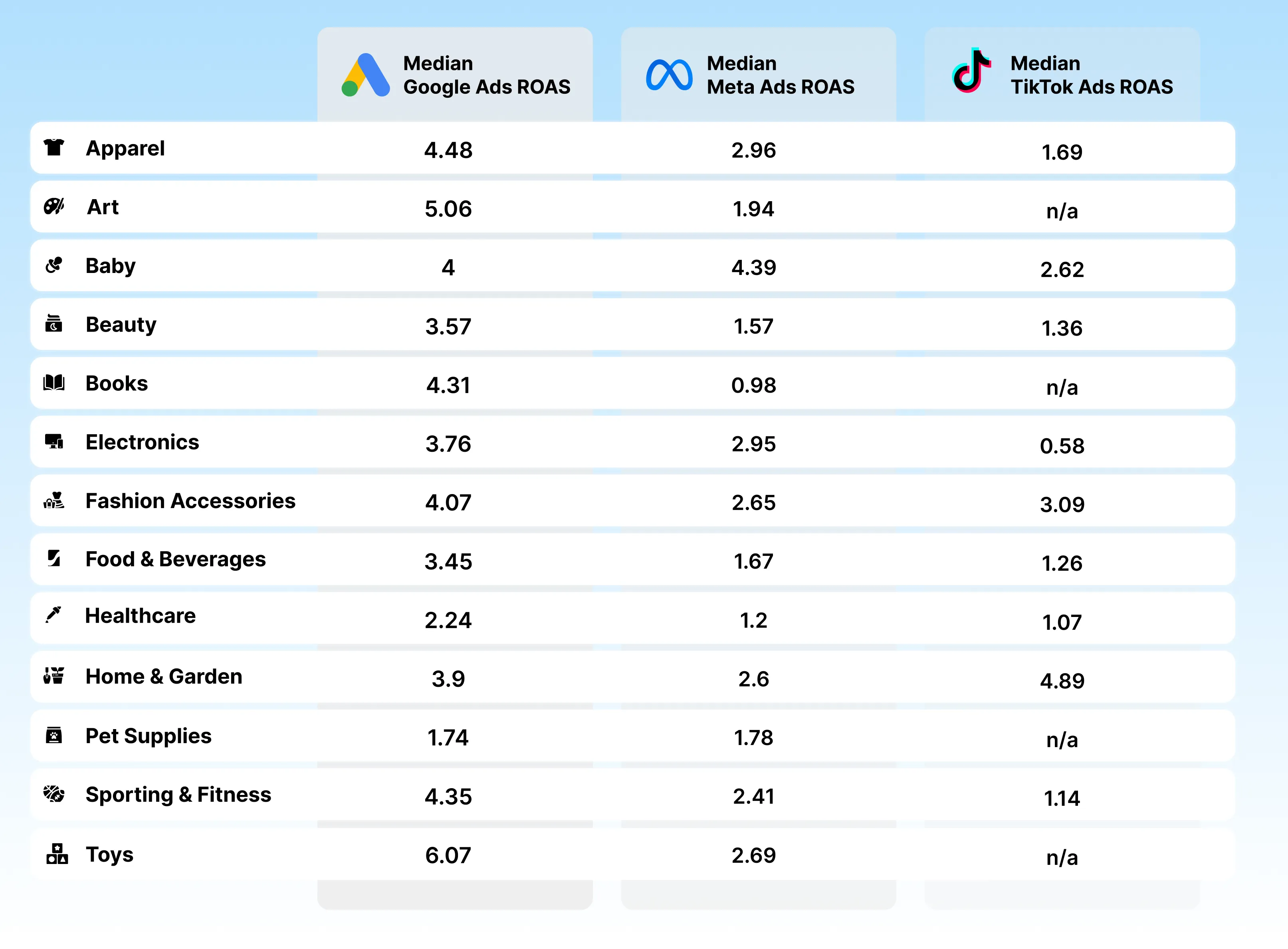
Different ROAS Benchmarks Across Industries
ROAS benchmarks can vary significantly across industries, reflecting differences in customer behavior, product margins, and advertising strategies. For instance:
- E-commerce: A typical ROAS benchmark ranges from 4:1 to 10:1, with many successful campaigns achieving upwards of 6:1.
- Travel and Hospitality: Due to higher customer acquisition costs, a lower ROAS of 3:1 may still be considered effective.
- Tech and SaaS: These sectors often target longer sales cycles, resulting in acceptable ROAS benchmarks of around 5:1.
Industry reports indicate that e-commerce businesses, particularly in niches such as fashion and electronics, are now targeting ROAS of 7:1 or higher as competition intensifies.
Impact of Seasonality on ROAS
Seasonality can dramatically influence ROAS. For example, retail sectors experience spikes during holidays, which can elevate ROAS figures significantly. Conversely, off-peak seasons may yield lower returns. Understanding these patterns allows advertisers to adjust their strategies accordingly. Data from the 2024 holiday season showed that retail advertisers achieved an average ROAS of 12:1, compared to a typical 4:1 in off-peak months.
Understanding Customer Lifetime Value in Relation to ROAS
Customer Lifetime Value (CLV) is a crucial metric that informs ROAS calculations. A high initial ROAS may not reflect long-term profitability if the customer’s lifetime value is low. Conversely, a lower immediate ROAS could be acceptable if the CLV is significantly higher. For instance, businesses that invest in customer retention strategies can afford a lower ROAS initially, banking on repeat purchases to drive overall profitability.
The Role of Ad Spend in Determining ROAS
Ad spend directly impacts ROAS calculations. Increased spending can lead to higher visibility and potentially greater revenue; however, it may also dilute ROAS if not managed effectively. A strategic approach involves testing different ad spends to identify optimal levels that maximize return without overspending. Current data suggests that businesses optimizing their ad spend in 2025 are achieving an average ROAS improvement of 15% compared to previous years.
Despite these factors, many marketers mistakenly assume that a single ROAS figure applies universally across campaigns. While benchmarks provide a guideline, the unique context of each campaign must be considered to establish realistic goals. Additionally, factors such as the sales funnel stage, audience targeting, and competition can significantly alter expected outcomes.
Practical Application
To optimize ROAS effectively:
- Analyze industry-specific benchmarks and adjust expectations accordingly.
- Monitor seasonal trends to align campaigns with peak times.
- Calculate customer lifetime value to better understand acceptable ROAS thresholds.
- Experiment with varying ad spend levels to find the optimal balance between cost and revenue.
By integrating these practices, advertisers can better navigate the complexities of ROAS, ultimately improving campaign performance and profitability.
Optimizing Your Google Ads for Higher ROAS
Enhancing your Google Ads campaigns for improved Return on Ad Spend (ROAS) requires a strategic approach. This section delineates actionable strategies to maximize ad performance, improve targeting, and ultimately increase profitability.
Leveraging A/B Testing for Ad Performance
A/B testing, also known as split testing, is a critical method for optimizing ad campaigns. By comparing two variations of an ad, marketers can identify which elements resonate more with the audience. Focus on testing components such as headlines, calls-to-action, and images. According to recent data, businesses that implement A/B testing see an average conversion rate increase of 30% over those that do not. Regularly conducting these tests enables continuous improvement and adaptation to changing consumer preferences.
Using Negative Keywords to Refine Targeting
Incorporating negative keywords into your campaigns helps exclude terms that are irrelevant to your products or services. This refinement prevents your ads from appearing in unrelated searches, enhancing click-through rates (CTR) and reducing wasted ad spend. For instance, if you sell luxury watches, adding “cheap” as a negative keyword can filter out visitors whose intent does not align with your offerings. Studies show that campaigns employing negative keywords can improve ROAS by up to 30% by narrowing the audience to more qualified leads.
Importance of Ad Copy and Landing Page Relevance
The alignment between ad copy and landing page content is paramount for driving conversions. When users click on an ad, they expect a seamless experience that meets their initial interest. Ensure that the ad copy accurately reflects the value proposition presented on the landing page. The average conversion rate increases by 50% when there is consistency in messaging. Engaging, relevant copy paired with a well-designed landing page can significantly boost overall campaign performance and ROAS.
Adjusting Bids Based on Performance Data
Data-driven bid adjustments are essential for maximizing ROAS. Utilize analytics tools to monitor campaign performance, focusing on metrics such as CTR, conversion rate, and cost per acquisition (CPA). Implement automated bidding strategies to optimize bids in real-time based on performance thresholds. For example, increasing bids on high-performing keywords can capitalize on successful traffic sources while reducing spend on underperforming ones. Accurate bid management can lead to a ROAS improvement of 20-50% when aligned with performance metrics.
Beyond basic optimizations, marketers should consider the customer journey and the role of multi-channel attribution. Many campaigns neglect the influence of various touchpoints leading to a conversion, which can distort ROAS calculations. Understanding the full spectrum of customer interactions can help clarify true ad effectiveness. Additionally, many articles overlook the necessity of regularly updating keyword lists and ad creatives in response to market trends and consumer behavior shifts, which can lead to stagnation.
To implement these strategies effectively, marketers should conduct A/B tests monthly, review negative keyword lists bi-weekly, and analyze ad copy performance quarterly. Begin by selecting one ad campaign for A/B testing, refining targeting through negative keywords, and enhancing landing page alignment. Furthermore, establish a routine for performance data analysis to inform bid adjustments. By adopting these practices, advertisers can work towards achieving a good ROAS for Google Ads and ensure ongoing campaign success.
Real-World Case Studies: Successful ROAS Strategies
This section explores real-world examples of brands and organizations that have achieved impressive ROAS through strategic Google Ads campaigns. Analyzing these cases provides critical insights into effective techniques and the diverse applications of ROAS metrics.
E-Commerce Brand Achieving 700% ROAS
A leading e-commerce brand in the fitness industry implemented a targeted Google Ads campaign focusing on high-intent keywords related to their products. By utilizing a combination of dynamic remarketing and customer segmentation, they achieved a remarkable 700% ROAS. Key strategies included:
- Keyword Optimization: Emphasizing long-tail keywords that aligned with consumer search intent.
- Ad Extensions: Utilizing site link and callout extensions to enhance ad visibility and click-through rates.
- A/B Testing: Continuously testing ad copy and landing pages to optimize conversions.
Local Service Provider Optimizing for 450% ROAS
A regional plumbing service provider focused on local SEO and Google Ads to drive traffic to their website. By optimizing their campaigns for local search terms and leveraging geographic targeting, they successfully achieved a 450% ROAS. Their approach included:
- Location-Based Targeting: Tailoring ads to specific zip codes and neighborhoods.
- Call-Only Campaigns: Creating ads designed for mobile users to directly call the service.
- Customer Reviews: Highlighting positive reviews to build trust and encourage click-throughs.
Nonprofit Organization Leveraging Google Grants
A nonprofit organization focused on environmental conservation utilized Google Grants to promote its initiatives. By effectively managing their account, they achieved a favorable ROAS, generating significant donations at a low cost. Their success was attributed to:
- Focused Messaging: Crafting compelling narratives that resonated with their audience.
- Ad Scheduling: Running ads during peak donation times, maximizing visibility when potential donors were most active.
- Performance Tracking: Monitoring metrics closely to refine ad strategies and improve engagement.
Digital Marketing Agency’s Multi-Channel Approach
A digital marketing agency adopted a multi-channel strategy that integrated Google Ads with social media advertising. By combining insights from both platforms, they achieved an average ROAS of 350%. This holistic approach involved:
- Cross-Promotion: Leveraging social media platforms to retarget users who interacted with Google Ads.
- Unified Analytics: Using tools like Google Analytics to track user behavior across channels.
- Consistent Branding: Ensuring brand messages were coherent across all advertising channels.
These case studies illustrate that achieving a good ROAS for Google Ads is not solely about the numbers; it involves strategic planning, ongoing optimization, and understanding the target audience. Common misconceptions include the belief that higher spend always leads to higher returns. In reality, a well-structured campaign with precise targeting can outperform larger budgets.
To apply these insights, advertisers should conduct thorough market research, test various strategies, and closely monitor performance. Establish clear benchmarks for ROAS based on industry standards and continuously refine campaigns based on data-driven decisions. Implementing these best practices will enhance the likelihood of achieving a favorable ROAS in Google Ads campaigns.
Evaluating Tools and Services for ROAS Improvement
This section examines essential tools and services that can enhance your Return on Advertising Spend (ROAS) in Google Ads campaigns. Identifying the right analytics and management platforms is crucial for optimizing performance and achieving business objectives.
Overview of Analytics Tools for Tracking ROAS
Analytics tools provide critical insights into campaign performance, enabling advertisers to monitor ROAS effectively. Some of the most widely used analytics platforms include:
- Google Analytics: Offers comprehensive tracking and reporting features, including conversion tracking that directly ties revenue to specific campaigns.
- Adobe Analytics: Provides advanced segmentation and real-time data analysis, allowing for in-depth understanding of customer behavior.
- Mixpanel: Focuses on user engagement metrics, helping to assess the effectiveness of campaigns in driving customer actions.
In 2024, businesses utilizing advanced analytics tools saw an average ROAS improvement of 25% compared to those relying solely on basic measurement methods.
Comparison of Management Platforms for Google Ads
Management platforms streamline campaign optimization and provide tools for better budget allocation. Key players in this space include:
- WordStream: Offers a user-friendly interface and automation features that enhance campaign management, leading to improved ROAS.
- Optmyzr: Provides advanced optimization tools and detailed reporting, allowing for data-driven decision-making.
- Kenshoo: Known for its predictive analytics capabilities, Kenshoo helps in forecasting performance and optimizing bids effectively.
A 2026 study indicated that businesses using management platforms experienced a 30% increase in overall ROAS compared to those managing campaigns manually.
Choosing the Right Tool Based on Business Needs
Selecting the appropriate tool depends on various factors, including budget, campaign complexity, and specific business goals. Consider the following criteria:
- Feature Set: Evaluate what features are essential for your campaigns, such as automation, reporting, or integration capabilities.
- Scalability: Ensure the tool can grow with your business, accommodating increased data and complexity.
- Cost: Assess the ROI of the tool’s features versus its cost to determine if it aligns with your advertising budget.
Importance of Integration with Existing Marketing Strategies
Effective integration of ROAS improvement tools with existing marketing strategies enhances overall performance. A well-integrated approach allows for:
- Synchronized Data: Consistent data flow across platforms ensures accurate performance measurement.
- Holistic Campaign Management: Coordinating efforts across all marketing channels maximizes audience engagement and conversion rates.
- Streamlined Reporting: Centralized reporting helps in identifying trends and making informed decisions quickly.
Many businesses overlook the necessity of aligning new tools with their current strategies, leading to fragmented data and missed opportunities. A cohesive strategy is essential for maximizing the effectiveness of your Google Ads campaigns.
To implement this information effectively, businesses should first assess their current analytics and management tools. Next, identify gaps or limitations that may hinder ROAS optimization. Finally, select platforms that not only meet specific needs but also seamlessly integrate with existing marketing efforts. Prioritize tools that provide actionable insights and facilitate data-driven decision-making to enhance overall advertising performance.
Evaluating the Best What Is A Good Roas For Google Ads
In a rapidly evolving digital advertising landscape, comparing providers is crucial for optimizing return on ad spend (ROAS). With the Google Ads market projected to reach $300 billion by 2026, businesses must evaluate their options based on specific criteria to ensure effective ad management and performance. Key factors include pricing structures, unique features, and the target audience each provider serves.
| Provider / Option | Best For | Pricing | Key Feature |
|---|---|---|---|
| Google Ads | Comprehensive ad management | Pay-per-click model, varies by industry | Advanced targeting options |
| WordStream | Small business PPC management | $264/month | Automated optimization suggestions |
| AdEspresso | Facebook and Google Ads integration | $49/month | A/B testing made easy |
| SEMrush | SEO and PPC synergy | $119.95/month | Keyword research tools |
| Kenshoo | Large enterprises and brands | Custom pricing | Cross-channel marketing solutions |
| Marin Software | Data-driven marketing strategies | Custom pricing | Robust analytics capabilities |
| SpyFu | Competitor analysis | $39/month | Competitor keyword tracking |
| HubSpot Ads Software | Inbound marketing integration | $800/month | CRM integration for ad insights |
Criteria for Evaluating Program Quality
Pricing Structure: Evaluate whether the pricing is a flat monthly fee, pay-per-click, or custom based on usage. Understanding total costs helps in budgeting and maximizing ROAS.
Target Audience: Identify which businesses each provider serves best, whether small businesses, large enterprises, or specific industries. This ensures alignment with your own business needs.
Key Features: Analyze the unique features offered by each provider, such as advanced targeting or automated optimizations, to determine which tools can enhance your advertising effectiveness.
Integration Capabilities: Consider how well each platform integrates with other marketing tools and data sources, as seamless integration can significantly improve campaign management and performance analysis.
How to Assess the Reputation and Reliability of Providers
- Research Customer Reviews: Look for testimonials and reviews on trusted platforms to gauge user satisfaction and common issues.
- Check Case Studies: Examine case studies provided by the provider to see their impact on businesses similar to yours.
- Evaluate Support Options: Investigate the availability and quality of customer support, including online resources and response times.
- Review Industry Recognition: Look for awards or recognitions that indicate the provider’s credibility and expertise in digital advertising.
Which What Is A Good Roas For Google Ads Is Right for You?
Determining the ideal Return on Ad Spend (ROAS) for Google Ads is essential and varies significantly across different business types. The best approach hinges on your specific needs, budget constraints, and strategic goals, making it crucial to understand the nuances of each audience segment.
E-commerce businesses
E-commerce businesses should prioritize Google Ads for product promotion to drive sales effectively. Aiming for a ROAS of at least 500% is essential to cover costs associated with product acquisition, advertising spend, and overhead. Implementing Shopping Ads and utilizing remarketing strategies can enhance visibility and conversion rates, ensuring a robust return on investment.
Local service providers
Local service providers can maximize their advertising impact by leveraging local targeting features in Google Ads. Aiming for a ROAS of 400% is recommended to ensure that local engagement translates into tangible business results. Utilizing location extensions and targeted local keywords can help attract nearby customers, enhancing the likelihood of conversions.
Digital marketing agencies
Digital marketing agencies should harness advanced analytics tools to refine and optimize client campaigns effectively. Aiming for a ROAS of 700% or higher is ideal, as it reflects successful campaign management and client satisfaction. Utilizing tools such as Google Analytics and Data Studio can provide insights into campaign performance, enabling data-driven adjustments that enhance returns.
Startups
Startups are encouraged to experiment with various ad formats and channels to identify the most effective strategies for their target audience. Setting a minimum ROAS of 300% during initial campaigns will help gauge the effectiveness of different approaches. Testing video ads, display ads, and search ads can provide valuable insights, allowing startups to refine their marketing strategy based on performance data.
Nonprofits
Nonprofits can take advantage of Google Grants for advertising, which offers free advertising credits to eligible organizations. Aiming for a ROAS of 400% is crucial to ensure the sustainability of funding and outreach efforts. Utilizing targeted keywords related to their mission and community engagement can enhance visibility and drive donations effectively.
| If You Are… | Best Approach |
|---|---|
| E-commerce businesses | Aim for a ROAS of 500% using Shopping Ads and remarketing. |
| Local service providers | Target local audiences with a ROAS goal of 400% using local extensions. |
| Digital marketing agencies | Aim for a ROAS of 700% with advanced analytics tools. |
| Startups | Set a minimum ROAS of 300% while testing various ad formats. |
| Nonprofits | Utilize Google Grants targeting a ROAS of 400% for sustainability. |
Local Insights on What Constitutes a Good ROAS for Google Ads
Understanding the nuances of return on ad spend (ROAS) is crucial for local businesses, as geographic and market factors significantly influence performance outcomes. With 78% of mobile local searches resulting in an offline purchase, optimizing Google Ads for local intent can dramatically enhance profitability.
Geographic Market Differences
The effectiveness of Google Ads and the expected ROAS can vary widely by city and market size. For instance, businesses in urban areas like San Francisco may experience higher competition, necessitating a higher ROAS benchmark (around 5:1) compared to smaller towns where 3:1 may be sufficient. Understanding local market dynamics allows businesses to set realistic targets based on their competitive landscape.
Local Business Applications
Local businesses can leverage Google Ads to target specific demographics and increase foot traffic effectively. Here are several concrete use cases:
- Local Promotions: A café can run ads highlighting special discounts for nearby residents, driving immediate visits.
- Event Marketing: A local gym can promote free trial classes to attract nearby fitness enthusiasts.
- Service-Based Businesses: A plumber can target homeowners in need of urgent repairs, focusing on local keywords.
- Seasonal Campaigns: A landscaping company can use ads to promote spring clean-up services, specifically targeting homeowners in the region.
Local Search and Visibility Impact
The connection between ROAS and local search visibility is significant. A well-optimized Google Business Profile (GBP) can improve local search rankings, leading to better ad performance. To maximize effectiveness:
- Optimize your Google Business Profile with accurate information and local keywords.
- Encourage customer reviews to enhance credibility and visibility.
- Utilize location-based targeting in Google Ads to reach local customers effectively.
- Monitor local competition to adjust bids and improve ROAS based on market changes.
Pricing and Cost in Local Markets
Ad spend can fluctuate significantly depending on the geographic area. For instance, local businesses in cities like New York might budget $2,000-$5,000 monthly for Google Ads, while those in smaller markets may find $500-$1,500 sufficient. Understanding these cost variances helps local businesses allocate resources effectively against national players who may have larger budgets and broader reach.
Local Implementation Checklist:
- Set a clear ROAS target based on local market conditions.
- Optimize your Google Business Profile for local search visibility.
- Run targeted local promotions to increase foot traffic.
- Monitor local competitors and adjust ad strategies accordingly.
- Encourage customer reviews to enhance your business’s online reputation.
- Utilize location-based keywords in your Google Ads campaigns.
- Track your ad performance regularly to refine strategies and improve ROAS.
For What Is A Good Roas For Google Ads businesses looking to generate local leads through Google Ads or Local SEO, GMB Ranger LLC offers hands-on campaign management. Specialist Md Tangeer Mehedi personally handles campaign setup and ongoing optimization — with no payment required until the first lead comes in.
Frequently Asked Questions
What is considered a good ROAS for Google Ads?
A good ROAS for Google Ads typically ranges from 400% to 800%, meaning for every dollar spent, a return of $4 to $8 is expected. However, this can vary significantly based on industry and business goals.
How do you calculate ROAS for Google Ads?
ROAS is calculated by dividing the revenue generated from Google Ads by the total ad spend. The formula is: ROAS = Revenue from Ads / Cost of Ads.
What is a good ROAS for e-commerce businesses using Google Ads?
For e-commerce businesses, a good ROAS is generally between 300% and 600%. This indicates a return of $3 to $6 for every dollar spent on advertising.
What factors influence ROAS in Google Ads?
Factors that influence ROAS include the quality of ad creatives, targeting accuracy, bidding strategies, and the competitiveness of the market. Additionally, seasonal trends and customer behavior also play significant roles.
How long does it take to see results in ROAS from Google Ads?
Results in ROAS can typically be observed within a few weeks of launching a Google Ads campaign. However, it may take longer to optimize and achieve consistent performance.
What are common mistakes that reduce ROAS in Google Ads?
Common mistakes include poor targeting, irrelevant ad copy, and inadequate budget management. Additionally, neglecting to analyze performance data can also hinder ROAS improvement.
Final Thoughts on what is a good roas for google ads
Achieving a good ROAS for Google Ads is not merely about hitting arbitrary benchmarks; it requires a nuanced understanding of your business model, market dynamics, and ongoing optimization strategies. A ROAS of 400% is often cited as a strong baseline, but e-commerce businesses may find higher or lower targets more appropriate based on their unique circumstances and goals.
To enhance your ROAS, implement A/B testing on ad copy and targeting strategies to identify high-performing elements, refining your campaigns based on empirical data rather than assumptions.
Ready to maximize your ad spend? Partner with a google ads agency that understands the importance of a good ROAS for your business success!
Understanding and maximizing ROAS is essential for sustainable growth; it directly correlates with profitability and long-term business viability in a competitive digital landscape.
Leave a Reply