
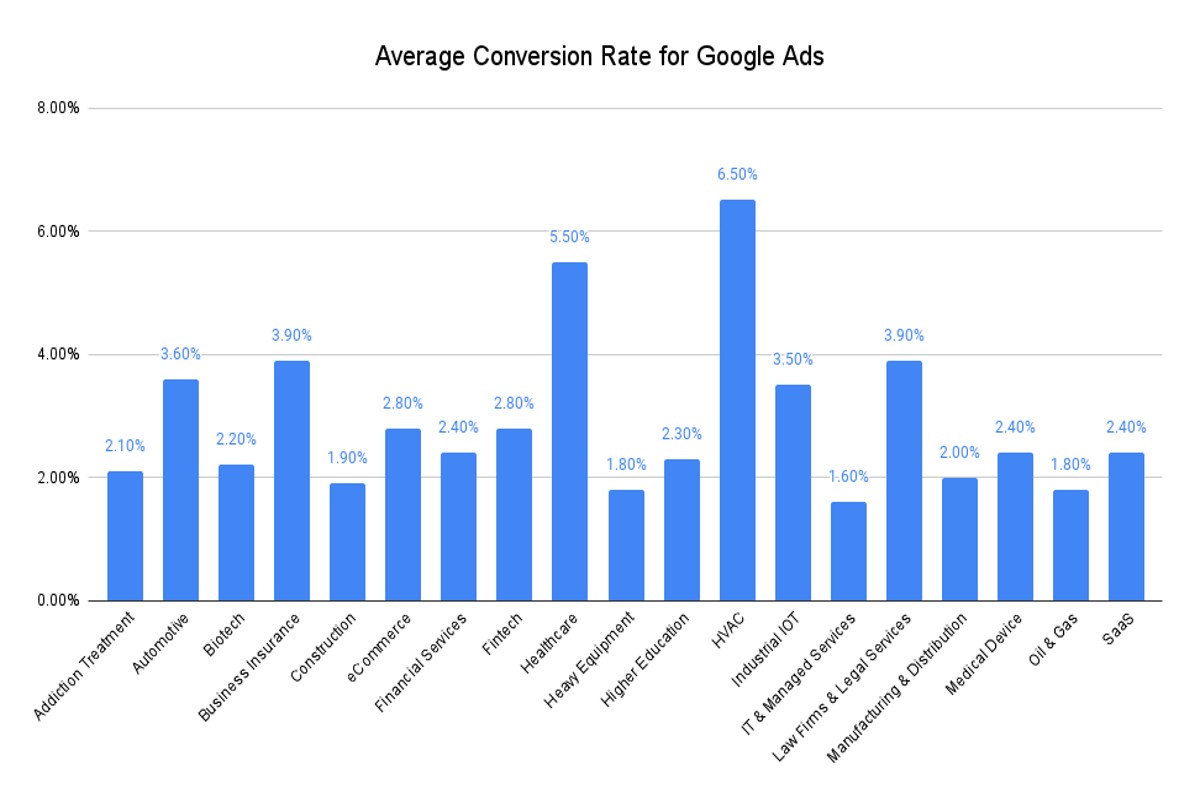
A good conversion rate for Google Ads typically ranges from 2% to 5%. This metric indicates how effectively your ads turn clicks into desired actions, such as purchases or sign-ups. Achieving a conversion rate within this range can significantly enhance your advertising return on investment (ROI) and overall campaign performance.
Understanding what constitutes a good conversion rate for Google Ads is vital for businesses leveraging online advertising. This metric not only reflects the effectiveness of ad campaigns but also influences budget allocation and strategy refinement. According to recent industry data, advertisers who optimize their conversion rates can see a 30% increase in revenue, underscoring the importance of mastering this concept.
Failure to grasp the nuances of conversion rates can lead to substantial financial losses, wasted advertising spend, and missed growth opportunities. Businesses may find themselves at a competitive disadvantage if they do not effectively convert clicks into meaningful customer actions.
This article will cover essential insights into conversion rates, including comparisons of top-performing ads, cost breakdowns, best practices for optimization, and strategies to enhance local SEO efforts. By the end, you’ll have the tools needed to evaluate and improve your Google Ads performance.
For What Is A Good Conversion Rate For Google Ads businesses looking to generate local leads through Google Ads or Local SEO, GMB Ranger LLC offers hands-on campaign management. Specialist Md Tangeer Mehedi personally handles campaign setup and ongoing optimization — with no payment required until the first lead comes in.
What is a good conversion rate for Google Ads?
A good conversion rate for Google Ads typically ranges from 2% to 5%, depending on the industry and campaign specifics. Some sectors may experience higher conversion rates, while others may fall below this range.
Conversion rates can vary significantly across different industries due to factors such as target audience, competition, and the nature of the products or services offered. For instance, the finance industry often sees conversion rates around 10%, while e-commerce may average between 1% to 3%. Understanding these benchmarks is essential for evaluating your campaign’s performance against industry standards.
Several factors influence conversion rates, including ad relevance, landing page quality, and user experience. High-quality ads that resonate with the target audience tend to lead to better conversion rates. Additionally, optimizing landing pages for speed, design, and content can significantly enhance user engagement and drive conversions. Regularly testing and refining ad copy and targeting also plays a critical role in improving overall performance.
Expert insight: Focus on continuous optimization and A/B testing of both ads and landing pages to improve your conversion rates over time, adapting strategies based on performance data and industry trends.
How can I improve my Google Ads conversion rate?
To improve your Google Ads conversion rate, focus on optimizing ad relevance, landing page quality, and targeting precision. A well-managed campaign can boost conversion rates from an average of 2.35% to over 5% in competitive industries.
Start by refining your ad copy. Use specific keywords that align with user intent and highlight unique selling propositions to attract the right audience. A/B testing different headlines and descriptions can reveal which variations resonate best, enabling continuous improvement.
Next, enhance your landing page experience. Ensure that the page is relevant to the ad, loads quickly, and is mobile-friendly. A seamless user experience can significantly reduce bounce rates and increase conversions. Use clear calls-to-action (CTAs) and ensure that the form fields are optimized for user convenience.
- Optimize Targeting: Utilize demographic targeting and remarketing strategies to reach users who are more likely to convert. Analyze past performance data to identify high-converting segments.
- Improve Quality Score: Focus on achieving a high Quality Score by enhancing ad relevance, expected click-through rate (CTR), and landing page experience. A higher Quality Score can lead to lower costs per click (CPC) and better ad placements.
- Utilize Extensions: Implement ad extensions like site links, callouts, and structured snippets. These provide additional information and can improve CTR by making ads more informative and appealing.
Expert insight: Regularly analyze and adjust your campaigns based on performance metrics. Utilize Google Ads’ built-in analytics to identify trends and areas for improvement, ensuring your strategy remains effective and targeted.
What factors affect Google Ads conversion rate?
The conversion rate of Google Ads is influenced by several key factors, including ad relevance, landing page quality, and targeting accuracy. For example, businesses can see conversion rates ranging from 1% to over 10%, depending on how well these elements are optimized.
Ad relevance is critical in determining how effectively an ad captures the target audience’s attention. Ads that closely match user search intent tend to generate higher click-through rates (CTR) and, consequently, better conversion rates. For instance, a campaign with highly relevant keywords can see a conversion rate increase of 20% compared to a less relevant one.
Landing page quality also plays a significant role. A well-designed landing page that provides a seamless user experience can significantly enhance conversion rates. Factors such as load time, mobile optimization, and clear calls to action are essential. In contrast, a poorly optimized landing page may lead to higher bounce rates and lower conversions, even if the ad itself is effective.
Finally, targeting accuracy is vital. Advertisers can utilize demographic, geographic, and behavioral targeting to reach the most relevant audience. Effective targeting ensures that the ads are displayed to users who are more likely to convert, thus improving overall performance. A targeted campaign can outperform a broad approach by as much as 50% in terms of conversion rate.
Expert insight: Regularly analyze and optimize all three factors—ad relevance, landing page quality, and targeting—to sustain and improve conversion rates over time. Implement A/B testing to identify the most effective strategies.
What is the average cost per conversion in Google Ads?
The average cost per conversion in Google Ads typically ranges from **$30 to $150**, depending on the industry and specific campaign settings. For instance, the finance sector often sees higher costs per conversion, averaging around **$200**, while e-commerce may average closer to **$45**.
Several factors influence the cost per conversion in Google Ads. Understanding these can help in budgeting and optimizing campaigns effectively. Key factors include:
- Industry Sector: Different industries have varying competition levels, which directly affects cost. Highly competitive sectors like finance, legal, and insurance often incur higher costs.
- Keywords: The choice of keywords significantly impacts costs. High-demand keywords can lead to increased bids and, consequently, higher conversion costs.
- Target Audience: The demographics and behaviors of the target audience can influence conversion rates. Tailoring ads to specific audiences may incur different costs based on their engagement levels.
- Geographic Location: Costs can vary by region. Urban areas with higher competition may have elevated costs compared to rural locations.
- Ad Quality and Relevance: Higher quality scores can lead to lower costs per conversion. Ads that are relevant and well-structured tend to perform better, reducing overall spend.
By analyzing these factors, advertisers can make informed decisions about budget allocation and campaign strategies. Regular monitoring and adjustment of campaigns will also contribute to optimizing conversion costs.
Expert insight: Utilize A/B testing for ad variations to identify which approaches yield the lowest cost per conversion, maximizing your budget’s efficiency.
How long does it take to see results from Google Ads?
Typically, businesses can expect to see measurable results from Google Ads campaigns within 1 to 3 months. However, the timeline may vary based on several factors, including campaign type, industry, and budget allocation.
Several elements influence how quickly results are visible. First, the complexity of the campaign plays a significant role. Simple campaigns targeting broad audiences might yield quicker insights, while more sophisticated campaigns with specific targeting and multiple ad variations may take longer to optimize. Additionally, the learning phase of Google Ads, which generally lasts about two weeks, is when the platform gathers data to improve ad performance. During this period, fluctuations in performance are common as the algorithms adjust.
Industry competitiveness also affects timing. In highly competitive sectors, such as finance or healthcare, achieving a satisfactory conversion rate may take longer due to the increased challenges in capturing user attention and converting clicks to sales. Conversely, niche markets may see quicker successes because of less competition, allowing for faster optimization and better targeting.
Expert insight: To accelerate results, continuously monitor and adjust campaigns based on performance data. Regular A/B testing of ad copy and landing pages can significantly enhance conversion rates, ultimately shortening the time to achieve desired outcomes.
What are best practices for Google Ads conversion tracking?
A good conversion tracking setup in Google Ads is critical for measuring campaign performance and optimizing ROI. Best practices include ensuring accurate implementation, regularly reviewing data, and leveraging automation features. According to recent data, businesses that effectively track conversions can see up to a 30% increase in their advertising ROI.
Implementing effective conversion tracking involves several key practices:
- Use the Google Ads conversion tracking tag: Install the conversion tracking tag on your website to capture relevant user actions. This tag should be placed on the page that users see after completing a desired action, such as a purchase confirmation or lead submission.
- Define clear conversion actions: Specify what constitutes a conversion for your business. This could include sales, sign-ups, or downloads. Clearly defined actions help in accurately measuring performance and tailoring campaigns accordingly.
- Utilize conversion values: Assign monetary values to different conversion actions to better assess the economic impact of your campaigns. This enables precise ROI calculations and helps prioritize high-value conversions in bidding strategies.
- Regularly review and adjust tracking settings: Periodically assess your conversion tracking setup. Ensure that all relevant actions are being tracked and adjust your strategies based on performance data. This can involve adding new conversion actions or adapting existing ones.
- Implement Google Analytics integration: Connect Google Ads with Google Analytics to enhance your tracking capabilities. This integration provides deeper insights into user behavior, allowing for more informed decision-making and optimization efforts.
Expert insight: Regularly auditing your conversion tracking setup can identify discrepancies that may skew performance data. Accurate tracking not only informs campaign adjustments but also enhances budget allocation strategies across channels.
How does Google Ads compare to other ad platforms in conversion rates?
Google Ads generally outperforms many other advertising platforms in terms of conversion rates. Recent studies indicate that Google Ads boasts an average conversion rate of around 3.75%, compared to around 1.9% for Facebook Ads and 2.5% for LinkedIn Ads. This distinction highlights Google Ads’ effectiveness in reaching users who are actively searching for products or services.
Several factors contribute to these differences in conversion rates among advertising platforms. Google Ads targets users based on their search intent, enabling advertisers to connect with potential customers at critical decision-making moments. This intent-driven approach often results in higher conversion rates compared to platforms like Facebook Ads, where users may not be actively seeking a product, but rather browsing through their social feeds. Consequently, the conversion journey on Google Ads tends to be more direct and focused.
Moreover, the nature of the products or services being advertised can significantly impact conversion rates across platforms. For instance, B2B services may see better performance on LinkedIn due to its professional user base, while e-commerce brands may thrive on Google Ads due to its shopping features and robust targeting options. Advertisers should analyze their specific audience and marketing objectives to determine which platform aligns best with their conversion goals.
Expert insight: To optimize conversion rates on Google Ads, focus on refining keyword strategies and ad copy to match user intent, and continuously test different ad formats and landing pages for improved performance.
What is a good conversion rate for different industries in Google Ads?
A good conversion rate for Google Ads varies significantly across industries, typically ranging from 2% to 10%. For example, the retail sector often sees average conversion rates around 2.5%, while the legal industry might achieve rates closer to 10% due to the high value and specificity of leads.
Industry benchmarks provide valuable context for setting realistic goals. In the travel industry, conversion rates frequently hover around 3.5%, as consumers usually conduct extensive research before booking. Conversely, the education sector may experience conversion rates between 5% and 7%, driven by targeted campaigns appealing to prospective students. Factors such as seasonal trends, ad quality, and audience targeting heavily influence these metrics.
Specific niches within industries can also yield different results. For example, e-commerce businesses selling niche products might achieve higher conversion rates due to less competition and more tailored marketing strategies. Additionally, businesses that utilize remarketing tactics often see improved conversion rates as they target users already familiar with their brand, effectively increasing engagement and likelihood of purchase.
Expert insight: Regularly reevaluate and optimize ad campaigns based on real-time data. This practice can help maintain competitive conversion rates tailored to the unique dynamics of your industry.
Understanding Industry Benchmarks for Google Ads Conversion Rates
This section explores conversion rate benchmarks across various industries, highlighting how they differ and what factors influence these variances. By understanding these metrics, businesses can better assess their performance and set achievable goals.
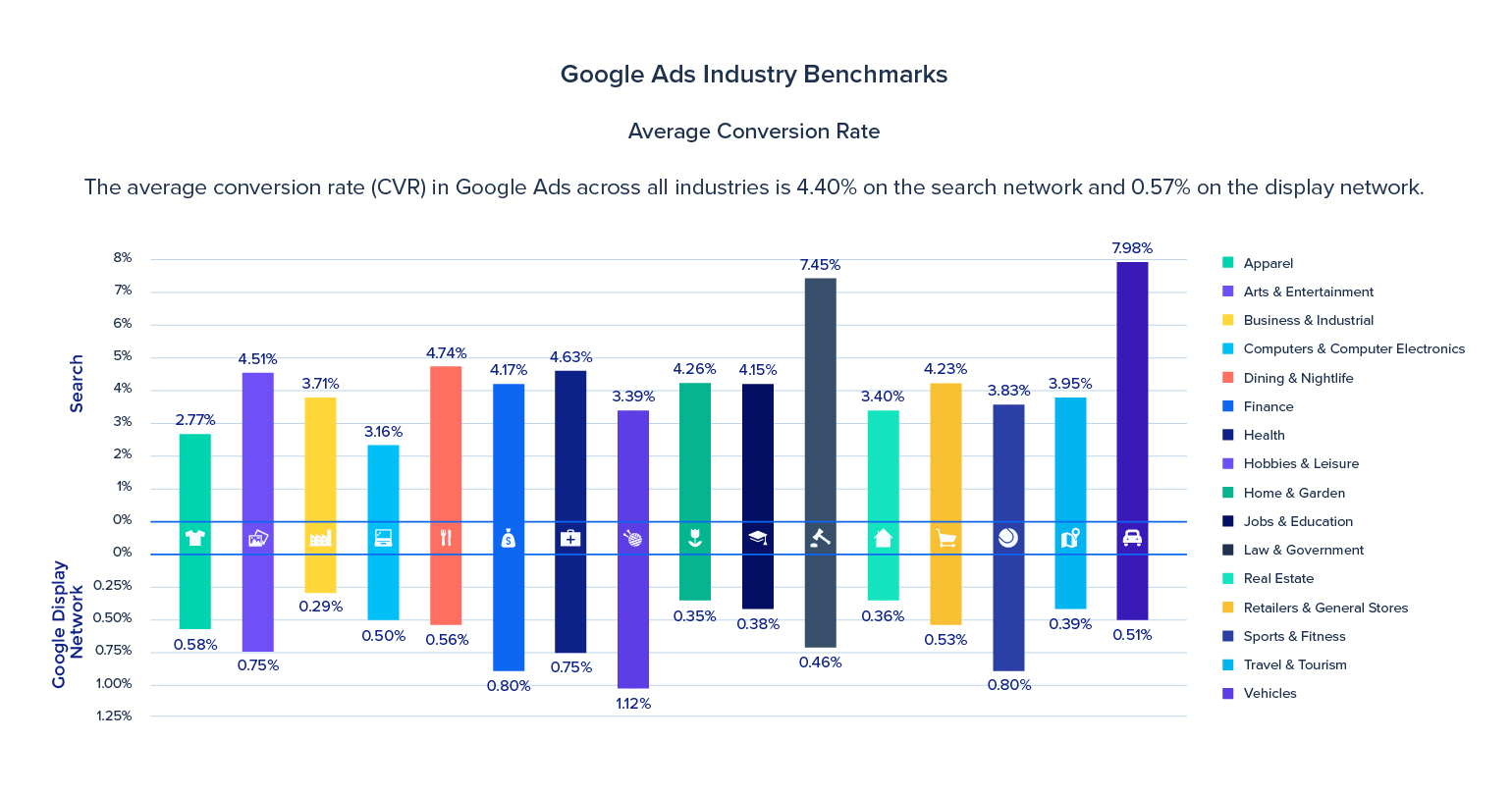
Average Conversion Rates by Industry
Conversion rates can significantly vary depending on the industry. According to recent data from 2024, the average conversion rates for Google Ads are as follows:
- E-commerce: 2.81%
- Finance: 5.01%
- Travel: 3.55%
- Education: 3.55%
- Healthcare: 3.42%
These statistics indicate that industries with higher stakes, such as finance, typically experience higher conversion rates due to the nature of customer decision-making processes and the urgency of their services.
Factors Contributing to Variances
Several factors influence the conversion rates across industries:
- Target Audience: Different demographics respond to marketing strategies in varying ways. For instance, younger audiences may engage more with tech products, while older demographics may prefer traditional services.
- Seasonality: Certain industries experience fluctuations based on seasons, holidays, or events. For example, travel and retail sectors see spikes during vacation seasons and holiday sales.
- Ad Quality: Well-crafted ads with strong calls-to-action and relevant keywords often yield better conversion rates. The quality of landing pages also plays a pivotal role.
Using Benchmarks to Set Realistic Goals
Conversion rate benchmarks serve as a reference point for businesses. By evaluating their performance against industry averages, companies can identify gaps and set realistic goals. For instance, if an e-commerce business achieves a conversion rate of 1.5%, it may aim for a target closer to the industry average of 2.81% over the next quarter. This gradual improvement can be facilitated through A/B testing, optimizing ad copy, and enhancing landing pages.
Case Studies of Successful Campaigns
Examining successful Google Ads campaigns across different sectors provides valuable insights into effective strategies:
- Finance Sector: A financial services company increased its conversion rate by 40% after optimizing its landing page for mobile users, leading to easier navigation and faster load times.
- E-commerce: An online retailer improved its conversion rate from 2% to 4% by implementing personalized product recommendations based on browsing history.
- Healthcare: A telehealth provider enhanced its conversion rate by 30% through targeted ads that highlighted convenience and accessibility, appealing directly to customer pain points.
These examples illustrate how tailored strategies can lead to substantial improvements in conversion rates.
Nuance in Benchmark Interpretation
While industry benchmarks provide useful insights, they can also foster misconceptions. Many businesses mistakenly believe that achieving the average conversion rate is sufficient for success. However, factors such as customer lifetime value, market saturation, and brand loyalty must also be considered. A lower conversion rate may still be profitable if the average order value is high or if customer retention rates are strong. In contrast, a high conversion rate with low customer engagement can indicate unsustainable practices.
Practical Application of Benchmarks
To leverage this information effectively, businesses should:
- Analyze current conversion rates against industry benchmarks.
- Implement A/B testing to refine ad campaigns and landing pages.
- Set incremental goals based on benchmark data to drive continuous improvement.
- Monitor and adjust strategies based on performance metrics and customer feedback.
By taking these steps, businesses can enhance their Google Ads performance and work towards achieving a good conversion rate for Google Ads that aligns with their objectives.
Advanced Strategies to Optimize Google Ads for Higher Conversions
This section explores advanced strategies that can significantly enhance Google Ads performance, focusing on A/B testing, remarketing, landing page optimization, and data analytics. Implementing these techniques can lead to improved conversion rates, driving greater ROI for advertising budgets.

Utilizing A/B Testing for Ad Variations
A/B testing, or split testing, allows advertisers to compare two versions of an ad to determine which performs better. This method is essential for identifying the most effective headlines, images, and calls to action. For optimal results, ensure that each variation is tested against a single variable to clearly understand its impact.
- Test different headlines to discover which resonates more with your audience.
- Experiment with various calls to action to determine which drives higher engagement.
- Analyze image variations to see how visual elements influence click-through rates.
Leveraging Remarketing Strategies Effectively
Remarketing targets users who have previously interacted with your website or ads, keeping your brand top-of-mind. This strategy capitalizes on the fact that these users are already familiar with your offerings. According to recent data, remarketing can increase conversion rates by up to 70% when executed properly.
- Create segmented lists based on user behavior, such as abandoned carts or page views.
- Utilize dynamic remarketing to show tailored ads featuring products users have shown interest in.
- Set frequency caps to avoid overwhelming users with repetitive ads.
Improving Landing Page Experience for Higher Engagement
The landing page is critical in converting clicks into actions. A well-optimized landing page should load quickly, be mobile-friendly, and contain relevant content that aligns with the ad’s promise. In 2024, studies show that a loading time reduction from 5 to 2 seconds can boost conversions by 32%.
- Ensure the landing page headline matches the ad’s headline for consistency.
- Incorporate testimonials or reviews to build trust and credibility.
- Use clear, concise forms to minimize friction in the conversion process.
Using Data Analytics to Refine Targeting
Data analytics enables advertisers to refine their targeting strategies by identifying high-performing keywords and audience segments. Google Ads provides robust analytics tools that help in tracking user behavior and ad performance. In 2025, businesses that utilized advanced data analytics reported a 25% increase in conversion rates compared to those relying on basic metrics.
- Analyze demographic data to understand which segments convert best.
- Monitor keyword performance to identify opportunities for optimization.
- Utilize A/B testing results to inform future targeting decisions.
Many marketers overlook the value of combining these strategies. For instance, integrating insights from A/B tests into remarketing campaigns can create more personalized experiences. Additionally, a common misconception is that once a campaign is launched, it requires little adjustment. Continuous analysis and adaptation are crucial for sustained success in Google Ads.
To apply these insights practically, start by implementing A/B tests on your current ads and landing pages. Use remarketing lists to target users who have previously engaged with your content, tailoring your messaging to their interests. Regularly analyze performance data to refine your targeting and landing page elements, ensuring you are maximizing every opportunity to improve conversion rates. These actionable steps will guide your strategy towards achieving a good conversion rate for Google Ads.
Common Mistakes That Hurt Google Ads Conversion Rates
Advertisers often encounter specific pitfalls that negatively impact their Google Ads conversion rates. Identifying and addressing these mistakes is essential for improving campaign performance and achieving desired business outcomes.
Neglecting Mobile Optimization
With over 60% of Google searches conducted on mobile devices, failing to optimize for mobile users can significantly harm conversion rates. Mobile users expect fast-loading pages, intuitive navigation, and seamless checkout processes. If a landing page is not mobile-friendly, potential customers are likely to abandon the site, leading to missed opportunities.
Ignoring Negative Keywords
Negative keywords play a critical role in refining ad targeting. Advertisers who neglect to implement a comprehensive list of negative keywords may find their ads displayed to irrelevant audiences. This can result in high click-through rates (CTR) but low conversion rates, as users who click on the ads may not be genuinely interested in the product or service offered. In fact, research indicates that campaigns utilizing negative keywords can achieve up to a 30% increase in conversion rates.
Failing to Track Conversions Accurately
Accurate conversion tracking is fundamental for assessing campaign effectiveness. Advertisers who do not set up conversion tracking correctly may misinterpret their performance metrics. Without this data, it becomes challenging to optimize ad spend and adjust strategies. According to a 2024 study, businesses that effectively track conversions see a 25% higher ROI from their Google Ads campaigns compared to those that do not.
Misalignment Between Ad Copy and Landing Page Content
Consistency between ad copy and landing page content is vital for maintaining user trust and encouraging conversions. If the messaging in the ad does not align with what users find on the landing page, it can lead to confusion and frustration. This disconnect can cause a significant drop in conversion rates, as users may feel misled. Ensuring a seamless transition from ad to landing page can markedly improve overall campaign performance.
Nuance in Conversion Rate Optimization
Many advertisers mistakenly believe that achieving a high conversion rate solely relies on increasing traffic. However, focusing on the quality of traffic is equally important. For example, targeting niche audiences may result in lower overall traffic but higher conversion rates. Additionally, seasonal trends can affect conversion rates, requiring advertisers to adapt their strategies accordingly. Understanding these nuances can lead to more effective campaigns and better utilization of advertising budgets.
Practical Steps for Improvement
- Regularly audit your landing pages for mobile optimization and user experience.
- Develop and maintain a comprehensive list of negative keywords to filter out unqualified traffic.
- Implement robust conversion tracking to enable data-driven decision-making.
- Ensure that ad copy aligns closely with landing page content to enhance user experience.
Real-World Applications: Success Stories from Google Ads Campaigns
This section presents concrete examples of successful Google Ads campaigns across various industries, highlighting the strategies that led to impressive conversion rates and the lessons learned from these successes.

Case Studies from Varied Industries
Examining successful Google Ads campaigns reveals diverse strategies tailored to specific industries. Here are three notable examples:
- Retail Industry: A leading e-commerce retailer achieved a conversion rate of 5.8% in Q2 2024 by implementing dynamic remarketing ads. By showcasing products that users had previously viewed, the campaign targeted potential buyers more effectively.
- Healthcare Sector: A healthcare provider increased conversions to 12% through localized ads that highlighted specific services and patient testimonials. Geographic targeting ensured that the ads reached individuals searching for services in their immediate area.
- Real Estate: A real estate agency recorded a conversion rate of 9.5% by utilizing video ads showcasing property tours. Engaging visual content captivated potential buyers, leading to higher interaction rates.
Strategies Leading to High Conversion Rates
Successful campaigns often share common strategies that enhance conversion rates. Key tactics include:
- Targeted Keyword Selection: Identifying high-intent keywords ensures ads reach users ready to convert.
- Compelling Ad Copy: Crafting concise, persuasive ad copy that includes clear calls to action significantly impacts user engagement.
- Continuous A/B Testing: Regularly testing variations of ads helps identify the most effective messaging and design elements.
Lessons Learned and Tips for Replicating Success
Analyzing the successes of these campaigns provides valuable insights:
- Adaptability: Adjusting strategies based on real-time performance data allows for continuous optimization.
- Audience Segmentation: Understanding different customer segments enables more personalized advertising, increasing relevancy and conversion likelihood.
- Utilizing Extensions: Implementing ad extensions, such as site links and callouts, enhances ad visibility and encourages user interaction.
Adapting Strategies Based on Campaign Performance
Ongoing analysis of campaign performance is critical for sustained success. Utilizing tools like Google Analytics allows advertisers to track key metrics and identify trends. For example, if a particular ad group underperforms, consider adjusting the targeting criteria or refining the ad copy. Additionally, leveraging audience insights can help tailor future campaigns to better meet user needs.
Common misconceptions include the belief that higher ad spend automatically leads to better conversion rates. In reality, strategic targeting and compelling content often yield more significant results at lower costs. Furthermore, many campaigns fail to consider the importance of landing page optimization, which can dramatically impact conversion rates.
To apply these insights, businesses should first conduct a thorough analysis of their current Google Ads campaigns. Identify high-performing ads and replicate their successful elements across other campaigns. Regularly update ad copy and visuals based on performance data, and ensure that landing pages are optimized for user experience. Establish a schedule for A/B testing to continually refine ads and maximize conversion potential.
Evaluating the Best What Is A Good Conversion Rate For Google Ads
When considering the optimal conversion rate for Google Ads, comparing different providers is essential for making informed decisions. According to recent market analysis, the global digital advertising market is projected to reach $786.2 billion by 2026, highlighting the competitive landscape and the increasing number of providers available. Evaluating options based on specific criteria such as pricing, features, and target audience can significantly impact advertising effectiveness and ROI.
| Provider / Option | Best For | Pricing | Key Feature |
|---|---|---|---|
| Google Ads | Comprehensive ad management | Pay-per-click, varies widely | Extensive targeting options |
| WordStream | Small business optimization | $300/month or 5% of ad spend | Automated performance insights |
| SEMrush | Competitive analysis | $119.95/month | Keyword research tools |
| HubSpot | Integrated marketing solutions | Starts at $50/month | CRM integration |
| AdEspresso | Social media ad management | $49/month | A/B testing capabilities |
| Kenshoo | Enterprise solutions | Custom pricing | Cross-channel marketing |
Criteria for Evaluating Program Quality
Pricing: Understanding the pricing structure is crucial. Different models, such as pay-per-click or monthly subscriptions, can affect overall ad spend and return on investment. Ensure the pricing aligns with your budget and expected performance.
Target Audience: Each provider has unique strengths tailored to specific business needs. For example, WordStream is ideal for small businesses, while Kenshoo focuses on enterprise solutions. Assess which provider aligns with your target audience and marketing goals.
Key Features: Evaluate the primary features offered by each provider. Features such as extensive targeting options, automated insights, and A/B testing capabilities can enhance campaign performance. Prioritize features that directly support your advertising strategy.
Support and Resources: Consider the level of customer support and resources available. Providers that offer robust support and educational materials can assist in optimizing campaigns and troubleshooting issues, leading to improved performance over time.
How to Assess the Reputation and Reliability of Providers
- Research Online Reviews: Look for customer feedback on platforms like G2 or Trustpilot to gauge satisfaction and identify common issues.
- Check Industry Certifications: Verify if the provider has relevant certifications, such as Google Partner status, which indicates proficiency in managing Google Ads.
- Request Case Studies: Ask for case studies or success stories that demonstrate the provider’s effectiveness in achieving specific advertising goals.
- Evaluate Customer Support: Reach out to customer support with questions to assess response times and the quality of assistance provided.
- Compare Performance Metrics: Review any available performance metrics or benchmarks to understand how the provider’s services align with industry standards.
Which What Is A Good Conversion Rate For Google Ads Is Right for You?
Choosing the right approach to Google Ads depends on your specific business needs, budget, and goals. This guide provides tailored recommendations for different audience segments to help optimize your ad performance and achieve the best conversion rates.
Solo freelancer
For solo freelancers, Google Ads offers an excellent opportunity to generate immediate traffic and leads. Utilizing targeted ads can enhance visibility quickly. Consider using Google Ads with a budget of $300 to $1,000 per month to effectively reach your audience through precise targeting options.
Small business owner
Small business owners can benefit from WordStream, which provides tailored insights to optimize ad spend effectively. By leveraging their platform, you can analyze your campaigns and fine-tune your strategies for a budget of around $500 to $2,000 monthly, ensuring you maximize your return on investment.
E-commerce manager
E-commerce managers should utilize SEMrush for its powerful tools in keyword research and competitive analysis. This platform helps identify high-performing keywords and competitor strategies, essential for driving sales. A monthly subscription ranging from $119.95 to $449.95 can provide the insights needed to elevate your campaigns.
Marketing agency
Marketing agencies will find HubSpot to be the ideal solution, offering integrated marketing and CRM capabilities to manage client campaigns seamlessly. With pricing starting from $50 per month for basic features, agencies can streamline their operations and enhance client reporting and engagement.
Large enterprise
For large enterprises, Kenshoo stands out with its advanced analytics and cross-channel marketing capabilities. This platform allows for comprehensive campaign management across various channels, ensuring data-driven decision-making. Expect to invest $5,000 to $20,000 monthly, depending on the scale of your campaigns.
| If You Are… | Best Approach |
|---|---|
| Solo freelancer | Google Ads with a budget of $300 to $1,000 |
| Small business owner | WordStream with a budget of $500 to $2,000 |
| E-commerce manager | SEMrush subscription from $119.95 to $449.95 |
| Marketing agency | HubSpot starting at $50 per month |
| Large enterprise | Kenshoo with $5,000 to $20,000 monthly |
Local Insights on What Constitutes a Good Conversion Rate for Google Ads
Understanding the nuances of local markets is essential when evaluating what is a good conversion rate for Google Ads. With 46% of all Google searches seeking local information, businesses must tailor their ad strategies to meet specific geographic needs. Local conversion rates can significantly differ based on competition and consumer behavior in a given area.
Geographic Market Differences
Conversion rates for Google Ads can vary widely between urban and rural areas. For instance, businesses in densely populated cities like New York or Los Angeles may see conversion rates around 5% due to higher competition and consumer demand. Conversely, local businesses in smaller towns might experience rates closer to 3% but with less competition, allowing for a more targeted approach.
Local Business Applications
Local businesses can leverage Google Ads effectively by focusing on their unique offerings and community ties. Here are some concrete applications:
- Promoting local events or sales that cater specifically to the community.
-
Targeting geographic keywords that reflect local service areas, such as “best pizza in [City].”
- Utilizing ad extensions to highlight local phone numbers and addresses, improving click-through rates.
- Running retargeting campaigns to re-engage users who have previously interacted with the business’s website.
Local Search and Visibility Impact
Understanding what is a good conversion rate for Google Ads also impacts local SEO strategies. A higher conversion rate can improve a business’s Google Business Profile (GBP) ranking, which is crucial for visibility. To enhance local search performance, businesses should:
- Optimize Google Ads with local keywords and phrases.
- Ensure consistent NAP (Name, Address, Phone) information across all online platforms.
- Encourage customer reviews on the GBP to improve trust and visibility.
- Monitor local competitors’ ad strategies and adjust campaigns accordingly.
Pricing and Cost in Local Markets
The cost of Google Ads can vary significantly by geographic market. In high-demand urban areas, the average cost-per-click (CPC) can range from $2.50 to $6.00, while in less competitive regions, businesses might only pay $1.00 to $3.00 per click. Local businesses should budget approximately $500 to $1,500 monthly, depending on their market size, while national players typically allocate upwards of $10,000 monthly for broader reach.
Local Implementation Checklist:
- Conduct keyword research focused on local terms.
- Set up geo-targeting in Google Ads for specific neighborhoods.
- Utilize ad extensions for location and contact information.
- Monitor and adjust bids based on local competition.
- Regularly update Google Business Profile with accurate information and offers.
- Analyze conversion data to refine ad strategies effectively.
- Engage with local customers through community-driven ad campaigns.
For What Is A Good Conversion Rate For Google Ads businesses looking to generate local leads through Google Ads or Local SEO, GMB Ranger LLC offers hands-on campaign management. Specialist Md Tangeer Mehedi personally handles campaign setup and ongoing optimization — with no payment required until the first lead comes in.
Frequently Asked Questions
What is a good conversion rate for Google Ads?
A good conversion rate for Google Ads typically ranges from 2% to 5%, depending on the industry and campaign type. Higher rates can indicate effective targeting and ad relevance.
How can I improve my Google Ads conversion rate?
Improving your Google Ads conversion rate can be achieved by optimizing ad copy, refining targeting options, and enhancing landing page experiences. Regular A/B testing can also help identify what resonates best with your audience.
What factors affect Google Ads conversion rate?
Factors that affect Google Ads conversion rate include ad quality, targeting accuracy, landing page design, and user intent. Additionally, competition and market trends can also play a significant role.
What is the average cost per conversion in Google Ads?
The average cost per conversion in Google Ads varies widely by industry but generally ranges from $20 to $100. Understanding your specific niche can help set realistic expectations.
How long does it take to see results from Google Ads?
Results from Google Ads can typically be seen within a few days to weeks, depending on the campaign’s complexity and budget. However, optimizing for better performance may take longer as data is collected.
What are best practices for Google Ads conversion tracking?
Best practices for Google Ads conversion tracking include setting up specific conversion actions, using tags correctly, and regularly reviewing performance data. Ensuring accurate tracking helps in making informed decisions.
How does Google Ads compare to other ad platforms in conversion rates?
Google Ads often outperforms many other ad platforms in terms of conversion rates due to its extensive reach and targeting capabilities. However, effectiveness can vary based on the specific goals and audience of the campaign.
What is a good conversion rate for different industries in Google Ads?
A good conversion rate for Google Ads can vary by industry; for example, e-commerce typically sees rates around 2-3%, while finance might achieve 5% or higher. Understanding industry benchmarks is crucial for evaluating performance.
Final Thoughts on what is a good conversion rate for google ads
Achieving a good conversion rate for Google Ads is not merely about meeting industry benchmarks; it requires a nuanced understanding of your specific audience, ad relevance, and strategic optimizations. The ability to analyze and adapt your campaigns based on performance metrics is essential for sustained success.
To elevate your Google Ads conversion rate, conduct a comprehensive audit of your current campaigns, focusing on ad copy, targeting parameters, and landing page effectiveness to identify areas for improvement.
Discover how partnering with a google ads management agency can significantly improve your advertising results and help you achieve a higher conversion rate.
Mastering conversion rates is crucial for maximizing ROI and ensuring that every advertising dollar spent contributes to your business growth.
Leave a Reply