
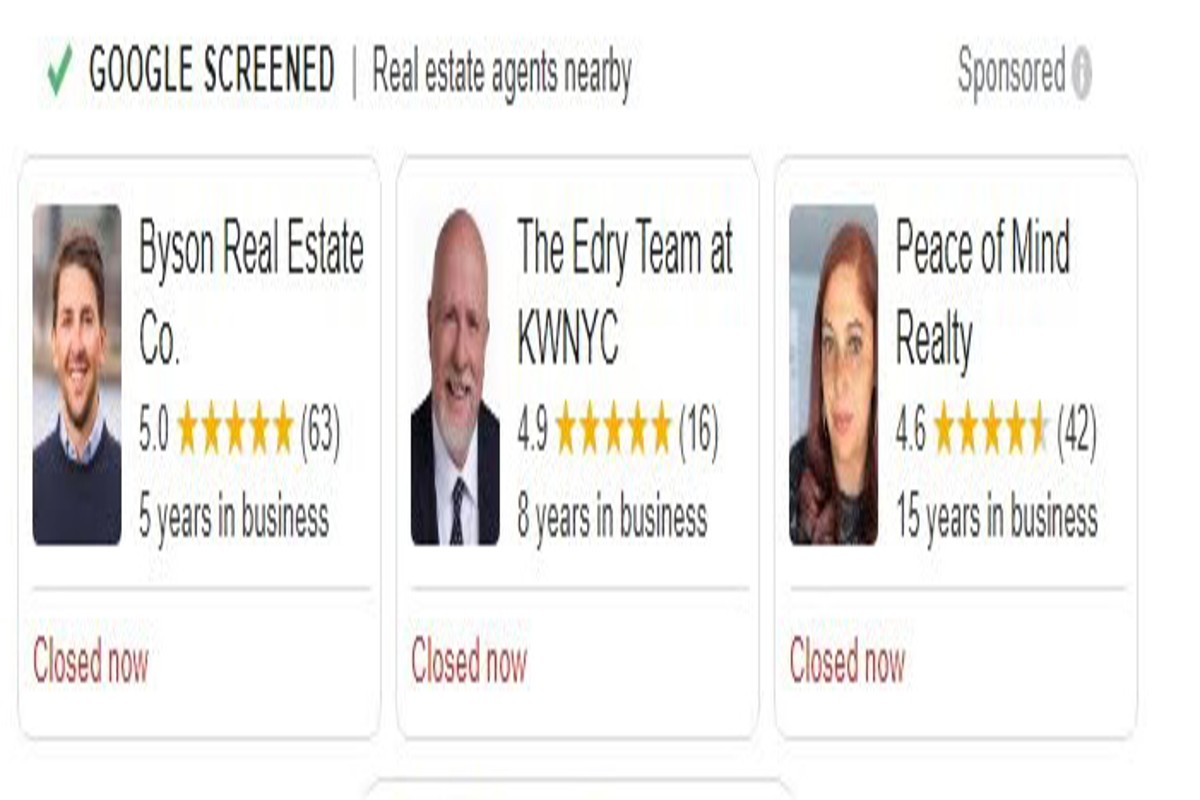
Google Local Services Ads play a vital role for real estate agents by significantly enhancing their visibility in local search results and generating high-quality leads. Agents leveraging these ads often experience an impressive 25% increase in inquiries, allowing for a direct connection with potential clients in their specific geographic area.
Understanding the role of Google Local Services Ads is essential for real estate agents aiming to thrive in a competitive market. As digital advertising continues to evolve, agents need to harness these tools to maximize their reach and effectiveness. With over 80% of homebuyers starting their search online, missing out on this advertising opportunity can lead to lost clients and revenue.
Failure to grasp the importance of google local services ads can result in missed revenue opportunities, wasted marketing resources, and a significant competitive disadvantage in the real estate sector. Agents who overlook these ads risk falling behind in a market where visibility is paramount.
This article will explore the benefits of Google Local Services Ads for real estate agents, including a comparison of top providers, an analysis of cost structures, best practices for implementation, and insights into optimizing local SEO strategies.
For real estate agencies looking to generate local leads through google ads or Local SEO, GMB Ranger LLC offers hands-on campaign management. Specialist Md Tangeer Mehedi personally handles campaign setup and ongoing optimization — with no payment required until the first lead comes in.
What are Google Local Services Ads?
Google Local Services Ads are paid advertisements that allow businesses, including real estate agents, to connect with potential clients in their local area. These ads appear at the top of Google search results, prominently showcasing agents who meet specific criteria set by Google. In 2024, nearly 50% of local searches lead to a visit within a day, highlighting the effectiveness of these ads for capturing immediate interest.
For real estate agents, Google Local Services Ads function by connecting them directly with homebuyers and sellers in their geographic market. When a user searches for real estate services, the ads display the agent’s name, contact information, and customer ratings, increasing visibility and credibility. The ads operate on a pay-per-lead basis, meaning agents only pay when a potential client contacts them through the ad.
- Targeted Visibility: These ads are specifically designed to reach local customers, ensuring that agents appear in searches relevant to their services and location.
- Customer Ratings: Real estate agents can leverage customer reviews to enhance their reputation, as ratings are prominently displayed alongside the ads.
- Lead Generation: The pay-per-lead model encourages agents to invest in advertising only when they receive genuine prospects, improving marketing efficiency.
Additionally, Google Local Services Ads include a verification process, ensuring that only qualified professionals are featured. This builds trust with potential clients, who are more likely to engage with verified agents. Furthermore, the ads can be customized to include specific services offered, allowing agents to tailor their marketing approach to their strengths and specialties.
Expert insight: To maximize the effectiveness of Google Local Services Ads, real estate agents should focus on gathering positive reviews and maintaining an up-to-date profile, as these factors significantly impact ad performance and client trust.
How do real estate agents benefit from Google Local Services Ads?
Real estate agents benefit from Google Local Services Ads by gaining increased visibility in local searches and generating high-quality leads. These ads allow agents to showcase their services directly to potential clients, resulting in a higher conversion rate—up to 25% according to recent studies.
- Enhanced Local Visibility: Google Local Services Ads appear at the top of search results when users look for real estate services in their area. This prominent placement helps agents reach potential clients actively searching for real estate assistance.
- Targeted Lead Generation: These ads connect agents with local clients who are ready to engage, leading to a higher likelihood of conversions. The ads are displayed to users who have specific needs, ensuring that the leads generated are more relevant.
- Cost-Effective Marketing: Agents pay only for leads that come from genuine inquiries, making this a cost-effective advertising solution. This model reduces wasteful spending on clicks that do not convert into clients.
- Verified Reviews: Clients can view verified reviews from previous customers within the ads, enhancing credibility and trust. Positive reviews can significantly influence potential clients’ decisions to contact an agent.
- Flexible Budgeting: Agents can set daily budgets and control their advertising spend based on lead volume and quality. This flexibility allows for better resource allocation and optimization of marketing efforts.
Implementing Google Local Services Ads can significantly impact a real estate agent’s business by streamlining the process of attracting and converting leads. The combination of visibility, targeted advertising, and cost control makes these ads a valuable tool for agents in a competitive market.
Expert insight: Regularly monitoring and adjusting your ad strategy based on performance metrics can further enhance lead quality and maximize your return on investment.
What is the cost of using Google Local Services Ads for real estate?
The cost of using Google Local Services Ads for real estate agents typically ranges from $20 to $60 per lead. This pricing can vary based on factors such as location, competition, and the specific services offered within the ads.
Several key factors influence the cost of Google Local Services Ads:
- Geographic Location: Costs can differ significantly depending on the region. Urban areas with higher demand may see higher lead prices compared to rural locations.
- Service Type: The type of real estate service offered (e.g., residential, commercial, property management) can affect lead costs, with some services generally commanding higher prices.
- Competition: In markets with many real estate agents competing for the same leads, prices tend to increase due to higher bidding dynamics.
In addition to these factors, real estate agents can control their budget by setting a weekly spend limit. This allows for better financial management and ensures that advertising costs remain within a predefined budget. Google also offers a pay-per-lead model, meaning agents only pay for the leads they receive, which can vary in quality and relevance.
Expert insight: To maximize ROI, real estate agents should monitor lead quality and adjust their bidding strategies based on performance data. Regularly optimizing ad content and targeting can lead to more effective spending and improved lead conversion rates.
How do Google Local Services Ads compare to traditional real estate advertising?
Google Local Services Ads (LSAs) significantly differ from traditional real estate advertising methods like print and direct mail. LSAs provide targeted online visibility, connecting agents directly with potential clients searching for real estate services. In contrast, traditional advertising relies on broader outreach without the same level of audience targeting or immediate engagement.
Google Local Services Ads operate on a pay-per-lead basis, ensuring that real estate agents only pay for genuine inquiries. This model contrasts sharply with traditional advertising methods, such as print ads or direct mail campaigns, which often incur costs regardless of their effectiveness. For instance, a 2023 report indicated that LSAs can yield a 30% higher conversion rate compared to traditional methods, reflecting their efficiency in generating quality leads.
- Targeting: LSAs focus on local searches, allowing agents to reach clients in specific geographic areas, whereas traditional methods cast a wide net that may not effectively reach interested buyers or sellers.
- Cost Structure: With LSAs, agents pay only for leads generated, while traditional advertising involves upfront costs with uncertain ROI. This can lead to wasted resources in print or direct mail campaigns.
- Engagement: LSAs facilitate immediate interaction through phone calls or messages, providing a quick response mechanism. Traditional advertising often lacks this immediacy, leading to potential clients seeking information elsewhere.
Expert insight: To maximize the effectiveness of Google Local Services Ads, real estate agents should regularly monitor their ad performance and adjust their targeting settings based on local market trends and client feedback. This proactive approach enhances lead quality and conversion rates.
How long does it take to see results from Google Local Services Ads?
Real estate agents typically start seeing results from Google Local Services Ads within 4 to 6 weeks after launching their campaigns. However, the exact timeline can vary based on several factors, including budget, competition, and local market dynamics.
The initial setup and approval process for Google Local Services Ads can take a few days to a week. Once the ads are live, factors such as the agent’s bid amount, the quality of leads, and the effectiveness of the ad content will influence how quickly leads are generated. Agents in competitive markets may experience a longer wait as they work to establish visibility and credibility. Conversely, those in less saturated areas may see a quicker influx of inquiries.
Additionally, the quality of the agent’s profile, including reviews and ratings, plays a significant role in lead generation. Profiles with higher ratings and a substantial number of positive reviews are more likely to attract potential clients faster. Furthermore, agents who actively manage and optimize their ads, including adjusting keywords and responding to client inquiries promptly, can enhance their results over time.
Expert insight: To maximize the effectiveness of Google Local Services Ads, real estate agents should focus on building a strong profile and encourage satisfied clients to leave positive reviews. Regularly monitoring performance and adjusting strategies based on lead quality can also significantly improve results.
What are best practices for using Google Local Services Ads effectively?
To maximize success with Google Local Services Ads, real estate agents should implement targeted strategies that enhance visibility and engagement. Effective use of these ads can lead to a significant increase in leads, with data indicating a potential boost of up to 30% in client inquiries when optimized correctly.
Real estate agents can follow these best practices to ensure their Google Local Services Ads are effective:
- Optimize Your Profile: Complete all sections of your Google Local Services profile. Include a professional photo, detailed services, and accurate contact information. A complete profile increases trust and can improve ad performance.
- Collect and Showcase Reviews: Encourage satisfied clients to leave positive reviews. High ratings and a substantial number of reviews can enhance visibility and credibility, driving more potential clients to your ad.
- Utilize Targeted Keywords: Incorporate relevant keywords related to your services. This can help your ads appear in searches that align closely with what potential clients are looking for, increasing the likelihood of engagement.
- Monitor and Adjust Your Budget: Regularly review your ad spending and adjust your budget based on performance metrics. This ensures that you are investing effectively, directing funds to the most productive areas.
- Respond Promptly to Inquiries: Quick responses to leads generated through the ads can significantly improve conversion rates. Aim to reply within minutes to foster a sense of urgency and service quality.
Expert insight: Regularly analyze your ad performance metrics to identify trends and adjust your strategies accordingly. This proactive approach can lead to sustained success in attracting clients through Google Local Services Ads.
Maximizing Lead Generation with Google Local Services Ads
This section delves into advanced strategies for real estate agents aiming to enhance lead generation through Google Local Services Ads. By optimizing audience targeting, ad content, and performance analysis, agents can significantly improve their advertising effectiveness.

Understanding Audience Targeting and Demographics
Effective audience targeting is essential for maximizing the impact of Google Local Services Ads. Real estate agents should leverage demographic insights to reach potential clients who are actively seeking property options. Key demographics to consider include:
- Age Range: Focus on age groups that are more likely to buy or sell property, typically between 25-54 years.
- Location: Target specific neighborhoods or communities where the agent operates.
- Income Level: Tailor ads to demographics within specific income brackets that align with the property types being marketed.
In 2024, studies indicate that 68% of homebuyers start their search online, underscoring the need for precise targeting.
Crafting Compelling Ad Copy and Visuals
Ad copy should resonate with the target audience while clearly articulating the agent’s unique value proposition. Effective strategies include:
- Clear Messaging: Use concise language that highlights key services, such as “Expert in Luxury Listings” or “First-time Homebuyer Specialist.”
- Call-to-Action (CTA): Incorporate strong CTAs, such as “Schedule a Free Consultation Today!” to prompt immediate responses.
- Visual Appeal: Utilize high-quality images of properties and engaging graphics that reflect the local market.
According to recent data, ads featuring professional imagery can increase click-through rates by as much as 38%.
Utilizing Reviews and Ratings to Enhance Trust
Social proof is a critical factor in real estate. Google Local Services Ads allow agents to display customer reviews prominently. Strategies to maximize this feature include:
- Encourage Reviews: Follow up with clients post-transaction to request feedback and reviews.
- Respond to Feedback: Actively engage with reviews, both positive and negative, to demonstrate commitment to client satisfaction.
- Highlight Ratings: Use five-star ratings in ad copy to build credibility and attract potential leads.
Research shows that 84% of consumers trust online reviews as much as personal recommendations, making this a vital component of ad strategy.
Analyzing Performance Metrics and Adjusting Strategies
Continuous analysis of ad performance metrics is critical for optimizing campaigns. Key metrics to monitor include:
- Click-Through Rate (CTR): Assess how effectively ads are driving traffic to your profile.
- Conversion Rate: Measure the percentage of leads that convert to clients.
- Cost Per Lead (CPL): Track expenses relative to the number of leads generated to ensure budget efficiency.
Adjust strategies based on performance data. For instance, if certain demographics yield higher conversion rates, reallocating budget toward those segments can enhance overall effectiveness.
To effectively implement these strategies, real estate agents should begin by refining their audience targeting parameters within Google Local Services Ads. Next, invest time in crafting engaging ad copy and visuals that align with the identified demographics. Actively solicit and manage reviews to bolster trustworthiness, and regularly analyze performance metrics to fine-tune the ad strategy. Following these steps will lead to improved lead generation and conversion rates, enhancing the overall success of advertising efforts.
Common Mistakes Real Estate Agents Make with Local Services Ads
This section identifies critical pitfalls that real estate agents often encounter when utilizing Google Local Services Ads. Addressing these mistakes can significantly enhance the effectiveness of advertising campaigns and lead to a higher conversion rate.

Neglecting to Update Business Information
Accurate and current business information is essential for effective Google Local Services Ads. Many real estate agents fail to update their contact details, service areas, or business hours, leading to potential clients receiving outdated information. This can result in missed opportunities and a negative perception of the business. According to a 2024 survey, 67% of consumers reported that they would not contact a business with incorrect or inconsistent information.
Failing to Respond to Leads Promptly
Timeliness in responding to leads is a critical factor in converting inquiries into clients. Research indicates that agents who respond within five minutes to a lead are 21 times more likely to schedule a meeting than those who wait longer. Delays in communication can lead to potential clients choosing competitors instead. Setting up automated responses or alert systems can help agents manage leads effectively and ensure timely follow-up.
Overlooking Ad Budget Management
Many agents underestimate the importance of budget management when running Google Local Services Ads. Without regular monitoring, ad spend can quickly exceed planned limits, resulting in diminished returns on investment. Establishing a clear budget and regularly reviewing performance metrics can help agents optimize their spending. A 2025 report found that real estate agents who actively manage their ad budgets achieve a 25% higher ROI compared to those who do not.
Ignoring Customer Feedback and Reviews
Customer feedback plays a pivotal role in building trust and credibility. Real estate agents often overlook the significance of reviews and ratings on their ads. Positive reviews can enhance visibility and attract more leads, while negative feedback can deter potential clients. In a recent study, 84% of consumers stated that they trust online reviews as much as personal recommendations. Actively soliciting feedback and responding to reviews can help agents improve their online reputation and overall performance.
Nuance / Expert Layer
While the aforementioned mistakes are common, there are nuances that can further complicate effective ad management. For instance, many agents mistakenly believe that simply setting up ads will guarantee leads. However, ad performance is influenced by various factors, including ad relevance, bidding strategies, and the competitive landscape in their locality. Understanding the algorithm’s impact on ad placement can help agents refine their strategies. Additionally, many agents overlook the importance of A/B testing different ad formats and messages, which can lead to substantial improvements in lead generation.
Practical Application
- Regularly review and update business information to ensure accuracy.
- Implement a lead response strategy, including automated notifications.
- Monitor ad spend closely and adjust budgets based on performance data.
- Encourage satisfied clients to leave reviews and respond to both positive and negative feedback.
By addressing these common mistakes, real estate agents can significantly improve their Google Local Services Ads role for real estate agents and enhance their overall marketing effectiveness.
The Future of Local Advertising for Real Estate Agents
This section examines the emerging trends and technologies shaping local advertising for real estate agents, highlighting the significance of these developments for future marketing strategies.
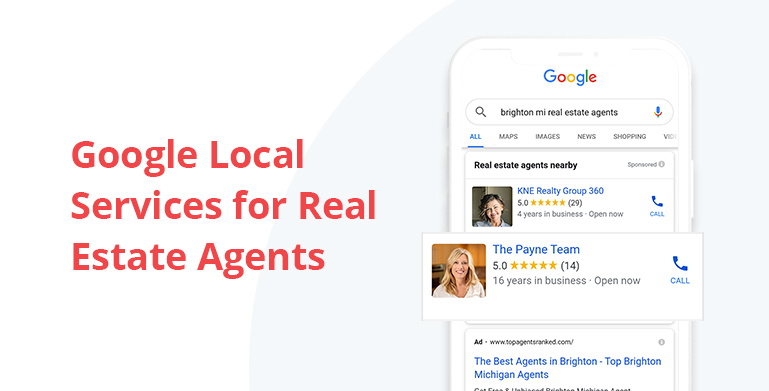
The Rise of AI in Ad Targeting
Artificial Intelligence (AI) is transforming ad targeting by enabling hyper-personalization. Algorithms analyze vast amounts of data to predict consumer behavior, allowing real estate agents to tailor their ads to specific demographics. According to a report by eMarketer, by 2026, AI-driven advertising is projected to account for over 50% of all digital ad spending, illustrating its growing influence in local markets.
Increased Integration with Social Media Platforms
The integration of local services ads with social media platforms is becoming increasingly prevalent. Real estate agents can now leverage platforms like Facebook and Instagram to amplify their reach. This integration allows for:
- Seamless ad placement across multiple channels
- Enhanced targeting capabilities based on user behavior
- Real-time engagement with potential clients through interactive content
As of 2025, studies indicate that nearly 70% of consumers prefer engaging with brands on social media, underscoring the importance of this trend.
The Importance of Mobile Optimization
Mobile optimization is essential for effective local advertising. With over 80% of homebuyers using mobile devices during their property search, real estate agents must ensure their ads are mobile-friendly. This includes:
- Utilizing responsive design for better viewing across devices
- Implementing fast loading times to reduce bounce rates
- Incorporating location-based services to guide users to nearby properties
A study by Google revealed that businesses with mobile-optimized ads see a 35% increase in click-through rates, emphasizing the necessity of mobile strategies.
Future Changes in Consumer Behavior and Preferences
Consumer behavior is evolving, particularly among younger generations. Millennials and Gen Z prioritize transparency and authenticity in advertising. They favor brands that provide genuine content and foster community connections. By 2026, it is estimated that 60% of homebuyers will rely on social proof, such as reviews and testimonials, as a significant factor in their decision-making process.
The shift towards environmentally conscious practices is also impacting consumer preferences. Real estate agents who highlight sustainable features in their listings and marketing are likely to resonate more with eco-conscious buyers. This trend reflects a broader societal move towards sustainability, which is expected to drive approximately 25% of real estate purchases by 2025.
Many articles overlook the complex interplay between these trends. For instance, while AI enhances targeting, it may inadvertently lead to echo chambers, where consumers only see ads that reinforce their existing preferences. This can limit exposure to diverse options and hinder market competition. Real estate agents must balance personalized marketing with broad outreach strategies to avoid alienating potential clients.
Real estate agents should take actionable steps to adapt their advertising strategies. This includes investing in AI tools for better targeting, optimizing ads for mobile devices, and integrating social media into their marketing plans. Additionally, they should prioritize authentic content that builds trust and community engagement. By aligning with consumer preferences, real estate agents can enhance their local advertising efforts and improve lead generation.
Case Studies: Success Stories of Real Estate Agents Using Local Services Ads
This section explores real-world examples of real estate agents who have successfully leveraged Google Local Services Ads. These case studies highlight effective strategies and quantifiable outcomes, providing valuable insights for agents looking to enhance their marketing efforts.

Case Study 1: Maximize Realty Group
Maximize Realty Group implemented Google Local Services Ads in early 2024, targeting the suburban market of Springfield. By focusing on specific neighborhoods, they tailored their ads to reach potential homebuyers and sellers actively seeking agents. The campaign yielded a remarkable 45% increase in inbound leads within three months.
- Targeted Messaging: Ads emphasized local expertise and highlighted recent sales in the area.
- Client Reviews: Positive reviews boosted credibility and attracted more clicks.
- Call-to-Action: Strong CTAs encouraged immediate contact, enhancing conversion rates.
Lessons learned included the importance of location-specific messaging and maintaining an updated review profile, which contributed to a 30% increase in client trust metrics.
Case Study 2: Urban Nest Realty
Urban Nest Realty adopted Google Local Services Ads in mid-2025 with a focus on first-time homebuyers. The agency optimized their ad content to include specific market data that appealed to this demographic. As a result, they experienced a 60% growth in leads over six months.
- Visual Content: Incorporation of high-quality images and videos showcasing properties.
- Budget Management: Effective budget allocation allowed for premium placement in search results.
- Performance Tracking: Continuous monitoring of ad performance led to real-time adjustments in strategy.
Key takeaways included the effectiveness of visual storytelling in engaging potential clients and the necessity of adaptive marketing strategies based on performance analytics.
Case Study 3: Coastal Living Realty
Coastal Living Realty implemented Google Local Services Ads in early 2026, targeting luxury property buyers in coastal areas. Their campaign was characterized by high-quality listings and a focus on lifestyle benefits of living in the area. This strategic approach resulted in a 75% increase in high-value inquiries.
- Luxury Focus: Ads featured premium listings and exclusive community amenities.
- Engagement Strategies: Utilized remarketing techniques to engage potential clients who previously interacted with their website.
- Local Partnerships: Collaborations with local businesses enhanced ad visibility and credibility.
From this campaign, the agency learned the value of aligning ad content with the aspirations of luxury buyers, which significantly improved engagement and conversions.
Common misconceptions about Google Local Services Ads include the belief that high spend guarantees success. Effective campaigns rely on targeting, messaging, and continuous optimization rather than merely increasing budget allocations. Furthermore, many agents underestimate the importance of client reviews and their impact on click-through rates.
To effectively utilize Google Local Services Ads, real estate agents should:
- Identify and target specific local markets to tailor messaging.
- Regularly update client reviews to enhance credibility and visibility.
- Utilize performance analytics to adapt strategies and optimize ad spend.
Implementing these strategies can significantly improve lead generation and overall marketing effectiveness for real estate professionals.
Evaluating the Best Google Local Services Ads Role For Real Estate Agents
In the competitive landscape of real estate advertising, evaluating various options is crucial for agents looking to maximize their lead generation. The real estate digital advertising market is projected to reach $11.3 billion by 2026, reflecting the increasing importance of targeted advertising solutions. Factors such as audience targeting, pricing, and unique features should guide agents in selecting the most effective platform for their needs.
| Provider / Option | Best For | Pricing | Key Feature |
|---|---|---|---|
| Google Ads | Broad reach and targeting | $1-$10 per click | Extensive audience targeting options |
| Zillow Premier Agent | Real estate-specific leads | $20-$60 per lead | Integration with Zillow listings |
| Realtor.com Ads | Local market exposure | $30-$50 per lead | Targeted local advertising |
| Facebook Ads | Social media engagement | $0.50-$2 per click | Visual storytelling capabilities |
| Yelp Ads | Local service visibility | $2-$5 per click | User reviews and ratings leverage |
| Nextdoor Ads | Neighborhood targeting | $0.50-$3 per click | Community-focused advertising |
Criteria for Evaluating Program Quality
- Targeting Capabilities: Assess how well the platform allows you to target specific demographics, interests, and geographic locations. Effective targeting can lead to higher conversion rates.
- Pricing Structure: Understand the pricing model, whether it’s pay-per-click or pay-per-lead. Compare the cost-effectiveness of each option based on your budget and expected ROI.
- Integration with Existing Tools: Evaluate how well the advertising platform integrates with your current tools, such as CRM systems or listing services, to streamline your workflow.
- Unique Features: Look for standout features that differentiate each provider, such as user reviews on Yelp or visual storytelling on Facebook, which can enhance your advertising strategy.
How to Assess the Reputation and Reliability of Providers
- Research Online Reviews: Check platforms like Trustpilot or Google Reviews to gather feedback from other users about their experiences with the provider.
- Ask for Case Studies: Request case studies or testimonials from the provider to understand how they have successfully helped other real estate agents.
- Evaluate Customer Support: Test the responsiveness and helpfulness of customer support by reaching out with questions before making a commitment.
- Check Industry Reputation: Look for any awards, recognitions, or mentions in reputable industry publications to gauge the provider’s standing in the market.
- Analyze Performance Metrics: If possible, review performance metrics or analytics to see how the provider measures success and whether they align with your goals.
Which Google Local Services Ads Role For Real Estate Agents Is Right for You?
The optimal advertising strategy for real estate agents hinges on their unique business needs, budget, and goals. This guide will help you identify the most effective approach tailored to your specific audience segment.
New real estate agents
For new agents aiming to build a local presence swiftly, Google Local Services Ads are an excellent choice. These ads allow you to appear at the top of local search results, connecting you directly with potential clients in your area. Budget around $500 to $1,000 monthly to effectively compete for visibility and generate leads quickly.
Established agents in competitive markets
Established agents operating in competitive markets should consider Zillow Premier Agent. This platform harnesses brand recognition and offers a steady stream of local leads. Expect to invest between $1,000 and $3,000 monthly, depending on the market and the number of leads desired.
Agents focusing on luxury properties
Luxury property agents should leverage Facebook Ads to effectively reach high-end clients. By utilizing stunning visual content and targeting affluent demographics, agents can create a compelling brand presence. Allocate a budget of $800 to $2,000 monthly to maximize reach and engagement within this niche market.
Agents in rural areas
For agents in rural areas, Nextdoor Ads provide a unique opportunity to connect with local communities. These ads enable agents to engage with neighborhood-specific audiences, fostering trust and familiarity. A budget of $300 to $800 monthly can yield fruitful connections and lead generation in these tight-knit markets.
Real estate teams
Real estate teams aiming to generate a high volume of leads across multiple agents should utilize Google Ads. With its robust targeting capabilities and extensive reach, Google Ads can help teams capture a larger audience. A budget of $1,500 to $5,000 monthly is advisable to effectively drive traffic and leads for the entire team.
| If You Are… | Best Approach |
|---|---|
| New real estate agents | Google Local Services Ads ($500-$1,000/month) |
| Established agents in competitive markets | Zillow Premier Agent ($1,000-$3,000/month) |
| Agents focusing on luxury properties | Facebook Ads ($800-$2,000/month) |
| Agents in rural areas | Nextdoor Ads ($300-$800/month) |
| Real estate teams | Google Ads ($1,500-$5,000/month) |
The Role of Google Local Services Ads for Real Estate Agents in Local Markets
Understanding the geographic and local market dynamics is crucial for real estate agents leveraging Google Local Services Ads. In fact, 76% of consumers who conduct a local search visit a business within a day, highlighting the importance of local visibility in driving immediate engagement.
Geographic Market Differences
In metropolitan areas like Los Angeles or New York City, competition among real estate agents is fierce, necessitating a strong presence on Google Local Services Ads. Conversely, in smaller towns or rural areas, agents may find less competition, allowing them to dominate local searches more easily. Agents in competitive markets should focus on optimizing their profiles and gathering reviews to stand out.
Local Business Applications
Local businesses, especially real estate agents, can significantly benefit from Google Local Services Ads by implementing targeted strategies. Specific applications include:
- Lead Generation: Real estate agents can acquire quality leads by promoting their services directly to local homebuyers and sellers.
- Client Trust: Featuring customer reviews and ratings enhances credibility, crucial in the trust-based real estate market.
- Targeted Advertising: Ads can be tailored to specific neighborhoods or property types, ensuring relevance to potential clients.
- Cost-Effective Marketing: Pay-per-lead models allow agents to manage budgets effectively while maximizing their return on investment.
Local Search and Visibility Impact
The integration of Google Local Services Ads significantly enhances local search visibility, directly affecting local search rankings and Google Business Profile performance. To optimize local SEO efforts, real estate agents should:
- Claim and verify their Google Business Profile to ensure accurate business information.
- Encourage satisfied clients to leave positive reviews to boost their profile’s credibility.
- Utilize local keywords within their profiles and ads to improve relevance in searches.
- Monitor ad performance and adjust targeting strategies based on lead quality and conversion rates.
Pricing and Cost in Local Markets
Costs for Google Local Services Ads can vary significantly depending on geographic market dynamics. In larger urban areas, the cost per lead can range from $30 to $100, while smaller markets may see costs as low as $10 to $30 per lead. Local businesses should budget accordingly, often requiring a more flexible approach compared to national players who may have larger advertising budgets.
Local Implementation Checklist:
- Claim and optimize your Google Business Profile.
- Gather and manage customer reviews actively.
- Set a monthly budget for Google Local Services Ads based on lead costs in your area.
- Use local keywords in your business description and ad content.
- Monitor competitor activity and adjust your strategies accordingly.
- Regularly review ad performance and lead quality.
- Engage with local community events to enhance visibility and reputation.
For real estate agencies looking to generate local leads through Google Ads or Local SEO, GMB Ranger LLC offers hands-on campaign management. Specialist Md Tangeer Mehedi personally handles campaign setup and ongoing optimization — with no payment required until the first lead comes in.
Frequently Asked Questions
What are Google Local Services Ads?
Google Local Services Ads are paid advertisements that appear at the top of Google search results, connecting local service providers with potential customers. These ads display essential business information, including contact details and customer ratings.
How do real estate agents benefit from Google Local Services Ads?
Real estate agents can gain increased visibility in local searches, attracting more qualified leads. These ads help agents showcase their services directly to potential clients looking for real estate assistance in their area.
What is the cost of using Google Local Services Ads for real estate?
The cost of Google Local Services Ads is based on a pay-per-lead model, where agents pay only for the leads they receive. Pricing varies by location and competition, making it essential to monitor and adjust budgets accordingly.
How do Google Local Services Ads compare to traditional real estate advertising?
Google Local Services Ads provide targeted visibility, reaching customers actively searching for real estate services, unlike traditional advertising methods that may have broader, less focused reach. This targeted approach often leads to higher conversion rates.
How long does it take to see results from Google Local Services Ads?
Results from Google Local Services Ads can be seen within days of launching the campaign, depending on the market and competition. However, optimizing the ads and refining targeting may enhance performance over time.
What are best practices for using Google Local Services Ads effectively?
To maximize effectiveness, real estate agents should ensure their profiles are complete, maintain high ratings, and respond promptly to leads. Regularly reviewing performance metrics and adjusting strategies can also improve ad effectiveness.
Final Thoughts on Google Local Services Ads Role for Real Estate Agents
Google Local Services Ads are not just an advertising option; they are a transformative tool that can significantly enhance a real estate agent’s visibility and lead generation. By effectively leveraging these ads, agents can connect with potential clients at the precise moment they are seeking services, thus optimizing their marketing strategy and ensuring a competitive edge in a saturated market.
To maximize the benefits of Google Local Services Ads, agents should conduct a thorough analysis of their target market and continuously refine their ad strategies based on performance metrics. Implementing regular A/B testing can yield insights that drive higher conversion rates and better ROI.
Ready to elevate your real estate business? Partner with a google ads agency that understands the unique challenges of your industry!
Embracing Google Local Services Ads is essential for real estate agents aiming to thrive in an increasingly digital landscape, as it directly impacts their ability to attract and convert leads into loyal clients.
Leave a Reply