
What are google ads for insurance agents?
Google Ads for insurance agents refers to targeted online advertising campaigns designed to connect agents with potential clients actively searching for insurance products and services. By leveraging this platform, agents can significantly enhance their lead generation efforts, achieving an average return of $2 in revenue for every $1 spent on advertising.
Understanding Google Ads for insurance agents is crucial for professionals in the insurance industry looking to expand their client base and enhance their marketing strategies. As digital advertising continues to evolve, agents must adapt to these changes to remain competitive. According to recent data, over 60% of consumers begin their insurance search online, underscoring the necessity for agents to invest in effective online advertising solutions.
Failure to effectively utilize Google Ads can result in missed revenue opportunities, wasted marketing resources, and a significant competitive disadvantage in an increasingly crowded marketplace. Agents who do not engage with this advertising platform risk falling behind those who do, as potential clients turn to more visible competitors.
This article will cover essential aspects of Google Ads for insurance agents, including a comparison of leading advertising providers, a detailed cost breakdown, best practices for campaign optimization, and insights on integrating local SEO strategies for maximum impact.
For Insurance Agents businesses looking to generate local leads through Google Ads or Local SEO, GMB Ranger LLC offers hands-on campaign management. Specialist Md Tangeer Mehedi personally handles campaign setup and ongoing optimization — with no payment required until the first lead comes in.
What are Google Ads for insurance agents?
Google Ads for insurance agents are online advertising campaigns that allow agents to promote their insurance products and services through Google’s search engine and its network. These ads can significantly enhance lead generation, with studies indicating that businesses earn an average of $2 in revenue for every $1 spent on Google Ads.
Google Ads operates on a pay-per-click (PPC) model, meaning agents only pay when a user clicks on their ad. This model ensures cost-effectiveness, especially for agents targeting specific demographics or geographic areas. Insurance agents can create tailored ads that appear in search results relevant to insurance inquiries, leading to higher visibility among potential clients actively seeking coverage.
- Search Ads: These ads appear at the top of search results when users search for insurance-related keywords, such as “auto insurance quotes” or “best health insurance.”
- Display Ads: These visually engaging ads can be placed on various websites within Google’s Display Network, targeting users based on their interests or previous searches.
- Remarketing Ads: These ads target users who have previously visited an agent’s website, encouraging them to return and convert into clients.
Implementing Google Ads requires a strategic approach. Agents must identify relevant keywords, create compelling ad copy, and continually optimize their campaigns based on performance metrics. The competitive landscape in the insurance sector means that careful monitoring and adjustments are necessary to maximize ROI and ensure effective lead generation.
Expert insight: Utilizing A/B testing for ad variations can provide valuable insights into what resonates most with your target audience, leading to improved engagement and conversion rates.
How can insurance agents create effective Google Ads?
Insurance agents can create effective Google Ads by following a structured approach that includes precise keyword selection, compelling ad copy, and continuous optimization. Research indicates that targeted Google Ads can yield a conversion rate of up to 10% in the insurance industry, significantly enhancing ROI.
To start, identify your target audience and the specific insurance products you want to promote. Use tools like Google Keyword Planner to generate a list of relevant keywords. Focus on long-tail keywords that reflect user intent, such as “best car insurance for young drivers” or “affordable life insurance quotes.” This specificity helps attract high-quality leads who are more likely to convert.
- Set Up Your Campaign: Create a new campaign in Google Ads and select the appropriate campaign type, such as Search or Display. Choose a campaign goal aligned with your business objectives, like lead generation or website traffic.
- Craft Compelling Ad Copy: Write clear and persuasive ad copy that highlights unique selling points, such as competitive rates or personalized service. Include a strong call to action (CTA) like “Get a Free Quote Today!” to encourage clicks.
- Utilize Ad Extensions: Leverage ad extensions to provide additional information and increase visibility. Use site link extensions to direct users to specific pages, call extensions to facilitate immediate contact, and location extensions to promote your office.
- Monitor and Optimize: Regularly review campaign performance metrics, such as click-through rates (CTR) and conversion rates. Adjust bids, pause underperforming ads, and A/B test different versions of your ad copy for continuous improvement.
Expert insight: Consistently analyze your competitors’ ads and keywords to identify gaps in your strategy. Implementing a well-structured remarketing campaign can also help re-engage potential clients who previously visited your site but did not convert.
What is the average cost of Google Ads for insurance agents?
The average cost per click (CPC) for Google Ads in the insurance industry typically ranges from **$10 to $50**, depending on various factors. In some competitive markets, CPC can exceed **$100** for high-value insurance products.
Several factors influence the cost of Google Ads for insurance agents. These include:
- Competition: The level of competition in a specific insurance niche can significantly impact CPC. More agents vying for the same keywords will drive prices up.
- Geographic targeting: Costs vary by location. Urban areas or regions with higher demand for insurance may incur higher CPCs compared to rural areas.
- Ad quality score: Google evaluates ads based on relevance and user experience. Higher quality scores can lead to lower costs per click, as Google rewards better-performing ads.
Insurance agents should also consider their overall budget strategy. It is advisable to allocate a sufficient budget based on the competitive landscape and desired outcomes. Setting daily or monthly limits can help manage expenditures while optimizing for better results.
Expert insight: To maximize ROI, continuously monitor and adjust keywords and ad copy based on performance. Utilizing negative keywords can help refine targeting and reduce wasted spend.
How long does it take to see results from Google Ads?
Insurance agents can typically expect to see initial results from Google Ads campaigns within 1 to 3 months. However, achieving optimal performance and a strong return on investment (ROI) may take up to 6 months or longer, depending on various factors.
Several factors influence the timeline for seeing results. First, the complexity and competitiveness of the insurance market in a specific region can significantly affect performance. Highly competitive keywords may require more time and budget to yield favorable results. Additionally, the quality of the ad campaigns—encompassing ad copy, landing page experience, and targeting—plays a critical role. Well-structured campaigns that align with user intent are more likely to generate quicker results.
Moreover, the data collected during the initial phase is crucial for optimizing campaigns. Google Ads relies on machine learning algorithms that improve over time as they gather data on user interactions. This means that the first few weeks may yield limited results, but as the system learns and adjusts, performance can improve significantly. Regular monitoring and optimization are essential during this period to refine targeting and bidding strategies, ensuring the campaigns are effectively reaching potential clients.
Expert insight: To expedite results, consider starting with a focused campaign on a niche insurance product where competition is lower, allowing for quicker visibility and engagement.
What are the best practices for Google Ads in the insurance sector?
To optimize Google Ads campaigns, insurance agents should implement several best practices tailored to their unique market. Focusing on targeted ads, effective keywords, and continuous optimization can significantly enhance campaign performance. In fact, well-structured campaigns can lead to a 25% increase in conversion rates compared to poorly designed ones.
Successful Google Ads campaigns in the insurance sector require a strategic approach. Here are key best practices to follow:
- Utilize Targeted Keywords: Conduct thorough keyword research to identify high-intent phrases specific to your niche. Use tools like Google Keyword Planner to find keywords that potential clients are actively searching for, such as “affordable car insurance” or “best home insurance rates.”
- Create Compelling Ad Copy: Write clear, persuasive ad copy that highlights the benefits of your insurance services. Incorporate strong calls to action (CTAs) like “Get a Free Quote” or “Contact Us Today” to encourage clicks.
- Implement Ad Extensions: Use ad extensions to provide additional information, such as contact numbers, site links, or location details. This increases visibility and provides users with more reasons to click on your ad.
- Optimize Landing Pages: Ensure that landing pages are relevant to the ad content and designed for conversion. They should load quickly, be mobile-friendly, and include clear CTAs to guide users through the insurance quote process.
- Monitor and Adjust Campaigns: Regularly review campaign performance metrics such as CTR, CPC, and conversion rates. Use A/B testing to identify which ads perform best and adjust bids and targeting based on data-driven insights.
Expert insight: Regularly refresh ad copy and keywords to combat ad fatigue and stay relevant in an evolving market. This practice can lead to sustained engagement and improved ROI over time.
Advanced Targeting Strategies for Insurance Ads
This section explores sophisticated targeting approaches tailored for insurance agents utilizing Google Ads. These strategies enhance ad effectiveness and ensure a higher return on investment through precise audience engagement.

Utilizing Demographic Targeting for Specific Insurance Products
Demographic targeting allows insurance agents to reach specific segments of the population that are more likely to require particular insurance products. For instance, life insurance ads can be directed towards individuals aged 25-45, who are typically starting families or purchasing homes. In contrast, retirement planning ads may focus on those aged 50 and above, who are actively seeking ways to secure their financial future.
- Age: Tailor ads based on age brackets that correlate with life stages and insurance needs.
- Gender: Certain insurance products may resonate more with specific genders; for example, health insurance ads can target women more aggressively, as they often make healthcare decisions for families.
- Income Level: High-income brackets may be more suitable for premium insurance products, while middle-income groups can be targeted for basic coverage options.
Leveraging Remarketing Strategies to Re-engage Potential Clients
Remarketing is an effective tactic that allows insurance agents to reconnect with users who previously interacted with their website or ads. By displaying tailored ads to these users as they browse other sites, agents reinforce brand recognition and encourage conversion.
According to recent data, remarketing can increase click-through rates by up to 400% compared to standard display ads. This strategy is particularly beneficial in the insurance sector, where decision-making often involves multiple touchpoints.
Incorporating Seasonal Trends into Ad Campaigns
Insurance needs can fluctuate with seasonal events. For instance, during tax season, ads promoting tax-saving insurance products, like health savings accounts (HSAs), can be particularly effective. Similarly, natural disaster preparedness campaigns can be ramped up during specific seasons, such as hurricane or wildfire season, to address immediate concerns and drive timely conversions.
- Tax Season: Highlight benefits of tax-deductible insurance products.
- Natural Disasters: Promote relevant coverage options before high-risk seasons.
- Year-End Reviews: Target clients with ads for policy reviews and updates as the year concludes.
Using Location-Based Targeting for Local Insurance Offerings
Location-based targeting enables insurance agents to deliver ads tailored to geographical areas, enhancing relevance and engagement. This is especially critical for agents focusing on local markets, such as auto insurance or homeowners insurance, where potential clients are often looking for localized solutions.
In 2024, approximately 73% of consumers indicated a preference for local service providers, emphasizing the need for localized ad strategies. Utilizing Google Ads’ geo-targeting features allows agents to specify regions, cities, or even neighborhoods in their campaigns.
Common misconceptions include the notion that broader targeting yields better results. In reality, focused targeting often leads to higher conversion rates, as ads reach individuals actively seeking specific insurance solutions in their local area.
To effectively apply these strategies, insurance agents should:
- Analyze demographic data to tailor campaigns for specific insurance products.
- Implement remarketing campaigns to re-engage users who have shown interest in their services.
- Plan ad schedules to align with seasonal trends and adjust messaging accordingly.
- Utilize geo-targeting features in Google Ads to maximize local outreach.
Common Mistakes Insurance Agents Make with Google Ads
Insurance agents often fall prey to several common pitfalls when executing Google Ads campaigns. These mistakes can lead to wasted budgets and diminished campaign effectiveness, ultimately impacting ROI.

Neglecting to Optimize Landing Pages for Conversions
A well-designed landing page is critical for converting clicks into leads. Many insurance agents direct traffic to generic websites that lack clear calls to action (CTAs) and relevant content. According to a 2024 report, optimized landing pages can increase conversion rates by up to 300%. To maximize effectiveness, ensure landing pages are tailored to the specific ad, featuring engaging visuals, concise information, and an easy-to-navigate layout.
Ignoring Negative Keywords
Many insurance agents overlook the importance of negative keywords, which can drain budgets by attracting irrelevant clicks. Negative keywords prevent ads from appearing for specific search terms that do not align with the target audience. For instance, using terms like “free” or “cheap” in a negative keyword list can help focus the campaign on serious buyers. Regularly reviewing search term reports and updating negative keywords can significantly enhance campaign efficiency.
Failing to Track and Analyze Campaign Performance
Without proper tracking and analysis, it is impossible to determine the success of Google Ads campaigns. Many agents miss out on valuable insights by not utilizing tools like Google Analytics or Google Ads’ built-in reporting features. Regularly reviewing key performance indicators (KPIs) such as click-through rates (CTR), conversion rates, and cost per acquisition (CPA) allows for data-driven decisions and campaign adjustments.
Overlooking Mobile Optimization in Ad Design
As of 2025, mobile devices account for over 60% of all online searches, making mobile optimization essential for Google Ads campaigns. Ads that are not mobile-friendly may lead to higher bounce rates and lower conversions. Ensure that ad formats, landing pages, and CTAs are optimized for mobile users, providing a seamless experience across all devices.
Nuanced Considerations
Some insurance agents mistakenly believe that a higher budget guarantees better performance. While increased spending can enhance visibility, it does not automatically lead to better results. Effective ad management requires continuous optimization, including A/B testing of ad copies, adjusting bidding strategies, and refining targeting parameters. Additionally, agents often underestimate the value of local targeting. Focusing on specific geographic locations can yield better-quality leads and reduce competition for broader search terms.
Practical Application
- Audit and optimize landing pages for clarity and conversion potential.
- Implement a comprehensive negative keyword strategy to filter out irrelevant traffic.
- Utilize analytics tools to track performance metrics and inform adjustments.
- Ensure all ads and landing pages are mobile-optimized for a better user experience.
Real-World Case Studies of Successful Google Ads Campaigns
This section presents practical examples from insurance agents and agencies that successfully leveraged Google Ads to enhance their lead generation and market reach. Understanding these real-world applications can provide valuable insights into effective strategies and potential pitfalls in the insurance sector.
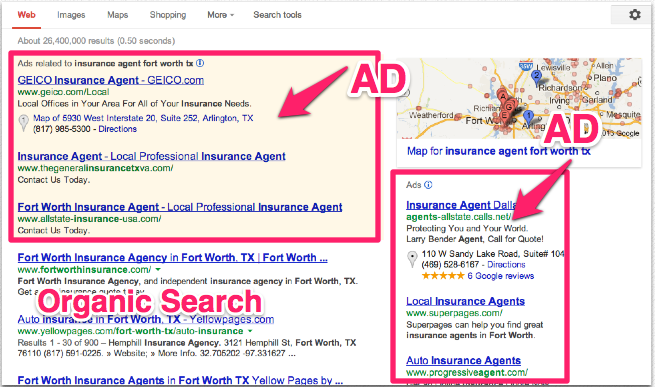
Case Study: Solo Agent Increases Leads by 50%
A solo insurance agent in a suburban market utilized Google Ads to target specific demographics interested in auto insurance. By refining their ad copy and using geolocation targeting, the agent achieved a 50% increase in lead generation within three months. The campaign focused on promoting competitive rates and personalized service, which resonated with local consumers.
Expanding Market Reach: A Small Agency’s Success
A small insurance agency in a rural area expanded its market reach significantly through Google Ads. Initially limited to local clientele, the agency targeted neighboring metropolitan areas, resulting in a 40% increase in inquiries over six months. Key strategies included:
- Utilizing keyword variations to capture a broader audience.
- Implementing responsive search ads to optimize click-through rates.
- Investing in remarketing campaigns to re-engage past website visitors.
Lessons from a Large Firm’s Failed Campaign
A large national insurance firm launched a Google Ads campaign targeting a wide audience without sufficient market research. The lack of targeted keywords and ineffective ad copy led to a 30% drop in conversion rates. The firm learned critical lessons, including the necessity of A/B testing and focusing on specific customer segments rather than broad targeting. This failure highlighted the importance of aligning ad strategy with audience insights.
Integrating Google Ads with Social Media Marketing
Another successful case involved an insurance agency that integrated Google Ads with its social media marketing efforts. By creating cohesive campaigns across both platforms, the agency experienced a 25% increase in overall engagement and higher brand visibility. They achieved this by:
- Synchronizing ad messaging across Google and social media platforms.
- Utilizing audience insights from social media to refine Google Ads targeting.
- Encouraging social sharing of Google Ads promotions to enhance reach.
The integration of Google Ads with social media marketing allowed the agency to create a comprehensive marketing ecosystem, effectively capturing leads from multiple touchpoints.
While these case studies illustrate various successes, it is crucial to recognize common misconceptions regarding Google Ads for insurance agents. Many believe that simply investing in ads guarantees success. However, factors such as targeted keywords, ad relevancy, and ongoing optimization play significant roles in determining campaign effectiveness. Additionally, the competitive landscape of the insurance industry necessitates continuous adaptation to market changes and consumer behavior.
To effectively implement insights from these case studies, insurance agents should:
- Conduct thorough market research to identify target demographics.
- Utilize A/B testing for ad copy and keyword variations.
- Integrate Google Ads with other marketing channels for a holistic approach.
These actionable steps can significantly enhance the effectiveness of Google Ads campaigns, ultimately maximizing return on investment in the insurance sector.
Integrating Google Ads with Other Marketing Channels
Creating a cohesive marketing strategy is vital for insurance agents seeking to enhance their visibility and customer engagement. Integrating Google Ads with other marketing channels amplifies reach and effectiveness, ensuring that potential clients receive consistent messaging across platforms.
Benefits of Combining Email Marketing with Google Ads
Email marketing complements Google Ads by nurturing leads through targeted communication. By incorporating segmented email lists, agents can deliver personalized content that aligns with Google Ads campaigns. This synergy results in increased open rates, with studies showing a 14% increase in click-through rates when email content is aligned with ongoing ad campaigns.
- Lead Nurturing: Use email to follow up with leads generated from Google Ads.
- Cross-Promotion: Promote special offers in emails that correspond with Google Ads.
- Performance Tracking: Analyze email responses to refine Google Ads targeting.
Using SEO to Support Google Ads Efforts
Search Engine Optimization (SEO) plays a crucial role in enhancing the performance of Google Ads for insurance agents. A strong SEO strategy ensures that the website ranks organically, providing additional visibility alongside paid campaigns. By targeting relevant keywords, agents can improve ad quality scores, leading to lower costs per click and enhanced ad placements.
In 2024, businesses that effectively integrate SEO with Google Ads reported a 30% increase in overall traffic, demonstrating the power of a unified approach.
Cross-Channel Retargeting Strategies
Retargeting allows insurance agents to reconnect with potential clients who have previously engaged with their ads or website. Implementing cross-channel retargeting strategies ensures that prospects receive tailored messages across various platforms, such as social media and display advertising. This approach can increase conversion rates by up to 70% when executed effectively.
- Dynamic Retargeting: Show personalized ads based on user behavior.
- Sequential Messaging: Develop a narrative that unfolds across ads on different platforms.
- Frequency Capping: Limit the number of times an ad is shown to avoid overwhelming potential leads.
Creating a Unified Brand Message Across Platforms
Consistency in branding enhances recognition and builds trust. Insurance agents should ensure that their messaging, visuals, and tone are uniform across Google Ads and other marketing channels. A cohesive brand presence reinforces credibility and encourages user engagement, as 70% of consumers prefer brands that convey a consistent message.
Common misconceptions include the belief that separate marketing channels can operate independently. In reality, a fragmented approach can dilute brand identity and hinder overall effectiveness. A comprehensive strategy that harmonizes various channels is essential for maximizing impact.
Practical Application
To implement these strategies, insurance agents should:
- Develop a content calendar aligning Google Ads and email marketing efforts.
- Conduct keyword research to inform both SEO and Google Ads campaigns.
- Set up retargeting campaigns across social media and display networks.
- Ensure all marketing materials reflect a unified brand message.
By integrating these tactics, insurance agents can enhance their visibility, improve customer engagement, and ultimately maximize ROI from their marketing efforts.
Evaluating the Best Google Ads For Insurance Agents
In the rapidly evolving insurance market, which is projected to reach $1.1 trillion by 2026, comparing advertising options is crucial for agents aiming to enhance their online presence. Key criteria to evaluate include pricing, features, and target audience compatibility, as these factors can significantly impact campaign performance and return on investment.
| Provider / Option | Best For | Pricing | Key Feature |
|---|---|---|---|
| Google Ads | Comprehensive advertising solution | $1 – $2 per click average | Extensive targeting options |
| WordStream | Small agencies seeking simplicity | $300 – $1,000 monthly | User-friendly management tools |
| AdEspresso | Social media integration | $49 – $499 monthly | A/B testing capabilities |
| SEMrush | Competitive analysis | $119.95 – $449.95 monthly | In-depth keyword research |
| HubSpot Ads | Inbound marketing alignment | $800 – $3,200 monthly | CRM integration |
Criteria for Evaluating Program Quality
Pricing: The cost of advertising is a critical factor for insurance agents. Understanding the pricing structure—whether it’s pay-per-click or a monthly subscription—can help agents budget effectively and maximize their advertising spend.
Features: Different providers offer unique features that cater to various needs. For instance, if an agent requires extensive targeting options, Google Ads may be more suitable, whereas those looking for user-friendly tools might prefer WordStream.
Target Audience: Consider the demographics and interests of the target audience. Some platforms are better suited for specific niches, making it essential to align the advertising strategy with the audience’s preferences.
Support and Resources: Evaluate the level of customer support and educational resources provided by each platform. Good support can facilitate smoother campaign management and troubleshooting, enhancing overall effectiveness.
How to Assess the Reputation and Reliability of Providers
- Research Online Reviews: Look for customer feedback on platforms like Trustpilot or G2 to gauge user satisfaction and identify potential issues.
- Check Case Studies: Review case studies or testimonials from other insurance agents to understand how the provider has performed in similar scenarios.
- Evaluate Industry Recognition: Investigate any awards or recognitions the provider has received, which can indicate credibility and expertise in the field.
- Request References: Ask the provider for references from current clients, ideally from the insurance sector, to verify their reliability and performance.
- Assess Transparency: Ensure the provider is transparent about their pricing, features, and terms of service to avoid hidden fees or unexpected limitations.
Which Google Ads For Insurance Agents Is Right for You?
The best Google Ads solution for insurance agents largely depends on specific business needs, budget constraints, and marketing goals. This decision guide will help you identify the most effective advertising approach tailored to your unique situation.
Solo insurance agents
Google Ads is particularly advantageous for solo agents aiming to build a local presence and attract clients swiftly. By focusing on location-based keywords and utilizing ad extensions, solo agents can achieve visibility in their community. A monthly budget of $300 to $500 can provide a solid foundation for targeted campaigns that generate leads efficiently.
Small insurance agencies
For small insurance agencies, WordStream is an excellent choice due to its user-friendly interface and effectiveness in managing limited budgets. This platform allows agencies to optimize their Google Ads campaigns without needing extensive expertise, with costs typically ranging from $400 to $1,000 per month, depending on ad spend and management fees.
Large insurance firms
Large insurance firms should consider using SEMrush, which offers robust competitive analysis features that are essential for staying ahead in a saturated market. With tools for keyword tracking, backlink analysis, and ad performance monitoring, firms can strategize effectively. Subscription prices start around $119.95 per month, providing access to comprehensive marketing insights.
Insurance brokers focusing on social media
AdEspresso is best suited for insurance brokers aiming to integrate their social media efforts with Google Ads strategies. This platform simplifies the management of cross-channel campaigns, enabling brokers to maximize their reach and engagement. A budget of $200 to $800 per month is advisable to effectively leverage both Google and social media advertising.
| If You Are… | Best Approach |
|---|---|
| Solo insurance agents | Use Google Ads for local targeting ($300-$500/month) |
| Small insurance agencies | Choose WordStream for budget management ($400-$1,000/month) |
| Large insurance firms | Utilize SEMrush for competitive analysis (from $119.95/month) |
| Insurance brokers focusing on social media | AdEspresso for integrated campaigns ($200-$800/month) |
Local Strategies for Google Ads Targeting Insurance Agents
Understanding geographic and local market factors is essential for insurance agents leveraging Google Ads. A significant 76% of consumers who conduct a local search visit a business within a day, highlighting the importance of local relevance in ad targeting. By tailoring campaigns to specific locales, agents can improve their visibility and conversion rates significantly.
Geographic Market Differences
In densely populated urban areas like Los Angeles, insurance agents face stiffer competition, necessitating more aggressive ad strategies and localized keywords. Conversely, in smaller towns, agents may find it easier to establish a strong presence with less competition. It’s vital for agents to analyze local demographics and insurance needs to effectively cater to their market.
Local Business Applications
Local businesses, including insurance agencies, can leverage Google Ads in several impactful ways:
- Targeted Local Campaigns: Run ads focusing on local events or community needs, such as flood insurance in areas prone to flooding.
- Geo-Targeted Promotions: Offer discounts for local customers, encouraging immediate engagement and conversions.
- Utilization of Local Keywords: Incorporate specific geographic terms in ad copy to improve ad relevance and click-through rates.
- Community Engagement Ads: Promote participation in local charities or events to build brand trust within the community.
Local Search and Visibility Impact
Google Ads significantly impact local search rankings and visibility. By optimizing Google Business Profiles (GBP) and integrating local keywords into ad campaigns, insurance agents can enhance their local presence. Here are key actions to consider:
- Ensure your Google Business Profile is fully optimized with accurate information and local keywords.
- Utilize location extensions in your Google Ads to display your business address and phone number.
- Encourage satisfied clients to leave reviews on your GBP, positively influencing local search rankings.
- Monitor local competitors’ ad strategies to identify gaps and opportunities in your local market.
Pricing and Cost in Local Markets
Costs for Google Ads can vary significantly by geographic market. In competitive markets like New York City, insurance agents may face CPC rates ranging from $15 to $30, while in less saturated areas, costs may drop to between $5 and $10. Local businesses should budget accordingly, focusing on maximizing ROI through targeted campaigns.
Local Implementation Checklist:
- Research local keywords and phrases relevant to your insurance services.
- Optimize your Google Business Profile with up-to-date information.
- Create geo-targeted ad campaigns that highlight local services.
- Incorporate local community events into your marketing strategy.
- Monitor competitor ads and adjust your strategies accordingly.
- Encourage customer reviews and respond to them to enhance your local reputation.
- Regularly analyze ad performance data to refine targeting and ad spend.
For Insurance Agents businesses looking to generate local leads through Google Ads or Local SEO, GMB Ranger LLC offers hands-on campaign management. Specialist Md Tangeer Mehedi personally handles campaign setup and ongoing optimization — with no payment required until the first lead comes in.
Frequently Asked Questions
What are Google Ads for insurance agents?
Google Ads for insurance agents are online advertisements that appear on Google search results and partner sites, targeting potential clients seeking insurance services. These ads help agents reach a wider audience and generate leads effectively.
How can insurance agents create effective Google Ads?
Insurance agents can create effective Google Ads by using targeted keywords, compelling ad copy, and clear calls to action. Additionally, utilizing ad extensions and optimizing landing pages can enhance engagement and conversion rates.
What is the average cost of Google Ads for insurance agents?
The average cost of Google Ads for insurance agents varies widely, typically ranging from $1 to $50 per click depending on competition and keywords. Budgeting effectively and monitoring performance can help control costs.
How long does it take to see results from Google Ads?
Insurance agents can expect to see initial results from Google Ads within a few days, but significant performance insights usually emerge after a few weeks. Continuous optimization is essential for improving ad effectiveness over time.
What are the best practices for Google Ads in the insurance sector?
Best practices for Google Ads in the insurance sector include targeting specific demographics, using localized keywords, and creating tailored ad messages. Regularly analyzing campaign performance and adjusting strategies based on data is also crucial for success.
Final Thoughts on Google Ads for Insurance Agents
Investing in Google Ads can significantly elevate an insurance agent’s visibility and client acquisition when executed with precision and strategic targeting. Effective campaigns, backed by data-informed decisions and an understanding of common pitfalls, can yield substantial returns on investment and establish a competitive edge in the market.
To capitalize on this potential, insurance agents should conduct a comprehensive keyword analysis to identify high-value terms specific to their niche, ensuring that their ads reach the most relevant audience effectively.
Discover how a google ads management agency can help insurance agents maximize their ROI and drive more clients to their business today!
Harnessing the power of Google Ads is not just an option for insurance agents; it’s a necessity for those aiming to thrive in an increasingly digital landscape.
Leave a Reply