
What are google ads for hospitals?
Google Ads for hospitals are targeted advertising campaigns that enable healthcare facilities to promote their services directly to potential patients. With over 3.5 billion searches conducted daily, effective Google Ads can significantly increase patient inquiries and enhance hospital visibility within their communities.
Understanding Google Ads for hospitals is critical for healthcare providers aiming to attract more patients and stay competitive in an increasingly digital marketplace. As healthcare spending continues to rise, with the U.S. market projected to reach $6 trillion by 2027, hospitals must leverage digital advertising to maximize their reach and effectively communicate their services to prospective patients.
Failure to effectively utilize Google Ads can result in missed revenue opportunities and a significant waste of marketing resources, leaving hospitals at a competitive disadvantage. Without a strategic approach, healthcare facilities risk falling behind their peers who are successfully capturing online inquiries and patient engagement.
This article will provide a comprehensive overview of Google Ads for hospitals, covering a comparison of top advertising providers, detailed cost breakdowns, best practices for campaign management, and the integration of local SEO strategies to maximize patient outreach.
For Hospitals businesses looking to generate local leads through Google Ads or Local SEO, GMB Ranger LLC offers hands-on campaign management. Specialist Md Tangeer Mehedi personally handles campaign setup and ongoing optimization — with no payment required until the first lead comes in.
What are Google Ads for hospitals?
Google Ads for hospitals is an online advertising platform that enables healthcare facilities to promote their services and attract patients through targeted search and display ads. By utilizing this platform, hospitals can effectively reach potential patients searching for medical services or information related to their health needs.
Google Ads operates on a pay-per-click (PPC) model, allowing hospitals to bid on keywords relevant to their services. This ensures that ads appear in search results when users enter specific terms, such as “urgent care near me” or “pediatric specialists.” In 2024, healthcare-related searches are projected to account for over 15% of all Google searches, highlighting the platform’s significance for hospitals aiming to enhance their visibility.
Key components of Google Ads for hospitals include:
- Search Ads: Text-based ads that appear at the top of Google search results when users search for specific keywords.
- Display Ads: Visual ads that appear on websites within Google’s Display Network, targeting users based on their interests and online behavior.
- Remarketing: A strategy that targets users who have previously visited the hospital’s website, encouraging them to return for services.
Hospitals can also leverage location-based targeting, allowing them to reach potential patients in specific geographic areas. This is particularly beneficial for services like emergency care or outpatient clinics that rely on local traffic. Additionally, utilizing demographic targeting can help hospitals reach specific patient populations based on age, gender, or health conditions, further enhancing the effectiveness of their campaigns.
Expert insight:
To maximize the impact of Google Ads, hospitals should regularly analyze campaign performance data and refine their keyword strategies based on emerging trends in patient searches and healthcare needs.
How do hospitals set up Google Ads?
Hospitals can set up Google Ads by creating an account, selecting relevant keywords, and designing engaging ad content. This structured approach helps maximize visibility and reach potential patients effectively.
To begin, hospitals need to create a Google Ads account. Visit the Google Ads website and sign up using a Google account. After account creation, set up billing information to ensure that ads can run without interruption. Next, focus on selecting keywords that potential patients are likely to use when searching for medical services. Utilizing tools like Google Keyword Planner can help identify relevant keywords, including terms related to specific procedures, conditions, or specialties. Aim for a mix of broad and specific keywords to capture a wider audience.
Once keywords are selected, the next step involves designing compelling ads. Each ad should include a clear headline, concise description, and a strong call to action. Incorporating ad extensions, such as location, phone number, and additional links, can enhance visibility and provide potential patients with essential information. It’s also important to monitor ad performance through analytics tools to make data-driven adjustments over time. Regularly reviewing and optimizing ads can lead to better results and improved return on investment.
Expert insight: Regularly testing different ad variations and keyword combinations can significantly enhance campaign performance, as hospitals can identify which messages resonate best with their target audience.
What is the average cost of Google Ads for hospitals?
The average cost of Google Ads for hospitals typically ranges from $2 to $6 per click, depending on various factors. For specific campaigns targeting competitive medical specialties, costs can rise to $10 or more per click.
Several factors influence the cost of Google Ads for hospitals. Understanding these can help in budgeting and optimizing ad spend:
- Competition: The level of competition in the healthcare sector affects click prices. More hospitals and clinics vying for the same keywords can drive costs up.
- Geographic Location: Costs may vary based on the targeted region. Urban areas with higher patient populations often see higher CPC rates.
- Quality Score: Google assigns a Quality Score to ads based on relevance and landing page quality. Higher scores can lead to lower costs per click.
- Ad Type: Different types of ads, such as search ads or display ads, have varying costs. Search ads generally have higher CPCs compared to display ads.
Additionally, seasonal trends can impact costs. For instance, campaigns related to specific health issues may see spikes in costs during certain times of the year. Setting a clear budget based on these factors is essential for effective hospital advertising.
Expert insight: Regularly reviewing campaign performance and adjusting bids based on real-time data can significantly enhance ROI and ensure that hospital marketing budgets are utilized effectively.
How long does it take to see results from Google Ads?
Typically, hospitals can expect to see initial results from Google Ads within 1 to 3 months. This timeframe can vary based on factors such as campaign setup, budget allocation, and market competition.
The speed at which results are realized largely depends on the effectiveness of the campaign strategy. For example, well-structured campaigns with targeted keywords and compelling ad copy can yield inquiries within the first few weeks. In contrast, campaigns that require adjustments or optimization may take longer to show significant results. Additionally, the healthcare sector often faces competition from other hospitals and clinics, which can impact visibility and lead generation.
Another crucial factor is the budget. A higher ad spend generally leads to increased visibility, which can accelerate the timeline for generating patient inquiries. Hospitals with a modest budget may experience slower results as their ads may not reach as wide an audience. Furthermore, the specific services being advertised also play a role; elective procedures may attract inquiries more quickly than specialized treatments that require more patient research and consideration.
Expert insight: Regularly monitoring and optimizing ad performance can significantly reduce the time to see results. Adjusting bids, refining keywords, and A/B testing ad copies can lead to improved engagement and quicker patient inquiries.
What are the best practices for Google Ads in healthcare?
Effective Google Ads for hospitals require strategic targeting, compelling messaging, and strict adherence to healthcare regulations. Implementing best practices can improve patient engagement and drive more qualified leads. In 2024, healthcare-related Google Ads are expected to grow by 12% as hospitals increasingly leverage digital marketing.
Successful Google Ads campaigns in the healthcare sector necessitate a focused approach. Here are key best practices:
- Target Local Audiences: Use geo-targeting to reach patients within a specific radius of your facility. This ensures your ads are seen by individuals who can realistically access your services, increasing conversion rates.
- Utilize Relevant Keywords: Conduct thorough keyword research to identify search terms potential patients use. Focus on long-tail keywords that reflect specific services, such as “pediatric urgent care” or “cardiology specialists,” which typically have lower competition.
- Craft Clear and Compelling Ad Copy: Highlight unique selling points, such as specialized services or patient testimonials. Include strong calls to action (CTAs) that encourage users to schedule appointments or learn more about services.
- Ensure Compliance with Regulations: Familiarize yourself with healthcare advertising regulations, such as HIPAA and FTC guidelines. Avoid making misleading claims and ensure that all patient information is handled securely and ethically.
- Monitor and Optimize Campaigns: Regularly analyze ad performance metrics, such as click-through rates (CTR) and conversion rates. Make data-driven adjustments to improve ad targeting and messaging, leading to better return on investment (ROI).
Expert insight: Implementing A/B testing for ad variations can provide valuable insights into what resonates with potential patients, allowing for continuous improvement and enhanced campaign effectiveness.
How do Google Ads compare to Facebook Ads for hospitals?
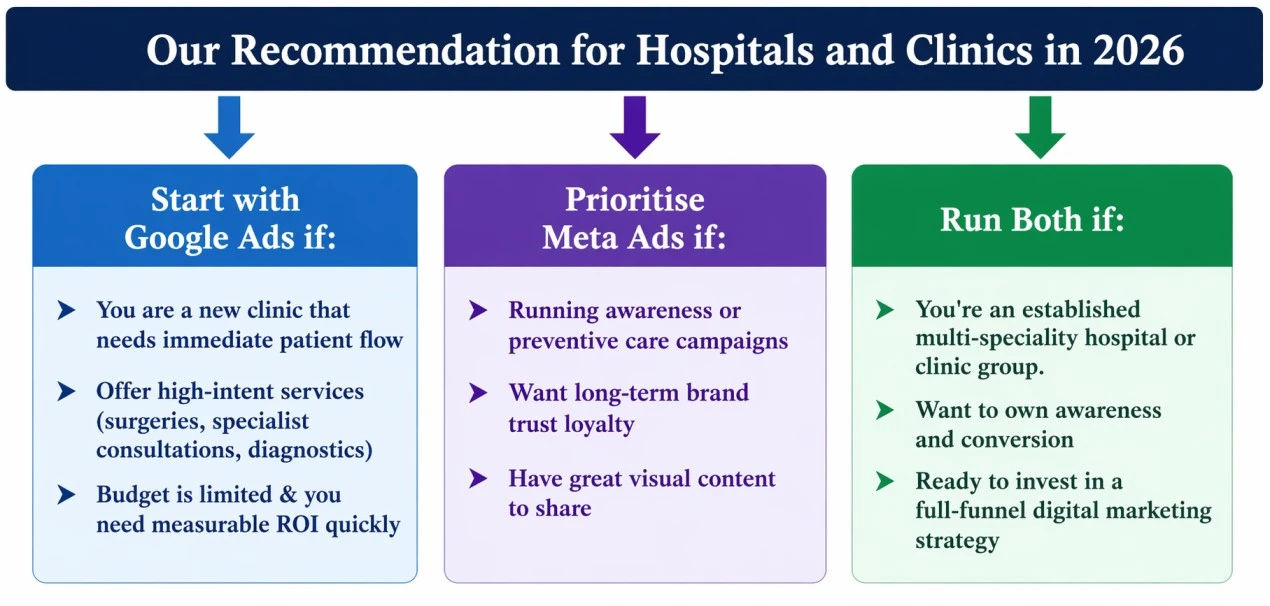
Google Ads and Facebook Ads serve different purposes in the healthcare marketing landscape. Google Ads targets users actively searching for medical services, leading to a higher intent to convert, while Facebook Ads focus on demographic targeting and brand awareness, engaging users based on interests. In 2024, healthcare advertisers reported that Google Ads delivered an average conversion rate of 5.5%, compared to Facebook’s 2.4% for healthcare-related campaigns.
Google Ads utilize a pay-per-click (PPC) model, allowing hospitals to bid on keywords relevant to their services. This means that ads appear when potential patients search for specific terms, such as “emergency room near me” or “pediatrician in [location].” The strength of Google Ads lies in its ability to capture users at the moment they express intent, which is crucial for hospitals aiming to drive immediate patient inquiries and appointments. However, the competition for certain keywords can be intense and costly, requiring careful budget management.
Conversely, Facebook Ads excel in building brand awareness and engaging a broad audience through targeted interests and demographics. Hospitals can create tailored campaigns directed at specific groups, such as new parents or seniors. This platform is particularly effective for promoting community events, health seminars, or wellness programs. However, users on Facebook may not be actively searching for healthcare services, which can lead to lower conversion rates compared to Google Ads. The cost per impression on Facebook is generally lower, but the return on investment may vary based on the campaign goals.
| Feature | Google Ads | Facebook Ads |
|---|---|---|
| Targeting | Keyword-based, high intent | Demographic and interest-based |
| Cost Structure | Pay-per-click | Pay-per-impression/click |
| Conversion Rate | Higher (average 5.5% in 2024) | Lower (average 2.4% in 2024) |
Expert insight: To maximize effectiveness, hospitals should consider a blended approach, utilizing Google Ads for immediate patient acquisition and Facebook Ads for ongoing community engagement and education.
Advanced Targeting Strategies for Google Ads in Healthcare
This section delves into sophisticated targeting techniques that enhance the effectiveness of Google Ads for hospitals. By refining audience engagement through demographic, location-based, and remarketing strategies, healthcare providers can significantly increase patient acquisition and retention.
Utilizing Demographic Targeting
Demographic targeting allows hospitals to focus their advertising efforts on specific patient groups based on age, gender, income level, and other attributes. For instance, a hospital specializing in maternity care may prioritize ads towards women aged 18-35, while a facility offering geriatric services could target individuals over 65. This precision can enhance click-through rates (CTR) by up to 50% according to recent studies.
- Age: Tailor messages for different life stages.
- Gender: Customize health-related ads to resonate with male or female audiences.
- Income Level: Adjust offerings based on the financial capacity of potential patients.
Implementing Location-Based Targeting
Location-based targeting is essential for hospitals aiming to attract local patients. By using Google Ads location settings, hospitals can deliver ads to users within specific geographic areas. This strategy is especially useful for promoting services like urgent care or specialized treatments that require immediate attention. In 2024, 75% of healthcare searches were conducted within a 5-mile radius of a hospital, highlighting the importance of local targeting.
Leveraging Remarketing Strategies
Remarketing enables hospitals to reconnect with individuals who previously visited their websites but did not complete an action, such as booking an appointment. This approach can significantly increase conversion rates, as users are already familiar with the hospital’s services. Effective remarketing campaigns often see a re-engagement rate of over 30%, making them a critical component of a comprehensive Google Ads strategy.
Adapting Ad Copy for Different Audience Segments
Customizing ad copy for various audience segments is pivotal. Effective communication varies across demographics and medical needs. For instance, an ad targeting young families may focus on pediatric services and preventive care, while an ad directed at older adults could emphasize chronic disease management. Tailoring language and offers based on audience insights can lead to improved engagement and patient conversion.
Nuance / Expert Layer
One common misconception is that demographic targeting alone suffices for effective Google Ads campaigns in healthcare. However, combining demographic insights with behavioral data—such as past interactions or search history—provides a more comprehensive understanding of potential patients. This hybrid approach allows for more nuanced ad placements that can outperform standard targeting methods by tailoring messages to user intent rather than just audience characteristics.
Practical Application
To implement these advanced targeting strategies, hospitals should:
- Analyze current patient demographics to identify key audience segments.
- Utilize Google Ads’ location targeting features to focus on local markets.
- Set up remarketing campaigns to reach previous website visitors.
- Craft distinct ad copy for each audience segment, reflecting their unique needs and concerns.
By integrating these strategies, hospitals can optimize their Google Ads campaigns, effectively maximizing patient reach and engagement.
Common Mistakes Hospitals Make with Google Ads
Hospitals often encounter significant pitfalls when managing Google Ads campaigns, which can lead to wasted budgets and missed opportunities for patient engagement. Identifying and addressing these mistakes is essential for optimizing advertising efforts and maximizing patient reach.
Neglecting to Track Conversions and ROI
A primary oversight in Google Ads for hospitals is the failure to effectively track conversions and return on investment (ROI). Without monitoring key performance indicators, hospitals cannot assess which campaigns are successful and which are not. According to a 2024 survey, 62% of healthcare organizations reported that they did not have adequate tools to measure the effectiveness of their digital marketing efforts. This lack of insight can lead to continued investment in underperforming ads.
Using Overly Broad Keywords
Another common mistake is utilizing excessively broad keywords. While broad terms can generate high traffic, they often attract irrelevant clicks that do not convert into patients. For instance, a hospital targeting the keyword “healthcare” may waste significant budget on clicks from users seeking information unrelated to its services. Instead, focusing on specific, long-tail keywords—such as “pediatric urgent care near me”—can improve targeting and reduce costs. A targeted approach can reduce cost-per-click (CPC) by up to 30%.
Failing to Create Mobile-Friendly Ads
With over 70% of searches for healthcare services occurring on mobile devices, neglecting to create mobile-friendly ads can severely limit a hospital’s reach. Ads that are not optimized for mobile can frustrate users, leading to higher bounce rates. Ensuring that ad copy is concise, and that landing pages are responsive, can enhance user experience and increase conversion rates. Hospitals should prioritize mobile optimization to capture the growing segment of mobile users effectively.
Ignoring Ad Compliance and Healthcare Regulations
Compliance with healthcare regulations, such as HIPAA and FTC guidelines, is critical when crafting Google Ads. Many hospitals inadvertently overlook these regulations, leading to potentially costly legal issues. Ads must avoid making misleading claims or offering guarantees about medical outcomes. Familiarizing staff with compliance requirements can help mitigate risks and establish trust with potential patients.
Expert Insights
Many hospitals mistakenly believe that higher ad spend directly correlates with better performance. However, effective campaign management relies more on strategic targeting and ad quality than on budget alone. Additionally, some hospitals may overly focus on immediate conversions, neglecting the importance of brand awareness in long-term patient acquisition. Balancing short-term goals with strategies aimed at building a reputable online presence is essential for sustainable growth.
Actionable Steps for Improvement
- Implement conversion tracking tools to monitor campaign performance and ROI.
- Conduct keyword research to identify specific, high-intent keywords relevant to hospital services.
- Ensure all ads and landing pages are optimized for mobile devices.
- Review compliance guidelines regularly to maintain adherence to healthcare regulations.
Real-World Case Studies: Successful Google Ads Campaigns for Hospitals
This section highlights effective Google Ads campaigns executed by hospitals and clinics, demonstrating how targeted advertising strategies can significantly enhance patient engagement and service awareness.
Small Clinic Achieves 50% Increase in Patient Inquiries
A small family medicine clinic in suburban Ohio implemented a Google Ads campaign focusing on local keywords such as “family doctor near me” and “urgent care services.” Within three months, the clinic experienced a 50% increase in patient inquiries, directly attributed to their targeted ads. The clinic optimized ad copy to emphasize convenience and availability, which resonated with the community’s needs.
Large Hospital Boosts Service Awareness with Seasonal Campaigns
A major metropolitan hospital successfully launched seasonal Google Ads campaigns to promote its flu shot services during the fall. By using a combination of search and display ads, the hospital reached a broader audience, resulting in a 30% increase in flu shot appointments compared to the previous year. The campaign emphasized urgency and health benefits, effectively driving traffic to the hospital’s immunization services page.
Telehealth Provider Leverages Targeted Ads During the Pandemic
During the COVID-19 pandemic, a telehealth provider utilized Google Ads to target specific demographics, such as parents and elderly patients, promoting virtual consultations. The campaign saw an impressive 200% increase in telehealth appointments within the first month. By using precise targeting and relevant messaging, the provider addressed the immediate healthcare needs of the community while capitalizing on the surge in demand for virtual care.
Comparative Metrics: Pre- and Post-Campaign Analysis
- Small Clinic: Inquiries rose from 100 to 150 per month.
- Large Hospital: Flu shot appointments increased from 1,000 to 1,300 during the campaign.
- Telehealth Provider: Appointments jumped from 200 to 600 in the first month of the campaign.
These metrics illustrate the profound impact of well-structured Google Ads campaigns on patient engagement and service utilization. Each case exemplifies tailored approaches that align with specific healthcare needs and patient behavior.
Common misconceptions about Google Ads for hospitals include the belief that only large organizations can benefit from digital marketing. However, small clinics can achieve remarkable results through targeted strategies. Additionally, many assume that a high budget is necessary for success, while effective campaigns can be run on modest budgets with focused targeting.
To harness these insights, hospitals and clinics should:
- Identify specific services to promote based on seasonal trends or community needs.
- Utilize local keywords and demographic targeting to reach the right audience.
- Analyze pre- and post-campaign metrics to assess performance and make data-driven adjustments.
Implementing these strategies will enhance the effectiveness of Google Ads campaigns and ultimately lead to improved patient engagement and service delivery.
Integrating Google Ads with Local SEO for Hospitals
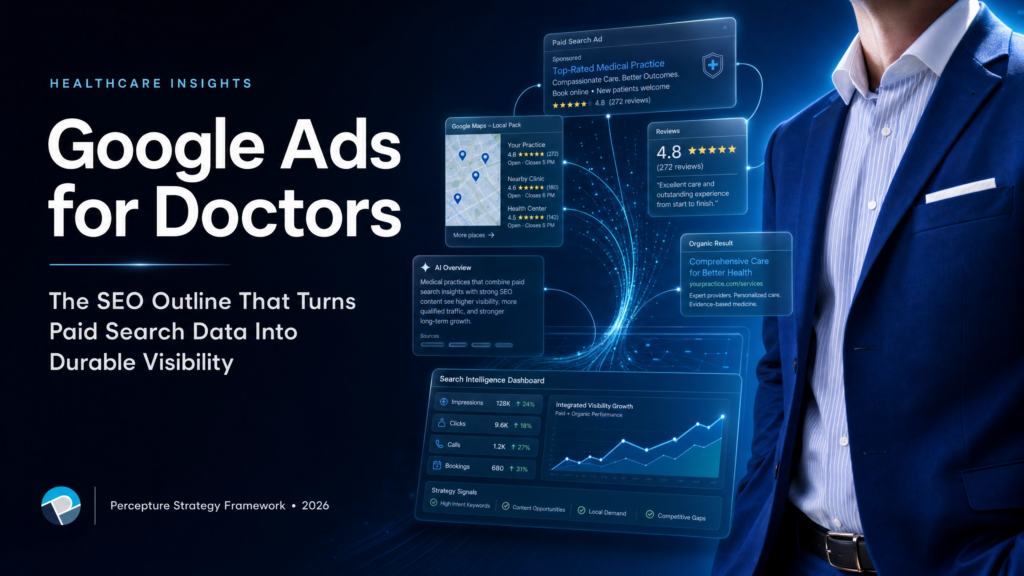
This section explores the synergy between Google Ads and local SEO, focusing on strategies that enhance visibility and patient engagement for hospitals. By leveraging targeted local keywords and optimizing Google My Business (GMB), hospitals can significantly improve their online presence.
The Importance of Local Keywords in Ads
Incorporating local keywords into Google Ads is essential for hospitals aiming to attract nearby patients. Local keywords, such as “urgent care near me” or “pediatric services in [City Name],” ensure that ads resonate with users searching for specific medical services in their vicinity. Research indicates that 76% of people who search for something nearby visit a business within a day, highlighting the urgency of local targeting.
How Google My Business Impacts Ad Performance
Google My Business plays a pivotal role in enhancing ad performance for hospitals. A well-optimized GMB profile can increase the visibility of ads by providing potential patients with essential information such as location, hours, and services. Listings with complete information receive 7 times more clicks than those without. Additionally, integrating GMB with Google Ads allows hospitals to feature special offers and updates directly in their ads, further driving engagement.
Strategies for Integrating Online and Offline Marketing Efforts
- Cross-Promotion: Use offline materials such as brochures and business cards to promote online campaigns. Include QR codes that link directly to Google Ads or GMB listings.
- Event Marketing: Promote community health events through Google Ads while reinforcing the message with local outreach efforts such as flyers and community board postings.
- Consistent Messaging: Ensure that the messaging across online ads and offline materials aligns. This consistency builds trust and recognition among potential patients.
Utilizing Local Reviews to Enhance Ad Credibility
Local reviews significantly influence the effectiveness of Google Ads for hospitals. Positive reviews not only enhance the credibility of an ad but also improve its Quality Score, which can lower costs and increase ad placements. Hospitals should actively encourage satisfied patients to leave reviews on their GMB profile, as 84% of consumers trust online reviews as much as personal recommendations. Responding to reviews, both positive and negative, can further demonstrate commitment to patient care and satisfaction.
Expert insight reveals that many hospitals underestimate the power of integrating local SEO with Google Ads. A common misconception is that SEO and paid advertising are separate entities; however, they can amplify each other’s effectiveness. For instance, insights gained from Google Ads performance can inform SEO strategies, enabling hospitals to refine their keyword targeting and content development. Furthermore, hospitals should consider utilizing remarketing strategies within Google Ads to re-engage users who have previously interacted with their website or GMB listing, enhancing conversion opportunities.
To effectively apply these insights, hospitals should take the following actions:
- Conduct keyword research to identify high-value local search terms relevant to their services.
- Optimize the Google My Business profile with accurate information and engaging visuals.
- Encourage patient reviews and actively manage the online reputation.
- Implement a cohesive marketing strategy that unites online ads with offline efforts for a unified patient outreach.
Evaluating the Best Google Ads For Hospitals
In the rapidly evolving landscape of digital marketing, hospitals must carefully evaluate their advertising options to maximize patient outreach and engagement. The healthcare advertising market is projected to grow from $21 billion in 2024 to $30 billion by 2026, highlighting the importance of strategic ad placements. Key criteria to consider include audience targeting capabilities, cost-effectiveness, and the specific needs of the healthcare sector.
| Provider / Option | Best For | Pricing | Key Feature |
|---|---|---|---|
| Google Ads | Comprehensive advertising solutions | Pay-per-click, average $1-$2 per click | Extensive reach and targeting options |
| Facebook Ads | Engaging local communities | Pay-per-click, average $0.50-$2 per click | Highly visual and demographic targeting |
| Bing Ads | Cost-effective alternative | Pay-per-click, average $1-$3 per click | Less competition than Google |
| AdRoll | Retargeting previous visitors | Average $0.50-$1 per click | Cross-platform retargeting capabilities |
| LinkedIn Ads | Targeting healthcare professionals | Pay-per-click, average $2-$7 per click | Professional targeting and networking |
| Healthgrades Ads | Healthcare-specific advertising | Custom pricing based on services | Targeted healthcare audience |
Criteria for Evaluating Program Quality
Audience Targeting: Evaluate how well the provider can reach specific demographics relevant to your hospital. Effective targeting can enhance patient engagement and conversion rates.
Cost-Effectiveness: Analyze the pricing model and average costs per click to determine the most budget-friendly option. Consider how each provider’s pricing aligns with your hospital’s advertising budget.
Platform Reach: Assess the extent of each advertising platform’s reach. A provider with a broader audience can potentially generate more leads for your hospital.
Specialization: Consider whether the provider specializes in healthcare advertising. Providers like Healthgrades offer tailored solutions that may resonate more with potential patients seeking medical services.
How to Assess the Reputation and Reliability of Providers
- Research Online Reviews: Look for testimonials and feedback from other healthcare providers to gauge satisfaction levels with the advertising service.
- Check Industry Credentials: Verify if the provider has relevant certifications or partnerships within the healthcare sector, which can indicate reliability.
- Request Case Studies: Ask potential providers for case studies that demonstrate their success in healthcare advertising, highlighting measurable outcomes.
- Evaluate Customer Support: Assess the availability and quality of customer support to ensure assistance is readily available when needed.
- Analyze Performance Metrics: Inquire about the metrics and analytics tools the provider uses to measure campaign performance and ROI.
Which Google Ads For Hospitals Is Right for You?
The optimal Google Ads strategy for hospitals hinges on distinct business needs, budget constraints, and targeted goals. This guide offers tailored recommendations for various healthcare segments, enabling informed decisions to maximize advertising impact.
Small local clinics
Small local clinics should prioritize Google Ads with a focus on local targeting features, such as location extensions and geo-targeting. This approach can help attract nearby patients actively searching for services. A budget of $500 to $1,500 per month can yield substantial visibility in local searches, ensuring that the clinic remains top-of-mind for community members seeking care.
Large hospitals
Large hospitals are best served by a blended approach using both Google Ads and Facebook Ads to reach a wider audience. Implementing retargeting strategies for previous website visitors can enhance conversion rates. A combined budget of $5,000 to $10,000 monthly allows for effective reach and brand reinforcement across multiple platforms.
Healthcare marketers
Healthcare marketers should adopt multi-channel strategies that incorporate Google Ads alongside LinkedIn Ads for professional outreach. This dual approach allows for targeting both patients and industry professionals. Allocating $2,000 to $4,000 per month can facilitate comprehensive campaigns that build brand authority and drive leads from multiple sources.
Telehealth providers
Telehealth providers can effectively leverage Google Ads to promote their online services to a nationwide audience. Utilizing keyword strategies focused on telehealth and virtual consultations can attract patients looking for remote care options. A monthly budget of $1,000 to $3,000 can help ensure visibility across relevant search queries.
Niche healthcare services
Niche healthcare services should consider utilizing Healthgrades Ads for targeted outreach to specific patient demographics. This platform is particularly effective for attracting patients seeking specialized care. A budget of $1,500 to $3,000 monthly is recommended to optimize campaigns for maximum patient engagement and appointment bookings.
| If You Are… | Best Approach |
|---|---|
| Small local clinics | Google Ads with local targeting ($500-$1,500/month) |
| Large hospitals | Mixed Google Ads and Facebook Ads ($5,000-$10,000/month) |
| Healthcare marketers | Multi-channel strategies with Google and LinkedIn Ads ($2,000-$4,000/month) |
| Telehealth providers | Google Ads for nationwide promotion ($1,000-$3,000/month) |
| Niche healthcare services | Healthgrades Ads for targeted outreach ($1,500-$3,000/month) |
Local Insights for Google Ads Targeting Hospitals
Understanding geographic and local market factors is crucial for hospitals leveraging Google Ads. Recent data shows that 76% of people who search for something nearby visit a business within a day, highlighting the importance of local targeting in ad campaigns. Moreover, local businesses with an optimized Google Business Profile experience 7x higher engagement compared to those without.
Geographic Market Differences
In larger metropolitan areas, hospitals face intense competition, necessitating more sophisticated ad strategies that highlight unique services and specialties. Conversely, in rural or less populated regions, hospitals can benefit from the lower competition by focusing on community outreach and tailored services that meet local needs. Understanding these dynamics is essential for effective ad targeting.
Local Business Applications
Local hospitals can utilize Google Ads in several impactful ways, including:
- Targeting specific demographics based on local health trends, such as promoting diabetes management programs in areas with high prevalence.
- Utilizing geo-targeting to reach patients searching for urgent care services in proximity to their location.
- Highlighting community events or free health clinics to build rapport and trust within the local population.
- Creating ads that link directly to appointment scheduling, making it easier for local patients to access services.
Local Search and Visibility Impact
The effectiveness of Google Ads for hospitals is closely tied to local search rankings and their Google Business Profile. To enhance visibility and drive local traffic, hospitals should consider the following actions:
- Ensure the Google Business Profile is fully optimized with accurate information, including hours, services, and location.
- Incorporate local keywords in ad copy that reflect community-specific health concerns.
- Encourage satisfied patients to leave positive reviews, as reviews significantly boost local search rankings.
- Utilize local citations in relevant directories to enhance online presence and authority.
Pricing and Cost in Local Markets
Google Ads costs can vary significantly based on geographic location. For instance, hospitals in urban areas like New York City may see CPC (cost-per-click) rates ranging from $5 to $10, while those in smaller towns may experience rates between $2 and $5. Local hospitals should plan to allocate a budget that reflects their competitive landscape; a monthly budget of $1,500 to $3,000 could be effective for smaller markets, while urban hospitals may need to budget $5,000 or more to remain competitive.
Local Implementation Checklist:
- Optimize the Google Business Profile with updated service offerings and hours.
- Research local health trends to tailor ad content effectively.
- Implement geo-targeting in Google Ads campaigns.
- Encourage patient reviews and respond to feedback promptly.
- Monitor local competitors’ ad strategies for insights.
- Utilize call tracking to measure the effectiveness of ads.
- Evaluate and adjust budgets based on local market performance.
For Hospitals businesses looking to generate local leads through Google Ads or Local SEO, GMB Ranger LLC offers hands-on campaign management. Specialist Md Tangeer Mehedi personally handles campaign setup and ongoing optimization — with no payment required until the first lead comes in.
Frequently Asked Questions
What are Google Ads for hospitals?
Google Ads for hospitals are paid online advertisements that help healthcare facilities promote their services on Google’s search engine and partner websites. These ads target specific keywords to reach potential patients actively seeking medical care.
How do hospitals set up Google Ads?
Hospitals can set up Google Ads by creating a Google Ads account and defining their advertising goals. They then select relevant keywords, create ad copy, and set a budget to launch their campaigns.
What is the average cost of Google Ads for hospitals?
The average cost of Google Ads for hospitals varies widely based on competition, location, and targeted keywords, typically ranging from $1 to $10 per click. Budgets can be adjusted according to specific campaign goals and performance metrics.
How long does it take to see results from Google Ads?
Results from Google Ads can often be seen within a few days to weeks, depending on the campaign’s structure and budget. However, optimizing ads for better performance may take several weeks or months.
What are the best practices for Google Ads in healthcare?
Best practices for Google Ads in healthcare include targeting specific keywords, using geo-targeting to reach local patients, and creating compelling ad copy. Compliance with healthcare regulations and accurate landing page information is also essential.
How do Google Ads compare to Facebook Ads for hospitals?
Google Ads typically target users actively searching for healthcare services, while Facebook Ads focus on demographic and interest-based targeting. Each platform has unique advantages, and a combined approach can maximize reach and engagement.
Final Thoughts on Google Ads for Hospitals
Implementing Google Ads effectively can significantly enhance a hospital’s ability to attract and retain patients. By leveraging advanced targeting strategies and learning from successful case studies, hospitals can optimize their advertising efforts to reach the right audience at the right time.
To maximize impact, hospitals should conduct a comprehensive audit of their current Google Ads campaigns, identifying key performance metrics and areas for improvement to ensure strategic resource allocation moving forward.
Ready to boost your patient reach? Partner with a google ads management agency that understands the unique needs of hospitals and maximizes your advertising impact.
In an increasingly competitive healthcare landscape, mastering Google Ads is not just an advantage; it is a necessity for hospitals aiming to thrive and provide optimal patient care.
Leave a Reply