
What are google ads for financial services?
Google Ads for financial services is a targeted online advertising solution that enables businesses in the financial sector to reach specific audiences through paid search campaigns. By leveraging this platform, companies can achieve a return on investment (ROI) of up to 200%, making it a crucial strategy for enhancing visibility and competitiveness in a crowded market.
Understanding Google Ads for financial services is vital for businesses aiming to thrive in an increasingly digital landscape. Financial institutions, including banks, investment firms, and insurance companies, must grasp the nuances of this advertising method to effectively reach potential clients and maintain a competitive edge. In 2022, the global digital advertising market was valued at over $500 billion, underscoring the significant impact of online advertising strategies.
Failure to effectively utilize Google Ads can result in substantial missed revenue opportunities, wasted marketing resources, and a significant competitive disadvantage in a rapidly evolving marketplace. Companies that overlook this essential tool risk falling behind their competitors who are adept at leveraging digital advertising.
This article will provide a comprehensive overview of Google Ads for financial services, including a comparison of top providers, a breakdown of costs, best practices for maximizing ROI, and insights into the local SEO angle that can enhance campaign effectiveness.
For Financial Services businesses looking to generate local leads through Google Ads or Local SEO, GMB Ranger LLC offers hands-on campaign management. Specialist Md Tangeer Mehedi personally handles campaign setup and ongoing optimization — with no payment required until the first lead comes in.
What are Google Ads for financial services?
Google Ads for financial services are targeted advertising campaigns that allow financial institutions to promote their products and services through Google’s advertising platform. These ads can appear in search results, on websites, and within apps, reaching potential customers when they are actively searching for financial solutions.
In the financial sector, Google Ads serve a vital role in attracting clients and driving conversions. With over 3.5 billion searches per day on Google, financial institutions can leverage this traffic to enhance visibility and engagement. The goal is to connect with consumers seeking loans, investment opportunities, insurance, and other financial products, ultimately increasing return on investment (ROI).
- Search Ads: Appear at the top of search results when users enter specific keywords related to financial services.
- Display Ads: Visual ads that appear on websites within Google’s Display Network, targeting users based on their interests and online behavior.
- Video Ads: Ads played before or during YouTube videos, which can effectively showcase financial products through engaging content.
- Remarketing: Targeting users who have previously interacted with a financial service’s website, encouraging them to return and complete a desired action.
Effective use of Google Ads in the financial sector requires compliance with strict regulations, including adherence to truth-in-advertising laws and industry-specific guidelines. Financial institutions must craft ads that not only attract attention but also provide clear, accurate information to potential customers. This includes transparent messaging about fees, risks, and terms associated with financial products.
Expert insight: To maximize ROI, financial services should continually analyze ad performance data and adjust campaigns based on key metrics such as click-through rates (CTR) and conversion rates, ensuring that advertising spend is directed toward the most effective strategies.
How do I set up Google Ads for my financial service?
Setting up Google Ads for a financial service involves several key steps to ensure an effective campaign. Approximately 65% of financial service marketers report success in lead generation through targeted Google Ads. This guide outlines essential steps to create an impactful advertising strategy.
- Create a Google Ads Account: Visit the Google Ads website and sign up for an account. Provide necessary business information, including billing details, to set up your profile.
- Define Your Goals: Identify specific objectives for your campaign, such as generating leads, increasing website traffic, or promoting specific financial products.
- Conduct Keyword Research: Use tools like Google Keyword Planner to find relevant keywords associated with your financial services. Focus on terms with high search volume and low competition.
- Set Your Budget: Determine a daily budget for your campaign based on your financial goals. An average starting budget for financial services ranges from $50 to $500 per day.
- Create Compelling Ads: Write clear, engaging ad copy that highlights your unique selling points. Use strong calls-to-action and ensure compliance with financial advertising regulations.
- Select Targeting Options: Choose specific demographics, locations, and interests to target your ideal audience. Consider using remarketing strategies to reach previous website visitors.
- Launch Your Campaign: Review all settings and launch your campaign. Monitor performance metrics closely to evaluate the effectiveness of your ads.
- Optimize and Adjust: Regularly review your campaign data, adjusting bids, keywords, and ad copy as necessary to improve performance and return on investment.
Strong tracking and analytics are vital for understanding campaign effectiveness. Utilize Google Ads and Google Analytics to monitor key performance indicators (KPIs) such as click-through rates (CTR) and conversion rates.
Expert insight: Continuously test different ad variations and targeting strategies to identify what resonates best with your audience; A/B testing can significantly enhance your campaign’s performance. Regularly updating your keyword list in response to market trends can also yield better results.
What is the average cost of Google Ads for financial services?
The average cost of Google Ads for financial services typically ranges from **$3 to $10 per click** (CPC), depending on various factors such as competition and targeting. In some cases, costs can exceed **$20 per click** for highly competitive keywords.
Several factors influence the pricing of Google Ads in the financial sector, including:
- Keyword Competition: High-value keywords like “personal loans” or “mortgage rates” attract more advertisers, driving up costs.
- Target Audience: Ads targeting affluent demographics or specific locations may have higher CPCs due to increased competition for those segments.
- Quality Score: Google assigns a Quality Score based on ad relevance, landing page experience, and click-through rates. Higher scores can lead to lower CPCs.
- Ad Formats: Different ad formats, such as search ads versus display ads, may have varying costs associated with them.
- Bid Strategy: The choice of bid strategy (manual vs. automated) can affect overall spending and cost efficiency.
Budgeting effectively for Google Ads in financial services requires a thorough understanding of these cost drivers. Establishing a clear budget based on expected CPC and desired results can help manage expenses. Regular monitoring and optimization of campaigns can also provide insights into which keywords and strategies yield the best ROI.
Expert insight: Allocate a portion of your budget for A/B testing different ads and landing pages, as this can significantly enhance performance and reduce overall costs over time.
What are the best practices for Google Ads in finance?
To achieve the highest return on investment from Google Ads in the financial services sector, companies should adhere to targeted strategies that cater to the unique nature of financial products. Research indicates that businesses using best practices can increase their conversion rates by up to 30%.
Effective Google Ads strategies for financial services involve understanding the audience, leveraging data analytics, and optimizing ad content. The following best practices can significantly enhance campaign performance:
- Define Target Audiences Precisely: Use Google Ads’ audience targeting features to segment potential clients based on demographics, interests, and financial behaviors. Tailored messaging for specific segments can improve engagement and conversion rates.
- Utilize Ad Extensions: Incorporate site link, callout, and structured snippet extensions to provide potential clients with additional information. This increases ad visibility and can lead to higher click-through rates (CTR) by up to 20%.
- Implement A/B Testing: Regularly test different ad copies, headlines, and landing pages to determine what resonates best with your audience. A/B testing allows for data-driven decisions that can enhance ad effectiveness over time.
- Focus on Compliance and Transparency: Financial services must adhere to strict regulations. Ensure that all ads comply with legal standards and clearly convey terms and conditions. Transparency builds trust, which is crucial in this industry.
- Optimize Landing Pages: Ensure landing pages are relevant and optimized for conversions. Fast loading times, clear calls-to-action (CTAs), and mobile-friendly designs can significantly impact user experience and lead generation.
Expert insight: Continuously monitor performance metrics and adjust strategies based on real-time data. Utilizing tools like Google Analytics can provide deeper insights into user behavior, allowing for ongoing optimization of ads and landing pages.
How long does it take to see results from Google Ads in finance?
Typically, it takes about 3 to 6 months to see significant results from Google Ads campaigns in the financial services sector. However, initial data can often be gathered within the first month, providing insights into performance metrics.
Several factors influence the timeframe for seeing results. First, the complexity of the financial product or service being advertised plays a critical role. For instance, campaigns promoting simple services like personal loans may yield quicker results than those for more complex offerings such as investment strategies or retirement planning. Additionally, the level of competition within the specific niche affects how quickly leads can be generated. High competition may prolong the time needed to optimize ad performance and achieve a favorable return on investment (ROI).
Another key factor is the effectiveness of the ad campaign itself. Well-crafted ads that target the right audience with compelling messaging typically yield faster results. Continuous monitoring and optimization of the campaign, including adjusting keywords, ad copy, and targeting parameters, can significantly impact the speed of achieving desired outcomes. Budget allocation also plays a role; higher budgets can lead to increased visibility and quicker results, assuming the ads are effective.
Expert insight: To maximize ROI in Google Ads for financial services, focus on refining targeting and continuously optimizing campaigns. Consider leveraging A/B testing to identify the most effective ad variations early in the process.
What are some common mistakes to avoid with Google Ads for finance?
Common mistakes in Google Ads for financial services include neglecting audience targeting, using generic keywords, and failing to comply with advertising regulations. For instance, a financial advisor might use broad keywords like “investments,” which generated a click-through rate (CTR) of only 1.5% compared to the industry average of 3.5% in 2024.
One significant pitfall is inadequate audience targeting. Financial services often cater to specific demographics, such as investors or first-time homebuyers. If a company does not utilize audience targeting features, they may waste budget on clicks from users outside their target market. For example, a mortgage lender that fails to specify geographic locations may attract clicks from users in areas where their services are not available, resulting in low conversion rates.
Another common mistake is the use of generic keywords without considering their intent. While the term “loans” may seem like a good choice, it lacks specificity. A financial services firm might find better results by focusing on long-tail keywords that reflect specific user intent, such as “best first-time homebuyer loans.” This could improve CTR and lead to higher-quality leads. Additionally, compliance with advertising regulations is crucial. Financial services must adhere to strict guidelines, and failing to do so can lead to ad disapprovals or account suspensions.
Expert insight: Implement regular audits of keyword performance and audience targeting settings to ensure campaigns remain relevant and compliant, maximizing ROI effectively.
Can Google Ads help financial services reach local clients?
Yes, Google Ads can effectively help financial services reach local clients by utilizing targeted advertising strategies. In fact, 76% of consumers who search for something nearby visit a business within a day, highlighting the potential of local targeting.
Google Ads offers several features tailored for local targeting, making it a powerful tool for financial services seeking to connect with clients in specific geographic areas. By leveraging location-based targeting, businesses can ensure their ads are displayed to users searching for services in their vicinity. This includes options like location extensions, which display your address and phone number alongside your ads, and geo-targeting, allowing you to restrict ad visibility to specific regions or cities.
In comparison to traditional advertising methods, Google Ads provides measurable insights and real-time data. For instance, while print ads can reach a broad audience without geographic precision, Google Ads can pinpoint users actively searching for financial services locally. This targeted approach results in higher engagement rates and improved return on investment (ROI). Below is a comparison of local targeting options:
- Location Extensions: Showcases your business address and contact information in ads.
- Geo-Targeting: Limits ad visibility to specific locations, ensuring relevance.
- Local Search Ads: Appears in Google Maps and local search results, enhancing visibility.
Expert insight: For optimal results, continuously refine your ad campaigns by analyzing performance metrics and adjusting targeting parameters based on local trends and consumer behavior.
Advanced Targeting Strategies for Financial Services
This section delves into sophisticated targeting options within Google Ads that enhance campaign effectiveness for financial services. By leveraging advanced techniques, financial institutions can precisely reach their ideal audience and optimize return on investment.

Utilizing Custom Audiences for Remarketing
Custom audiences enable financial service providers to re-engage users who have previously interacted with their brand. This approach is particularly effective, as remarketing campaigns can achieve a conversion rate that is up to 10 times higher than standard campaigns. By segmenting audiences based on previous website visits, app usage, or YouTube engagement, businesses can deliver tailored ads that resonate with potential clients.
Incorporating Life Events Targeting
Life events targeting allows advertisers to reach individuals experiencing significant changes, such as getting married, buying a home, or having a baby. These milestones often prompt financial decisions, making this targeting strategy crucial for financial services. For instance, Google reported that 70% of users are more likely to engage with ads that align with their current life events. Financial institutions can create personalized campaigns that address specific needs associated with these life changes, thereby increasing relevance and engagement.
Leveraging In-Market Audiences for Financial Products
In-market audiences consist of users actively researching or comparing financial products. Google’s data indicates that targeting in-market segments can result in a 25% higher conversion rate compared to traditional audience targeting. Financial services can utilize this feature to focus on individuals likely to make purchases, such as those seeking loans or investment opportunities. By aligning ad content with the interests and behaviors of these audiences, businesses can effectively capture leads at critical decision-making moments.
Using Geo-Targeting to Reach Local Clients
Geo-targeting is essential for financial services aiming to attract local clientele. By specifying geographic parameters, institutions can ensure their ads are shown to users in particular regions or cities. This strategy not only boosts local visibility but also enhances the likelihood of engagement, as users often prefer services that are geographically accessible. According to Google, ads with geo-targeting can achieve up to a 50% improvement in click-through rates when compared to non-targeted ads. Implementing geo-targeting strategies can lead to more effective campaigns, particularly for services such as mortgage lending or community banking.
Nuance / Expert Layer: While many advertisers focus primarily on demographic data, overlooking psychographics can lead to missed opportunities. Understanding consumer behavior, preferences, and motivations allows for a deeper connection with potential clients. Moreover, the misconception that broad targeting yields better results can hinder performance; instead, precision in targeting often proves more effective. By combining demographic and psychographic insights, financial services can create campaigns that resonate on multiple levels, thereby enhancing overall effectiveness.
Practical Application: Financial institutions should implement the following actionable steps to enhance their targeting strategies:
- Set up custom audience lists for remarketing campaigns based on user interactions.
- Utilize life events targeting to create timely and relevant ads for users undergoing significant changes.
- Identify and focus on in-market audiences to capture leads actively seeking financial products.
- Implement geo-targeting to tailor ads for local markets, ensuring relevance and accessibility.
Optimizing Google Ads Campaigns for Financial ROI
This section outlines critical strategies for enhancing Google Ads campaigns specifically for financial services. By implementing these optimization techniques, businesses can significantly improve their return on investment (ROI).
A/B Testing Ad Copy and Landing Pages
A/B testing is a vital tool in optimizing Google Ads campaigns. By creating variations of ad copy and landing pages, financial service providers can determine which elements resonate best with their audience. For instance, testing different headlines, calls-to-action, or value propositions can lead to conversion rate improvements of up to 30%. Conduct tests over a defined period, ensuring that sufficient traffic is directed to each version to yield statistically significant results.
Implementing Conversion Tracking for Financial Metrics
Conversion tracking is essential for understanding the financial impact of Google Ads campaigns. By setting up tracking for key financial metrics—such as cost per acquisition (CPA), return on ad spend (ROAS), and lifetime value (LTV)—businesses can gain insights into their campaign performance. In 2024, effective conversion tracking can enhance campaign efficiency by over 40%, allowing for data-driven adjustments that align with financial goals.
Adjusting Bids Based on Performance Data
Dynamic bid adjustments based on performance data are crucial for maximizing ROI. Utilize Google Ads’ automated bidding strategies, such as Target CPA or Target ROAS, to ensure that bids reflect the actual value of conversions. Regularly analyze performance metrics, including click-through rates (CTR) and conversion rates, to make informed decisions about bid increases or decreases. A strategic approach to bidding can lead to a 25% improvement in overall campaign performance.
Utilizing Negative Keywords to Reduce Wasted Spend
Negative keywords play a significant role in optimizing ad spend. By identifying and excluding terms that are not relevant to your financial services, businesses can prevent wasteful clicks. For example, if a financial advisor offers investment services but does not provide tax preparation, adding “tax preparation” as a negative keyword will help avoid irrelevant traffic. Regularly review search term reports to refine this list, which can lead to a reduction in wasted ad spend by up to 20%.
Nuances in Campaign Optimization
Common misconceptions about Google Ads for financial services often revolve around the belief that higher bids always yield better results. However, effective optimization goes beyond bid amounts. Focusing solely on high-volume keywords without considering their relevance can lead to inflated costs and lower ROI. Additionally, the competitive landscape for financial services requires a nuanced approach to keyword selection and ad copy that addresses specific consumer pain points. Tailoring ads to match the unique needs of different audience segments can significantly enhance engagement and conversion rates.
Practical Application
- Conduct A/B tests on ad copy and landing pages bi-weekly.
- Implement conversion tracking for key financial metrics immediately.
- Review performance data weekly to adjust bids accordingly.
- Regularly update a list of negative keywords based on search term reports.
By systematically applying these strategies, financial service providers can optimize their Google Ads campaigns, leading to improved financial returns and more effective use of advertising budgets.
Real-World Case Studies: Success with Google Ads in Finance
This section presents real-life examples of financial services that have effectively utilized Google Ads to enhance their market presence and achieve significant growth. By examining these case studies, financial professionals can glean insights that inform their own advertising strategies.

Successful Campaign of a Financial Advisor
A financial advisor based in San Francisco leveraged Google Ads to increase client acquisition by 150% within six months. The campaign focused on high-intent keywords such as “wealth management for retirees” and “financial planning for millennials.” By utilizing ad extensions, including callouts and structured snippets, the advisor highlighted unique service offerings, resulting in a click-through rate (CTR) of 8.5%, significantly above the industry average of 3.17% in 2024.
Fintech Startup Growth Through Google Ads
A fintech startup specializing in peer-to-peer lending experienced a remarkable growth trajectory, doubling its user base in just one year. The company implemented a targeted Google Ads strategy centered on specific demographics, including age and income level. By utilizing remarketing strategies, the startup effectively re-engaged previous visitors, achieving a conversion rate of 12%, compared to the industry standard of 5% for fintech services in 2025. Their total ad spend of $100,000 generated over $1 million in loan originations.
Insights from an Insurance Provider’s Targeted Strategy
An insurance provider successfully increased its policy sign-ups by 40% through a strategic Google Ads campaign. The provider utilized geo-targeting to focus on urban areas with higher demand for specific insurance products, such as renters and auto insurance. The campaign included a mix of text and display ads, with a strong emphasis on seasonal promotions. The return on ad spend (ROAS) for this campaign was an impressive 400%, demonstrating the effectiveness of their targeted approach.
Lessons from Failed Campaigns
Not all campaigns yield positive results. A mortgage company faced challenges when its poorly crafted campaigns resulted in a 30% increase in click costs without corresponding conversions. The primary issues included vague messaging and a lack of landing page optimization. Analysis showed that ads were not aligned with user intent, leading to high bounce rates. Key learnings from this experience include:
- Conduct thorough keyword research to understand user intent.
- Optimize landing pages to ensure a seamless user experience.
- Implement A/B testing to identify the most effective ad variations.
Common misconceptions about Google Ads center around the belief that higher spending guarantees better results. In reality, a well-structured campaign with precise targeting and compelling ad copy often outperforms a high-budget campaign lacking strategic focus. Financial services must prioritize quality over quantity in their advertising efforts.
To apply these insights, financial service providers should:
- Define clear goals for their Google Ads campaigns, focusing on specific metrics like CTR and conversion rates.
- Engage in keyword research to identify high-intent phrases relevant to their services.
- Regularly analyze campaign performance and adjust strategies based on data-driven insights.
Integrating Google Ads with Other Marketing Channels
Successful marketing in the financial services sector necessitates a multi-channel approach. By integrating Google Ads with other marketing strategies, businesses can enhance visibility, engagement, and return on investment.
Combining Google Ads with Content Marketing
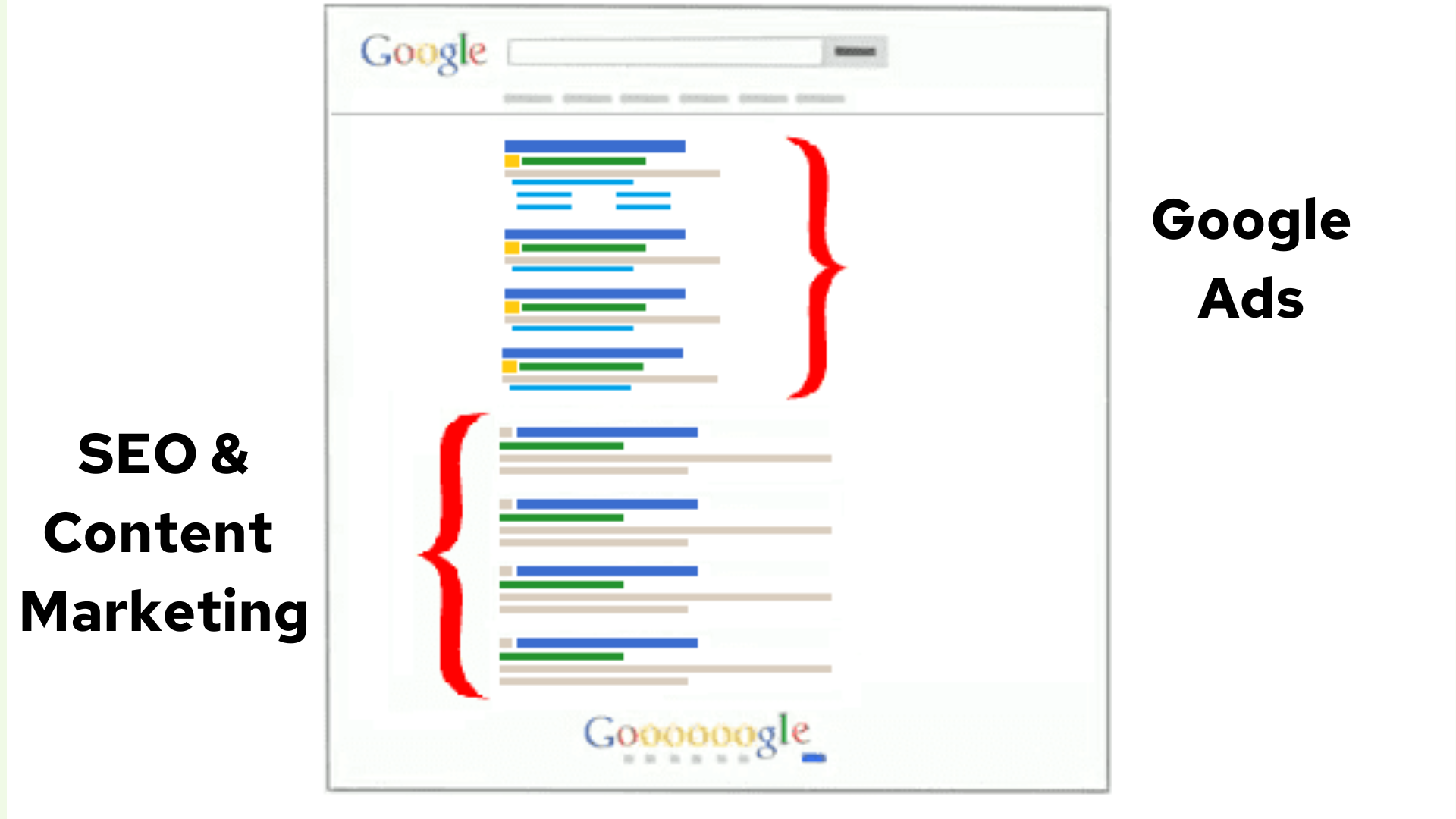
Leveraging Google Ads alongside content marketing creates a powerful synergy. Financial services can use paid search to drive traffic to informative blog posts, white papers, or case studies. This approach not only increases immediate visibility but also establishes authority in the sector. For instance, businesses that combined paid search with content marketing strategies reported a 30% increase in lead generation.
Utilizing Social Media Ads Alongside Google Ads
Integrating social media advertising with Google Ads can amplify reach and engagement. By using platforms like Facebook, LinkedIn, and Instagram, financial services can target audiences based on demographics and interests. This tactic allows for retargeting potential clients who have interacted with Google Ads, thereby increasing conversion rates. Reports indicate that businesses employing cross-channel strategies see up to a 25% improvement in overall campaign performance.
Email Marketing Synergies with Paid Search
Email marketing can enhance the effectiveness of Google Ads by nurturing leads generated through paid campaigns. For example, targeting users who clicked on Google Ads with follow-up emails containing personalized offers or additional resources can significantly boost conversion rates. According to recent studies, email marketing has an average return on investment of
4200%, making it an invaluable complement to paid search efforts.
Cross-Channel Analytics for Comprehensive Insights
Utilizing analytics tools to track performance across multiple channels is essential for gaining comprehensive insights. By analyzing data from Google Ads, social media, and email campaigns, financial services can identify which strategies yield the best results. This holistic view aids in optimizing budgets and reallocating resources where they are most effective. Businesses that adopt such an integrated analytics approach have reported an increase in marketing effectiveness by as much as 35%.
Many marketers often underestimate the importance of proper attribution across channels. Relying solely on last-click attribution can lead to misallocated budgets and ineffective strategies. Instead, employing multi-touch attribution models allows financial services to accurately assess the impact of each channel, ensuring that all marketing efforts are optimized for maximum ROI.
To effectively integrate Google Ads with other channels, financial services should:
- Develop a cohesive content strategy that aligns with Google Ads campaigns.
- Leverage social media platforms for retargeting and audience engagement.
- Create segmented email lists to follow up on leads generated by Google Ads.
- Utilize comprehensive analytics tools to monitor cross-channel performance.
Implementing these strategies will not only enhance overall marketing effectiveness but also ensure that investments in Google Ads yield substantial returns. By aligning Google Ads with other marketing efforts, financial services can create a robust, multi-faceted approach that drives growth and strengthens brand presence in a competitive landscape.
Evaluating the Best Google Ads For Financial Services
In the competitive landscape of financial services, selecting the right advertising provider is crucial for maximizing reach and engagement. With the digital advertising market projected to grow to $786 billion by 2026, evaluating options based on specific criteria is essential for achieving optimal results. Key factors include pricing, targeting capabilities, and unique features that cater to the financial sector.
| Provider / Option | Best For | Pricing | Key Feature |
|---|---|---|---|
| Google Ads | Comprehensive ad solutions | $1 – $2 per click on average | Extensive reach and targeting options |
| Facebook Ads | Visual engagement strategies | $0.50 – $3 per click | Strong demographic targeting |
| LinkedIn Ads | B2B targeting and networking | $2 – $7 per click | Professional audience targeting |
| Bing Ads | Cost-effective alternative | $1 – $5 per click | Lower competition than Google |
| AdRoll | Retargeting potential | Varies based on ad spend | Cross-platform retargeting |
| Twitter Ads | Real-time engagement | $0.50 – $2 per click | Trending topic engagement |
| Pinterest Ads | Visual discovery for services | $0.10 – $1.50 per click | High engagement rates |
Criteria for Evaluating Program Quality
- Targeting Capabilities: Assess how well each provider allows for demographic, geographic, and behavioral targeting. This is crucial for reaching the right audience in the financial services sector.
- Pricing Structure: Compare the cost-per-click (CPC) rates to determine the most budget-friendly options. Lower CPC does not always equate to better ROI, so consider the overall value.
- Ad Formats Available: Different providers offer various ad formats, such as display, video, or native ads. Choose a platform that aligns with your marketing strategy and audience preferences.
- Analytics and Reporting: Look for robust analytics tools that provide insights into ad performance. Effective tracking can help optimize campaigns and improve return on investment.
How to Assess the Reputation and Reliability of Providers
- Research Online Reviews: Check platforms like Trustpilot and Google Reviews for feedback from other financial services companies.
- Evaluate Case Studies: Look for documented success stories or case studies that demonstrate the provider’s effectiveness in your industry.
- Consult Industry Peers: Network with other professionals in the financial services sector to gather recommendations based on their experiences.
- Request References: Ask potential providers for references from clients in similar industries and follow up to gauge satisfaction.
- Examine Customer Support: Test the responsiveness and helpfulness of customer support before committing to ensure assistance is readily available.
Which Google Ads For Financial Services Is Right for You?
Choosing the right Google Ads strategy for financial services hinges on your specific business needs, budget constraints, and growth objectives. This decision guide outlines tailored recommendations for various segments within the financial services industry, ensuring that each approach aligns with the unique characteristics of your audience.
Small financial advisors
For small financial advisors, Google Ads is an excellent avenue to enhance local visibility and attract new clients. Implement targeted search campaigns focusing on keywords like “financial advisor near me” or “local financial planning.” Budgeting around $500 to $1,500 per month can yield significant local engagement and client inquiries.
Large financial institutions
Large financial institutions should adopt a comprehensive Google Ads strategy that encompasses brand visibility across diverse demographics and regions. Utilizing display ads and remarketing strategies can effectively maintain brand presence. Allocating a budget of $10,000 to $50,000 monthly can facilitate expansive reach and engagement across multiple platforms.
Fintech startups
While primarily focusing on Google Ads, fintech startups can also leverage Facebook Ads to engage younger audiences and promote their innovative solutions. Targeting interests and behaviors relevant to financial technology can enhance brand awareness. A monthly budget of $1,000 to $3,000 can attract tech-savvy customers effectively.
Insurance providers
Insurance providers should utilize LinkedIn Ads to connect with business clients and professionals seeking coverage. Sponsored content and InMail campaigns can effectively target decision-makers in organizations. A budget of $2,000 to $5,000 per month can help establish meaningful connections and drive leads.
Investment firms
Investment firms can benefit from Bing Ads, offering a cost-effective alternative for reaching budget-conscious investors. By targeting specific investment-related keywords, firms can attract a focused audience. A monthly budget of $500 to $2,000 can yield a positive return on investment while minimizing advertising costs.
| If You Are… | Best Approach |
|---|---|
| Small financial advisors | Targeted Google Ads for local visibility ($500-$1,500/month) |
| Large financial institutions | Comprehensive Google Ads strategy ($10,000-$50,000/month) |
| Fintech startups | Facebook Ads for engaging younger audiences ($1,000-$3,000/month) |
| Insurance providers | LinkedIn Ads to connect with professionals ($2,000-$5,000/month) |
| Investment firms | Bing Ads for cost-effective targeting ($500-$2,000/month) |
Local Strategies for Google Ads in Financial Services
Understanding geographic and local market factors is crucial for financial services businesses utilizing Google Ads. With 46% of all Google searches seeking local information, tailoring ads to specific locations can significantly enhance visibility and conversion rates. Localized targeting not only drives traffic but also connects businesses to consumers actively seeking financial solutions in their vicinity.
Geographic Market Differences
The effectiveness of Google Ads for financial services can vary widely by city and region. For instance, urban areas like New York or Los Angeles often face intense competition, necessitating more aggressive bidding strategies and ad customization. Conversely, smaller markets may benefit from lower competition, allowing for more cost-effective advertising strategies while still achieving significant local reach.
Local Business Applications
Local financial service providers can leverage Google Ads in several impactful ways:
- Target local keywords such as “best financial advisor in [City]” to attract specific clientele.
- Utilize location-based ad extensions to highlight branch locations, driving foot traffic.
- Implement remarketing strategies to re-engage local users who have previously interacted with the website.
- Run seasonal promotions tailored to local events or tax deadlines, enhancing relevance and urgency.
Local Search and Visibility Impact
Google Ads can significantly influence local search rankings and visibility, particularly through Google Business Profile (GBP) optimization. Businesses should take the following actions:
- Ensure the Google Business Profile is fully optimized and linked to the Google Ads account.
- Use local keywords in ad copy and landing pages to improve Quality Score and ad relevance.
- Encourage satisfied clients to leave positive reviews on the GBP to enhance local authority.
- Regularly update business hours and contact information to align with local searches.
Pricing and Cost in Local Markets
Advertising costs for financial services can vary significantly by geographic market. For example, in competitive markets like San Francisco, average CPC (cost-per-click) can range from $8 to $15, while in less competitive areas, costs may drop to between $3 and $6. Local businesses should budget approximately $500 to $1,500 per month for effective campaigns, while national players may spend upwards of $10,000 to maintain visibility across multiple regions.
Local Implementation Checklist:
- Identify and incorporate local keywords into ad campaigns.
- Optimize Google Business Profile with accurate information and engaging visuals.
- Set up location targeting to maximize ad reach within specific areas.
- Regularly monitor and adjust bids based on local competition and performance.
- Track conversion metrics to assess the effectiveness of local campaigns.
- Utilize call extensions to facilitate direct contact from potential clients.
- Engage with local community events to enhance brand presence and relevance.
For Financial Services businesses looking to generate local leads through Google Ads or Local SEO, GMB Ranger LLC offers hands-on campaign management. Specialist Md Tangeer Mehedi personally handles campaign setup and ongoing optimization — with no payment required until the first lead comes in.
Frequently Asked Questions
What are Google Ads for financial services?
Google Ads for financial services are online advertising campaigns specifically designed to promote financial products and services. These ads appear on Google search results and across the Google Display Network, targeting potential clients actively seeking financial solutions.
How do I set up Google Ads for my financial service?
To set up Google Ads for a financial service, create a Google Ads account and define your campaign goals. Then, select your target audience, choose relevant keywords, and design compelling ad copy to attract potential clients.
What is the average cost of Google Ads for financial services?
The average cost of Google Ads for financial services varies widely, typically ranging from $2 to $10 per click, depending on competition and targeting. Budgeting for higher bids in competitive areas can improve visibility and lead generation.
What are the best practices for Google Ads in finance?
Best practices for Google Ads in finance include using targeted keywords, creating clear and compelling ad copy, and optimizing landing pages for conversions. Regularly analyzing performance metrics helps refine strategies for better results.
How long does it take to see results from Google Ads in finance?
Results from Google Ads in finance can typically be seen within a few days to weeks, depending on the campaign’s structure and budget. However, optimizing and refining campaigns may take longer to achieve desired outcomes.
What are some common mistakes to avoid with Google Ads for finance?
Common mistakes in Google Ads for finance include neglecting keyword research, failing to use negative keywords, and not optimizing landing pages. Additionally, overlooking ad performance metrics can hinder campaign effectiveness.
Can Google Ads help financial services reach local clients?
Yes, Google Ads can effectively help financial services reach local clients through geo-targeting options. By setting location parameters, ads can be shown to users searching for financial services in specific geographic areas.
Final Thoughts on Google Ads for Financial Services
Effectively leveraging Google Ads for financial services can significantly enhance customer acquisition and retention, driving measurable ROI in a competitive landscape. The key lies in implementing advanced targeting strategies and continuous optimization, ensuring that campaigns not only reach the right audience but also resonate with their unique financial needs.
To maximize your results, conduct a thorough competitive analysis and refine your keyword strategy based on real-time performance data, enabling a more targeted approach that capitalizes on market trends.
Ready to elevate your financial services marketing? Discover how partnering with a google ads management agency can help you maximize your ROI effectively.
In the rapidly evolving financial sector, mastering Google Ads is not just an option; it is a necessity for sustained growth and profitability.
Leave a Reply