
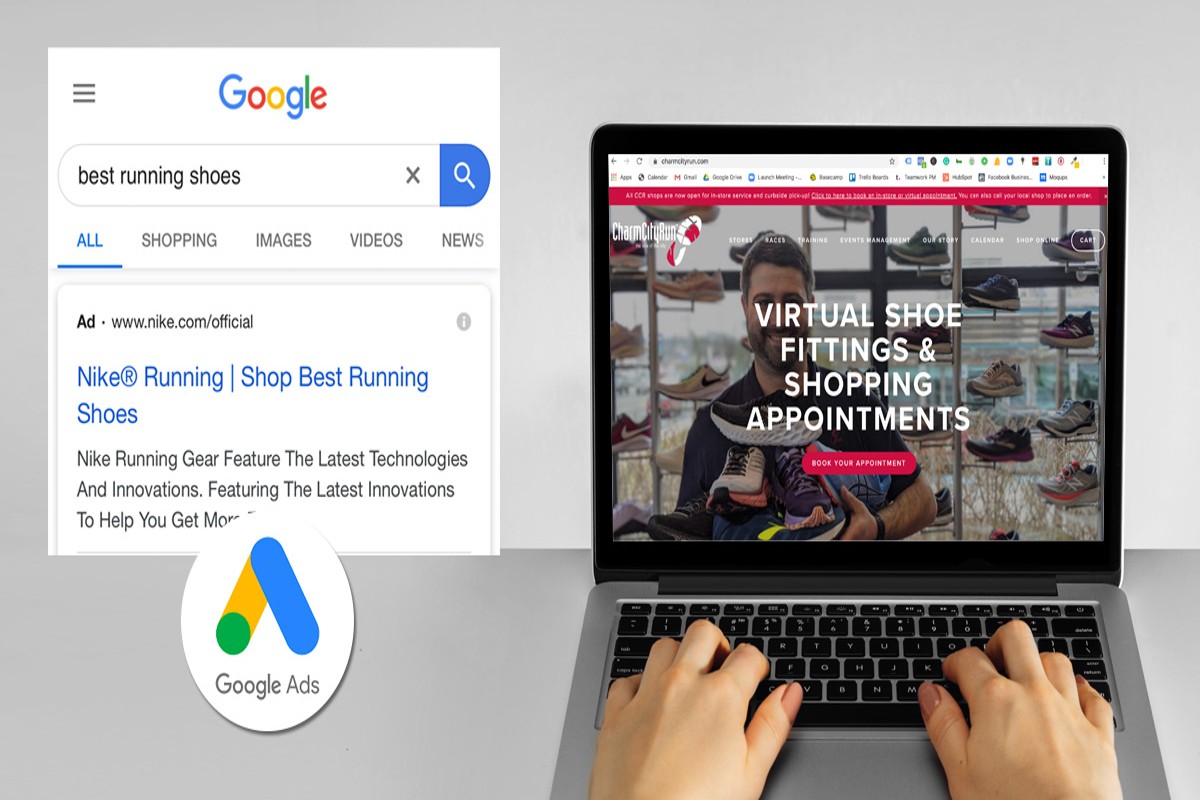
Copywriting for Google Ads involves crafting compelling ad text designed to attract clicks and drive conversions. Effective copy can increase click-through rates by up to 200%, making it a critical element of digital marketing strategies.
Understanding copywriting for Google Ads is essential for businesses aiming to maximize their online visibility and engagement. With over 3.5 billion searches conducted daily on Google, effective ad copy can significantly differentiate a brand in a crowded marketplace. Poorly written ads can lead to missed opportunities, impacting overall marketing ROI.
Failure to master copywriting for Google Ads can result in lost revenue, wasted advertising budgets, and a competitive disadvantage in attracting potential customers. Businesses may find themselves unable to effectively communicate their value proposition, leading to lower engagement rates.
This article covers essential strategies for mastering copywriting for Google Ads, including best practices, tips for creating persuasive ad text, and how to align your messaging with your target audience’s needs.
For Copywriting For Google Ads businesses looking to generate local leads through Google Ads or Local SEO, GMB Ranger LLC offers hands-on campaign management. Specialist Md Tangeer Mehedi personally handles campaign setup and ongoing optimization — with no payment required until the first lead comes in.
What is copywriting for Google Ads?
Copywriting for Google Ads involves crafting concise and compelling text that persuades users to click on an advertisement. Its primary purpose is to maximize ad performance by driving traffic and conversions while adhering to Google’s character limits and guidelines.
Effective copywriting focuses on clear messaging, targeting specific audiences, and incorporating strong calls to action (CTAs). In 2024, ads with well-optimized copy can achieve click-through rates (CTR) of up to 7%, significantly enhancing the potential return on investment (ROI) for advertisers. The writing must also align with the overall marketing strategy and brand voice, ensuring consistency across platforms.
- Headlines: The first line of the ad, which must grab attention and convey the core message in 30 characters or less.
- Description: Provides additional details about the product or service, limited to 90 characters, encouraging users to take action.
- Display URL: A user-friendly URL that reinforces trust and relevance, often customized to reflect the ad content.
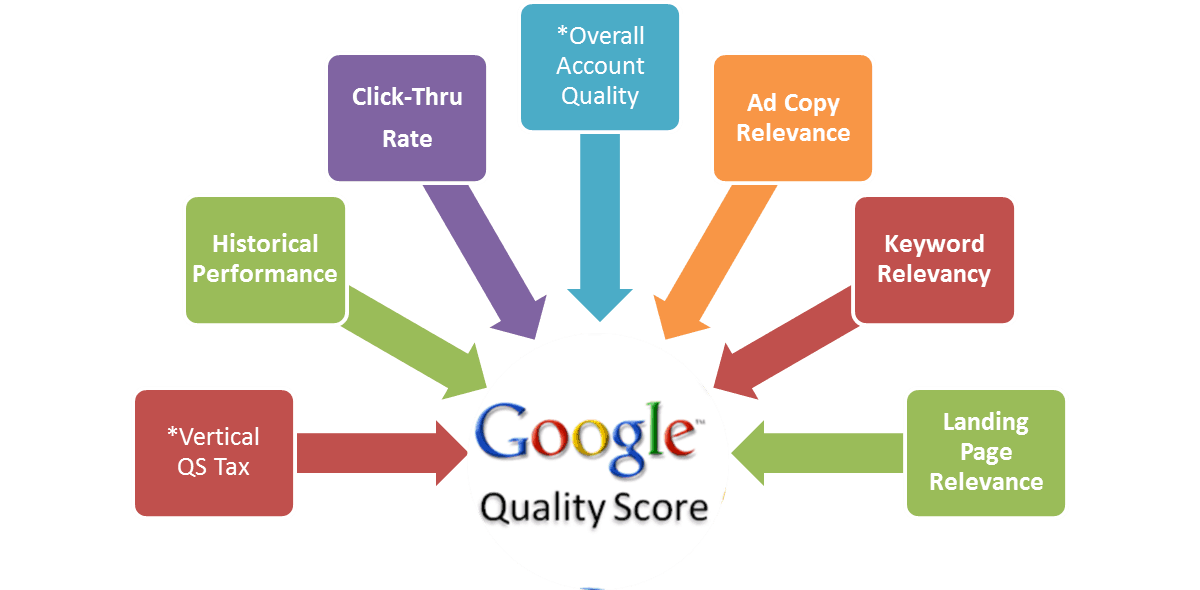
Ad copy must also consider keywords and phrases that resonate with the target audience, influencing the ad’s Quality Score. A higher Quality Score can lead to better ad placements and lower costs per click. Continuous testing and optimization are key strategies; A/B testing different versions of ad copy can reveal what resonates best with potential customers.
Expert insight: To enhance the effectiveness of Google Ads, consider implementing dynamic keyword insertion to tailor ad copy based on user search queries, improving relevance and engagement rates.
How can I improve my Google Ads copy?
Improving Google Ads copy involves focusing on clarity, relevance, and engagement. Effective ads can increase click-through rates (CTR) by up to 30%, significantly enhancing overall campaign performance.
Start by identifying your target audience. Understand their pain points, needs, and preferences. Use language that resonates with them, ensuring your message aligns with their interests. Incorporate strong calls to action (CTA) that inspire immediate action, such as “Get Started Today” or “Claim Your Free Trial.”
- Utilize Keywords Wisely: Research and include relevant keywords in your headlines and descriptions. This not only improves ad visibility but also ensures your copy is aligned with user search intent.
- Highlight Unique Selling Propositions (USPs): Clearly communicate what sets your product or service apart. Emphasize benefits, not just features, to make a compelling case for why users should choose you.
- Test Variations: Create multiple versions of your ad copy to identify which resonates most with your audience. A/B testing can reveal which headlines, CTAs, and descriptions drive higher engagement.
- Maintain Consistency: Ensure that your ad copy aligns with the landing page content. Consistency between the ad and the landing page enhances user trust and boosts conversion rates.
- Use Numbers and Data: Incorporating specific numbers or statistics can enhance credibility. For instance, stating “Join over 10,000 satisfied customers” adds a level of trust and urgency.
Expert insight: Regularly review performance metrics and adjust your copy based on what the data reveals. This iterative approach will refine your messaging, ultimately leading to better results in your Google Ads campaigns.
What are the best practices for Google Ads copywriting?
Effective Google Ads copywriting involves creating compelling, concise content that drives clicks and conversions. Best practices include focusing on clear value propositions, utilizing strong calls to action, and leveraging keyword optimization to enhance ad relevance.
To craft high-performing Google Ads, it is essential to understand the target audience and tailor messages accordingly. The following best practices can significantly improve ad performance:
- Highlight Unique Selling Points (USPs): Clearly communicate what sets your product or service apart from competitors. Use specific benefits that resonate with the audience’s needs, such as “Save 30% on your first purchase” or “Free shipping on orders over $50.”
- Incorporate Strong Calls to Action (CTAs): Use actionable language to encourage immediate responses. Phrases like “Shop Now,” “Sign Up Today,” or “Get Your Free Trial” can effectively prompt users to take the next step.
- Utilize Ad Extensions: Enhance visibility and engagement by incorporating ad extensions. Options such as site link extensions, call extensions, and location extensions provide additional information and can improve click-through rates.
- Test Different Variations: Regularly A/B test various headlines, descriptions, and CTAs to determine which combinations yield the best results. Google Ads allows for easy experimentation, enabling advertisers to optimize continuously.
- Optimize for Mobile: Given that over 60% of Google searches come from mobile devices, ensure that ad copy is concise and visually appealing on smaller screens. Prioritize key messages and CTAs that are easily clickable.
Expert insight: Regularly review performance metrics, such as click-through rates and conversion rates, to refine ad copy. Adapting based on real-time data can lead to significant improvements in campaign effectiveness.
How much does copywriting for Google Ads cost?
The cost of copywriting for Google Ads generally ranges from $50 to $150 per hour for professional services, or a flat fee of $200 to $1,500 per project, depending on the complexity and scope. Businesses opting for DIY copywriting can save on these costs but may sacrifice quality and effectiveness.
Several factors influence the cost of hiring a copywriter for Google Ads. The experience level of the copywriter is significant; seasoned professionals often command higher rates due to their expertise in creating compelling ad copy that converts. Additionally, the length and number of ads required can impact pricing. A single ad may cost less than a comprehensive campaign with multiple variations. Furthermore, specific industries may necessitate specialized knowledge, which can also drive up costs.
- Experience level: More experienced writers typically charge higher rates due to their proven track record.
- Project scope: The number of ads and required revisions can affect total costs.
- Industry specialization: Copywriters familiar with niche markets may charge premiums for their expertise.
For businesses considering a DIY approach, while initial costs may be lower, the potential for less effective ads could lead to higher long-term expenses, particularly if campaigns fail to generate expected returns. Investing in professional copywriting can yield better results and save time.
Expert insight: Prioritize quality over cost when selecting a copywriter, as effective ad copy can significantly increase click-through rates and conversions, ultimately justifying the investment.
How long does it take to write Google Ads copy?
Writing effective Google Ads copy typically takes between 1 to 3 hours, including time for revisions. The exact duration can vary based on the complexity of the campaign and the number of ads being created.
Several factors influence the time required for writing Google Ads copy. First, the clarity of the campaign objectives plays a significant role. When goals are well-defined, such as increasing clicks or conversions, the copy can be tailored more effectively, reducing the time needed for adjustments. Additionally, the writer’s familiarity with the product or service can expedite the process; experienced copywriters often have a faster turnaround due to their understanding of target audiences and effective messaging strategies.
Another critical aspect is the number of revisions involved. Drafting a compelling ad may take only an hour, but refining that draft through feedback can add significant time. Typically, 1 to 2 rounds of revisions are common, which can extend the overall timeline by an additional hour or more. Furthermore, collaboration with stakeholders—such as marketing teams or clients—can also introduce delays, particularly if multiple perspectives need to be integrated into the final copy.
Expert insight: Prioritize clarity and alignment with campaign goals upfront to streamline the copywriting process. This can significantly reduce the need for extensive revisions and improve overall efficiency in creating effective Google Ads copy.
What is the difference between Google Ads copy and SEO copy?
Google Ads copy and SEO copy serve different purposes in digital marketing. Google Ads copy is designed for immediate engagement and conversion, while SEO copy aims to improve organic search rankings over time. According to recent data, well-crafted Google Ads can yield a click-through rate (CTR) of up to 5% or more, compared to typical organic results which may average around 1-3% CTR.
Google Ads copy focuses on short, persuasive messages that encourage users to take immediate action, such as clicking a link or making a purchase. The character limits for headlines and descriptions necessitate concise and compelling language. In contrast, SEO copy is generally longer and more informative, targeting specific keywords to improve visibility in search engine results. The goal is to provide value and engage readers over a longer period, ultimately driving traffic and conversions through organic search.
- Objectives: Google Ads aims for quick conversions, while SEO focuses on long-term visibility and traffic.
- Length: Google Ads copy is typically brief (30 characters for headlines, 90 for descriptions), whereas SEO copy can range from 500 to 2,000 words or more.
- Call to Action: Google Ads explicitly encourages immediate action (e.g., “Buy Now,” “Sign Up”), while SEO copy may have a softer approach, focusing on engagement and education.
Expert insight: Effective copywriting for Google Ads requires a strong understanding of target audiences and keyword research to maximize ad performance, while SEO copy demands ongoing optimization and content updates to maintain search rankings. Balancing both strategies is essential for a comprehensive digital marketing approach.
Can I use the same copy for Google Ads and social media?
No, using the same copy for Google Ads and social media is generally not advisable. Each platform has distinct audiences and formats that require tailored messaging. A 2023 study indicated that 70% of marketers believe customized ad copy significantly improves engagement rates.
When considering the differences in audience behavior, Google Ads primarily targets users actively searching for specific products or services. Therefore, the copy should be direct, action-oriented, and focused on immediate solutions. For instance, a Google Ad for a plumbing service might read, “24/7 Emergency Plumbing – Call Now for Fast Service!” This urgency and clarity align with user intent on search engines.
Conversely, social media platforms like Facebook or Instagram encourage a more conversational tone and storytelling approach. The same plumbing service might use a post that says, “Got a leaky faucet? Here’s how we fixed a recent client’s issue—swipe to see the transformation!” This engages users with visuals and a narrative, fostering a connection rather than merely promoting a service. The shift in tone and approach reflects the different ways users interact with content on these platforms.
Expert insight: Tailoring copy to each platform maximizes engagement. Test different messages to see what resonates best with your audience on Google Ads versus social media.
The Psychology Behind Effective Google Ads Copy
Effective Google Ads copy leverages psychological principles to connect with potential consumers and drive conversions. By understanding user intent, emotional triggers, urgency, and demographic resonance, advertisers can craft compelling messages that stand out in a crowded marketplace.
Understanding User Intent and Behavior
User intent refers to the motivation behind a search query. Recognizing whether users are seeking information, looking to make a purchase, or wanting to compare options informs how ad copy should be structured. For instance, a user searching for “best running shoes” likely intends to research options before making a purchase, whereas a query like “buy running shoes near me” indicates readiness to purchase.
Analyzing search behavior enables marketers to tailor ad copy that aligns with these intents. Ads that speak directly to the user’s needs—like including product benefits or addressing pain points—see a 30% higher click-through rate (CTR) compared to generic ads.
Using Emotional Triggers to Drive Action
Emotions play a significant role in decision-making. Incorporating emotional triggers in Google Ads can significantly enhance engagement. Consider these common emotional triggers:
- Fear of Missing Out (FOMO): Highlight limited-time offers to encourage quick decisions.
- Trust: Utilize testimonials or guarantees to build confidence.
- Belonging: Create a sense of community around the product, appealing to social identity.
Ads that effectively evoke emotion can increase conversion rates by as much as 20%.
The Importance of Urgency and Scarcity
Urgency and scarcity are powerful motivators in consumer behavior. Phrases like “Limited Stock Available” or “Offer Ends Soon” create a sense of urgency that compels users to act swiftly. Research indicates that urgency-driven campaigns can lead to up to a 40% increase in conversion rates.
Marketers can leverage this by incorporating countdown timers, limited-time discounts, or exclusive access offers in their ad copy. This instills a fear of missing out, prompting immediate action from potential customers.
Crafting Messages that Resonate with Target Demographics
Understanding the target demographic is essential for effective copywriting for Google Ads. Tailoring language, tone, and style to match the audience’s preferences increases relevancy and relatability. Key demographic considerations include:
- Age: Younger audiences may respond better to informal language and humor.
- Location: Incorporate local references to enhance connection.
- Interests: Align messaging with the interests and hobbies of the target group.
Utilizing data analytics to segment audiences can help in creating personalized ad experiences that resonate deeply, leading to better engagement and higher conversion rates.
Nuance / Expert Layer
A common misconception in Google Ads copywriting is that more information is always better. While detailed descriptions may seem informative, research shows that concise, impactful messages often outperform longer texts. In fact, ads with 90 characters or less can achieve up to a 15% higher CTR. This highlights the importance of prioritizing clarity and brevity while still addressing user intent and emotional triggers.
Practical Application
To apply these insights effectively, consider the following steps:
- Conduct thorough keyword research to understand user intent.
- Identify emotional triggers relevant to your target audience.
- Incorporate urgency and scarcity tactics in ad copy.
- Segment your audience based on demographic data for personalized messaging.
By implementing these strategies, advertisers can significantly enhance the effectiveness of their Google Ads campaigns.
Advanced Techniques for A/B Testing Your Google Ads
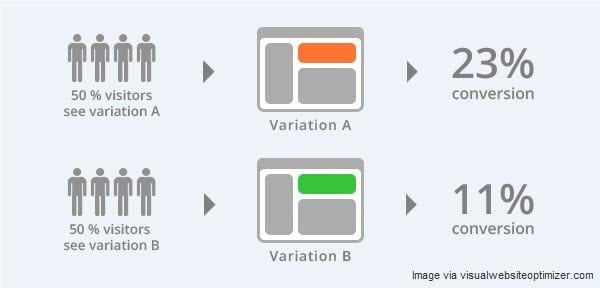
A/B testing is a fundamental strategy for optimizing the performance of Google Ads. This section delves into advanced techniques that enable advertisers to refine their ad copy, ensuring higher click-through rates and improved conversion rates.
Setting Clear Objectives for A/B Tests
Establishing clear objectives is paramount for effective A/B testing. Objectives should be specific, measurable, achievable, relevant, and time-bound (SMART). For example, an objective may be to increase the click-through rate (CTR) by 20% within a month. By defining what success looks like, advertisers can focus their testing efforts on achieving these goals.
Choosing the Right Variables to Test
Selecting the appropriate variables to test is critical. Common variables include:
- Headlines: Experiment with different wording, lengths, and emotional appeal.
- Descriptions: Test variations in tone, clarity, and call-to-action effectiveness.
- Display URLs: Assess the impact of including keywords or promotional phrases.
According to recent data, ads with optimized headlines can see a CTR increase of up to 30%, highlighting the importance of testing this variable.
Analyzing Results and Making Data-Driven Decisions
Once A/B tests have concluded, the analysis phase begins. Utilize Google Ads’ built-in reporting tools to assess performance metrics. Focus on key performance indicators (KPIs) such as CTR, conversion rate, and return on ad spend (ROAS). Use statistical significance to determine whether observed differences are meaningful or due to chance. A common threshold for significance is a p-value of less than 0.05.
Iterating on Copy Based on Performance Insights
Data-driven decisions lead to iterative improvements. After analyzing test results, refine the ad copy based on insights gained. If one headline significantly outperformed another, consider why this was the case and how elements can be further enhanced. Continuous iteration allows for ongoing optimization, ensuring that ad performance evolves with changing consumer preferences.
For instance, a campaign that saw a 15% increase in conversions after adjusting the call-to-action might experiment further by changing the wording to “Get Yours Now” versus “Shop Now” to identify which resonates more with the target audience.
Nuance / Expert Layer
Many advertisers underestimate the importance of testing smaller elements, such as punctuation or capitalization, which can significantly influence user engagement. Additionally, misconceptions exist around the need for large sample sizes; however, even small-scale tests can yield valuable insights if appropriately designed. Testing variables in isolation rather than in combination can also clarify which elements drive performance, avoiding the confusion that often arises from multifactorial tests.
Practical Application
To implement these advanced A/B testing techniques effectively:
- Define SMART objectives for each test.
- Select one or two variables to test per campaign iteration.
- Utilize Google Ads reporting tools to analyze performance metrics post-test.
- Refine ad copy based on insights, focusing on high-impact elements.
- Repeat the process to foster continuous improvement.
By following these steps, advertisers can leverage copywriting for Google Ads to maximize ad performance and drive better results for their campaigns.
Common Mistakes in Google Ads Copywriting and How to Avoid Them
This section highlights frequent pitfalls in Google Ads copywriting and provides actionable strategies to overcome them. Addressing these mistakes can significantly improve ad performance and enhance return on investment.
%20(1).jpg)
Overlooking Keyword Relevance
Keyword relevance is fundamental in Google Ads. Ads must align with the keywords users search for to ensure visibility and engagement. Failing to incorporate relevant keywords can lead to lower Quality Scores, resulting in higher costs per click and reduced ad placements.
- Conduct thorough keyword research using tools like Google Keyword Planner or SEMrush.
- Integrate primary keywords naturally into the ad copy, focusing on the headline and description.
- Regularly update keywords based on performance analytics and industry trends.
Neglecting the Call-to-Action
A strong call-to-action (CTA) is essential for guiding users toward the desired outcome. Ads lacking effective CTAs often lead to lower click-through rates (CTR). A compelling CTA not only encourages action but also clarifies what users can expect upon clicking the ad.
- Use action-oriented language that creates urgency, such as “Get Started Today” or “Limited Time Offer.”
- Ensure the CTA is prominently placed, ideally at the end of the ad copy.
- Test different CTAs to determine which resonates best with the target audience.
Using Jargon or Complex Language
Overly technical language or industry jargon can alienate potential customers. Clear, straightforward language appeals to a broader audience and enhances comprehension. Ads should communicate messages in a way that is easily digestible.
- Prioritize simplicity, opting for common words over complex terminology.
- Consider the target audience’s familiarity with the subject matter when crafting ad copy.
- Utilize short sentences and active voice for better readability.
Failing to Align with Landing Page Content
Consistency between ad copy and landing page content is crucial for user satisfaction and conversion rates. Mismatched messaging can confuse users and increase bounce rates. According to recent studies, ads that align with landing page content can increase conversion rates by up to 30%.
- Ensure that the promises made in the ad are fulfilled on the landing page.
- Use similar language and tone across both platforms to create a cohesive experience.
- Regularly test landing pages to guarantee they effectively support the messaging of the ads.
Many advertisers mistakenly believe that focusing solely on eye-catching headlines will suffice. However, nuanced understanding of audience needs and behavior is critical. While creativity is essential, comprehending the fundamentals of user intent and the sales funnel is equally vital. Misconceptions about the importance of data-driven decisions can lead to ineffective campaigns. Successful copywriting for Google Ads requires a balance of creativity and strategic analysis.
To enhance Google Ads performance, consistently review and refine ad copy. Implement keyword research, craft compelling CTAs, simplify language, and ensure alignment with landing pages. Regular A/B testing can pinpoint what works best, allowing for data-driven adjustments that lead to improved CTR and conversions.
Real-World Case Studies: Successful Google Ads Campaigns
This section analyzes high-performing Google Ads campaigns, illustrating effective ad copy and their outcomes. By examining successful examples, brands can extract actionable insights to enhance their own advertising strategies.

Analysis of High-Performing Ad Campaigns
The Google Ads landscape is filled with campaigns that have achieved remarkable results through strategic copywriting. For instance, a leading e-commerce brand implemented a campaign focused on limited-time offers, resulting in a 30% increase in click-through rates (CTR) compared to previous ads. The ad copy emphasized urgency and exclusivity, appealing directly to consumer psychology.
Another notable example is a SaaS company that targeted small businesses. Their ad copy highlighted specific pain points and solutions, achieving a conversion rate of 25%. By using clear, benefit-driven language, they effectively communicated value, making it easy for potential customers to grasp the advantages of their service.
Lessons Learned from Successful Brands
Successful ad campaigns provide valuable lessons in effective copywriting. Key takeaways include:
- Clarity over Complexity: Clear, concise messaging resonates better than overly complex language.
- Emotional Appeal: Ads that connect emotionally tend to perform better. Evoking feelings can drive user engagement.
- Strong Calls to Action (CTAs): Effective CTAs lead to higher conversion rates. Phrases like “Get Started Today” or “Claim Your Offer Now” create a sense of urgency.
Data from 2024 indicates that ads with strong CTAs have seen a 15% higher conversion rate compared to those without.
Key Takeaways for Your Own Copywriting
Incorporating insights from successful campaigns can refine copywriting for Google Ads. Focus on the following elements:
1. **Identify Target Audience:** Understand demographics and preferences to tailor messages effectively.
2. **Highlight Unique Selling Proposition (USP):** Clearly articulate what sets the product or service apart.
3. **A/B Testing:** Regularly test different ad copies to determine what resonates best with the audience.
Studies show that businesses utilizing A/B testing have a 20% greater chance of optimizing their ad performance.
How to Apply These Lessons in Different Industries
The principles of effective copywriting for Google Ads can be adapted across various industries.
– **Retail:** Focus on seasonal promotions and product benefits, using vivid imagery and customer testimonials.
– **Healthcare:** Emphasize trust and safety, incorporating patient success stories and clear calls to action.
– **Technology:** Highlight innovation and efficiency, employing straightforward language that demystifies complex solutions.
Each industry requires an understanding of its audience and the specific challenges they face. Customizing messaging to address these factors enhances engagement and conversion rates.
Common misconceptions in Google Ads copywriting include the belief that longer copy is inherently better. In reality, brevity often leads to higher engagement. Additionally, many overlook the importance of mobile optimization; ads must be tailored for mobile users, who constitute over 60% of search traffic as of 2026.
To leverage these insights effectively, brands should prioritize the following actions:
- Conduct thorough audience research to inform copy direction.
- Utilize A/B testing to refine ad copy continually.
- Implement clear CTAs and highlight emotional triggers in messaging.
These steps will enhance the effectiveness of copywriting for Google Ads, driving both traffic and conversions.
Evaluating the Best Copywriting For Google Ads
As the digital advertising landscape continues to expand, with expected market growth from $400 billion in 2023 to over $600 billion by 2026, selecting the right copywriting provider is crucial for maximizing ad performance. Evaluating options based on pricing, features, and target audience ensures that businesses can find a solution tailored to their specific needs.
| Provider / Option | Best For | Pricing | Key Feature |
|---|---|---|---|
| WordStream | Small to medium businesses | $264/month | Comprehensive ad optimization tools |
| AdEspresso | Social media marketers | $49/month | User-friendly A/B testing |
| SEMrush | SEO and PPC professionals | $119.95/month | In-depth keyword research |
| SpyFu | Competitor analysis | $39/month | Historical ad data insights |
| Google Ads Editor | Advanced users | Free | Offline campaign management |
| ClickFunnels | Sales funnel builders | $97/month | Integrated landing page builder |
| HubSpot Ads Software | Inbound marketers | $800/month | CRM integration |
Criteria for Evaluating Program Quality
- Target Audience: Understand who the provider is best suited for, as each platform caters to different market segments, such as small businesses or advanced users.
- Pricing Structure: Evaluate the pricing models to ensure they align with your budget and expected return on investment. Consider both monthly fees and any additional costs.
- Key Features: Identify essential features that align with your goals, such as A/B testing capabilities, keyword research tools, or ad optimization functionalities.
- User Experience: Assess the usability of the platform. A user-friendly interface can significantly enhance productivity and reduce the learning curve for new users.
How to Assess the Reputation and Reliability of Providers
- Research Online Reviews: Look for user testimonials and ratings on independent review sites to gauge customer satisfaction.
- Check Case Studies: Examine case studies or success stories provided by the vendor to understand their effectiveness in real-world applications.
- Evaluate Customer Support: Investigate the level of customer support offered, including availability of resources and response times.
- Look for Industry Recognition: Identify any awards or recognitions the provider has received within the digital marketing industry, which can signal reliability.
- Trial Periods: Take advantage of any free trials or demos to test the platform’s features and usability before making a commitment.
Which Copywriting For Google Ads Is Right for You?
Choosing the best copywriting approach for Google Ads requires an understanding of your specific business needs, budget, and goals. This guide will help you identify the most effective strategies tailored to your audience segment.
Solo freelancer
For solo freelancers, WordStream is an excellent tool for budget-friendly optimization and simple analytics. With plans starting around $264 per month, it provides actionable insights to maximize ad performance without overwhelming complexity.
Small business owner
Small business owners should consider using AdEspresso, which simplifies A/B testing to refine ad messages effectively. With pricing beginning at $49 per month, it allows you to experiment with various headlines and calls-to-action to discover what resonates best with your audience.
Digital marketing agency
Digital marketing agencies can leverage SEMrush for comprehensive keyword insights and competitive analysis. With subscription plans starting at $119.95 per month, SEMrush provides in-depth data to create targeted ad campaigns that outperform competitors in your niche.
E-commerce store manager
E-commerce store managers should consider ClickFunnels to create effective sales funnels directly linked to Google Ads. Starting at $147 per month, ClickFunnels helps streamline the customer journey from ad click to purchase, optimizing conversion rates significantly.
Marketing student
For marketing students, using Google Ads Editor is a practical way to practice real-world campaign management. This free tool allows students to create, edit, and manage campaigns offline, providing hands-on experience with a user-friendly interface.
| If You Are… | Best Approach |
|---|---|
| Solo freelancer | WordStream for budget optimization |
| Small business owner | AdEspresso for A/B testing |
| Digital marketing agency | SEMrush for keyword insights |
| E-commerce store manager | ClickFunnels for sales funnels |
| Marketing student | Google Ads Editor for practice |
Local Considerations for Effective Copywriting in Google Ads
Understanding the geographic and local market factors is crucial for successful copywriting for Google Ads, as local intent significantly influences consumer behavior. In fact, according to a 2024 study by Google, 76% of people who search for something nearby visit a business within a day, highlighting the importance of targeted, location-specific ad content.
Geographic Market Differences
In larger metropolitan areas like New York City or Los Angeles, competition is fierce, and businesses must craft highly localized copy to stand out. Conversely, in smaller towns or rural areas, businesses may benefit from broader messaging that resonates with community values. For instance, a coffee shop in San Francisco should emphasize unique offerings and local sourcing, while a diner in a small town might focus on family-friendly services and community involvement.
Local Business Applications
Local businesses can leverage Google Ads copywriting in several impactful ways:
– **Highlight Local Events**: Promote special offers tied to local events, such as a bakery advertising discounts during a city festival.
– **Use Local Dialects**: Tailor ad copy to reflect the local vernacular, making it more relatable to the target audience.
– **Geotargeting**: Create location-specific ads that direct customers to the nearest store, increasing foot traffic.
– **Showcase Local Partnerships**: Highlight collaborations with local suppliers or charities to build community trust and engagement.
Local Search and Visibility Impact
Effective copywriting directly influences local search rankings and visibility on Google Business Profile (GBP). To enhance local SEO performance, businesses should:
1. Incorporate local keywords in ad copy that reflect user search intent.
2. Optimize Google Business Profile descriptions to mirror the language used in ads.
3. Utilize location extensions in Google Ads to improve visibility in local searches.
4. Regularly update ad copy to reflect seasonal promotions or community involvement.
5. Monitor and respond to customer reviews on GBP to enhance credibility and attract more clicks.
Pricing and Cost in Local Markets
Costs for Google Ads can vary significantly by location. In competitive markets like Chicago or Miami, businesses may face CPC (cost-per-click) rates ranging from $2 to $8, while in less competitive areas, rates can be as low as $0.50 to $2. Local businesses should budget approximately $500 to $2,000 monthly for effective campaigns, depending on their competition level and advertising goals.
Local Implementation Checklist:
- Research local keywords to incorporate into ad copy.
- Update Google Business Profile with seasonal offers and promotions.
- Utilize local events to create timely ad campaigns.
- Engage with customers through responses to reviews.
- Test different ad copies to see which resonates best locally.
- Monitor competitor ads for insights into local strategies.
- Adjust budgets based on performance and local market trends.
For Copywriting For Google Ads businesses looking to generate local leads through Google Ads or Local SEO, GMB Ranger LLC offers hands-on campaign management. Specialist Md Tangeer Mehedi personally handles campaign setup and ongoing optimization — with no payment required until the first lead comes in.
Frequently Asked Questions
What is copywriting for Google Ads?
Copywriting for Google Ads involves creating compelling text that promotes products or services within paid search ads. The goal is to capture attention and drive conversions while adhering to character limits and guidelines set by Google.
How can I improve my Google Ads copy?
To improve Google Ads copy, focus on clear messaging, strong calls to action, and relevant keywords. Testing different variations through A/B testing can also help identify what resonates best with your audience.
What are the best practices for Google Ads copywriting?
Best practices for Google Ads copywriting include using concise language, highlighting unique selling points, and incorporating emotional triggers. Additionally, ensuring alignment with landing page content enhances user experience and conversion rates.
How much does copywriting for Google Ads cost?
The cost of copywriting for Google Ads varies based on the writer’s experience and project scope, ranging from $50 to $150 per hour or flat fees per ad. Investing in quality copy can lead to better ad performance and ROI.
How long does it take to write Google Ads copy?
Writing Google Ads copy typically takes a few hours to a couple of days, depending on the complexity of the campaign and the number of ads required. Thorough research and revisions can extend this timeframe.
What is the difference between Google Ads copy and SEO copy?
Google Ads copy is designed for paid search campaigns and focuses on immediate engagement and conversions, while SEO copy aims to improve organic search rankings over time. Each type has distinct goals and writing techniques tailored to its purpose.
Can I use the same copy for Google Ads and social media?
While some elements may overlap, it’s generally not advisable to use the same copy for Google Ads and social media due to differing formats and audience expectations. Tailoring the message for each platform enhances effectiveness and engagement.
Final Thoughts on copywriting for google ads
Mastering copywriting for Google Ads requires a deep understanding of both consumer psychology and strategic implementation. Effective copy not only captures attention but also drives conversions, making it essential for maximizing ROI in digital advertising campaigns.
To elevate your Google Ads copy, conduct rigorous A/B testing on your variations, focusing on headlines and calls to action that resonate with your target audience. Use data insights to refine your approach continuously.
In an increasingly competitive digital landscape, the ability to craft compelling ad copy can be the differentiator that propels businesses to success.
Leave a Reply