
What are google ads for B2B?
Google Ads for B2B refers to the use of paid advertising on Google’s platform specifically targeted at business customers. When optimized effectively, this approach can yield a remarkable 200% return on investment (ROI). Key strategies include precise keyword targeting and the implementation of remarketing techniques.
Understanding google ads for B2B is crucial for businesses aiming to enhance their online presence and drive sales. With the B2B digital advertising market expected to reach $8.6 billion by 2025, companies that fail to leverage these tools risk losing out on significant opportunities to connect with potential clients. Missteps in this realm can lead to inefficient ad spend and missed leads.
Failure to master Google Ads for B2B can result in substantial financial losses, wasted marketing resources, and a competitive edge for rival companies that effectively utilize these strategies. Businesses must recognize the importance of a well-structured approach to avoid falling behind in the digital landscape.
This article will provide a comprehensive overview of effective strategies for Google Ads in B2B contexts, including a comparison of top providers, a detailed cost breakdown, best practices for optimization, and insights into leveraging local SEO for targeted advertising.
For B2B businesses looking to generate local leads through Google Ads or Local SEO, GMB Ranger LLC offers hands-on campaign management. Specialist Md Tangeer Mehedi personally handles campaign setup and ongoing optimization — with no payment required until the first lead comes in.
What are Google Ads for B2B?
google ads for B2B refers to the use of Google’s advertising platform to promote business-to-business products and services. This strategy leverages targeted advertising to reach decision-makers and professionals within specific industries, ultimately driving lead generation and conversions.
In the B2B sector, Google Ads can be particularly effective due to the platform’s extensive reach and detailed targeting capabilities. Businesses can tailor their campaigns to focus on specific demographics, interests, and behaviors, ensuring that their ads are seen by the right audience. For instance, 70% of B2B buyers conduct online research before making a purchase, highlighting the importance of a strong online presence.
- Search Ads: These ads appear on Google search results when users query relevant keywords, allowing businesses to capture potential clients actively seeking their services.
- Display Ads: Visual ads that appear on websites within the Google Display Network, helping to increase brand awareness among target audiences.
- Video Ads: Ads that run on platforms like YouTube, which can be effective for storytelling and showcasing products or services in a compelling way.
Effective Google Ads campaigns for B2B should focus on clear messaging, precise targeting, and measurable objectives. Utilizing tools like conversion tracking and A/B testing can help optimize campaigns for better performance. Additionally, crafting landing pages that resonate with the target audience can significantly improve conversion rates.
Expert insight: To maximize the effectiveness of Google Ads for B2B, regularly analyze campaign performance metrics and adjust strategies based on data-driven insights. This iterative approach ensures that advertising efforts remain aligned with evolving market demands and audience preferences.
How do I set up Google Ads for my B2B business?
To set up Google Ads for a B2B business, create a Google Ads account, define your campaign goals, and select appropriate keywords. Following these steps will help you effectively reach your target audience in the competitive B2B landscape.
Begin by creating a Google Ads account at ads.google.com. Choose between different campaign types, such as Search, Display, or Video, depending on where your audience is most active. For B2B, Search campaigns are often the most effective, as they target users actively searching for specific solutions. Once your account is set up, identify your campaign goals, like increasing leads or brand awareness, which will guide your strategy.
- Conduct Keyword Research: Use tools like Google Keyword Planner to identify keywords relevant to your offerings. Focus on long-tail keywords that reflect B2B intent, such as “enterprise software solutions” rather than just “software.”
- Create Targeted Ad Groups: Organize your keywords into tightly themed ad groups. Each ad group should focus on a specific product or service to improve relevancy and click-through rates.
- Write Compelling Ad Copy: Develop ad copy that clearly communicates your value proposition. Highlight unique features, benefits, and a strong call-to-action that encourages potential clients to engage.
- Set a Budget and Bidding Strategy: Determine your budget based on your expected return on investment. Consider using automated bidding strategies like Target CPA to optimize for conversions.
- Implement Conversion Tracking: Set up conversion tracking to measure the effectiveness of your ads. This will help you analyze which keywords and ads drive the most valuable actions, such as form submissions or demo requests.
Once your campaign is live, continuously monitor its performance. Adjust keywords, ad copy, and bidding strategies based on real-time data to maximize results. Regular testing of different ad variations can also identify what resonates best with your B2B audience.
Expert insight: Utilize remarketing strategies to target users who have previously engaged with your site. This approach can significantly enhance conversion rates by keeping your brand top-of-mind for potential clients.
What is the average cost of Google Ads for B2B?
The average cost of Google Ads for B2B companies typically ranges from $2 to $10 per click, depending on various factors. In some highly competitive industries, costs can exceed $20 per click. This pricing structure reflects the competitive landscape of B2B advertising and the specific targeting options available.
Several factors influence the cost of Google Ads for B2B campaigns, including:
- Industry Competition: Industries with high competition, such as technology or finance, often see higher CPC (cost per click) rates.
- Target Audience: The specificity of the target audience can significantly affect costs. Narrow targeting often leads to higher CPC due to increased competition for that audience.
- Ad Quality Score: Google assigns a Quality Score based on the relevance of the ad, keywords, and landing page experience. Higher scores can reduce costs.
- Geographic Targeting: Costs can vary based on the geographic locations targeted. Urban areas may have higher CPCs due to increased competition.
- Ad Format: Different ad formats, such as text ads, display ads, or video ads, come with varying costs. Display ads may have lower CPCs compared to search ads.
Understanding these factors can help B2B marketers better plan their budgets and optimize their campaigns. Additionally, utilizing tools like Google Keyword Planner can provide insights into estimated costs for specific keywords, aiding in strategic planning.
Expert insight: To maximize ROI, B2B companies should focus on improving their ad relevance and landing page quality, as these improvements can lead to lower costs and better performance in Google Ads campaigns.
What are the best practices for Google Ads in B2B?
Implementing effective Google Ads for B2B requires a strategic approach tailored to the unique characteristics of business buyers. Research indicates that B2B businesses can achieve a conversion rate of up to 10% with well-optimized campaigns. Key best practices include precise targeting, compelling ad copy, and continuous performance analysis.
To optimize Google Ads for B2B, consider the following best practices:
- Define Your Target Audience: Utilize detailed targeting options such as industry, company size, and job titles to reach decision-makers. Leverage Customer Match and similar audiences to refine your targeting based on existing customer data.
- Create Specific Ad Groups: Organize campaigns into tightly themed ad groups that focus on specific services or products. This allows for more relevant ad copy and landing pages, improving Quality Score and ad performance.
- Utilize Ad Extensions: Enhance ad visibility and click-through rates by using ad extensions like sitelinks, callouts, and structured snippets. These provide additional information and options, which can lead to higher engagement.
- Optimize Landing Pages: Ensure that landing pages are aligned with ad copy and provide a seamless user experience. Fast loading times, clear calls to action, and relevant content are crucial for converting clicks into leads.
- Monitor and Adjust Regularly: Use A/B testing to evaluate different ad copies, keywords, and landing page designs. Regularly review performance metrics to identify areas for improvement and adjust bids and budgets accordingly.
Expert insight: Focus on long-tail keywords that reflect the specific needs and pain points of your target audience. This can lead to higher-quality leads and lower competition, resulting in a more cost-effective advertising strategy.
How does Google Ads for B2B compare to LinkedIn Ads?
Google Ads for B2B and LinkedIn Ads serve distinct purposes in the digital marketing landscape. Google Ads focuses on intent-driven search marketing, while LinkedIn Ads are tailored for professional networking and B2B targeting. In 2024, 73% of B2B marketers indicated they preferred Google Ads for lead generation due to its broad reach and targeting capabilities.
Google Ads operates primarily on a pay-per-click (PPC) model, allowing businesses to reach potential customers actively searching for relevant terms. This platform excels in capturing high-intent traffic, making it effective for immediate conversions. In contrast, LinkedIn Ads leverage detailed demographic and firmographic data, enabling businesses to target specific industries, job titles, and company sizes. This makes LinkedIn particularly valuable for brand awareness and relationship building, despite generally higher costs per click.
- Targeting Capabilities: Google Ads targets users based on keywords and search intent, while LinkedIn focuses on user profiles and professional behaviors.
- Cost Structure: Google Ads typically has a lower cost per click but may result in varying conversion rates; LinkedIn Ads usually have higher costs but can lead to more qualified leads.
- Content Type: Google Ads favors text-based and display ads, suitable for quick engagement; LinkedIn Ads support rich content formats, including sponsored content and InMail, fostering deeper interactions.
Ultimately, the choice between Google Ads and LinkedIn Ads for B2B marketing depends on specific campaign goals. For businesses prioritizing immediate sales and conversion, Google Ads may be more effective. Conversely, companies looking to enhance their brand presence and build long-term relationships should consider LinkedIn.
Expert insight: Successful B2B marketing often involves a blended approach, utilizing both platforms to capture leads at different stages of the buyer’s journey.
How long does it take to see results from Google Ads for B2B?
Typically, businesses can expect to see measurable results from Google Ads campaigns within 3 to 6 months. However, this timeline can vary significantly based on several factors, including industry, competition, and campaign optimization.
Several nuances influence the time it takes to see results. First, the complexity of the B2B sales cycle plays a crucial role. B2B transactions often involve multiple stakeholders and longer decision-making processes, which can delay the visibility of results. Additionally, industries with high competition may require more time to optimize ad performance and achieve a favorable return on investment (ROI). Campaigns targeting niche markets might see results more quickly, as the audience is more defined and can be reached effectively.
Another critical factor is the initial setup of the campaign. Well-structured campaigns with targeted keywords and compelling ad copy can yield faster results. Effective use of landing pages that align with ad content also contributes to quicker conversions. Conversely, poorly optimized campaigns may take longer to generate traction. Regular monitoring and adjustments based on performance analytics are essential to enhance results over time.
Expert insight: For B2B companies, investing in a robust keyword strategy and continuously refining ad targeting can significantly accelerate the timeline for achieving measurable results in Google Ads campaigns.
Advanced Targeting Techniques for B2B Google Ads
This section delves into sophisticated targeting strategies that enhance the effectiveness of B2B campaigns on Google Ads. By employing advanced targeting techniques, businesses can significantly improve ad relevance and engagement with their intended audience.

Utilizing Custom Audiences for Precise Targeting
Custom audiences enable advertisers to reach specific groups based on their own data. This can include customer lists, website visitors, or app users. By integrating these lists into Google Ads, businesses can deliver tailored ads that resonate more with potential clients. For example, a B2B company can upload a list of existing customers to create a lookalike audience, targeting new prospects with similar characteristics. This approach has shown to increase conversion rates by up to 25% in targeted campaigns.
Leveraging In-Market and Affinity Audiences
In-market audiences consist of users actively searching for products or services similar to what a business offers. By targeting these individuals, B2B companies can engage prospects who are further along in the buying cycle. Affinity audiences, on the other hand, help brands connect with users based on shared interests and habits. Combining both audience types allows for a more comprehensive targeting strategy, reaching individuals who are not only interested but also ready to make purchasing decisions.
- In-Market Audiences: Focus on users actively researching and considering purchases.
- Affinity Audiences: Target users based on lifestyle interests and long-term engagement.
- Combined Targeting: Use both to maximize reach and relevance.
Implementing Negative Keywords to Refine Reach
Negative keywords are essential for filtering out irrelevant traffic. By specifying terms that are not relevant to the business, advertisers can prevent their ads from appearing for unrelated searches. This tactic is particularly valuable in B2B environments where the cost-per-click can be high. Effective use of negative keywords can reduce wasted spend by up to 30%, ensuring that budgets are allocated efficiently and that ads reach the intended audience.
Using Remarketing Lists for Tailored Ads
Remarketing is a powerful technique for B2B advertisers, allowing them to re-engage users who have previously interacted with their website or ads. By creating remarketing lists, businesses can tailor their ads based on user behavior, such as pages viewed or actions taken. This personalized approach often results in higher click-through rates, as it targets users who have already shown interest in the products or services offered.
Nuance / Expert Layer
One common misconception in B2B Google Ads is that broad targeting is always beneficial. In reality, overly broad targeting can dilute campaign effectiveness and lead to increased costs. Advanced targeting techniques, such as custom audiences and negative keywords, are crucial for achieving optimal performance. Additionally, understanding the specific needs and pain points of B2B clients allows for more relevant ad creation, further enhancing engagement and conversion rates.
Practical Application
To implement these advanced targeting techniques in your B2B Google Ads campaigns, follow these steps:
- Identify and create custom audiences based on your existing customer data.
- Research and select relevant in-market and affinity audiences that align with your offerings.
- Compile a list of negative keywords to filter out irrelevant traffic effectively.
- Set up remarketing lists to re-engage previous visitors with tailored ads.
By strategically applying these methods, B2B marketers can enhance their ad relevance, optimize budgets, and ultimately drive more qualified leads to their business.
Common Mistakes to Avoid in B2B Google Ads
Effective Google Ads campaigns for B2B must avoid key pitfalls that can severely impact their success. This section outlines common mistakes that hinder visibility, conversion tracking, and overall campaign effectiveness.
Ignoring Ad Extensions for Additional Visibility
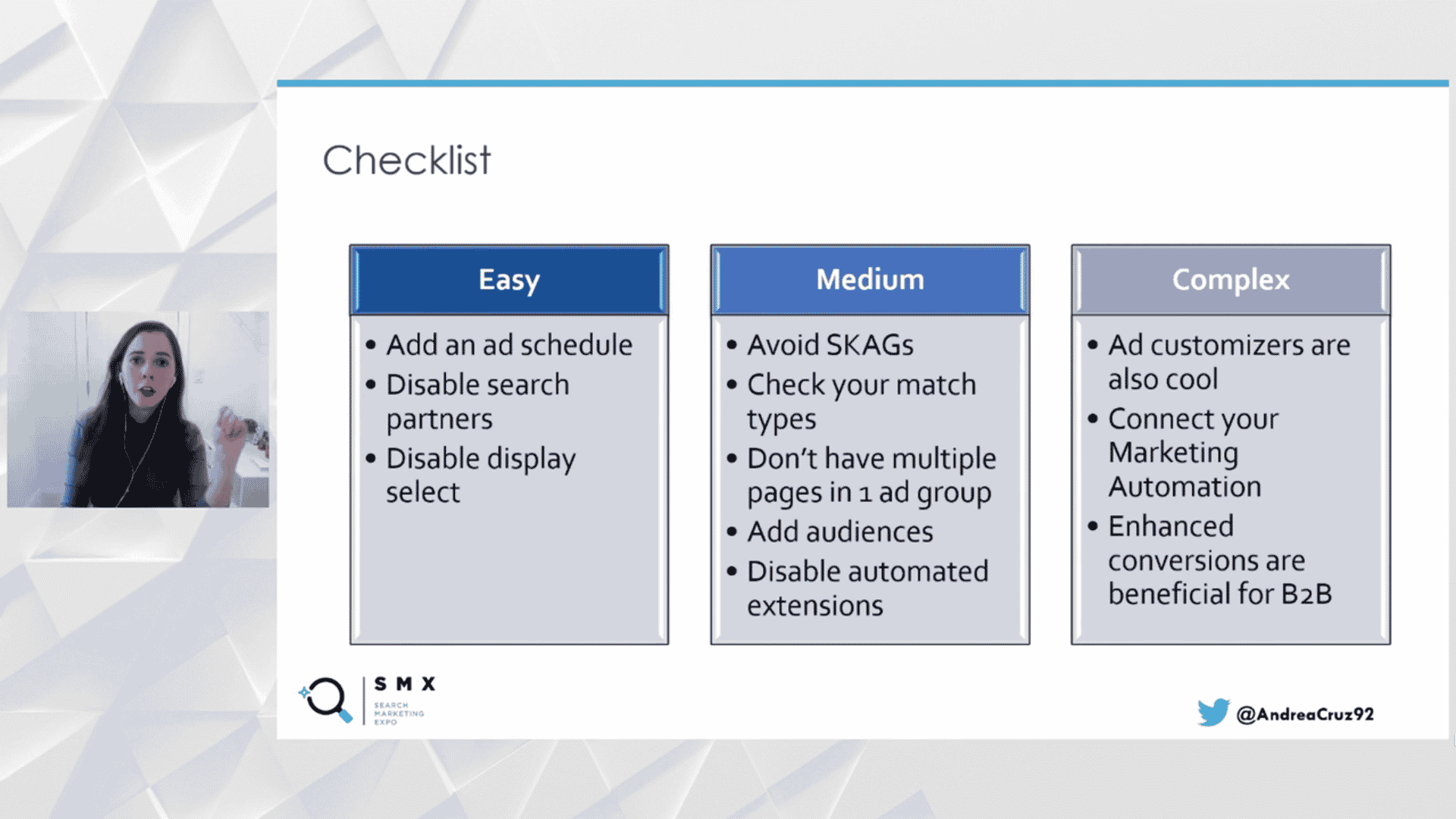
Ad extensions enhance the visibility and performance of Google Ads by providing additional information to potential clients. Types of ad extensions include callouts, sitelinks, and structured snippets. According to recent studies, campaigns utilizing ad extensions can experience up to a 30% increase in click-through rates (CTR). Failing to implement these tools limits the chances of standing out in competitive B2B environments.
Failing to Track Conversions Accurately
Accurate conversion tracking is essential for evaluating the effectiveness of a Google Ads campaign. Without it, businesses may misinterpret data, leading to misguided strategies. Common tracking issues include incorrect implementation of tracking codes and neglecting to define clear conversion goals. In 2024, companies that effectively track conversions reported a 25% higher ROI compared to those that did not. Implementing tools like Google Analytics and ensuring proper attribution models are in place can significantly enhance data accuracy.
Not Optimizing Landing Pages for Lead Generation
Landing pages play a critical role in converting clicks into leads. If landing pages are not optimized for lead generation, the effectiveness of Google Ads diminishes. Key elements of a successful landing page include a clear value proposition, concise content, and prominent calls-to-action (CTAs). Research shows that landing pages with a single CTA can boost conversions by up to
220%. Regular A/B testing of landing page elements is crucial to identify what resonates with the target audience.
Overlooking Mobile Optimization
With mobile devices accounting for over 60% of B2B web traffic in 2025, neglecting mobile optimization can result in lost opportunities. Ads and landing pages must be designed to deliver a seamless experience across devices. This includes responsive design, quick loading times, and easy navigation. Businesses that prioritize mobile optimization can expect a significant increase in engagement and conversion rates.
Many B2B marketers mistakenly believe that desktop optimization is sufficient, overlooking the substantial traffic originating from mobile. This can lead to a disconnect with a significant portion of their audience, ultimately hampering campaign performance.
To avoid these mistakes, B2B marketers should take the following actions:
- Incorporate ad extensions in every campaign to improve visibility.
- Set up and regularly review conversion tracking to ensure data integrity.
- Continuously optimize landing pages through A/B testing and user feedback.
- Implement responsive design for all ads and landing pages to enhance mobile user experience.
Real-World Case Studies of Successful b2b google ads Campaigns
This section examines real-world examples of B2B companies that have effectively utilized Google Ads to achieve significant business objectives. These case studies illustrate diverse strategies and outcomes, providing actionable insights for B2B marketers.
SaaS Company Increases Leads
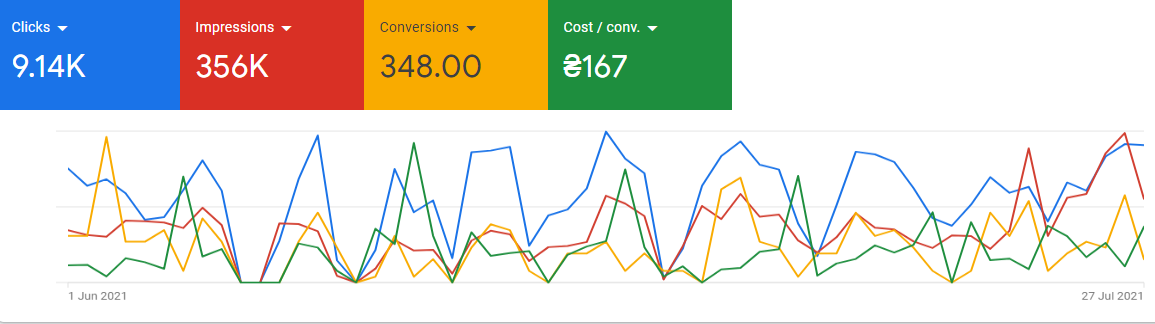
A notable case is a SaaS company specializing in project management software. By implementing a Google Ads campaign focused on targeted keywords such as “project management tools for teams,” they achieved a
35% increase in lead generation within three months. The campaign utilized both search and display ads to capture potential customers at different stages of the buying funnel. Their strategy included A/B testing various ad copies and optimizing landing pages for conversion rates, leading to a 25% reduction in cost per acquisition.
Manufacturing Firm Boosts Sales
A manufacturing firm that produced industrial components turned to Google Ads to enhance its sales figures. By leveraging a combination of remarketing and targeted search ads, the firm increased its sales by 40% over six months. The ads specifically targeted industries that heavily relied on their products, utilizing tailored messaging that addressed industry-specific pain points. Additionally, the firm implemented a robust tracking system to monitor return on ad spend (ROAS), resulting in a 200% increase in overall campaign effectiveness.
Service Provider Enhances Brand Awareness
An IT services provider aimed to elevate its brand visibility in a competitive market. The company opted for a Google Ads strategy that prioritized video ads and display campaigns on relevant industry websites. Through this approach, they achieved a 50% increase in brand recognition as measured by surveys conducted before and after the campaign. The targeted audience included decision-makers in various industries, and the results demonstrated a substantial increase in website traffic and engagement metrics.
Lessons Learned from Failed Campaigns
Not every campaign yields positive results. A software development firm faced challenges with a poorly targeted Google Ads campaign that led to high click-through rates but low conversion rates. The lack of specific audience targeting resulted in wasted ad spend and a 30% increase in bounce rates on their landing pages. Key lessons include the necessity of thorough audience research and the importance of aligning ad messaging with audience expectations. Analyzing failed campaigns can provide critical insights for future successes.
Common misconceptions about Google Ads for B2B often include the belief that high click-through rates directly correlate with success. However, effective B2B campaigns prioritize conversions over clicks, focusing on nurturing leads through the sales funnel rather than merely attracting traffic.
To leverage these insights, B2B marketers should consider the following actionable steps:
- Conduct detailed audience research to inform targeted ad strategies.
- Utilize A/B testing to refine ad copy and landing page effectiveness.
- Implement robust tracking systems to measure campaign performance and adjust strategies accordingly.
- Focus on long-tail keywords that align closely with specific business needs.
- Regularly analyze both successful and failed campaigns to continuously improve tactics.
Integrating Google Ads with Other Marketing Channels
Creating a cohesive marketing strategy requires the integration of Google Ads with various platforms. This synergy enhances brand visibility, optimizes customer engagement, and maximizes conversion rates.

Using Google Ads Alongside Email Marketing
Email marketing remains a powerful tool for B2B engagement, with an average ROI of $42 for every dollar spent. Integrating Google Ads with email campaigns can amplify reach and effectiveness. Utilize Google Ads to retarget users who interacted with your emails but did not convert. This strategy can significantly increase the chances of re-engaging potential customers, reminding them of your offerings.
Combining Social Media Advertising for Broader Reach
Social media platforms, such as LinkedIn and Facebook, are essential for B2B outreach. Pairing Google Ads with social media advertising allows for a more comprehensive marketing strategy. Consider the following approaches:
- Run Google Ads to drive traffic to social media profiles, enhancing follower count.
- Use social media insights to inform Google Ads targeting, ensuring alignment with audience interests.
- Leverage cross-promotion techniques, where social posts highlight Google Ads promotions, driving traffic to landing pages.
This integration can lead to a 30% increase in overall engagement rates when executed effectively.
Aligning SEO Efforts with PPC Campaigns
A unified approach to SEO and PPC can yield significant benefits. Google Ads can provide immediate visibility while SEO builds long-term organic presence. Key strategies include:
- Identifying high-performing keywords through Google Ads data to inform SEO content creation.
- Using PPC campaigns to test landing page effectiveness before committing to organic strategies.
- Incorporating insights from organic search performance to optimize ongoing PPC efforts.
Research shows that businesses integrating SEO with PPC see up to a 50% reduction in customer acquisition costs.
Creating a Unified Customer Journey
A seamless customer journey is essential for B2B success. By integrating Google Ads with other marketing channels, businesses can create a consistent messaging experience. This can be achieved by:
- Ensuring brand messaging is consistent across Google Ads, email, and social media platforms.
- Utilizing analytics tools to track user behavior across channels, allowing for personalized marketing efforts.
- Creating cohesive landing pages that reflect the messaging seen in advertisements across all platforms.
A unified customer experience can lead to a 70% increase in customer satisfaction and loyalty over time.
Common misconceptions about channel integration often overlook the necessity of strategic alignment. Many assume that running separate campaigns across channels is sufficient. However, without a cohesive strategy, potential customers may experience disjointed messaging, leading to confusion and disengagement. Expert marketers recognize that synchronized efforts across Google Ads and other channels create a stronger brand narrative and enhance overall effectiveness.
To implement these strategies effectively, businesses should take the following actions:
- Analyze performance metrics from all channels to identify overlaps and opportunities for synergy.
- Develop a content calendar that aligns messaging across Google Ads, email newsletters, and social media posts.
- Regularly review and adjust campaigns based on performance data to ensure ongoing optimization.
These steps will create a more integrated approach to marketing, driving better results through the strategic use of Google Ads for B2B initiatives.
Evaluating the Best Google Ads For B2B
In the rapidly evolving landscape of digital advertising, businesses must compare various advertising platforms to maximize their return on investment. With the B2B digital advertising market projected to reach $20 billion by 2026, understanding the nuances of each provider is crucial for effective campaign management. Key evaluation criteria include targeting capabilities, pricing structures, and unique features that align with specific business goals.
| Provider / Option | Best For | Pricing | Key Feature |
|---|---|---|---|
| Google Ads | Comprehensive advertising solutions | Pay-per-click, average $1-$2 per click | Extensive reach and targeting options |
| LinkedIn Ads | B2B targeting and networking | Pay-per-click, average $5-$6 per click | Professional audience targeting |
| Facebook Ads | Visual engagement and retargeting | Pay-per-click, average $0.50-$2 per click | Advanced audience segmentation |
| Microsoft Advertising | Bing users and lower competition | Pay-per-click, average $1-$3 per click | Integration with LinkedIn data |
| AdRoll | Retargeting and multi-channel campaigns | Varies, average $1-$5 per click | Cross-channel retargeting capabilities |
| HubSpot Ads | Inbound marketing integration | Starts at $50/month plus ad spend | Integration with CRM tools |
| SEMrush Ads | Competitive analysis and insights | Starts at $119.95/month | Keyword research and ad tracking |
Criteria for Evaluating Program Quality
- Targeting Capabilities: Evaluate how well each platform allows you to reach your desired audience. Look for options that provide advanced demographic, geographic, and behavioral targeting features.
- Pricing Structure: Understand the costs associated with each provider. Compare pay-per-click rates and consider any additional fees that may apply, ensuring they fit within your advertising budget.
- Unique Features: Assess the standout features of each platform. This could include integration with existing tools, analytics capabilities, or specific ad formats that align with your marketing strategy.
- User Experience: Consider the ease of use of each platform. A user-friendly interface can significantly impact your ability to create and manage effective campaigns efficiently.
How to Assess the Reputation and Reliability of Providers
- Research Customer Reviews: Look for testimonials and case studies from businesses similar to yours to gauge satisfaction levels with the provider.
- Check Industry Recognition: Investigate any awards or recognitions the provider has received within the digital advertising space, indicating credibility.
- Evaluate Customer Support: Review the quality and availability of customer service options, ensuring you can get help when needed.
- Analyze Transparency: Ensure the provider is upfront about pricing, features, and any limitations associated with their services.
Which Google Ads For B2B Is Right for You?
Choosing the right Google Ads strategy hinges on your specific business needs, budget, and objectives. This guide is tailored to help you identify the most effective approach based on your audience segment, ensuring a targeted and efficient advertising campaign.
Small business owners
For small business owners, Google Ads provides an excellent opportunity to enhance visibility quickly and affordably. Start with a budget of around $500 to $1,500 per month to run search ads targeting local keywords, which can significantly boost foot traffic and online inquiries.
Marketing agencies
Marketing agencies should consider a dual approach by combining Google Ads with LinkedIn Ads. This strategy allows for precise targeting of specific sectors, particularly in B2B markets. A budget of $1,000 to $3,000 monthly across both platforms can yield substantial engagement and lead generation.
E-commerce companies
E-commerce companies can benefit from integrating Facebook Ads with Google Ads to maximize product visibility and retargeting efforts. Allocating $1,000 to $5,000 monthly across both channels can enhance customer reach and conversion rates, especially during peak shopping seasons.
B2B SaaS companies
B2B SaaS companies are advised to utilize Microsoft Advertising due to its seamless integration with LinkedIn, providing access to a highly professional audience. A monthly budget of $800 to $2,500 is recommended to effectively reach decision-makers in relevant industries.
Freelancers
Freelancers should initiate their advertising efforts with Google Ads focused on local campaigns. A budget of $300 to $800 per month can help attract nearby clients by targeting location-specific keywords, driving localized traffic and potential inquiries.
| If You Are… | Best Approach |
|---|---|
| Small business owners | Google Ads with a budget of $500-$1,500/month |
| Marketing agencies | Google Ads + LinkedIn Ads, $1,000-$3,000/month |
| E-commerce companies | Google Ads + Facebook Ads, $1,000-$5,000/month |
| B2B SaaS companies | Microsoft Advertising, $800-$2,500/month |
| Freelancers | Google Ads for local campaigns, $300-$800/month |
Local Insights for Google Ads Targeting B2B Markets
Understanding geographic and local market factors is crucial for B2B companies utilizing Google Ads. In fact, 76% of people who conduct a local search visit a business within a day, highlighting the importance of local targeting in ad strategies. Localized advertising can significantly enhance conversion rates, particularly when tailored to specific regional needs.
Geographic Market Differences
In competitive urban markets like San Francisco or New York City, B2B companies must focus on highly targeted campaigns to stand out, often utilizing niche keywords and local business insights. Conversely, businesses in less competitive regions, such as rural areas in the Midwest, can leverage broader keyword strategies and emphasize their unique local offerings to capture a wider audience.
Local Business Applications
Local businesses can uniquely benefit from Google Ads by tailoring their campaigns to specific regional needs. Consider the following use cases:
- Local Trade Shows: Running ads to promote participation in local trade shows or business expos can attract attendees and generate leads.
- Regional Partnerships: Highlighting collaborations with local suppliers or service providers can enhance credibility and appeal to community-oriented clients.
- Localized Offers: Creating special promotions or discounts for local customers can drive foot traffic and online inquiries.
- Geo-targeted Campaigns: Implementing geo-targeting to reach businesses within a specific radius can ensure ads are seen by the right audience.
Local Search and Visibility Impact
The effectiveness of Google Ads for B2B is closely tied to local search rankings and visibility. Businesses should take the following actions to optimize their local presence:
- 1. Ensure consistent NAP (Name, Address, Phone) information across all platforms.
- 2. Optimize the Google Business Profile with relevant keywords related to services offered.
- 3. Encourage and manage customer reviews to enhance local credibility and search rankings.
- 4. Utilize local keywords in ad copy and landing pages to improve relevance.
- 5. Implement local citations in reputable directories to boost visibility.
Pricing and Cost in Local Markets
Costs for Google Ads can vary significantly based on geographic location. In metropolitan areas, businesses may expect to pay between $5 to $15 per click, while in smaller towns or less competitive markets, costs can range from $1 to $5 per click. Local businesses should budget accordingly, aiming for a monthly ad spend of $500 to $2,000, depending on their competitive landscape and campaign goals.
Local Implementation Checklist:
- Define target geographic areas for your Google Ads.
- Optimize your Google Business Profile with accurate information.
- Conduct keyword research focused on local terms relevant to your industry.
- Create localized ad copy that speaks to your community’s needs.
- Monitor and respond to customer reviews regularly.
- Set up geo-targeting in your ad campaigns.
- Track and analyze ad performance based on local metrics.
For B2B businesses looking to generate local leads through Google Ads or Local SEO, GMB Ranger LLC offers hands-on campaign management. Specialist Md Tangeer Mehedi personally handles campaign setup and ongoing optimization — with no payment required until the first lead comes in.
Frequently Asked Questions
What are Google Ads for B2B?
Google Ads for B2B are online advertising campaigns designed to promote business-to-business products or services through Google’s advertising platform. These ads target specific audiences based on keywords, demographics, and interests to drive qualified leads and conversions.
How do I set up Google Ads for my B2B business?
To set up Google Ads for a B2B business, create a Google Ads account and define your campaign goals. Next, select relevant keywords, create compelling ad copy, and set your budget to launch targeted ads that reach your ideal audience.
What is the average cost of Google Ads for B2B?
The average cost of Google Ads for B2B can vary significantly based on industry, competition, and targeting options, typically ranging from $1 to $10 per click. Businesses should monitor their campaigns closely to optimize spending and maximize ROI.
What are the best practices for Google Ads in B2B?
Best practices for Google Ads in B2B include conducting thorough keyword research, utilizing ad extensions, and implementing targeted landing pages. Regularly analyzing performance data and adjusting strategies based on insights is also essential for success.
How does Google Ads for B2B compare to LinkedIn Ads?
Google Ads for B2B primarily focuses on search intent and broad audience targeting through keywords, while LinkedIn Ads center around professional demographics and networking. Each platform serves different objectives, with Google Ads often driving immediate traffic and LinkedIn Ads fostering brand awareness and engagement.
How long does it take to see results from Google Ads for B2B?
Results from Google Ads for B2B can typically be seen within a few days to weeks, depending on factors such as budget, competition, and campaign settings. Continuous monitoring and optimization can further enhance performance over time.
Final Thoughts on Google Ads for B2B
Leveraging Google Ads in the B2B landscape requires a nuanced understanding of target audiences, budget management, and strategic execution. Success hinges on employing advanced targeting techniques and avoiding common pitfalls, with data-driven analysis guiding continual optimization.
To maximize the effectiveness of your Google Ads campaigns, conduct a thorough audience segmentation exercise and refine your messaging to align with the specific pain points and needs of each segment. This targeted approach will enhance engagement and conversion rates.
Ready to take your advertising to the next level? Consider partnering with a b2b google ads agency that understands your unique business needs.
Mastering Google Ads for B2B is essential for driving growth and maintaining a competitive edge in an increasingly digital marketplace.
Leave a Reply