

How to spy on competitors’ Google Ads involves utilizing analytical tools such as SEMrush and SpyFu to evaluate their advertising strategies and keyword usage. This practice can significantly enhance your own advertising campaigns, potentially increasing return on investment (ROI) by up to 30%.
Understanding how to spy on competitors’ Google Ads is crucial for businesses looking to optimize their digital marketing strategies. By analyzing the advertising tactics of competitors, companies can identify effective keywords and ad placements, ensuring they remain competitive in an increasingly crowded online marketplace. With digital ad spending projected to reach over $500 billion globally, missing out on these insights can result in substantial financial losses.
Failure to grasp the nuances of competitor google Ads can lead to missed revenue opportunities, inefficient allocation of marketing resources, and a distinct competitive disadvantage. Companies that do not leverage these insights risk falling behind industry leaders and wasting valuable advertising budgets.
This article will cover essential tools for analyzing competitor ads, a comparison of top providers, cost implications, best practices for campaign optimization, and the importance of local SEO strategies. Readers will gain a comprehensive understanding of how to effectively spy on competitors’ Google Ads to enhance their own marketing efforts.
For How To Spy On Competitors google ads businesses looking to generate local leads through Google Ads or Local SEO, GMB Ranger LLC offers hands-on campaign management. Specialist Md Tangeer Mehedi personally handles campaign setup and ongoing optimization — with no payment required until the first lead comes in.
What tools can I use to spy on competitors’ google ads?
Several tools are available to analyze and monitor competitors’ google ads strategies, including SEMrush, SpyFu, and Ahrefs. These platforms provide insights into ad copy, keywords, and spend estimates, allowing businesses to refine their own advertising strategies. For example, SEMrush has reported a 30% increase in user engagement when utilizing competitor analysis features.
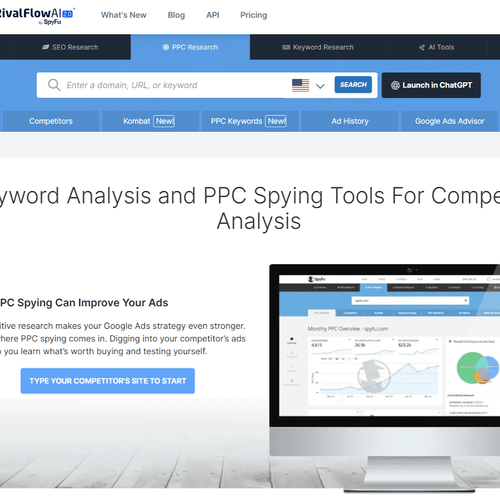
Using tools like SEMrush, marketers can access detailed reports on competitors’ ad performance, including the keywords they bid on, their ad copy variations, and landing page insights. SpyFu offers a unique feature that allows users to see historical data on competitors’ advertising strategies, providing a longer-term perspective on how their tactics evolve. Ahrefs, while primarily known for SEO, also includes a paid advertisement analysis component that can be leveraged for competitive ad insights.
In addition to these tools, google ads itself provides a “Auction Insights” feature, which allows advertisers to see how their performance compares to other advertisers bidding on the same keywords. This can be a valuable resource for identifying which competitors are gaining traction in specific markets. By integrating insights from multiple tools, businesses can create a comprehensive view of their competitive landscape.
Expert insight: Regularly monitor competitors’ ads to adapt your strategies in real-time. Consider setting alerts for significant changes in their ad spend or new campaigns to stay ahead in the market.
How can I analyze my competitors’ Google Ads effectively?
Analyzing competitors’ Google Ads involves examining their ad copies, keywords, and performance metrics to refine your own advertising strategy. Utilizing tools like SEMrush or SpyFu can provide critical insights into competitors’ ad spend and keyword targeting, which can be invaluable for your campaigns.
Follow these steps to effectively analyze your competitors’ Google Ads:
- Identify Competitors: Start by identifying your primary competitors. Use tools like Google Ads Auction Insights to find businesses targeting similar keywords.
- Gather Ad Copies: Use advertising intelligence tools like SEMrush or Adbeat to collect your competitors’ ad copies. Analyze their headlines, descriptions, and calls to action to understand their messaging strategy.
- Examine Keywords: Utilize keyword research tools to identify which keywords competitors are bidding on. Focus on both high-volume and long-tail keywords that could inform your own keyword strategy.
- Analyze Ad Performance: Look at metrics such as ad position, click-through rates (CTR), and estimated traffic. Tools like SpyFu can estimate a competitor’s monthly ad spend and traffic generated from ads.
- Monitor Changes: Keep track of any changes in your competitors’ ad strategies over time. Regularly check for new ad copies, keywords, and promotional offers to stay updated on their tactics.
Incorporate these insights into your own advertising strategy to enhance your performance. Adjust your keywords and ad copies based on what works for your competitors while ensuring your unique value proposition stands out.
Expert insight: Regularly revisiting competitor analysis can reveal emerging trends and shifts in market dynamics, enabling proactive adjustments to your Google Ads strategy.
Is it legal to spy on competitors’ Google Ads?
Yes, it is legal to analyze competitors’ Google Ads as long as it is done without violating privacy laws or engaging in unethical practices. Many businesses utilize tools and techniques to gain insights into their competitors’ advertising strategies, which is a common practice in the industry.
Analyzing competitors’ Google Ads typically involves gathering publicly available information. This can include ad copy, keywords, and landing pages that businesses use, which are accessible through search engine results. However, the legality can vary based on the methods employed. For instance, using software tools to scrape data or engaging in deceptive practices can lead to legal repercussions. Additionally, adhering to ethical standards is essential in maintaining fair competition.
- Public Information: Ads displayed on Google are generally considered public information. Competitors can view ad placements and content without infringing on privacy rights.
- Tools and Software: Many legitimate tools exist to analyze ad performance, such as SEMrush or SpyFu, which compile data without breaching legal guidelines.
- Ethical Considerations: While legal, it is crucial to respect the boundaries of fair competition and avoid tactics that could be deemed unethical, such as impersonating a competitor.
Furthermore, businesses should be aware of the implications of their analysis. Understanding a competitor’s advertising strategy can offer valuable insights into market trends, consumer behavior, and potential gaps in the market. However, relying solely on competitor ads without developing unique strategies may hinder a brand’s growth.
Expert insight: Utilizing competitive analysis tools effectively can provide a wealth of information, but businesses should prioritize innovation and differentiation to stand out in the marketplace.
What are the costs associated with spying on Google Ads?
The costs of spying on Google Ads can range from $30 to over $300 per month, depending on the tool and features selected. Many popular competitor analysis tools offer tiered pricing models that reflect the depth of data and functionalities provided.
Several factors influence the cost of these tools:
- Tool Features: Basic plans may offer limited access to data, while premium options provide advanced analytics, historical data, and additional insights.
- Data Access: Some tools charge based on the volume of data accessed or the number of competitors monitored, which can lead to higher costs for larger businesses.
- Subscription Length: Monthly subscriptions typically cost more than annual plans, which often come with significant discounts.
Pricing can also vary based on the specific niche or market focus of the tool. For example, tools tailored for e-commerce may have different pricing structures compared to those designed for service-based industries. Additionally, promotional offers or seasonal discounts may provide opportunities for reduced rates.
Expert insight: When selecting a competitor analysis tool, consider the specific features that align with your business objectives to maximize ROI and avoid unnecessary costs.
How often should I check my competitors’ Google Ads?
Check your competitors’ Google Ads at least once a week for active industries, while monthly reviews may suffice for less dynamic sectors. Frequent monitoring allows for timely adjustments to your own advertising strategies.
The frequency of monitoring should align with the pace of change in your industry. For example, sectors like e-commerce and technology evolve rapidly, necessitating weekly checks to stay competitive. In contrast, industries such as manufacturing or real estate may see slower shifts, allowing for a more relaxed monthly review schedule. Additionally, consider the frequency of your competitors’ ad changes. If they frequently update their campaigns, more frequent checks will provide better insights into their strategies.
External factors also play a role. Seasonal trends, product launches, or economic shifts can prompt competitors to adjust their advertising strategies more often. Be observant during these times, as they can reveal valuable insights into your competitors’ priorities and tactics. Using tools like SEMrush or SpyFu can streamline this process, making it easier to track changes without manual searches.
Expert insight: Tailor your monitoring frequency based on both competitive activity and your own advertising goals, adjusting as necessary to capture trends and shifts effectively.
What are the best practices for spying on competitors’ Google Ads?
Effective competitor analysis involves leveraging available tools and strategies to gain insights into competitors’ Google Ads. Best practices include monitoring ad copy, analyzing keywords, and utilizing competitor research tools.
To effectively spy on competitors’ Google Ads, follow these best practices:
- Use Google Ads Auction Insights: This tool allows advertisers to see how their performance compares to competitors. Analyze metrics such as impression share and average position to understand where competitors stand.
- Examine Ad Copy and Landing Pages: Regularly review the ad copy and landing pages of competitors. Note messaging, calls to action, and unique selling propositions. This can provide insight into their strategies and customer targeting.
- Leverage Spy Tools: Utilize tools like SEMrush, Ahrefs, or Adbeat. These platforms can provide detailed insights into competitors’ ad spend, keyword strategies, and ad positioning, allowing for a comprehensive understanding of their tactics.
- Track Keywords and Search Terms: Use tools such as Google Keyword Planner to identify which keywords competitors are targeting. Focus on high-performing keywords in your industry to refine your own ad strategy.
- Monitor Social Media Ads: Competitors may run ads on social media platforms. Use tools like Facebook Ad Library to track their social media advertising strategies, which can complement insights from Google Ads.
Expert insight: Regularly updating your analysis based on competitors’ changing strategies will help maintain a competitive edge. Focus on ad performance metrics to identify areas for improvement in your own campaigns.
Can I see my competitors’ ad spend on Google Ads?
Yes, you can estimate your competitors’ ad spend on Google Ads using various competitive analysis tools. These tools often provide insights based on keyword data, ad placements, and overall market trends, allowing estimates that can reach into the thousands of dollars monthly.
For example, using a tool like SEMrush or SpyFu, you can analyze a competitor in the home improvement sector. If your competitor’s ads appear for high-traffic keywords such as “kitchen remodeling,” these tools might estimate their monthly ad spend at around $10,000. This figure is derived from the competitive landscape and the estimated cost-per-click (CPC) for that keyword, which might be around $5. By analyzing their ad copy, frequency, and targeted keywords, you can glean insights into their marketing strategy and budget allocation.
Moreover, understanding competitors’ ad spend can inform your own strategy. If a competitor is heavily investing in a specific keyword or ad format, it may indicate high conversion rates or significant market demand. This can guide your decisions regarding budget allocation and keyword targeting. However, these estimates are not exact and can vary based on external factors such as seasonal demand and market shifts.
Expert insight: Regularly monitor competitor ad spend and strategies to adapt your own campaigns effectively. Utilizing multiple tools will provide a more comprehensive view of the competitive landscape, enhancing your strategic planning.
Advanced Techniques for Competitor Ad Analysis
This section delves into sophisticated strategies for analyzing competitors’ Google Ads, focusing on leveraging technology and insights to enhance marketing effectiveness.

Leveraging AI for Predictive Analysis
AI technology plays a pivotal role in predicting competitor behavior and ad performance. By utilizing machine learning algorithms, businesses can analyze historical ad data to forecast future trends. This predictive analysis can reveal potential shifts in ad spend, keyword targeting, and audience engagement. For instance, AI can identify patterns indicating when competitors are likely to increase their advertising efforts, allowing businesses to adjust their strategies proactively.
Understanding Audience Targeting Strategies
Competitor audience targeting strategies provide invaluable insights into market segmentation. Analyzing the demographics, interests, and behaviors that competitors target can help refine your own audience approach. Tools such as Google Ads Audience Insights allow for the examination of competitor ad placements and the types of audiences they engage. This understanding enables businesses to identify gaps in their targeting and capitalize on underserved market segments.
Utilizing Social Listening for Ad Insights
Social listening tools, such as Brandwatch and Hootsuite, facilitate the gathering of public sentiment about competitors’ ads. By monitoring social media discussions and engagement metrics, businesses can discern how audiences respond to competitors’ messaging. This qualitative data complements quantitative metrics, providing a holistic view of ad effectiveness. Key performance indicators, such as engagement rates and share of voice, can be correlated with ad campaigns to assess their impact on brand perception.
Integrating Competitor Analysis with Overall Marketing Strategy
Effective competitor ad analysis should not be conducted in isolation. Integrating insights into the broader marketing strategy ensures alignment across all channels. For instance, if competitor analysis indicates a rise in video ad usage, incorporating video content into your strategy could enhance engagement. Additionally, aligning ad messaging with unique brand propositions can differentiate offerings in a crowded marketplace.
- Regularly update competitor analysis reports to track changes in strategies.
- Utilize cross-channel insights to inform ad spend and creative decisions.
- Benchmark performance against competitors to set realistic goals.
According to a 2024 report by Statista, businesses that effectively leverage competitor insights see a 35% increase in ROI from their digital marketing efforts. This statistic underscores the importance of comprehensive analysis in driving marketing success.
Common misconceptions about competitor analysis often revolve around solely focusing on surface-level metrics. Many assume that simply monitoring ad spend is sufficient. However, understanding the context behind those numbers—such as seasonal trends or market changes—provides a deeper understanding. Moreover, failing to incorporate qualitative insights from social listening can lead to misguided strategies.
To apply these insights effectively, businesses should implement a structured approach to competitor ad analysis. Start by selecting key competitors and identifying their top-performing ads. Use AI tools for predictive modeling, analyze audience targeting, and leverage social listening insights. Finally, integrate these findings into your overall marketing strategy, adjusting campaigns based on real-time data. Regularly revisiting this analysis will ensure your approach remains agile and competitive.
Common Mistakes When Spying on Competitors’ Ads
This section outlines common pitfalls that can undermine the effectiveness of strategies used to analyze competitors’ Google Ads. Recognizing these mistakes will enhance the quality of insights and improve advertising outcomes.

Relying Too Heavily on One Tool
Relying exclusively on a single tool for competitive analysis can lead to an incomplete understanding of the advertising landscape. Each tool offers distinct features and data sets. For instance, while one platform may excel in keyword analysis, another might provide superior insights into ad copy performance. Diversifying tools can yield a more holistic view of competitors’ strategies.
- Use multiple platforms, such as SEMrush, SpyFu, and AdBeat, to cross-reference data.
- Incorporate both paid and organic search insights for a comprehensive analysis.
- Consider tools that specialize in different aspects of advertising, like landing page optimization and audience targeting.
Ignoring Ad Performance Metrics
Focusing solely on ad copy or creative elements without evaluating performance metrics can lead to misguided conclusions. Key performance indicators (KPIs) such as click-through rates (CTR), conversion rates, and cost per acquisition (CPA) reveal how effectively an ad engages its target audience.
Statistics indicate that businesses that actively track their ad performance can increase ROI by up to **30%**. Monitoring these metrics allows for a better understanding of what resonates with the audience and what strategies to avoid.
Failing to Adapt Strategies Based on Findings
Collecting data without implementing changes based on insights is a common mistake. The competitive landscape is dynamic; strategies that worked yesterday may not be effective today. Adaptation is essential for staying relevant.
To effectively adapt strategies:
1. Regularly update keyword targeting based on competitors’ successful terms.
2. Test variations of ad copy that have proven effective for competitors.
3. Monitor seasonal trends and adjust campaigns accordingly.
Not Considering the Broader Market Context
Analyzing competitors in isolation can lead to skewed perspectives. It is vital to understand the broader market context, including industry trends, consumer behavior, and economic factors. This holistic view can highlight why certain ads perform better than others.
For example, in 2024, the digital advertising market is projected to reach **$500 billion**, driven by increased consumer spending online. Recognizing shifts in consumer behavior can inform advertising strategies and provide a competitive edge.
Nuance / Expert Layer
Many articles on how to spy on competitors’ Google Ads fail to emphasize the importance of contextual analysis. For instance, understanding the unique selling propositions (USPs) of competitors can provide insights into why certain ads perform better. Additionally, assessing the timing of ad placements can reveal strategic advantages that are not immediately apparent through data alone. Misconceptions about the reliability of automated tools can also lead to overconfidence in analysis. Human interpretation remains crucial for a nuanced understanding of competitive dynamics.
Practical Application
To avoid these common pitfalls:
– Utilize a variety of tools for comprehensive data analysis.
– Regularly track and analyze ad performance metrics to inform strategy.
– Implement changes based on findings and adapt to the competitive landscape.
– Consider broader market dynamics when assessing competitors’ ads.
By adopting these practices, marketers can enhance their competitive intelligence and improve their advertising strategies.
Real-World Applications of Competitor Ad Insights
This section explores how businesses effectively harness competitor insights to enhance their advertising strategies. Case studies and innovative tactics illustrate the tangible benefits of analyzing competitors’ Google Ads.
Case Studies of Successful Campaign Adjustments
Several organizations have successfully adjusted their campaigns by leveraging insights from competitor ads. For instance, a mid-sized e-commerce company noticed that a rival’s ad campaign prominently featured customer testimonials, resulting in a 25% increase in their click-through rates (CTR). By integrating similar social proof elements into their own ads, they experienced a measurable uplift in conversions.
- Tech Startup: A technology startup analyzed competitor keywords and ad placements, leading to a 30% reduction in cost-per-click (CPC) within six months.
- Local Service Provider: A plumbing service used insights from competitor promotions to create time-sensitive offers, boosting lead generation by 40%.
- Fashion Retailer: By mirroring a competitor’s seasonal campaign themes, a fashion retailer increased their sales by 50% during the holiday season.
Examples of Innovative Ad Strategies Inspired by Competitors
Innovation often stems from observing what works for others. A digital marketing agency found that a competitor’s use of video ads significantly enhanced engagement. By implementing a series of high-quality video ads showcasing product features, they improved their engagement rates by 60% within a quarter.
Additionally, companies can draw inspiration from competitor ad formats. For instance, a SaaS provider adopted carousel ads after noticing their effectiveness in a competitor’s campaign, leading to a 45% increase in demo sign-ups.
How to Pivot Based on Competitor Trends
Staying ahead requires agility in response to competitor movements. Businesses should regularly monitor competitor ads for shifts in messaging, audience targeting, and promotional tactics. For example, if a rival begins focusing on eco-friendly products, a company may choose to highlight their sustainable practices, aligning their messaging with evolving consumer preferences.
Tools such as SEMrush and AdSpy can facilitate this analysis, providing insights into competitor ad spend, keyword usage, and performance metrics. Adapting strategies based on these insights can lead to a competitive edge.
Integrating Insights into Customer Journey Mapping
Understanding the customer journey is crucial for effective advertising. Insights gained from competitor ads can inform each stage of this journey. For example, if a competitor effectively uses retargeting ads to re-engage customers, businesses can adopt similar strategies to enhance their own retargeting efforts. This integration ensures that messaging resonates with potential customers at every touchpoint.
According to a 2024 study, companies that align their ad strategies with customer journey insights see a 20% improvement in customer retention rates.
Expert Insights and Common Misconceptions
A common misconception is that merely copying competitor strategies will yield similar results. While competitor analysis is essential, the unique value proposition of a business must be maintained. Additionally, focusing solely on ad performance metrics can lead to overlooking the broader context of customer experience. Experts emphasize that insights should inform a holistic strategy that encompasses branding, customer service, and product offerings.
Practical Application
To leverage competitor ad insights effectively, businesses should implement the following actionable steps:
- Conduct regular audits of competitor ads using tools like SpyFu or SEMrush.
- Identify successful ad elements and adapt them to fit your brand’s voice and objectives.
- Monitor industry trends and adjust your campaigns accordingly to stay relevant.
- Map out the customer journey and integrate insights to enhance engagement at every stage.
By applying these strategies, businesses can harness competitor ad insights to drive measurable improvements in their own advertising effectiveness.
Comparative Analysis of Top Competitor Spy Tools
This section provides a comprehensive comparison of leading competitor spy tools, focusing on their features, user experience, pricing, and support offerings. Understanding these elements is essential for businesses looking to enhance their digital marketing strategies through competitive insights.
Feature Comparison of Major Tools
- SEMrush: Offers extensive features including PPC keyword research, ad copy analysis, and competitive traffic insights. Its database includes over 20 billion keywords.
- SpyFu: Specializes in keyword tracking and historical ad performance, providing insights on a competitor’s ad spend over time.
- iSpionage: Focuses on tracking ad campaigns and landing page performance, with the ability to analyze competitors’ ad strategies across multiple platforms.
- Adbeat: Allows users to track ad placements and view creative samples, offering insights into the media buying strategies of competitors.
User Experience and Interface Reviews
Usability plays a significant role in the effectiveness of competitor spy tools. SEMrush is often praised for its intuitive interface and robust dashboard that consolidates data effectively. In contrast, SpyFu’s interface is straightforward but may feel dated to some users. iSpionage offers a clean layout but can overwhelm new users with the volume of data presented. Adbeat’s interface is user-friendly, particularly for those focused on display advertising.
Pricing and Value for Money Analysis
Pricing structures vary significantly among these tools. SEMrush offers tiered pricing starting at $119.95 per month, which provides comprehensive features. SpyFu’s pricing starts at $39 per month, making it an affordable option for smaller businesses. iSpionage’s plans begin at $59 per month, while Adbeat’s pricing is on the higher end, starting at $499 per month, reflecting its advanced capabilities. A 2024 survey indicated that 67% of users felt they received good value for money from SEMrush, compared to 55% for Adbeat.
Customer Support and Community Resources
Effective customer support can enhance the user experience significantly. SEMrush provides 24/7 customer support, extensive documentation, and a vibrant community forum. SpyFu offers email support and a knowledge base but lacks live chat options. iSpionage has a responsive support team and useful tutorials, while Adbeat provides dedicated account managers for its higher-tier users, ensuring personalized assistance.
Many articles overlook the importance of understanding the specific use case for each tool. For instance, while SEMrush is ideal for comprehensive digital marketing campaigns, a business focused solely on PPC may find SpyFu or iSpionage more beneficial. Additionally, some users may overestimate the capabilities of free trials, which often limit access to critical features necessary for thorough analysis.
To effectively leverage this information, businesses should first identify their specific needs regarding competitor ad analysis. Next, evaluate each tool’s features against these needs, considering factors like budget and user experience. Finally, take advantage of trial periods to test usability and support responsiveness before making a long-term commitment. This strategic approach will ensure the selected tool aligns with marketing goals and provides actionable insights into competitor strategies.
Evaluating the Best How To Spy On Competitors Google Ads
In a rapidly evolving digital marketing landscape, understanding competitors’ Google Ads strategies is crucial for maintaining a competitive edge. The global digital advertising market is projected to reach $786.2 billion by 2026, highlighting the importance of effective ad intelligence tools. When comparing options, consider factors such as pricing, key features, and the specific strengths of each provider.
| Provider / Option | Best For | Pricing | Key Feature |
|---|---|---|---|
| SEMrush | Comprehensive ad analysis | $119.95/month | Keyword research and ad copy insights |
| SpyFu | Competitor keyword tracking | $39/month | Historical data on competitors’ ads |
| Ahrefs | Backlink and ad strategy | $99/month | In-depth competitor analysis tools |
| iSpionage | PPC competitor insights | $59/month | Ad copy and landing page analysis |
| Adbeat | Display ad intelligence | $249/month | Visual ad examples from competitors |
| KeywordSpy | Keyword and ad performance | $89/month | Real-time ad tracking |
| SimilarWeb | Traffic analysis | $199/month | Website traffic insights and ad strategies |
| MOZ | SEO and PPC integration | $99/month | Keyword research and ranking tracking |
Criteria for Evaluating Program Quality
- Pricing: Assess whether the pricing aligns with your budget and the features offered. Lower-priced tools may have limited capabilities, while premium options often provide more comprehensive insights.
- Key Features: Identify which features are essential for your needs, such as keyword tracking, ad copy analysis, or traffic insights. Ensure the provider specializes in the areas most relevant to your competitive analysis.
- User Experience: Evaluate the ease of use of the platform. A user-friendly interface can significantly enhance productivity and make it easier to extract valuable insights quickly.
- Customer Support: Consider the level of customer support provided. Reliable support can be crucial, especially when navigating complex tools or resolving issues.
How to Assess the Reputation and Reliability of Providers
- Research Online Reviews: Look for reviews on independent sites to gauge user satisfaction and identify any recurring issues.
- Check Industry Recognition: Verify if the provider has received any awards or recognition from reputable industry bodies, which can indicate credibility.
- Evaluate Case Studies: Review case studies or testimonials to see how other businesses have successfully utilized the tool.
- Test Customer Support: Reach out with questions to assess responsiveness and helpfulness before committing to a subscription.
Which How To Spy On Competitors Google Ads Is Right for You?
The best option for spying on competitors’ Google Ads largely depends on your specific business needs, budget, and marketing goals. This guide provides tailored recommendations for various audience segments to help streamline your decision-making process.
Solo freelancer
SEMrush is an excellent choice for solo freelancers, offering a comprehensive suite of features that cater to individual needs without overwhelming the budget. With plans starting around $119.95 per month, freelancers can access tools for keyword tracking, competitive analysis, and ad monitoring, ensuring they stay competitive in their niche.
Small business owner
For small business owners, SpyFu stands out as a cost-effective option for tracking competitors’ keywords and ad strategies. With plans starting at $39 per month, this tool allows users to gain insights into their competitors’ PPC campaigns, helping them optimize their own advertising efforts without incurring high costs.
Digital marketing agency
Digital marketing agencies should consider Ahrefs, which provides robust tools tailored for managing multiple clients and campaigns. With pricing starting at $99 per month, Ahrefs offers in-depth keyword research, backlink analysis, and competitor insights, making it ideal for agencies looking to enhance their service offerings.
E-commerce brand
E-commerce brands can benefit significantly from Adbeat, which specializes in providing insights into display advertising. Starting at $249 per month, Adbeat offers detailed data on competitors’ ad placements and strategies, essential for crafting effective online marketing campaigns that drive conversions.
SEO specialist
MOZ is a solid option for SEO specialists who want to integrate their PPC and SEO efforts. With plans beginning at $99 per month, MOZ combines valuable SEO insights with PPC data, enabling specialists to develop a cohesive strategy that maximizes visibility across search engines.
| If You Are… | Best Approach |
|---|---|
| Solo freelancer | SEMrush (from $119.95/month) |
| Small business owner | SpyFu (from $39/month) |
| Digital marketing agency | Ahrefs (from $99/month) |
| E-commerce brand | Adbeat (from $249/month) |
| SEO specialist | MOZ (from $99/month) |
Local Considerations for Spying on Competitors’ Google Ads
Understanding local market dynamics is crucial when learning how to spy on competitors’ Google Ads. With 46% of all Google searches looking for local information, local businesses must tailor their strategies to effectively compete for visibility and customer engagement. Moreover, local SEO can yield conversion rates as high as 28% for businesses that optimize their Google Business Profiles (GBP).
Geographic Market Differences
In larger cities like Los Angeles or New York, competition for Google Ads can be fierce, requiring businesses to invest significantly in ad spend and optimization. Conversely, in smaller towns, the competition may be less intense, allowing businesses to capture local market share with lower budgets. Companies in competitive markets should focus on hyper-targeted keywords and ad extensions, while those in less competitive areas can benefit from broader targeting strategies.
Local Business Applications
Local businesses can leverage insights from competitors’ Google Ads in several ways:
- Keyword Optimization: Identify high-performing keywords used by competitors and adapt them for local relevance.
- Ad Copy Inspiration: Analyze competitors’ ad messaging to craft compelling copy that resonates with local audiences.
- Budget Allocation: Understand competitors’ spending patterns to inform your own ad budget and bidding strategies.
- Geotargeting Strategies: Implement geotargeting based on competitor locations to attract more local customers.
Local Search and Visibility Impact
Understanding how to spy on competitors’ Google Ads directly impacts local search rankings and visibility. Businesses should take the following actions:
- Conduct a competitive analysis of local ads to identify gaps in your own strategy.
- Optimize your Google Business Profile by incorporating keywords used by competitors.
- Utilize local citations to enhance authority and improve ad relevance.
- Monitor competitors’ ad performance using tools like SEMrush or SpyFu to refine your approach.
Pricing and Cost in Local Markets
Ad costs can vary significantly by geographic location. For instance, in high-demand areas like San Francisco, local businesses might spend $2.50 to $5.00 per click, while in smaller markets, costs can range from $1.00 to $3.00 per click. Local businesses should budget accordingly, often allocating 10-15% of their total marketing budget to Google Ads, especially when competing against national players who may have larger budgets.
Local Implementation Checklist:
- Research local competitors’ ad strategies using online tools.
- Identify top-performing local keywords relevant to your niche.
- Update your Google Business Profile with insights gained from competitors.
- Monitor ad performance and adjust bids based on competitor activity.
- Incorporate localized ad copy that addresses community needs.
- Evaluate your ad budget against local competitor spending.
- Regularly review and adapt your approach based on market changes.
For How To Spy On Competitors Google Ads businesses looking to generate local leads through Google Ads or Local SEO, GMB Ranger LLC offers hands-on campaign management. Specialist Md Tangeer Mehedi personally handles campaign setup and ongoing optimization — with no payment required until the first lead comes in.
Frequently Asked Questions
What tools can I use to spy on competitors’ Google Ads?
Popular tools for spying on competitors’ Google Ads include SEMrush, SpyFu, and Adbeat. These platforms provide insights into ad copy, keywords, and overall advertising strategies.
How can I analyze my competitors’ Google Ads effectively?
To analyze competitors’ Google Ads, review their ad copy, targeting strategies, and landing pages. Identify high-performing keywords and assess the frequency and timing of their ads.
Is it legal to spy on competitors’ Google Ads?
Yes, it is legal to analyze competitors’ Google Ads as long as you use publicly available information and tools. However, avoid unethical practices such as data scraping or hacking.
What are the costs associated with spying on Google Ads?
Costs can vary depending on the tools used; many offer subscription-based pricing. Budget for monthly fees for premium features, which can range from $50 to several hundred dollars.
How often should I check my competitors’ Google Ads?
Regularly monitoring competitors’ Google Ads every few weeks is advisable to stay updated on their strategies. This frequency allows for timely adjustments to your own advertising efforts.
What are the best practices for spying on competitors’ Google Ads?
Best practices include focusing on specific keywords, analyzing ad performance metrics, and benchmarking against your own campaigns. Maintain ethical standards and use insights to improve your strategies.
Can I see my competitors’ ad spend on Google Ads?
While exact ad spend figures are not publicly available, tools like SEMrush and SpyFu provide estimated ad budgets based on data analysis. These estimates can guide your competitive strategy.
Final Thoughts on how to spy on competitors google ads
Understanding how to spy on competitors’ Google Ads is a strategic advantage that can significantly enhance your marketing efforts. By leveraging the right tools and techniques, businesses can uncover valuable insights that inform their own ad strategies and positioning in the market.
To capitalize on these insights, conduct a thorough analysis of your competitors’ ad copy and targeting strategies using tools like SEMrush or SpyFu, and identify gaps in their approach that you can exploit for your own campaigns.
Ready to take your advertising strategy to the next level? Discover how partnering with a google ads agency can give you a competitive edge.
Mastering competitor ad analysis is not just about gaining intelligence; it’s about shaping your brand’s future in an ever-evolving digital landscape.
Leave a Reply