
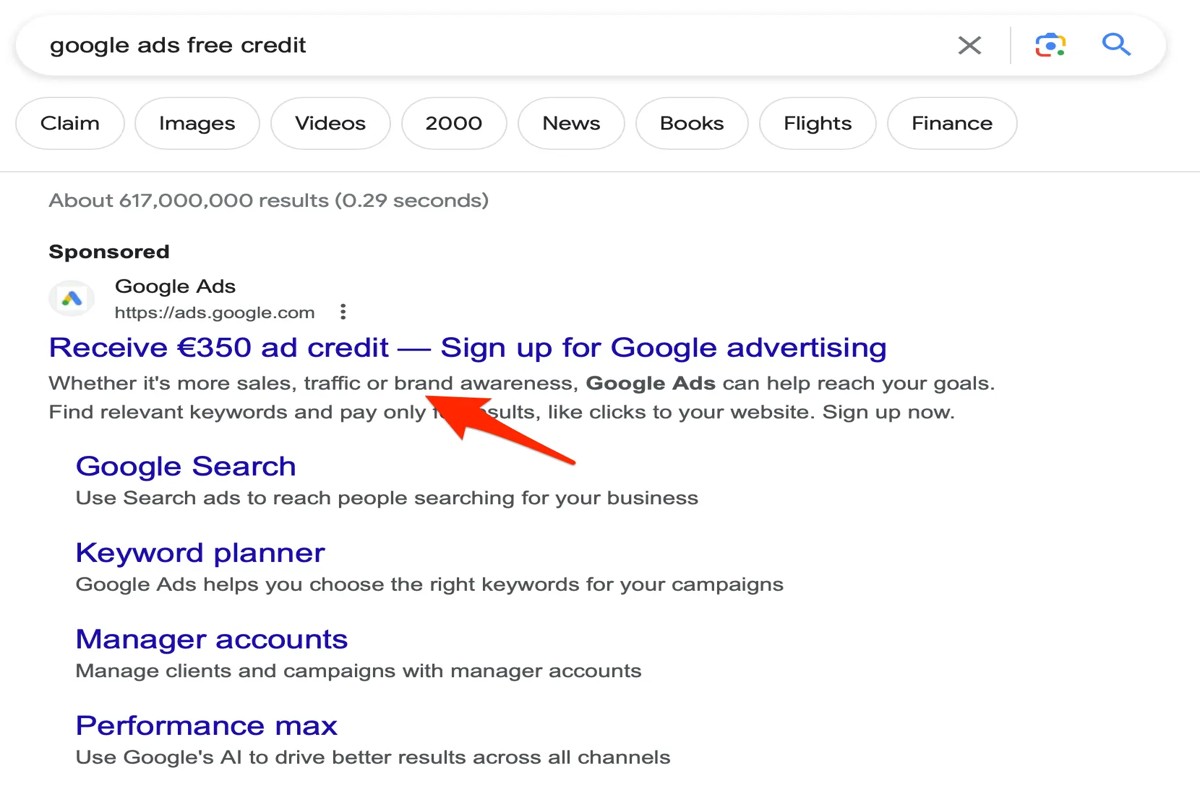
To post free ads on Google, you can use Google My Business to create a listing. This platform allows businesses to promote themselves at no cost and effectively reach local customers searching for relevant services or products.
Understanding how to post free ads on Google is crucial for businesses looking to increase visibility and attract local clientele. Failing to utilize this tool can result in missed opportunities and diminished online presence in a competitive market.
This guide details the step-by-step process for setting up a Google My Business listing, optimizing your profile for maximum reach, and tips for crafting effective ad content that resonates with your target audience.
For How To Post Free Ads On Google businesses looking to generate local leads through Google Ads or Local SEO, GMB Ranger LLC offers hands-on campaign management. Specialist Md Tangeer Mehedi personally handles campaign setup and ongoing optimization — with no payment required until the first lead comes in.
What are the steps to post free ads on Google?
To post free ads on Google, utilize Google My Business to create and manage your listings. This process allows businesses to promote their services and reach a wider audience without incurring advertising costs. Follow the steps below to effectively post your free ads.
- Create a Google My Business account: Visit the Google My Business website and click on “Manage now.” Sign in with your Google account or create a new one if necessary.
- Enter your business information: Fill out your business name, address, and phone number. Ensure that this information is accurate and complete, as it will be displayed in your ad.
- Select your business category: Choose a category that best represents your business. This helps Google show your ad to relevant customers searching for your services.
- Add your business location: If you serve customers at your business location, input your address. Alternatively, if you offer services without a physical location, you can specify the areas you serve.
- Complete your business profile: Add essential details such as your website URL, business hours, and a description. Use keywords relevant to your business to enhance visibility.
- Verify your business: Google will require you to verify your business, typically via a postcard sent to your business address. Follow the instructions provided to complete this step.
- Post updates and offers: Once verified, use the Google My Business dashboard to create posts about promotions, events, or new products. These posts will appear in your business listing and in Google search results.
Regular updates to your Google My Business profile can significantly enhance your visibility and attract more customers. Engaging with customers through posts and responding to reviews can further improve your online presence.
Expert Tip: Utilize Google Insights to track the performance of your posts. This data will help you understand what content resonates with your audience, allowing you to refine your advertising strategy for better engagement and conversions.
Can I really post ads for free on Google?
Yes, you can post ads for free on Google through specific platforms and services. While traditional Google Ads requires payment for visibility, there are several avenues available for free advertising that can enhance your online presence.
One of the primary options is Google My Business, which allows businesses to create a free listing that appears in local search results and Google Maps. This service enables businesses to provide essential information such as location, hours, and contact details, thereby increasing visibility without any cost. Another option is Google’s Local Services Ads, which may allow for a trial period where businesses can appear in search results without upfront payment, but this generally leads to paid advertising after a certain threshold is met.
- Google My Business: A free tool for businesses to manage their online presence, enhancing local search visibility.
- Google Merchant Center: Allows retailers to display their product listings for free in Google Shopping results.
- Organic Search Results: Creating high-quality content that ranks naturally in Google search can effectively act as free advertising.
While these options allow for free visibility, it is essential to understand that they require time and effort to manage effectively. Free listings may not provide the same immediate reach or targeting capabilities as paid ads, but they can be highly beneficial for brand awareness and local engagement.
Utilizing these free options can significantly enhance your marketing strategy. Focus on optimizing your Google My Business profile, as it often serves as the first point of contact for potential customers searching for your services.
What is Google My Business and how does it help with free ads?
Google My Business (GMB) is a free tool that allows businesses to manage their online presence across Google, including Search and Maps. By creating a GMB listing, businesses can provide essential information such as location, hours of operation, and services offered, making it easier for potential customers to find and contact them. This platform significantly enhances visibility and supports free advertising efforts.
Using Google My Business effectively can lead to increased customer engagement and drive traffic to a business’s website or physical location. GMB listings appear prominently in local search results, which is particularly beneficial for small businesses targeting local customers. When users search for relevant services in their area, a well-optimized GMB listing can improve the chances of being seen over competitors.
- Business Information: Users can find crucial details such as address, phone number, and business hours, which can lead to increased foot traffic and inquiries.
- Customer Interaction: GMB allows businesses to respond to reviews, answer questions, and post updates, fostering a relationship with customers.
- Insights and Analytics: Businesses can access performance data, including how customers found their listing, which helps refine marketing strategies.
Additionally, Google My Business supports the posting of updates and promotions, which serve as a form of free advertisement. These posts can include special offers, events, or new product launches, directly reaching potential customers who discover the business through Google Search or Maps.
To maximize the benefits of Google My Business, businesses should regularly update their information and engage with customers through posts and responses. This not only enhances their visibility but also builds trust with potential clients.
Expert Tip: Optimize your GMB listing with high-quality images and relevant keywords in your business description to improve search rankings and attract more local customers.
How effective are free ads on Google compared to paid ads?
Free ads on Google can be effective for certain businesses and local visibility, but generally, paid ads yield higher visibility and better conversion rates. Free ads rely on organic search traffic, while paid ads guarantee placement in search results and on various platforms. Consequently, businesses must weigh their budget against the potential reach and engagement of each option.
Free ads typically include listings on Google My Business or other organic search placements. These listings can improve local search visibility and attract customers without direct costs. However, their effectiveness is often limited by competition and the algorithms that govern organic search results. Businesses may find that while free ads can drive some traffic, they often lack the immediacy and scale of paid ads.
In contrast, paid ads, such as Google Ads, provide targeted visibility across Google’s extensive network. Advertisers can choose specific keywords, demographics, and geographical areas to reach their ideal audience. This level of control allows for tailored campaigns that can be adjusted in real-time based on performance metrics. Key differences include:
- Cost: Free ads incur no costs, while paid ads require a budget.
- Visibility: Paid ads appear prominently, often above organic results, while free ads may be harder to find.
- Control: Paid ads offer greater control over targeting and campaign adjustments compared to free ads.
For businesses with limited budgets, starting with free ads can build initial visibility. However, as competition increases, investing in paid ads often becomes necessary to maintain a strong market presence and achieve specific sales goals.
Expert Tip: Analyze your target audience and market competition carefully. For optimal results, combine both free and paid advertising strategies to maximize reach and engagement.
What are the best practices for posting free ads on Google?
To effectively post free ads on Google, focus on clarity, relevance, and engagement. Implementing best practices can significantly enhance the visibility and effectiveness of your ads. Here are some key strategies to optimize your free ads on the platform.
- Craft a Compelling Headline: Your headline should be clear, concise, and attention-grabbing. Use keywords relevant to your product or service to maximize visibility in search results.
- Utilize High-Quality Images: Visual content can increase engagement. Use clear, high-resolution images that accurately represent what you are advertising, as they can capture potential customers’ interest more effectively.
- Write a Clear Call to Action: Include a persuasive call to action (CTA) in your ad copy. Phrases like “Call now,” “Get a free quote,” or “Visit our website” can encourage users to take the desired action.
- Target the Right Audience: Utilize Google’s targeting options to reach your ideal audience. Consider demographics, location, and interests to ensure your ad reaches potential customers who are likely to engage.
- Monitor and Adjust Your Ads: Regularly review the performance of your ads using Google’s analytics tools. Be prepared to make adjustments to improve effectiveness, such as tweaking the ad copy or changing images based on performance metrics.
Implementing these best practices not only increases the chances of your ad being seen but also enhances user engagement. Regularly analyzing ad performance can lead to continuous improvement and better results over time.
Expert Tip: Test different versions of your ad through A/B testing to determine what resonates best with your audience. Small changes in wording or visuals can yield significant differences in response rates.
How long does it take for free ads to appear on Google?
Free ads typically take between a few hours to a few days to appear on Google. The exact timing depends on various factors, including the ad’s content, the platform used to post it, and Google’s indexing process.
Once an ad is submitted, Google needs to crawl and index the content. This process can vary based on the volume of content being processed at the time, as well as how frequently Google crawls specific sites. For example, ads posted on platforms that are frequently crawled by Google may appear faster than those on less active sites. Additionally, if the ad contains any prohibited content or formatting issues, it may be delayed or rejected, extending the timeline before visibility.
Another significant factor is the competitive landscape of the ad’s category. If an ad is posted in a highly competitive market, it may take longer to gain visibility as Google prioritizes ads based on relevance and quality. Therefore, optimizing the ad’s content with relevant keywords and appealing visuals can enhance its chances of quicker indexing and display.
In some cases, ads may not appear at all if they violate Google’s advertising policies. Regularly checking the ad’s status and ensuring compliance with guidelines can prevent unnecessary delays.
Expert Tip: To expedite the process, ensure that your ad is optimized for keywords relevant to your target audience, and consider using Google’s own platforms, such as Google My Business, which can lead to faster indexing.
Are there any costs associated with posting free ads on Google?
No, posting free ads on Google does not incur direct costs. However, while the basic posting itself is free, there are optional features that may require payment, depending on the goals of the advertiser.
Several factors can influence the overall cost when using Google for advertising, even when opting for free listings. These factors include:
- Paid Features: Google offers various paid advertising options, such as Google Ads, which can enhance visibility. Advertisers can choose to promote their free ads through paid campaigns for better reach.
- Geographic Targeting: Some features allow advertisers to target specific regions or demographics, which may involve additional costs if utilizing advanced targeting options.
- Ad Performance Boosts: Tools that provide insights or optimization suggestions to improve ad performance may come with fees. These tools can help maximize the effectiveness of free ads.
While the fundamental act of posting free ads on Google incurs no charges, the potential for costs arises when advertisers seek to enhance their listings through optional paid features. Advertisers should evaluate their needs and budget to determine if these enhancements are necessary for their particular goals.
Expert Tip: Consider starting with free ads to gauge audience response before investing in paid enhancements. This strategy allows for a better understanding of market dynamics and ad performance without immediate financial commitment.
What are common mistakes to avoid when posting free ads on Google?
Common mistakes when posting free ads on Google include failing to optimize ad content, neglecting to follow Google’s advertising policies, and overlooking audience targeting. These errors can lead to poor visibility and low engagement with potential customers.
One frequent mistake is not optimizing ad copy. For example, a local bakery may post an ad stating, “Delicious cakes available.” This ad lacks specific details and keywords that potential customers might search for. Instead, a more effective ad would include keywords like “custom birthday cakes,” mention the bakery’s location, and highlight unique selling points such as “gluten-free options.” This approach increases the ad’s chances of appearing in relevant search results.
Another common error is ignoring Google’s advertising policies, which can result in ad disapproval or removal. For instance, ads that make exaggerated claims, like “guaranteed weight loss in one week,” can violate these policies. To prevent this, always review the guidelines before posting. Additionally, targeting the wrong audience can dilute ad effectiveness. A yoga studio promoting classes should focus on local residents rather than a broad national audience. Utilizing Google’s audience targeting tools can help ensure the ad reaches the right demographic.
Expert Tip: Regularly analyze ad performance using Google Analytics to identify areas for improvement. Adjusting ad content based on performance data can significantly enhance engagement and conversion rates.
Maximizing Visibility: Advanced Strategies for Free Ads
This section delves into sophisticated techniques that enhance the visibility of free ads, ensuring they reach the intended audience effectively. By applying these advanced strategies, advertisers can significantly increase engagement and drive traffic to their offerings.
Utilizing Keywords Effectively
Effective use of keywords in ad copy is crucial for capturing attention. Start by conducting keyword research to identify terms relevant to your product or service. Incorporate these keywords naturally into your ad’s title and description. This practice not only improves search engine ranking but also aligns the ad with user intent.
- Use long-tail keywords for more specific targeting.
- Avoid keyword stuffing; maintain readability.
- Monitor keyword performance and adjust as needed.
Leveraging Local SEO
Local SEO is a powerful tool for targeting specific audiences within a geographic area. Optimize your ad by including location-based keywords, such as city or neighborhood names. This strategy enhances visibility to users searching for services in their locality.
- Register on Google My Business to improve local search visibility.
- Encourage customers to leave reviews, which can boost local rankings.
- Utilize local landmarks in your ad copy to resonate with the audience.
Incorporating Multimedia Elements
Multimedia elements such as images and videos can significantly enhance the appeal of free ads. Visual content captures attention more effectively than text alone. Use high-quality images that reflect your brand and offerings, and consider short videos that demonstrate product benefits.
- Ensure images are optimized for fast loading.
- Use alt text to describe multimedia elements for SEO.
- Experiment with different formats to see what resonates best with your audience.
Engaging with Customer Reviews
Customer reviews play a vital role in building credibility and trust. Actively engage with reviews by responding to both positive and negative feedback, demonstrating that you value customer input. This engagement not only fosters loyalty but also enhances the ad’s visibility in search results.
- Respond promptly to reviews to show responsiveness.
- Highlight positive reviews in your ads or website.
- Encourage satisfied customers to leave reviews to boost reputation.
Many advertisers overlook the potential of integrating all these strategies cohesively. For instance, while using keywords, it’s common to neglect multimedia optimization or local SEO. A multifaceted approach combining these elements not only enhances visibility but also creates a more impactful user experience.
To implement these strategies effectively, begin by conducting keyword research tailored to your target audience. Create visually appealing ads with optimized images or videos, and ensure your ad copy includes local keywords. Engage with your audience through reviews and adapt your approach based on feedback and performance metrics. By applying these advanced tactics, visibility for your free ads on Google can be maximized significantly.
Real-World Applications: Case Studies of Successful Free Ads
This section explores real-world examples of businesses that effectively utilized free ads on Google, demonstrating the potential for increased visibility and engagement. By analyzing these case studies, readers can gain insights into successful strategies and common pitfalls.
Local Business Boosts Foot Traffic with Google My Business
A local café in Austin, Texas, implemented a Google My Business (GMB) listing to attract nearby customers. By optimizing their profile with high-quality images, engaging descriptions, and updated hours, they saw a 30% increase in foot traffic within three months. The café also encouraged satisfied customers to leave positive reviews, which enhanced their online reputation and visibility in search results.
Service Provider Gains Clients via Free Ads
A freelance graphic designer in Chicago leveraged Google My Business to showcase their portfolio. By posting regular updates about completed projects and offering promotional deals, they gained 10 new clients within six weeks. The designer’s strategic use of local keywords in their profile contributed to a significant increase in inquiries, demonstrating the effectiveness of targeted free ads.
Lessons from Failed Ad Campaigns
Not all campaigns achieve success. A landscaping company attempted to use Google My Business but overlooked critical elements such as accurate service descriptions and customer engagement. Their listing remained stagnant, resulting in no new clients over a six-month period. This case highlights the necessity of ongoing management and optimization of free ads to maintain visibility and relevance.
- Regularly Update Information: Ensure that hours, services, and contact details are current.
- Engage with Customers: Respond to reviews and inquiries promptly to build relationships.
- Monitor Analytics: Use insights to understand customer behavior and adjust strategies accordingly.
Expert Tips for Optimizing Free Ads
Successful entrepreneurs emphasize several strategies for maximizing the impact of free ads on Google:
- High-Quality Visuals: Use professional images to attract attention.
- Keyword Optimization: Incorporate relevant keywords into your business description to improve search rankings.
- Consistent Posting: Regularly update content to keep the audience engaged and informed.
Many businesses overlook the significance of local SEO in their ad strategy. While using free ads, it is crucial to optimize for local search terms to ensure visibility among nearby customers. Additionally, understanding the nuances of Google’s algorithm can help in refining targeting efforts.
To effectively implement these insights, businesses should take the following actions:
- Create or optimize a Google My Business listing with complete and accurate information.
- Engage with customers by regularly posting updates and responding to reviews.
- Analyze the performance of the ads regularly, adjusting strategies based on data collected.
By applying these methods, businesses can enhance their advertising effectiveness and improve their chances of success when learning how to post free ads on Google.
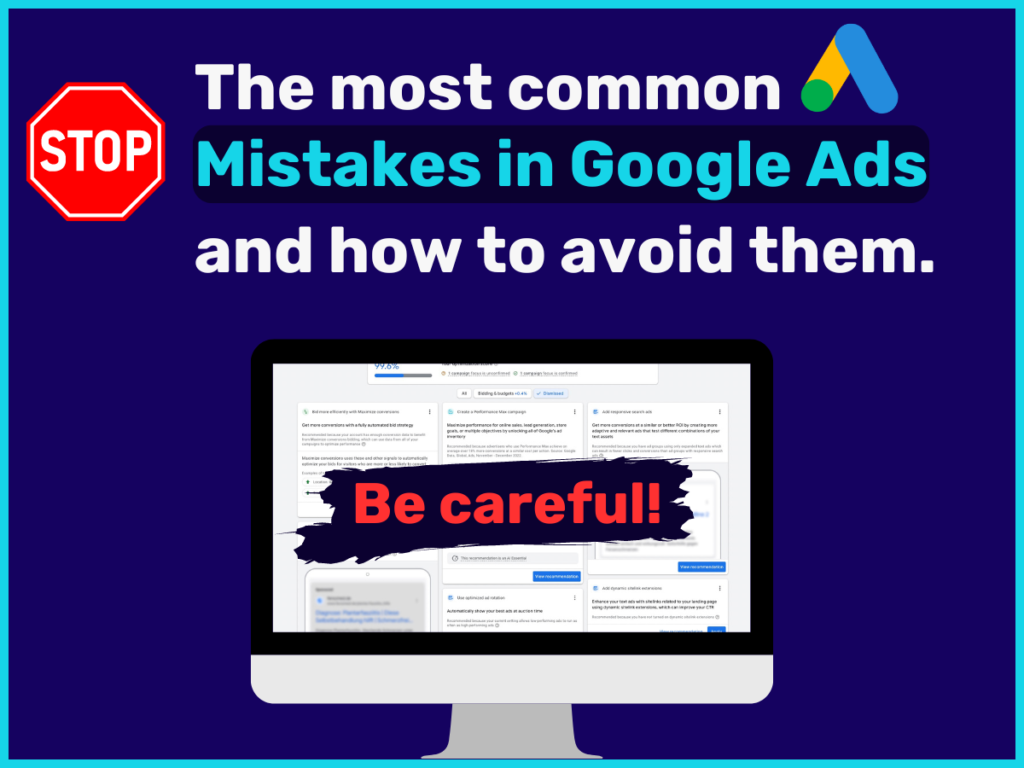
Common Pitfalls: Mistakes to Avoid When Posting Free Ads
This section outlines frequent mistakes made by users when posting free ads on Google and offers strategies to avoid these errors for improved ad performance.
Neglecting to Update Business Information Regularly
Accurate and current business information is essential for effective advertising. Failing to update details such as address, contact number, and operating hours can lead to customer frustration and lost opportunities. Regularly check and refresh your business profile to ensure all information is correct and reflects any changes.
Ignoring Customer Feedback and Reviews
Customer feedback is a valuable resource for improving your ads and overall business practices. Ignoring reviews, whether positive or negative, can harm your reputation and deter potential customers. Engage with feedback by responding promptly and professionally, demonstrating that you value customer opinions and are committed to enhancing their experience.
Failing to Utilize Images and Descriptions Effectively
Visual content significantly impacts user engagement. Ads without images or with poor-quality visuals are less likely to attract attention. Similarly, vague or overly generic descriptions can lead to misunderstandings about your product or service. Utilize high-quality images and write clear, descriptive text that highlights key features and benefits to enhance the appeal of your ads.
Not Tracking Ad Performance and Making Adjustments
Monitoring the performance of your ads is crucial for optimizing results. Many users post ads without analyzing metrics such as click-through rates and conversion rates. Implement tracking tools to gather data on ad performance, allowing you to make informed adjustments that can improve effectiveness. Regularly review analytics to identify trends and adapt your strategy accordingly.
Nuance / Expert Layer
Many users mistakenly believe that posting free ads on Google guarantees visibility and engagement. However, competition can be fierce, particularly in popular categories. This makes it essential to adopt a proactive approach. Consider testing various ad formats, targeting specific demographics, and enhancing your SEO strategies to improve visibility. Additionally, leveraging seasonal trends and local events can create timely opportunities that resonate with your target audience.
Practical Application
- Regularly update your business information, ideally on a monthly basis.
- Actively monitor and respond to customer feedback to build trust.
- Use high-quality images and compelling descriptions in every ad.
- Set up tracking tools to analyze ad performance and make data-driven adjustments.
By avoiding these common pitfalls, you can enhance the effectiveness of your free ads on Google and achieve better results.
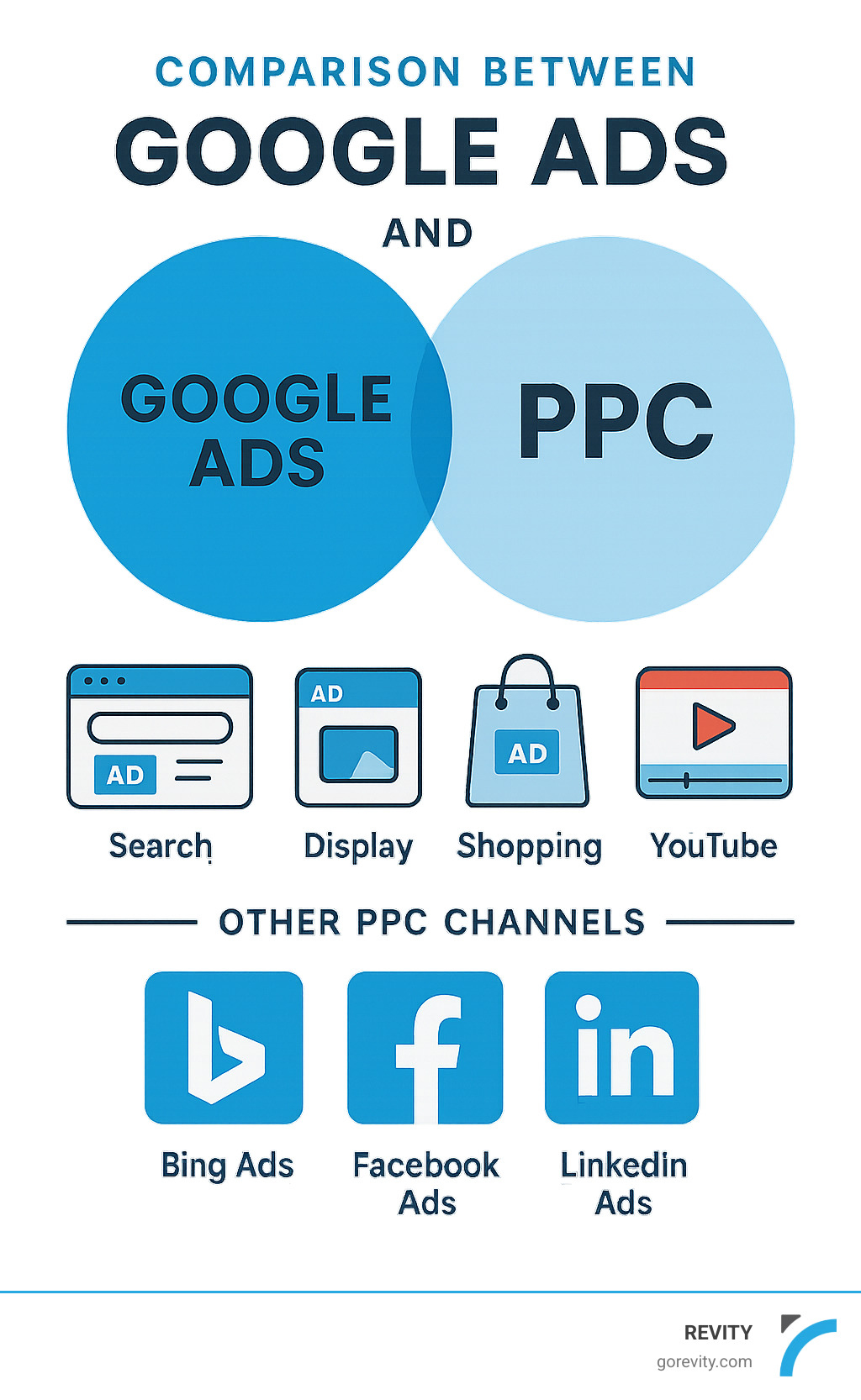
Comparing Free vs. Paid Advertising on Google: What You Need to Know
This section delves into the differences between free and paid advertising on Google, examining the advantages and limitations of each method. Understanding these distinctions is essential for effective marketing strategy development.
Benefits and Limitations of Free Ads
Free advertising options, such as Google My Business listings and organic search listings, offer several distinct advantages. First, they require no financial investment, making them accessible to small businesses and startups. Additionally, free ads can build credibility and trust with customers, as they often appear in organic search results based on relevance rather than payment.
However, there are limitations. Free ads typically yield slower results and may not provide the same visibility as paid options. The competition for organic placements can be fierce, particularly in saturated markets. Furthermore, free ads lack targeting capabilities, limiting their effectiveness in reaching specific demographics.
When to Consider Paid Advertising
Paid advertising becomes a viable option when rapid visibility is essential. Businesses launching new products or services often opt for Google Ads to gain immediate traction. Paid ads also allow for precise targeting, enabling marketers to reach specific audiences based on location, interests, and behaviors.
Another scenario warranting paid ads is during seasonal sales or promotional events. The ability to quickly scale campaigns and adjust budgets in real-time can significantly enhance marketing effectiveness in these situations.
Cost-Benefit Analysis
- Free Advertising: No monetary cost, but potential time investment in SEO and content creation. Results may take longer to materialize.
- Paid Advertising: Requires a budget, often on a pay-per-click (PPC) basis. Immediate visibility and the ability to track ROI effectively.
Assessing the cost-effectiveness of each approach hinges on business goals. For long-term brand building, free ads can be advantageous. For immediate sales or lead generation, paid ads typically deliver faster results.
Real-World Scenarios
Free ads excel in local business contexts, where Google My Business can help a restaurant or service provider gain visibility through customer reviews and local search results. Conversely, an e-commerce brand launching a new product line may benefit significantly from paid ads, targeting specific keywords and demographics to drive traffic quickly.
In contrast, a non-profit organization might leverage free advertising to raise awareness about its cause, while a tech startup entering a competitive market might find that paid advertising is necessary for brand recognition.
Nuances and Expert Insights
One common misconception is that free advertising options are entirely without cost. While there may be no direct financial outlay, the investment of time in optimizing content for SEO can be substantial. Additionally, businesses often overlook the cumulative benefits of a robust free advertising strategy, which can lead to sustained organic traffic over time. Paid ads, while effective, can lead to dependency on continuous funding for visibility, highlighting the importance of balancing both approaches.
Practical Application
To effectively leverage both free and paid advertising, businesses should first assess their immediate marketing goals. If seeking quick visibility, initiate a Google Ads campaign while simultaneously optimizing for free ads through Google My Business and SEO strategies. Regularly evaluate metrics such as click-through rates and conversion rates to adjust strategies accordingly. This dual approach can maximize reach and effectiveness across different channels.
For How To Post Free Ads On Google businesses looking to generate local leads through Google Ads or Local SEO, GMB Ranger LLC offers hands-on campaign management. Specialist Md Tangeer Mehedi personally handles campaign setup and ongoing optimization — with no payment required until the first lead comes in.
Frequently Asked Questions
What are the steps to post free ads on Google?
To post free ads on Google, create a Google My Business account, verify your business, and then add your ad details. Ensure your ad includes relevant keywords and accurate information to attract potential customers.
Can I really post ads for free on Google?
Yes, you can post ads for free on Google using Google My Business. This platform allows businesses to create listings that appear in local search results without any cost.
What is Google My Business and how does it help with free ads?
Google My Business is a free tool that helps businesses manage their online presence across Google, including search and maps. It allows businesses to post ads, share updates, and interact with customers at no charge.
How effective are free ads on Google compared to paid ads?
Free ads on Google can be effective for local visibility, especially for small businesses. However, paid ads typically offer broader reach and more targeted options, leading to potentially higher conversion rates.
What are the best practices for posting free ads on Google?
Best practices include using clear and engaging descriptions, incorporating relevant keywords, and regularly updating your listing. High-quality images and accurate contact information also enhance the effectiveness of your free ads.
How long does it take for free ads to appear on Google?
Free ads can appear on Google within a few hours after posting, but verification of your Google My Business account may take longer. Monitoring your listing regularly ensures you catch any delays.
Are there any costs associated with posting free ads on Google?
Posting free ads on Google through Google My Business is entirely free. However, optional features or enhanced visibility may incur costs if you choose to upgrade to paid advertising options.
What are common mistakes to avoid when posting free ads on Google?
Common mistakes include providing inaccurate information, neglecting to update listings, and using poor-quality images. Additionally, failing to engage with customer reviews can hinder the effectiveness of your free ads.
Final Thoughts on how to post free ads on google
Successfully posting free ads on Google requires a strategic approach, leveraging tools like Google My Business to enhance visibility and engagement. The effectiveness of these ads, while potentially lower than paid alternatives, can still yield significant results when executed with precision and an understanding of the platform’s nuances.
To maximize your impact, take immediate action by optimizing your Google My Business profile and consistently updating it with relevant content, ensuring that your free ads reach the right audience effectively.
Mastering the art of free advertising on Google is not just beneficial; it is essential for any business aiming to thrive in a competitive digital landscape.
Leave a Reply